How to Build a One Pocket EDC
Master the art of carrying everything you need in a single pocket. Learn the selection rules, multi-use strategies, and weight control tactics that make it work.
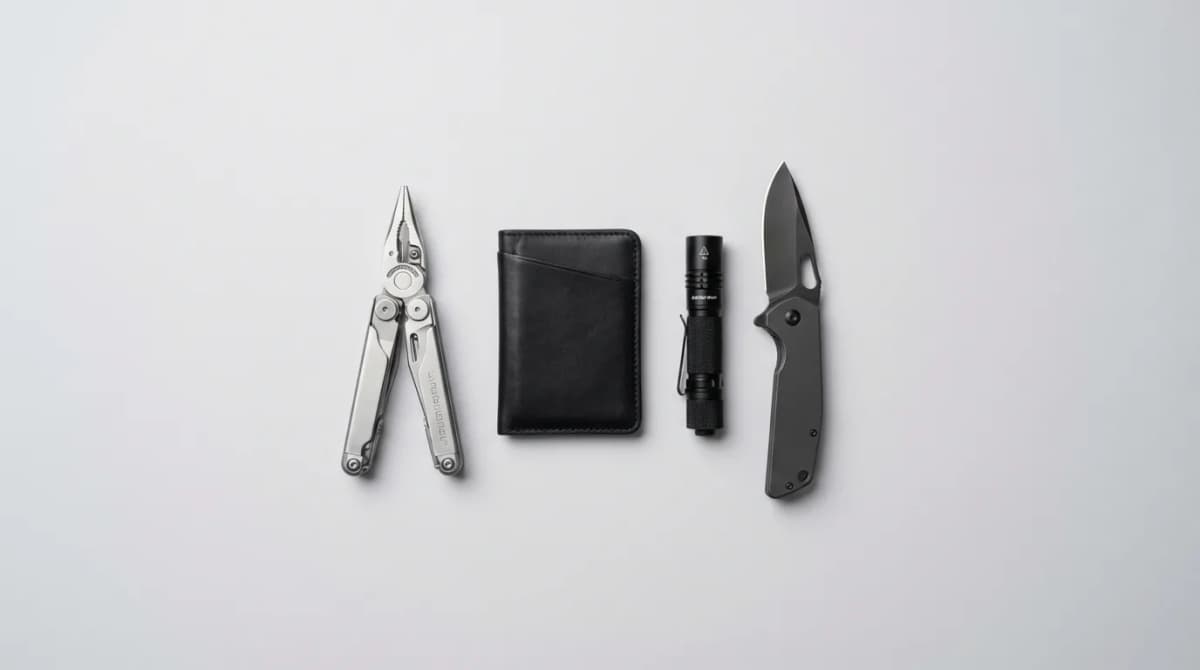
You're heading out for coffee and realize you need your keys, wallet, phone, knife, and maybe a pen. Then you remember you're wearing shorts with exactly one decent pocket. The other pockets are either too shallow, too tight, or sewn shut for some inexplicable reason.
Building a one-pocket EDC isn't about deprivation. It's about choosing gear so well-suited to your needs that you don't miss the extra stuff. Done right, you'll carry less weight, eliminate bulk, and still handle 95% of daily situations. The trick is knowing what actually matters and what you just think you need.
The Core Rule: Every Item Must Justify Its Weight
When you only have one pocket, weight becomes your primary constraint. Not just total weight, but weight-to-utility ratio. A 3-ounce knife that you use twice a week doesn't earn its spot. A 2-ounce multi-tool you use daily does.
Start by tracking what you actually use over two weeks. Not what you might use or what feels good to carry. What you physically reach for and deploy. Most people discover they use their knife for opening packages, their flashlight for looking under desks, and their pen for signing receipts. That's it. You don't need a pry bar, glass breaker, or fire starter for those tasks.
The math changes dramatically with weight. Three 3-ounce items feel fine in a bag. In a single pocket, 9 ounces pulls your pants down and creates a conspicuous bulge. Aim for 5-7 ounces total, including your phone. Yes, your phone counts. It's probably the heaviest thing you're carrying.
Weight distribution matters too. Put the heaviest item (usually your phone) closest to your body. Lighter items go toward the pocket opening. This keeps everything stable when you walk and prevents the dreaded pocket swing.
Multi-Use Items Are Not Optional
Single-purpose tools are the enemy of one-pocket carry. You cannot afford to carry a knife that only cuts, a flashlight that only lights, and a pen that only writes. Every item needs to pull double or triple duty.
The best multi-tools for one-pocket carry aren't traditional plier-based models. Those are too heavy and bulky. Look for compact knife-based multi-tools that add scissors, a file, and maybe a screwdriver. The Victorinox Rambler weighs 1 ounce and includes scissors, a blade, a file, tweezers, and a toothpick. That's five functions in the space of a house key.
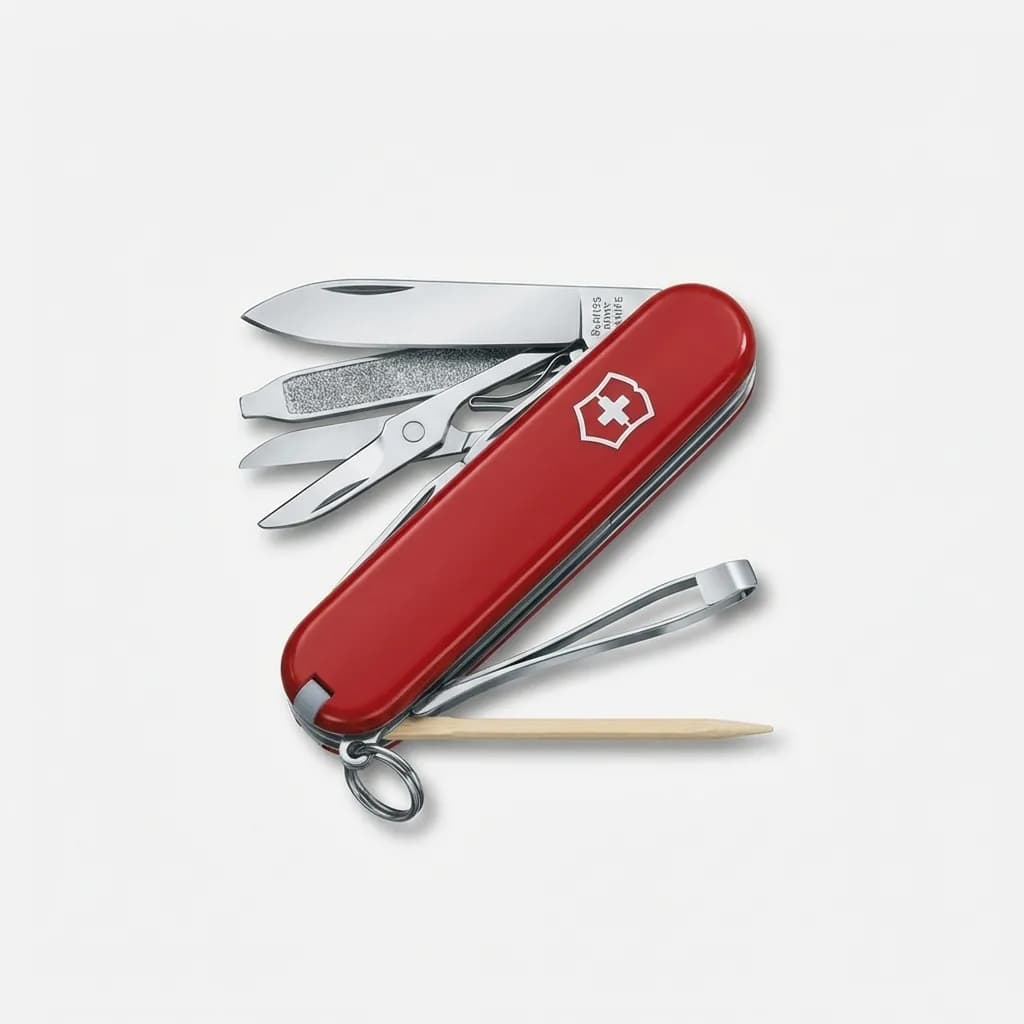
Victorinox Rambler Swiss Army Knife
$25
1-ounce multi-tool with knife blade, scissors, nail file, tweezers, and toothpick. Red ABS scales, 2.25 inches closed. Best function-to-weight ratio for minimal carry.
Your flashlight should double as a backup battery or include a clip that works as a money clip. Your wallet should carry cards and cash but also serve as a phone stand or have an integrated pen. If something only does one thing, it better be something you do every single day.
The phone is your ultimate multi-use item. It's a flashlight (not a great one, but functional), a notepad, a camera, a payment method, and a communication device. Lean into this. Download a quality flashlight app with strobe and SOS functions. Use mobile payment when possible to reduce wallet thickness. Take photos of notes instead of writing them down.
Slim Profile Beats Features Every Time
Thickness is your second constraint after weight. A 4-ounce item that's 0.3 inches thick carries better than a 3-ounce item that's 0.6 inches thick. Thin items stack neatly. Thick items create lumpy, uncomfortable carry that announces your pocket contents to everyone.
Traditional bi-fold wallets are out. They're 0.75 to 1 inch thick even when empty, and they double in thickness with cards and cash. Switch to a slim wallet that holds 3-6 cards and a few folded bills. If you're carrying more than six cards, you're solving the wrong problem. Audit what's actually in your wallet. You don't need three grocery store loyalty cards - they're all in your phone's wallet app now.
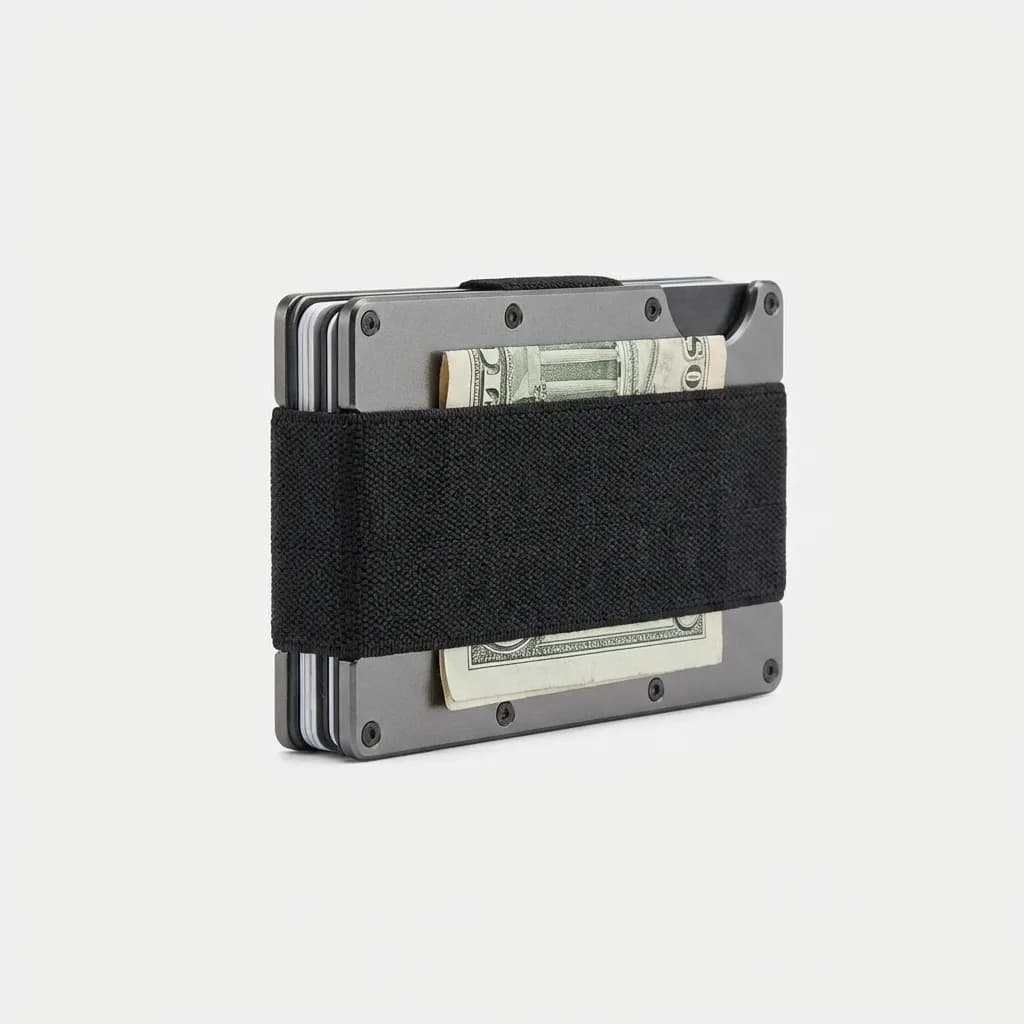
Ridge Wallet
$75
RFID-blocking aluminum wallet holding 1-12 cards, 0.2 inches thick. Elastic cash strap, 3.1-ounce weight. Available in multiple finishes and materials.
Knife thickness varies wildly. A classic Buck 110 folding hunter is nearly 0.6 inches thick with substantial handle scales. A modern Spyderco Dragonfly 2 is 0.4 inches thick. A Victorinox Cadet is 0.25 inches. That difference matters when you're stacking items.
Look for knives with slim handle scales, preferably without thick liners. Frame lock and liner lock designs can be thin, but many add unnecessary material. Slip joints and back locks often achieve the slimmest profiles. The Spyderco Pingo, at 0.3 inches thick, disappears in a pocket despite its full-size blade.
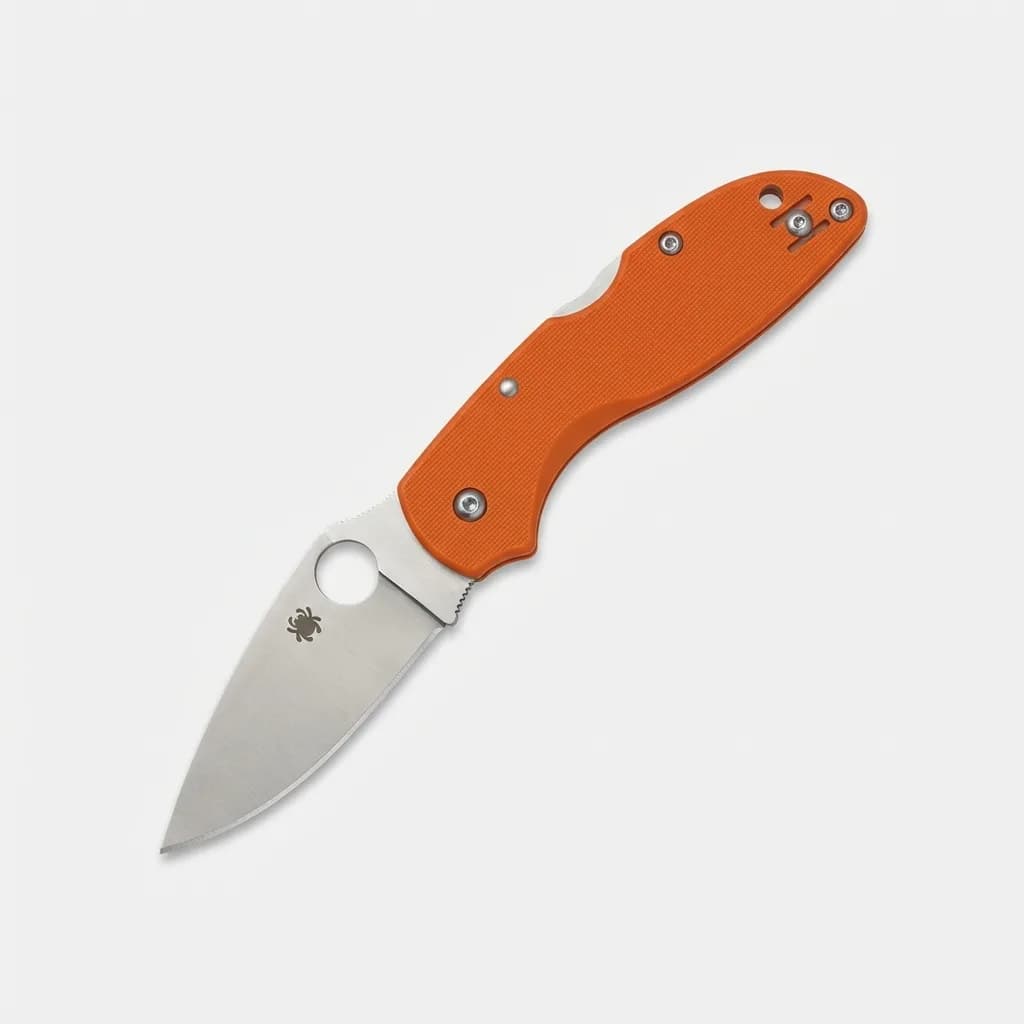
Spyderco Pingo
$90
Slip joint folder with 2.75-inch blade, 0.3-inch thick profile, 1.5-ounce weight. FRN handles, VG-10 steel. Designed specifically for minimal carry and international travel.
Flashlights present the same challenge. A traditional tactical light with a 1-inch body tube is too thick. Look for slim EDC lights with 0.5 to 0.7-inch diameter bodies. The Streamlight Microstream weighs 1.04 ounces and is 0.59 inches in diameter. That's the upper limit for comfortable one-pocket carry.
The Anchor System: How Items Should Stack
Random pocket dumping creates chaos. You need a system for how items stack and interact in your pocket. Think of your phone as the anchor. Everything else arranges around it.
Place your phone screen-in against your leg. This protects the screen from keys and knives while keeping the back exposed for easy removal. Your slim wallet goes behind the phone, creating a stable platform. These two items form the foundation.
Small items - keys, knife, flashlight, multi-tool - stack on the outside of the phone. This keeps them accessible without requiring you to remove the phone. Use clips strategically. A knife with a deep-carry clip can hang below the pocket opening, reducing bulk. A flashlight with a two-way clip can attach to your wallet or phone case.
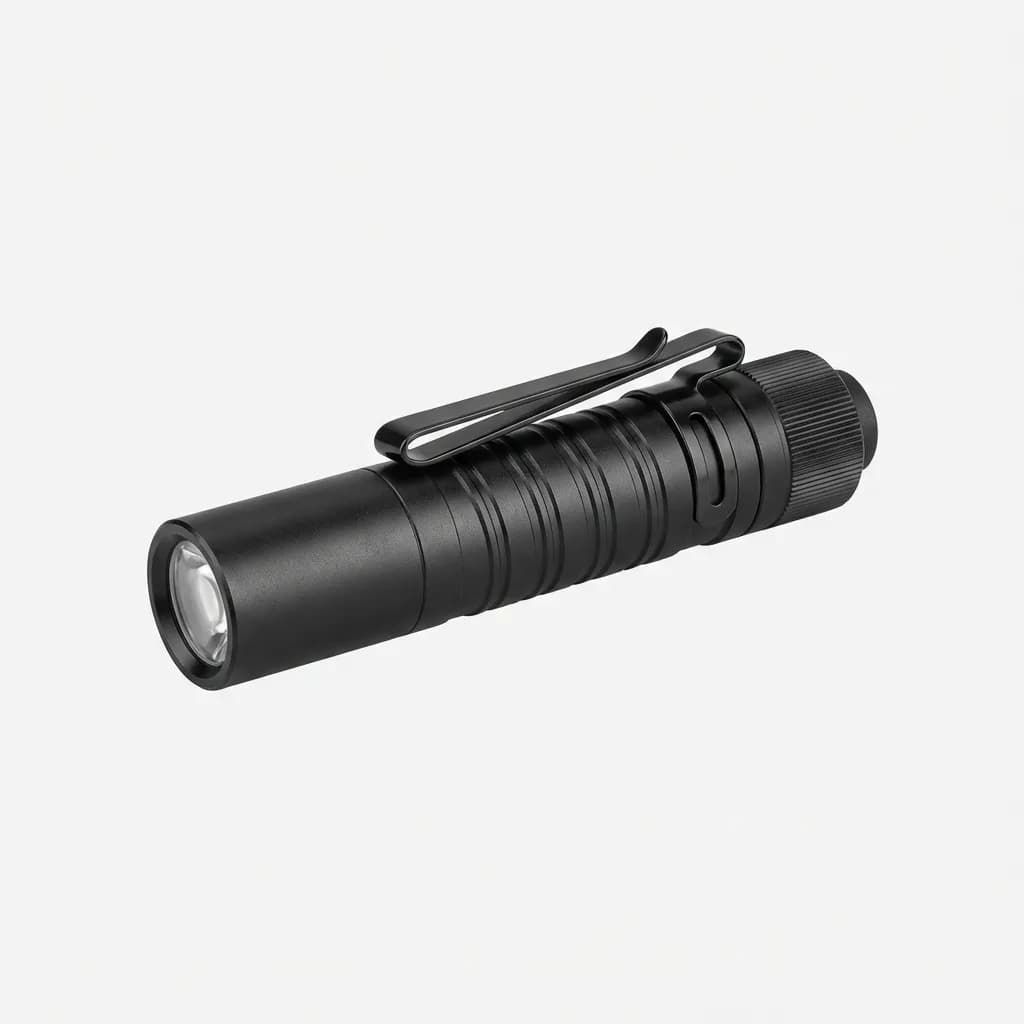
Olight I3T EOS
$20
180-lumen AAA flashlight, 0.55 inches diameter, 1.37 ounces with battery. Dual-direction pocket clip, 5mm LED, 16-hour runtime on low. Available in multiple colors.
Keys are the wild card. A standard keychain with 5-8 keys creates bulk and jingles constantly. Use a key organizer like the KeyBar or similar system to compact your keys into a flat, stable package. Remove keys you don't use daily. Your gym locker key doesn't need to live on your keychain - keep it in your gym bag.
Some people prefer to separate their keys entirely, keeping them in a different pocket if available. In true one-pocket scenarios, minimize keys to two or three essential items: house, car, and maybe office. Attach a small split ring directly to your phone case or wallet.
What You Should Actually Carry
After working through weight, thickness, and multi-use requirements, a realistic one-pocket EDC looks like this:
Phone (4-6 ounces) - your heaviest item and most versatile tool. Case or no case is personal preference, but a thin case with a card slot can eliminate your wallet entirely.
Slim wallet or card holder (0.5-1.5 ounces) - holds 4-6 cards and folded cash. RFID blocking is worth the slight weight penalty.
Compact knife or multi-tool (1-2 ounces) - prioritize blade length under 3 inches and overall thickness under 0.4 inches. Multi-tools should weigh under 2 ounces to justify the bulk.
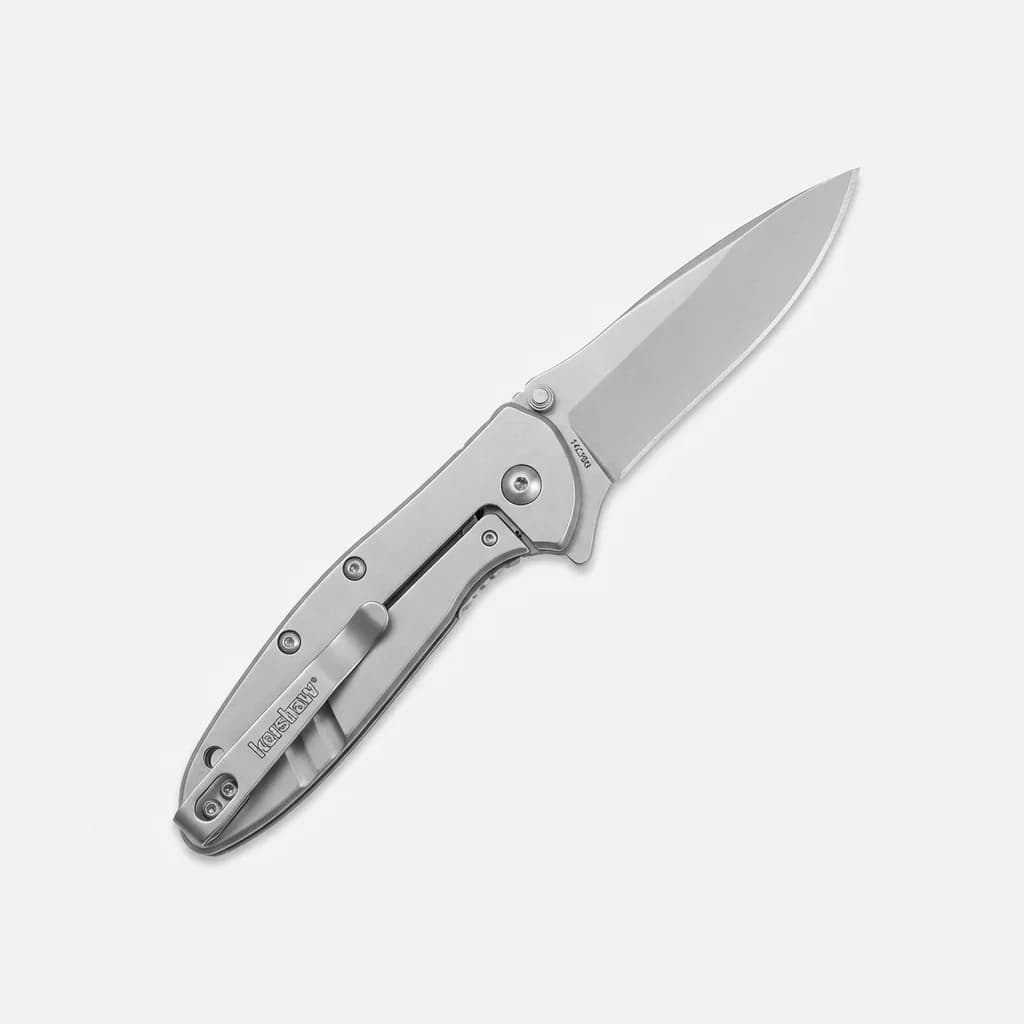
Kershaw Leek
$60
3-inch assisted-opening folder, 0.4 inches thick, 2.3 ounces. 14C28N steel blade, steel frame lock, reversible tip-up clip. Popular lightweight EDC knife with slim profile.
Small flashlight (1-1.5 ounces) - AAA or rechargeable USB models keep size minimal. You don't need 1000 lumens for finding your keys.
Keys (1-2 ounces) - use a key organizer and minimize to essentials. Detach bulky key fobs when possible.
Total weight: 8-13 ounces. That's manageable in a single pocket if items are slim and properly stacked.
Common Mistakes That Add Unnecessary Bulk
The biggest mistake is treating your EDC like a bug-out bag. You're building a daily carry for routine life, not wilderness survival. You don't need a ferro rod, paracord, or a signal whistle for getting coffee.
Redundancy is the second mistake. Carrying a standalone flashlight and a multi-tool with a flashlight and a phone (which has a flashlight) is redundant. Pick the best version and eliminate the others.
Tactical gear is usually wrong for one-pocket EDC. Heavily-textured handles, aggressive clips, and molle attachments add bulk and catch on pocket fabric. Smooth, rounded edges with low-profile clips work better.
Sentimental carry is a trap. That knife your grandfather gave you might be meaningful, but if it weighs 5 ounces and you never use it, it's dead weight. Honor sentimental items by displaying them or using them occasionally, not by hauling them around out of guilt.
Over-preparing for unlikely scenarios adds weight fast. Yes, you might need to cut a seatbelt or break a window someday. But carrying a dedicated rescue tool for a situation that might never happen is poor risk management. Your regular knife handles most cutting emergencies. Your multi-tool's screwdriver can break a window if needed.
Comfort Testing and Adjustment
Your one-pocket EDC needs field testing before you commit. Load your pocket and walk around for 30 minutes. Sit down, stand up, climb stairs, get in and out of a car. Pay attention to hot spots, pressure points, and shifting items.
If your pocket sags, you're carrying too much weight. Remove the heaviest item and test again. If items shift and tangle, you need better organization or fewer items. If anything digs into your leg when sitting, adjust the carry position or replace the item.
Pocket fabric matters. Thin athletic shorts won't support much weight regardless of how well you optimize. Denim and canvas handle weight better but can wear through with heavy items over time. Reinforced pockets or double-layer pockets extend lifespan.
Test your setup in different pants and shorts. What works in heavy jeans might fail in lightweight chinos. Build seasonal loadouts if needed - summer carry in shorts is naturally lighter than winter carry in cargo pants.
The Reality Check
One-pocket EDC isn't for everyone, and that's fine. If your daily routine involves serious tool use, you need more than a pocket can hold. But for most office workers, students, and urban dwellers, a well-designed one-pocket loadout handles everything.
The real benefit isn't minimalism for its own sake. It's the forcing function that makes you evaluate what you actually need versus what feels good to carry. Most people discover they've been carrying 3-4 pounds of gear when 8 ounces would suffice.
Start with what you currently carry and remove one item per week. Track what you miss and what you don't. After a month, you'll have a clear picture of your true essentials. Build your one-pocket EDC from that foundation, not from gear reviews or popular loadouts.
Your perfect one-pocket EDC will look different from everyone else's. That's the point. You're optimizing for your life, your daily tasks, and your carry preferences. The rules above give you constraints to work within, but the final loadout is yours to design.
The Weekly Dispatch
Enjoying this article?
Subscribe and get our best gear picks delivered every Sunday morning.
Related Stories
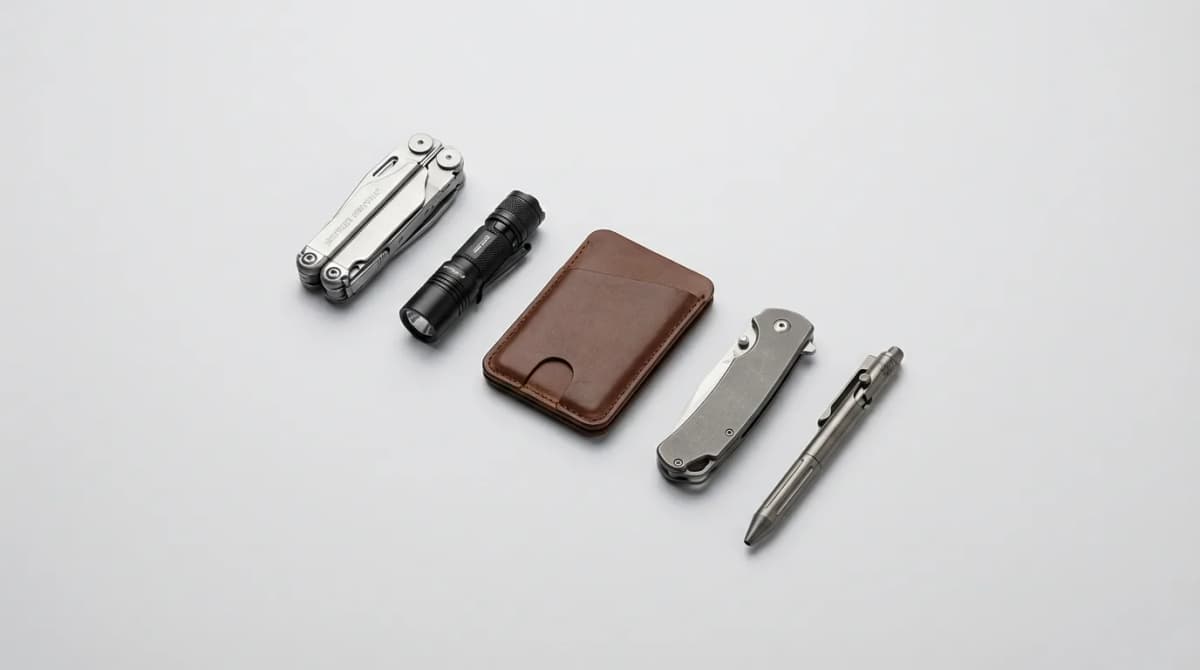
Everyday Carry Mistakes to Avoid for a Better EDC
Most people carry too much or the wrong gear. Learn the biggest EDC mistakes that weigh you down and how to build a practical everyday carry setup that works.
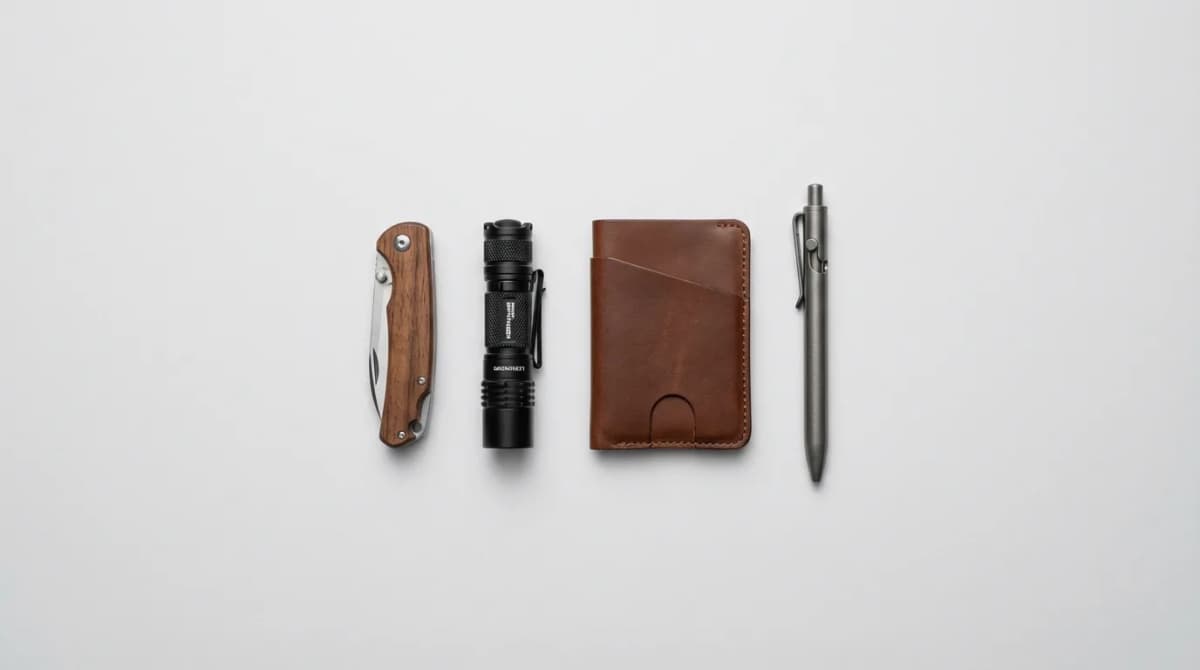
Best EDC Gear for Beginners: Starter Kit Guide
Starting your EDC setup doesn't require a $500 budget. Here's exactly what you need in your pockets, what to skip, and why most beginners waste money on the wrong gear first.
Minimalist vs Maximalist EDC: Find Your Philosophy
Minimalist or maximalist? We break down the trade-offs between light everyday carry and full preparedness so you can build a setup that actually works for your life.