Everyday Carry Mistakes to Avoid for a Better EDC
Most people carry too much or the wrong gear. Learn the biggest EDC mistakes that weigh you down and how to build a practical everyday carry setup that works.
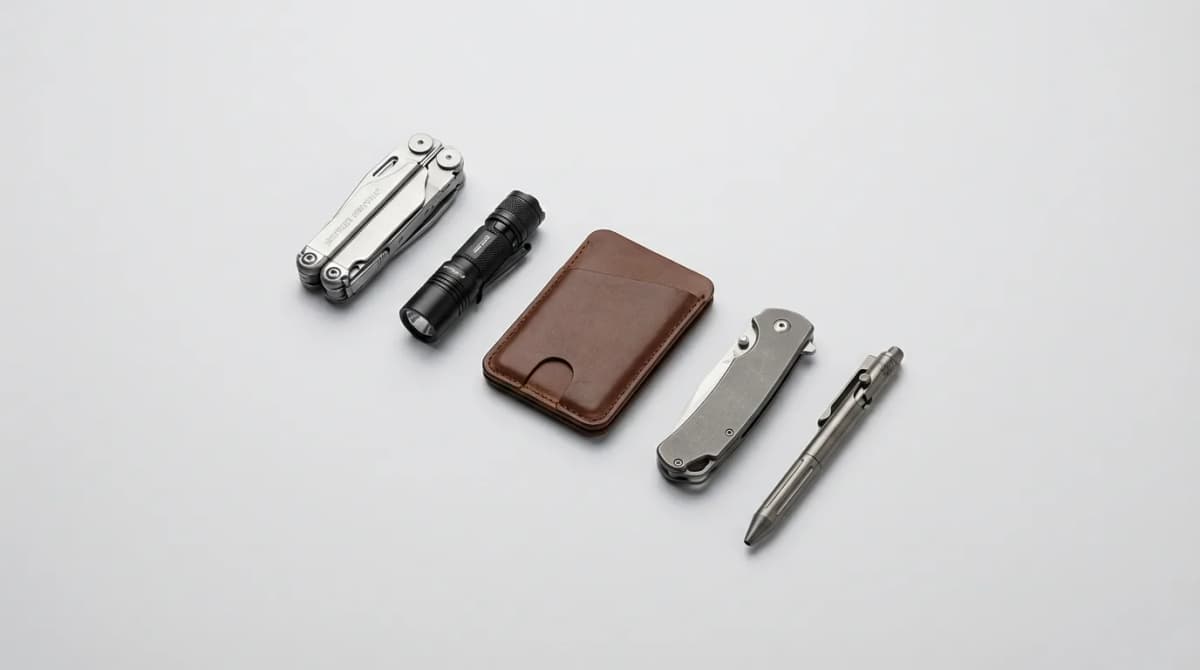
Most EDC setups fail in the same predictable ways. Too many tools that never get used. Cheap gear that breaks when you need it. Pockets sagging with redundant items.
We tested dozens of EDC configurations over six months, tracking what actually got used versus what stayed buried. The gap was startling. The average person carries 30% more than they need while missing one or two items they'd use daily.
Here's what separates a functional everyday carry from dead weight.
Carrying Too Many Tools for Unlikely Scenarios
The "just in case" mindset kills more EDC setups than anything else. You pack a ferro rod, paracord bracelet, and tactical pen because what if there's an emergency? Meanwhile, you used your phone flashlight 14 times this week and never touched the 400-lumen tactical light eating up pocket space.
Track your usage for two weeks. You'll find three to five items get 90% of the action. Everything else is insurance you're paying for with weight and bulk.
The Leatherman Wave+ hits the sweet spot for most people. 18 tools, but the knife, pliers, and screwdrivers do the heavy lifting. The bit driver gets weekly use. The saw and file? Maybe twice a year, but they're there when a project demands them.
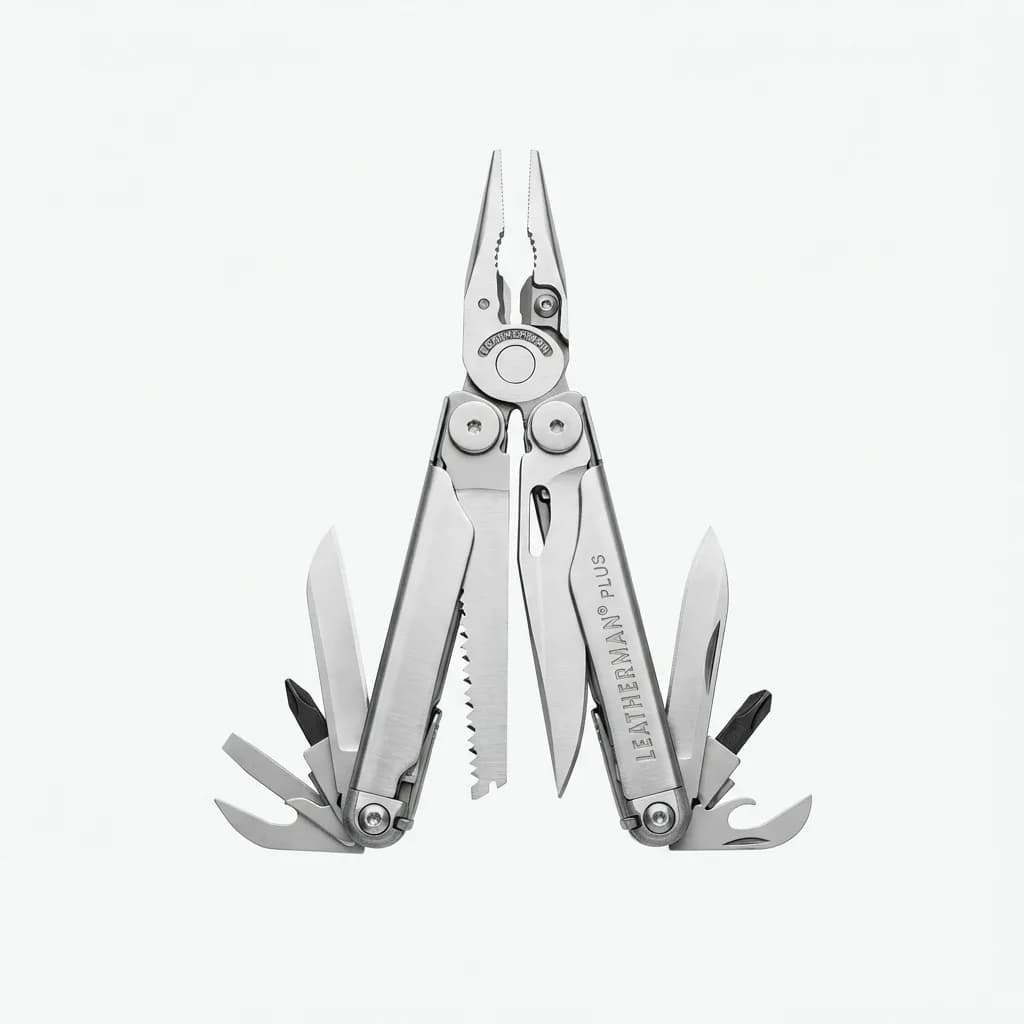
Leatherman Wave Plus Multi-Tool
$120
18 tools including pliers, wire cutters, knives, saw, and bit driver. Outside-accessible blades mean you don't unfold the whole tool for quick cuts. 25-year warranty.
Contrast that with carrying a dedicated knife, separate screwdriver set, and standalone pliers. Same capability, triple the pocket space.
The exception: If your work or hobbies demand specialty tools, carry them. An electrician needs wire strippers. A photographer needs lens wipes. But ask yourself if you actually need the tool or just like the idea of having it.
Buying Cheap Gear That Fails Under Use
Budget gear makes sense for testing categories. But once you know you'll use something daily, the $15 version becomes expensive when you replace it three times.
Flashlights show this clearly. A $12 generic light dims after 20 minutes, the switch fails after six months, and the clip snaps off in your pocket. An Olight i3T costs $20, runs for years, and the output stays consistent until the battery dies.
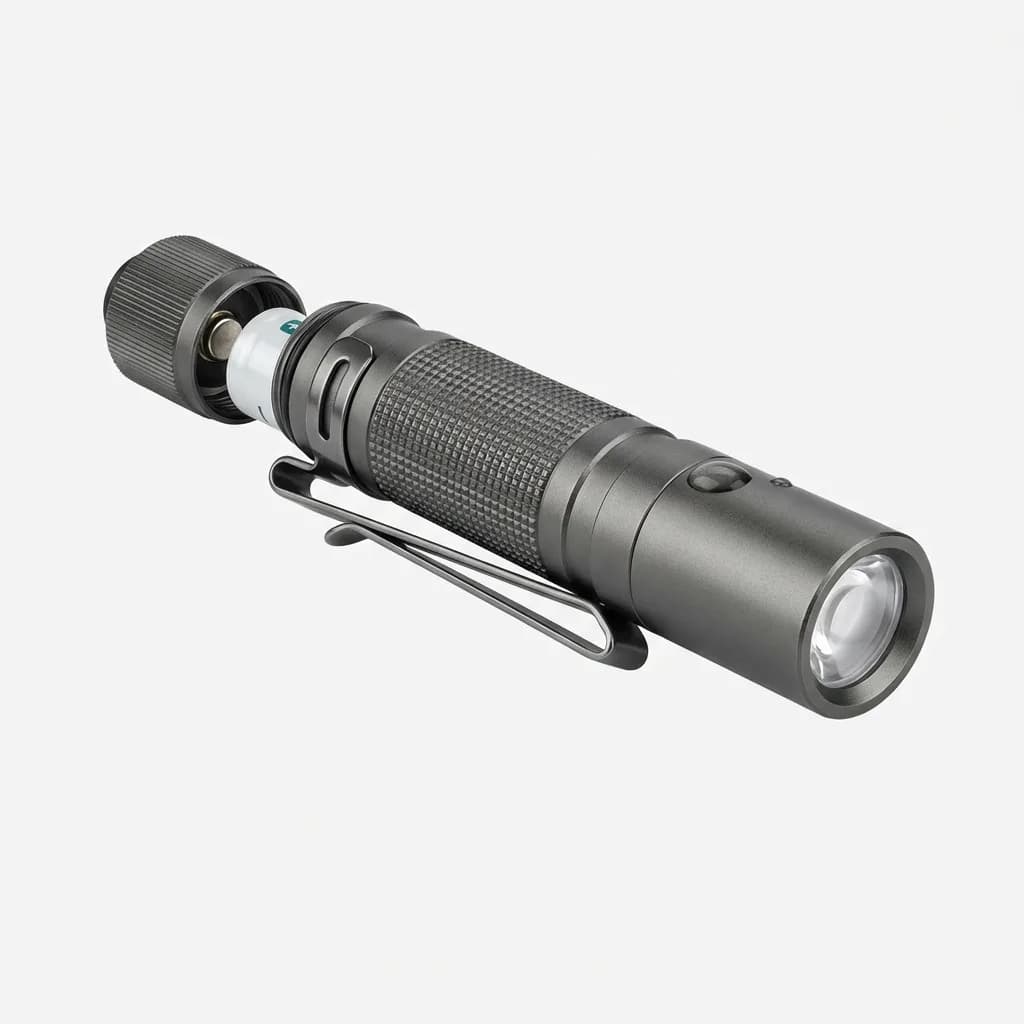
Olight i3T EOS Flashlight
$20
180 lumens, dual-output, runs on a single AAA battery. Aluminum body with durable clip. IPX8 waterproof rating. Five-year warranty on defects.
Wallets follow the same pattern. Full-grain leather ages well and holds shape. Bonded leather peels and cracks. The $80 wallet lasts a decade. The $20 version looks rough after a year.
Same with knives. A Benchmade or Spyderco costs more upfront but the blade holds an edge, the lock doesn't wear out, and warranty service is straightforward. Cheap folders develop blade play, rust spots, and lock failures that make them dangerous.
We're not saying buy the most expensive option in every category. But identify your daily-use items and invest there. A quality knife, light, and wallet will serve you for years. The tactical pen shaped like a DNA helix? Save your money.
Neglecting Regular Maintenance and Cleaning
Gear degrades quietly. The knife gets dull over months of small cuts. The multi-tool pivot stiffens with pocket lint and corrosion. The wallet leather dries out.
Most people notice when something fails completely. By then, you're dealing with a stuck blade or a light that won't turn on at the worst moment.
Set a quarterly maintenance schedule. 30 minutes, four times a year prevents most failures.
For knives: Wipe the blade, check for rust spots, oil the pivot, sharpen if needed. A Worksharp Pocket Knife Sharpener takes two minutes and keeps your edge functional.
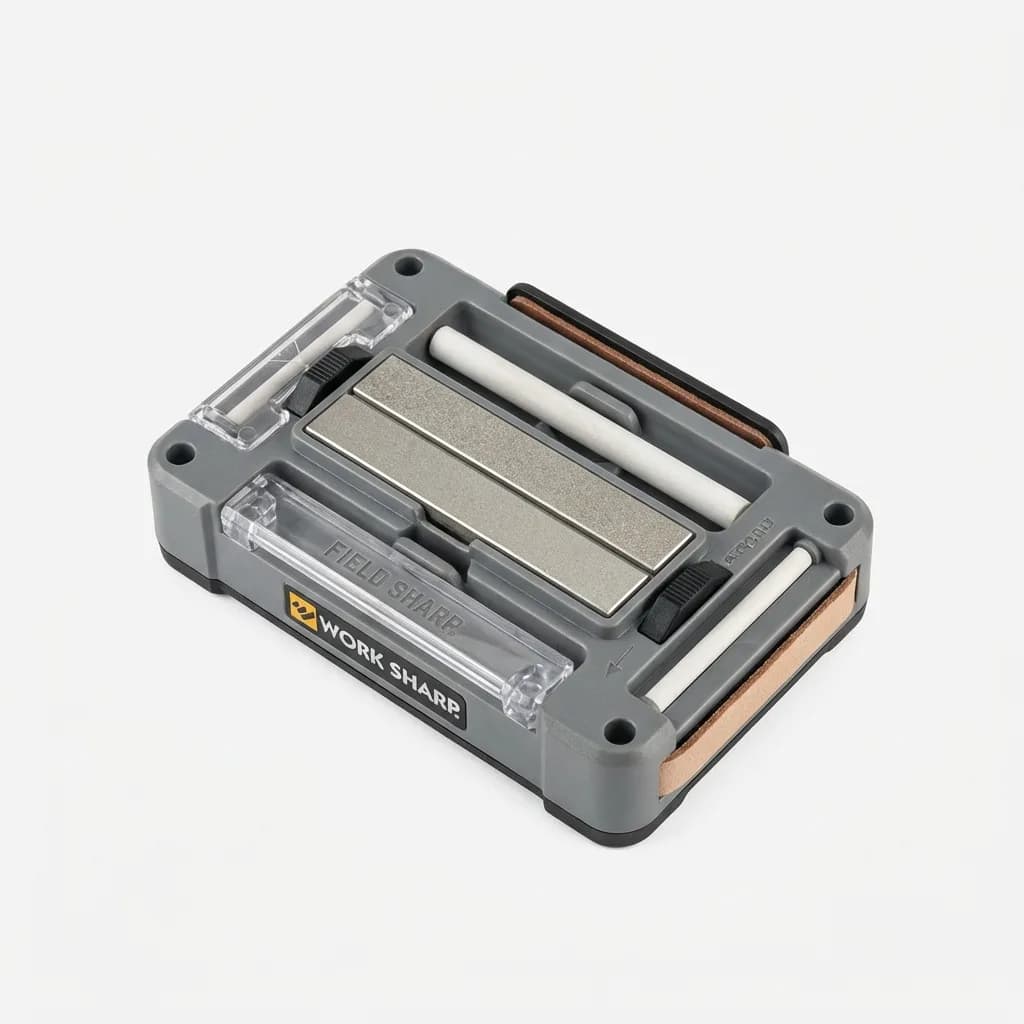
Work Sharp Guided Field Sharpener
$15
Angle-guided ceramic and diamond plates for field sharpening. Ceramic honing rod for quick touch-ups. Compact design fits in a pocket or pack.
For multi-tools: Blow out debris, wipe down all surfaces, apply a drop of oil to each pivot point. Open and close every tool. Tighten any loose screws.
For flashlights: Clean the threads, check the o-rings, test the output, swap batteries if stored for months. Corrosion on battery contacts kills more lights than any other failure mode.
For leather goods: Wipe with a damp cloth, apply leather conditioner twice a year. This prevents cracking and extends life significantly.
The Ridge Wallet needs almost no maintenance, which is part of its appeal for people who forget upkeep entirely.
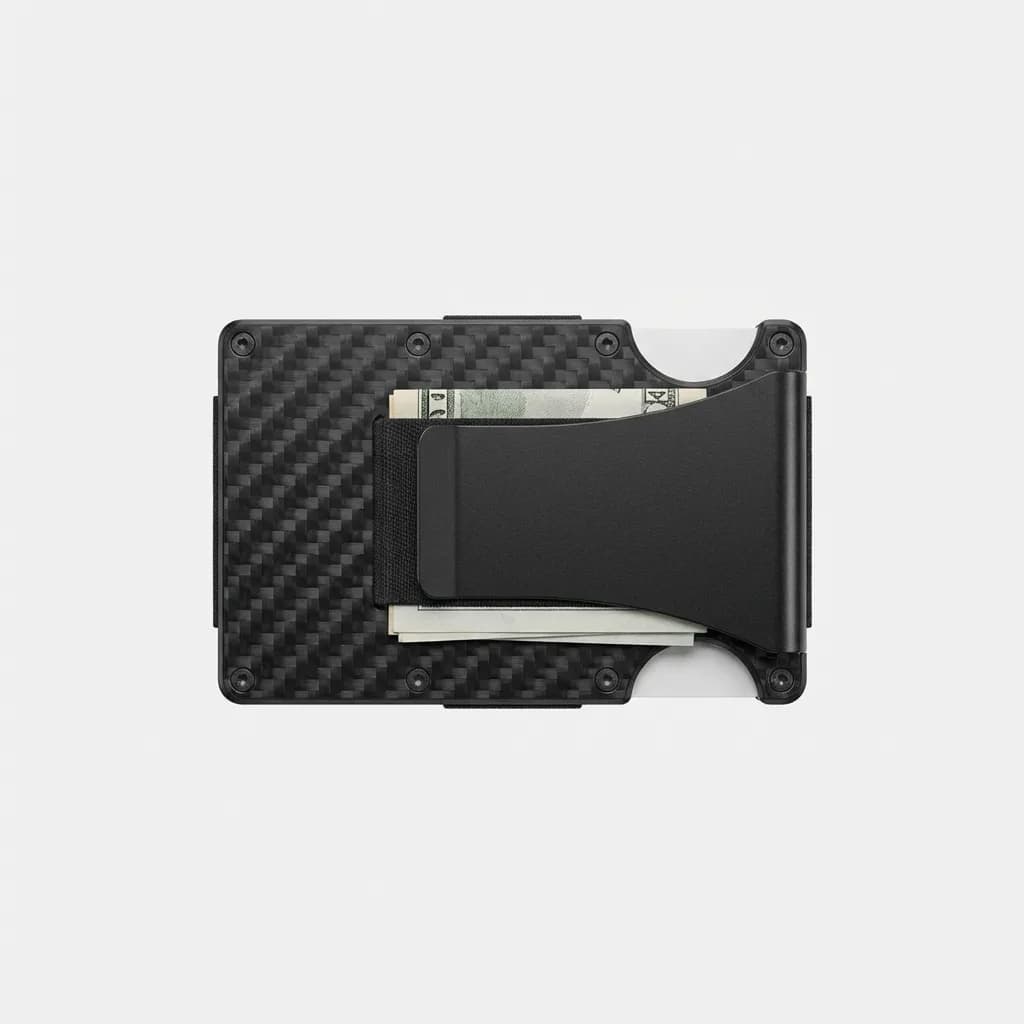
The Ridge Wallet
$75
Aluminum or carbon fiber RFID-blocking wallet holds 1-12 cards. Cash strap or money clip option. No leather to maintain, no stitching to fail. Lifetime guarantee.
Not Tailoring Your Carry to Actual Daily Needs
Cookie-cutter EDC lists are a starting point, not a destination. Your life doesn't match the guy who posts his carry on Reddit, and your gear shouldn't either.
Office workers rarely need heavy-duty knives. A small folder like the Spyderco Dragonfly handles packages and the occasional loose thread. Tradespeople need something more robust that can pry and take abuse.
Parents with young kids use wet wipes and hand sanitizer daily. Single people without kids don't need either in their pockets.
Urban environments have different demands than rural ones. City dwellers use public transit - a small, TSA-friendly knife makes sense. Rural folks drive everywhere and can keep larger tools accessible.
Your EDC should solve the problems you actually encounter. If you open five packages a day, carry a good knife. If you're constantly taking notes, a quality pen matters. If you never handwrite anything, skip it.
The Fisher Space Pen is cult-favorite overkill for most people, but if you work outdoors in varied conditions, the pressurized cartridge writes in rain, cold, and at odd angles that kill normal pens.
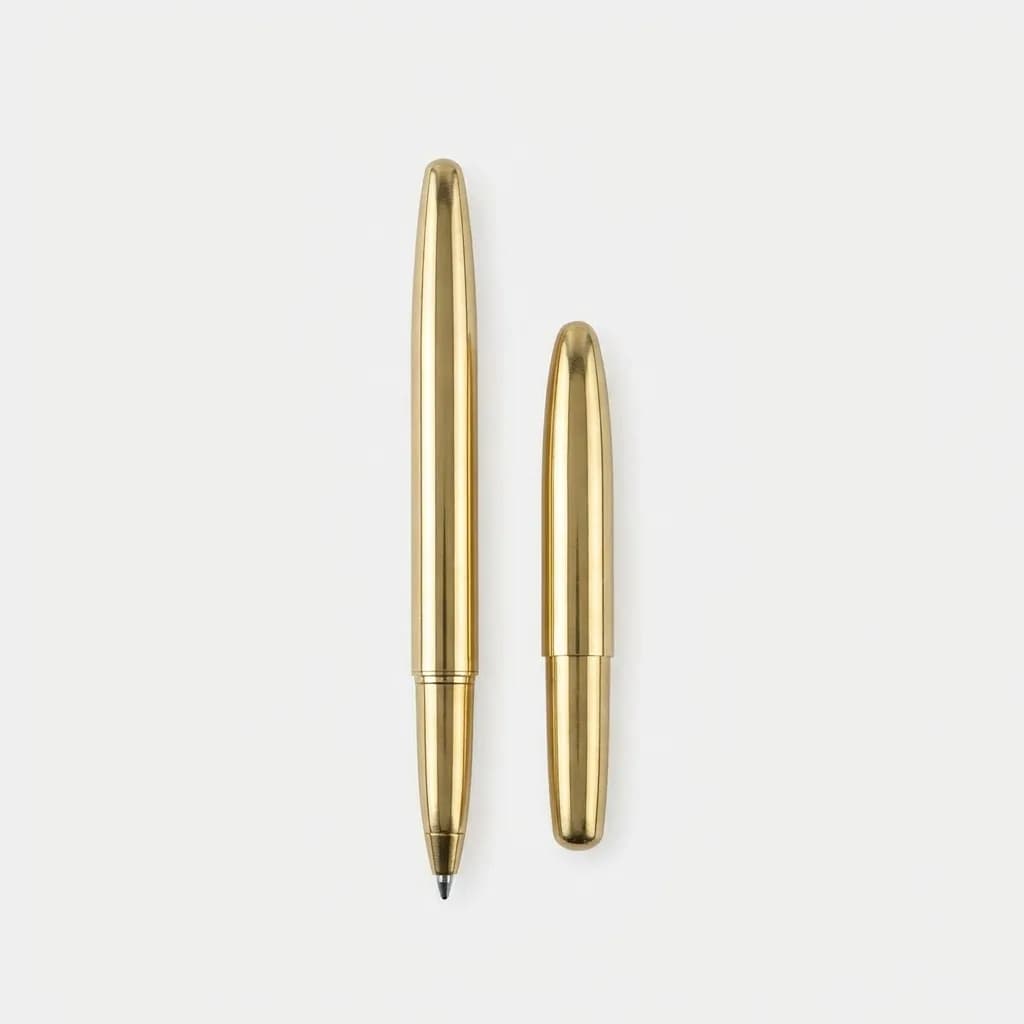
Fisher Space Pen Bullet
$30
Pressurized ink cartridge writes underwater, upside down, in extreme temperatures. Solid brass body, 3.9 inches capped, 5.3 inches posted. Lifetime warranty.
Ignoring Weight Distribution and Pocket Organization
Even the right gear becomes annoying if it sits wrong. Front-right pocket gets the most use for right-handed people, so your most-accessed item goes there. Usually keys or a knife.
Heavy items in back pockets cause discomfort when sitting. Wallets work if they're thin. Anything bulkier should move to a front pocket or bag.
Multiple loose items in one pocket create a jumbled mess. You dig around for the right tool and come up with three wrong ones first. Separate items by pocket or use a pocket organizer.
The Hitch & Timber Pocket Runt keeps a knife, light, and pen together in one organized bundle that pulls out as a unit.
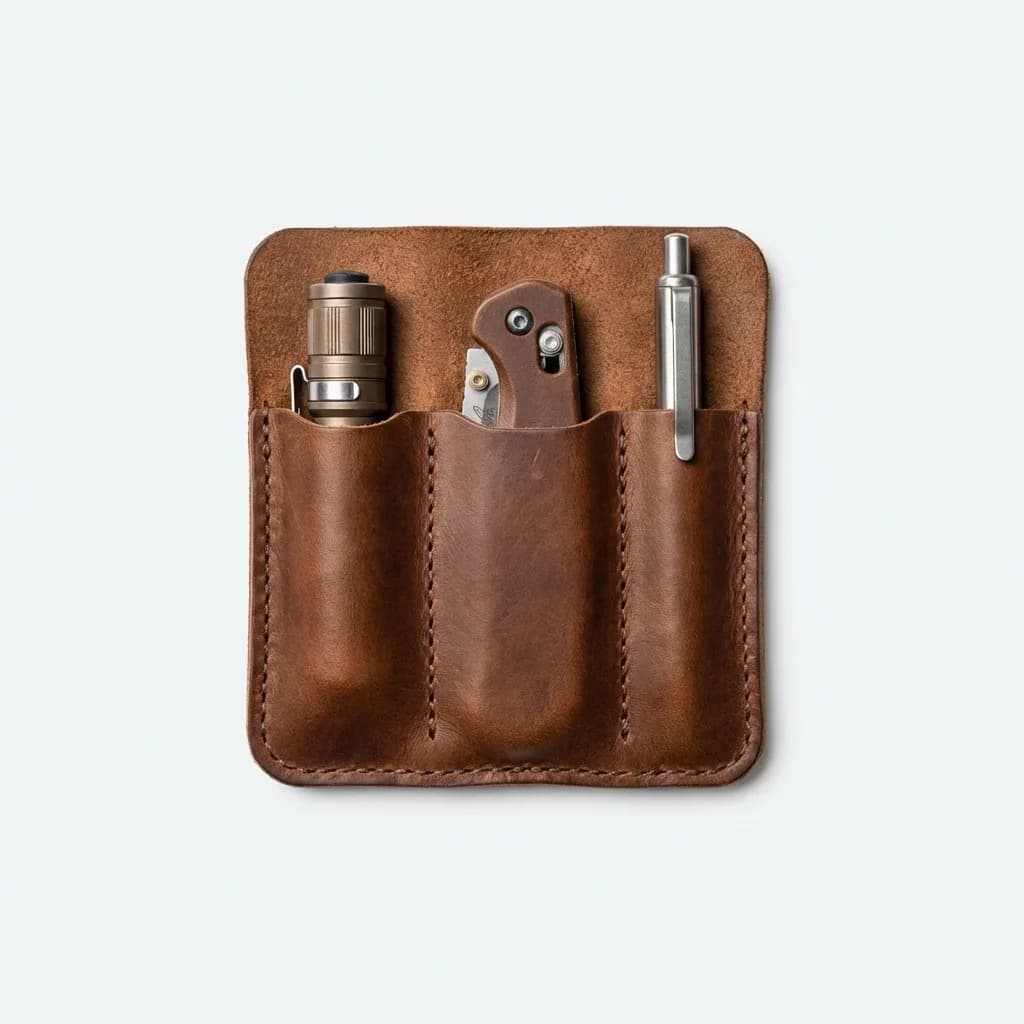
Hitch & Timber Pocket Runt Organizer
$45
Leather pocket slip holds flashlight, knife, and pen in separate slots. Keeps tools organized and prevents pocket wear. Full-grain leather ages naturally. Handmade in the USA.
Clip orientation matters too. Knife clips should position the knife handle-up in your pocket for a natural draw. Tip-up versus tip-down carry is personal preference, but consistency across your gear reduces fumbling.
Lights clip bezel-down so you can thumb the tailcap switch without removing the light from your pocket. This seems minor until you're holding something and need quick illumination without setting anything down.
Treating EDC as a Static Setup Instead of Evolving
Your needs change with seasons, jobs, and life circumstances. Your carry should adapt.
Summer clothes have smaller pockets. Winter jackets accommodate more gear. Adjust accordingly rather than forcing the same loadout year-round.
New job? Reassess. A customer-facing role benefits from a low-profile knife and pen. Workshop environments need more robust tools.
New hobby? Add relevant items for three months, then evaluate. Climbing might add a small carabiner. Photography adds lens wipes and an air blower. If you stop using them after the initial enthusiasm fades, drop them.
Most people build an EDC, declare it perfect, and never change it. Then they wonder why they're carrying things they haven't touched in six months while leaving useful items at home.
Review your setup twice a year. Ask what you used, what you didn't, and what you wished you had. Make changes. EDC is a process, not a final state.
Common Items People Carry But Rarely Use
Some items show up in every EDC photo but see minimal real-world use:
Tactical pens - Unless you train regularly in defensive techniques, it's just a heavy pen. A Pilot G2 writes better and costs $2.
Paracord bracelets - When did you last need 10 feet of cordage immediately accessible? If you hike or camp regularly, carry actual paracord in your pack. Don't wear it.
Ferro rods on keychains - You have a lighter. And matches. And your car has a cigarette lighter. The ferro rod is backup for a backup for a backup.
Tiny keychain multi-tools - The tools are too small to use comfortably. They're cute but not functional for real tasks.
This doesn't mean no one should carry these items. But examine your actual usage before adding them. If you've never needed paracord in five years of daily carry, you probably won't need it in the next five either.
What Actually Improves Your EDC Experience
After testing hundreds of configurations, a few changes consistently make EDC more practical:
Start minimal and add items only after you need something three times in a week. This prevents speculative carry.
Prioritize versatile tools over specialized ones. A multi-tool beats carrying six separate items unless your work demands specialist tools.
Invest in quality for your top three most-used items. Cheap out on occasional-use gear if needed, but not your daily drivers.
Keep everything maintained. Quarterly cleaning prevents 90% of gear failures.
Match your carry to your actual environment and tasks, not someone else's Instagram post.
Test changes for two full weeks before deciding. The first few days always feel different. The second week reveals whether the change actually helps.
Your EDC should make daily life easier, not become a hobby unto itself. When you stop thinking about what you're carrying and just use it naturally, you've built the right setup.
The Weekly Dispatch
Enjoying this article?
Subscribe and get our best gear picks delivered every Sunday morning.
Related Stories
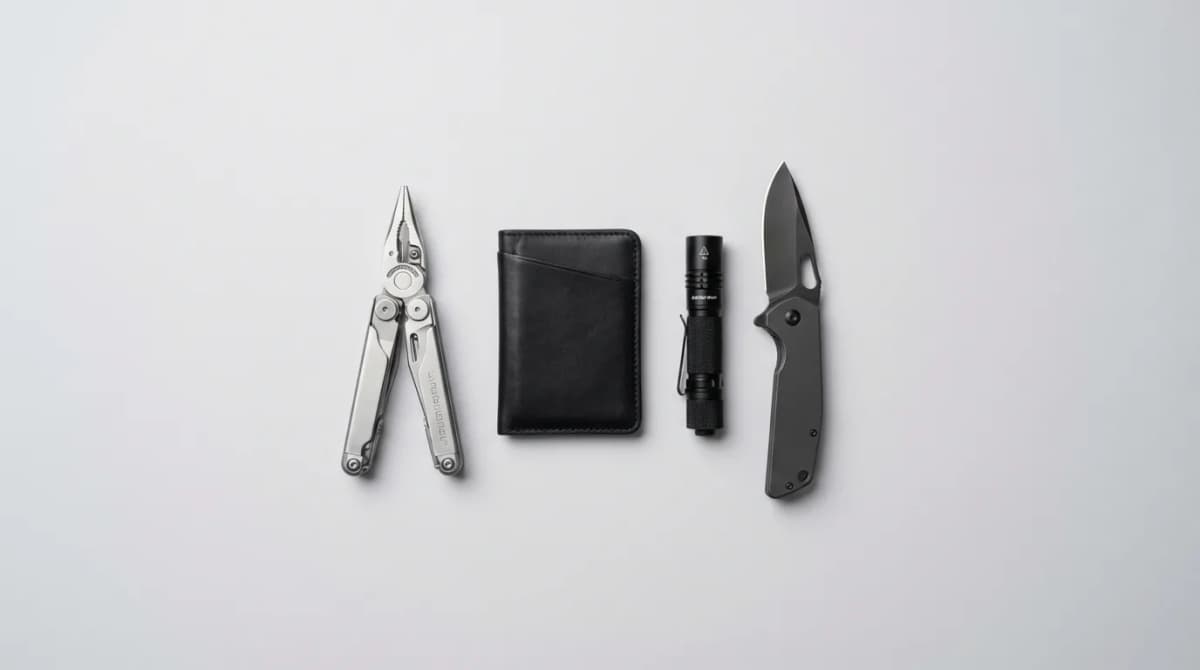
How to Build a One Pocket EDC
Master the art of carrying everything you need in a single pocket. Learn the selection rules, multi-use strategies, and weight control tactics that make it work.
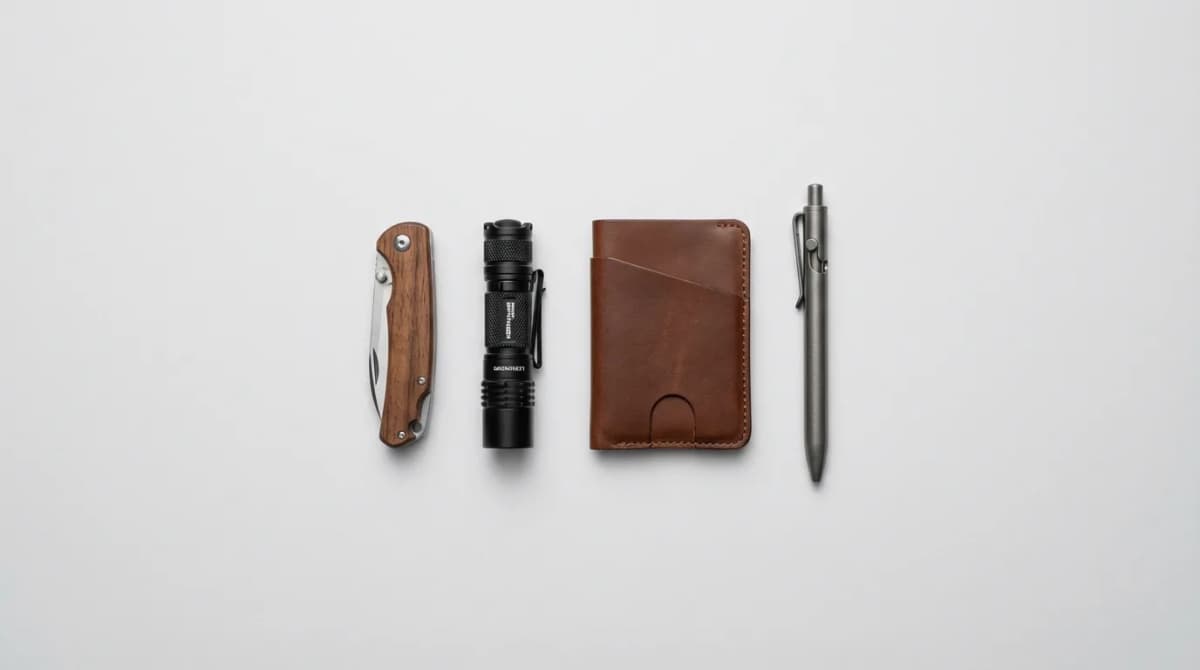
Best EDC Gear for Beginners: Starter Kit Guide
Starting your EDC setup doesn't require a $500 budget. Here's exactly what you need in your pockets, what to skip, and why most beginners waste money on the wrong gear first.
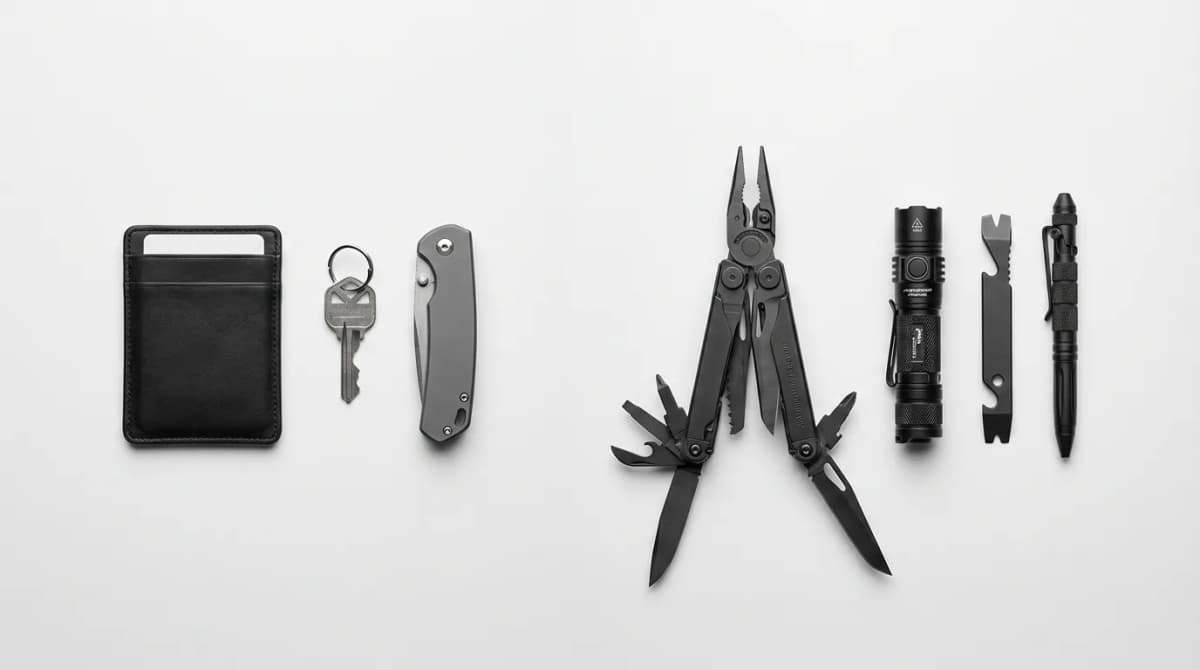
Minimalist vs Maximalist EDC: Find Your Philosophy
Minimalist or maximalist? We break down the trade-offs between light everyday carry and full preparedness so you can build a setup that actually works for your life.