Best EDC Gear for Beginners: Starter Kit Guide
Starting your EDC setup doesn't require a $500 budget. Here's exactly what you need in your pockets, what to skip, and why most beginners waste money on the wrong gear first.
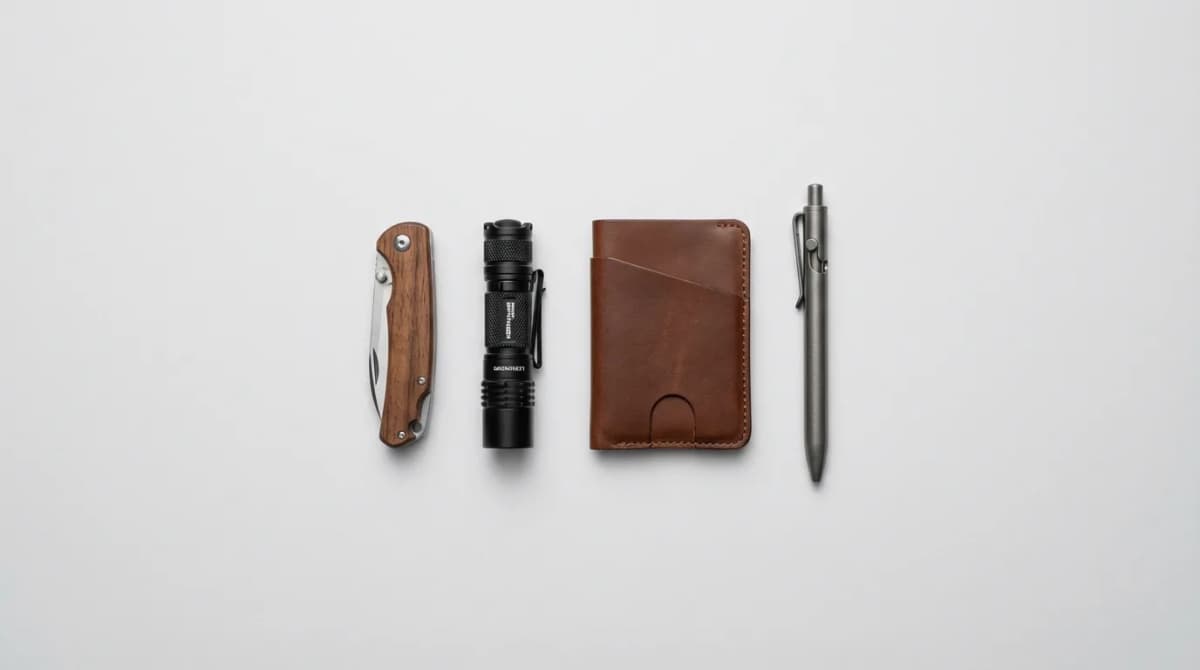
You don't need a titanium pry bar or a $200 flashlight to start carrying useful gear. Most beginners blow their budget on Instagram-worthy tools they'll never use, then wonder why their pockets feel like a hardware store. The best EDC setup is the one you'll actually carry every day, and that starts with understanding what solves real problems versus what just looks cool in photos.
After talking to dozens of people who've built sustainable carry habits, we've found the same pattern. They start simple, test what they actually use for a month, then upgrade strategically. That approach costs less, teaches you what matters, and keeps you from accumulating drawer queens that looked essential online but collect dust in real life.
What EDC Actually Means and Why Most People Get It Wrong
Everyday carry is just the gear you bring with you every day. That's it. No Instagram flat lay required, no matching titanium finishes, no need to explain why you carry three knives and a roll of duct tape. The mistake most beginners make is treating EDC like a collection hobby instead of a practical system.
Your carry should solve problems you actually encounter. If you've never needed to tighten a screw outside your house, a multitool probably isn't essential yet. If you check your phone for the time instead of wearing a watch, maybe skip the $300 automatic timepiece for now. Start with the gap between what you need during a normal day and what you currently have in your pockets.
The other trap is buying everything at once. You'll guess wrong about what you need, spend money on gear that doesn't fit your life, and end up frustrated. Better approach: add one thing at a time, use it for two weeks, then evaluate. This builds a carry that works instead of a pile of regret.
The Four Essential Categories Every Beginner Should Cover
Every functional EDC setup covers four basics: cutting, illumination, writing, and carry. These aren't arbitrary. They're the tools that solve everyday friction without requiring you to go back to your car or wait until you get home.
Cutting comes up more than you think. Opening packages, trimming loose threads, cutting tags off new clothes, breaking down cardboard boxes, slicing fruit, removing splinters. A good pocket knife handles all of this without making you look for scissors or risk breaking a fingernail. Start with a simple folder that opens with one hand and holds an edge.
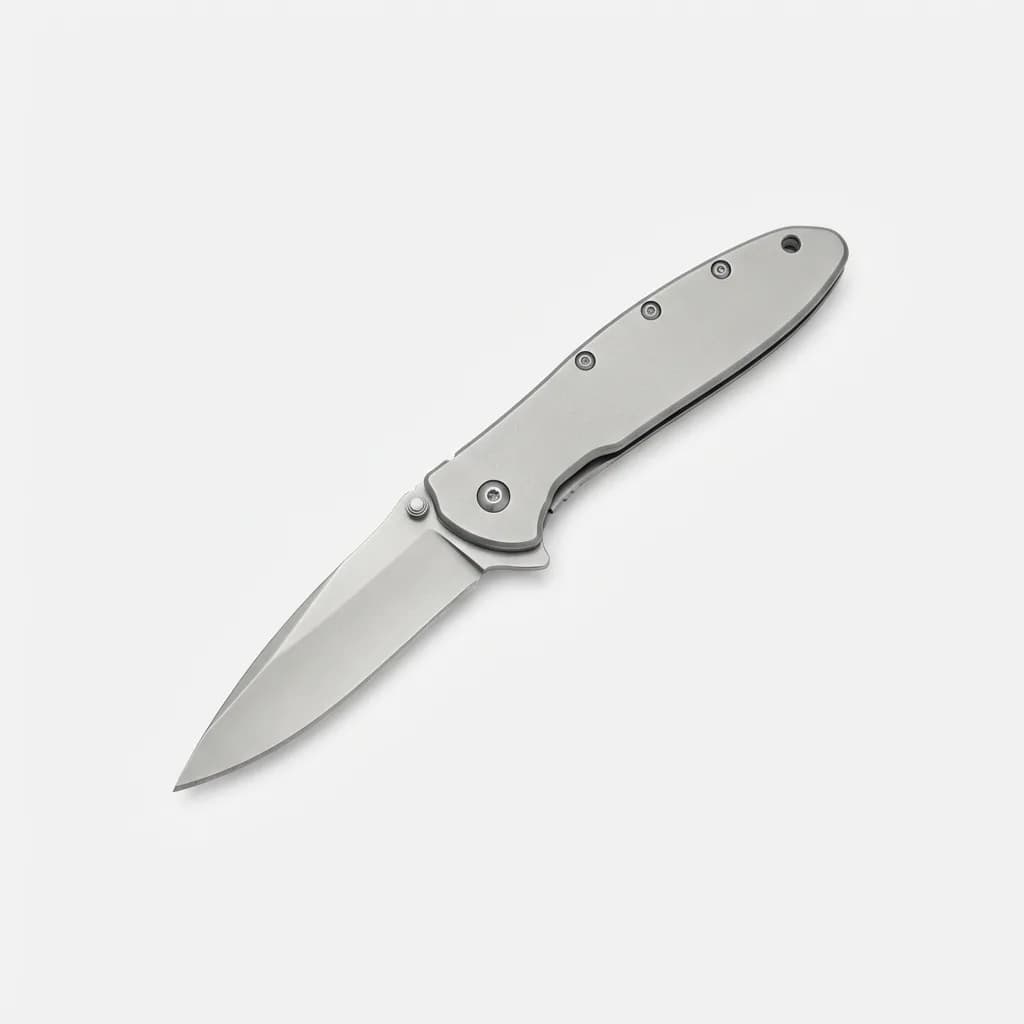
Kershaw Leek
$55
3-inch blade, SpeedSafe assisted opening, frame lock. Slim enough for dress pants at 3 oz. 14C28N steel holds an edge through daily tasks without constant sharpening.
Illumination matters because your phone flashlight drains battery and requires two hands. A dedicated light clips to your pocket, stays ready, and doesn't blind you when you need to check something in the dark. Look for at least 300 lumens, USB charging, and a clip that won't fall off.
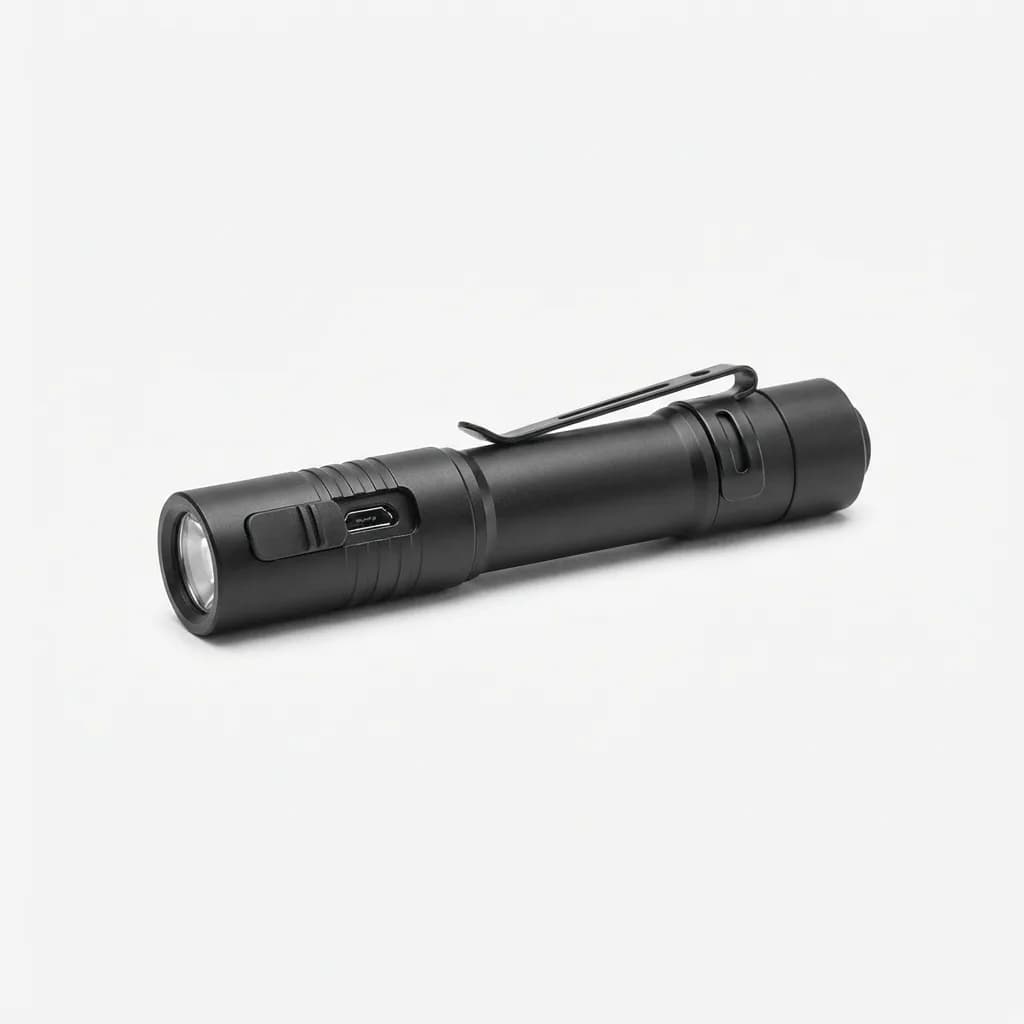
Streamlight MicroStream USB
$30
250-lumen output, rechargeable lithium-ion, 3.5-hour runtime on high. Under 5 inches long, weighs 1 oz. Pocket clip and built-in USB charging port.
Writing still happens in the real world. Signing receipts, leaving notes, filling out forms, writing down addresses or phone numbers. The notes app on your phone works until your battery dies or you're wearing gloves or you need to write on something that isn't your screen. Get a pen that writes reliably and doesn't feel like a cheap hotel giveaway.
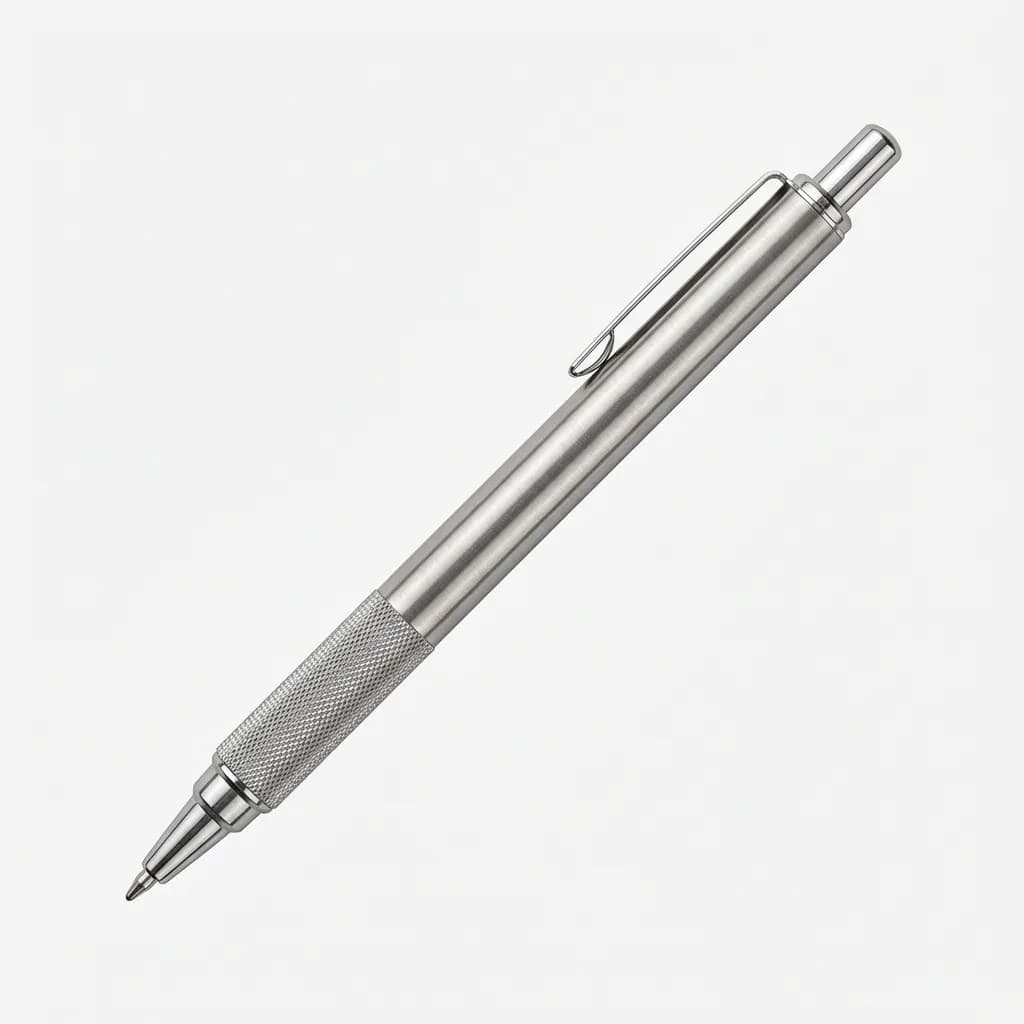
Zebra F-701
$8
All-metal body, knurled grip, pressurized refill writes at any angle. Retractable tip, standard Zebra F-refill. Durable enough to last years under daily carry.
Carry means how you organize everything. Wallet for cards and cash, something to hold your keys without jangling or poking through fabric, maybe a pouch if you're adding more items. This is where minimalism pays off. Every extra item is weight and bulk you'll feel all day.
Pocket Knives: What Beginners Should Look For
The knife is usually the first EDC purchase and the easiest place to waste money. You don't need a tactical tanto with a glass breaker and seatbelt cutter. You need a blade that opens easily, holds an edge through normal use, and doesn't scare people when you pull it out to open a package.
Blade length matters more than you think. Most useful tasks need 2.5 to 3.5 inches. Longer blades are harder to control for detail work and illegal in many places. Check your local laws, but 3 inches is legal almost everywhere and handles 95% of cutting tasks.
Look for a flipper or thumb stud opening. These let you deploy the blade with one hand while holding the box or package with the other. Avoid knives that require two hands to open. You'll stop carrying them within a week because they're frustrating to use when your other hand is full.
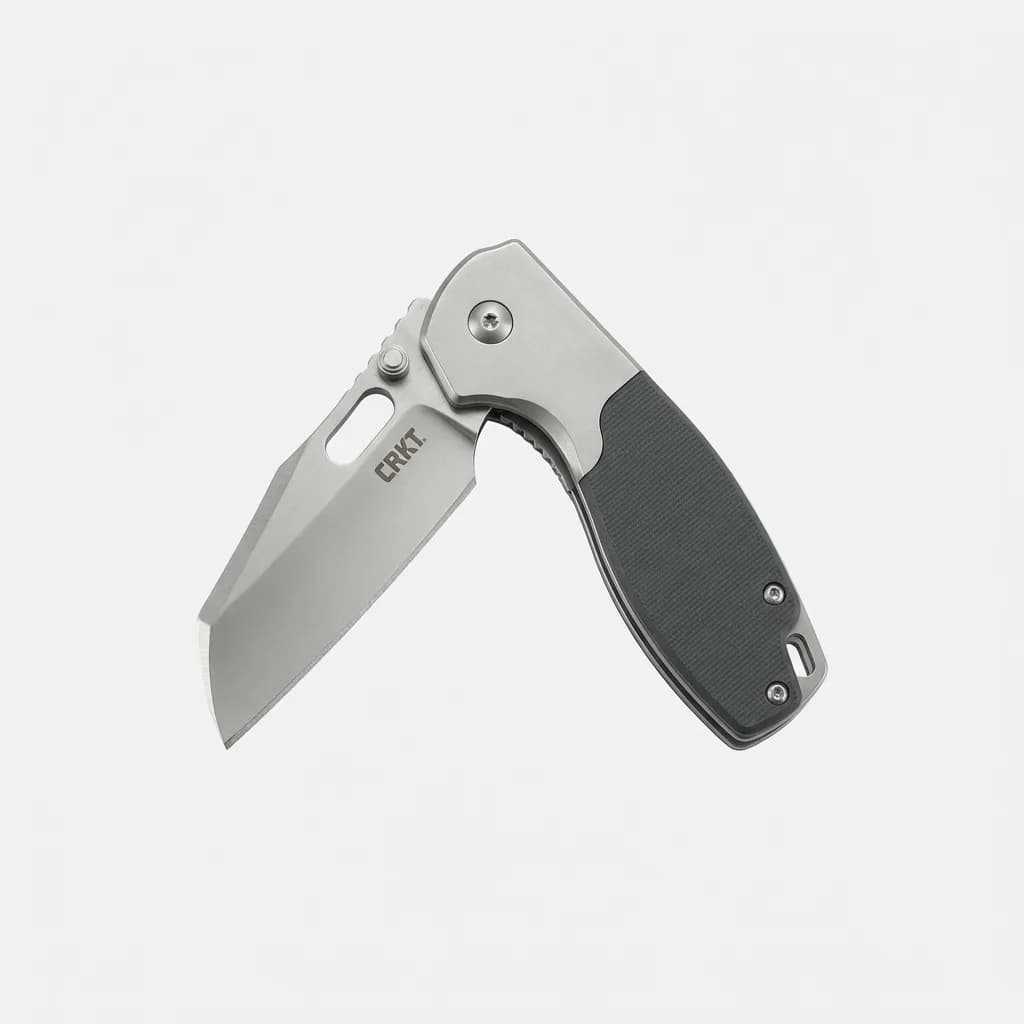
CRKT Pilar
$35
1.95-inch blade, frame lock, 8Cr13MoV steel. Designed by Jesper Voxnaes. Compact enough to disappear in your pocket at 2.3 oz, aggressive enough for real work.
Steel type causes endless debate, but beginners should ignore most of it. Modern budget steels like 8Cr13MoV, 14C28N, or AUS-8 all sharpen easily and hold an edge through weeks of normal use. Premium steels cost more, sharpen harder, and make almost no difference for everyday tasks. Save the super steels for later when you understand what you actually need.
Frame locks and liner locks both work fine. Avoid knives with no lock (traditional slipjoints) unless you grew up using them. A locking blade is safer for beginners because it won't close on your fingers during use.
Flashlights: Lumens, Runtime, and What Actually Matters
The flashlight market is drowning in specs that don't matter. You don't need 2,000 lumens to find your keys in a dark car or check under the sink. You need something bright enough to see clearly, compact enough to carry daily, and reliable enough to work when you reach for it.
Start with 200-500 lumens. That's enough to light up a dark room or sidewalk without blinding yourself with reflection. Higher outputs drain batteries faster and generate heat that makes the light uncomfortable to hold. Most people who buy 1,000+ lumen lights run them on medium mode anyway.
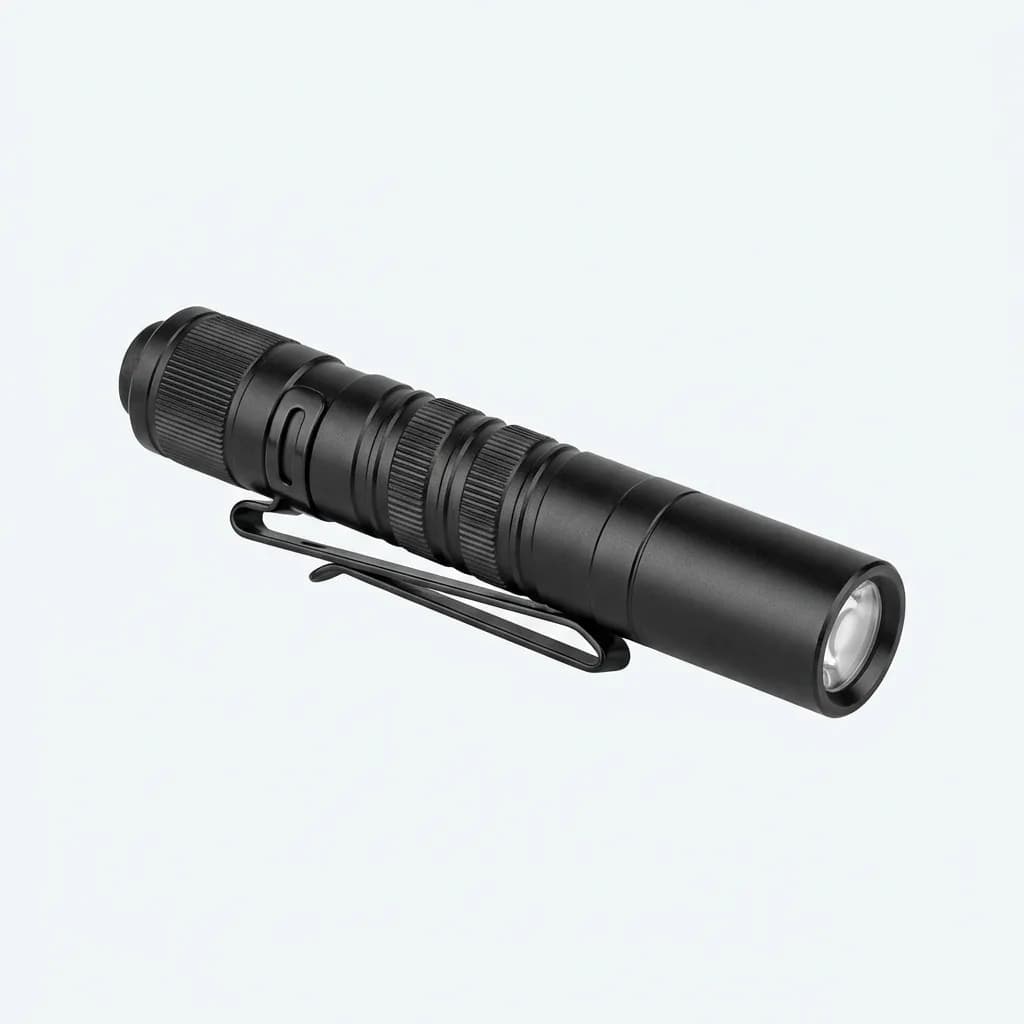
Olight i3T EOS
$20
180-lumen high mode, 5-lumen low mode. Uses one AAA battery, tail switch operation. 3.5 inches long, aircraft-grade aluminum. Five-year warranty.
Battery type splits into two camps. Rechargeable lithium-ion lights are convenient but die permanently when the battery wears out. Replaceable batteries (AAA or CR123A) mean you can always find power in a pinch. For beginners, USB-rechargeable makes more sense because you'll actually keep it charged instead of letting it die and forgetting about it.
Clip design determines whether you'll carry it. Look for a deep carry clip that tucks most of the light into your pocket. A light that sticks out 2 inches catches on everything and screams "I'm carrying gear." A good clip disappears and stays put.
Modes matter less than marketing suggests. You need high and low. High for actually seeing things, low for not destroying your night vision or blinding people. Skip lights with strobe, SOS, or ten different brightness levels. You'll never use them and they make cycling to the mode you want annoying.
Wallets and Key Organization: The Overlooked EDC Foundation
Most people carry a wallet and keys but never think of them as EDC gear. That's backwards. These are the two items guaranteed to be in your pockets every single day. If they're bulky, poorly designed, or falling apart, they make everything else uncomfortable.
Bifold wallets are dying for good reason. They're thick, bend cards, and force you to carry too much. Switch to a front-pocket wallet or cardholder and cut your bulk by 70%. You probably carry eight cards you never use anyway.
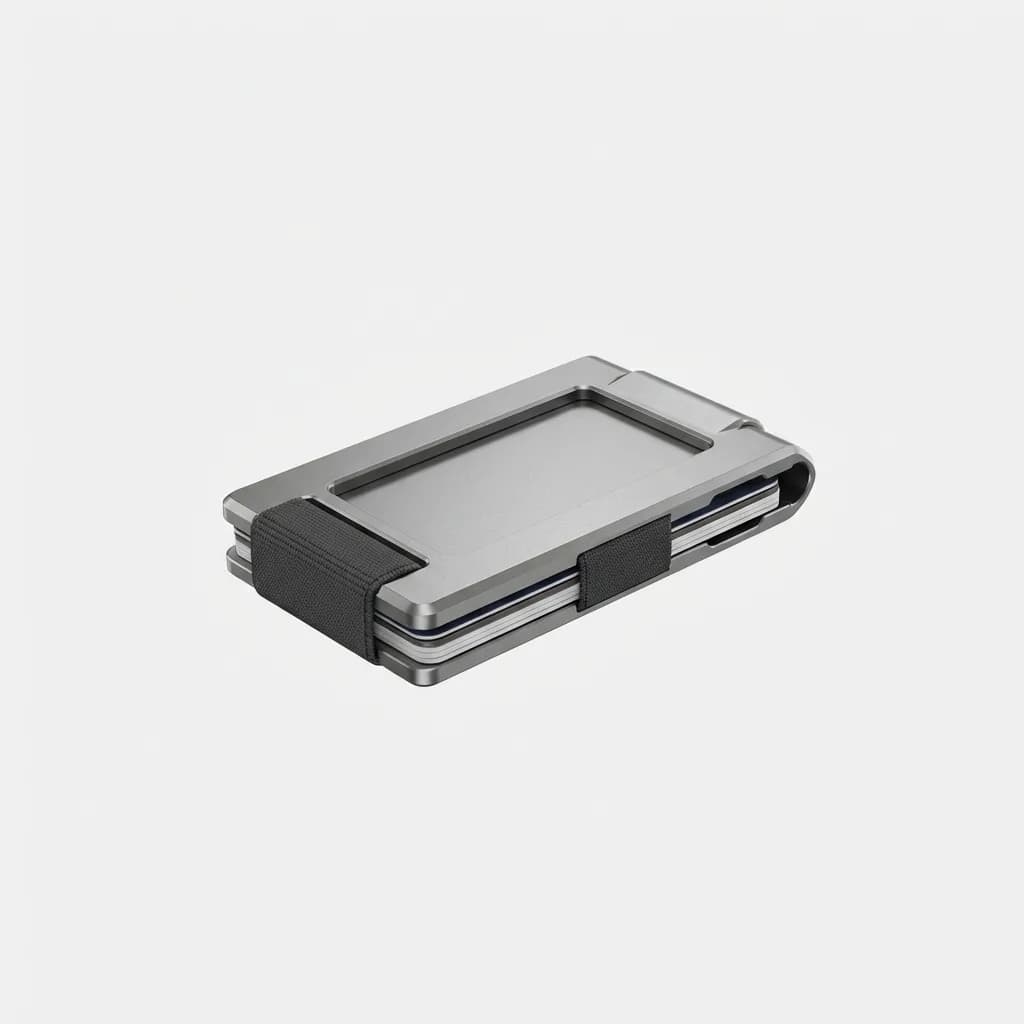
Ridge Wallet
$75
Aluminum frame holds 1-12 cards, RFID blocking, expandable with cash strap or money clip. 3.25 x 2.12 x 0.24 inches, weighs 2 oz. Lifetime warranty.
Key organization stops the jangle and keeps them from destroying your pocket lining. A simple key organizer stacks your keys like a pocket knife and typically includes a bottle opener and bit driver. You don't need anything fancy, just something that keeps your keys from being loose chaos.
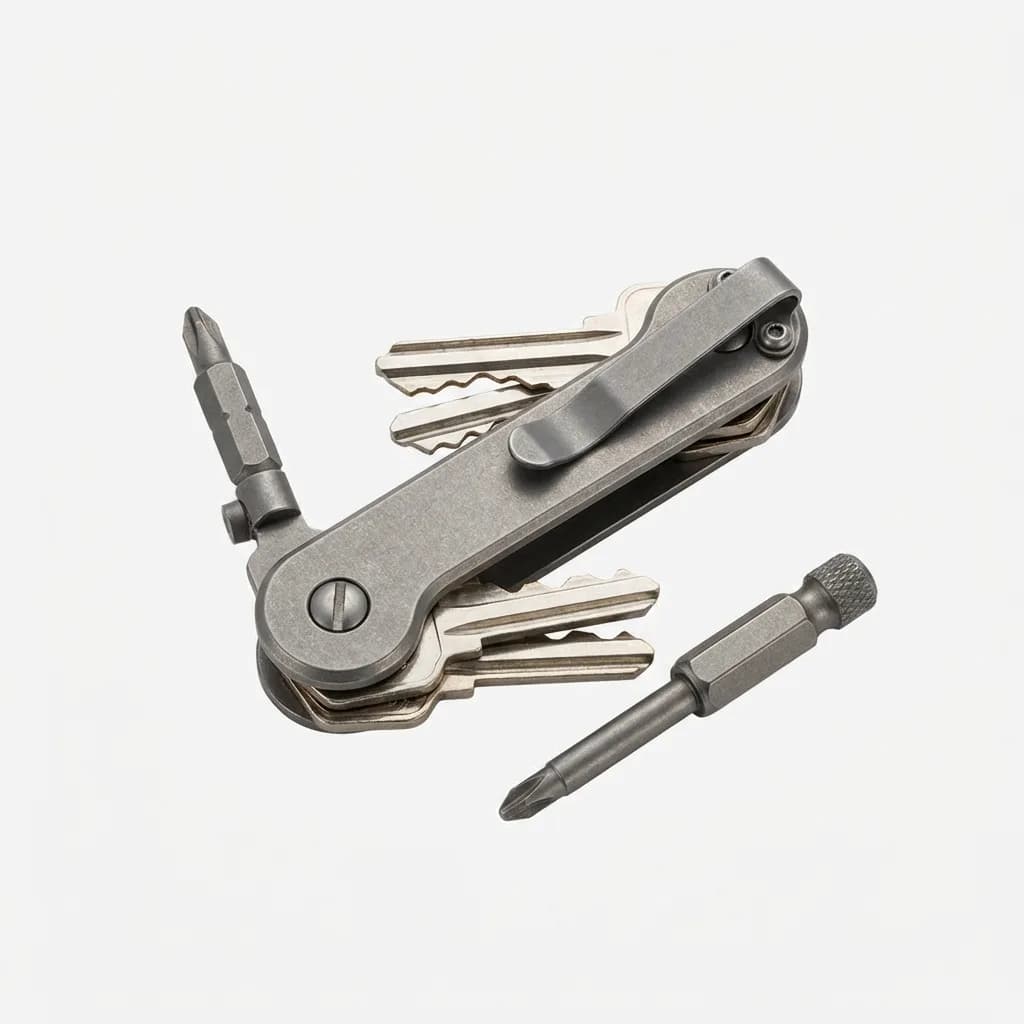
KeyBar
$40
Aluminum or titanium frame, holds up to 12 keys, includes bit set and pocket clip. Modular attachments available. Made in USA with lifetime warranty.
Don't skip this category because it seems boring. Comfortable carry starts with the stuff you're already bringing. Make that foundation work right before adding more gear.
How to Build Your Kit Without Wasting Money
Start with the knife. Use it daily for a month. If you find yourself wishing you had light for something specific, add a flashlight. If you're always borrowing pens, add a pen. This sequential approach teaches you what you actually need instead of what YouTube told you to buy.
Set a $100-150 budget for your entire first setup. This forces prioritization and keeps you from going overboard on premium materials before you know what matters. A $50 knife you carry daily beats a $300 knife that stays home because you're afraid to scratch it.
Buy from retailers with good return policies. Amazon, REI, and most major outdoor retailers let you try gear and return it if it doesn't work. Use this. Carry a knife for a week. If it's too heavy, too small, or just doesn't feel right, send it back and try something else.
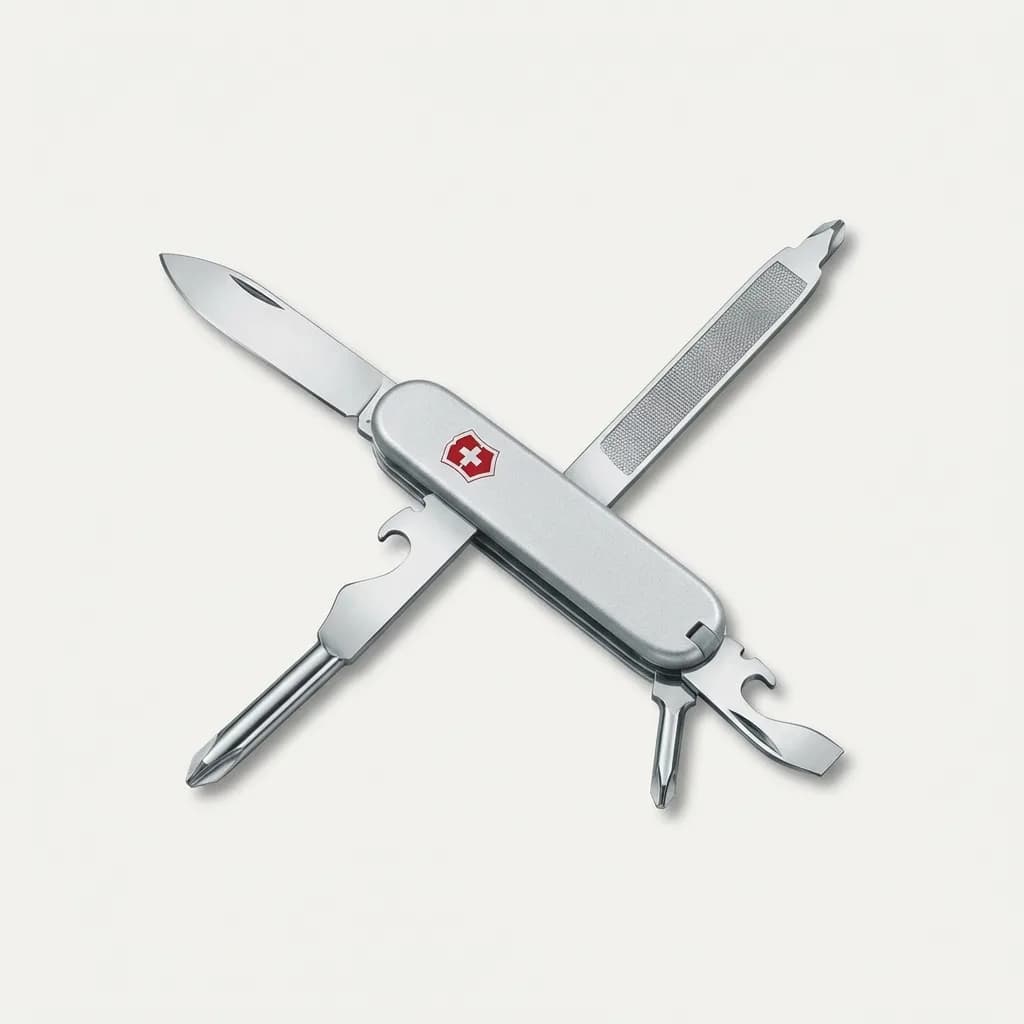
Victorinox Cadet
$35
Swiss Army knife with 2.5-inch blade, file, screwdriver, cap lifter, and can opener. 3.25 inches closed, 2.6 oz. Lifetime warranty, made in Switzerland.
Avoid bundles and starter kits marketed specifically as EDC packages. They're almost always a mediocre knife, a dim flashlight, and a pen that stops writing after three uses. Buying each item separately costs the same and gets you better gear.
Common Beginner Mistakes and How to Skip Them
Buying too much too fast is the biggest mistake. You see a complete setup online, buy all of it, then realize half the gear doesn't fit your life. Slow down. Add one item per month. This also spreads the cost and gives you time to learn what you actually use.
Choosing looks over function is the second trap. Titanium looks cool but doesn't make a knife cut better. Matching anodized colors don't make gear more useful. Start with function. If you're still carrying it a year from now and want to upgrade to premium materials, do it then.
Ignoring weight and bulk kills carry consistency. A 6 oz knife might feel fine in your hand but disappears from your pocket after a week because it's annoying. Everything you carry adds up. Keep your total pocket weight under 8 oz for comfortable all-day carry.
Not testing before committing means buying gear that doesn't work for you. Carry your new knife for two weeks before buying anything else. You might realize you need a smaller blade, or a different opening mechanism, or that you actually prefer a multitool. Learn from each item before adding the next.
Skipping maintenance is how gear stops working. Knife blades get dull. Flashlight batteries die. Pen refills run out. Set a reminder to check your carry monthly. Clean your knife, charge your light, replace your pen refill. Five minutes of maintenance keeps everything ready when you need it.
What to Add Next Once You Have the Basics
After carrying knife, light, pen, wallet, and keys for three months, you'll know exactly what's missing. Most people add a multitool, a better pen, or a field notes notebook. Some add a watch or a small pry bar. The key is adding based on actual gaps you've experienced, not theoretical problems.
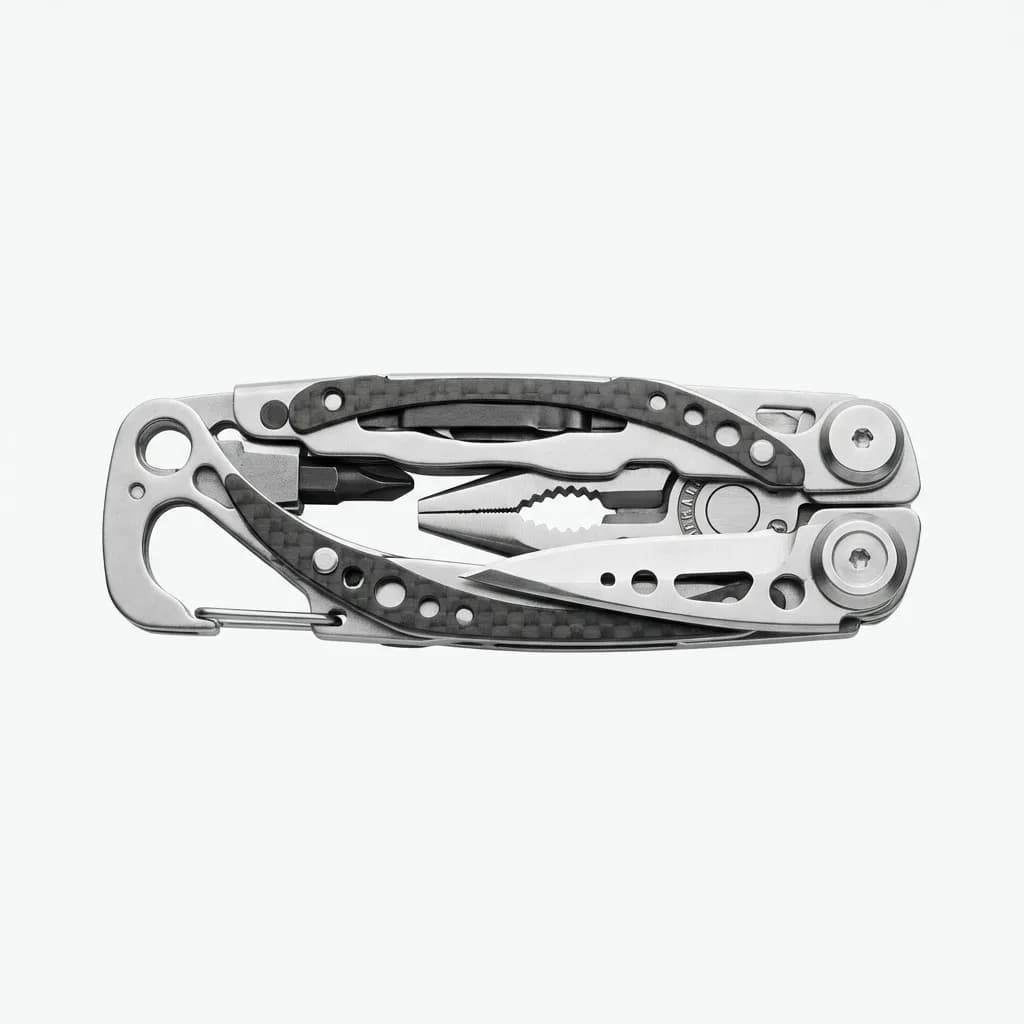
Leatherman Skeletool
$80
7 tools including pliers, wire cutters, 2.6-inch blade, bit driver, bottle opener, and carabiner clip. 5 oz, 4 inches closed. 25-year warranty.
A small notebook captures ideas, tasks, and information better than your phone when you're in motion. Field Notes or Moleskine pocket notebooks fit perfectly in a back pocket and don't die when your battery does. Pair with a good pen and you have a reliable capture system that works anywhere.
A watch brings huge convenience if you're in meetings or situations where checking your phone is rude. You don't need a $500 automatic. A simple Casio or Timex tells time reliably and survives daily abuse. Add this after you're comfortable with the rest of your carry.
Making Your EDC Actually Work Long-Term
The gear that sticks around is the gear that solves problems without causing new ones. If your knife is too heavy, you'll stop carrying it. If your flashlight dies constantly, you'll stop charging it. Comfort and reliability beat specifications every time.
Check your pockets before bed. This 30-second habit keeps your carry consistent. Knife, light, pen, wallet, keys. If something's missing or needs attention, you know immediately instead of discovering it when you need that tool.
Replace things when they wear out, not when something newer launches. A beaten-up knife that you've carried for two years is more valuable than a pristine knife that stays in a drawer. Use your gear, maintain it, replace it when it breaks. That's the cycle.
Your first EDC setup won't be your last. You'll upgrade pieces, try new tools, and figure out what works better for your specific needs. That's normal. The point isn't to build the perfect collection. It's to carry useful stuff that makes your daily life smoother. Start simple, add slowly, and let real experience guide your choices instead of hype.
The Weekly Dispatch
Enjoying this article?
Subscribe and get our best gear picks delivered every Sunday morning.
Related Stories
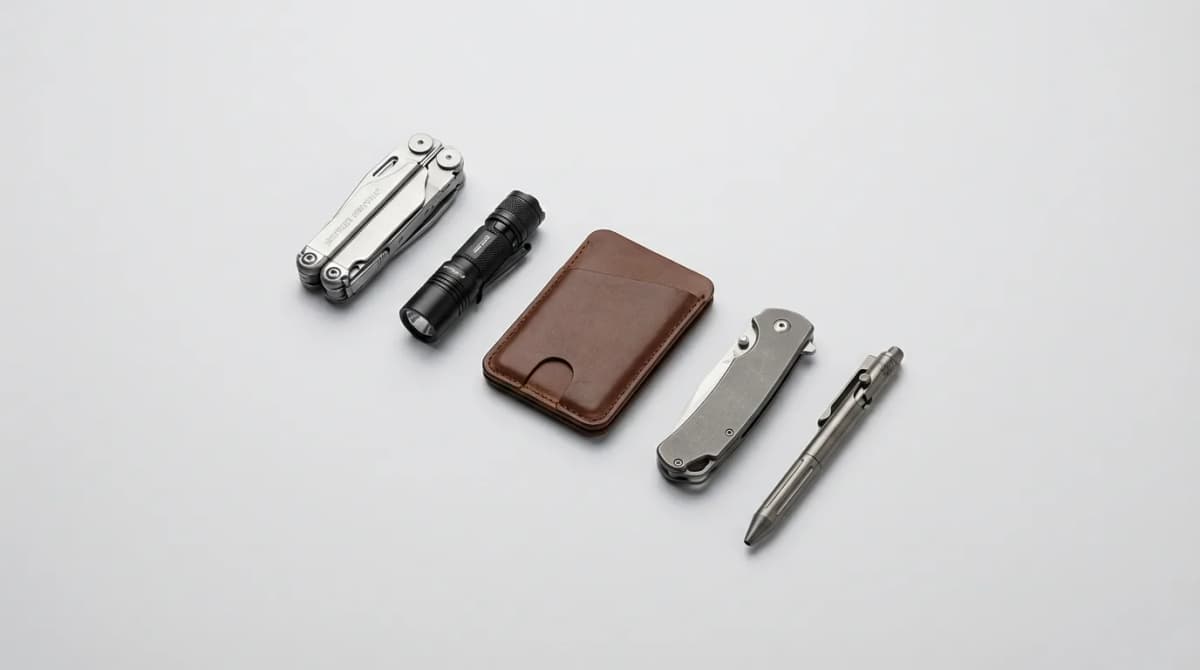
Everyday Carry Mistakes to Avoid for a Better EDC
Most people carry too much or the wrong gear. Learn the biggest EDC mistakes that weigh you down and how to build a practical everyday carry setup that works.
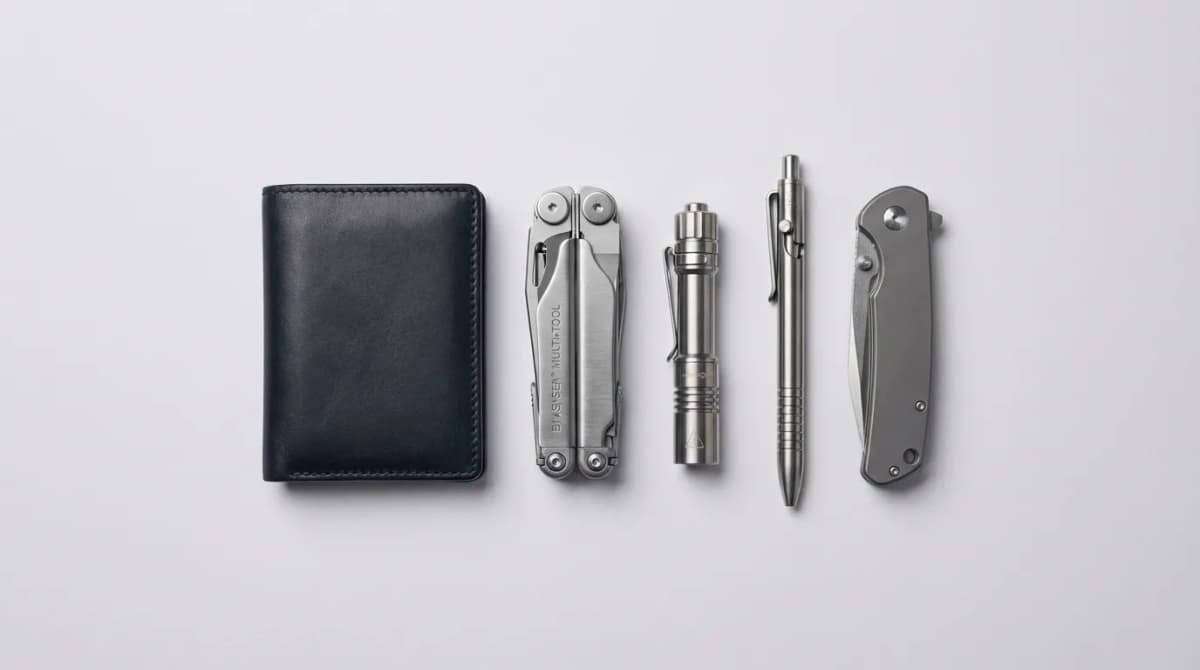
Best Everyday Carry Gifts Under $200
Premium EDC gear that balances quality and value. We tested wallets, multi-tools, flashlights, and knives to find gifts worth keeping.
Stainless Steel EDC: Why It Still Wins
Titanium gets the hype, but stainless steel remains the workhorse material for EDC gear. Here's why corrosion resistance and real-world durability matter more than weight savings.