Solar Chargers and Power Banks: Green Solutions
Solar chargers convert sunlight into power for your devices, but efficiency varies wildly. We break down panel specs, capacity tradeoffs, and which models actually work.
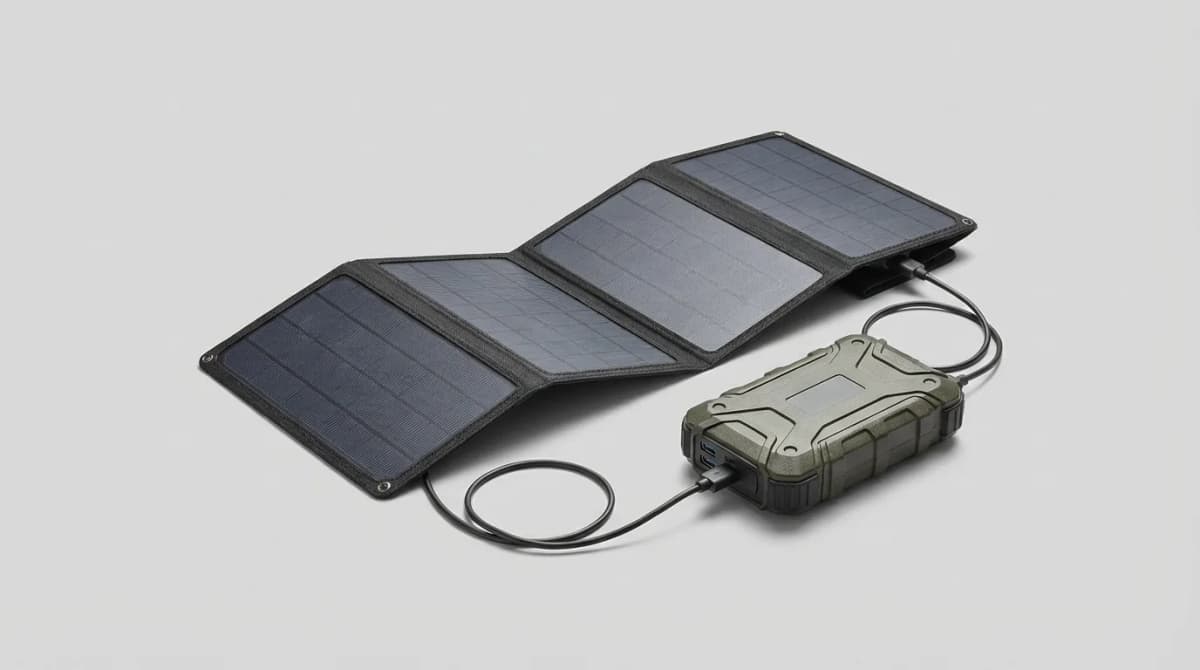
Your phone dies halfway through a three-day backpacking trip. No outlet for miles. That's when solar charging stops being a novelty and becomes essential gear. But not all solar chargers deliver on their promises, and the specs can be deliberately misleading.
Solar panel efficiency determines how much sunlight converts to usable power. Most portable panels hover between 21-24% efficiency, which sounds low until you realize even premium rooftop solar barely hits 26%. What matters more is total wattage output under realistic conditions. A 21-watt panel in direct sun will charge a phone faster than a 28-watt panel in partial shade.
The catch is that advertised wattages assume perfect conditions: perpendicular sunlight, clear skies, optimal temperature. Real-world performance drops by 30-50% depending on cloud cover, angle, and heat. A 20-watt panel might deliver 10-14 watts on an overcast hiking day.
Panel Types and What They Mean for Performance
Monocrystalline panels dominate the portable market because they pack more efficiency into less space. They're cut from single silicon crystals, which gives them that uniform black appearance. Polycrystalline panels use multiple silicon fragments, making them slightly less efficient but cheaper to produce.
For gear you're carrying on your back, monocrystalline wins every time. The efficiency gap translates directly to weight savings. A 20-watt monocrystalline panel weighs about 1.1 pounds, while a polycrystalline equivalent needs more surface area and weighs closer to 1.5 pounds.
Thin-film panels exist but rarely appear in consumer gear. They're flexible and lightweight but sacrifice so much efficiency that they need enormous surface areas to generate useful power. You'll see them on some roll-up designs, but the tradeoff isn't worth it for most users.
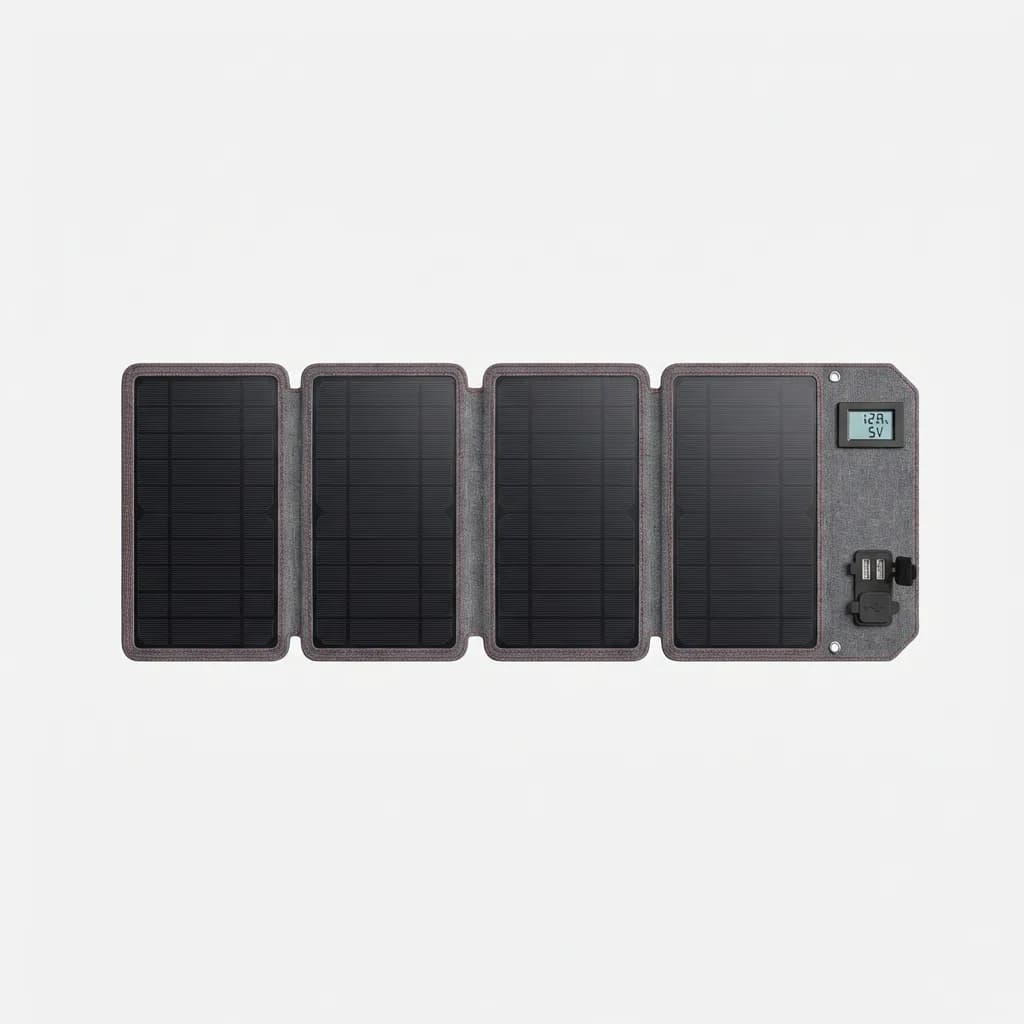
BigBlue 28W Solar Charger
$70
Four foldable monocrystalline panels deliver 28W max output with dual USB ports. Built-in ammeter shows real-time charging current. IPX4 water-resistant rating for light rain.
Capacity vs Weight: The Backpacker's Dilemma
Power banks store energy, solar panels generate it. Most people need both. A 20,000mAh power bank weighs about 12 ounces and charges a modern smartphone 4-5 times. That same bank takes 8-10 hours to recharge from a 20-watt solar panel in good conditions.
The math gets interesting on multi-day trips. If you're out for three days and use 5,000mAh daily (phone, headlamp, GPS), you need 15,000mAh total. You could carry a 20,000mAh bank at 12 ounces, or a 10,000mAh bank plus a solar panel at 16 ounces total. The solar setup weighs more but gives you unlimited capacity if the sun cooperates.
Weight-conscious hikers calculate by watt-hours instead of mAh. A 20,000mAh bank at 3.7V nominal voltage holds 74 watt-hours. That's your actual energy storage. Cheaper banks inflate their mAh ratings by measuring at the cell level before conversion losses. Real capacity can be 20-30% lower.
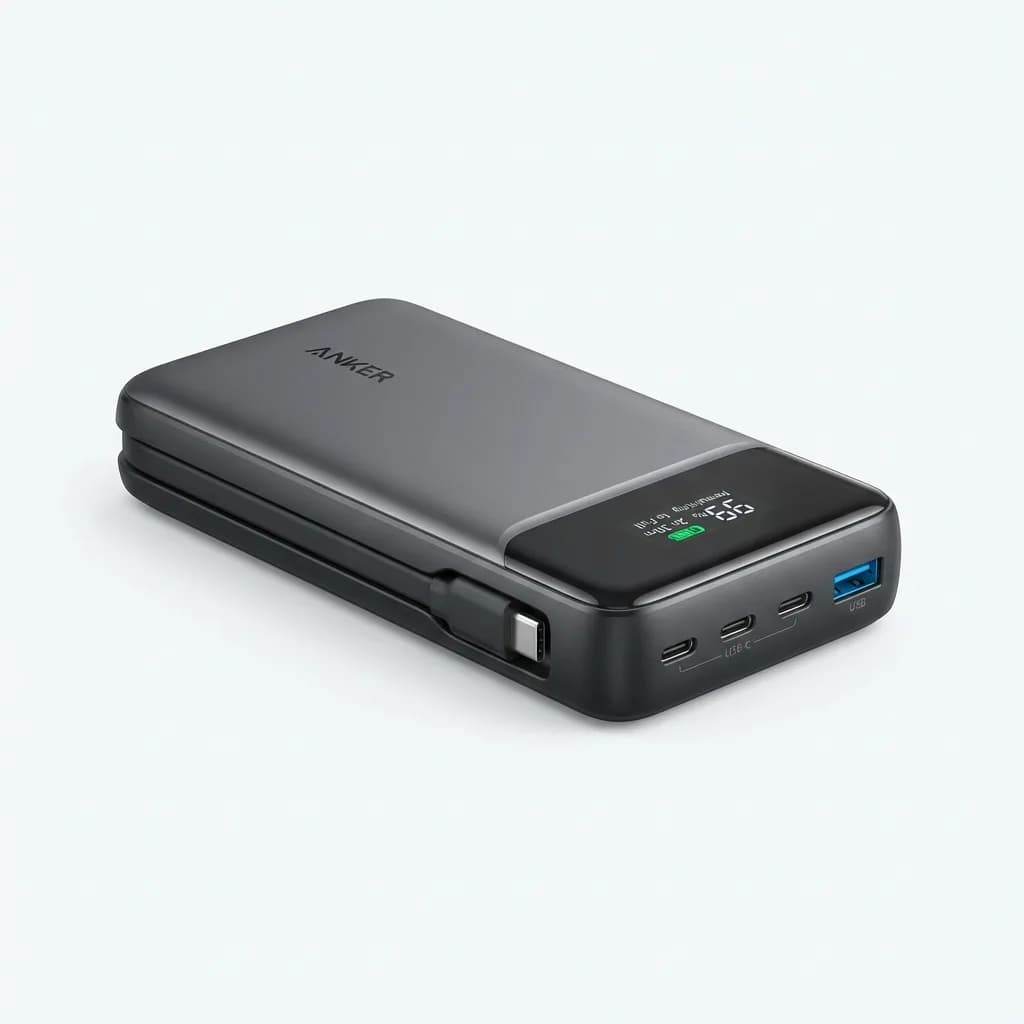
Anker 747 Power Bank 25600mAh
$150
25,600mAh capacity with 87W USB-C output charges laptops and phones. Smart display shows remaining power and charge time. Built-in USB-C cable reduces cable clutter.
Fast Charging and USB-C Power Delivery
USB-C Power Delivery (PD) changed portable charging completely. Older solar chargers maxed out at 12 watts through USB-A ports, taking 3-4 hours to charge a phone. Modern PD-enabled panels push 30-60 watts, charging phones in under an hour and topping up laptops in 2-3 hours.
The spec sheet lists maximum output, but your device negotiates actual charging speed. A 60-watt panel won't damage a phone that only accepts 20 watts. The handshake protocol automatically adjusts. This matters when you're charging multiple devices, where total output gets divided among ports.
Look for panels with separate charge controllers on each port. Budget models share one controller across all outputs, meaning a slow-charging device on port one throttles everything else. Better designs isolate each port so your laptop charges at full speed while your headlamp sips power on port two.
Some panels include Maximum Power Point Tracking (MPPT), which optimizes voltage and current to extract maximum power as sunlight conditions change. It's standard on quality units and can improve real-world efficiency by 15-20%.
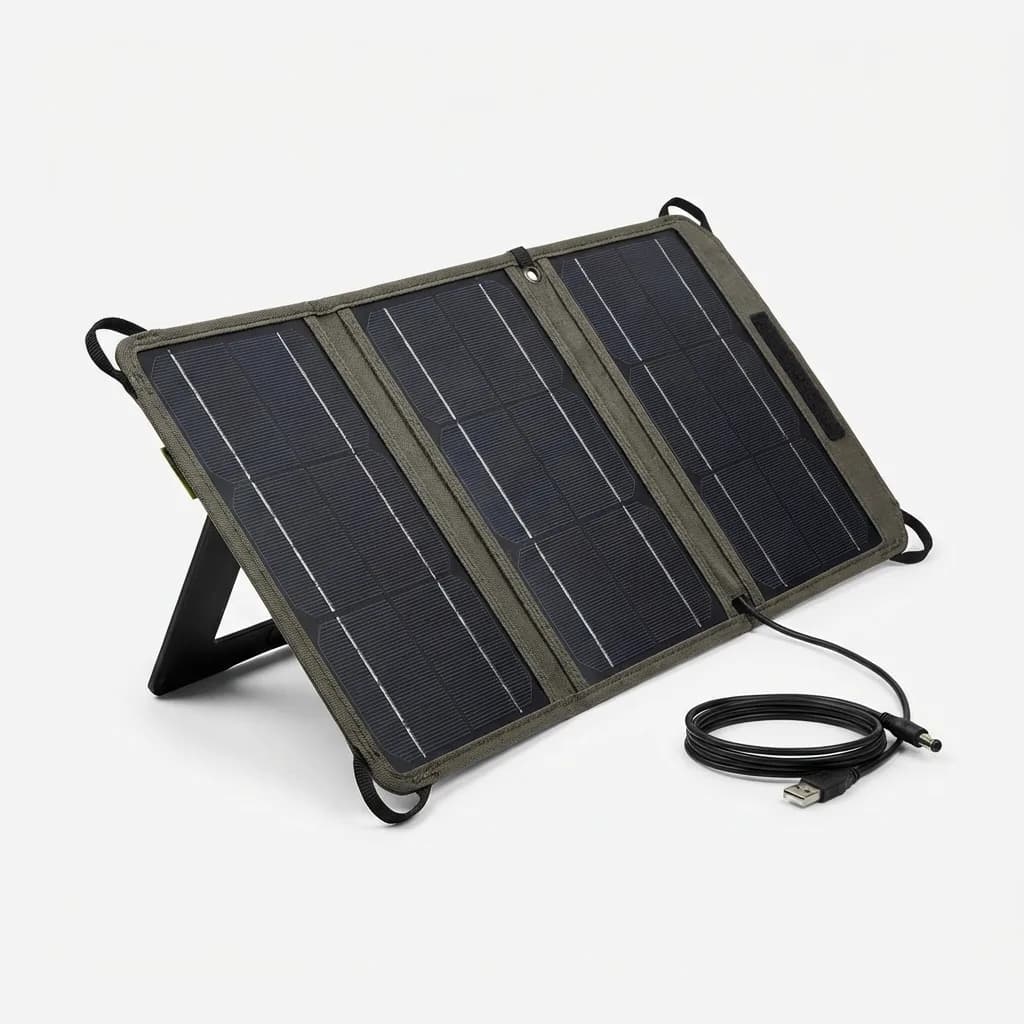
Goal Zero Nomad 50 Solar Panel
$200
50W monocrystalline panel with USB and 8mm port for Goal Zero power stations. Rugged design with kickstand and corner loops. Chains to additional panels for more power.
Durability and Weather Resistance Ratings
IP ratings tell you what conditions the unit survives. IPX4 means it handles splashing water but not submersion. IPX5 withstands directed water jets. IPX7 survives 30 minutes underwater at one meter depth.
Solar panels with fabric housings typically rate IPX4. That's fine for light rain or morning dew but not a downpour. Rigid panels with sealed junction boxes often hit IPX5 or IPX6. The solar cells themselves don't mind water, but the charge controller electronics do.
We've tested panels in everything from desert heat to mountain snow. Heat degrades performance more than cold. A panel at 150F (common in direct summer sun) produces 10-15% less power than the same panel at 77F. Some units include temperature compensation, but most don't.
The weak point is always the cable connections. Even weatherproof panels fail when the USB port fills with trail dust or the cable develops internal breaks from repeated folding. Detachable cables solve this, replaceable rather than disposable when they fail.
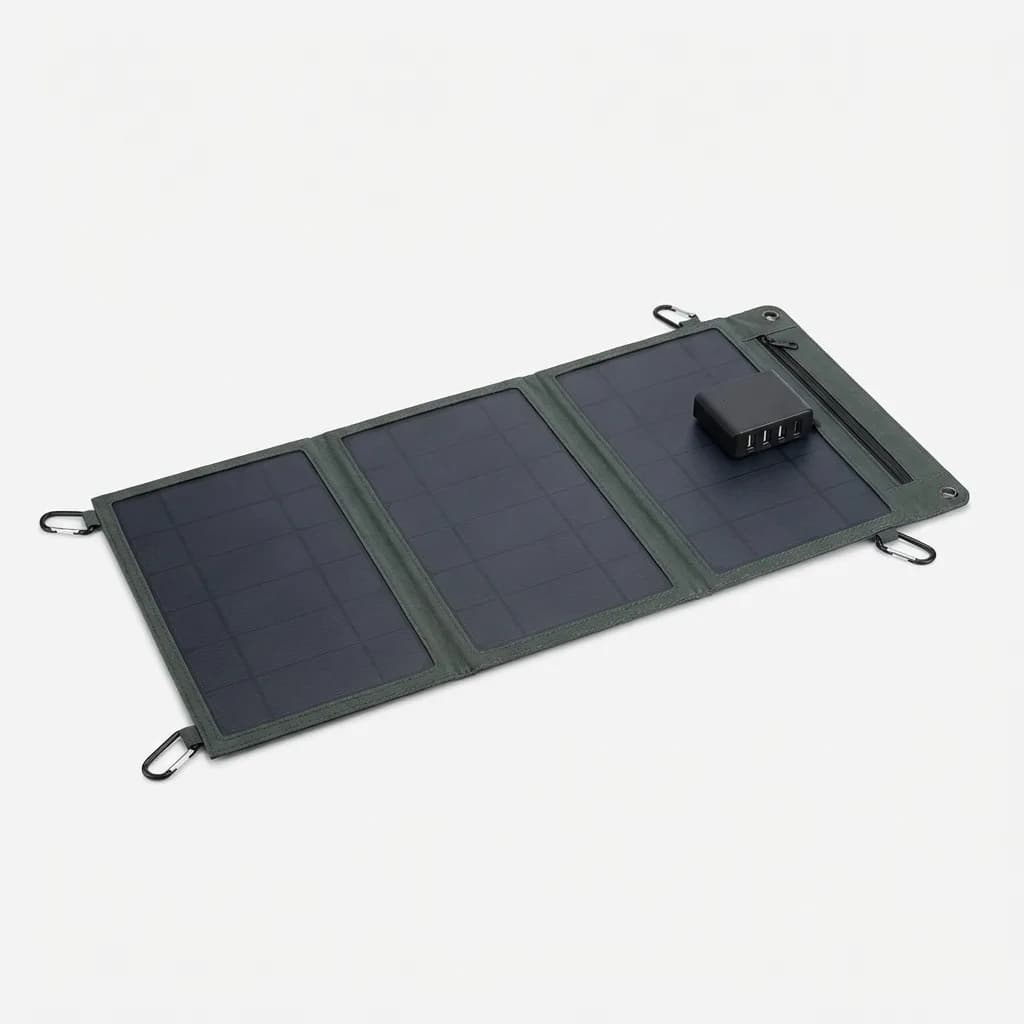
Nekteck 21W Solar Charger
$50
21W foldable panel with three USB ports charges multiple devices. PET polymer surface protects solar cells. Weighs just 18 ounces with carabiner loops for pack attachment.
Hybrid Power Banks with Built-In Solar Panels
Power banks with integrated solar panels sound perfect: battery storage and charging in one package. Reality disappoints. The tiny panels (typically 1-3 watts) take 50-100 hours of direct sun to fully recharge a 20,000mAh bank. That's emergency backup, not a primary charging method.
These make sense for casual users who want trickle charging between uses. Leave it on your car dashboard and it maintains charge level. But expecting it to recharge from empty while camping is unrealistic. You'd need a week of perfect weather.
The upside is weight and space savings. One 14-ounce unit replaces a separate panel and battery. If you only need occasional top-offs and aren't counting on solar as your primary power source, they're convenient.
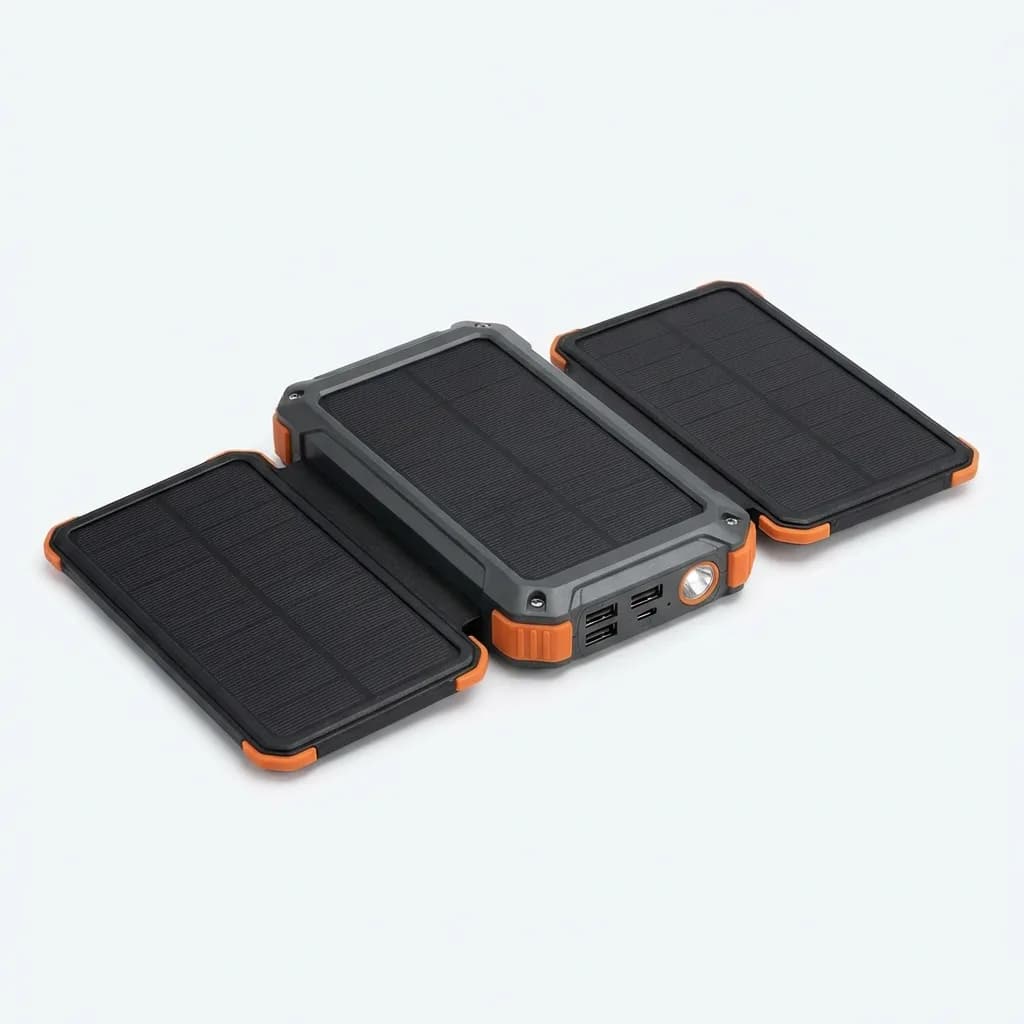
QiSa Solar Power Bank 38800mAh
$40
38,800mAh capacity with dual 5W solar panels and three USB outputs. Built-in LED flashlight with SOS mode. Rugged design with IP66 water and dust resistance.
What Actually Works for Different Use Cases
Weekend camping with your phone and headlamp needs minimal gear. A 10,000mAh power bank covers two nights without solar. Add a 14-watt panel if you're using GPS heavily or taking lots of photos. The panel tops up the bank during the day while you hike.
Week-long backpacking requires calculation. Budget 5,000-7,000mAh daily for phone, GPS, and headlamp. A 20,000mAh bank plus 21-watt panel handles it if you charge during lunch breaks and evening camp. Position the panel for maximum sun exposure, not convenience.
Van life and car camping removes weight constraints. A 50-100 watt rigid panel mounted to the roof plus a 50,000mAh power station runs laptops, lights, and a portable fridge. This setup needs charge controllers and proper battery management, stepping beyond simple USB charging.
Emergency preparedness sits in the middle. A 25,000mAh bank stays topped up at home and provides multiple device charges when the grid fails. Pair it with a 28-watt panel for extended outages where you can charge during daylight hours.
The biggest mistake is buying undersized solar panels that can't meaningfully recharge your battery bank in available daylight. Match panel wattage to battery capacity: minimum 20 watts for 10,000mAh, 40+ watts for 20,000mAh+ banks if you want same-day recharging.

Jackery SolarSaga 100W Solar Panel
$300
100W monocrystalline panel with USB-C and USB-A ports plus DC output for power stations. Foldable design with kickstand and carry handle. TPE rubber coating for weather resistance.
Common Mistakes That Kill Charging Speed
Charging through an opaque tent wall cuts output by 60-80%. Clear tarps reduce it by 40%. Even "transparent" fabric blocks UV spectrum that solar cells convert most efficiently. Always position panels in direct, unobstructed sunlight.
Laying panels flat instead of angling toward the sun costs 30-50% efficiency. The optimal angle equals your latitude, but even propping it up to face the sun generally improves output dramatically. Most folding panels include kickstands for this reason.
Connecting incompatible devices causes issues. Some panels auto-detect device type but others require specific ports for specific devices. Using the wrong combination can result in no charging or very slow charging even when the panel generates plenty of power.
Temperature matters more than people realize. Solar panels hate heat despite loving sun. A black panel in direct summer sun hits 140-160F, reducing output by 15-20%. Airflow underneath helps, which is why kickstands serve double duty as cooling gaps.
Dirty panels lose 5-10% efficiency from dust and 20-30% from mud or bird droppings. Wipe them down regularly with a damp cloth. The difference between a clean and dirty panel can mean hitting or missing your daily charging target on a multi-day trip.
Wrapping Up
Solar charging works when you match equipment to realistic needs. A 21-28 watt panel covers most outdoor activities when paired with a 10,000-20,000mAh power bank. Larger setups make sense for extended trips or base camps, smaller for ultralight missions.
Pay attention to actual wattage output, not marketing claims. Test your setup at home on a sunny day to understand real-world performance before depending on it in the backcountry. Clean panels, optimal angles, and proper device matching matter as much as the equipment itself.
The Weekly Dispatch
Enjoying this article?
Subscribe and get our best gear picks delivered every Sunday morning.
Related Stories
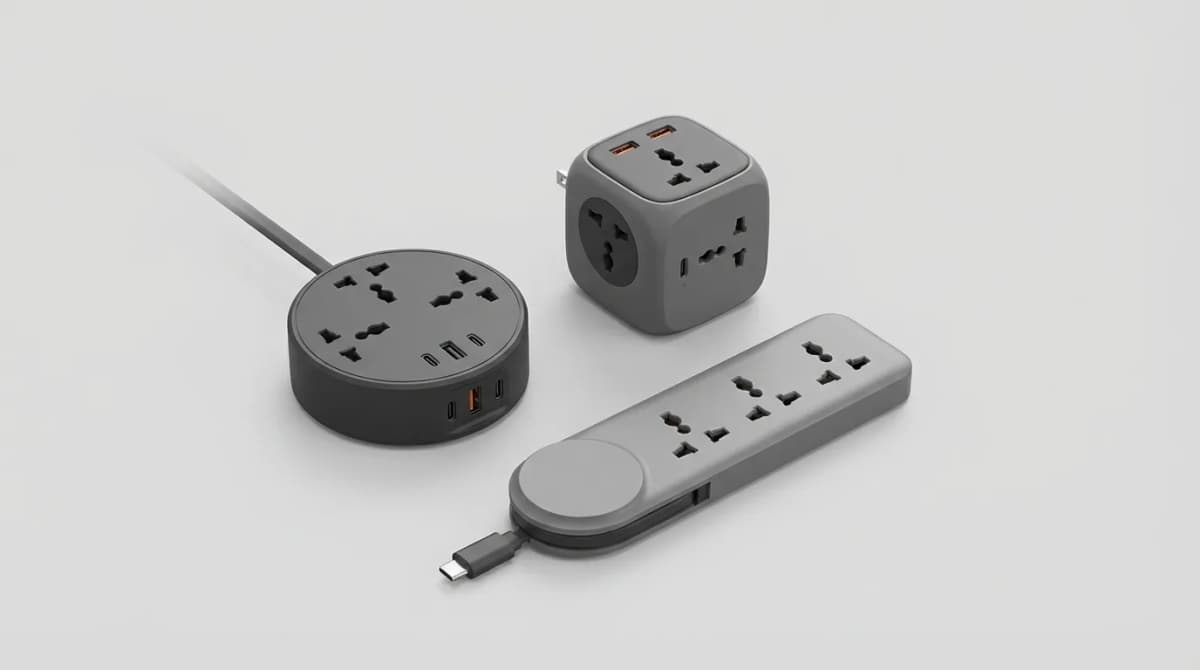
Best Compact Power Strips for Travel
Compact power strips solve the biggest frustration of hotel rooms: not enough outlets where you need them. Here's what actually matters when choosing one.
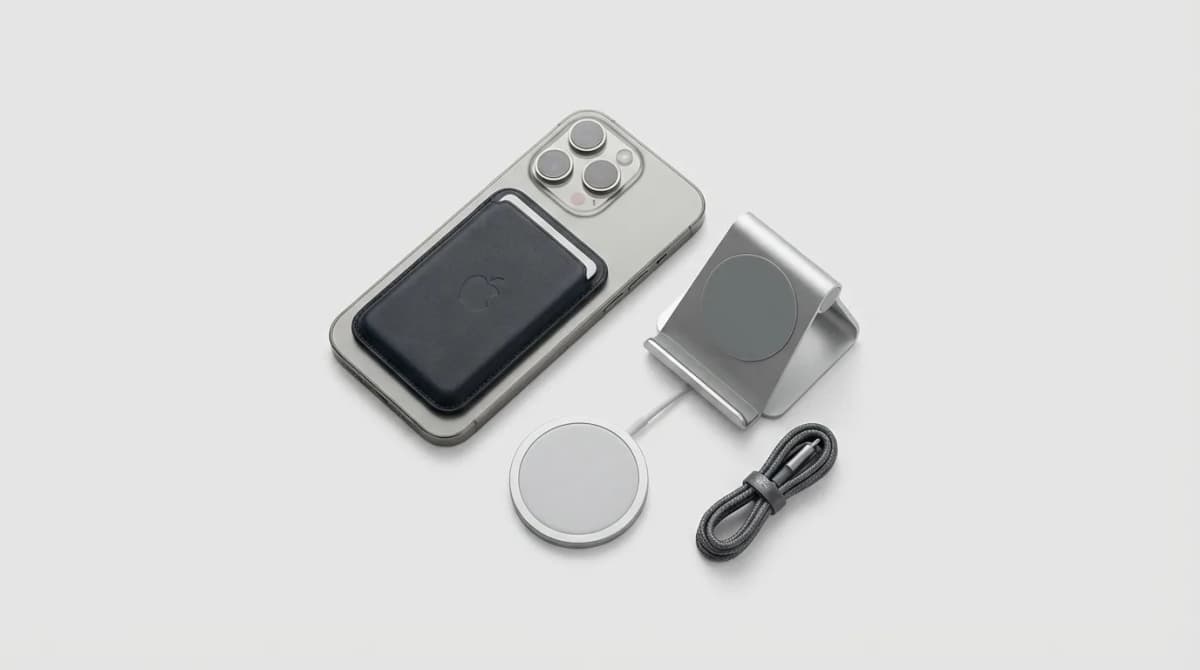
EDC Tech for iPhone Users in 2026
The best iPhone accessories that actually earn a spot in your everyday carry. MagSafe wallets, fast chargers, mounts, and power banks tested for daily use.
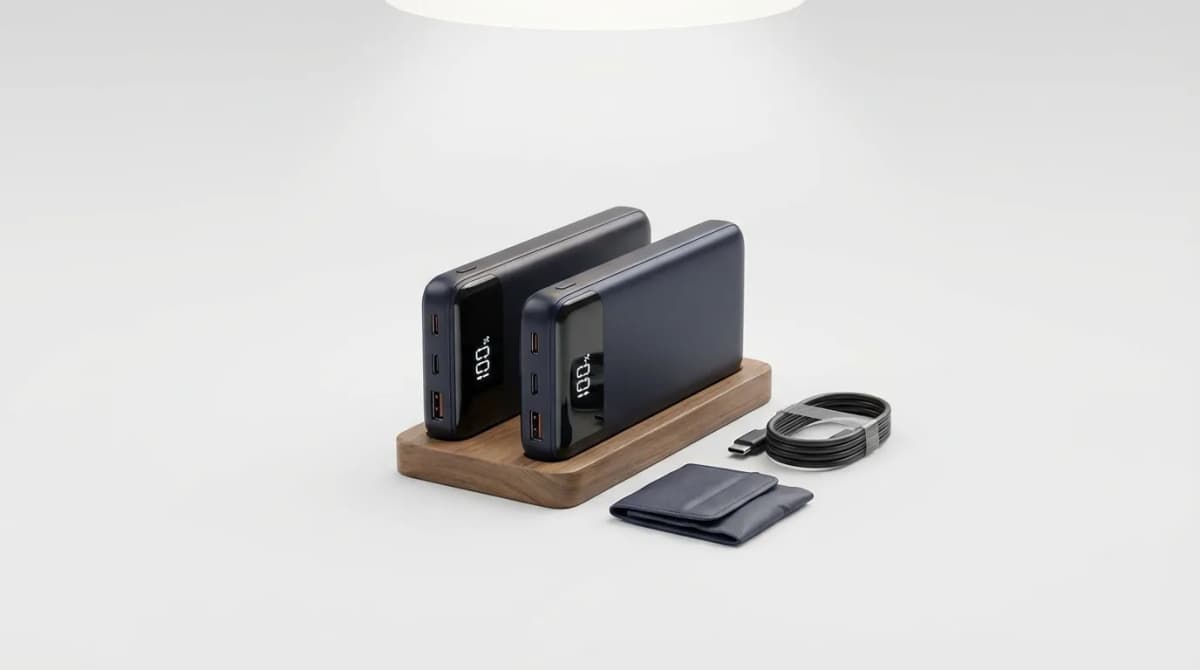
Best Power Banks for Flights in 2026
TSA allows power banks under 100Wh in carry-on only. We break down the watt-hour limits, safety rules, and top compact models that pass airline security.