Best Compact Power Strips for Travel
Compact power strips solve the biggest frustration of hotel rooms: not enough outlets where you need them. Here's what actually matters when choosing one.
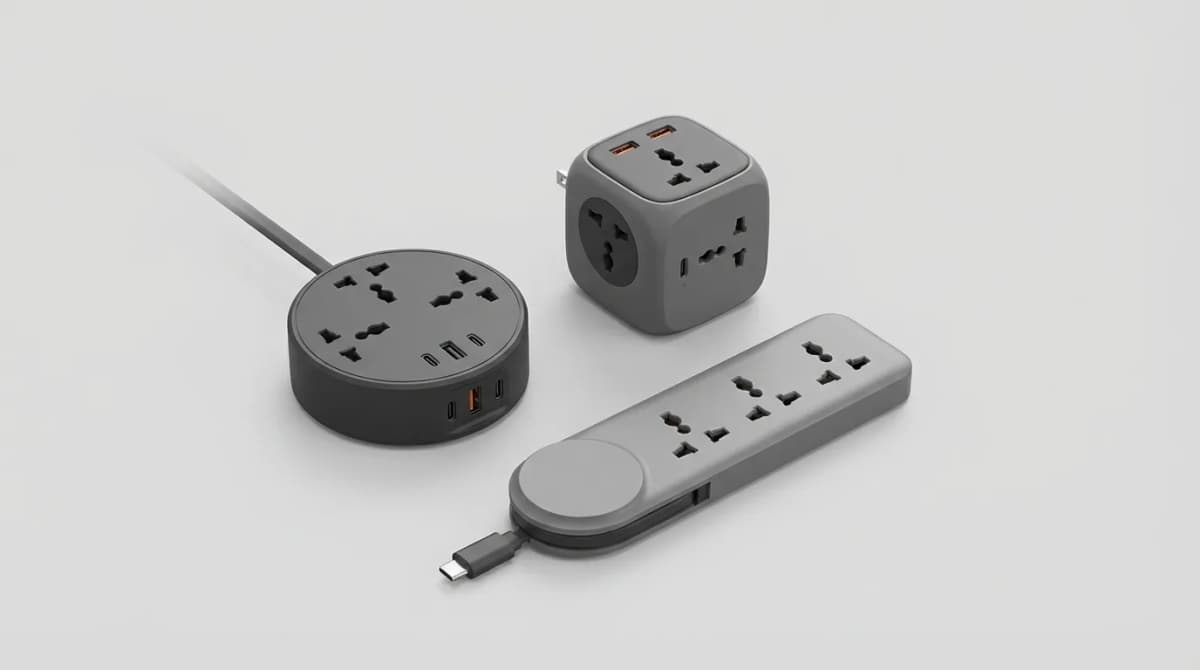
Hotel rooms have two outlets, and they're always behind the bed or under the desk. You've got a laptop, phone, watch, earbuds, and maybe a camera or tablet. The math doesn't work.
A compact power strip built for travel fixes this without taking up bag space or adding weight. But not all designs handle real travel situations equally. Some have outlets spaced so tight you can't fit two chargers side-by-side. Others lack surge protection or use plugs that block adjacent sockets.
We tested dozens of travel power strips across hundreds of hotel stays, airport lounges, and Airbnb kitchens. Here's what separates the useful from the useless.
What makes a power strip travel-worthy?
Size and weight matter, but layout matters more. A strip with six outlets sounds great until you realize only three fit actual chargers. Brick-style adapters block neighbors. Angled plugs crowd each other. USB ports help, but only if they deliver enough wattage for fast charging.
The best travel strips use widely spaced AC outlets (at least 1.5 inches between centers) or a cube design that lets bulky adapters breathe. Flat designs pack easier but often compromise spacing. Cubes take more bag space but handle real-world charger chaos better.
Cord length is the other hidden variable. A five-foot cable reaches from questionable wall outlets to your nightstand or desk. Anything under three feet limits where you can set up. Some models use a short six-inch cable, which works for tight spaces like airplane seats or car dashboards but fails in most hotel layouts.
Surge protection isn't negotiable. Voltage spikes happen, especially in older buildings or international hotels with sketchy wiring. Look for a joule rating of at least 900J. Anything less won't protect expensive gear from a real surge.
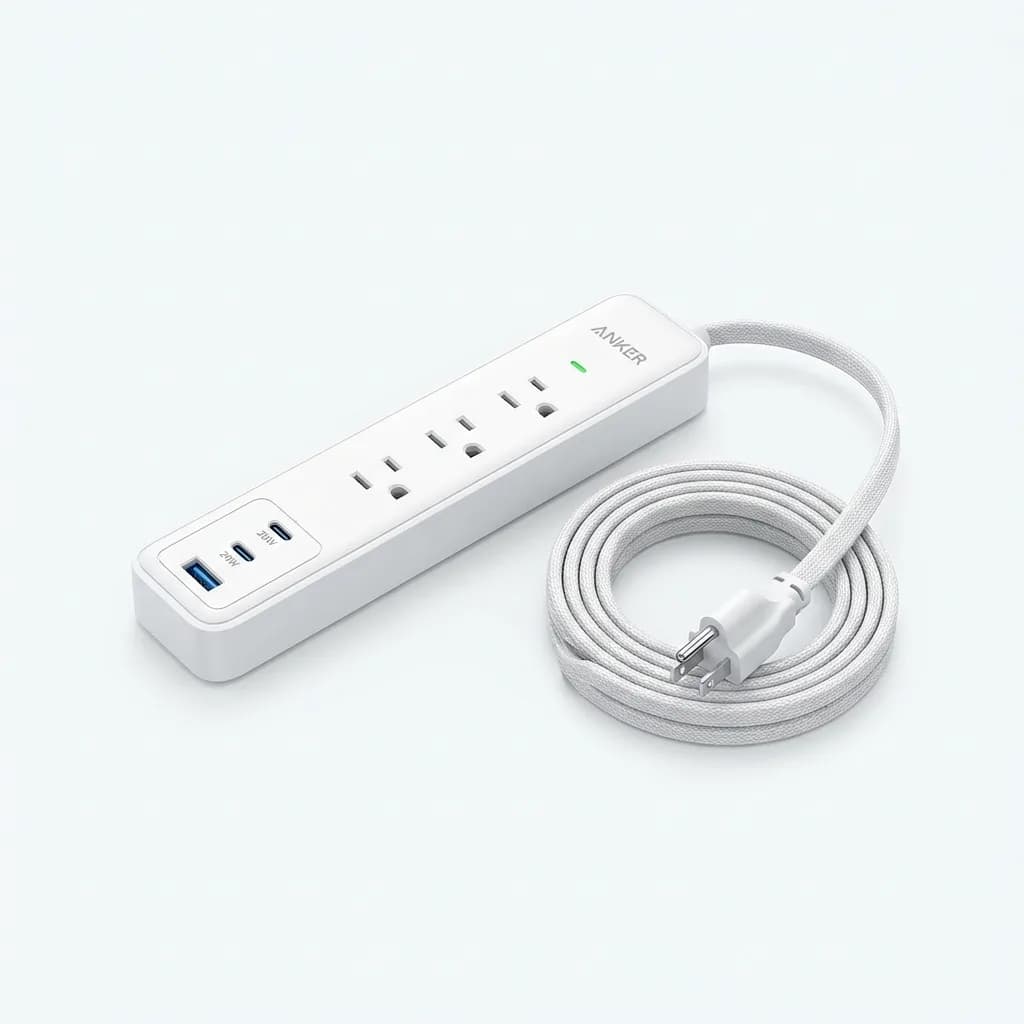
Anker Power Strip with USB C
$28
Three AC outlets plus two USB-C (20W each) and one USB-A port. Flat 5-foot cable, 1080J surge protection. Compact bar design fits in laptop sleeves.
How many outlets do you actually need?
Most travelers need three AC outlets and at least two USB ports. That covers a laptop, phone, smartwatch, and wireless earbuds without juggling chargers. If you carry a camera, tablet, or additional devices, step up to five AC outlets.
The USB port spec matters as much as the count. Older strips max out at 12W total across all USB ports, forcing slow charging. Modern strips with USB-C Power Delivery push 20W or more per port, charging phones at full speed and handling tablets or lightweight laptops.
Watch the total wattage limit. Most travel strips cap at 1250W or 1875W. That's plenty for electronics but won't handle hair dryers, curling irons, or electric kettles. If you travel with heat-producing devices, check the rating. Overloading a strip trips its internal breaker or, worse, melts the housing.
Some strips include a master switch to kill phantom draw when you're not using devices. It's a small feature that saves battery packs and avoids the 2am charger glow lighting up the room.
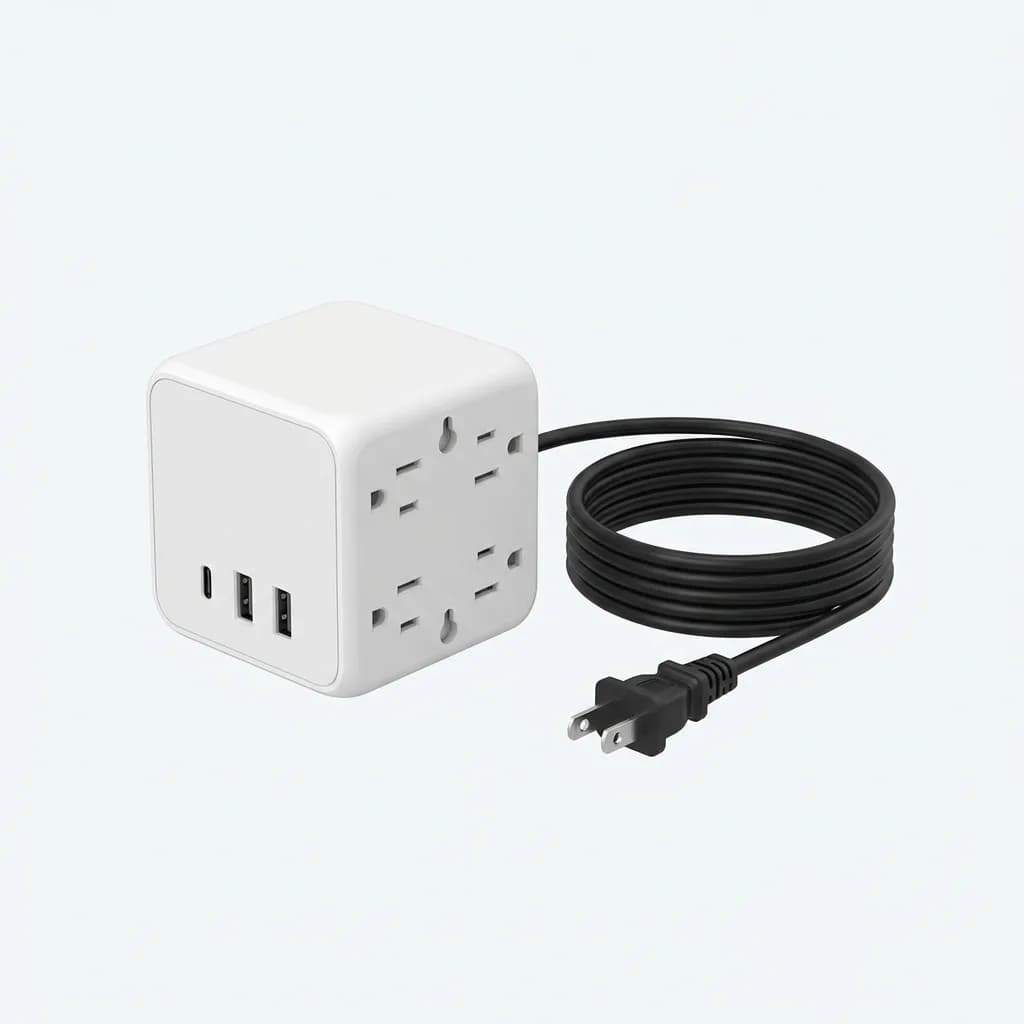
TESSAN Portable Power Strip
$22
Four AC outlets in a cube layout with three USB ports (including one USB-C). 5-foot cord, wall-mountable. 900J surge protection.
Cube vs. bar: which design travels better?
Cubes handle bulky chargers without blocking other sockets. The four-sided design spaces outlets generously, and most models include USB ports on a fifth face. They're heavier and bulkier than bars but eliminate charger Tetris.
Bar designs pack flat in laptop sleeves or side pockets. The slim profile fits between stacked luggage or slides into a drawer. Outlet spacing is tighter, so you'll deal with adapter overlap if you're charging multiple laptops or camera batteries.
Hybrid designs split the difference. Some bars angle outlets at 45 degrees to increase spacing. Others use a low-profile cube shape that's wider than a bar but thinner than a full cube. These work well if you want flat packing with better outlet accessibility.
Rotating outlets are rare but useful. A few high-end strips let you pivot individual sockets to fit odd-shaped adapters. The mechanism adds bulk and failure points, so most travelers skip it.
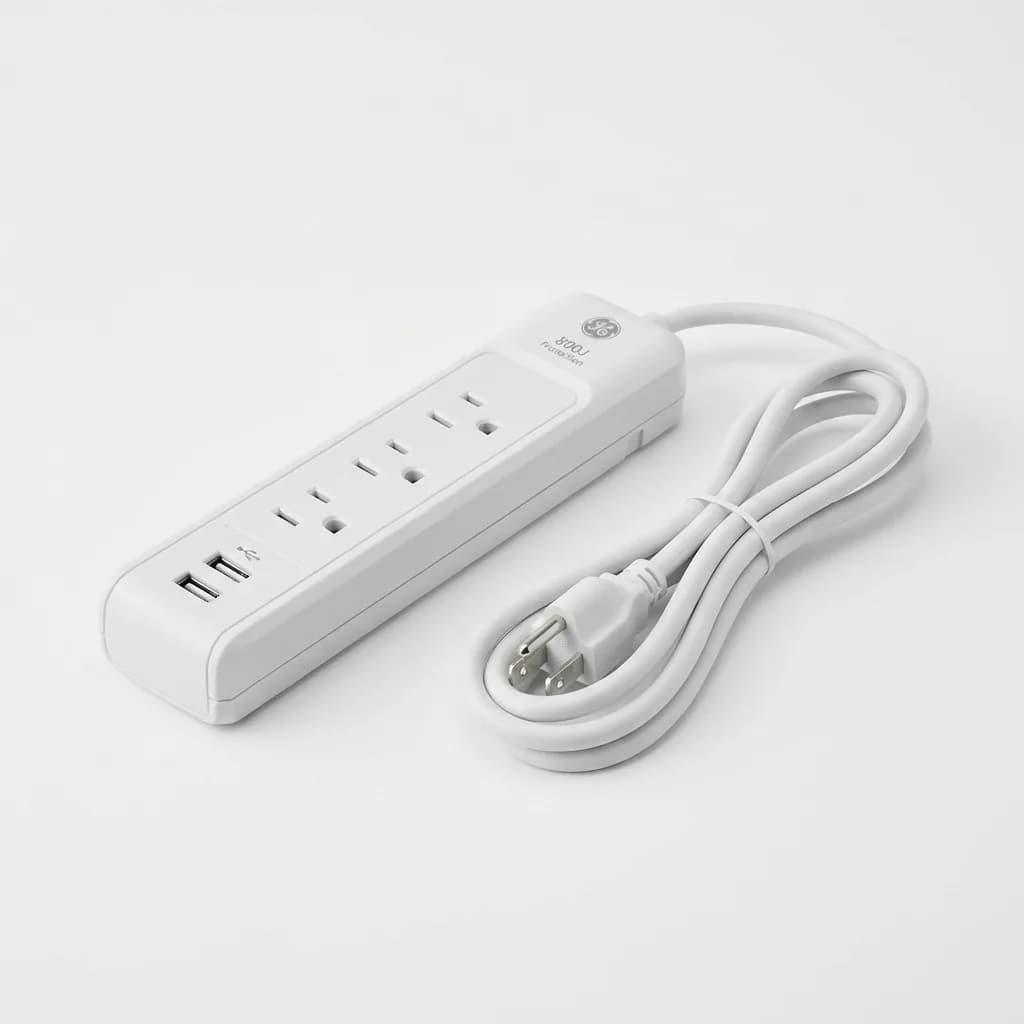
GE 3-Outlet Surge Protector with USB
$16
Slim bar with three grounded outlets, two USB ports. 4-foot cord, 800J protection. Lightweight at 6 ounces, fits in any bag.
What about USB-only charging hubs?
If you've ditched devices that need AC power, a USB-only hub cuts weight and size. Modern GaN chargers pack four to six USB-C ports in a device smaller than a deck of cards. Total output ranges from 65W to 140W, enough for multiple phones, tablets, and lightweight laptops simultaneously.
These aren't power strips, they're multi-port wall chargers. They plug directly into the wall without a cord, so placement depends on outlet location. Some include short extension cables or use a detachable plug system for international travel.
The downside: no AC outlets for laptops that need dedicated power bricks, cameras with proprietary chargers, or the occasional blow dryer. They're perfect for minimalist travelers who standardized on USB-C charging. If you still carry anything with a two- or three-prong plug, you need a traditional power strip.
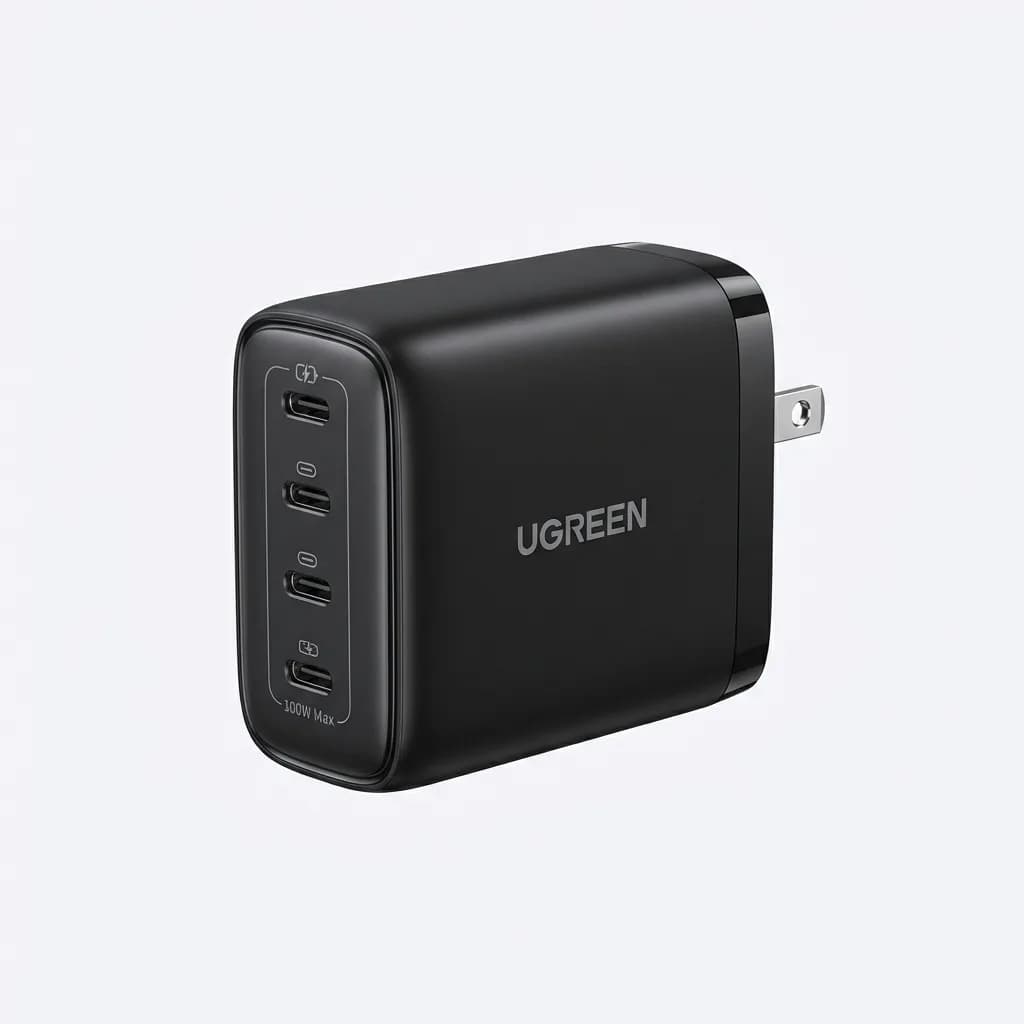
Ugreen 100W USB C Charger
$60
Four USB-C ports (100W total) in a compact GaN design. Foldable plug, charges laptops, tablets, phones. No AC outlets. Replaces multiple chargers.
International travel considerations
US-style power strips work in countries with Type A/B outlets (North America, Japan, parts of Central and South America). Everywhere else requires an adapter between the wall and your strip. This adds bulk and creates a potential failure point.
Universal power strips exist with interchangeable plug heads or built-in adapters for multiple regions. They're heavier and pricier but eliminate the adapter step. Most include voltage compatibility (110-240V) for true worldwide use.
Check the strip's voltage rating before plugging into international outlets. Most modern electronics handle 100-240V automatically, but the power strip itself needs to support the local voltage. Plugging a 110V-only strip into a 220V outlet destroys it instantly.
Some countries have strict rules about daisy-chaining power devices. Singapore and the UK discourage or ban connecting strips to adapters in certain buildings. Research local electrical codes if you're staying somewhere long-term.
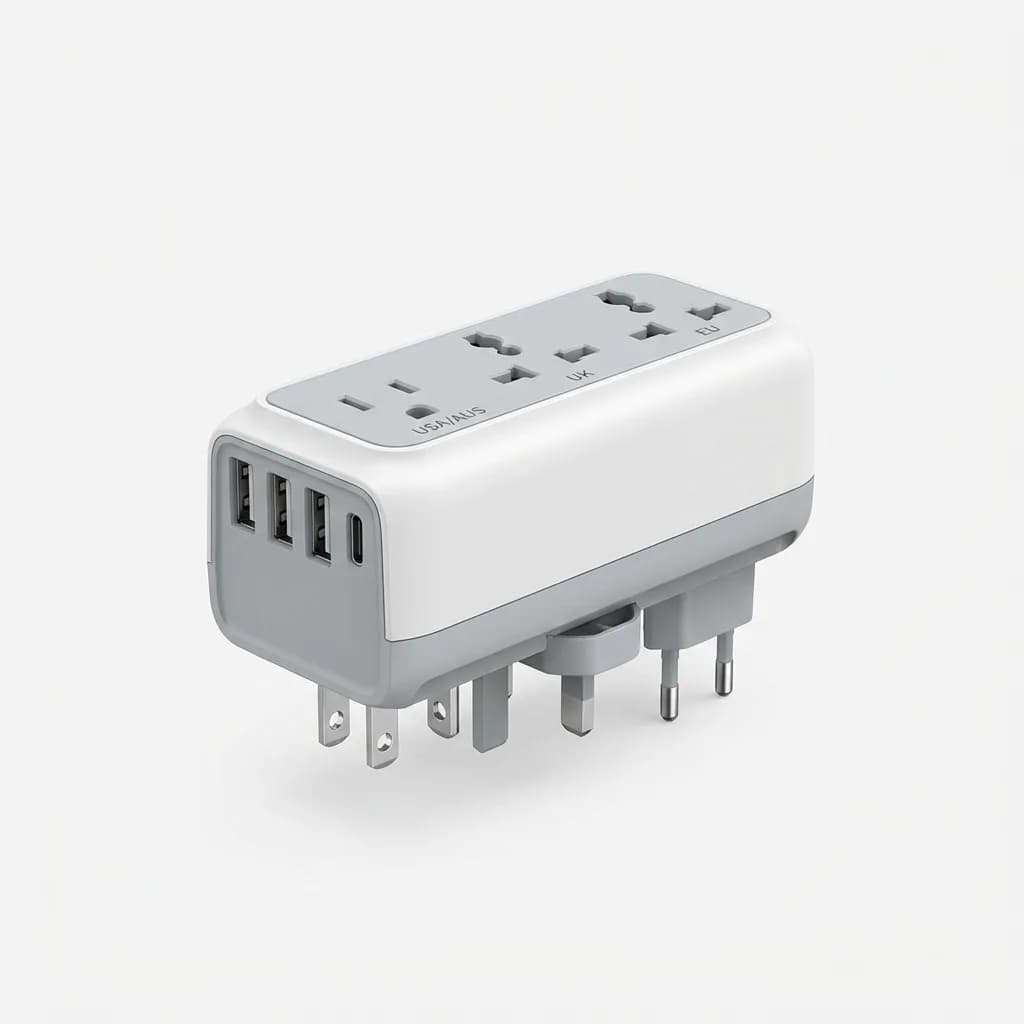
Epicka Universal Travel Adapter with Power Strip
$35
All-in-one adapter covers 150+ countries with three AC outlets and four USB ports. Built-in fuse, 880J surge protection. Heavier but eliminates separate adapters.
Common mistakes that ruin travel power strips
Overloading is the fastest way to kill a strip or trip a breaker. Hair tools, space heaters, and electric kettles pull massive wattage. Even some laptop chargers (gaming rigs, workstations) exceed what compact strips handle safely. Check your devices' power draw and add it up before plugging everything in.
Using a strip without surge protection is gambling with expensive gear. Lightning strikes, grid fluctuations, and old wiring cause voltage spikes. A $20 strip with proper joule rating protects thousands of dollars in electronics. Skipping it saves five bucks and risks everything.
Cheap strips use inadequate wire gauge for the cord. Thin wires overheat under load, creating fire risk. Look for 14 AWG or thicker (lower numbers mean thicker wire). The spec is usually printed on the cord itself. If a strip feels suspiciously light or the cable is flimsy, it's probably using undersized wire.
Ignoring the reset button after a surge is common. Most strips have a breaker or reset switch that trips when overloaded or hit by a surge. If outlets stop working, check for a reset button before assuming the strip is dead. Some designs make the button tiny and hard to spot.
Wrapping the cord too tightly when packing stresses the wire and plug connection. Loose coils prevent internal wire breakage. Use a cable tie or velcro strap instead of tight wrapping. The cord should have gentle curves, not sharp bends.
Is a travel power strip worth carrying?
If you travel with more than two devices that need simultaneous charging, yes. A compact strip weighs 6-12 ounces and takes less space than a paperback book. It turns one questionable hotel outlet into enough ports for your entire kit.
The alternative is charging devices in shifts or hunting for outlets across the room. Neither works well when you're trying to recharge overnight or need multiple devices ready by morning. A strip keeps everything in one spot, fully charged, without outlet anxiety.
For weekend trips with minimal gear, you can skip it. Two devices charge fine from a hotel's available outlets. Once you hit three or more devices, or you're dealing with awkward outlet placement, a strip pays for itself in convenience on the first trip.
The best travel strips balance size, outlet spacing, USB port count, and cord length. None of those variables matter until you're in a hotel room at midnight trying to charge a laptop, two phones, and a camera before an early flight. Then the details become obvious.
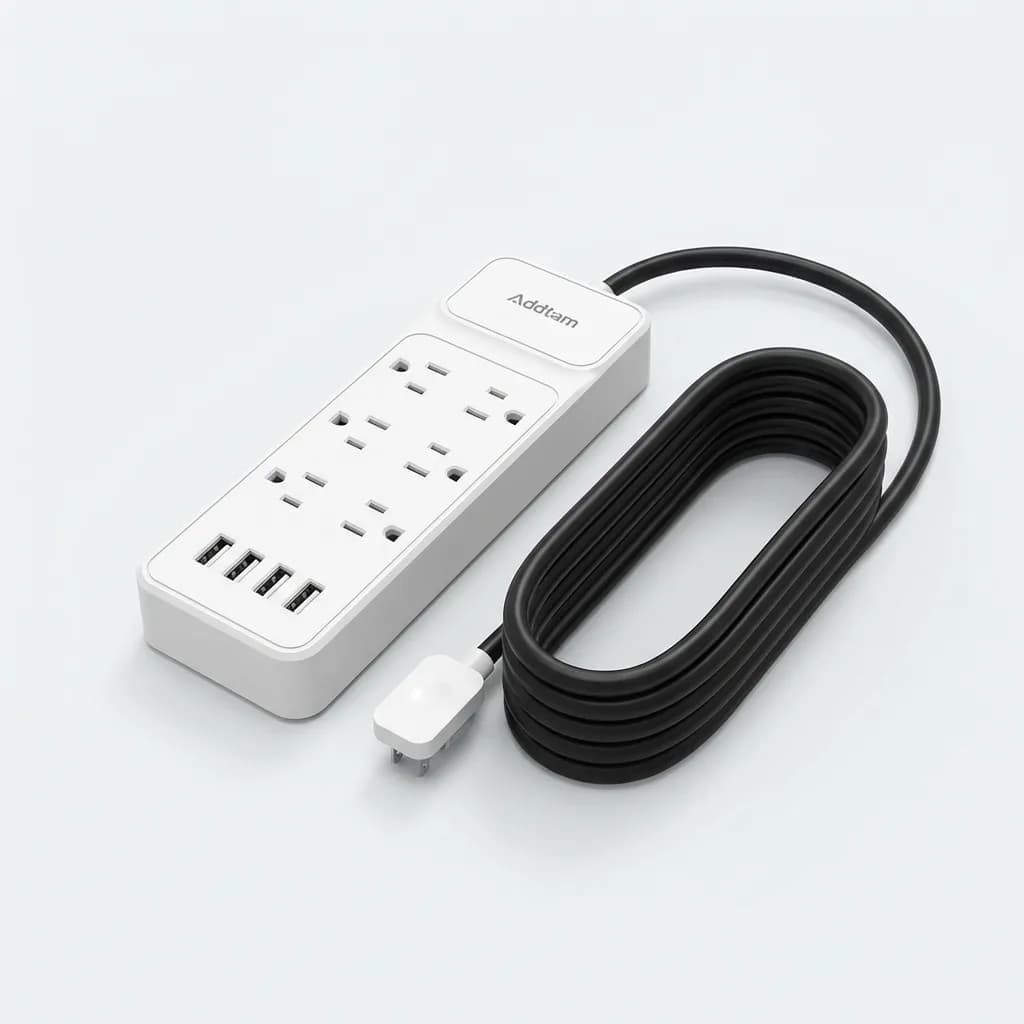
Addtam Power Strip Flat Plug
$25
Five AC outlets with 45-degree angled plugs plus four USB ports. Ultra-thin flat plug fits behind furniture. 6.5-foot cord reaches anywhere in a room.
Choose based on your gear and how you travel. Minimalists do fine with a basic three-outlet bar. Photographers and tech workers need more outlets and higher-wattage USB ports. International travelers benefit from universal adapters. The strip that fits your bag and handles your charging load is the right one.
The Weekly Dispatch
Enjoying this article?
Subscribe and get our best gear picks delivered every Sunday morning.
Related Stories
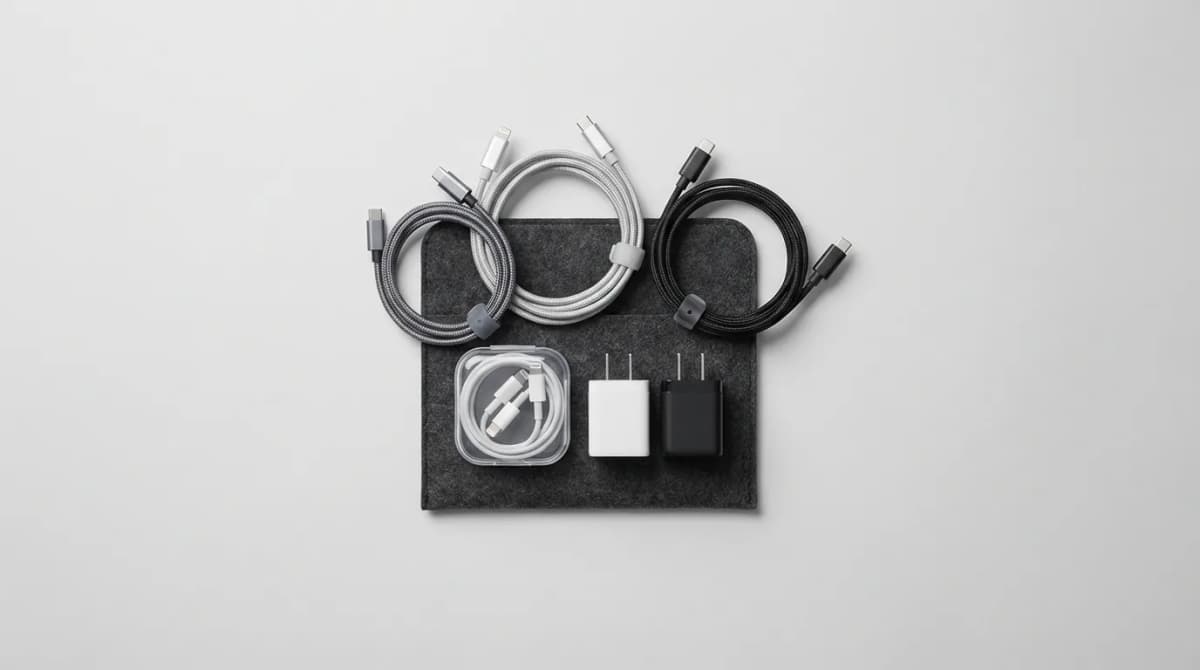
Build a Minimal Cable Set That Fits All Devices
Stop carrying a tangled mess of cables. Learn how to build a streamlined cable kit that handles phones, laptops, tablets, and accessories with just three cables.
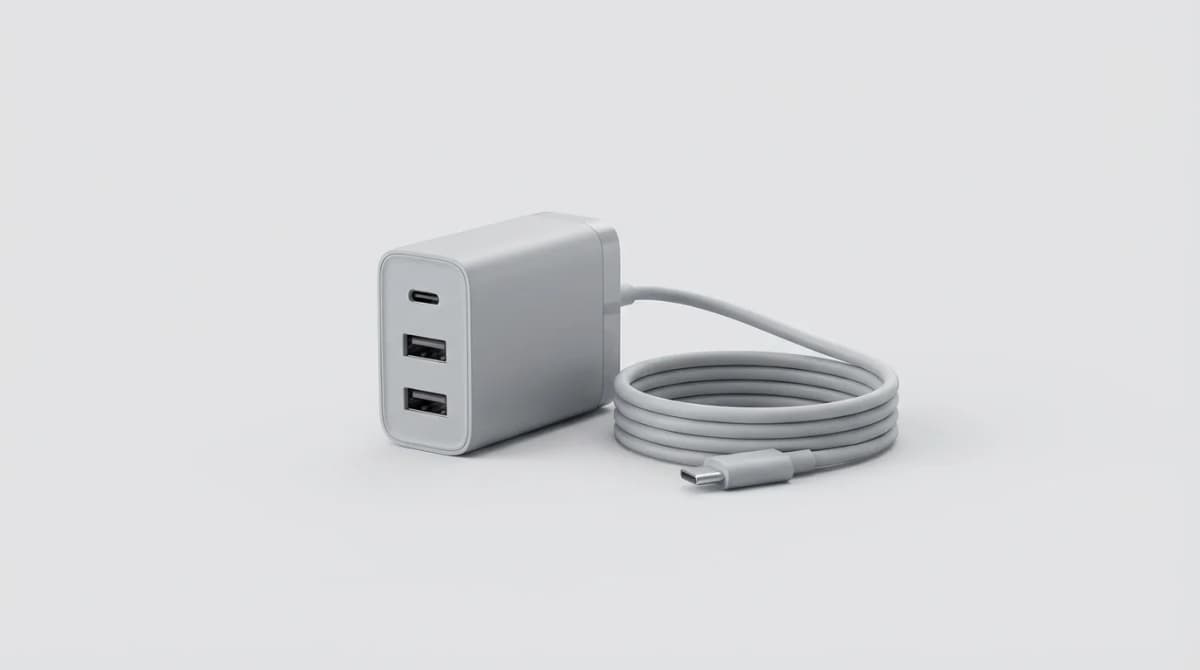
One Charger Travel Setup: How to Do It
Eliminate charger chaos with one multi-port GaN brick. Here's how to calculate wattage, choose ports, and pack lighter without sacrificing power.
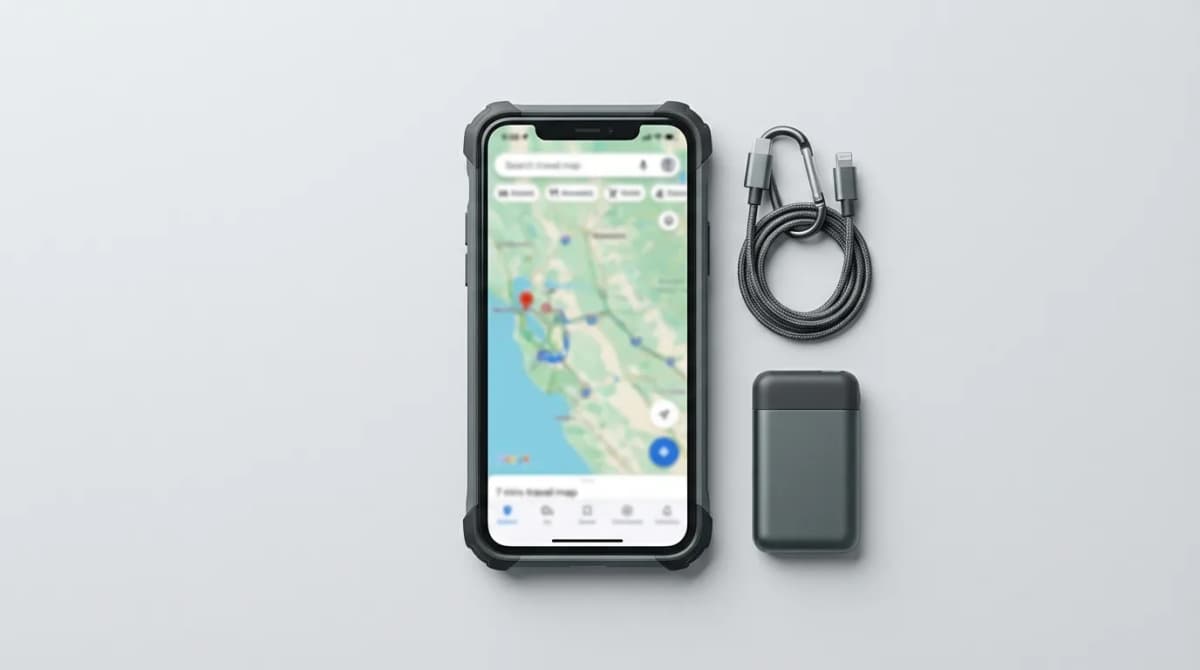
How to Make Your Phone Setup Travel Proof
Protect your phone and data while traveling with automated backups, theft recovery plans, and roaming strategies that actually work overseas.