How to Avoid Pickpockets With Better Carry Systems
Pickpockets target predictable carry habits. Learn which bag placements, closure systems, and decoy strategies actually work to protect your gear in crowded cities.
A pickpocket in Barcelona lifted my friend's phone from his front pocket while he was looking directly at a street performer. The thief used the classic distraction technique, bumping into him from behind while an accomplice worked the front. My friend felt nothing. His phone was gone in under three seconds.
That incident taught us something critical: awareness alone does not stop professional thieves. They are faster, more practiced, and better at reading body language than you are at protecting yourself. The solution is not vigilance. It is a carry system that makes theft mechanically difficult or impossible.
Why Standard Pockets and Bags Fail
Most clothing pockets sit loose against your body. A skilled pickpocket can remove items without you feeling resistance. Rear pockets are the worst, front pockets only slightly better. Zippered pockets help, but jackets and pants still move independently from your torso, creating dead zones where you cannot sense light touches.
Traditional backpacks and shoulder bags are even worse. They sit behind you or swing at your side, completely outside your field of view. Zippers face outward. Thieves can walk behind you in a crowded subway, open a compartment, and disappear before you notice the weight change. We have tested this in controlled scenarios. A 10-ounce wallet removed from a 3-pound daypack is undetectable if you are moving or distracted.
The problem is not the zipper itself. It is the orientation and your inability to monitor it. Any closure you cannot see or feel opening is a vulnerability.
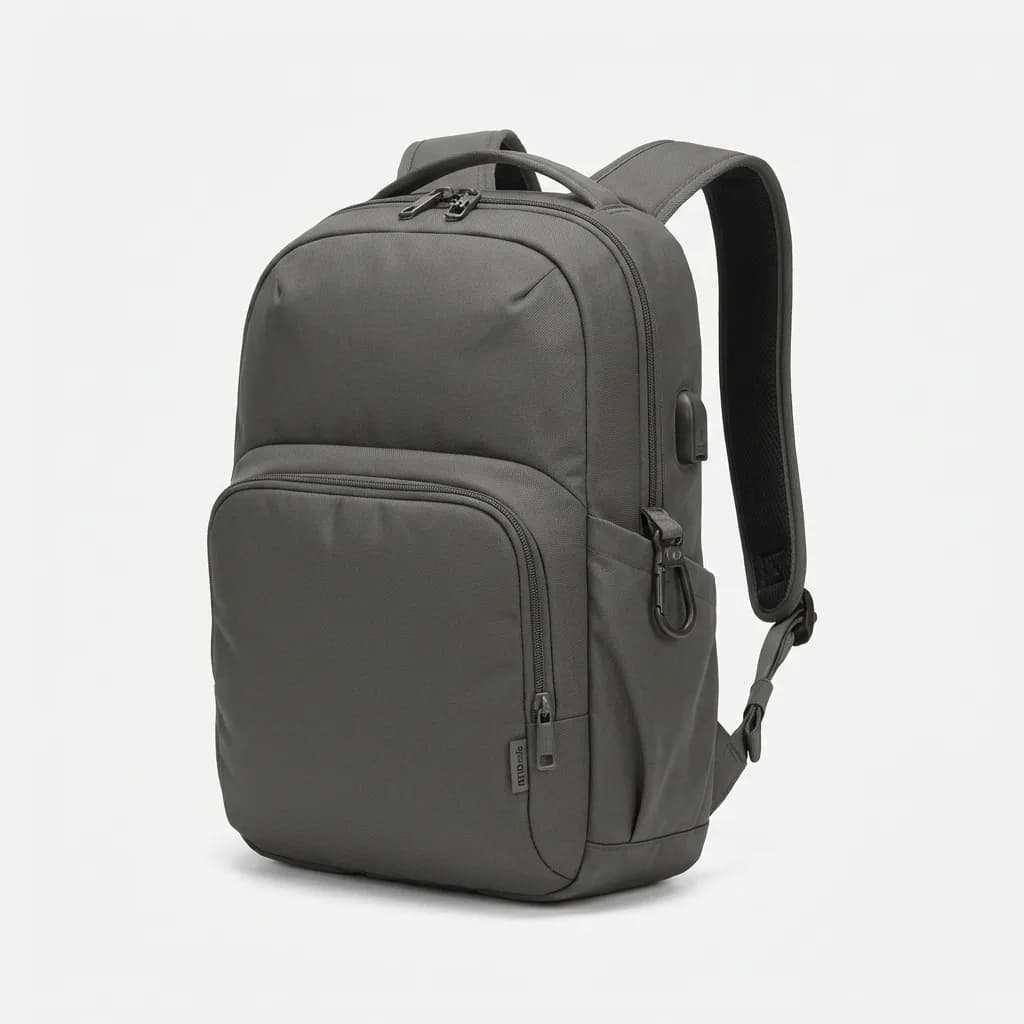
Pacsafe Metrosafe LS350 Anti-Theft Backpack
$120
15L pack with lockable zippers, slash-proof mesh panels, and RFID blocking pockets. Anchor clip secures pack to fixed objects. Main compartment sits against your back.
Front-Facing Carry Positions That Actually Work
The single most effective change you can make is switching to a crossbody bag or sling that rides on your front torso. Your peripheral vision covers it constantly. Any hand reaching for it enters your visual field. More importantly, you feel pressure changes immediately because the strap crosses your shoulder and chest.
We prefer single-strap slings over traditional crossbody bags. A sling can rotate from back to front in one motion. When you enter a crowded area, swing it forward. When you are in open space, rotate it back. This adaptability beats a fixed-position bag that either blocks your movement or sits vulnerably behind you all day.
The strap should be short enough that the bag rides high, just below your ribs. Low-hanging bags swing too much and create separation from your body. That gap is exactly what thieves exploit. Tighten the strap until the bag feels slightly restrictive. You will get used to it, and the security is worth the minor discomfort.
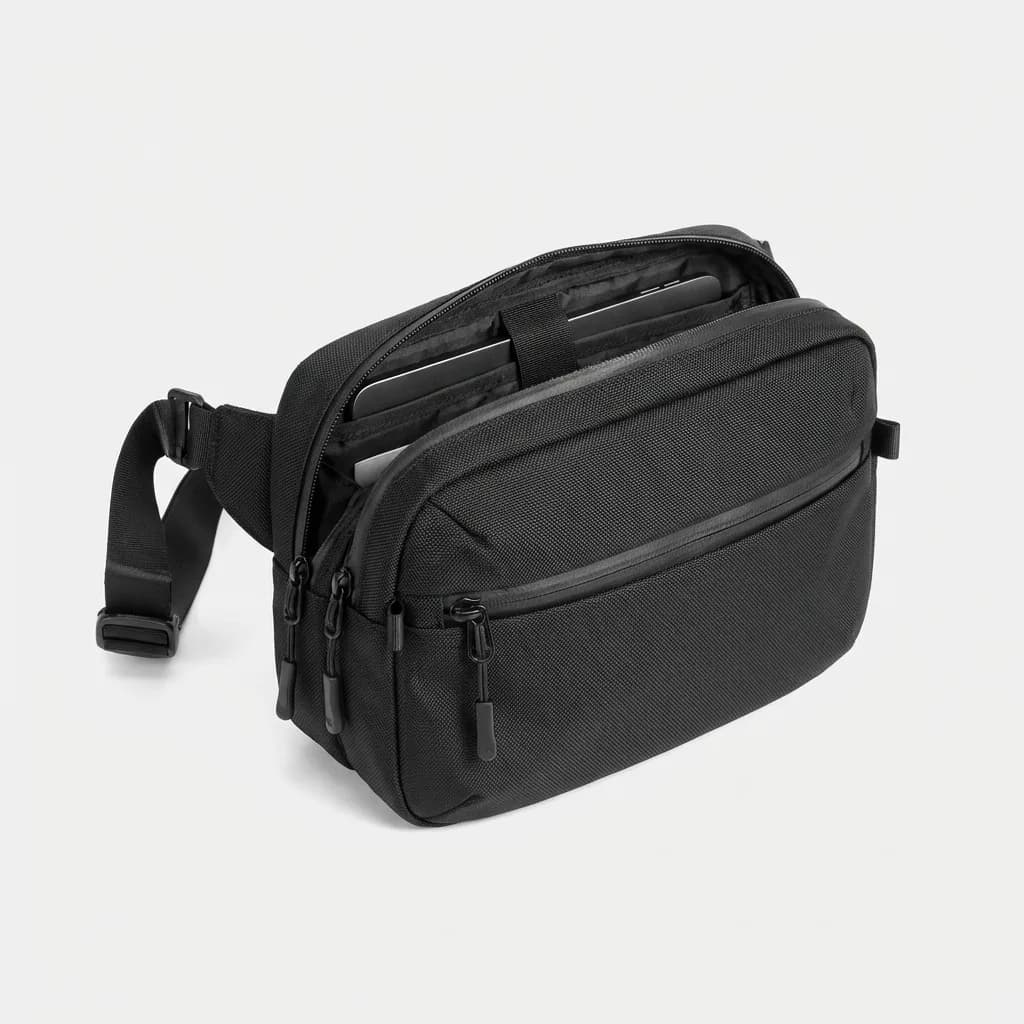
Aer City Sling 2
$95
Compact crossbody sling with YKK zippers, internal organization, and quick-access external pocket. Water-resistant 1680D Cordura shell. Fits 11-inch tablet and daily essentials.
Closure Systems: Zippers, Clips, and Hidden Access
Lockable zippers are not about stopping a determined thief with cutting tools. They are about eliminating opportunistic grabs. A small TSA-style lock or even a simple wire loop through the zipper pulls forces a thief to spend 5-10 extra seconds on your bag. They will not. They will move to an easier target.
Magnetic closures and snap buttons are nearly useless for security. They open silently and require minimal force. We have watched pickpocket prevention demonstrations where trained operators defeat magnetic bags in under two seconds. If the closure does not require deliberate two-hand manipulation to open, it is decorative.
Hidden or reverse-facing zippers add another layer of friction. Some anti-theft bags place zipper pulls against your back when worn. To open the bag, you must take it off or rotate it forward. This is inconvenient for you, which is exactly the point. Convenience for you is convenience for thieves. The best systems balance accessibility with just enough awkwardness to deter a quick grab.
Internal RFID-blocking pockets protect against electronic skimming of credit cards and passports. This is a separate threat from physical pickpocketing, but modern anti-theft bags address both. Look for bags with at least one dedicated RFID pocket near the back panel, where it sits farthest from external contact.
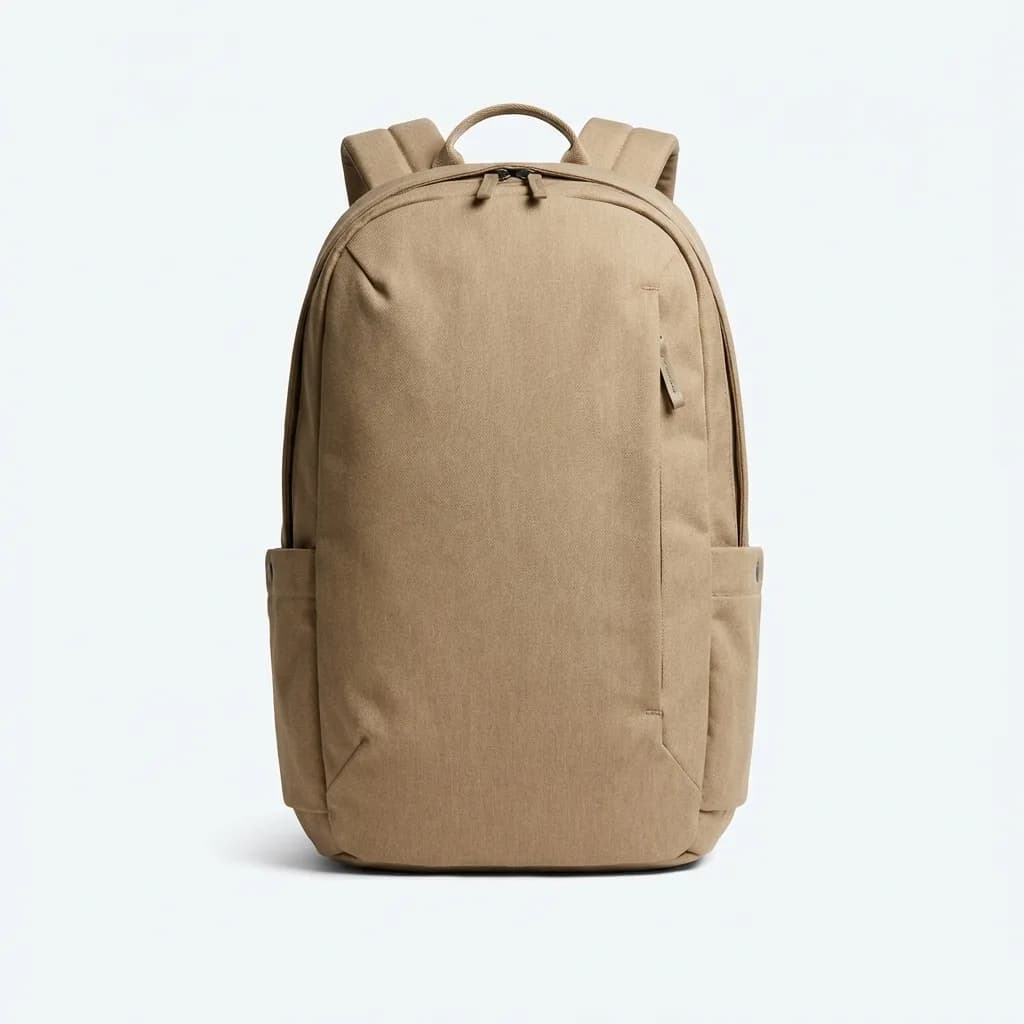
Bellroy Classic Backpack Premium
$219
20L backpack with magnetic water bottle pockets, laptop sleeve, and hidden back-panel zipper for valuables. YKK Aquaguard zippers. Australian design, recycled materials.
Wallet and Phone Carry: Decoys and Distributed Storage
Carrying a decoy wallet sounds paranoid until you need it. The concept is simple: keep a cheap wallet with expired cards and $20-40 in small bills in an accessible pocket. Your real wallet, with primary cards and larger cash, stays in a hidden or secured location.
If confronted, you hand over the decoy. Most muggers and pickpockets want a fast exit. They will not search you thoroughly if you comply immediately. The decoy satisfies the interaction and gets them away from you. We know travelers who have used this successfully in South America and Southeast Asia.
For pickpocketing specifically, the decoy serves a different purpose. If a thief successfully lifts it, they think they have succeeded and leave. Your real valuables remain untouched. This works best in crowded environments where the thief cannot immediately check the contents.
Phones present a harder problem because you use them constantly. A wrist strap or phone lanyard keeps it physically tethered to you. This will not stop a mugging, but it prevents the accidental drop or quick snatch-and-run. In high-risk areas, keep your phone in an internal zippered pocket and use a cheap decoy phone for navigation.
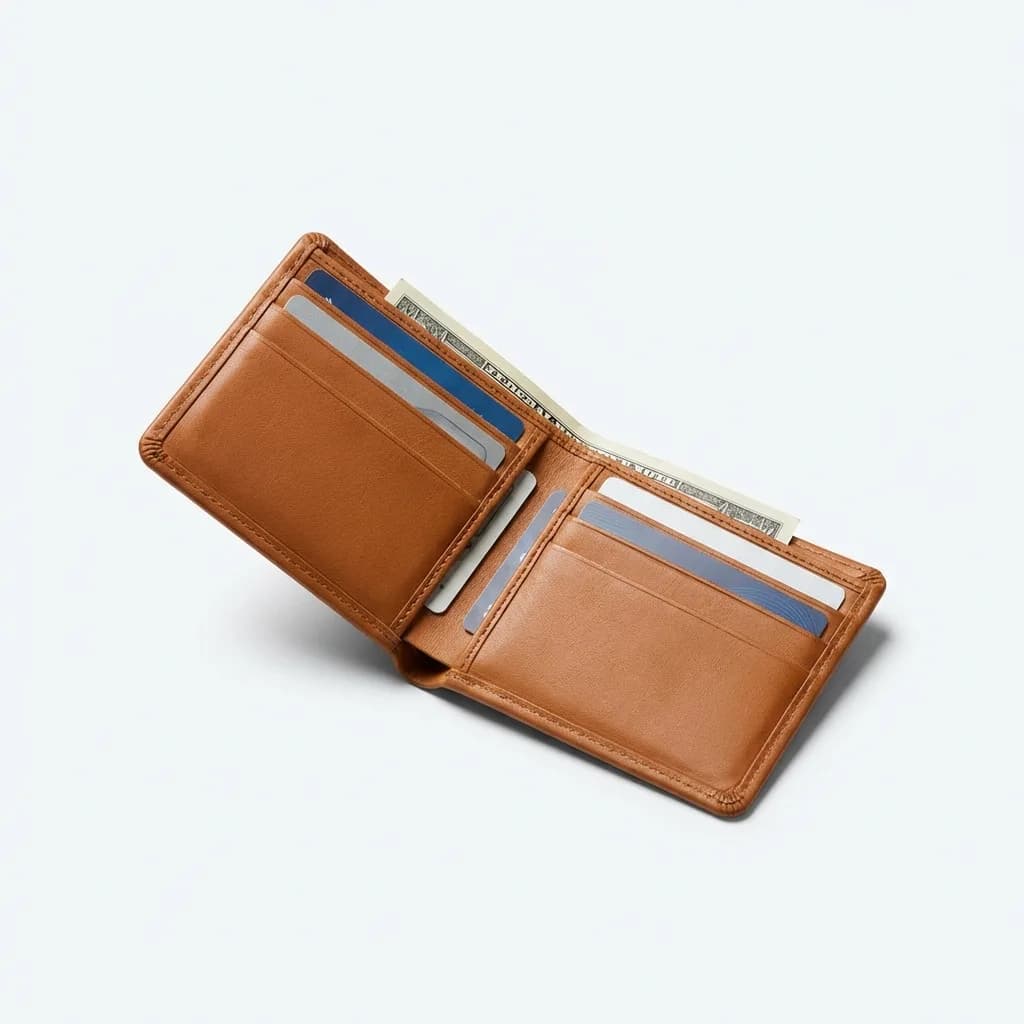
Bellroy Hide & Seek Wallet
$99
Slim bifold with hidden compartment for emergency cash and RFID-protected card slots. Premium leather, holds 5-12 cards plus bills. Low-profile design fits front pocket carry.
Slash-Proof Materials and Reinforced Construction
Razor slashing is less common than zipper attacks, but it happens. A thief slices the bottom of your bag, catches falling items, and walks away. Slash-proof bags use layers of stainless steel mesh embedded between fabric layers. You cannot cut through them with a standard blade.
This protection adds weight. A slash-proof panel typically adds 4-8 ounces to a bag. For urban travel in high-risk cities, that tradeoff makes sense. For general use, it is probably overkill. Assess your actual threat level. If you are spending two weeks in Barcelona, Prague, or Buenos Aires during tourist season, the extra weight is justified. If you are visiting rural areas or low-crime cities, prioritize lighter gear.
The mesh should cover the bottom panel and both side panels of the bag. Front and back panels are harder to slash while the bag is worn, so some manufacturers skip reinforcement there to save weight. Check the spec sheet. "Slash-resistant" does not mean fully protected.
Straps also need reinforcement. Some bags use wire-core straps that cannot be cut with a pocket knife. A thief cannot slice the strap, grab the bag, and run. This is more relevant for bags you set down in cafes or transit stations, where you might not notice a partial strap cut until you try to pick up the bag.
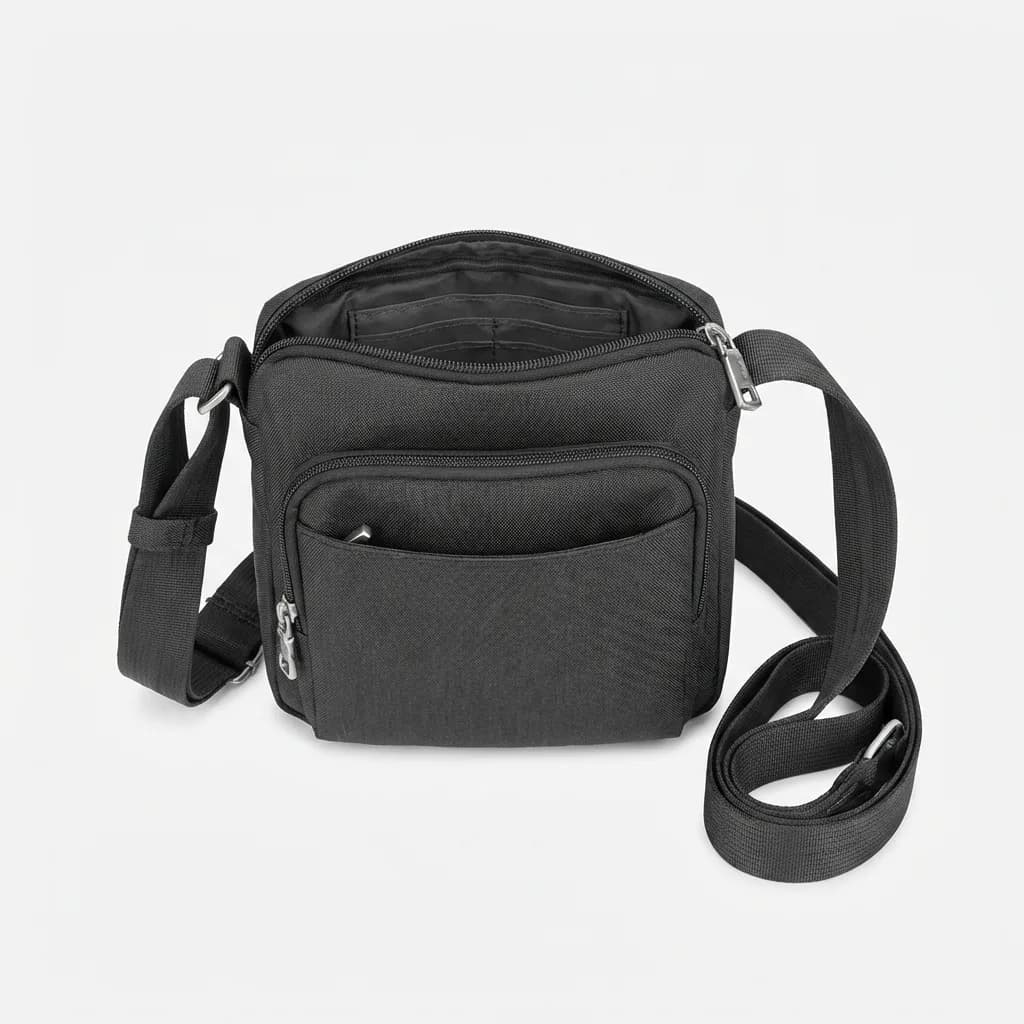
Travelon Anti-Theft Classic Crossbody Bag
$45
Slash-resistant body and straps, locking zippers, RFID blocking card slots, and adjustable crossbody strap. Lightweight nylon, multiple organization pockets. Budget-friendly travel security.
Behavioral Patterns That Give You Away
Even with the best gear, predictable behavior creates opportunities. Checking your bag repeatedly signals anxiety and confirms you are carrying something valuable. Thieves watch for this. They know the nervous tourist checking their backpack every 30 seconds has a passport, cash, or electronics inside.
The solution is to build a carry system you trust completely, then ignore it. Check your bag once when you leave a location, then leave it alone. If you cannot resist checking, your system is not secure enough. Add locks, move valuables to hidden pockets, or switch bags.
Pulling out your phone or wallet in crowded spaces broadcasts your carry locations. If you must access items, step out of the crowd first. Move to a wall, corner, or less dense area. Create physical space between you and potential threats before opening any compartment. This is basic tradecraft, but most people skip it because it feels awkward. The awkwardness is the point.
Avoid setting bags down in restaurants, trains, or airports. If you must, loop a strap around your leg or chair leg. A bag on the floor next to you is not under your control. A bag physically tethered to your body requires visible effort to steal, which is exactly what you want. Make theft obvious and difficult.
What About Money Belts and Neck Pouches?
Money belts work for deep storage of backup cards and cash, but they are miserable for daily access. Lifting your shirt to retrieve money in a store defeats the purpose of concealment. Everyone sees you digging into a hidden pouch. Now they know exactly where your valuables are.
Neck pouches sit under your shirt against your chest. They are better than money belts for temperature comfort, but they create the same access problem. Plus, the cord around your neck is a strangulation risk if grabbed. Some travelers prefer them anyway, accepting the tradeoffs for the security of body contact.
We use these items for emergency reserves only. A backup credit card, $200 in cash, and a photocopy of your passport go into a money belt or neck pouch. They stay there for the entire trip unless something goes catastrophically wrong. For daily spending, use a slim wallet in a front pocket or a secured bag compartment.
The key is layered security. Your daily-use items live in accessible but protected locations. Your emergency reserves stay hidden and untouched. If a pickpocket gets your main wallet, you have backups they did not know to look for.
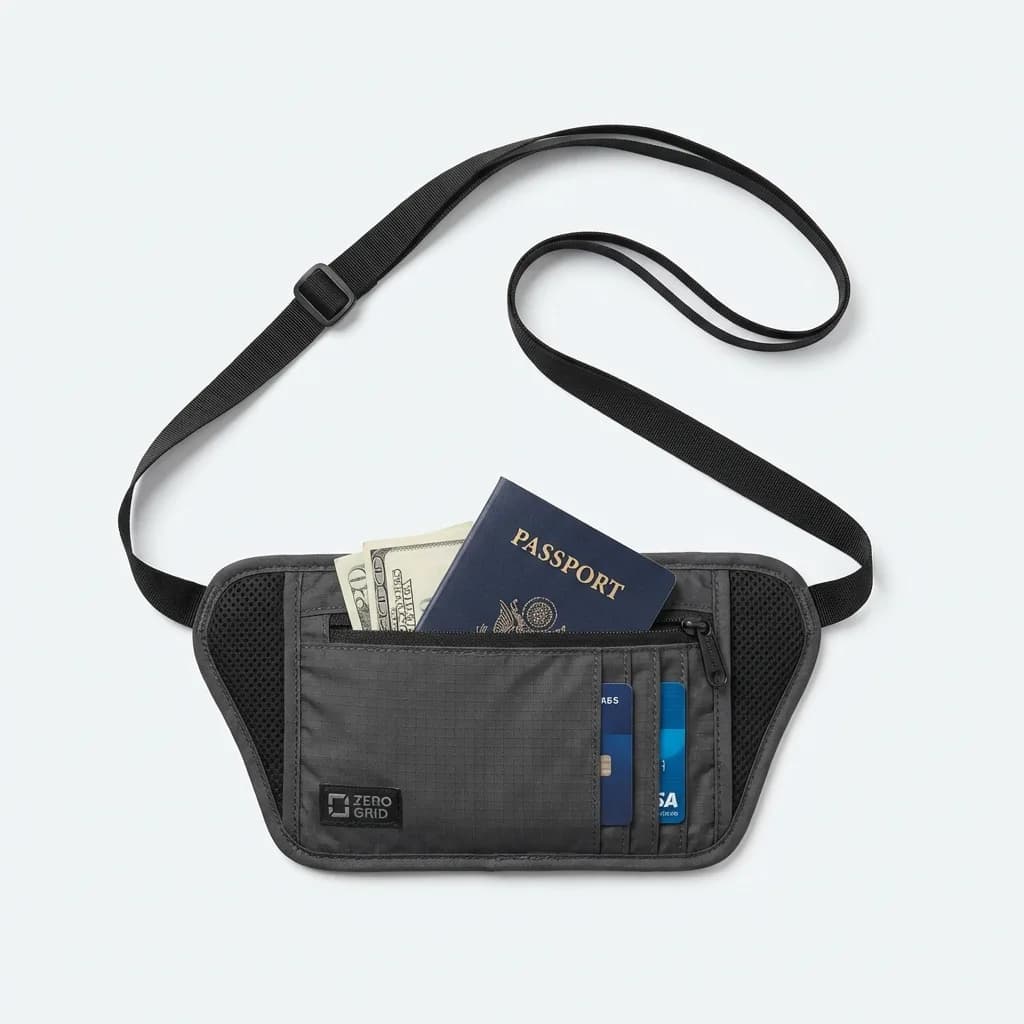
Zero Grid Neck Stash Hidden Travel Wallet
$16
Under-shirt RFID-blocking passport pouch with adjustable neck strap, moisture-wicking backing, and multiple card slots. Holds passport, cash, and cards. Lightweight ripstop nylon.
Testing Your System Before You Travel
Before your trip, spend a day using your anti-theft setup in your own city. Take public transit during rush hour. Walk through crowded areas. Practice accessing your items under realistic conditions. You will quickly find friction points, discomfort zones, and access issues that seem fine at home but fail under real use.
Adjust strap lengths, reorganize internal pockets, and move items between compartments until the system feels natural. If something annoys you during testing, it will be worse when you are jet-lagged and navigating an unfamiliar city. Fix it now.
Load your bag with the actual items you will carry. Weight distribution changes how a bag rides and how aware you are of it. An empty bag feels different than one loaded with a laptop, water bottle, and daily gear. Test the full configuration.
Ask a friend to attempt a simulated grab or zipper opening while you are distracted. This feels silly, but it reveals vulnerabilities you will not notice on your own. If they can open a pocket without you noticing, a professional pickpocket definitely can. Adjust your system accordingly.
The goal is not paranoia. It is a carry system so well-designed and rehearsed that you can forget about it and focus on your trip. Security should be invisible infrastructure, not a constant mental burden.
Your gear should make theft mechanically difficult, your habits should avoid predictable patterns, and your backups should ensure that even if something goes wrong, you can continue your trip without catastrophic loss. That is the real definition of anti-theft carry: not perfect prevention, but layered resilience that keeps small problems from becoming travel-ending disasters.
The Weekly Dispatch
Enjoying this article?
Subscribe and get our best gear picks delivered every Sunday morning.
Related Stories
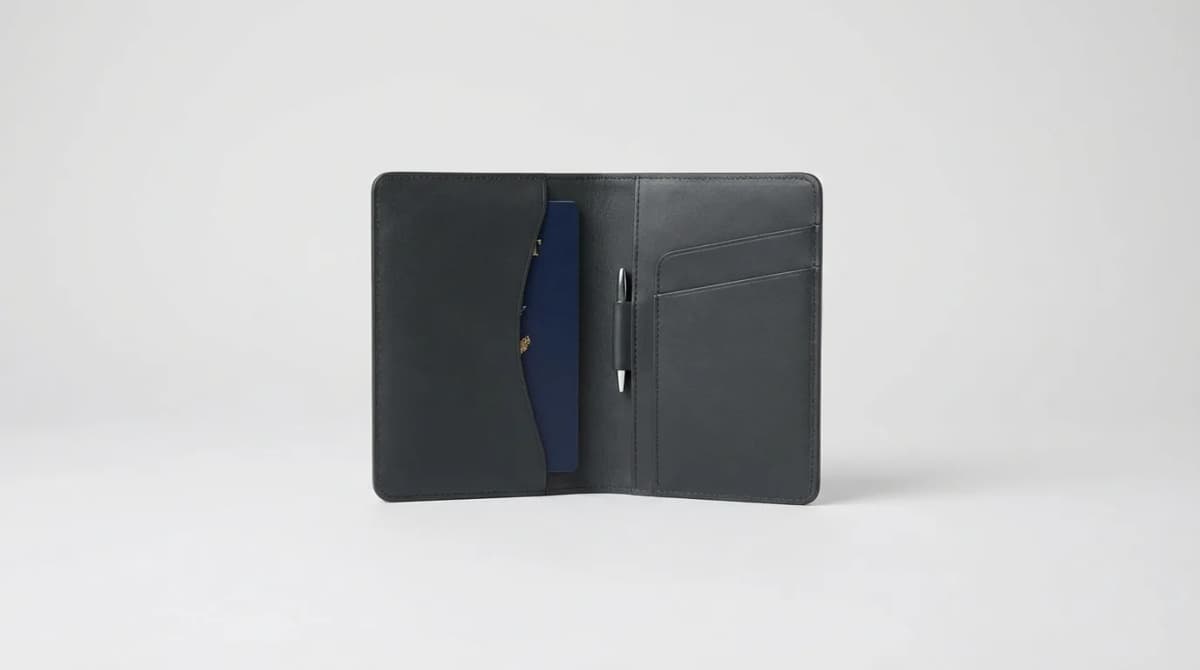
Best Minimal Passport Carry for Digital Nomads
Protect your passport without bulk. We compare minimal carry solutions that balance security, quick access, and durability for frequent border crossings.
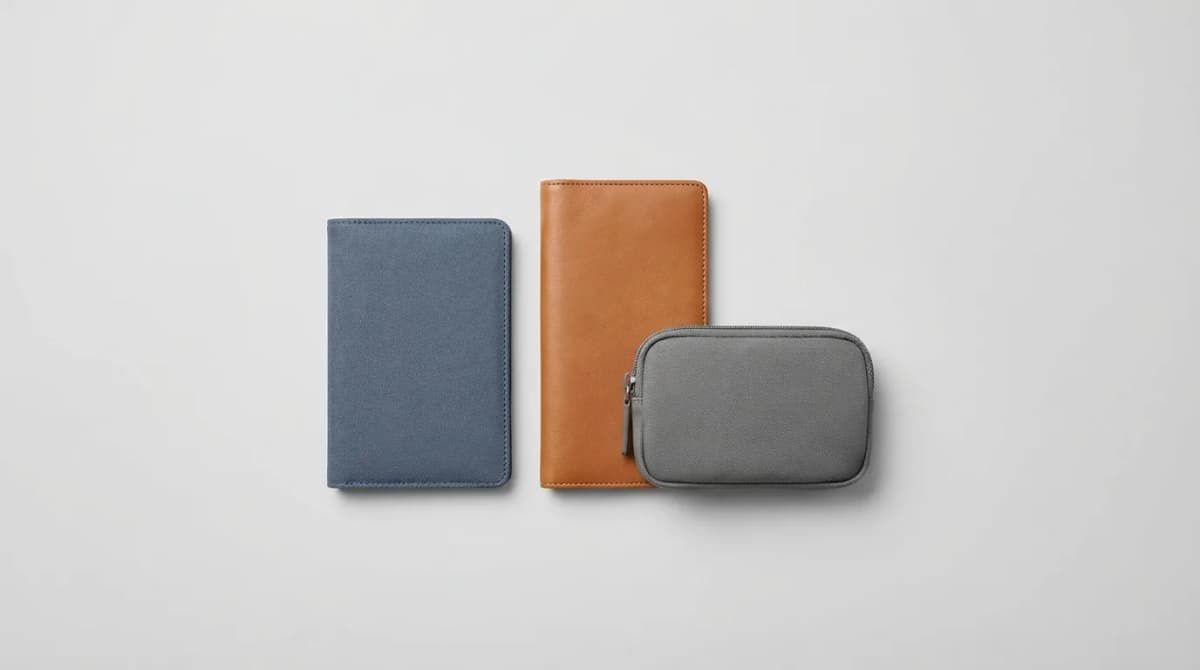
Best RFID Blocking Travel Wallet for Passport
RFID blocking travel wallets protect your passport and cards from electronic pickpocketing. We break down what works, what's overkill, and which designs hold up.
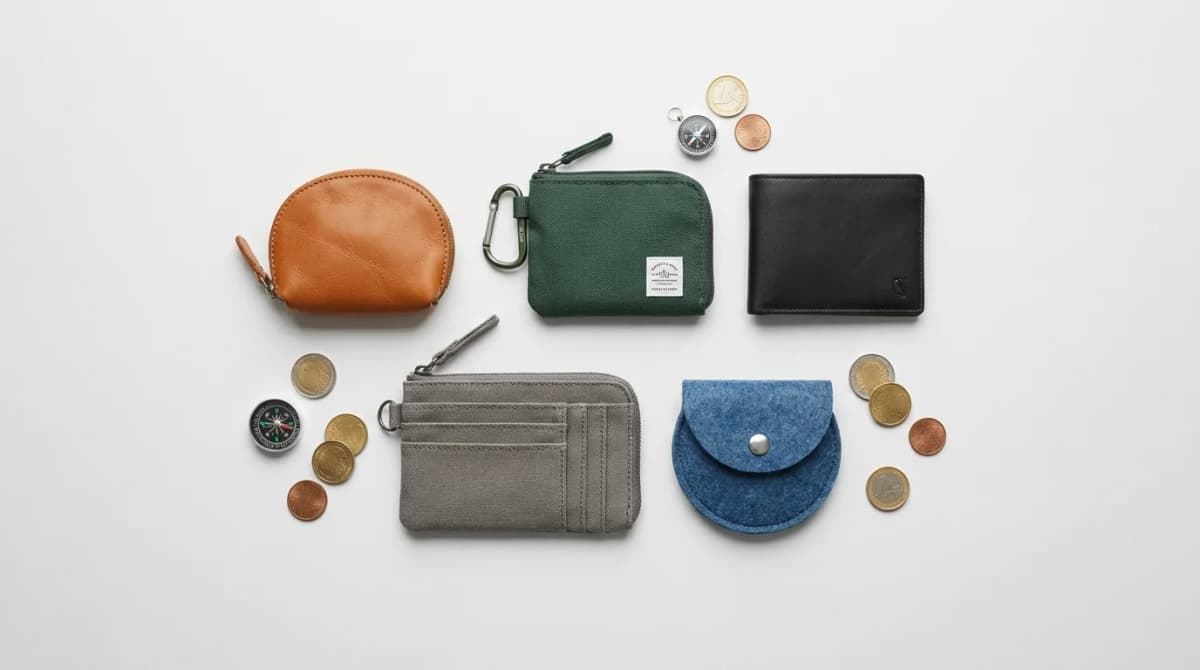
Travel Coin Solutions for Europe That Actually Work
European coins pile up fast. These pouches, wallets, and daily carry strategies keep change organized without bulk during weeks of travel across the continent.