Best Minimal Passport Carry for Digital Nomads
Protect your passport without bulk. We compare minimal carry solutions that balance security, quick access, and durability for frequent border crossings.
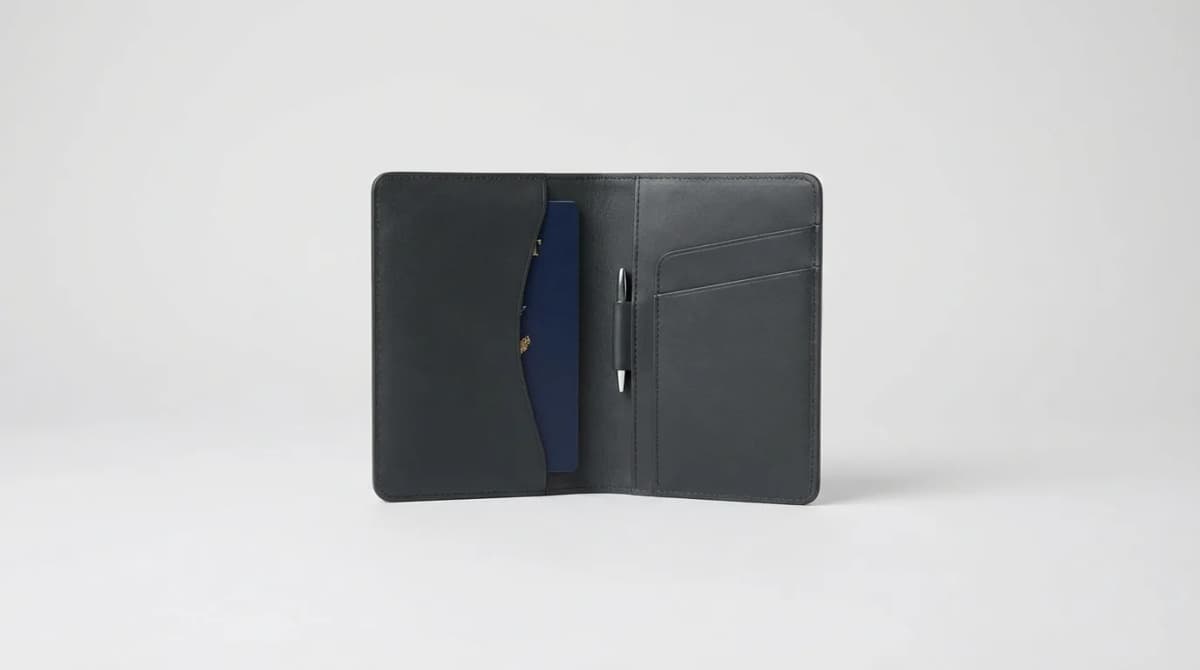
Your passport goes through more checkpoints in a month than most people's do in a year. Stuffing it loose in a backpack pocket accelerates wear. Keeping it buried in a money belt slows down immigration lines. The right minimal carrier protects the document while staying accessible enough that you're not fumbling at passport control.
We tested dozens of options across six months of constant movement through Southeast Asia, Europe, and South America. The winners share three traits: they protect against bending and moisture, they don't add unnecessary bulk, and they let you grab your passport in under two seconds.
Why Standard Passport Covers Fall Short
Most passport covers solve the wrong problem. They focus on aesthetics or brand display while ignoring the physical stresses that actually damage passports. The spine cracks from repeated opening. Pages tear at immigration stamps. Water seeps through leather when you're caught in rain between terminal and taxi.
A passport holder for nomad life needs structural rigidity, not decoration. The best ones use materials that shed water, resist abrasion, and distribute pressure across the entire booklet. Leather looks nice until it absorbs humidity in tropical climates and transfers moisture to your documents.
The other common failure point is accessibility. Holders with magnetic closures, snap buttons, or zippered compartments create friction at exactly the moment you need speed. Immigration officers don't appreciate watching you fiddle with clasps while a line builds behind you.
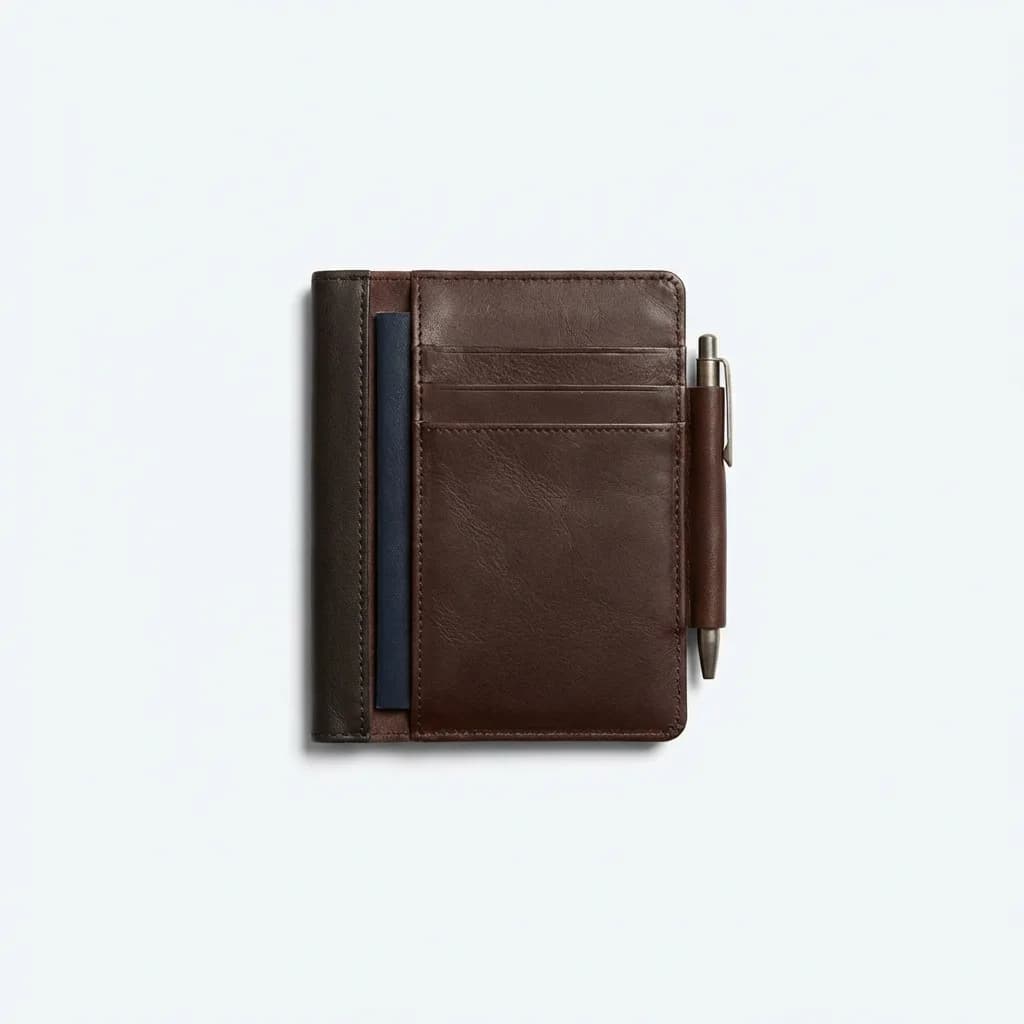
Bellroy Passport Sleeve
$59
Slim leather holder with pen loop and card slots. Water-resistant leather treatment. Reinforced spine protection prevents passport bending during daily carry.
RFID Protection: Worth the Weight or Security Theater?
RFID skimming gets overhyped in travel forums. The exploit requires specialized equipment held within inches of your passport for several seconds. That's a difficult attack to execute in practice, especially compared to simpler threats like pickpocketing or visual shoulder surfing of your passport number.
That said, RFID blocking adds minimal weight if the holder already meets other requirements. The best implementations use a thin metallic layer that doesn't stiffen the carrier or add bulk. Skip any holder that uses thick foil layers or multiple material sandwiches just to advertise RFID protection.
The real security value comes from opacity. A holder that completely conceals your passport prevents casual observation of your nationality, name, or passport number when you set it down at airport lounges or cafe tables. That matters more than theoretical wireless skimming.
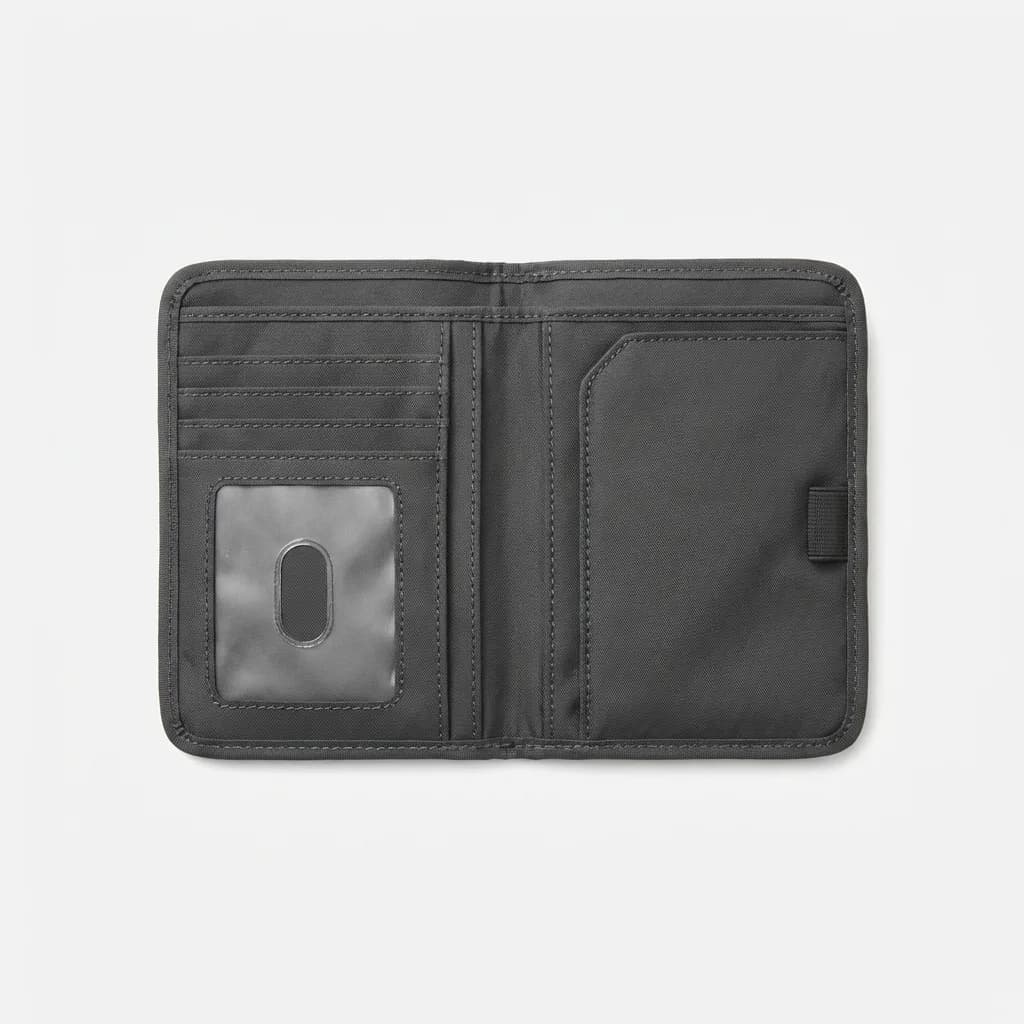
Pacsafe RFIDsafe Blocking Passport Wallet
$25
Nylon construction with certified RFID shielding. Multiple card slots and pen holder. Lightweight at 2.1 oz with slash-resistant fabric for anti-theft protection.
Hard Shell vs Soft Carriers: The Durability Trade-off
Hard shell passport cases offer maximum protection against crushing and bending. They work well if you carry a dedicated travel bag where the case stays in one position. The rigidity becomes a liability in daily carry scenarios where the case needs to flex slightly to fit different pockets and bag compartments.
Soft carriers made from ballistic nylon or waxed canvas provide enough structure to prevent casual damage while conforming to available space. They're easier to slide into interior jacket pockets or slim daypack compartments. The trade-off is less protection against direct impact - if your bag gets dropped on concrete, a hard shell wins.
The middle ground uses semi-rigid materials like TPU or reinforced polymer fabric. These offer impact resistance in the direction that matters (perpendicular to the passport pages) while remaining flexible enough for varied carry positions. Look for designs where the reinforcement sits on the outside surfaces rather than trying to rigidize the entire carrier.
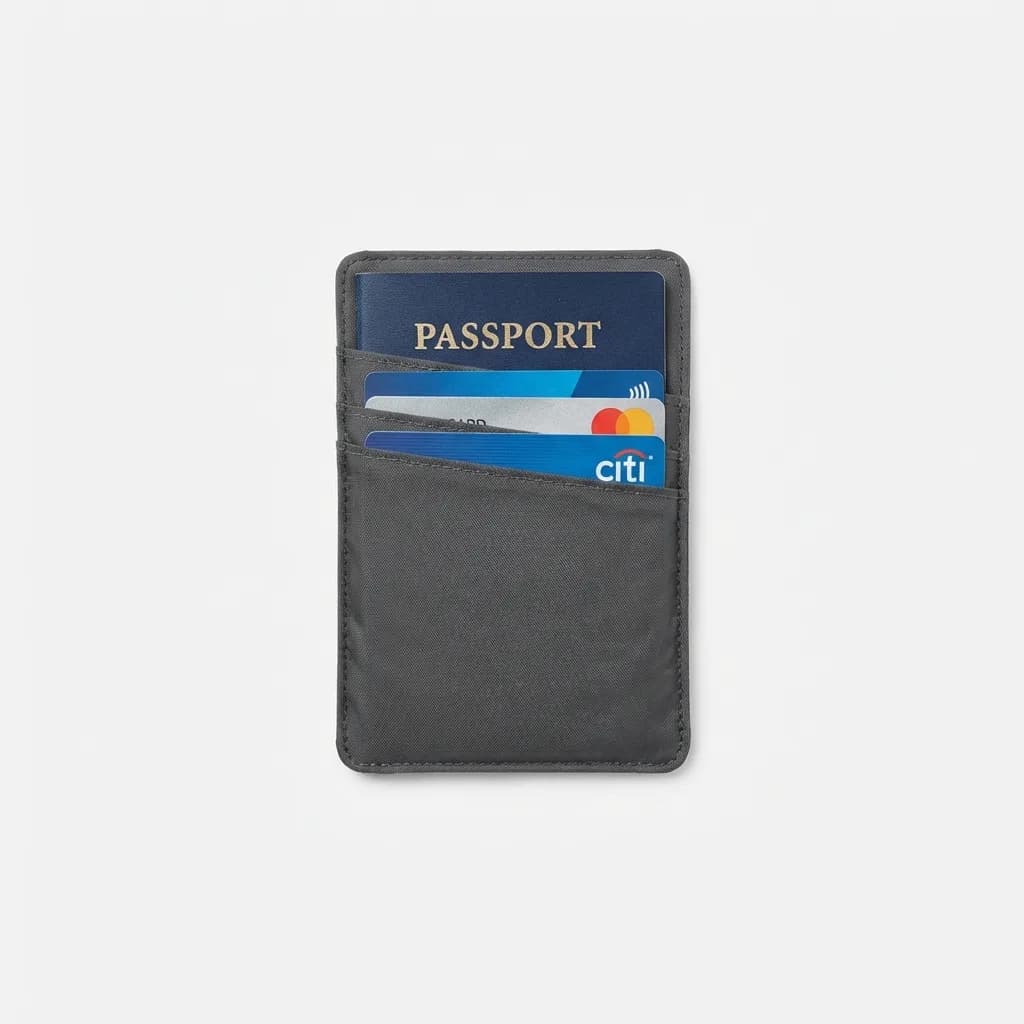
Allett Original Passport Wallet
$38
Ultra-thin nylon construction at 0.2 inches thick. Holds passport plus 4-6 cards. No RFID blocking, focuses purely on minimal footprint and quick access.
How Many Cards Should Your Passport Holder Carry?
The ideal number is three to four card slots maximum. You need your primary payment card, a backup card from a different network, and possibly a local SIM or transit card. Anything beyond that adds thickness without practical benefit.
Passport holders with eight or ten card slots encourage carrying unnecessary items. That extra thickness makes the holder harder to pocket and slower to navigate when you need a specific card. We found that holders wider than the passport itself become awkward to extract from bags and pockets.
The card slot position matters as much as quantity. Slots on the opposite side from the passport pages maintain balance and prevent the holder from listing to one side when full. Side-mounted slots accessible without opening the main compartment speed up situations where you need a card but not your passport.
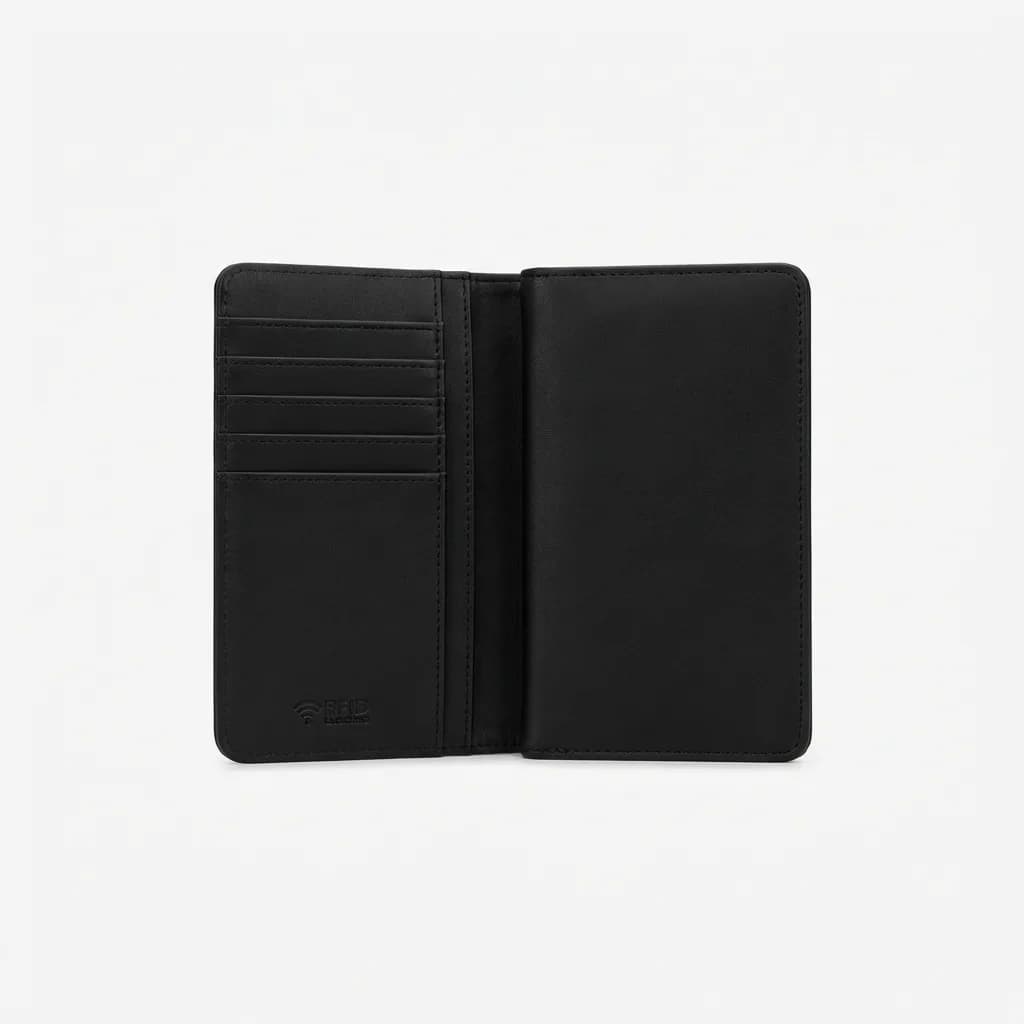
Venture 4th Passport Holder
$12
Vegan leather with 5 card slots and boarding pass pocket. RFID blocking layer. Minimalist design at $12 price point makes it ideal for replacement after loss.
Boarding Pass Storage: Helpful Feature or Bulk Creator?
Dedicated boarding pass slots add bulk for a function your phone handles better. Digital boarding passes eliminate the need to store paper, and the few airlines that still require paper printouts often hand you a new one at the gate anyway.
If you prefer paper backup for flights, a simple slip pocket behind the passport does the job without dedicated folding mechanisms or expanded sections. The pass sits flat against the passport booklet, adding almost no thickness. Purpose-built boarding pass folders with multiple panels are solving a problem from 2010.
The exception is holders designed for families traveling together. Organizing multiple passports and physical tickets benefits from structured compartments. For solo nomads, skip the dedicated boarding pass features and keep the carrier as thin as possible.
Material Choices and Climate Considerations
Leather develops character over time but performs poorly in humid environments. It absorbs moisture, which transfers to your passport and creates ideal conditions for page damage and mold growth. If you spend significant time in tropical climates, synthetic materials outperform.
Waxed canvas offers water resistance with natural aesthetics. The wax coating sheds rain and humidity while maintaining flexibility. It requires occasional re-waxing to maintain water resistance, but the process takes minutes and extends the carrier's lifespan significantly.
Ballistic nylon and ripstop fabrics provide the best durability-to-weight ratio. They dry quickly after exposure to moisture and resist abrasion from repeated insertion and removal from bags. The main downside is appearance - they look more technical than refined, which matters if you're using the holder in business travel contexts.

Herschel Supply Co. Raynor Passport Holder
$30
Waxed canvas exterior with RFID blocking. Minimal card slots and slip pocket. Classic design bridges casual and business travel aesthetics at lightweight 1.8 oz.
Quick Access vs Deep Security: Choosing Your Carry Method
Where you keep your passport holder determines the design you need. Front pocket carry requires maximum slimness - anything over half an inch thick creates an obvious bulge and becomes uncomfortable when sitting. These carriers prioritize minimal card slots and eliminate extra features.
Bag carry allows slightly thicker holders with additional organization. You can accommodate pen loops, sim card storage, and extra card slots without affecting comfort. The trade-off is slower access, which creates friction at border crossings and security checkpoints.
Some nomads rotate between two holders: an ultra-minimal version for travel days when you need constant passport access, and a more featured option for periods when the passport stays secured in accommodation. This approach optimizes for both security during stationary periods and efficiency during transit.
What About Neck Wallets and Body-Worn Options?
Neck wallets and body-worn passport carriers solve a specific problem: securing documents during high-risk transit or in crowded tourist areas. They excel at preventing pickpocketing but create significant accessibility friction.
Wearing a passport against your body in hot climates transfers sweat to the document. The combination of moisture and body heat damages passport pages faster than almost any other carry method. If you use body-worn storage, wrap the passport in a small ziplock bag as an additional moisture barrier.
The visibility issue cuts both ways. Obvious security measures like neck wallets advertise that you're carrying something valuable. Subtle front pocket or bag carry in a plain holder often attracts less attention. Save body-worn options for specific high-risk situations rather than default daily carry.
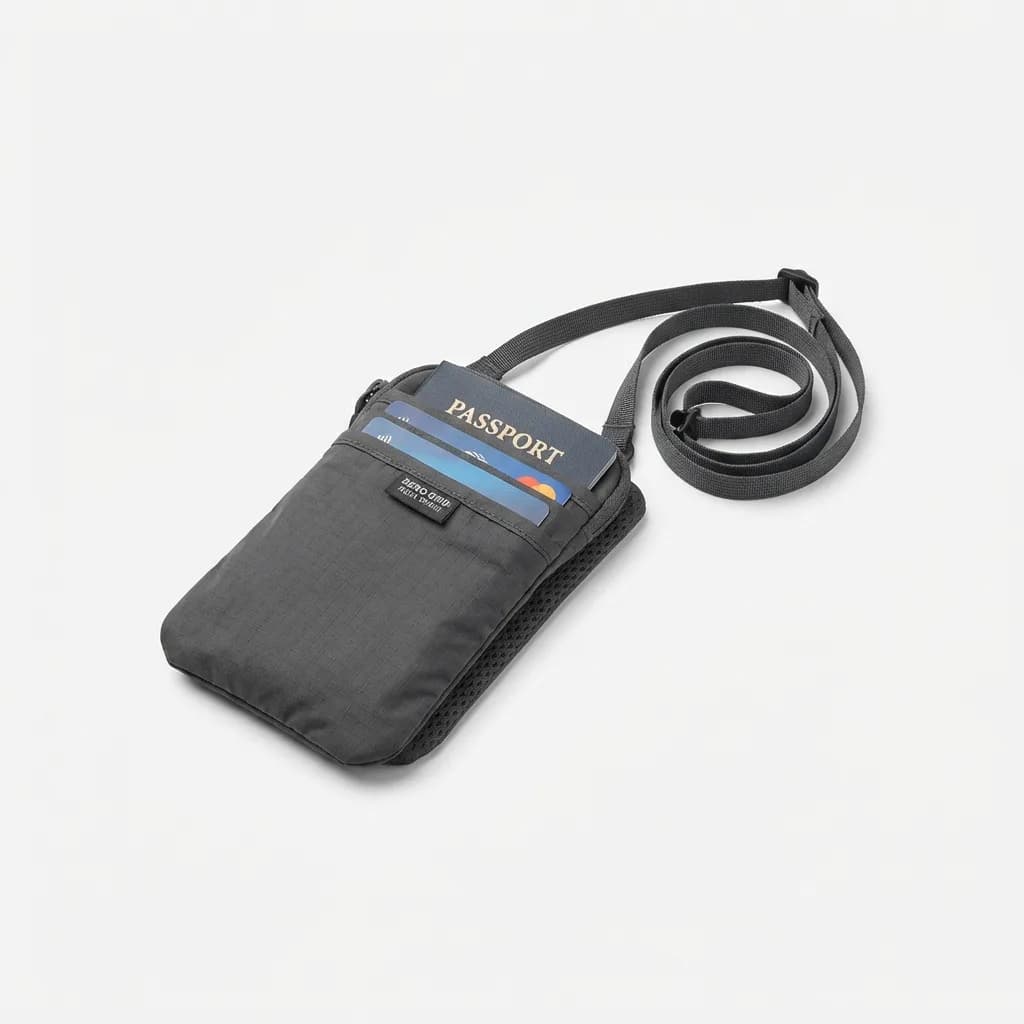
Zero Grid Neck Stash
$16
Lightweight ripstop fabric pouch worn under clothing. Fits passport plus cards. RFID blocking with moisture-wicking backing material. Best for high-risk transit situations only.
Building Security Habits That Matter More Than Gear
The best passport holder can't fix poor security habits. We watched travelers leave $60 leather passport cases on restaurant tables, in taxi seatbacks, and atop airport bathroom sinks. The gear doesn't matter if you don't maintain consistent custody.
Develop a specific home position for your passport in every environment. In accommodation, that might be a dedicated pocket in your main bag. During transit, it's always the same jacket pocket or bag compartment. The habit of returning it to that position immediately after each use prevents the majority of loss scenarios.
The other critical habit is the pre-departure check. Before leaving any location - accommodation, restaurant, airport lounge, transit vehicle - physically touch your passport position to confirm presence. This three-second habit catches forgotten items before you've traveled too far to easily retrieve them.
Your passport holder should support these habits rather than complicating them. Complicated closures, hidden compartments, and elaborate organization systems create cognitive load that increases the chance of mistakes under stress or fatigue.
When to Replace Your Passport Carrier
Replace holders when they no longer maintain passport flatness. A carrier that's developed permanent bends or creases transfers those stresses to your passport. Immigration officials occasionally reject damaged passports, and replacement while traveling internationally creates significant complications.
Water damage that's penetrated to the interior disqualifies a carrier even if it's still functional. Once moisture reaches the passport, the holder has failed its primary protection function. Synthetic materials usually survive water exposure better than leather, which may look fine after drying but has often lost its moisture resistance.
Worn closures, broken zippers, or damaged seams compromise security even if the main body remains intact. A passport that can slip out unnoticed defeats the purpose of using a holder. Budget carriers in the $10-20 range make replacement easy enough that you shouldn't hesitate when integrity becomes questionable.
The right minimal passport carrier disappears into your routine while protecting one of your most critical travel documents. Focus on materials that match your climate, thickness appropriate for your carry method, and accessibility that doesn't slow you down at borders. Everything else is secondary to those three factors.
The Weekly Dispatch
Enjoying this article?
Subscribe and get our best gear picks delivered every Sunday morning.
Related Stories
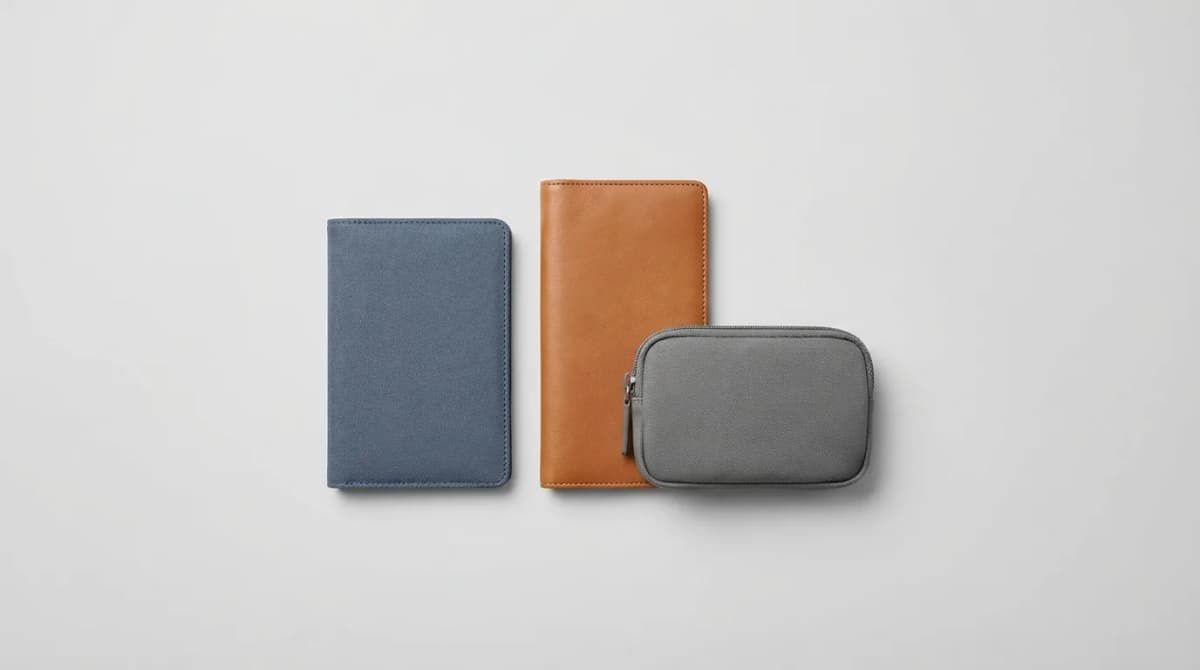
Best RFID Blocking Travel Wallet for Passport
RFID blocking travel wallets protect your passport and cards from electronic pickpocketing. We break down what works, what's overkill, and which designs hold up.
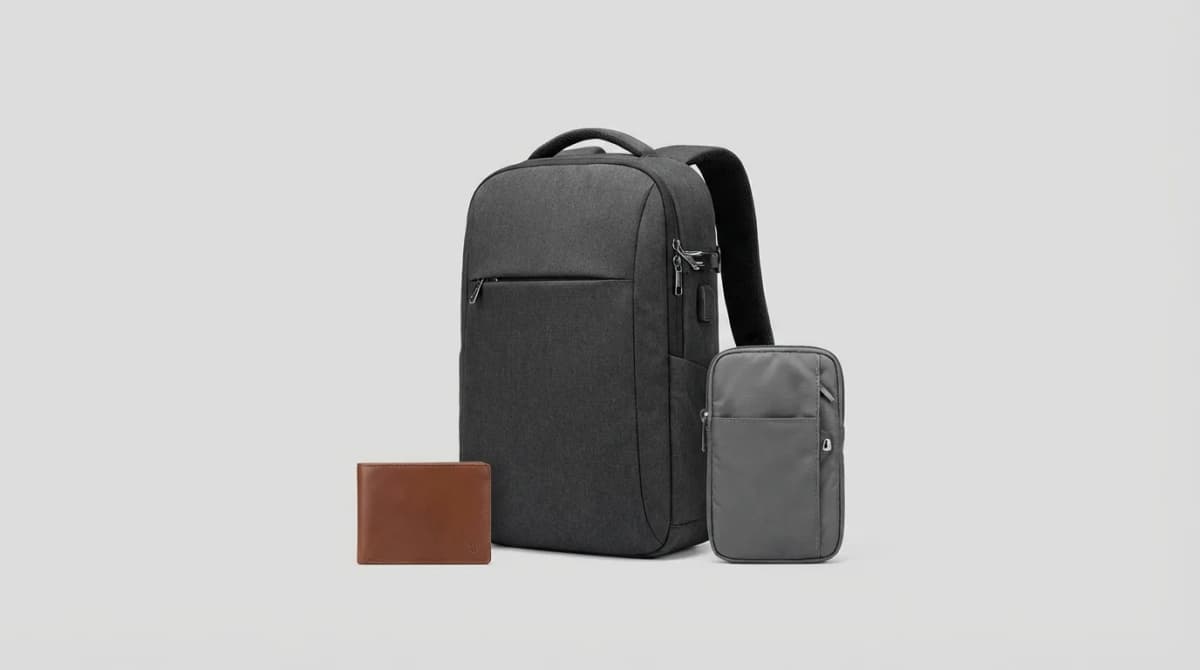
How to Avoid Pickpockets With Better Carry Systems
Pickpockets target predictable carry habits. Learn which bag placements, closure systems, and decoy strategies actually work to protect your gear in crowded cities.
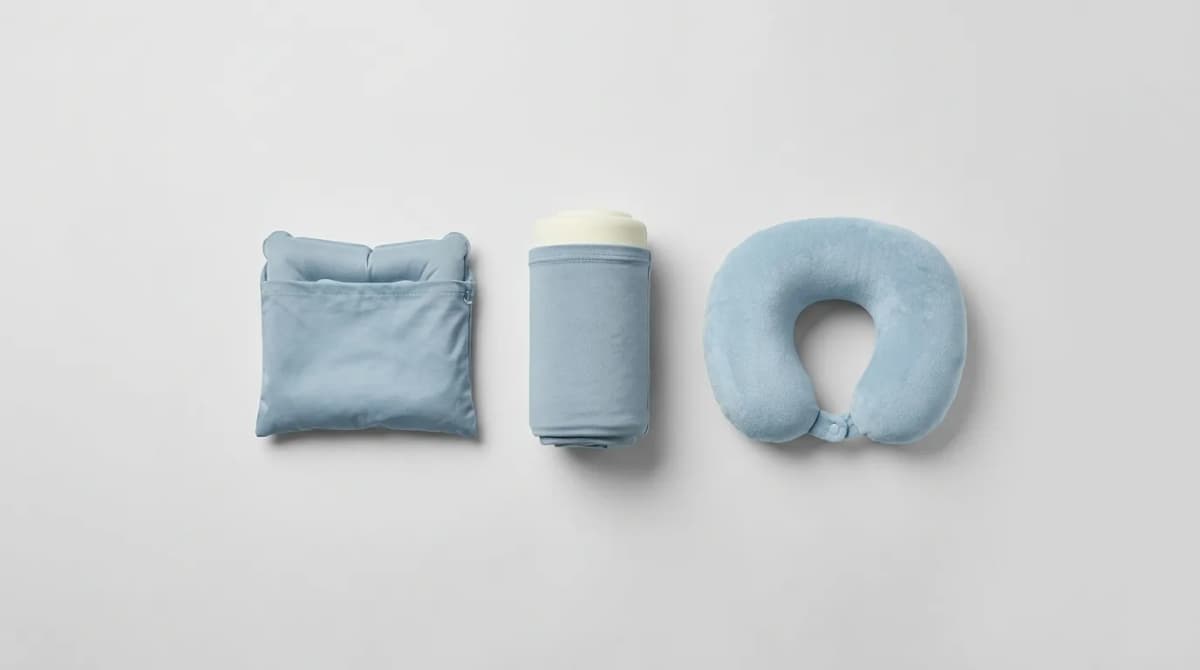
Best Travel Pillows That Pack Small
Compact travel pillows compared: inflatable vs memory foam, what actually supports your neck on flights, and which ones compress small enough to matter.