Carry On Only: Digital Nomad Packing Essentials
Everything you need to work remotely from anywhere, organized into a single carry-on. Tested weight strategies, capsule wardrobe basics, and tech that earns its space.
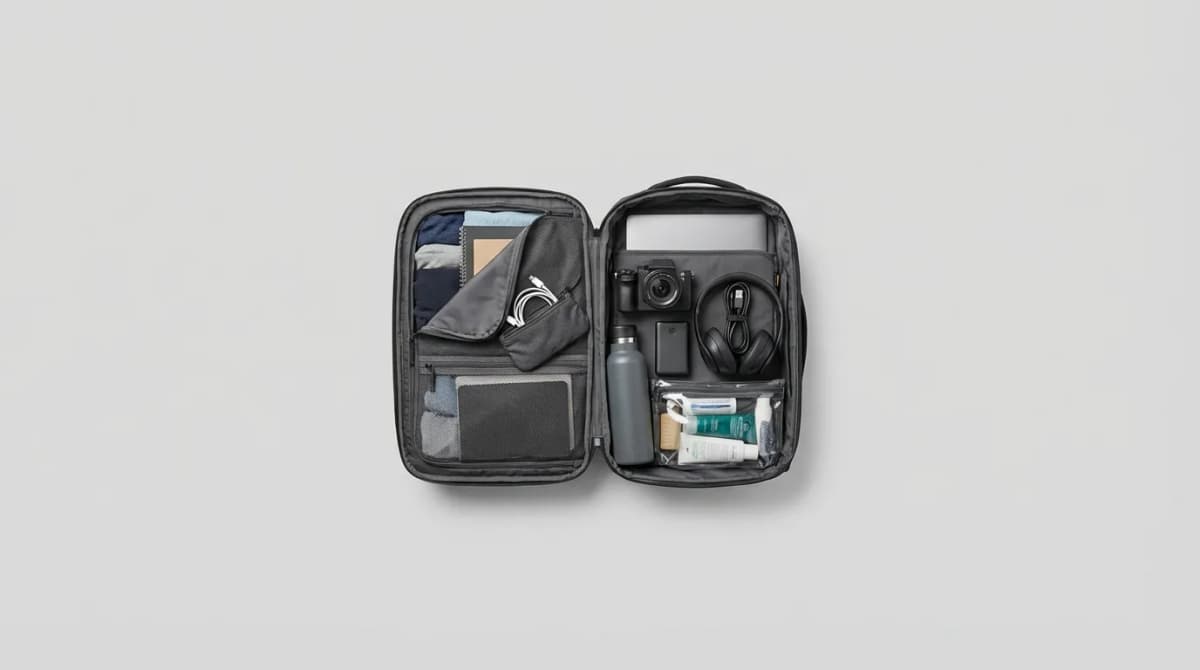
We've spent months testing what actually fits in a carry-on while keeping everything you need to work from coffee shops in Lisbon or co-working spaces in Chiang Mai. The goal isn't minimalism for its own sake. It's mobility without compromise.
Most digital nomads overpack on their first trip, then spend the next six months shipping things home. The carry-on constraint forces brutal honesty about what you'll actually use. Every item needs to justify its weight and volume, and anything that doesn't pull double duty gets cut.
Here's what stays in the bag after real-world testing across climates, work situations, and travel styles.
The Bag Itself: 40L Maximum
Your bag choice determines everything else. Airlines measure carry-on limits by linear inches (length + width + height), typically 45 linear inches or 22 x 14 x 9 inches. A 40-liter bag hits that sweet spot.
We prefer travel backpacks over rolling luggage. Backpacks work on cobblestone streets, fit in overhead bins more reliably, and keep your hands free for coffee and your phone. The clamshell opening style (opens flat like a suitcase) beats top-loading designs for organization.
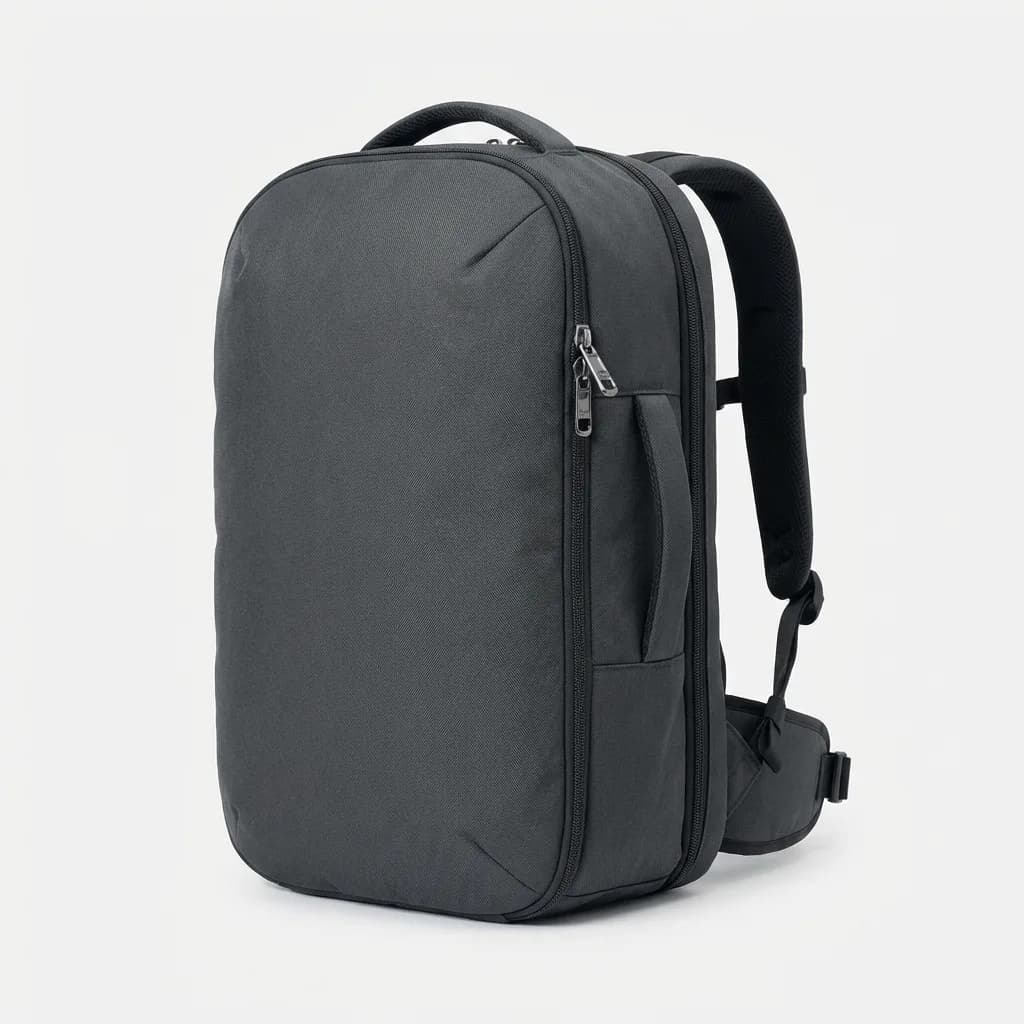
Tortuga Setout Backpack
$199
40L clamshell travel backpack with laptop compartment, lockable zippers, and hideaway straps. Carries like a hiking pack, organizes like luggage.
The Aer Travel Pack 3 offers similar features with a more urban aesthetic. Both sit at around 3 pounds empty, leaving you 37 pounds for contents before hitting most airlines' 40-pound limit.
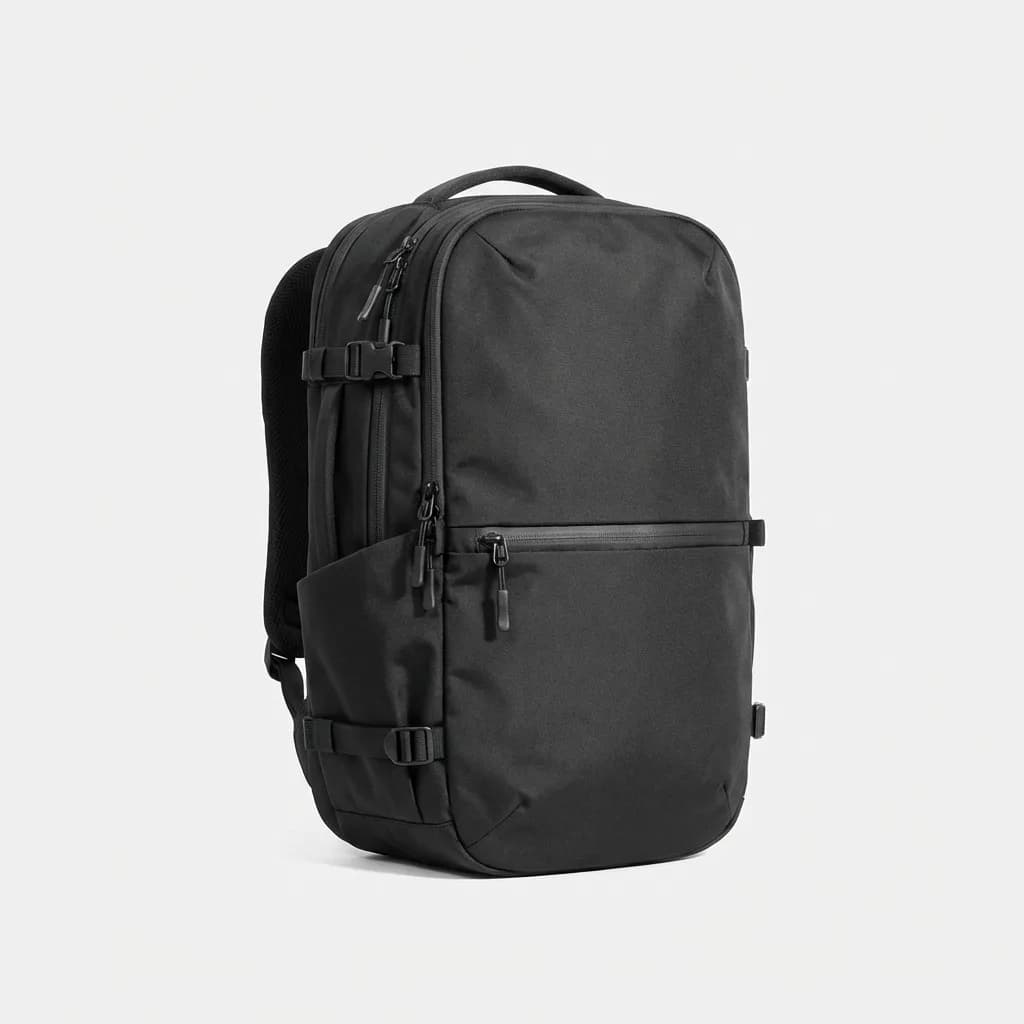
Aer Travel Pack 3
$290
Minimalist 35L travel backpack with tech organization, compression straps, and water-resistant fabric. Blends into business and casual settings.
Tech Strategy: Quality Over Quantity
Your laptop is non-negotiable, but everything else should be questioned. Most digital nomads can get by with three devices: laptop, phone, and noise-canceling headphones. Tablets and e-readers only justify their weight if you actually use them daily.
The laptop choice matters more than most people think. A 13-inch MacBook Air or similar ultrabook keeps weight around 2.5-3 pounds. Gaming laptops and 15-inch workstations eat up weight budget fast, leaving less room for clothes and comfort items.
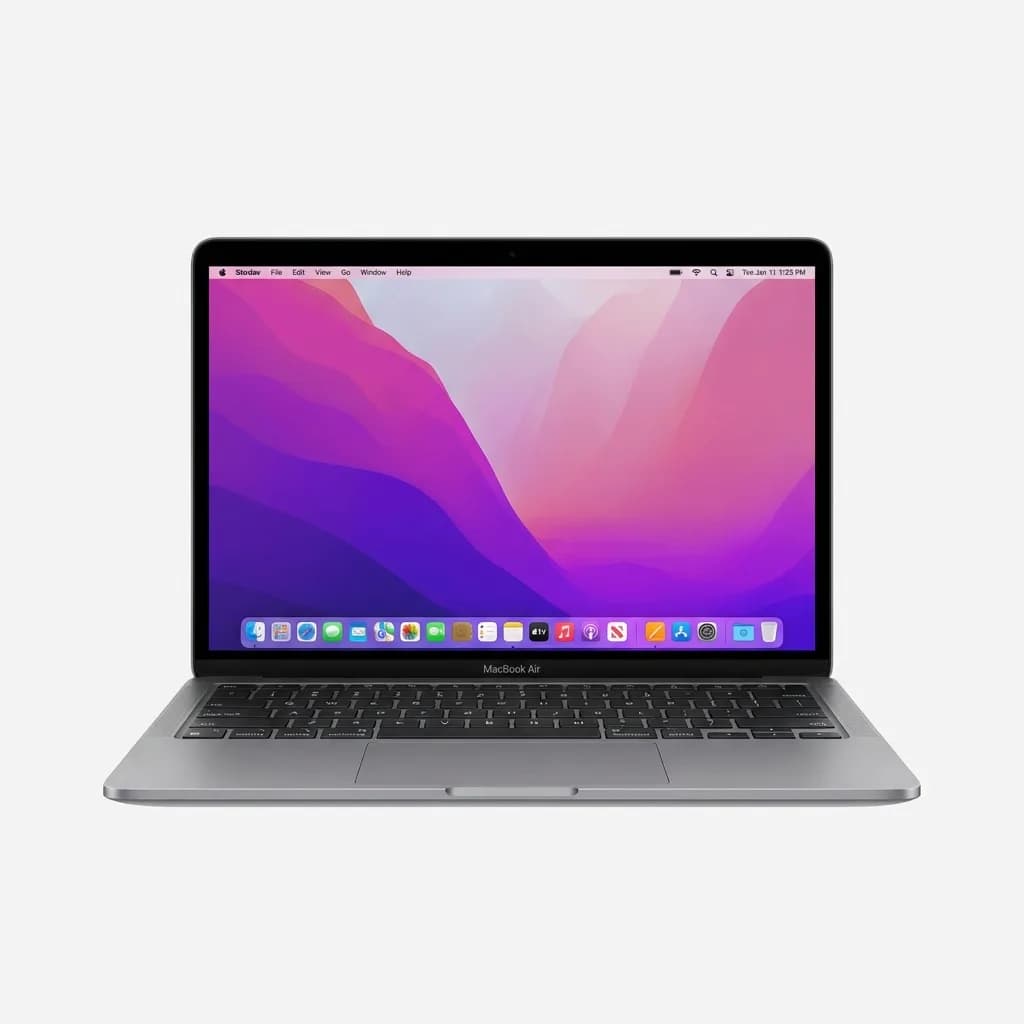
Apple MacBook Air M2 13-inch
$999
2.7 pounds, 15-18 hour battery, handles most dev work and creative tasks. Aluminum construction survives constant travel.
Chargers and cables deserve specific attention. Bring one 65W+ USB-C charger that can handle your laptop, phone, and accessories. Skip individual chargers for every device. We use the Anker 735 because it has three ports and enough power for simultaneous charging.
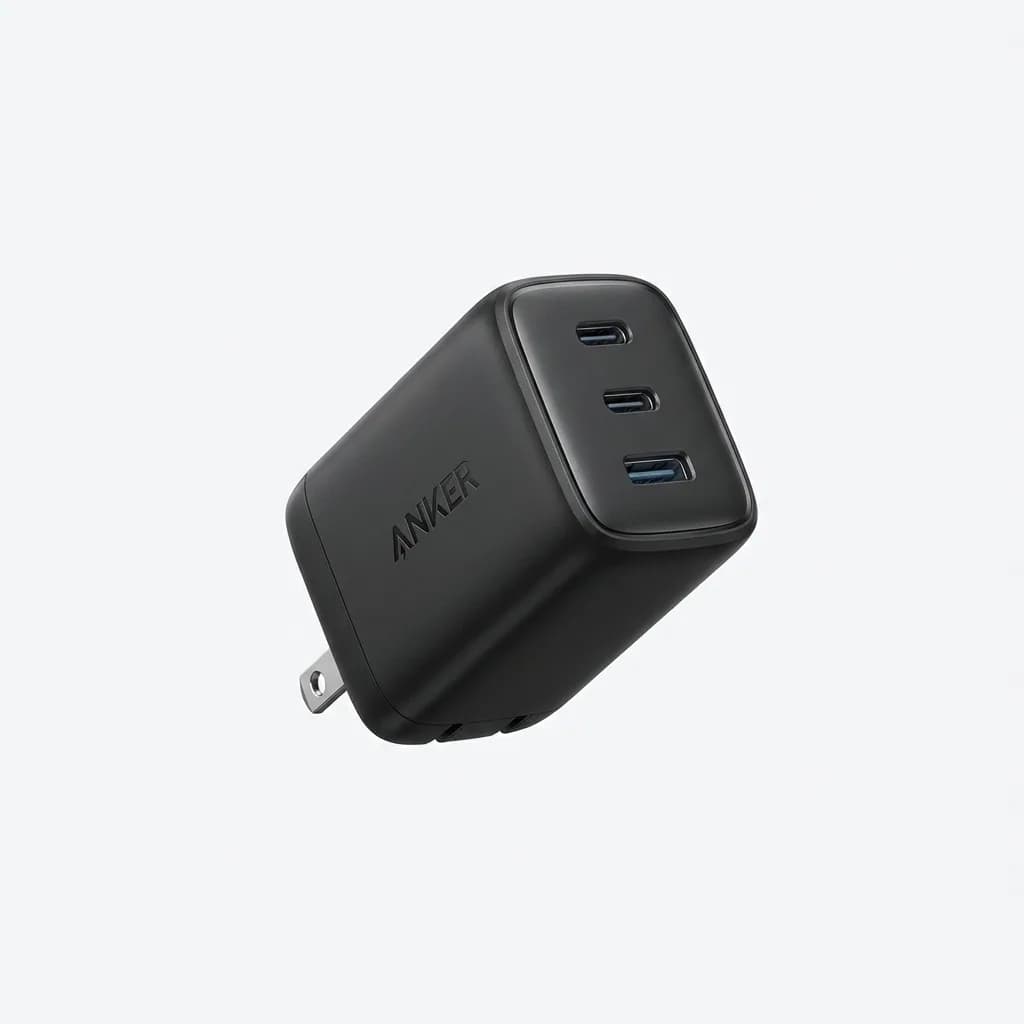
Anker 735 Charger (GaNPrime 65W)
$60
Three-port USB-C charger with foldable plug. Powers laptop, phone, and headphones from a single outlet. 30% smaller than original laptop chargers.
For cables, two USB-C to USB-C cables handle most situations. Add a USB-A to USB-C if you have older devices. Keep cables in a small pouch, not tangled at the bottom of your bag.
Noise-canceling headphones make cramped flights and loud coffee shops bearable. Over-ear models sound better but take more space. The Sony WH-1000XM5 and Bose QuietComfort 45 both fold flat and last 20+ hours per charge.
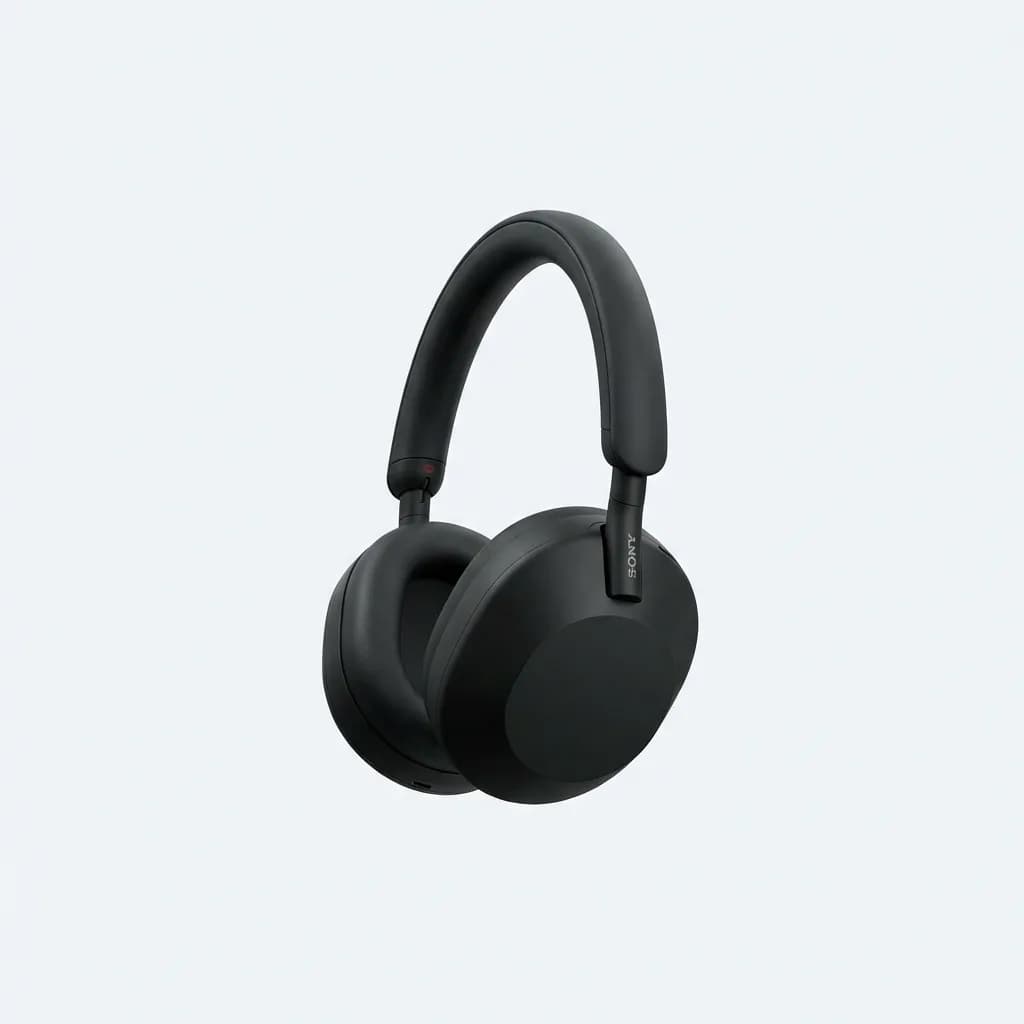
Sony WH-1000XM5
$398
Industry-leading noise cancellation, 30-hour battery, USB-C charging. Slightly better ANC than Bose, slightly less comfortable for all-day wear.
Capsule Wardrobe: 15 Items or Less
The 15-item limit includes everything you wear: shirts, pants, underwear, socks, shoes. It sounds brutal until you realize laundry is available everywhere, and wearing the same rotation for months is completely normal when traveling.
Start with three pairs of pants. Merino wool or technical fabric pants dry overnight and resist odor better than cotton. We pack two pairs of casual pants (jeans or chinos) and one pair of athletic shorts that work for workouts and sleep.
For tops, five shirts cover a week. Two merino wool t-shirts, two button-up shirts (one casual, one slightly nicer), and one long-sleeve layer. Merino regulates temperature better than synthetics and doesn't smell after multiple wears. Unbound Merino and Wool & Prince make specific nomad-focused options.
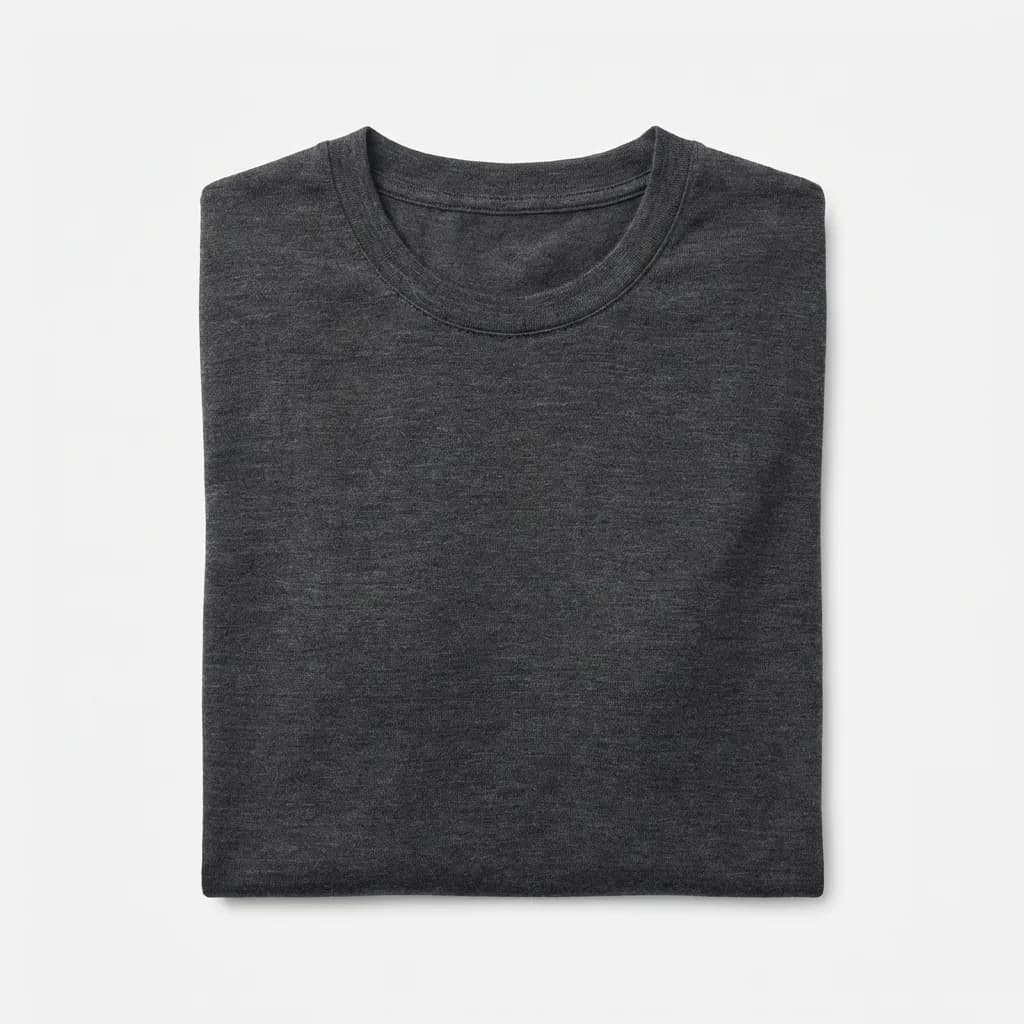
Unbound Merino Crew Neck T-Shirt
$75
100% merino wool, naturally odor-resistant, wear 3-5 times between washes. Warmer than cotton in cold, cooler in heat.
Underwear and socks need the same treatment. Six pairs of each gives you a week with one spare. Ex Officio and Darn Tough are the standard recommendations because they actually work. Quick-dry underwear washed in a sink dries by morning.
Shoes are the hardest constraint. You're wearing one pair and packing one pair maximum. Most nomads wear minimalist sneakers (Allbirds, Vessi, or similar) that handle walking, casual dinners, and light workouts. The packed pair should be sandals or flip-flops for showers and beach situations.
Outerwear depends on climate, but a packable rain jacket covers more situations than a heavy coat. The Patagonia Torrentshell and Arc'teryx Beta LT both compress small and handle rain in most temperatures.
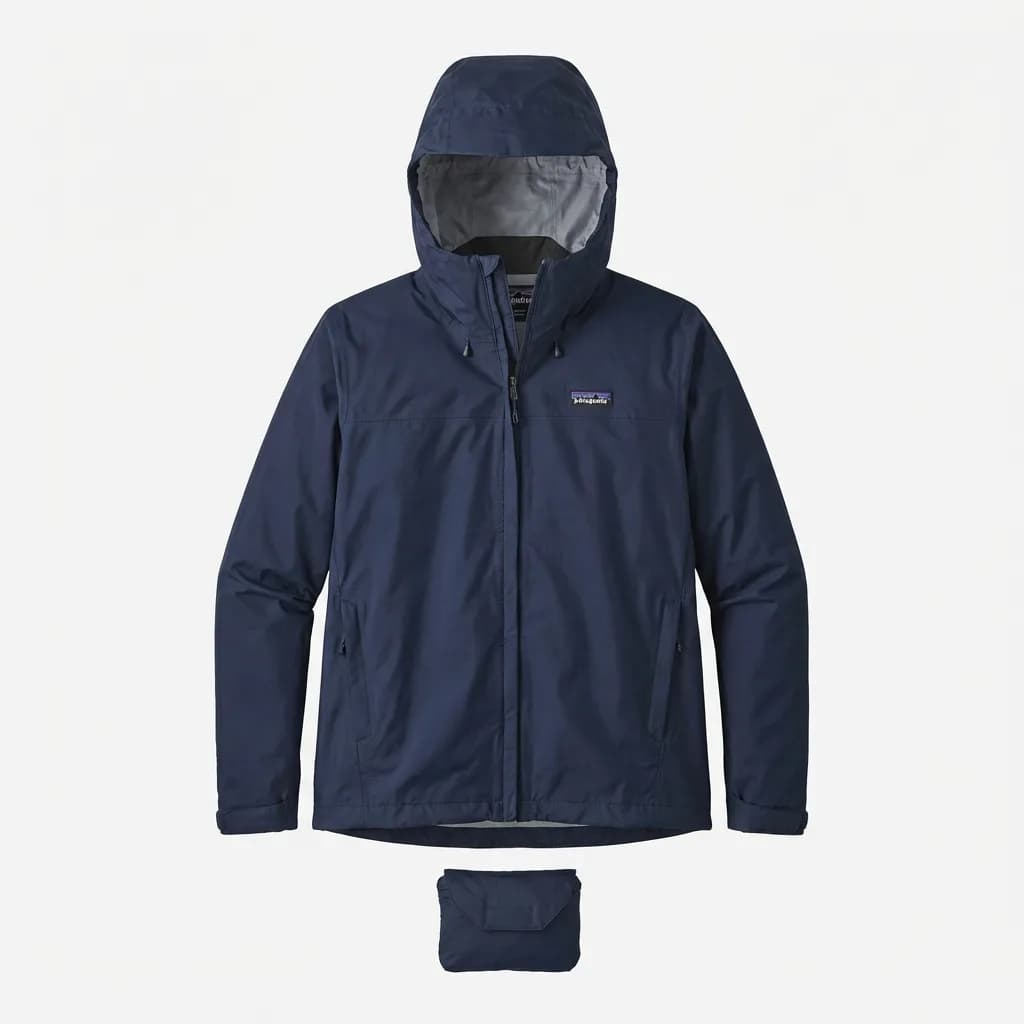
Patagonia Torrentshell 3L Jacket
$179
Waterproof/breathable rain shell, packs into its own pocket, 13 ounces. Works as windbreaker in mild weather, rain protection in storms.
What About Toiletries and Personal Items?
Toiletries follow the same rule: if you can buy it at your destination, don't pack it. Shampoo, toothpaste, and basic hygiene products exist everywhere. Bring only the specific items you can't easily replace.
We pack travel-size versions of: face wash, moisturizer, deodorant, and any prescription items. Everything goes in a clear quart-size bag for security checkpoints. Skip full-size bottles entirely.
Electric shavers or trimmers beat disposable razors for space efficiency. A small bag of first-aid basics (bandaids, pain relievers, anti-diarrheal) prevents midnight pharmacy runs in unfamiliar cities.
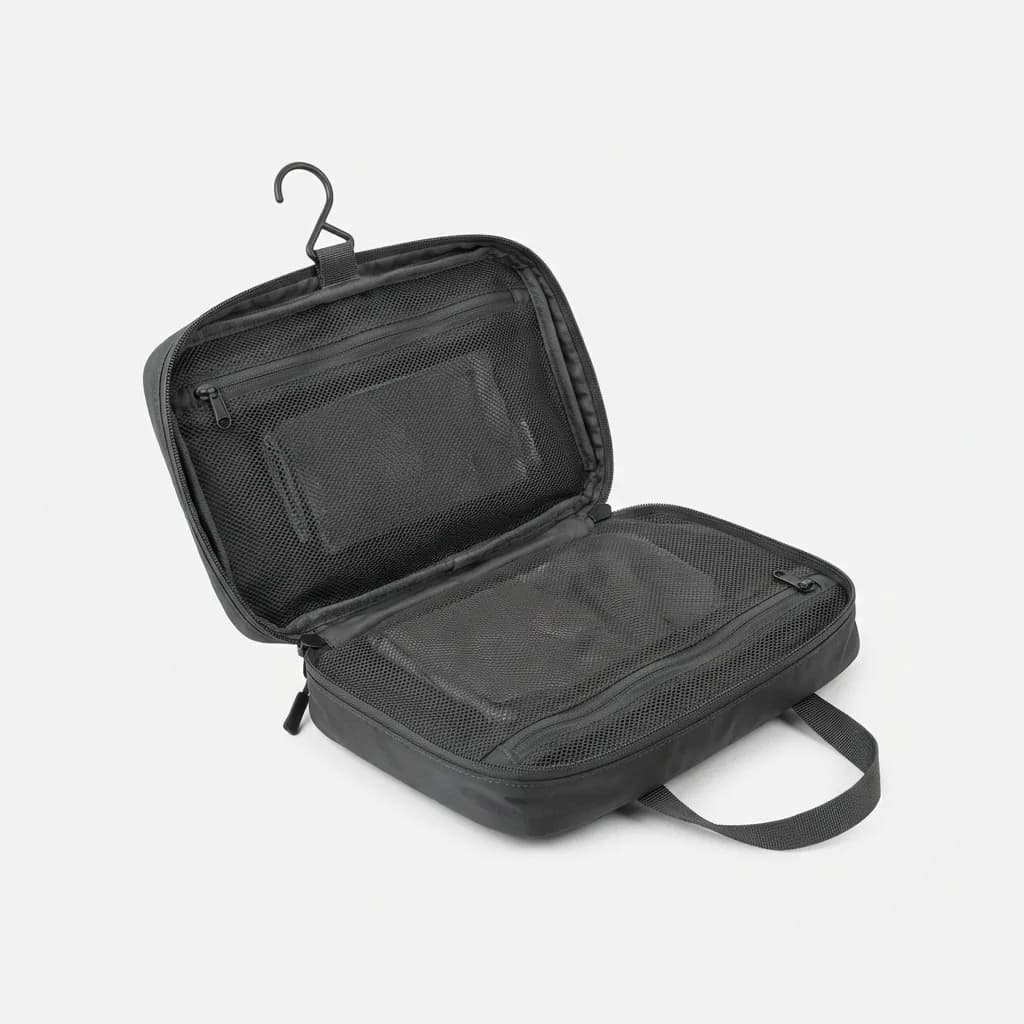
Matador FlatPak Toiletry Case
$40
Waterproof toiletry bag that expands when full, flattens when empty. Multiple compartments, TSA-compliant sizing, hang hook for cramped bathrooms.
How Do You Actually Stay Under Weight?
The 40-pound airline limit sounds generous until you account for the bag itself (3 pounds), laptop (3 pounds), shoes (2 pounds), and toiletries (2 pounds). That's 10 pounds before any clothes.
Weighing your packed bag before heading to the airport prevents expensive surprises. A portable luggage scale costs $10 and saves hundreds in overweight fees. Test your full loadout at home, not at check-in.
The real trick is leaving space. Pack to 80% capacity on departure. You'll acquire things during travel (gifts, local gear, books), and buffer room prevents forced decisions at airport security.
We use packing cubes to compress and organize. One cube for shirts, one for pants/shorts, one for underwear and socks. Compression cubes save 15-20% volume compared to loose packing, and finding specific items becomes instant instead of dumping everything out.
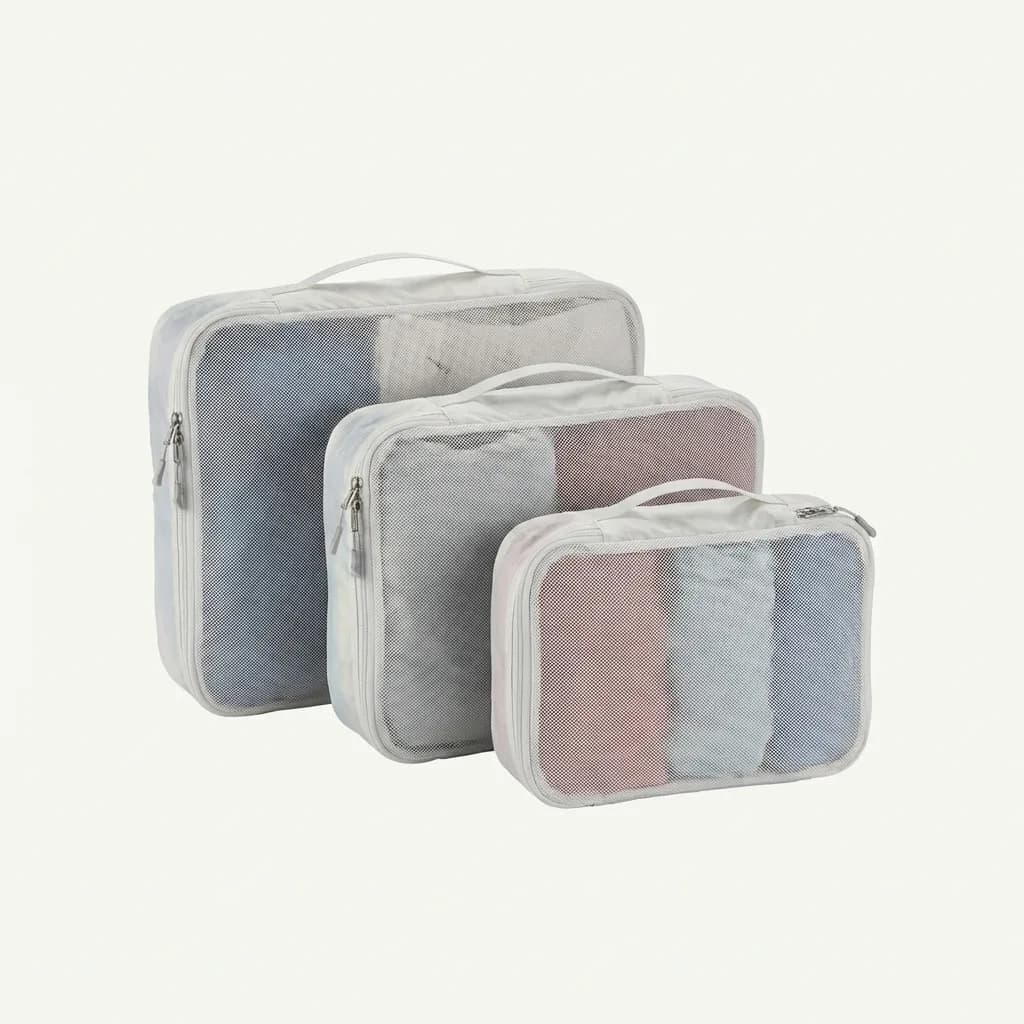
Eagle Creek Pack-It Reveal Cube Set
$55
Translucent packing cubes in three sizes. Water-resistant, durable, includes compression zippers. See contents without opening every cube.
The Items Nobody Mentions But You Actually Need
A reusable water bottle saves money and reduces plastic waste, but it needs to be collapsible or lightweight. Nalgene bottles are bombproof but heavy. We prefer the Hydrapak Flux, which weighs 2 ounces and collapses flat when empty.
A small daypack or packable tote handles daily carry. Your 40L bag stays at the accommodation while you're out working or exploring. The Matador Freerain24 packs into its own pocket and weighs 4 ounces.
Universal power adapters are essential. The Epicka Universal Adapter covers 150+ countries and includes USB ports for phone charging. Skip individual adapters for each country.
Earplugs and an eye mask improve sleep quality in hostels, hotels with thin walls, and overnight flights. Mack's silicone earplugs and any contoured eye mask work fine. Total cost under $10, total weight under an ounce.
Finally, a portable battery pack extends phone life during long travel days. The Anker PowerCore 10000 provides 2-3 full phone charges and weighs 6 ounces. Avoid larger battery packs unless you regularly go days without outlet access.
What Gets Left Behind
Most first-time nomads pack books, full-size towels, multiple shoes, excessive electronics, and "just in case" items that never get used. Physical books become Kindle downloads. Towels exist at every accommodation. Extra shoes stay home.
The hardest cut is sentimental items. Photos, souvenirs from past trips, and comfort objects add weight without function. Take photos of meaningful items instead of carrying them.
Work-specific gear also gets scrutinized. If you're a photographer or videographer, your carry-on becomes mostly camera equipment and your wardrobe shrinks further. Most digital work (writing, coding, design) requires only a laptop.
Testing Your System Before Committing
Pack everything, then live out of your bag for a week at home. Don't access your closet or drawers. If you need something not in the bag, add it to the list. If something sits unused for seven days, remove it.
This test reveals the gap between theoretical packing lists and actual usage. You'll discover which shirts you actually wear, whether you need that extra pair of pants, and if your tech setup really works away from your desk.
After a week, adjust and repack. Most people remove 15-20% of items after the home test. That's fine. Better to learn at home than realize mid-trip that you're carrying dead weight.
The carry-on constraint isn't about deprivation. It's about mobility, flexibility, and keeping your options open. When everything you own fits in one bag, changing cities becomes an afternoon decision instead of a logistical project. That's the actual freedom digital nomads talk about.
The Weekly Dispatch
Enjoying this article?
Subscribe and get our best gear picks delivered every Sunday morning.
Related Stories
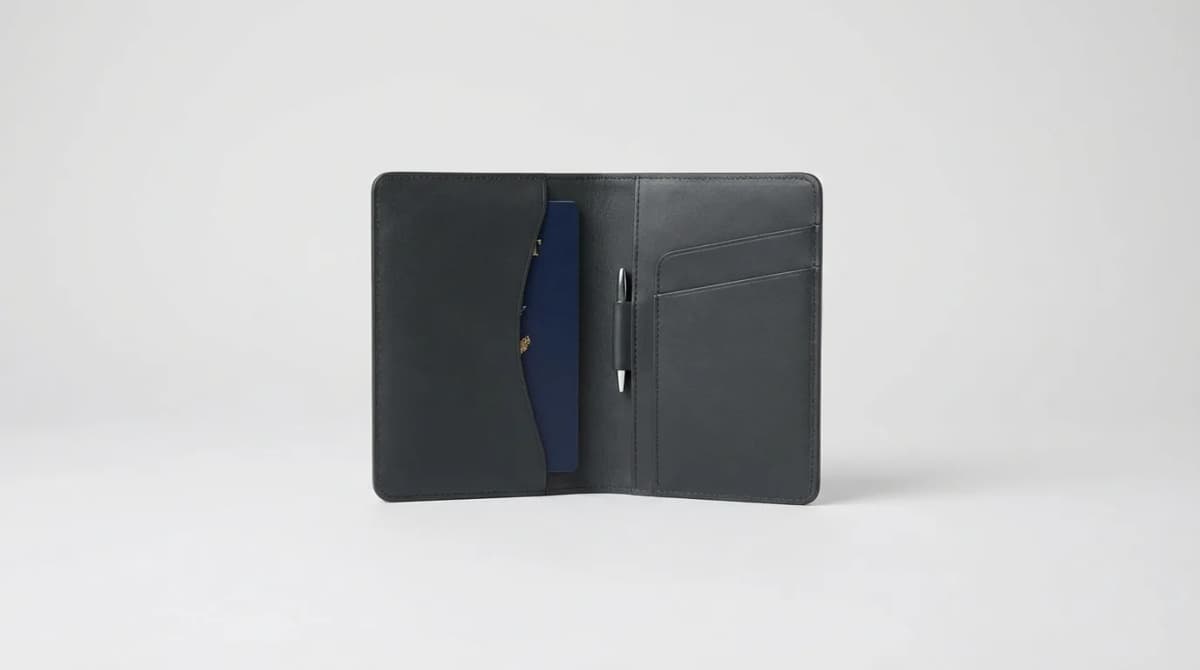
Best Minimal Passport Carry for Digital Nomads
Protect your passport without bulk. We compare minimal carry solutions that balance security, quick access, and durability for frequent border crossings.
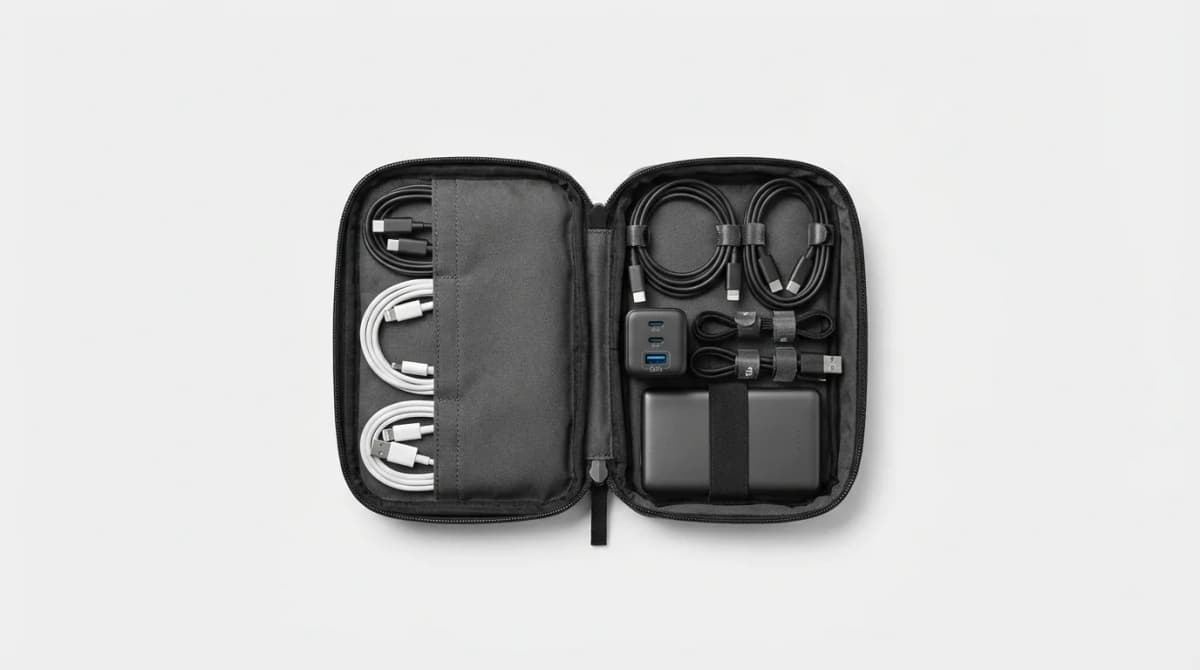
How to Pack a One Bag Tech Kit
Stop overpacking cables and chargers. This guide shows you how to build a minimal tech kit that covers every scenario without weighing down your bag.
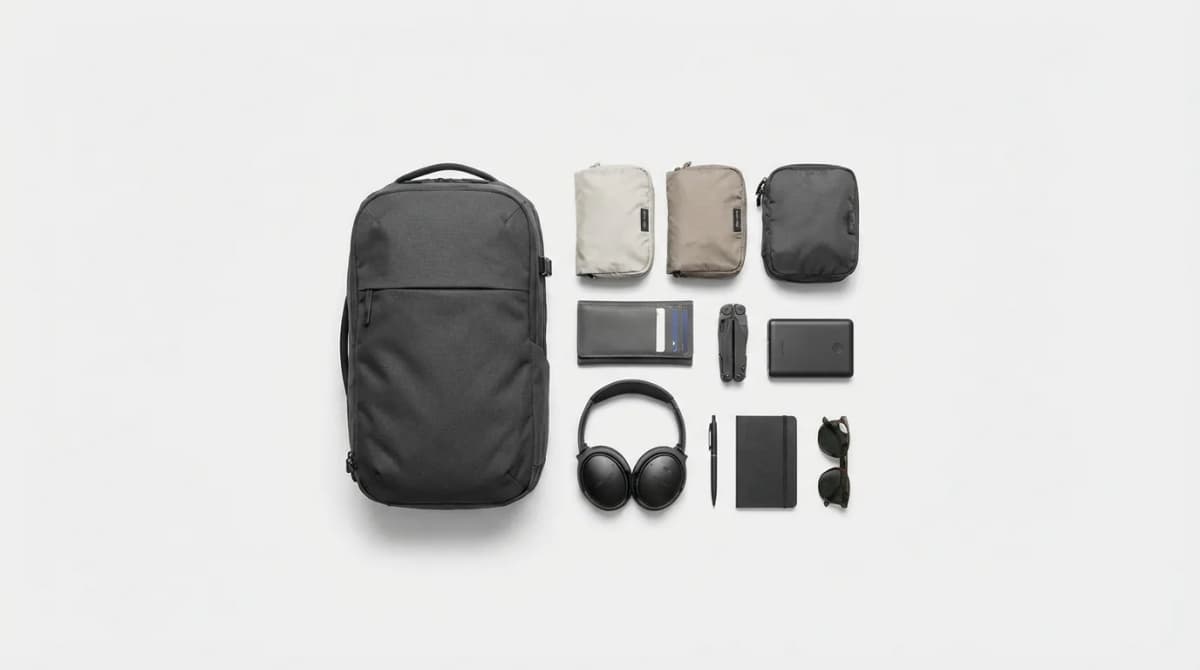
EDC for Minimal Travelers Who Hate Checking Bags
Master carry-on-only travel with the right EDC kit. We break down size limits, packing strategies, and gear that makes one-bag travel actually work.