Battery Safety for Travelers: What to Know
Airline rules, storage tips, and damage prevention strategies for lithium batteries and power banks when traveling. What TSA allows and what to avoid.
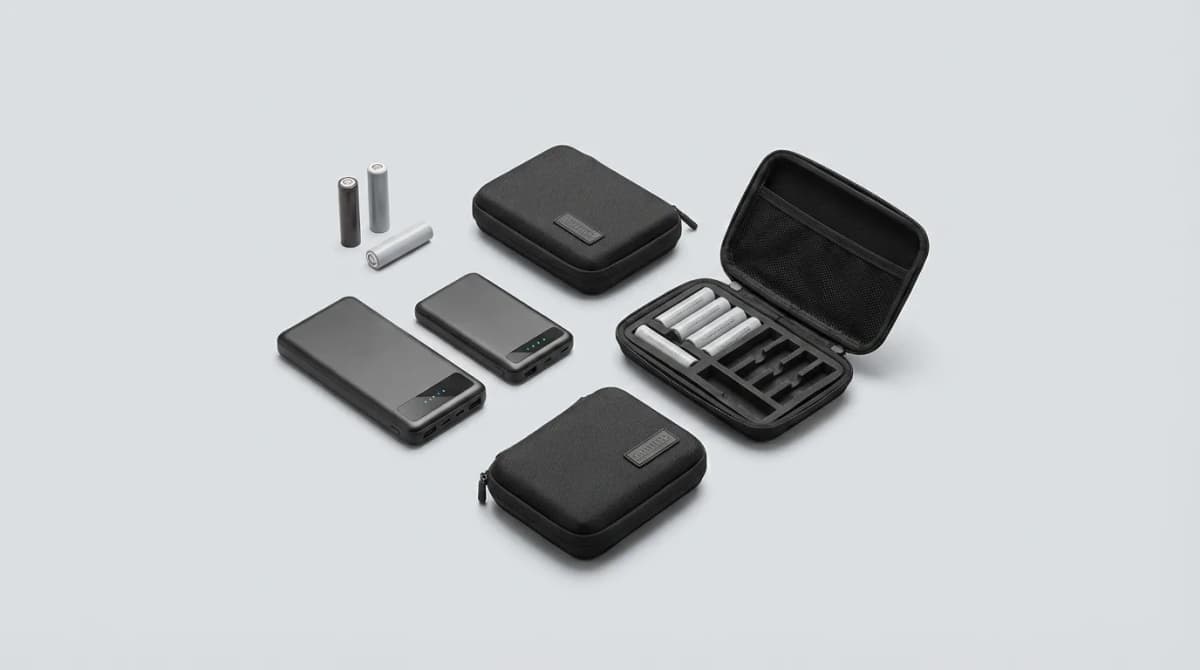
A lithium battery fire on a plane sounds dramatic until you realize how easily it can happen. A loose power bank in a bag touches keys or coins, the terminals short-circuit, and thermal runaway begins. Airlines have strict rules about batteries for good reason. Understanding them keeps you compliant and safe.
Most travelers know batteries have restrictions, but few know the specifics. The 100 watt-hour limit, the carry-on requirement, the quantity rules - these aren't arbitrary. They're based on incident reports and fire risk assessments. Miss one detail and you could lose gear at security or worse, create a safety hazard mid-flight.
Carry-On Only: Why Batteries Belong in the Cabin
Lithium-ion batteries must travel in carry-on luggage, not checked bags. The reason is simple: cabin crew can access a fire in the passenger compartment. In the cargo hold, a battery fire could spread undetected until it's catastrophic.
This applies to loose batteries, power banks, and any device with a removable battery. Your laptop can stay in checked luggage because the battery is installed and the device is off. But spare camera batteries, vape batteries, and portable chargers all go in your carry-on. No exceptions.
The TSA allows batteries up to 100 watt-hours without approval. Between 100-160Wh, you need airline approval and can bring a maximum of two. Above 160Wh, they're prohibited on passenger flights entirely. Most consumer electronics fall well under 100Wh - a typical smartphone battery is 10-15Wh, a laptop is 50-80Wh.
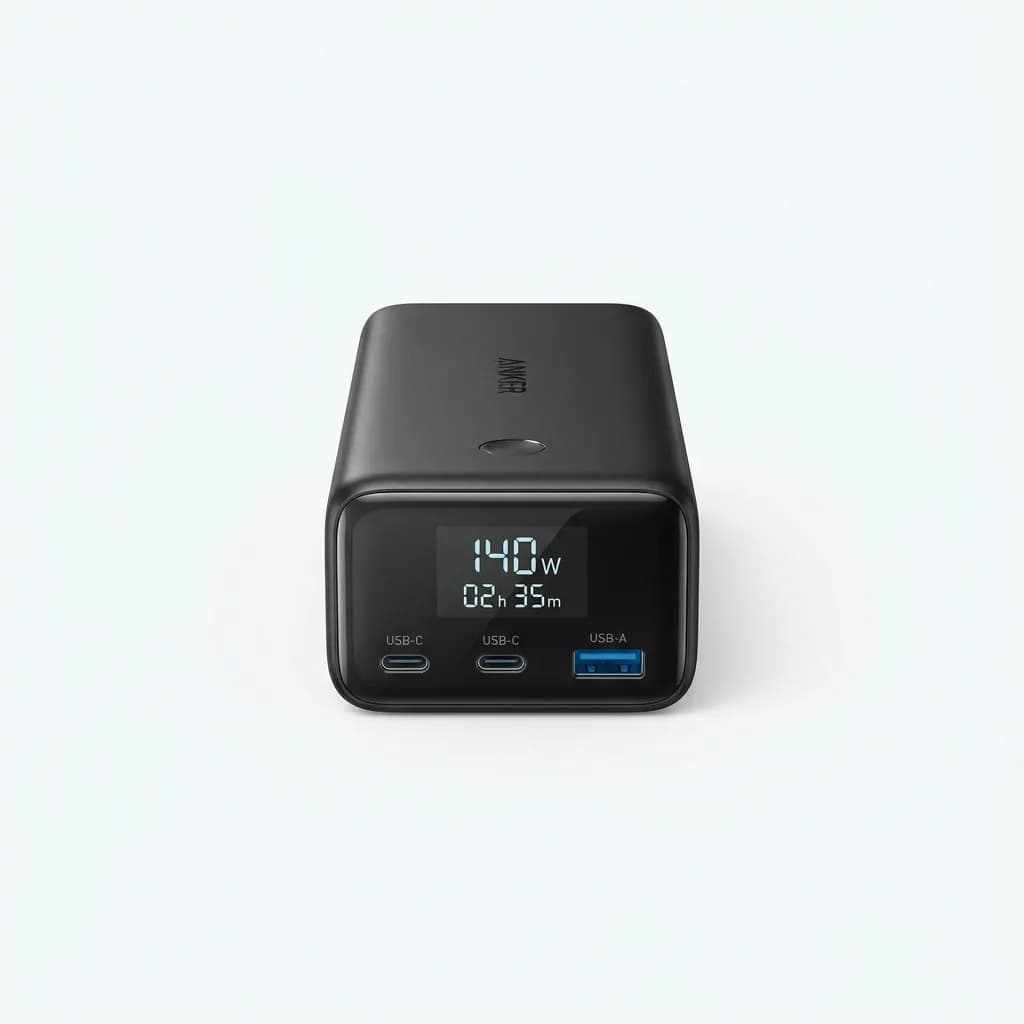
Anker 737 Power Bank (PowerCore 24K)
$150
24,000mAh capacity at 86.4Wh, under the 100Wh limit. 140W USB-C output charges laptops fast. Smart digital display shows wattage and time remaining.
Calculating Watt-Hours: The Math That Matters
Airlines care about watt-hours, but manufacturers often only list milliamp-hours (mAh) and voltage. The conversion is straightforward: (mAh × voltage) ÷ 1,000 = Wh.
A 20,000mAh power bank at 3.7V nominal voltage equals 74Wh. That's legal. A 27,000mAh power bank at the same voltage equals 99.9Wh. Still legal, barely. The Anker 737 above lists 24,000mAh but its actual cell configuration puts it at 86.4Wh - manufacturers now print this clearly on the device.
Most quality power banks label the watt-hour rating because they know travelers need it. Budget brands sometimes don't, which creates problems at security. TSA agents aren't going to do math for you. If the Wh rating isn't printed on the device or you can't prove it's under 100Wh, they may confiscate it.
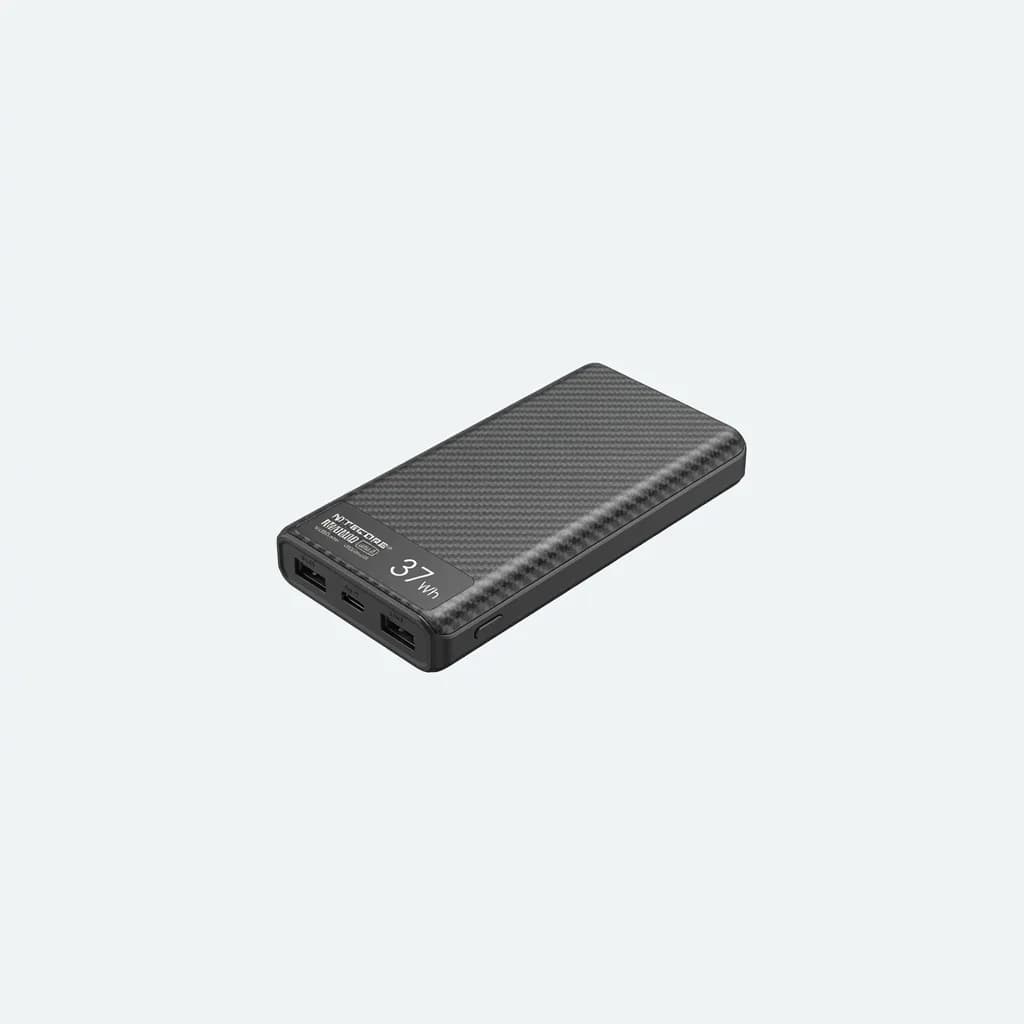
Nitecore NB10000 Gen 3
$50
10,000mAh ultra-lightweight power bank at 37Wh. Carbon fiber shell weighs just 150g. Clear Wh rating printed for easy airport security.
Proper Storage Prevents Short Circuits
A short circuit happens when positive and negative terminals connect through a conductor. In a bag full of metal objects, this is easier than you'd think. Keys, coins, paper clips, other batteries - any of these can bridge exposed terminals and cause rapid heating.
We use individual plastic cases for spare camera and vape batteries. Never toss loose batteries in a bag. Power banks are generally safer because the ports are recessed, but covering them with tape adds another layer of protection. Some travelers use dedicated battery organizers with separated compartments.
Battery fires start small. You'll smell something first, maybe see smoke. If it's in your carry-on, you can alert crew immediately. They have fire containment bags specifically designed for lithium battery fires - basically a fire-resistant pouch that limits oxygen. This is why batteries stay in the cabin.

Storacell SlimLine Battery Caddy
$8
Protective case holds four 18650 or eight AA batteries in individual slots. No terminals touch. Fits easily in carry-on pockets.
What Counts as a Spare Battery
Installed batteries don't count as spares. Your phone, laptop, camera, and headphones can all stay powered on or off - the battery is secured inside the device. The rule targets loose batteries and external power banks.
Spare camera batteries are the most common example. If you shoot with a mirrorless camera and carry three extra batteries, those three are spares. They need individual protection. The one inside the camera is fine.
E-cigarettes and vapes fall under battery rules too. The device itself must be in carry-on, and spare batteries or pods need protection from short circuits. Some airlines are stricter about vapes than others, but the battery rules apply universally.
Medical devices with batteries, like CPAP machines, are allowed and don't count toward the spare battery limit. But you should declare them at security and keep documentation handy.
International Variations and Airline-Specific Rules
TSA rules apply to flights departing from U.S. airports, but international flights follow IATA guidelines which are similar but not identical. Most countries align with the 100Wh standard, but enforcement varies.
Some airlines restrict total battery capacity per passenger. Others limit the number of devices. Budget carriers in Asia and Europe sometimes have stricter rules than the IATA baseline. Check your specific airline's website before flying - not just the general TSA guidelines.
China requires power banks to have clear capacity markings. Unmarked power banks get confiscated, no questions asked. We've seen travelers lose expensive gear because the label wore off. A piece of clear tape over the capacity marking prevents this.
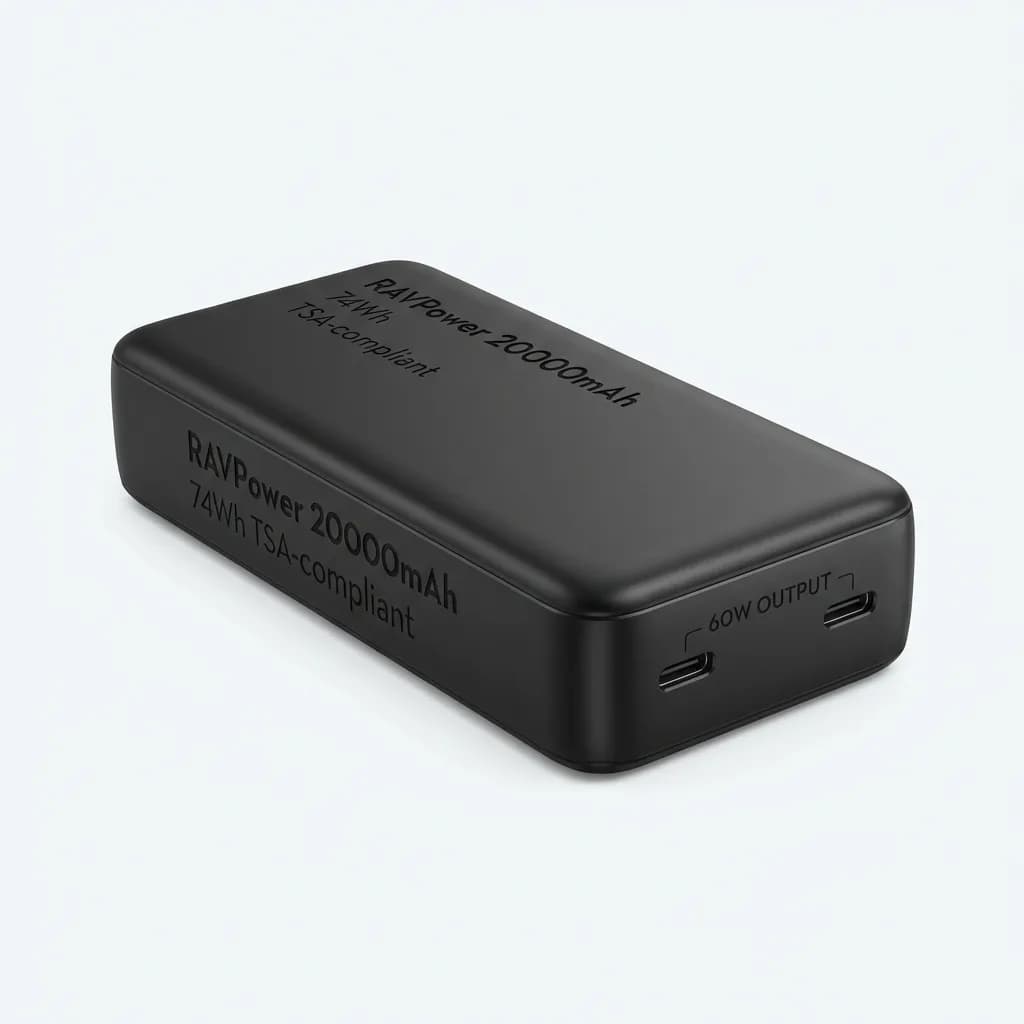
RAVPower 20000mAh Power Bank
$60
74Wh capacity clearly labeled on both sides. Dual USB-C ports, 60W output. TSA-compliant design with engraved capacity markings that won't wear off.
Damaged Batteries Are Always Prohibited
Swollen, dented, or damaged batteries are fire risks regardless of capacity. If a battery case is cracked, the internal chemistry is compromised. Airlines prohibit damaged batteries entirely - they won't go in carry-on or checked luggage.
This includes devices with damaged batteries. A laptop with a swollen battery that's pushing the trackpad up? That's not flying. A power bank that got dropped and now has a dent? Leave it home.
Temperature extremes damage batteries too. Leaving a power bank in a hot car can degrade the cells enough to create risk. Cold doesn't usually cause immediate problems, but repeated freeze-thaw cycles weaken cell structures.
Check your batteries before packing. Press gently on power bank cases - they should be rigid, not puffy. Look at device batteries for any bulging. When in doubt, replace it. A $30 power bank isn't worth the hassle.
How Many Batteries Can You Actually Carry
For batteries under 100Wh, most airlines don't specify a hard limit. TSA guidelines say "reasonable quantities for personal use." In practice, this means 10-20 spare batteries depending on context. A professional photographer with eight camera batteries won't raise eyebrows. A random traveler with eight power banks might.
Between 100-160Wh, the limit is two batteries total, and you need airline approval before travel. This affects high-capacity laptop batteries and some professional camera batteries. The approval process varies by airline but usually requires notifying them at booking.
We typically travel with one 20,000mAh power bank, two spare camera batteries, and whatever's installed in devices. That's never been questioned. Going overboard with battery capacity looks suspicious and creates unnecessary scrutiny.
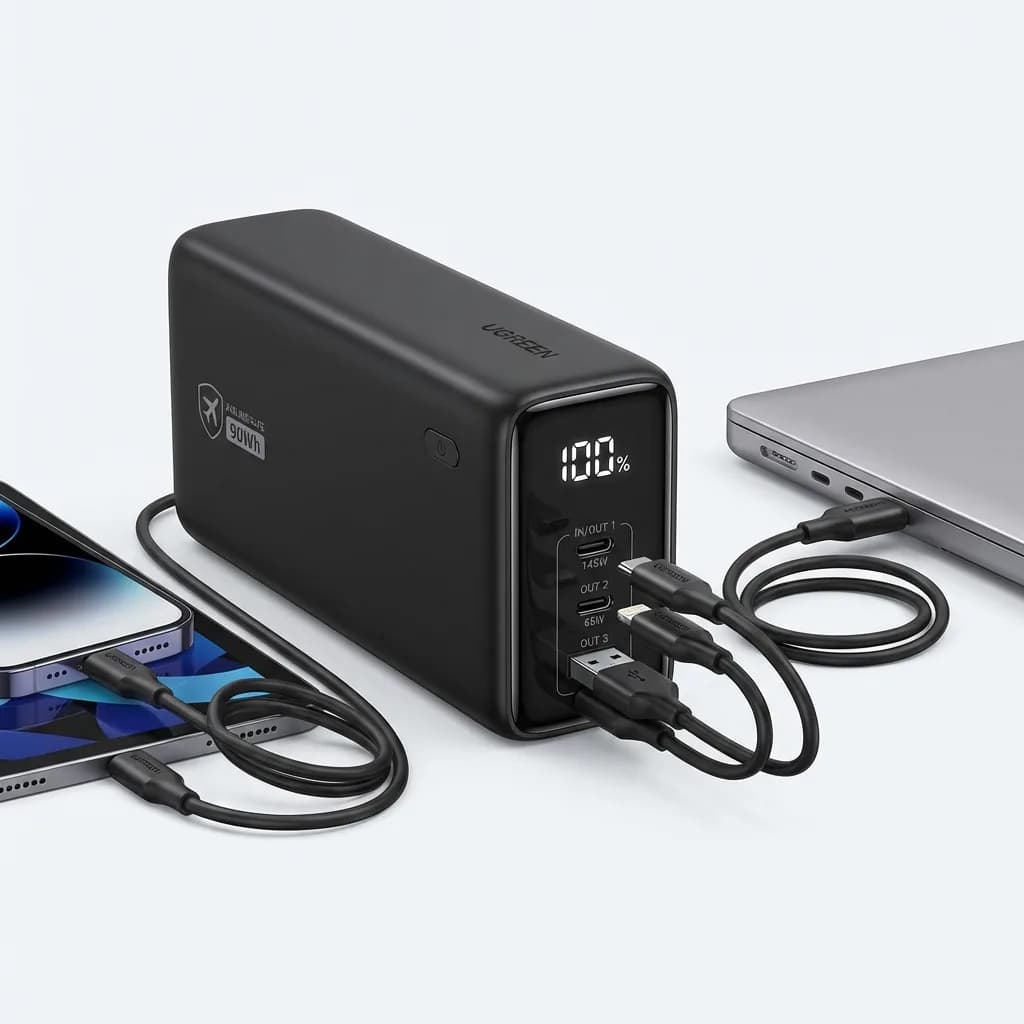
UGREEN 145W Power Bank 25000mAh
$100
90Wh capacity with 145W total output. Charges three devices simultaneously. Digital display and airline-safe capacity marking.
What Happens If You Break the Rules
Best case: security confiscates the non-compliant battery and you continue to your flight. Worst case: you miss your flight while they investigate, or you face fines for knowingly violating safety regulations.
Most violations are accidents. Someone packed a power bank in checked luggage because they didn't know better. If scanners catch it, they'll pull your bag and either give it to you at the gate or dispose of it. This delays boarding and annoys everyone.
Deliberate violations - like trying to fly with a 200Wh battery or refusing to remove a damaged battery from your bag - can result in denied boarding. Airlines take battery safety seriously because the risks are real.
The easiest approach: keep all batteries in your carry-on, check the Wh rating before travel, use protective cases, and declare anything questionable. Security screeners appreciate transparency. Trying to sneak something through makes everything worse.
Smart Packing for Battery Safety
We use a dedicated tech pouch in our carry-on for all batteries and chargers. Everything has its spot, nothing moves around, terminals are covered. The pouch goes in an easy-access part of the bag so pulling it out at security is quick.
Label your power banks with your name and contact info. If you accidentally leave one in a seat pocket, you might actually get it back. More importantly, clear ownership reduces questions at security.
Keep batteries at moderate charge levels for travel. A fully charged battery has more stored energy and slightly higher risk if damaged. 50-70% charge is ideal for transport. This also extends battery life by reducing stress on the cells.
Consider your destination's electrical standards. If you're traveling somewhere with unreliable power, bring adequate battery capacity for your needs. But stay within legal limits. A 27,000mAh power bank barely squeaks under 100Wh and provides multiple phone charges. That's enough for most trips.
The Reality Check
Battery fires on planes are rare, but they happen. The rules exist because prevention is exponentially easier than fighting a lithium fire at 35,000 feet. Following guidelines isn't just about compliance - it's about not being the person who causes an emergency diversion.
Most travelers never have issues because they follow basic practices: batteries in carry-on, protective cases, clear labeling, no damaged cells. The rules feel restrictive until you understand the chemistry involved. Lithium batteries store incredible energy density in small packages. That's what makes them useful. It's also what makes them dangerous when mishandled.
Pack smart, check your airline's specific rules, and keep batteries accessible but protected. Your gear will make it through security, and everyone gets to their destination safely.
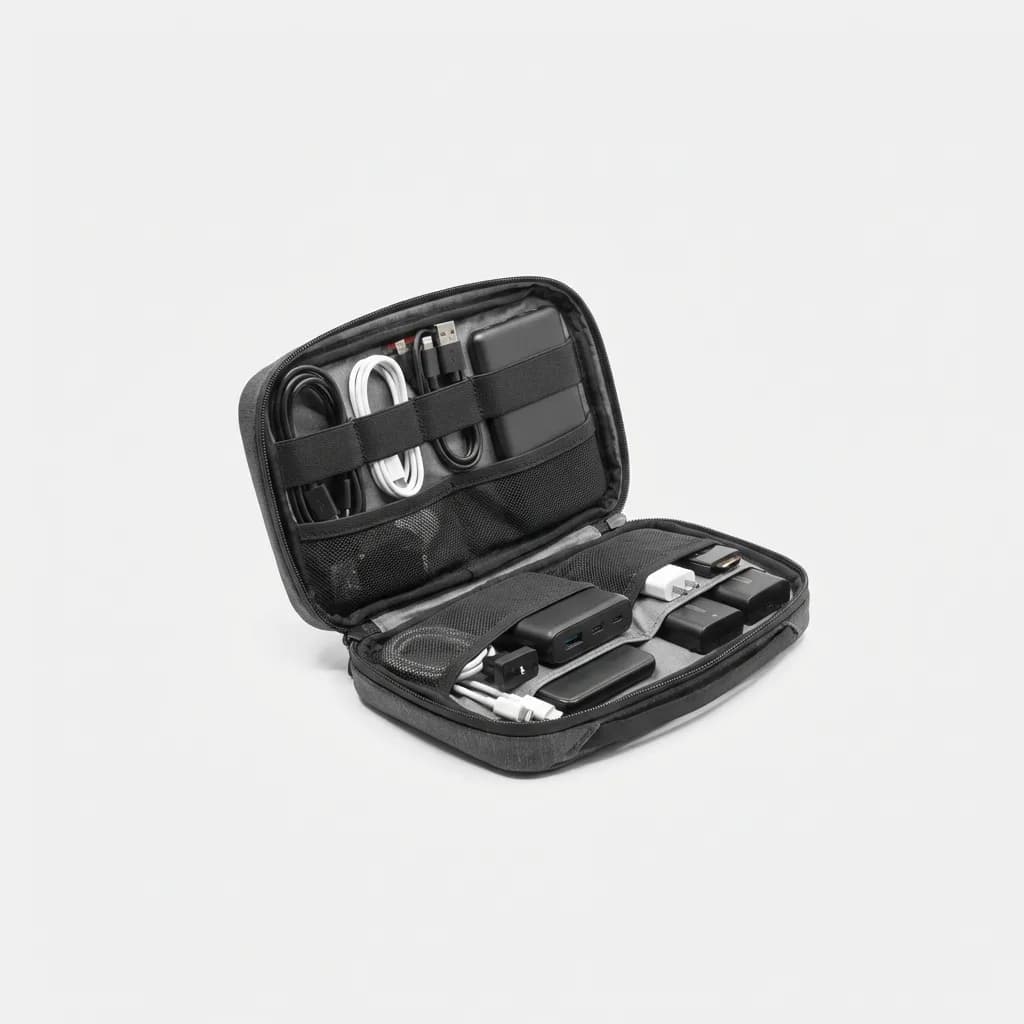
Peak Design Tech Pouch
$60
Organized storage for batteries, cables, and chargers. Weatherproof exterior, stretchy internal pockets. TSA-friendly quick-access design keeps tech separate from clothing.
The Weekly Dispatch
Enjoying this article?
Subscribe and get our best gear picks delivered every Sunday morning.
Related Stories

Best Phone Stands for Travel Video Calls
Portable phone stands make video calls possible from hotel rooms, coffee shops, and airports. We break down what separates stable designs from wobbly junk.
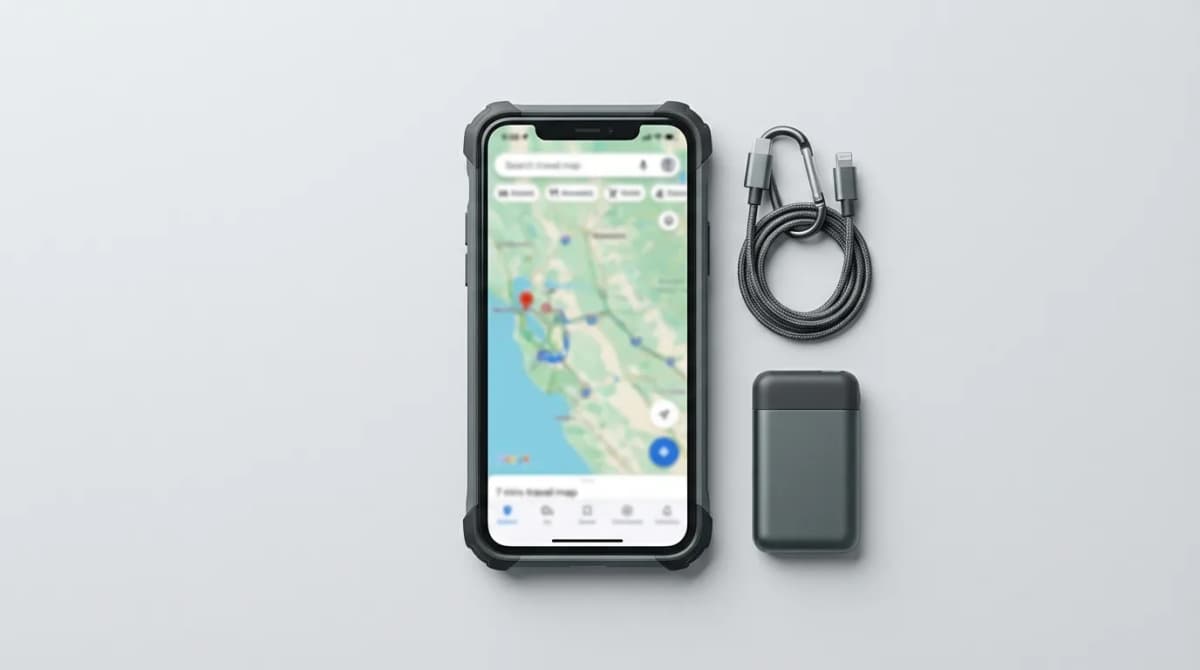
How to Make Your Phone Setup Travel Proof
Protect your phone and data while traveling with automated backups, theft recovery plans, and roaming strategies that actually work overseas.
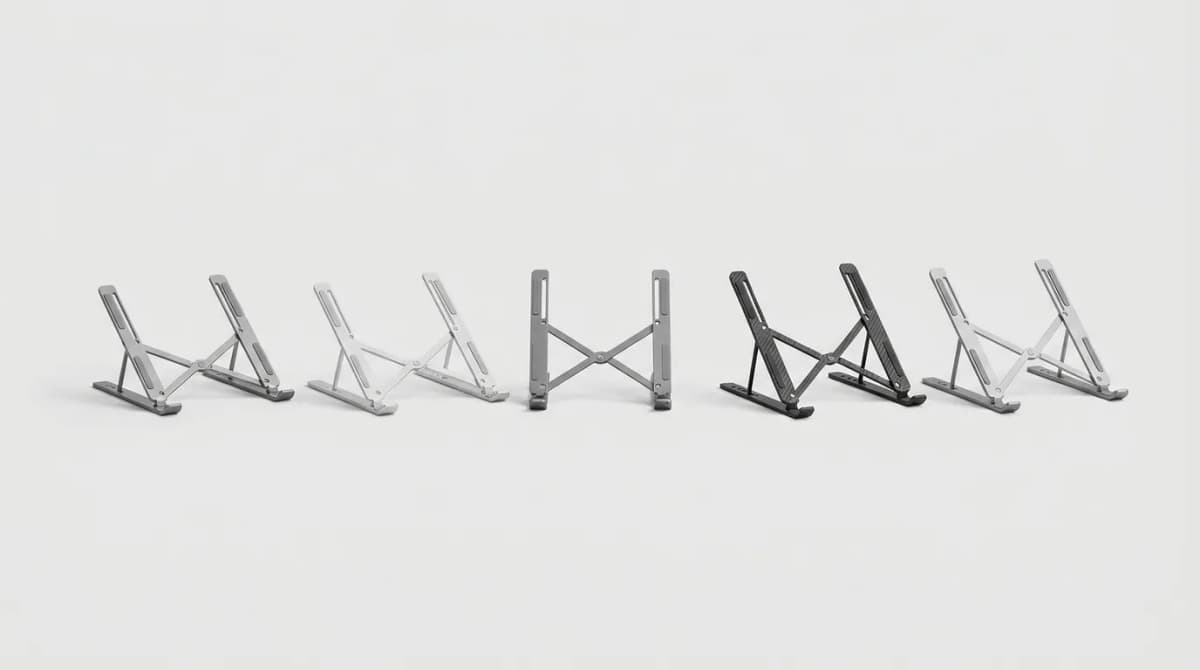
Best Portable Laptop Stands Under 1 Pound
Ultralight laptop stands that weigh less than 1 pound but still deliver stable ergonomic lift. We tested fold size, airflow, and real-world stability.