Best Phone Stands for Travel Video Calls
Portable phone stands make video calls possible from hotel rooms, coffee shops, and airports. We break down what separates stable designs from wobbly junk.
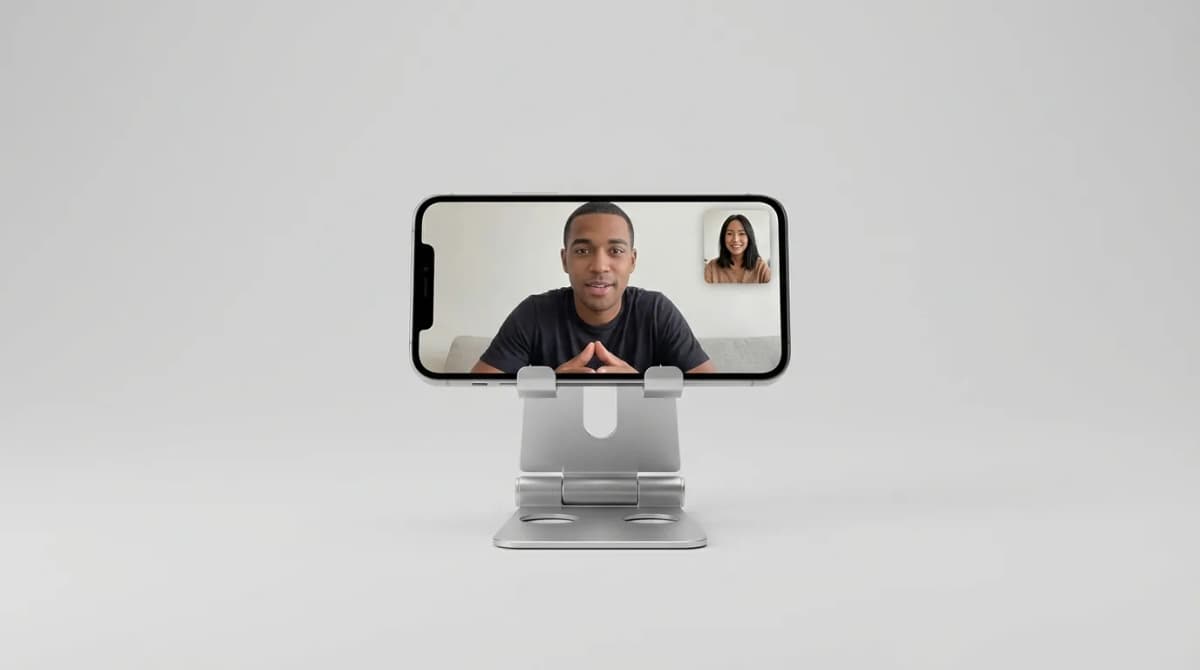
You're in a hotel room with a video call in 20 minutes. The desk faces a blank wall, the lighting is terrible, and propping your phone against a water bottle isn't cutting it. A proper travel phone stand solves this in seconds, but most designs collapse under their own weight or take up half your carry-on.
The difference between a functional travel stand and a paperweight comes down to three things: how it folds, how many viewing angles it offers, and whether it stays put when you tap the screen. We've tested dozens of these, from credit-card-thin aluminum clips to elaborate tripod mounts. Here's what actually works.
Why Folding Design Matters More Than You Think
Most compact stands use one of three folding mechanisms: accordion-style hinges, origami-inspired panels, or simple kickstands with adjustable backs. Accordion hinges pack the flattest but tend to develop play in the joints after a few dozen uses. The MOFT X uses a dual-hinge origami design that maintains tension even after months of daily folding.
Panel-based stands like the Lamicall adjustable model sacrifice some thickness (about 0.4 inches folded) but offer rock-solid stability once deployed. These use a single pivot point with friction adjustment, which means fewer moving parts to fail. Kickstand designs are the simplest but rarely offer more than two or three angle options.
Weight distribution determines whether your stand tips forward when you tap the screen. Look for designs that position the phone's center of gravity over the base, not cantilevered out front. The Anker Magnetic Phone Stand nails this with a weighted aluminum base that keeps even a Pro Max stable at steep angles.
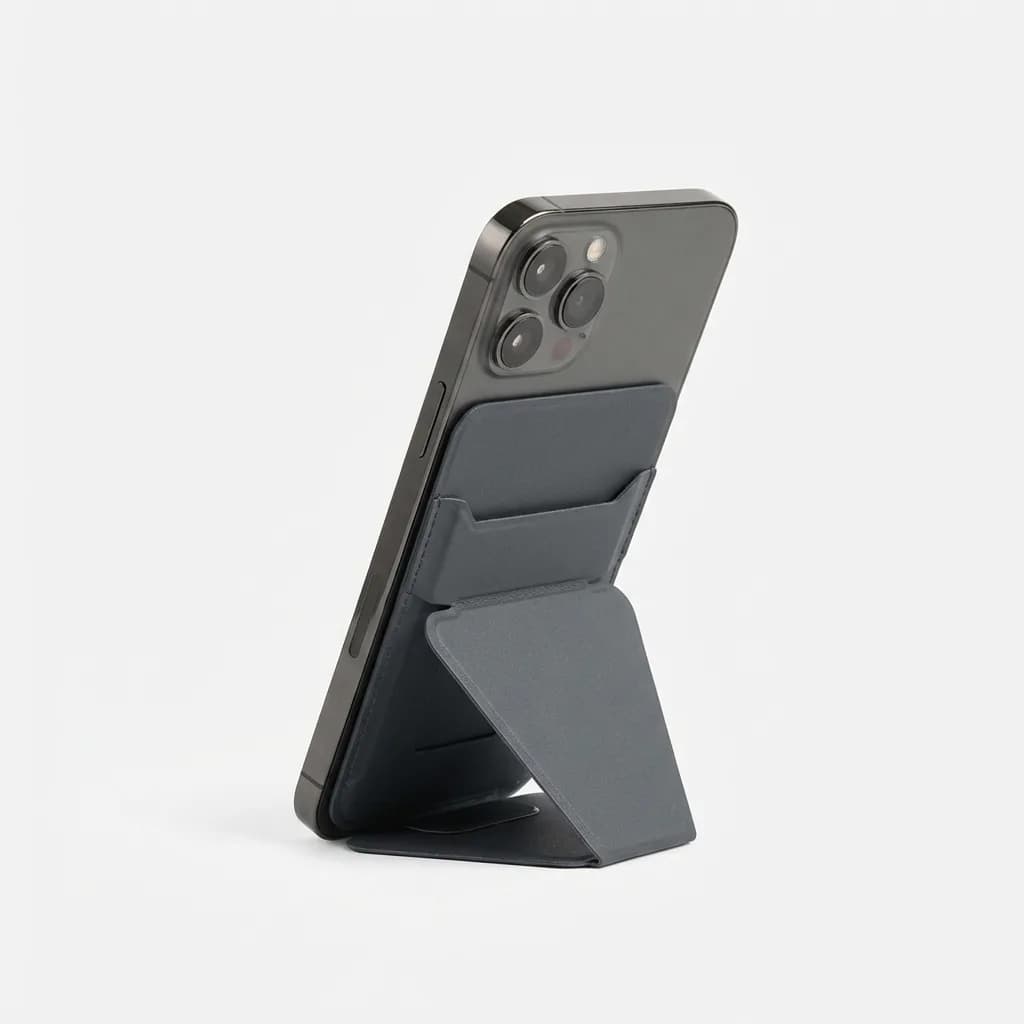
MOFT X Phone Stand
$25
Invisible adhesive stand with origami fold design. Offers four viewing angles and doubles as a card holder. Weighs 1.4 ounces and folds to 0.2 inches thick.
Angle Adjustability vs. Preset Positions
Continuous angle adjustment sounds ideal, but it introduces wobble. Preset notch systems lock into specific angles (typically 30, 45, and 60 degrees) and hold position better during calls. The Lamicall stand uses seven preset notches from nearly flat to almost vertical, covering every scenario from typing emails to eye-level video calls.
Continuous adjustment works if the friction hinge is tight enough. The Nulaxy A4 uses a dual-axis hinge that stays put at any angle between 5 and 85 degrees, but it's bulkier than notched designs. For travel, we prefer notched systems because they don't drift during calls and pack flatter.
Eye-level positioning matters more for video calls than most people realize. A 60-degree angle works fine for reading, but puts the camera below your chin on calls. You want 70 to 80 degrees for flattering camera angles, which rules out most ultra-compact stands. The Twelve South Compass Pro hits 80 degrees easily and includes a weighted steel disc that prevents tipping.
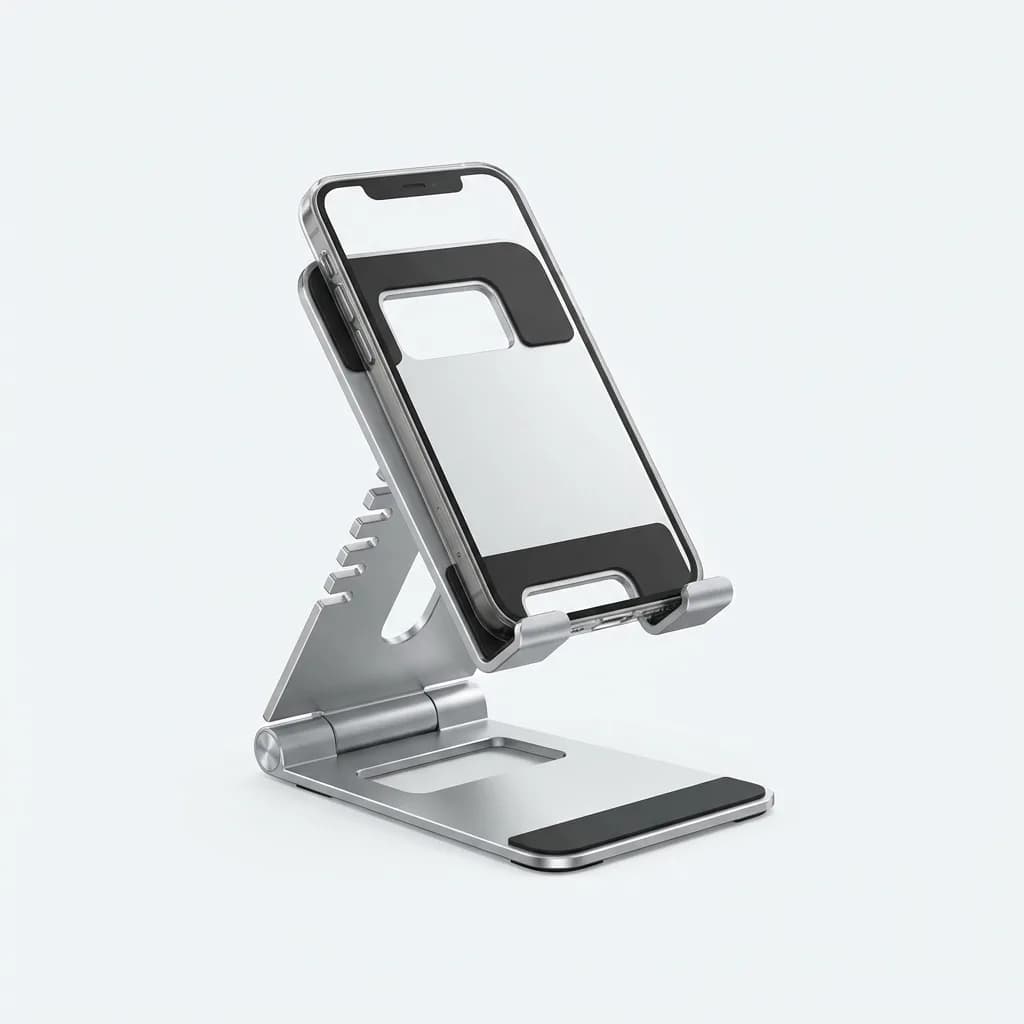
Lamicall Adjustable Phone Stand
$13
Seven-position notched stand with aluminum construction and rubber contact points. Supports phones up to 0.6 inches thick with cases. Folds to 0.4 inches.
Stability Tests That Matter
We test stands with three scenarios: tapping the screen to answer a call, swiping through slides during a presentation, and the vibration from an incoming call. Most stands handle the first two but fail the vibration test, walking themselves off the desk over the course of a 30-minute call.
Rubber feet solve this, but only if they're real rubber, not the hard plastic nubs some manufacturers pass off as grip. The iKlips DuoStand uses replaceable silicone pads on both the base and the phone contact points, preventing both desk slip and phone scratches.
Weight helps, but only up to a point. Stands over 8 ounces start feeling like packing a brick. The sweet spot is 3 to 5 ounces, heavy enough for stability without eating into your baggage allowance. Aluminum hits this range naturally, while plastic stands need deliberate counterweighting.
MagSafe-compatible stands eliminate tipover risk entirely by magnetically clamping the phone in place. The Belkin Boost Charge Pro uses a 1,500-gram magnetic hold, letting you adjust angles mid-call without the whole assembly sliding around. The downside is you need an iPhone 12 or newer, and the magnetic puck adds bulk.
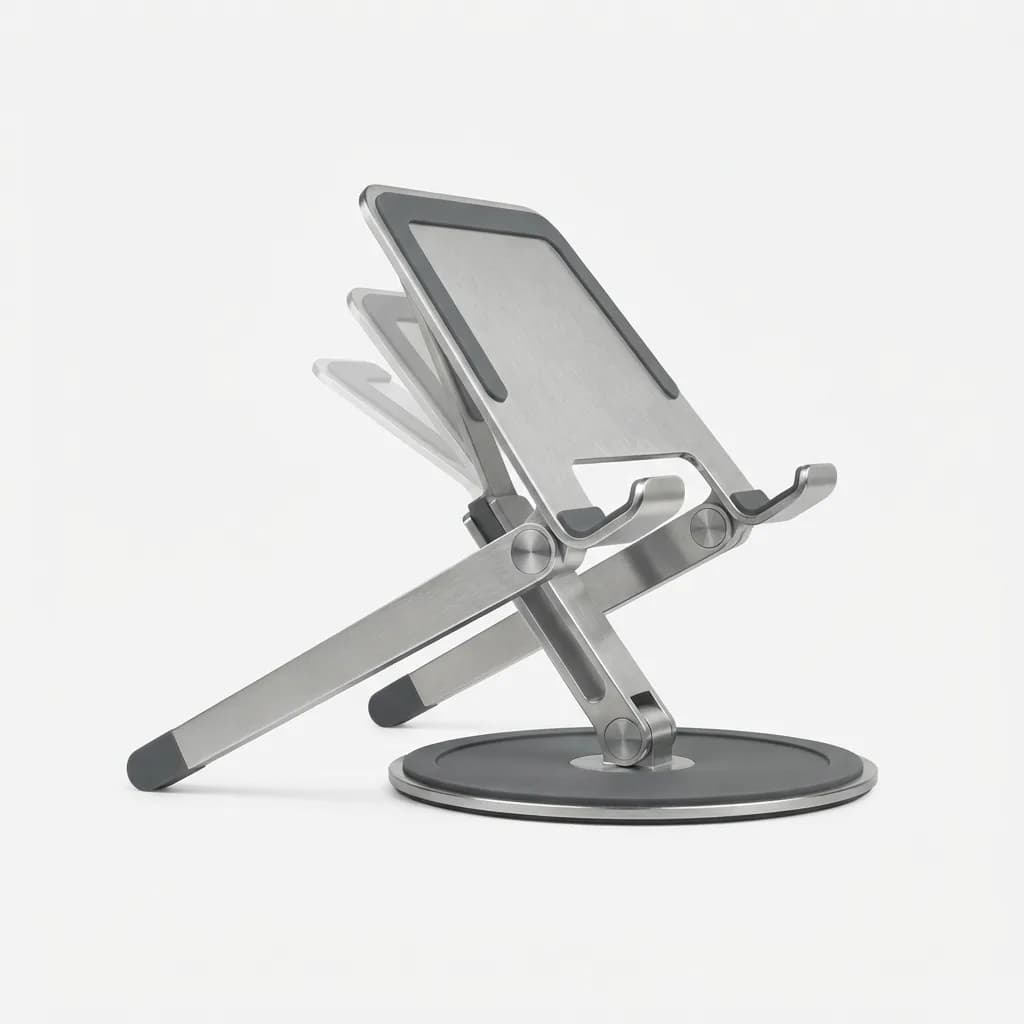
Twelve South Compass Pro
$40
Steel and silicone stand with weighted base disc. Adjusts to six angles including 80-degree eye-level position. Folds flat and weighs 4.8 ounces.
Portability Trade-Offs You Need to Know
The thinnest stands sacrifice either stability or adjustability. Card-thin designs like the MOFT X work great for quick calls but won't hold steady if you're gesturing or sharing your screen with taps and swipes. Full-size adjustable stands pack down to about half an inch thick, which is manageable in a laptop bag but won't slip into a back pocket.
Tripod-based stands solve the stability problem completely but triple the packed size. The Joby GripTight ONE offers telescoping legs and ball-head adjustment, perfect if you're shooting content or need precise camera positioning. For pure video calls, the added bulk isn't worth it unless you're also using the stand for photography.
Some stands combine functions to justify the space they take up. The MOFT X includes a card holder, the iKlips DuoStand has a built-in Lightning adapter for charging during calls, and the Anker Magnetic Stand doubles as a wireless charger. If you're already packing a charger, the combined option saves weight.
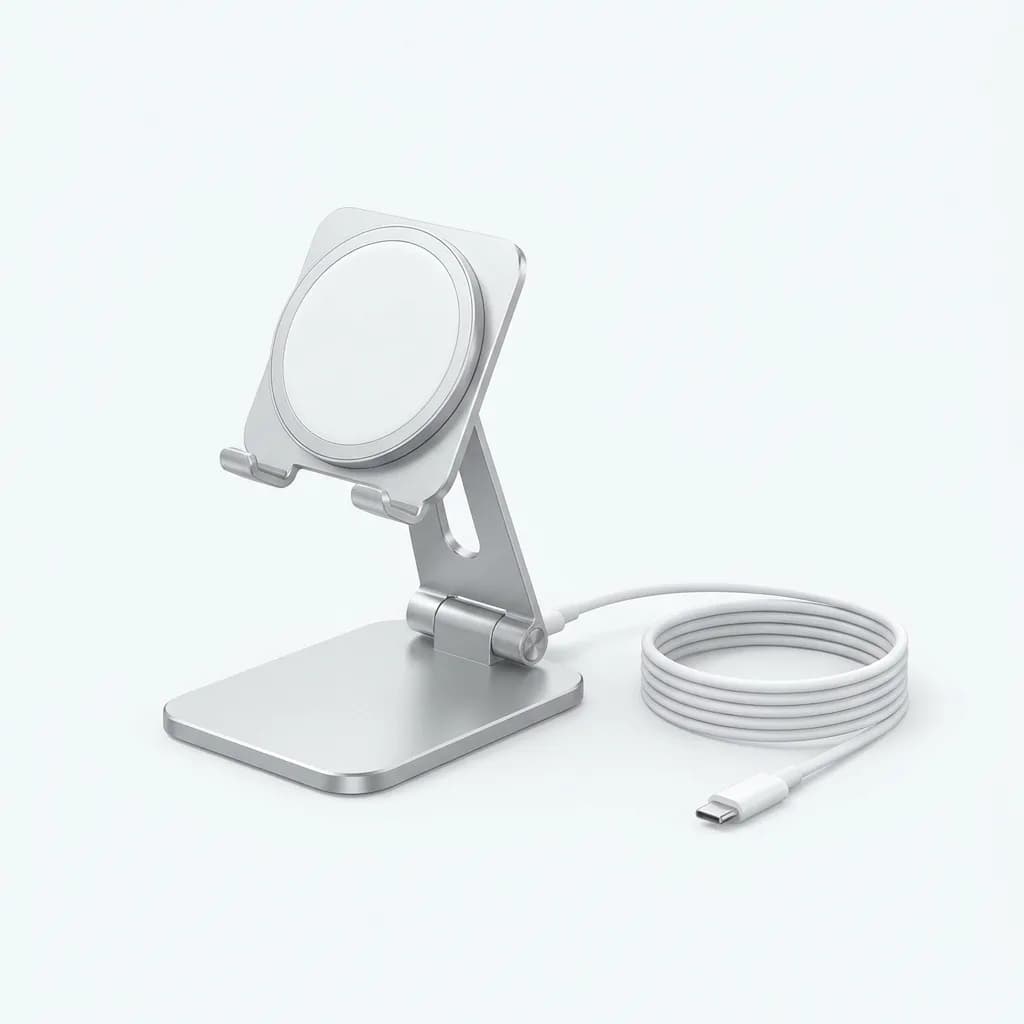
Anker Magnetic Phone Stand
$36
MagSafe-compatible stand with 15W wireless charging and weighted aluminum base. Adjusts continuously from 30 to 70 degrees. Includes 5-foot USB-C cable.
What Works in Real Hotel Rooms
Hotel desks are rarely ideal for video calls. They're too low, too close to the wall, or facing the wrong direction. A good travel stand needs enough height adjustment to compensate. Stands that raise the phone 4 to 6 inches off the desk surface get the camera closer to eye level without requiring a stack of books.
Lighting is the other problem. Most hotel rooms have overhead lights directly above the desk, which casts shadows on your face. Positioning your stand farther from the wall and using the window as a key light helps, but you need a stand stable enough to work on a cluttered desk or nightstand.
The Nulaxy A4's extended arm positions the phone 5 inches forward and 6 inches up, creating clearance for a laptop or notebook underneath. This matters when you're taking notes during a call or need to reference documents on your laptop while keeping the phone camera active.
Common Mistakes to Avoid
Buying a stand designed for watching videos, not taking calls. Video-watching stands prioritize low angles (30 to 45 degrees) for comfortable viewing, but video calls need 60 to 80 degrees to get the camera at face level. Check the maximum angle before buying.
Assuming lighter is always better. Ultra-lightweight stands (under 2 ounces) work fine for checking your phone, but they'll tip over during active calls. You need at least 3 ounces of well-distributed weight for stability.
Ignoring phone case compatibility. Thick cases (over 0.4 inches) don't fit in stands with narrow slots or tight clamps. The Lamicall and Twelve South models both accommodate cases up to 0.6 inches, covering even the bulkiest protective cases.
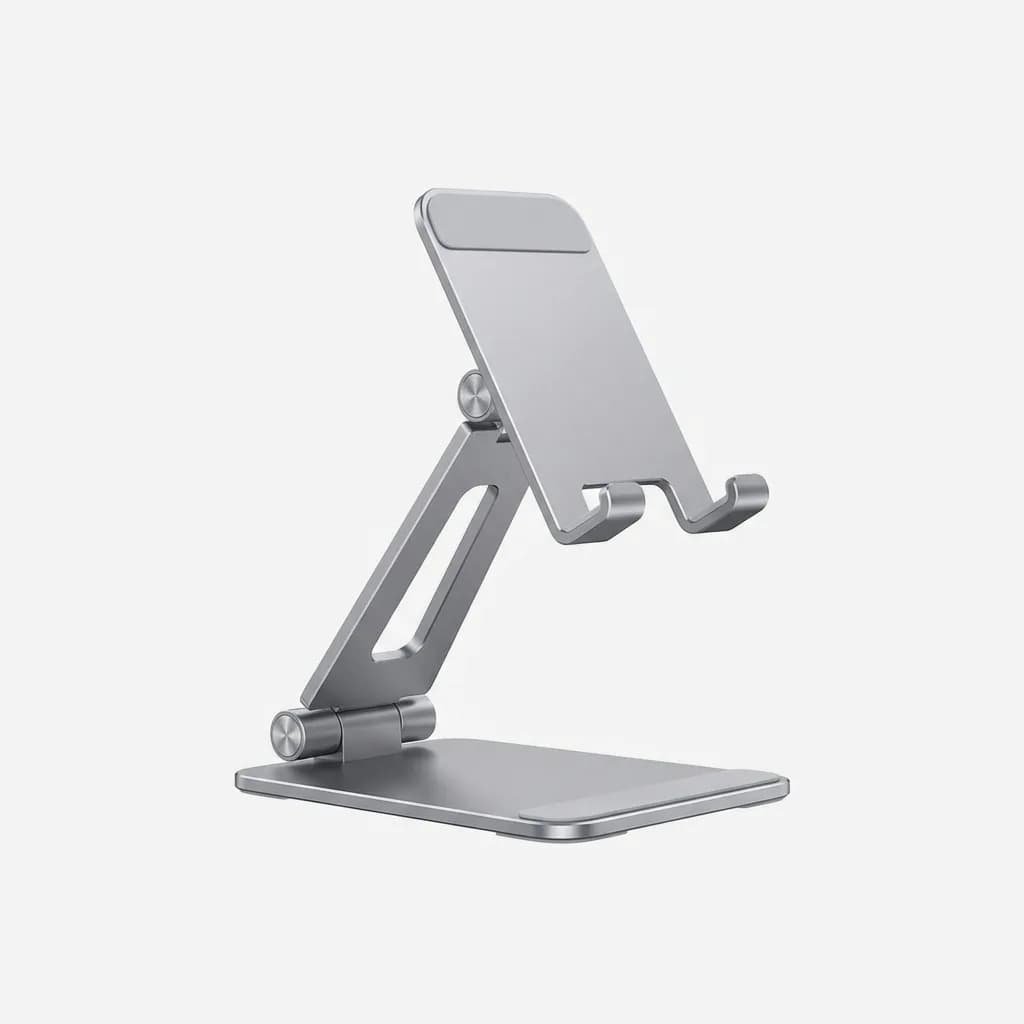
Nulaxy A4 Phone Stand
$18
Extended arm design with dual-axis continuous adjustment. Raises phone 6 inches high and 5 inches forward. Non-slip base and protective silicone pads.
The Verdict on Travel Phone Stands
For most travelers, the Lamicall adjustable stand hits the best balance of stability, adjustability, and portability. It's light enough to toss in any bag, stable enough for active video calls, and costs less than a checked bag fee.
If you need the absolute thinnest option and don't mind trading some stability, the MOFT X disappears into a wallet pocket. MagSafe users should look at the Anker stand for the added benefit of wireless charging, especially on trips where outlet access is limited.
The Twelve South Compass Pro is worth the premium if you're taking multiple calls per day on the road. The weighted base and steel construction eliminate the fidgeting and readjustments that plague cheaper stands, and it folds flat enough for daily carry.
The Weekly Dispatch
Enjoying this article?
Subscribe and get our best gear picks delivered every Sunday morning.
Related Stories
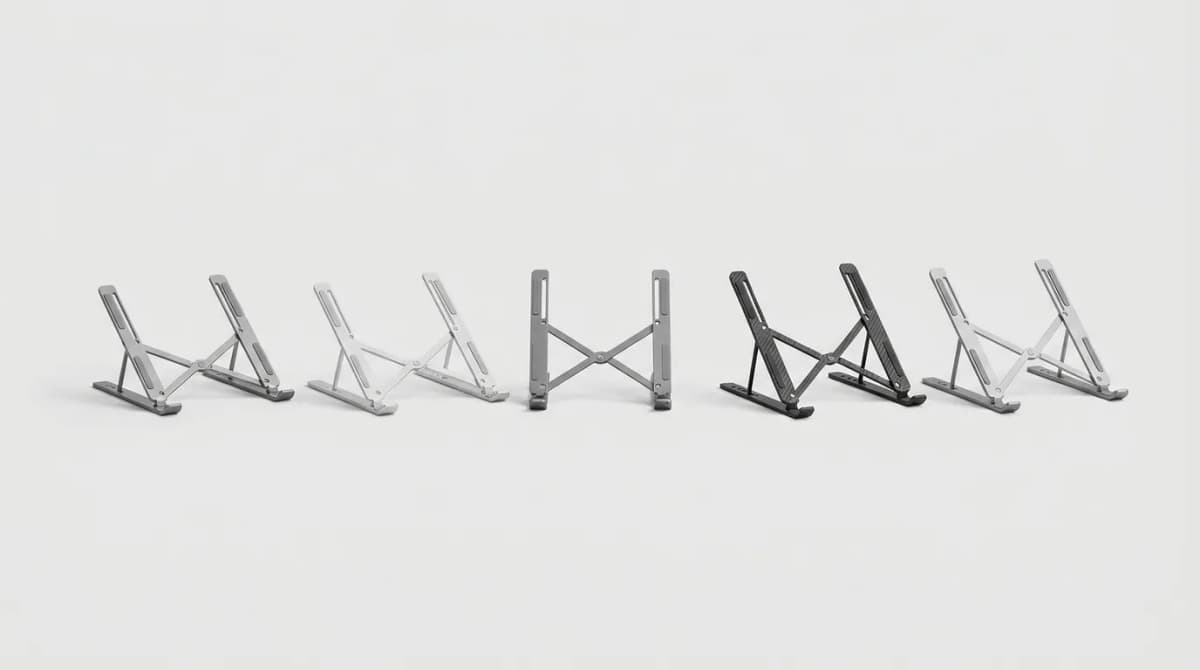
Best Portable Laptop Stands Under 1 Pound
Ultralight laptop stands that weigh less than 1 pound but still deliver stable ergonomic lift. We tested fold size, airflow, and real-world stability.
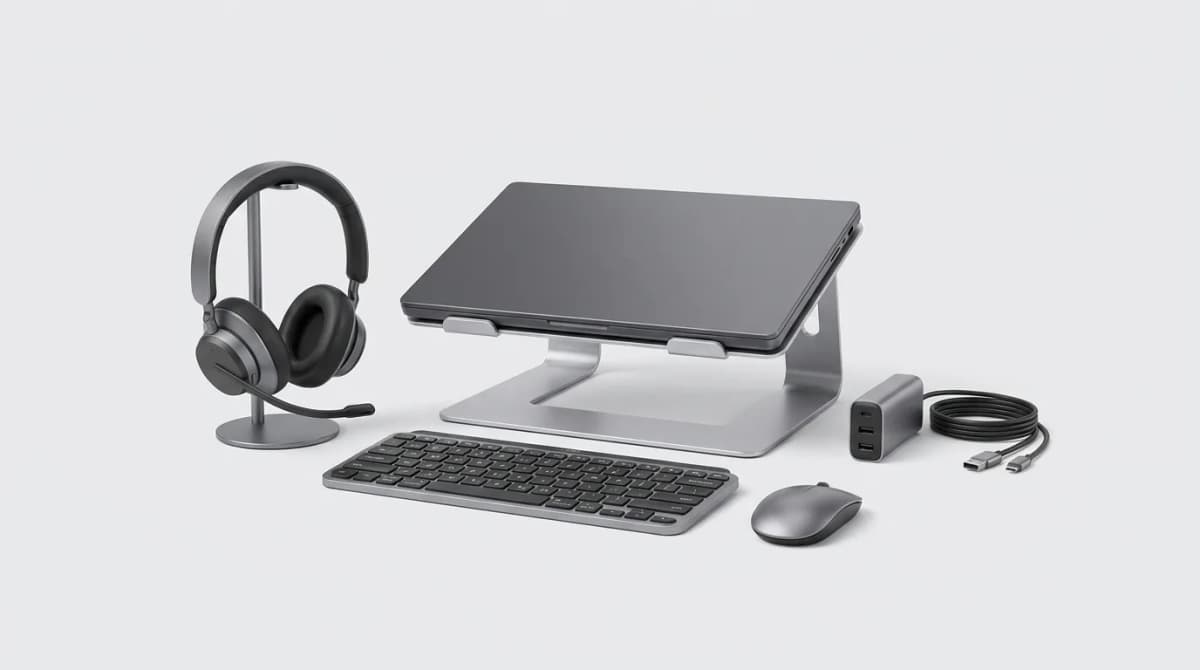
Best Work From Anywhere Kit Under 300 Dollars
Building a complete mobile work setup for under 300 dollars means choosing gear that pulls double duty and skipping the nice-to-haves that don't matter.
Battery Safety for Travelers: What to Know
Airline rules, storage tips, and damage prevention strategies for lithium batteries and power banks when traveling. What TSA allows and what to avoid.