Winter Commuter Kit: Gloves Beanies Layers
Touchscreen gloves that actually work, beanies that fit under helmets, and base layers that regulate temperature without bulk. Here's what matters for winter commutes.
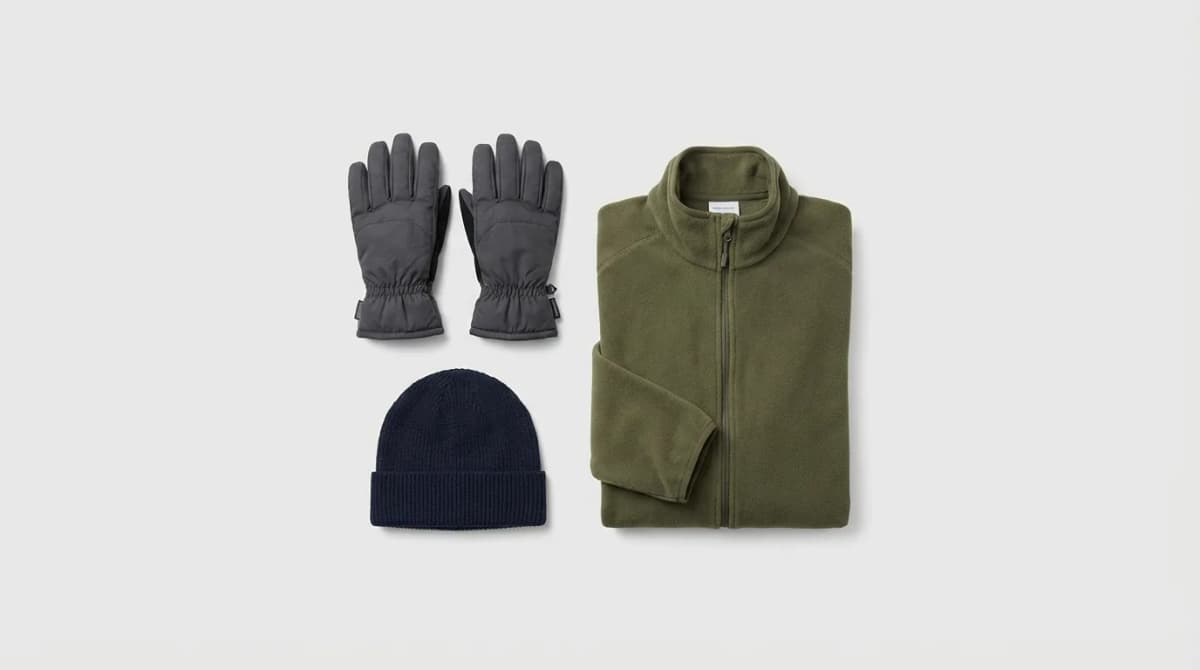
Your commute doesn't stop when temperatures drop. But standing on a platform at 6 AM in 20-degree weather wearing the wrong gloves, fumbling with your phone while your fingers go numb, teaches you what matters fast.
Winter commuter gear isn't about looking like you're summiting Everest. It's about staying warm enough to function, thin enough to layer under a coat, and practical enough that you can still use your phone, open doors, and not look ridiculous in the office.
After testing dozens of gloves, beanies, and base layers through subway commutes, bike rides, and freezing bus stops, we've identified what actually works when you need warmth without bulk.
Touchscreen Gloves That Actually Register Taps
Most touchscreen gloves are garbage. The conductive material either stops working after a few washes or requires you to press so hard you're activating three apps at once.
The best ones use silver-coated thread in the fingertips and work consistently across all capacitive screens. Look for gloves where the entire fingertip pad is conductive, not just a tiny patch.
Liner gloves work better than insulated touchscreen gloves. You get finer control, they fit under shell gloves when it's brutally cold, and they dry faster if they get wet. The downside is warmth - they're only good down to about 30 degrees on their own.
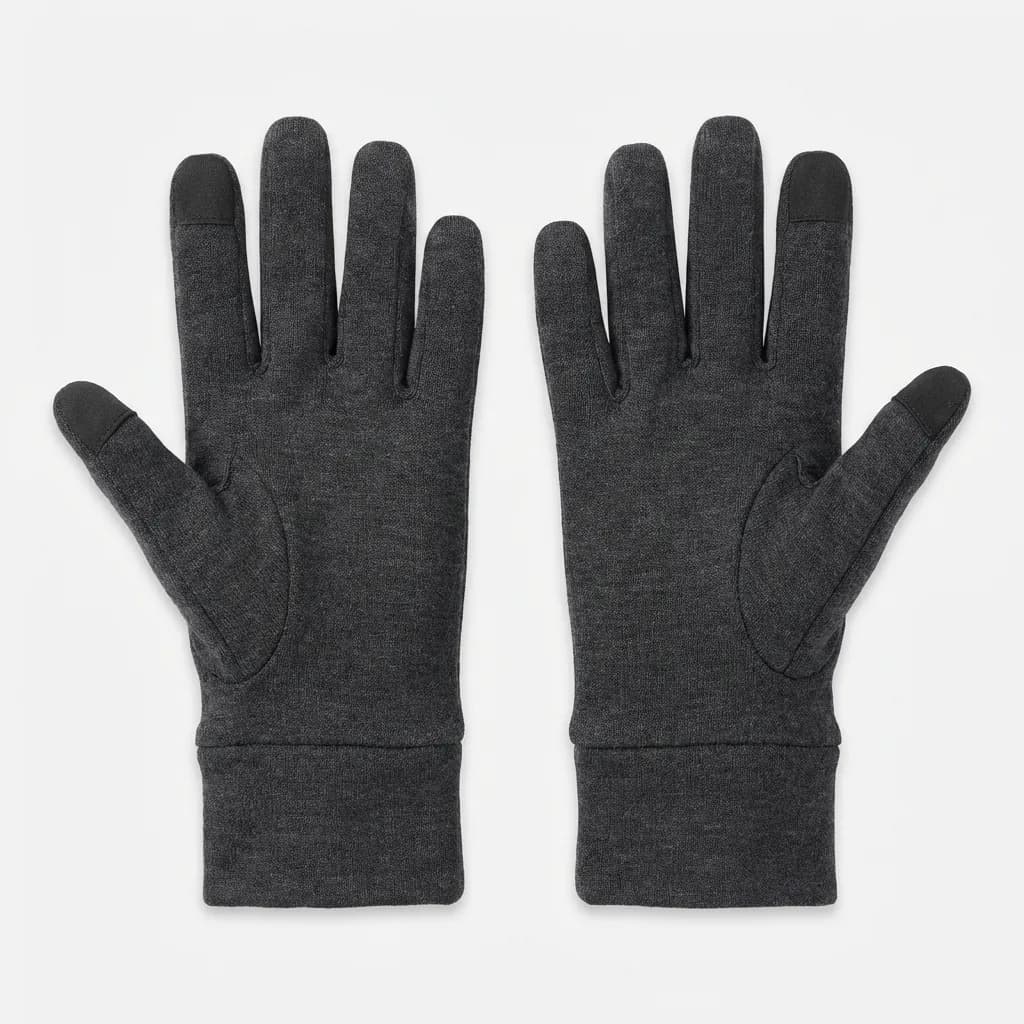
Outdoor Research PL 150 Sensor Gloves
$25
Merino wool blend liner gloves with full-finger touchscreen compatibility. Work reliably on all phones and stay functional after 20+ washes. Warmth to 30F solo, lower when layered.
For serious cold, you need a shell glove system. Wear thin touchscreen liners underneath waterproof shells, then pull off the shell when you need your phone. It's clunky but it works.
Avoid leather touchscreen gloves. They look great but the conductive pads wear out fast and they're useless when wet.
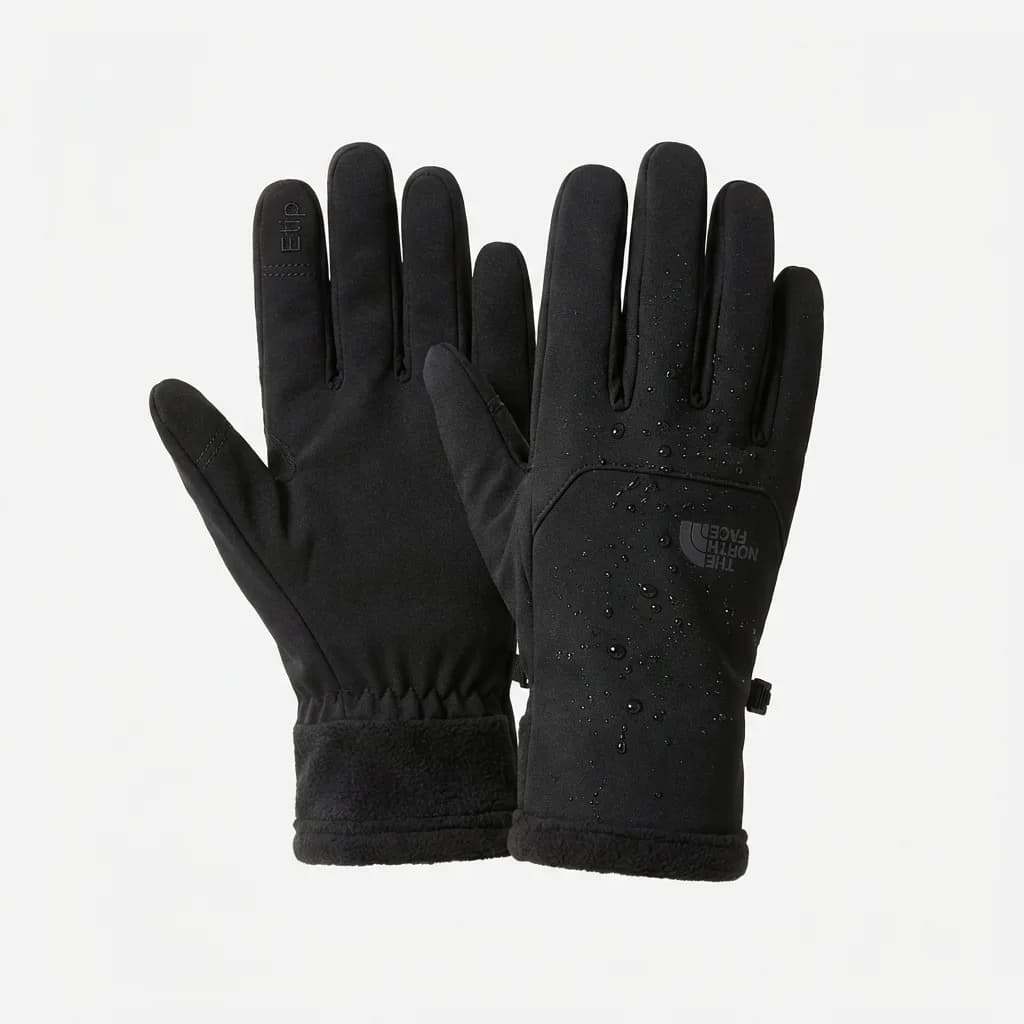
The North Face Etip Hardface Gloves
$40
Softshell gloves with full five-finger touchscreen capability and fleece lining. Wind-resistant, water-repellent coating. Effective down to 25F. Durability holds through a full winter.
Do You Really Need a Commuter-Specific Beanie?
Yes, if you wear a helmet. Bike commuters and anyone wearing hard hats need a beanie thin enough to fit underneath without creating pressure points.
Standard winter beanies are too thick. They bunch up, push the helmet off-center, or create a gap that lets cold air in. You need a skull cap or a thin merino beanie with no cuff.
Merino wool beats synthetics for all-day wear. It regulates temperature better, doesn't smell after a week of commutes, and dries reasonably fast. The tradeoff is durability - merino develops holes faster than acrylic blends.
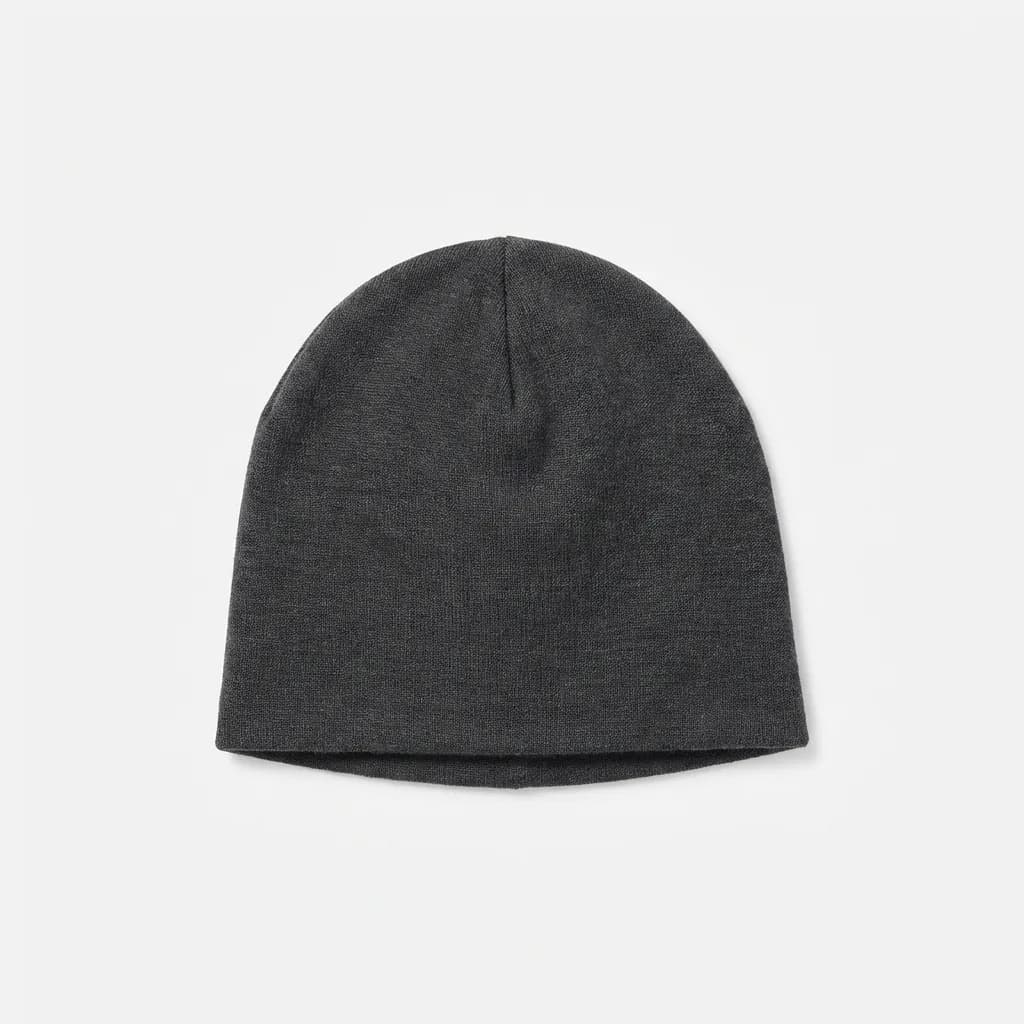
Smartwool Merino 150 Beanie
$30
Lightweight merino wool skull cap that fits under helmets. 150 weight fabric balances warmth and breathability. Machine washable. Holds shape through 30+ washes before pilling.
If you're not wearing a helmet, get a cuff beanie that covers your ears completely. Half the heat loss happens through your head and ears. A thin beanie that slides up exposes your ears to wind and defeats the purpose.
Watch for beanies that are too long. The slouchy look works until you're indoors and can't take it off without looking like you're wearing a deflated sock on your head.
The Layering System That Actually Works for Commuters
Here's what doesn't work: wearing a giant puffer coat with a t-shirt underneath. You're either freezing on the platform or sweating through your shirt on the train.
The right system is base layer, mid layer, shell. Adjust based on temperature and activity level.
Base layers should be merino wool or synthetic, not cotton. Cotton holds moisture and makes you colder when you stop moving. Merino regulates temperature better but costs more and wears out faster. Synthetics dry faster and last longer but smell worse.
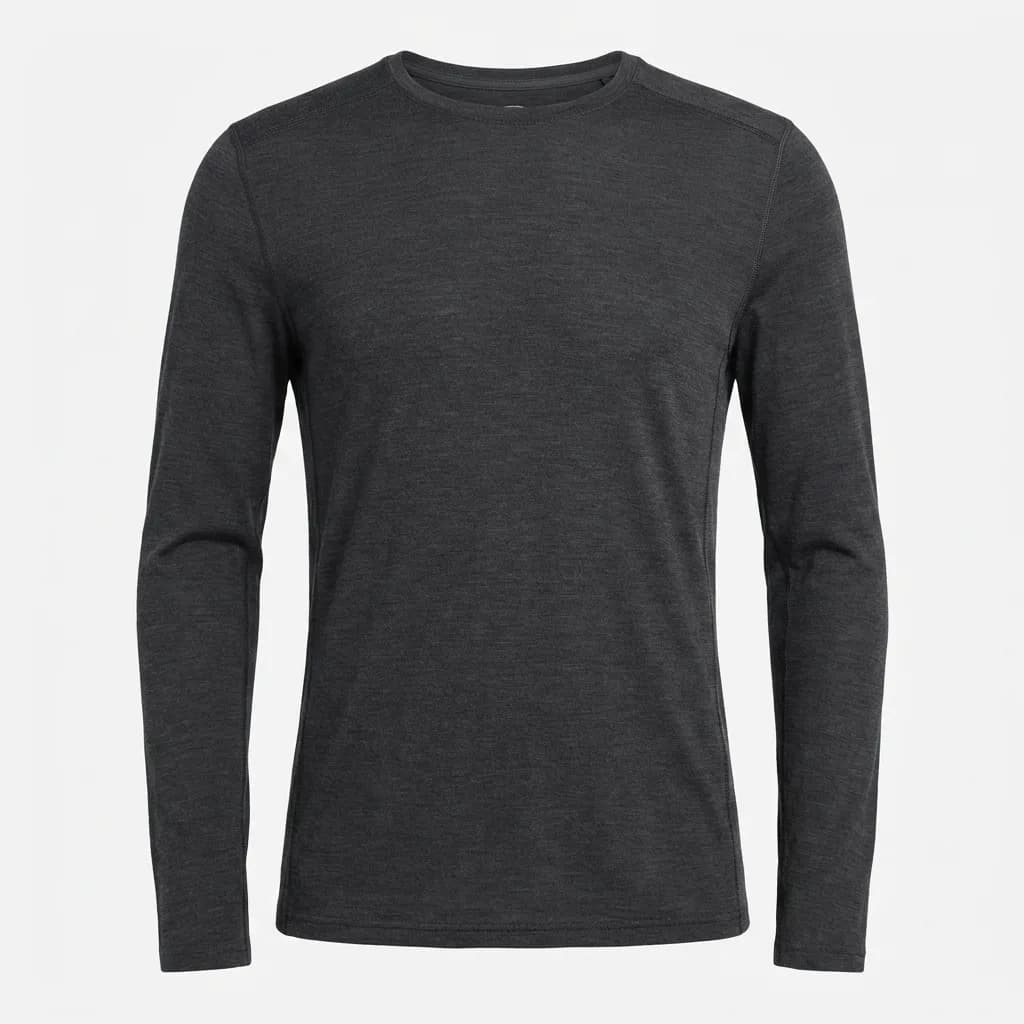
Icebreaker 200 Oasis Long Sleeve Crew
$80
Merino wool base layer in 200 weight. Temperature regulation down to 20F when layered. Flatlock seams prevent chafing. Odor resistance lasts 3-5 wears between washes.
Weight matters more than you think. 150-weight merino is for cool weather, 200-weight for cold, 260-weight for extreme cold. Most commuters need 200-weight. Go heavier and you'll overheat indoors. Go lighter and you'll layer too much to compensate.
Mid layers add insulation without bulk. Fleece works but synthetic puffy jackets pack smaller and maintain warmth when wet. Look for jackets thin enough to wear under a shell but warm enough to wear solo when it's dry.
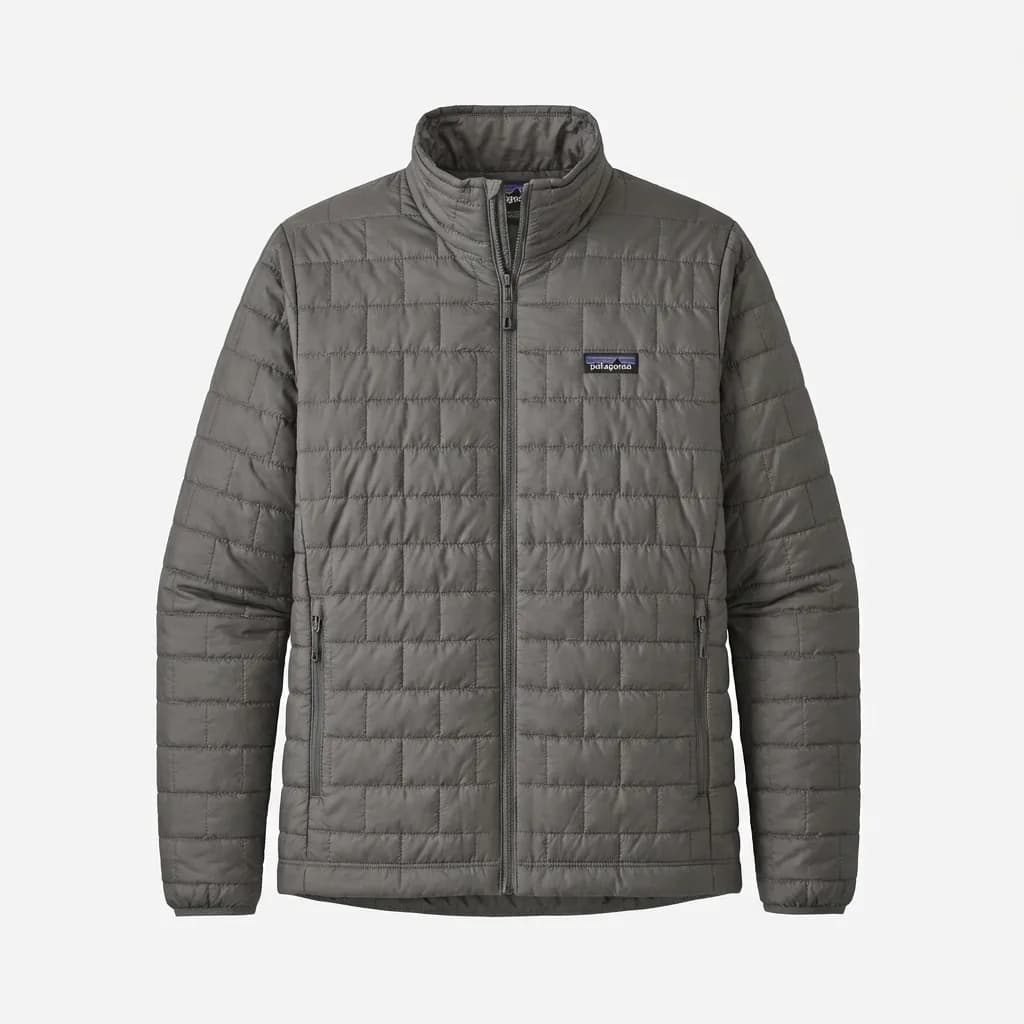
Patagonia Nano Puff Jacket
$229
60g PrimaLoft synthetic insulation in a compressible package. Warmth-to-weight ratio beats fleece. Water-resistant shell. Packs into its own pocket. Effective as mid-layer down to 15F.
Shell layers block wind and water. You don't need a $500 Gore-Tex mountaineering jacket. You need something that keeps you dry during a 15-minute walk and blocks wind on the platform.
What About Waterproof vs Water-Resistant?
Waterproof means fully sealed seams and a membrane that blocks all water. Water-resistant means a DWR coating that sheds light rain for 20-30 minutes before soaking through.
For commuting, water-resistant is usually enough. Most commutes are under 30 minutes and you're not standing in a downpour. Save the waterproof gear for hiking.
The exception is if you bike commute in heavy rain. Then you need waterproof or you'll arrive soaked. Look for jackets with pit zips for ventilation, otherwise you'll sweat as much as you would in the rain.
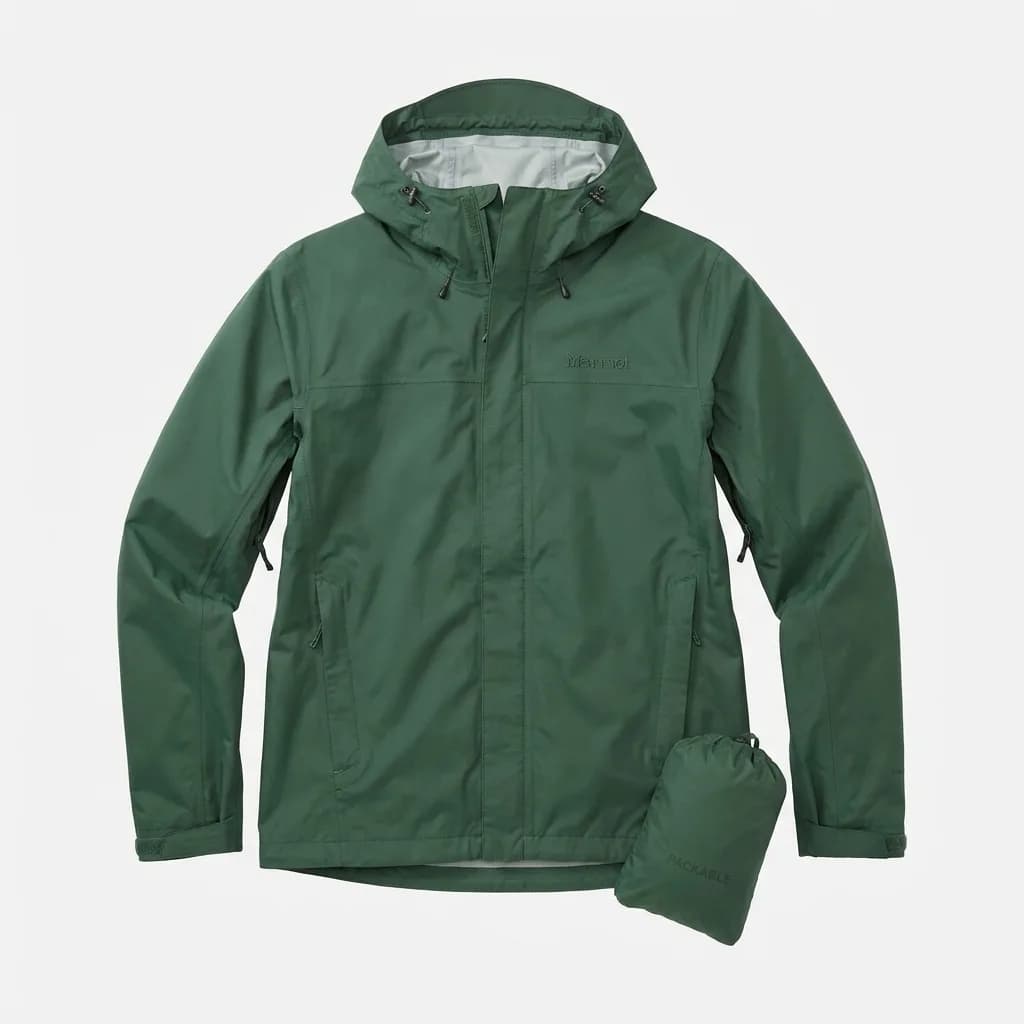
Marmot PreCip Eco Jacket
$100
Fully waterproof 2.5-layer jacket with sealed seams and adjustable hood. Packs into its own pocket. Pit zips for ventilation. 100% recycled materials. Weighs 10 oz in size medium.
The One Thing Most Commuters Forget
Neck protection. You can have perfect gloves, the best beanie, and a dialed layering system, but if cold air is hitting your neck, you're miserable.
A merino buff or neck gaiter solves this. You can pull it up over your face when it's brutally cold, wear it as a scarf when it's moderate, or stuff it in a pocket when you don't need it.
Avoid cotton scarves. They're bulky, hold moisture, and you can't adjust coverage easily. A synthetic or merino tube is lighter, more versatile, and dries faster.
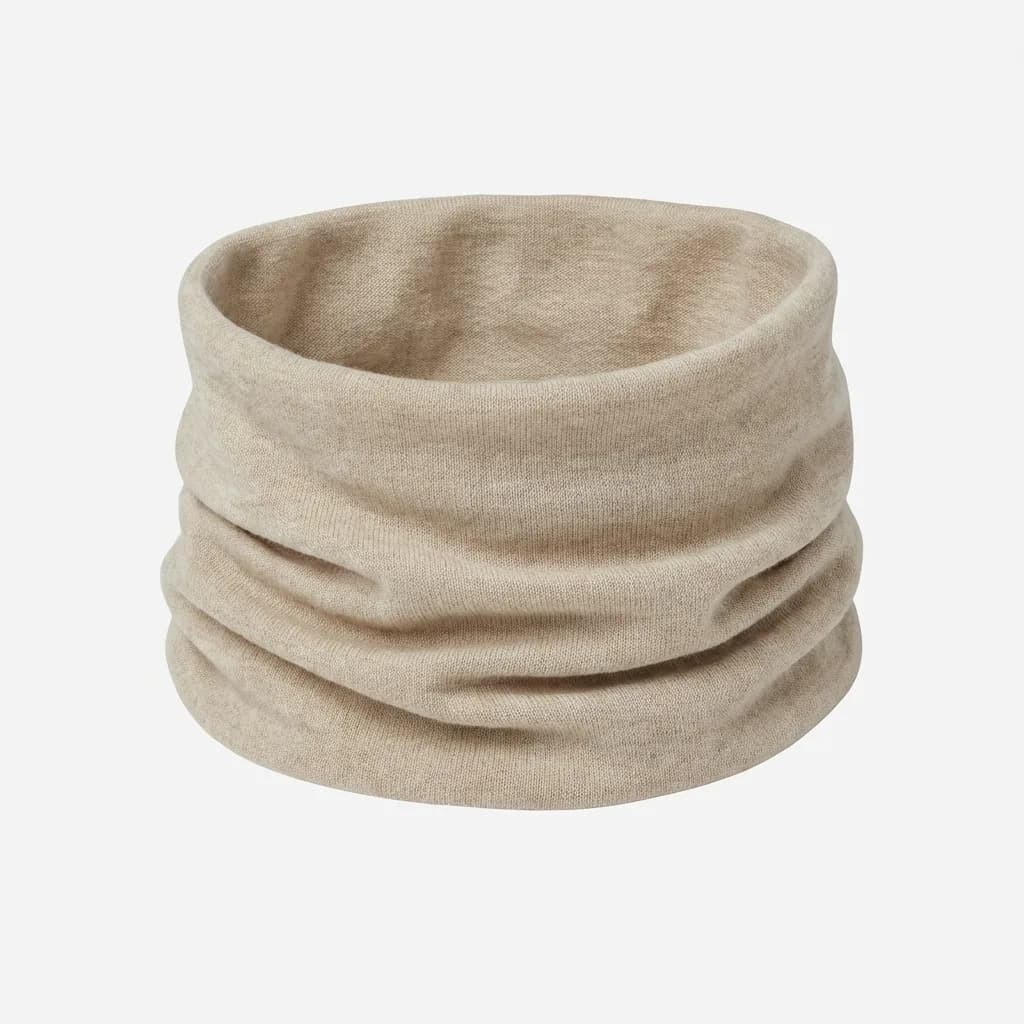
Buff Merino Wool Multifunctional Neckwear
$30
Seamless merino tube that works as neck gaiter, face mask, or headband. Odor-resistant, moisture-wicking. One size fits most. More versatile than a scarf, less bulk than a balaclava.
Common Mistakes That Make Winter Commutes Worse
Overdressing is as bad as underdressing. If you're sweating on your way to work, you'll be cold and damp all day. Dress so you're slightly cool for the first five minutes, then comfortable once you're moving.
Ignoring your feet. Cold feet ruin everything. Wool socks and insulated boots matter more than you think. Thin dress socks in leather shoes might look professional but you'll hate every minute of your commute.
Buying cheap gloves. You use your hands constantly during a commute - opening doors, holding railings, checking your phone. Gloves that fall apart after two weeks or don't actually keep you warm are a waste of money. Spend $30-40 and get something that lasts.
Not testing your gear before it gets truly cold. The first 20-degree morning isn't the time to discover your gloves don't work with your phone or your beanie doesn't fit under your helmet.
Wrapping Up
Winter commuting comes down to three things: keeping your extremities warm, layering intelligently, and choosing gear that works with your actual routine.
You don't need expedition-grade equipment. You need stuff that's warm enough for standing around, breathable enough for walking, and practical enough that you can function normally.
The gear above handles subway platforms, bike commutes, and cold bus stops without turning you into the Michelin Man or leaving you fumbling with frozen fingers. Start with touchscreen gloves and a merino base layer. Everything else you can add as the temperature drops.
The Weekly Dispatch
Enjoying this article?
Subscribe and get our best gear picks delivered every Sunday morning.
Related Stories
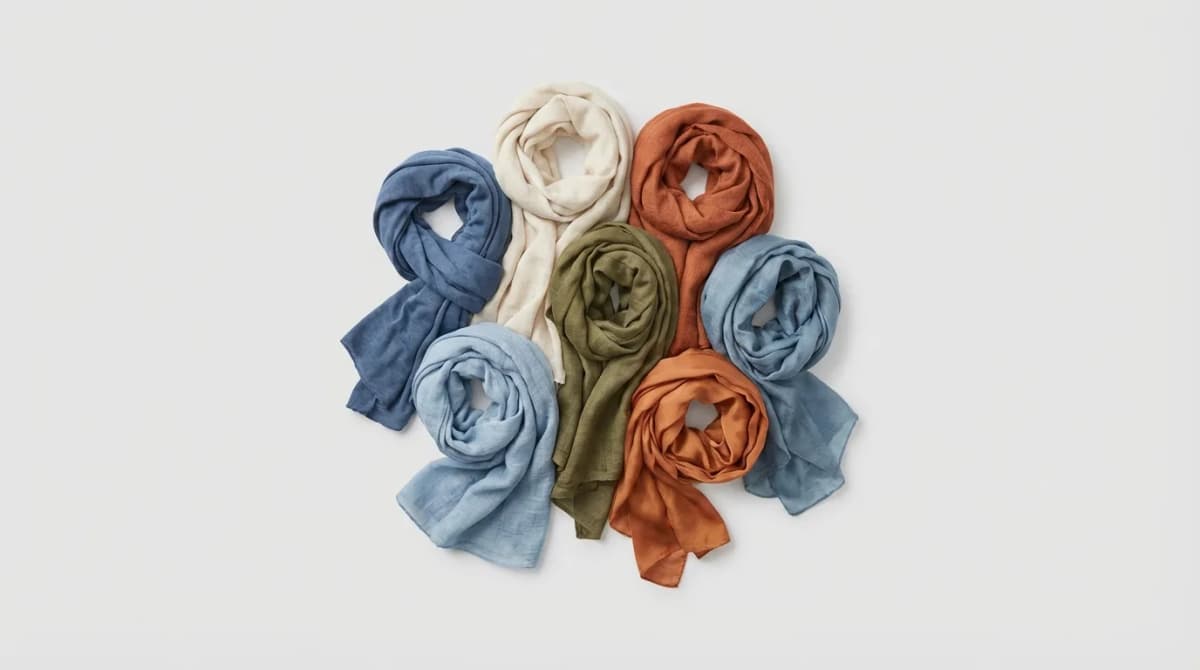
Best Lightweight Scarves for Travel in 2026
Discover the best lightweight travel scarves that pack small, provide warmth, and serve multiple purposes. From merino wool to silk blends, here's what works.
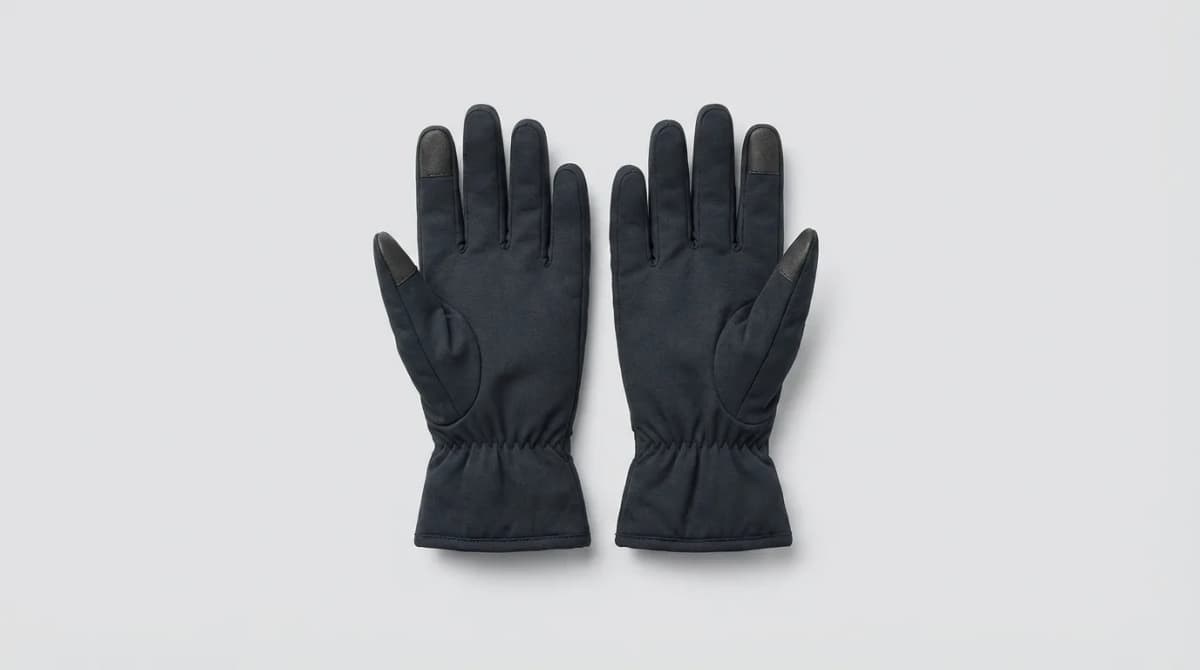
Touchscreen Gloves That Actually Work
Most touchscreen gloves fail at basic tasks. We tested dozens to find models with reliable conductive tech, real warmth, and durability that survives daily use.
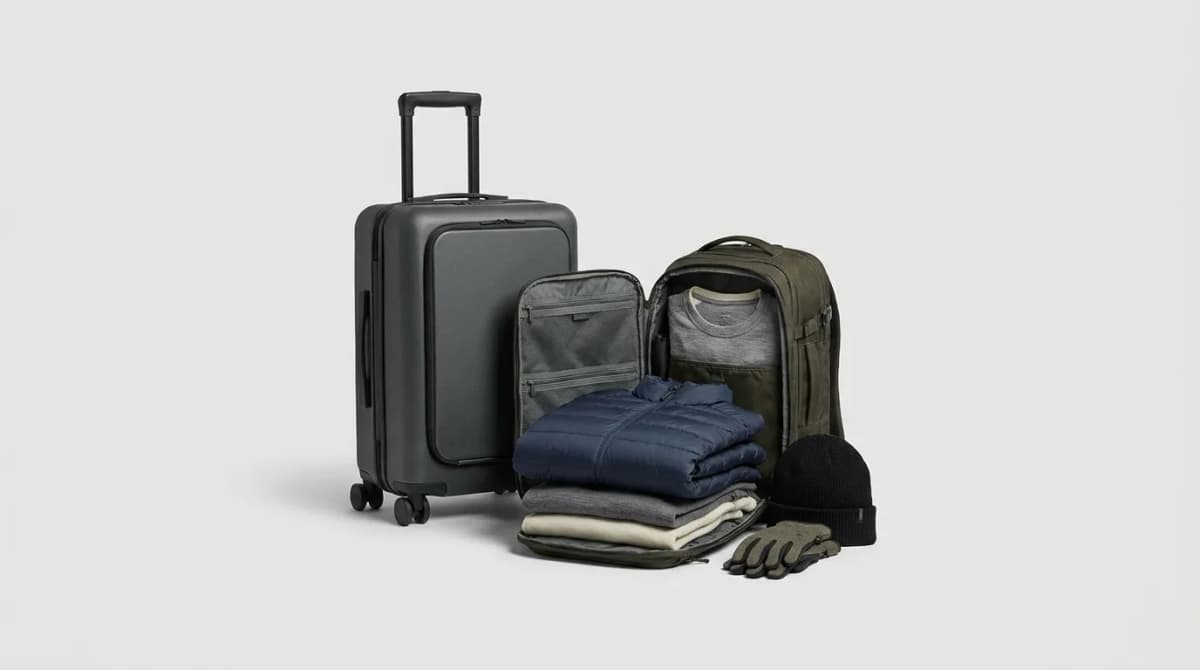
Carry On Packing List for Cold Weather Trips
Master cold weather travel with a carry-on. This list focuses on layering strategies, compact warmth, and versatile pieces that handle freezing temps.