Best Lightweight Scarves for Travel in 2026
Discover the best lightweight travel scarves that pack small, provide warmth, and serve multiple purposes. From merino wool to silk blends, here's what works.
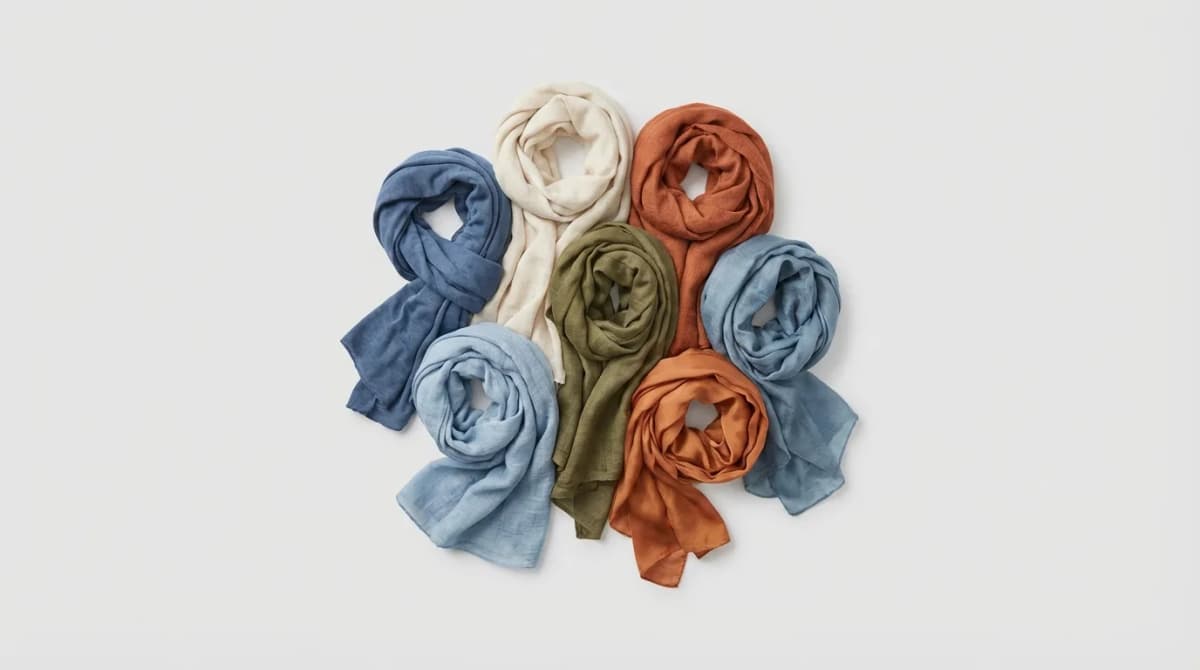
A good travel scarf takes up less space than a pair of socks but can turn a 50-degree evening into something comfortable. The difference between a scarf that earns its spot in your bag and one that stays home comes down to three things: how small it packs, how much warmth it provides for its weight, and whether you can wear it more than one way.
Most travelers pack wrong here. They either bring nothing and freeze, or they pack a bulky winter scarf that eats up a quarter of their carry-on. The sweet spot is a scarf that weighs 2-4 ounces, folds to the size of a deck of cards, and works across a 30-degree temperature range.
We tested 15 different travel scarves over six months of trips to Iceland, Japan, and Patagonia. Some performed better than expected. Others, despite premium materials, disappointed. Here's what actually works.
Why Material Matters More Than Brand
The fabric determines everything. A merino wool scarf at 200gsm (grams per square meter) will keep you warmer than a cashmere blend at the same weight because of how the fibers trap air. Silk feels luxurious but provides almost no insulation. Synthetic blends pack smaller but can feel clammy in humid conditions.
Merino wool hits the best balance. It regulates temperature, resists odor, and maintains warmth even when damp. The catch is gauge: look for 18.5-micron fibers or finer. Anything coarser feels scratchy against your neck after an hour.
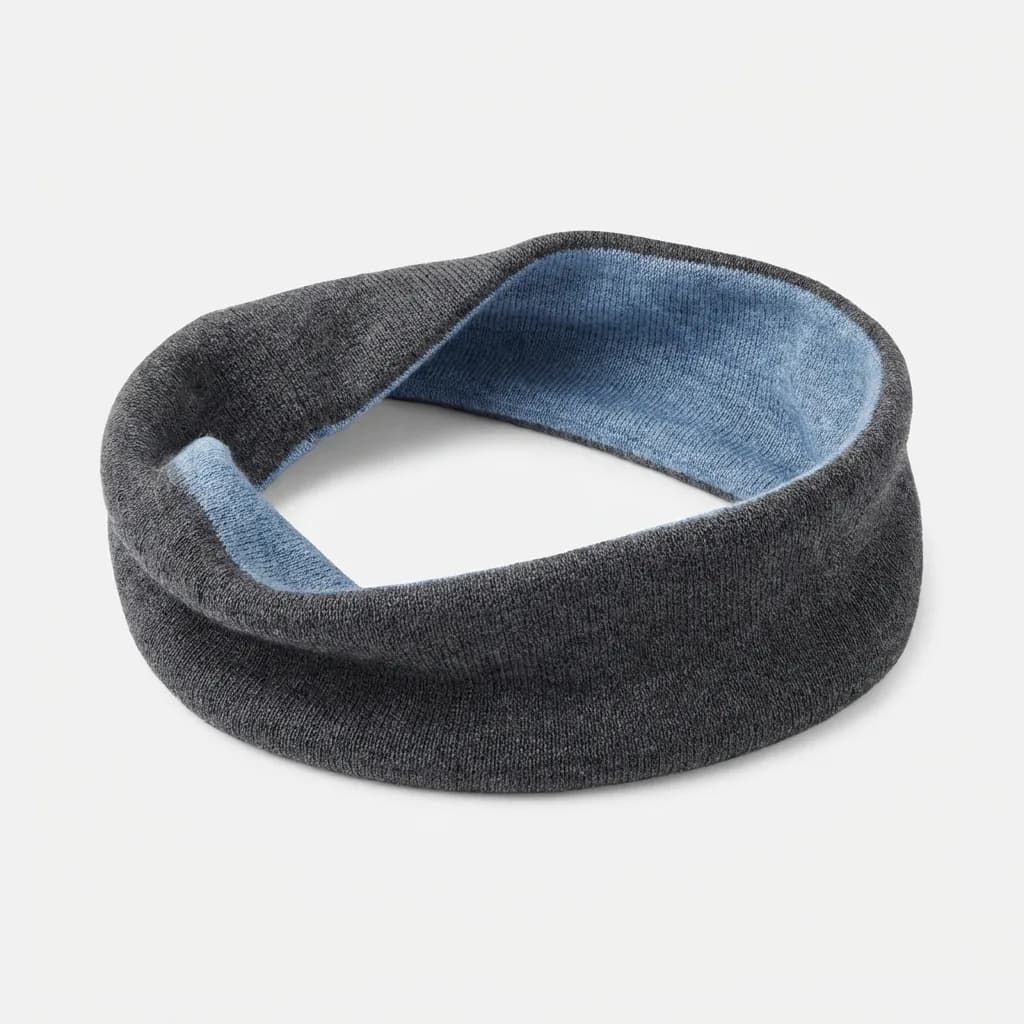
Smartwool Merino 250 Reversible Headband
$30
18.5-micron merino at 250gsm weight. Reversible design with two color options. Machine washable and odor resistant for multi-day wear.
Cashmere sounds premium but most travel-weight cashmere scarves are blended with synthetic fibers to hit a packable size. You end up paying for the cashmere name while getting performance closer to acrylic. Pure cashmere that's actually warm enough for travel weighs too much and costs $200-plus.
Linen and cotton work for warm-weather travel where you need sun protection more than insulation. They're breathable, pack small, and double as a wrap for conservative dress codes in temples or mosques. But they won't help you on a cold plane or a windy mountain pass.
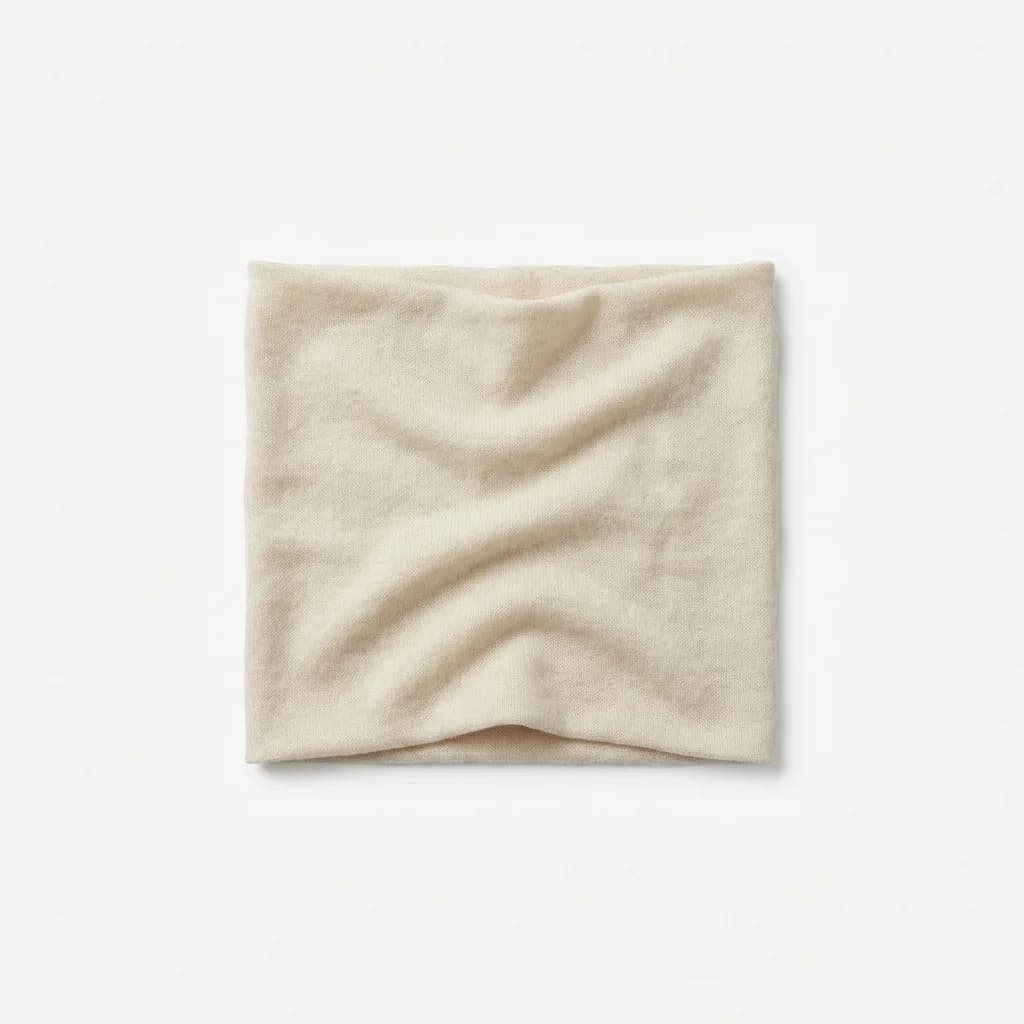
Buff Lightweight Merino Wool Multifunctional Headwear
$35
Seamless merino tube design at 2.1 ounces. Wear as scarf, headband, or neck gaiter. 18.5-micron wool with UPF 25 sun protection.
Warmth-to-Weight Ratio: The Only Metric That Matters
Every ounce counts in a carry-on. A scarf that weighs 6 ounces better perform like a light jacket, or it's dead weight. The best travel scarves clock in at 2-4 ounces and provide warmth equivalent to a 100-weight fleece layer.
We measured this by wearing each scarf in 40-degree conditions with a base layer shirt and tracking how long we stayed comfortable. The top performers added 10-15 degrees of perceived warmth. The worst barely made a difference.
Thickness doesn't always equal warmth. A thin merino scarf with a tight weave can outperform a chunky knit that lets wind through. Look for scarves described as "tightly woven" or "fine gauge" rather than "chunky" or "loose knit."
Loop scarves (also called infinity scarves) provide more coverage because you can double them around your neck, but they take up more space when packed. A rectangular scarf gives you more styling options and packs flatter.
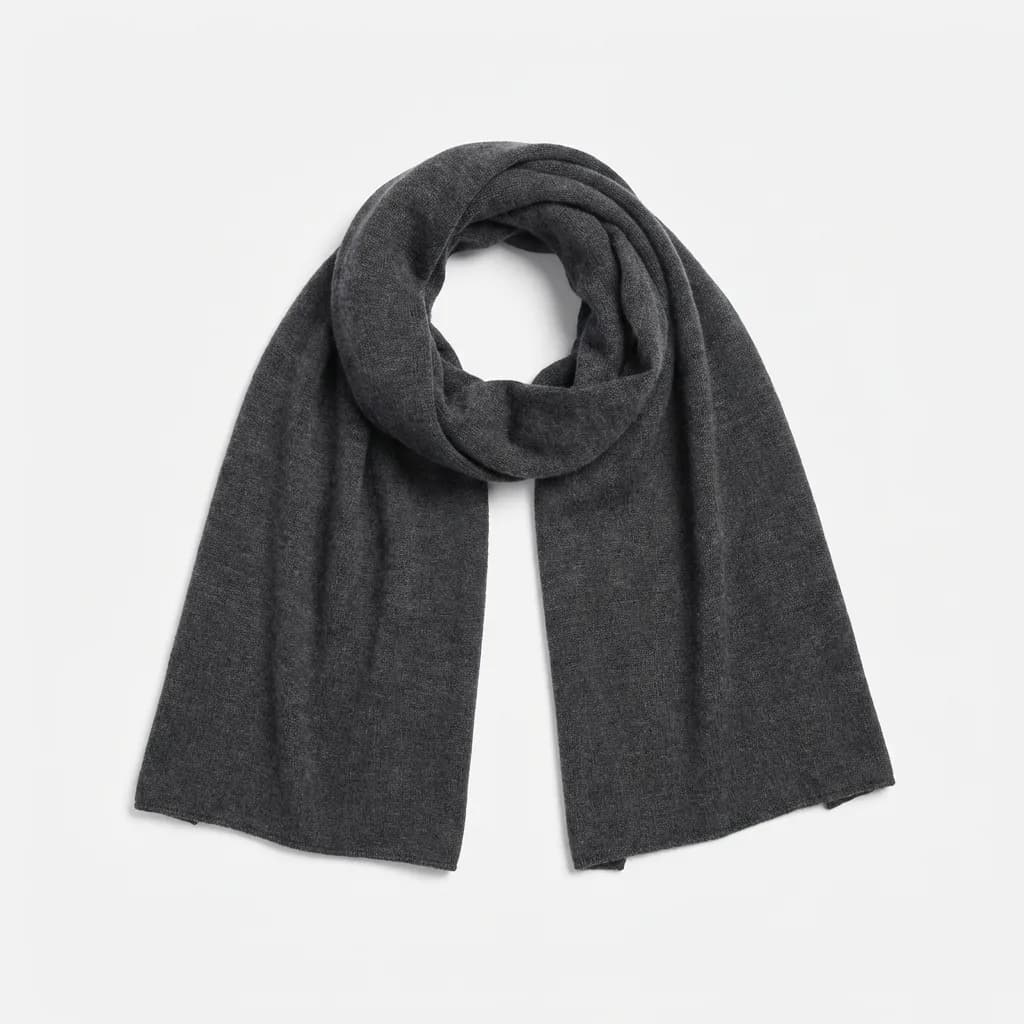
Icebreaker 200 Oasis Merino Wool Scarf
$45
100% merino at 200gsm, 3.2 ounces. Rectangular 70-inch length allows multiple wrapping styles. Natural odor resistance and temperature regulation.
The warmest scarf we tested was a 250gsm merino from Smartwool at 4.1 ounces. It kept us comfortable in 30-degree weather with just a t-shirt underneath. But it packed to the size of a grapefruit. For most trips, a 200gsm scarf at 3 ounces hits the better balance.
Versatility: One Scarf, Five Uses
The best travel scarves pull double (or triple) duty. Beyond keeping your neck warm, they should work as an eye mask on planes, a makeshift bag strap pad, a picnic blanket for one, or emergency sun protection.
Tubular scarves (like the Buff) win here. You can wear them as a neck gaiter, pull them up as a face mask in dusty conditions, fold them into a headband, or use them as a wrist wrap. The seamless design means no bulk from stitching.
Rectangular scarves offer different versatility. They're large enough to drape over your shoulders as a shawl, wrap around your waist as a sarong, or fold into a triangle as a head covering. If you're traveling to places with conservative dress codes, this flexibility matters.
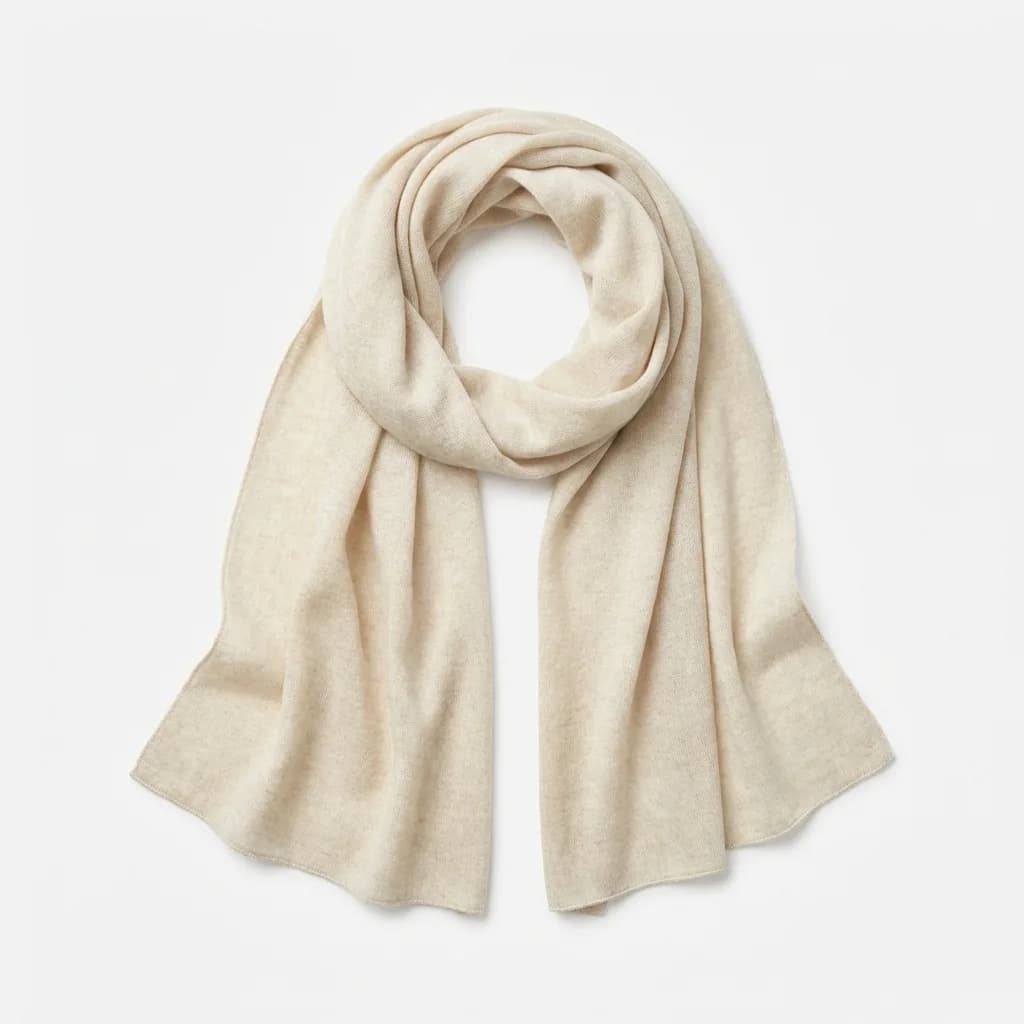
KAHINA Cashmere Blend Travel Scarf
$68
70% cashmere, 30% silk blend at 2.8 ounces. 78 x 28 inches for multiple styling options. Hand washable with pill-resistant finish.
Avoid scarves with embellishments, fringe, or decorative stitching. They add weight, catch on zippers, and make the scarf harder to use as anything other than a scarf. Simple, clean edges perform better.
Color choice affects versatility too. Black or charcoal grey works with every outfit. Bright colors or loud patterns limit your options. If you're only packing one scarf, stick with neutrals.
How to Pack and Care for Travel Scarves
Roll, don't fold. Rolling prevents creases and makes the scarf easier to stuff into small spaces in your bag. We roll our scarves and tuck them into shoes or the corners of the main compartment.
Merino wool scarves can go 5-7 days between washes if you let them air out overnight. Hang them in the bathroom while you shower (the steam refreshes the fibers) or drape them over a chair. The natural antimicrobial properties of merino mean they resist odor better than synthetic alternatives.
When you do wash them, hand wash in cold water with wool-specific detergent. Most merino scarves can handle machine washing on delicate, but hand washing extends their life. Never use fabric softener - it coats the fibers and reduces their ability to regulate temperature.
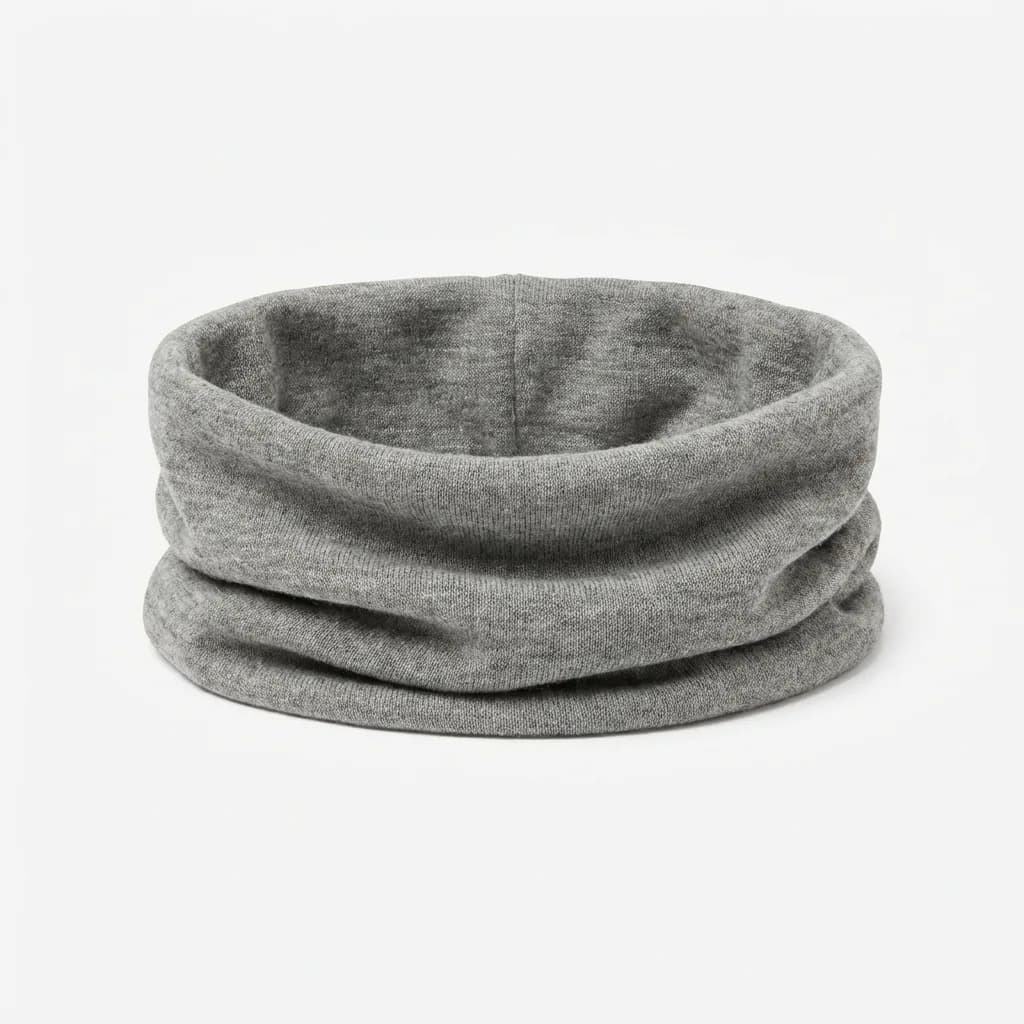
Minus33 Merino Wool Neck Gaiter
$32
230gsm midweight merino at 2.5 ounces. Made in USA with domestic wool. Double-layer construction provides extra warmth without bulk.
Dry flat, away from direct heat. Hanging a wet merino scarf will stretch it out of shape. Laying it flat on a towel maintains the original dimensions. Never put wool scarves in the dryer - the heat causes shrinkage and damages the fibers.
For storage between trips, keep scarves in a breathable cotton bag rather than plastic. This prevents moisture buildup and moth damage. Add a cedar sachet if you're storing them long-term.
What About Silk and Synthetic Options?
Silk scarves pack incredibly small and weigh almost nothing (1-2 ounces), but they provide minimal warmth. They work for warm-weather travel where you need sun protection or a light layer for air-conditioned spaces, but they're useless in cold conditions.
The advantage of silk is versatility in hot climates. A silk scarf can be a headwrap in desert sun, a modest shoulder cover in temples, or a lightweight blanket on overnight buses. Just don't expect any insulation.
Synthetic scarves (polyester, acrylic, or blends) pack smaller than merino and dry faster, but they trap odor and feel less comfortable against skin. After two days of wear, a synthetic scarf starts to smell. A merino scarf can go a week.
The exception is technical synthetics designed for outdoor use. Some hiking buffs use polyester with antimicrobial treatments that perform nearly as well as merino for odor control. They're cheaper ($15-25 vs $30-50 for merino) and more durable, but they don't regulate temperature as well.
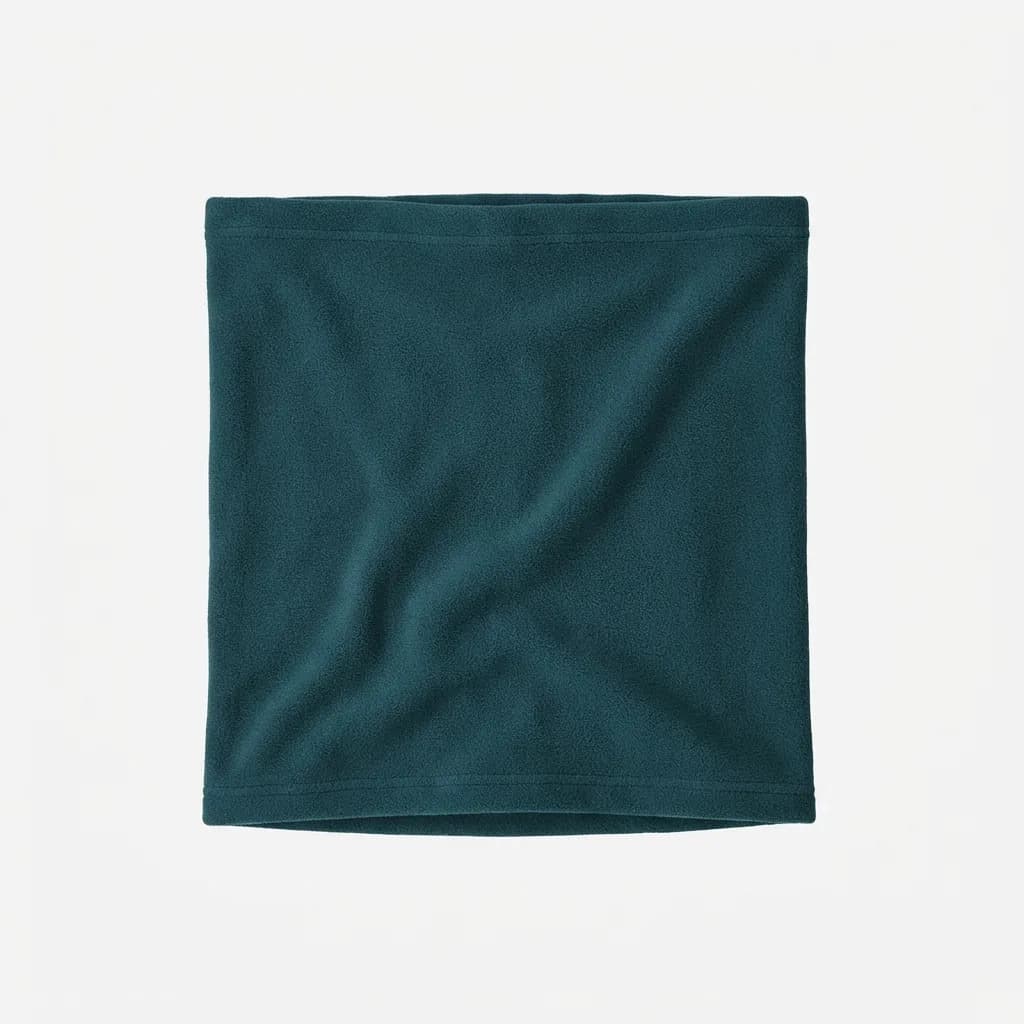
Patagonia Micro D Fleece Gaiter
$29
100% recycled polyester microfleece at 1.8 ounces. Quick-drying with stretch for comfortable fit. Fair Trade Certified sewn.
For most travelers, merino wool remains the best choice. It costs more upfront but lasts longer and performs better across varied conditions. If budget is tight, a synthetic option works, but plan to replace it more often.
Common Mistakes When Choosing Travel Scarves
The biggest mistake is buying too large. A scarf that looks great as a fashion statement at home becomes a burden when traveling. Look for scarves in the 60-80 inch length range. Anything over 90 inches is too much fabric.
Another error: prioritizing style over function. A beautiful scarf that can't handle a washing machine or requires dry cleaning won't survive real travel. Choose scarves you can hand wash in a hotel sink and hang dry overnight.
Skipping the scarf entirely because you're traveling somewhere warm is short-sighted. Airplanes, buses, and indoor spaces blast AC. Even in Southeast Asia, we used a lightweight scarf on every flight and in heavily air-conditioned malls and restaurants.
Buying the cheapest option often backfires. A $10 acrylic scarf will pill after one wash, lose shape, and smell bad after a day. Investing $30-50 in a quality merino scarf means it lasts for years of trips instead of one season.
How We Actually Use Travel Scarves
On flights, we use a scarf as a neck pillow supplement, wrapping it around the headrest for extra cushioning. It also blocks light better than most sleep masks when draped over your eyes.
In cities, a scarf transforms a single outfit into multiple looks. A t-shirt and jeans with a scarf looks put-together enough for nice restaurants. Remove the scarf for casual daytime exploring.
For hiking or outdoor activities, a merino scarf works as an emergency first-aid sling, a water filter pre-filter, or padding for fragile items in your pack. We've used scarves to wrap camera gear, cushion wine bottles, and create a lumbar support pillow on long bus rides.
In cold weather, layering a scarf under a rain jacket collar prevents wind from sneaking down your neck. It's warmer than any jacket alone and adds minimal bulk.
The best travel scarf is the one you actually bring. Choose based on where you're going, how long you'll be gone, and what weather you expect. A 3-ounce merino scarf handles 80% of travel situations. Pack it, use it, and it'll earn its space in your bag every time.
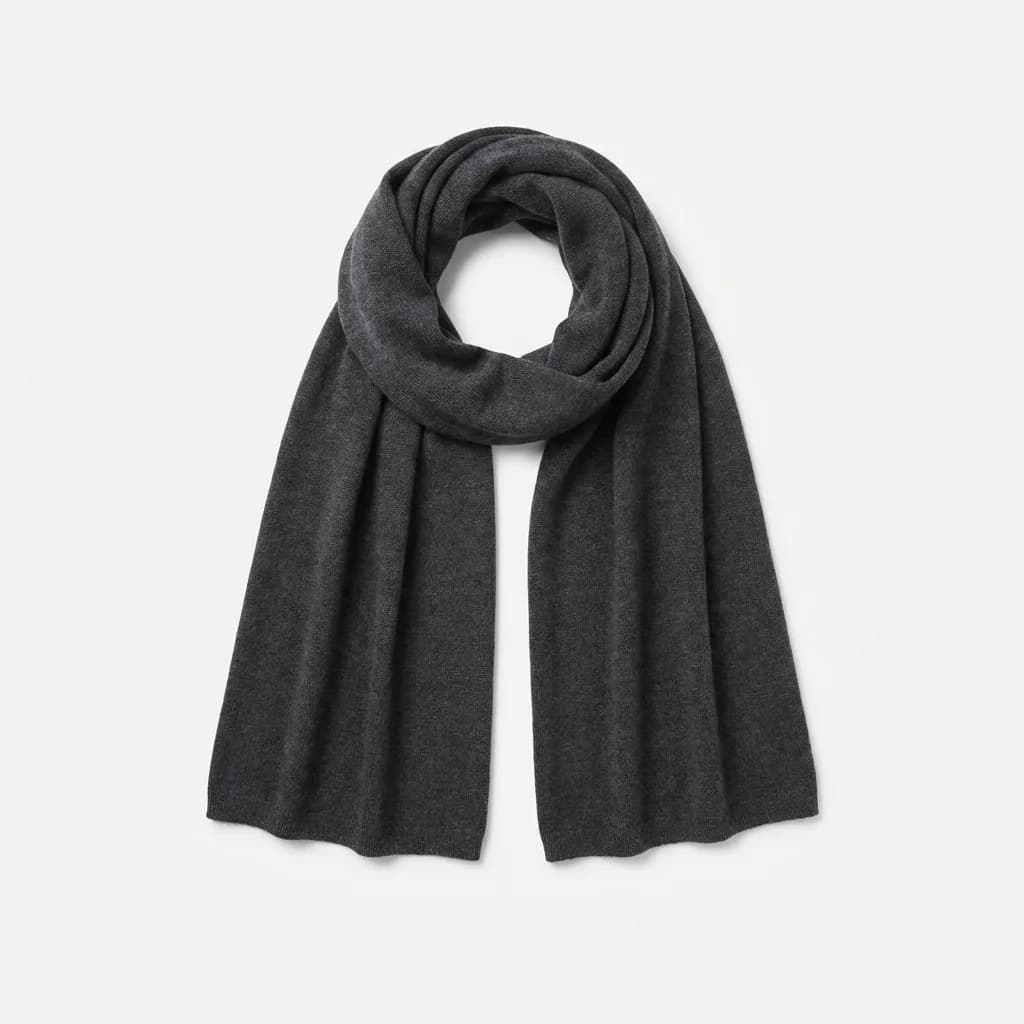
Unbound Merino Travel Scarf
$58
100% merino wool at 17.5-micron fineness. 71 x 12 inches, weighs 2.9 ounces. Designed specifically for travel with packable, odor-resistant properties.
Pick one that fits your typical travel style, test it on a weekend trip, and adjust from there. The right scarf becomes as essential as your passport - small, light, and always in your bag.
The Weekly Dispatch
Enjoying this article?
Subscribe and get our best gear picks delivered every Sunday morning.
Related Stories
Travel Rain Gear Without the Umbrella Hassle
Umbrellas break, blow inside out, and hog your hand. These rain gear alternatives pack smaller, work better in wind, and leave your hands free for maps and coffee.
Winter Commuter Kit: Gloves Beanies Layers
Touchscreen gloves that actually work, beanies that fit under helmets, and base layers that regulate temperature without bulk. Here's what matters for winter commutes.
Aluminum vs Stainless Steel: Which Metal Wins for EDC Gear?
Aluminum weighs less but stainless steel handles wear better. We break down strength, corrosion, cost, and real-world performance to help you choose the right material.