Urban vs Outdoor EDC: Adapting Gear to Environment
Your environment dictates your EDC. Learn which gear works for city streets versus wilderness trails, and how to adapt your everyday carry for maximum utility.
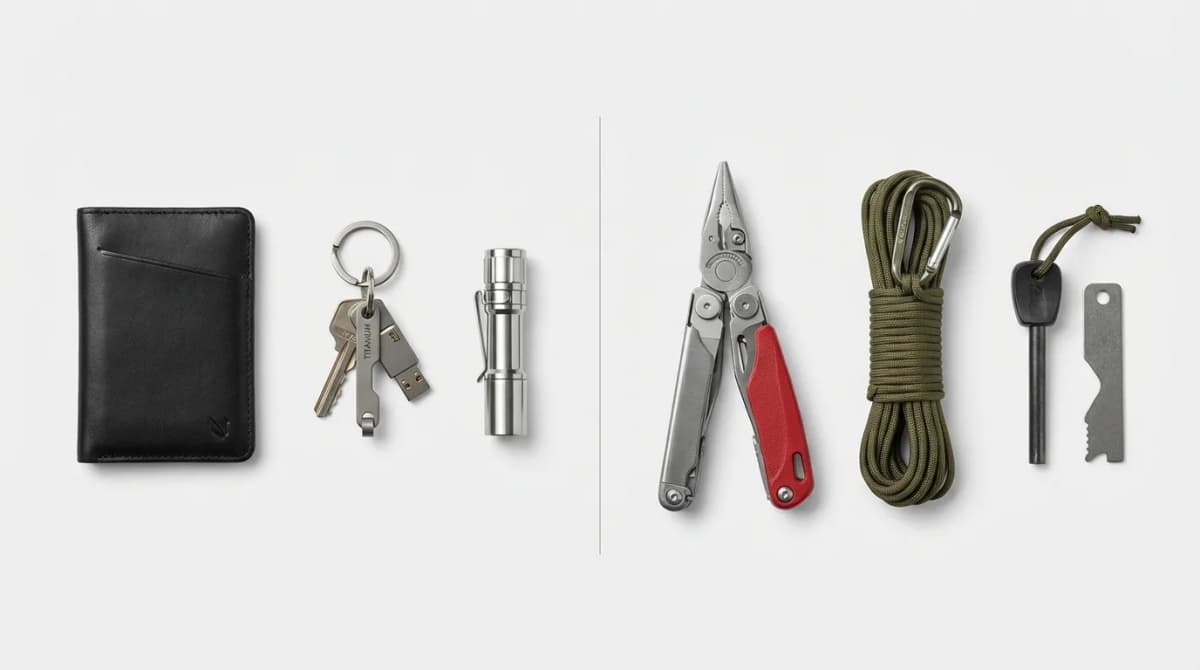
Your daily carry shouldn't look the same whether you're navigating subway stations or backcountry trails. The gear that makes sense on a Manhattan commute creates dead weight on a hiking loop, and vice versa. Understanding this distinction transforms your EDC from a one-size-fits-none compromise into a purpose-built toolkit.
Most people default to either extreme. Urban carriers strip down to keys and phone, leaving themselves unprepared for basic fixes. Outdoor enthusiasts pack survival gear for a trip to the grocery store. The smart approach recognizes that city and wilderness environments demand fundamentally different tools, materials, and backup systems.
We tested 40+ EDC items across both environments over six months. Some gear crossed over beautifully. Most didn't. Here's what actually matters when you adapt your carry to where you spend your time.
Material Priorities Change Between Environments
Urban EDC favors corrosion resistance and appearance over raw durability. Stainless steel and aluminum dominate because they handle moisture without patina, resist scratches from keys and change, and maintain a professional look through years of pocket time. A titanium pen or aluminum flashlight can take a subway ride or client meeting without raising eyebrows.
Outdoor gear flips this equation. Carbon steel knives hold better edges for wood processing despite rust vulnerability. G10 scales grip better than aluminum in wet conditions. Paracord lanyards actually serve a purpose instead of just adding bulk. You stop caring if your multi-tool develops character marks because function trumps finish.
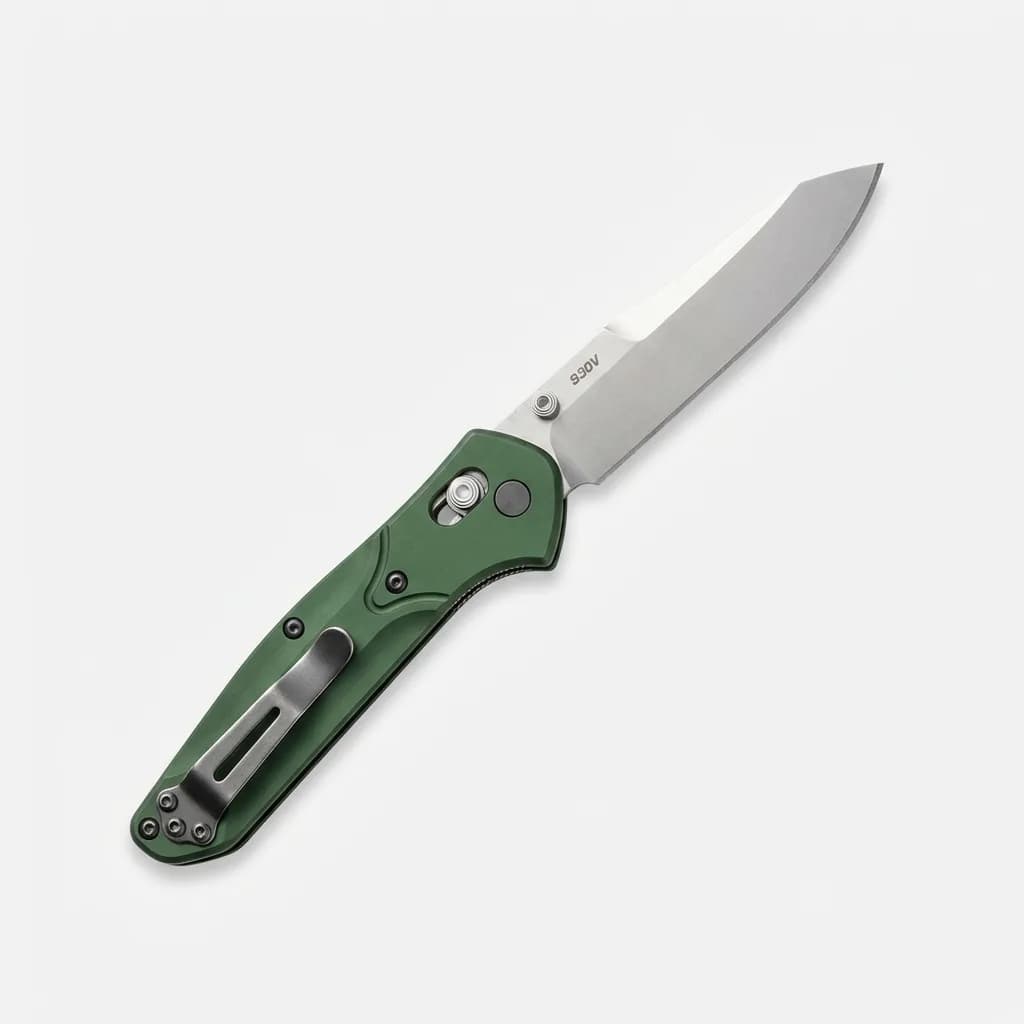
Benchmade 940 Osborne
$215
3.4-inch S30V blade, aluminum handle. Slim profile and stainless construction make this the crossover knife that works in both environments without compromise.
The texture matters too. Urban pockets encounter fabric liners and laptop bags. Sharp jimping, aggressive texturing, and protruding clips snag and tear. Outdoor pockets face dirt, sweat, and rougher fabrics that can handle more aggressive grip features. A knife that carries smoothly in dress pants might slip in your hand with gloves on.
Weight perception differs drastically. An extra four ounces barely registers on a hiking belt with a pack frame distributing load. That same weight feels like an anchor in business casual pants with no belt. Urban EDC measures success in grams saved. Outdoor EDC measures it in capability per ounce, which often means accepting more weight for critical backup functions.
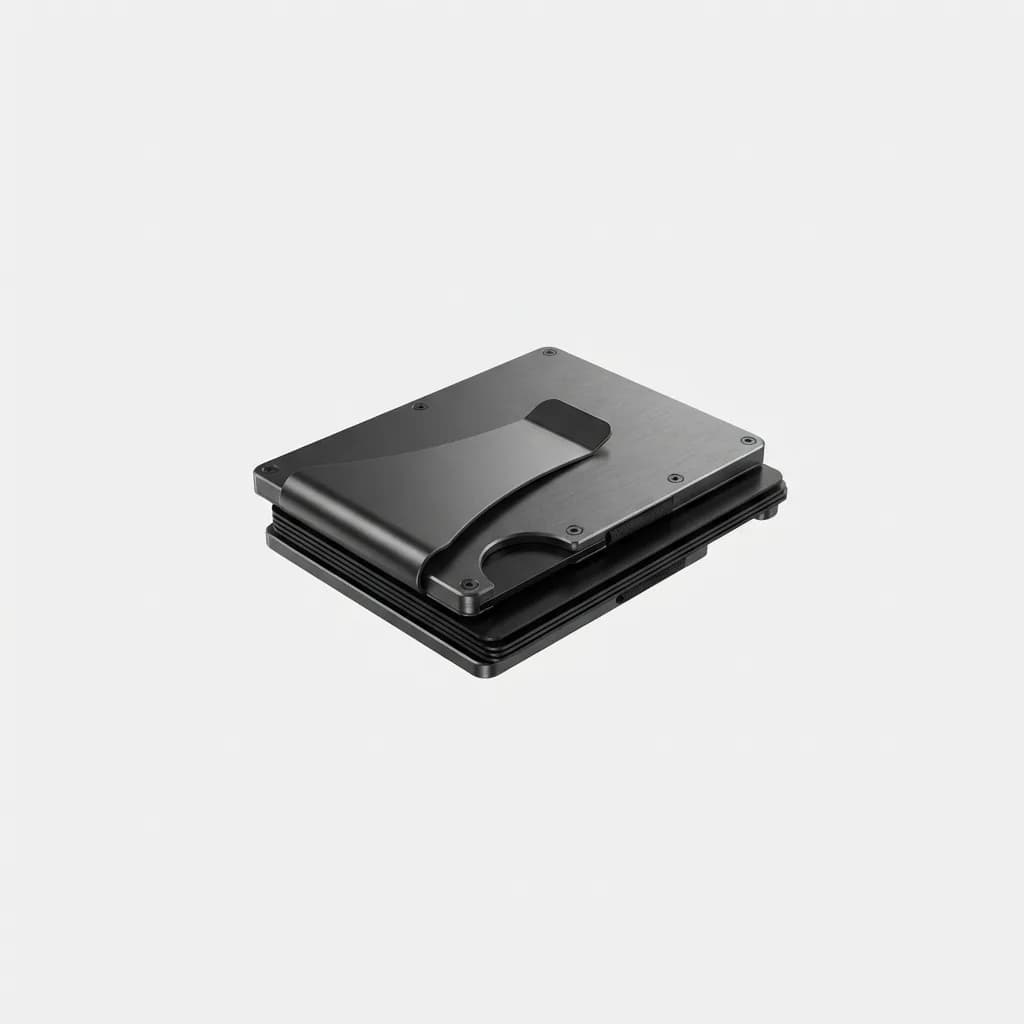
Ridge Wallet
$95
Aluminum construction holds 12 cards, blocks RFID. Urban-optimized design stays slim, resists pocket wear, and maintains clean lines for professional environments.
Tool Selection: Convenience vs Survival Capability
City environments demand quick-access tools for minor fixes. You need scissors more than a fire starter, a bottle opener more than a ferro rod, a precision screwdriver more than a pry bar. The Leatherman Skeletool represents peak urban utility with four tools that handle 90% of daily situations while staying light enough for comfortable pocket carry.
Wilderness carry inverts these priorities completely. A knife becomes your primary tool instead of your backup. Redundancy matters because failure consequences multiply. Carrying both a folder and a fixed blade stops seeming paranoid when you've actually needed to baton through wood or process cordage. Fire starting capability transitions from nice-to-have to potentially life-saving.
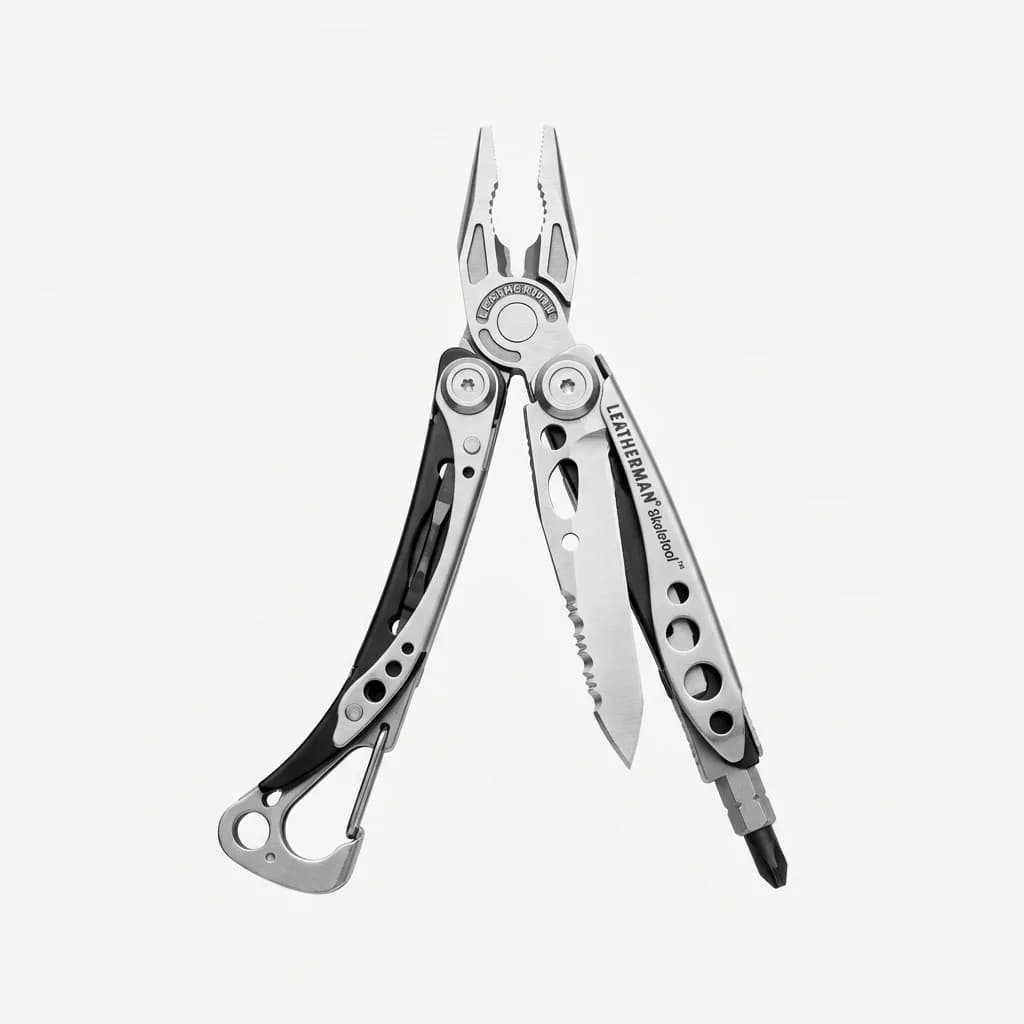
Leatherman Skeletool
$80
2.6-inch blade, pliers, bit driver, carabiner clip. At 5 oz, this urban-focused multi-tool eliminates bulk while covering daily tasks most people actually encounter.
Flashlight choice reveals the split clearly. Urban carriers want compact, rechargeable USB lights with 200-400 lumens for finding things in bags or walking to cars. Outdoor users need 1000+ lumen throw, multiple brightness modes, and replaceable battery systems that don't require wall outlets. The Streamlight MicroStream hits the sweet spot for city use. The Fenix PD36R makes sense on trails but creates pocket bulge in dress pants.
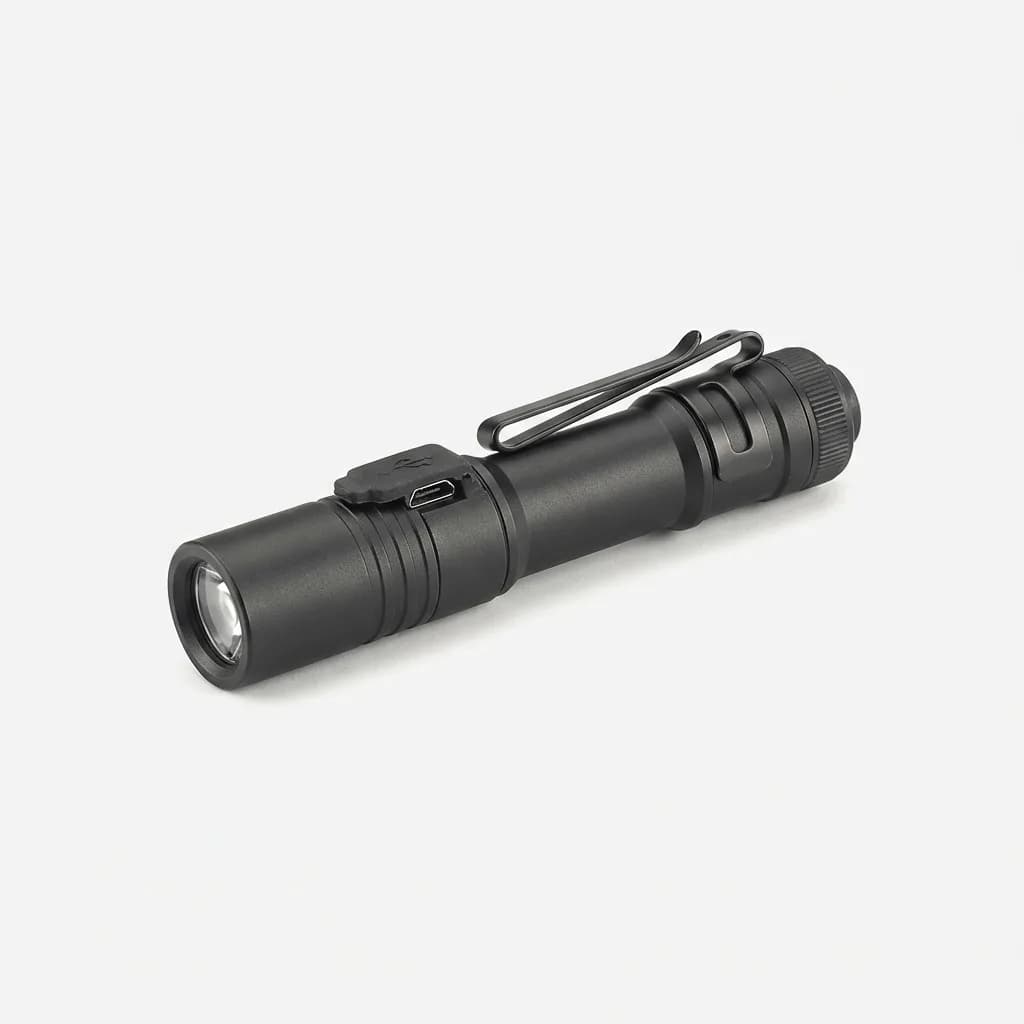
Streamlight MicroStream USB
$30
250 lumens, USB-rechargeable, 3.5 inches long. Purpose-built for urban carry with pocket clip, quick charge, and enough output for practical daily use.
The knife category shows the starkest difference. Urban carriers rarely deploy blades for anything aggressive. Package opening, loose threads, food prep at lunch. A 2.5 to 3.5-inch folder with a clean opening action and decent steel does everything required. Outdoor knives need to handle batoning, feather stick creation, game processing, shelter building. This demands 3.5+ inch blades, full tangs on fixed blades, and steels that hold edges through abuse.
What Actually Crosses Over Successfully
Some gear genuinely works in both contexts. A quality pen writes in client meetings and emergency signaling. The Fisher Space Pen handles business cards and waterproof trail notes equally well. Good notebooks matter everywhere, though you might choose a Field Notes for outdoor use versus Moleskine for office environments based on water resistance and paper durability.
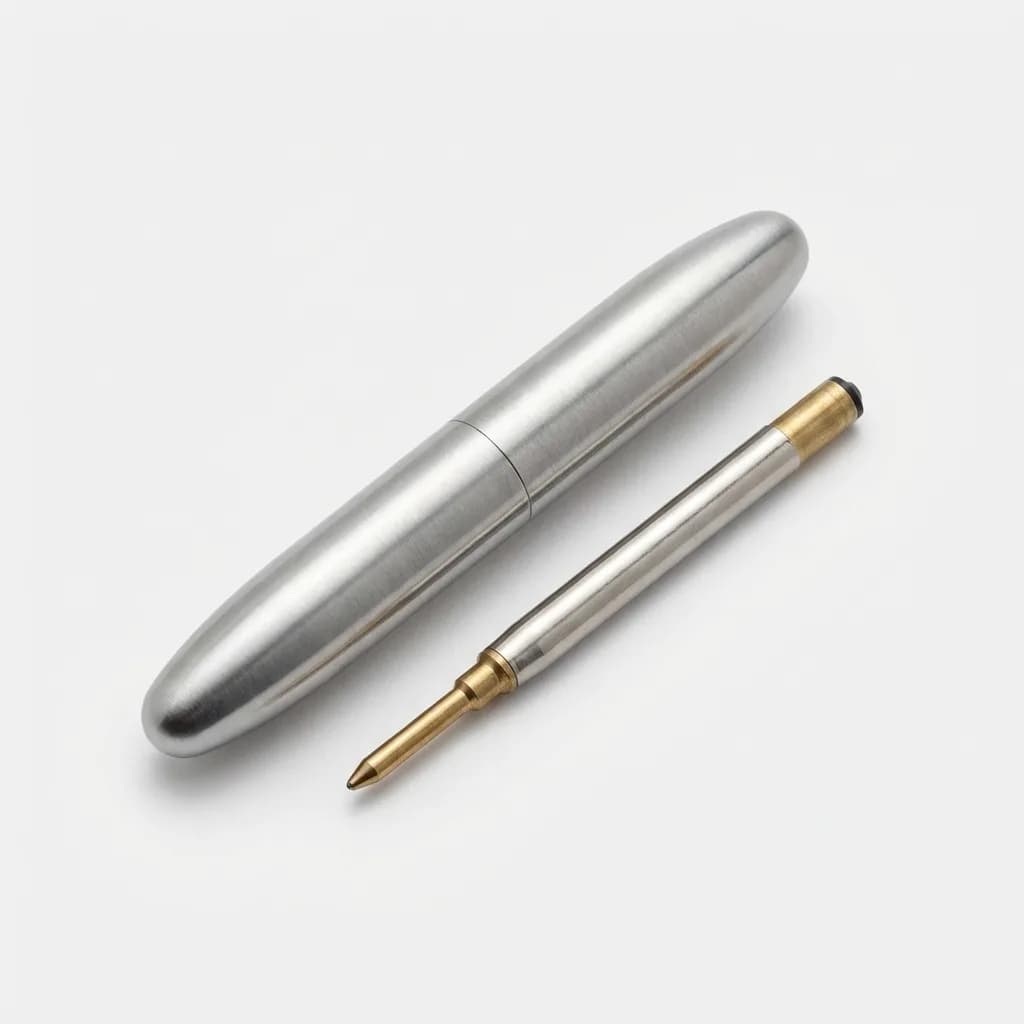
Fisher Space Pen Bullet
$30
Pressurized ink cartridge writes at any angle, underwater, and in extreme temps. Compact design and all-environment reliability make this a genuine crossover EDC tool.
First aid crosses over with different scales. Urban carriers need basic wound care - adhesive bandages, antibiotic ointment, pain relievers. Outdoor kits expand to include trauma supplies, blister treatment, tick removal, and medications for extended exposure. But both contexts benefit from actually carrying something instead of assuming help stays available.
Paracord applications rarely justify themselves in cities despite how often you see it. You don't need breakaway capability or improvised cordage at Starbucks. Outdoors, having 50+ feet of load-rated cordage integrated into bracelet or lanyard form makes practical sense for shelter, repairs, or emergency use. This represents classic outdoor gear that urban carriers adopt for aesthetics rather than function.
Fire starting separates purely on need. Cities have lighters everywhere and charging infrastructure. Wilderness requires reliable ignition that works when wet, at altitude, or after weeks in a pack. A Bic lighter suffices for urban use. Outdoor kits need ferro rods, waterproof matches, and tinder as redundant systems.
How to Build Environment-Specific Loadouts
Start with overlap items that work everywhere: phone, wallet, keys, pen, knife, light. These five categories appear in both urban and outdoor kits. Your specific choices within each category shift based on context.
For urban environments, optimize for weight, appearance, and maintenance-free operation. Choose stainless or coated steels. Prioritize rechargeable batteries. Select slim profiles that disappear in professional clothing. Add specialized tools you actually use daily - mini pry bars if you work with packaging, precision drivers if you handle electronics, quality scissors if you deal with tags and materials.
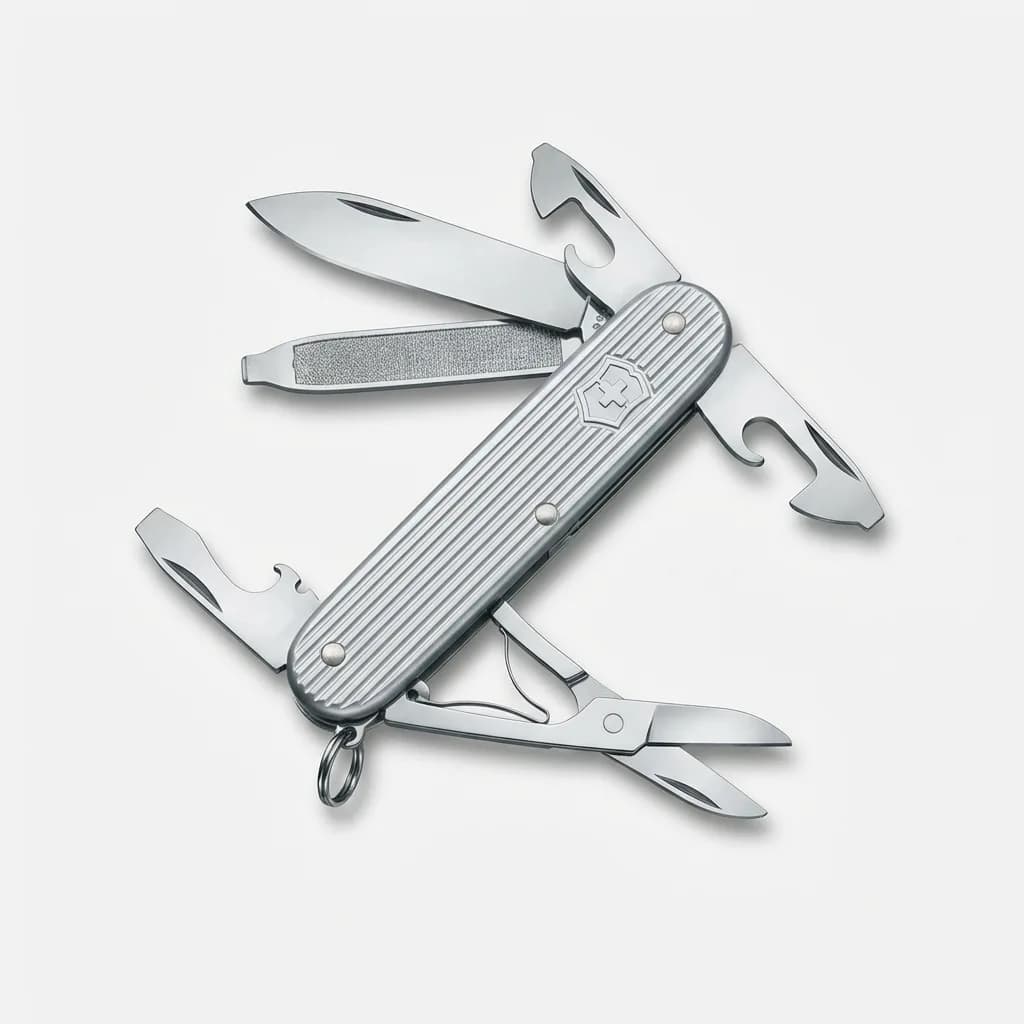
Victorinox Cadet
$40
Nine tools including blade, scissors, file, can opener. At 1.3 oz with aluminum scales, this represents the ultimate minimalist urban multi-tool for light daily tasks.
Outdoor loadouts accept more weight for redundancy and capability. Carry primary and backup cutting tools. Add fire starting that doesn't require fuel. Include cordage that handles real loads. Choose battery systems with field-replaceable cells. Prioritize grip and lock strength over aesthetics. Accept that gear will show wear because it's working.
The crossover challenge comes from weekend warriors who need both. Swapping your entire EDC based on Saturday plans gets tedious. The solution involves a core kit that works everywhere plus modular additions. Keep your urban EDC as your baseline. Add a small outdoor supplement (ferro rod, backup knife, paracord, upgraded light) that lives in a pack or car for trail days.
Common Mistakes People Make
The biggest error: carrying outdoor survival gear in urban contexts "just in case." A 5-inch fixed blade and ferro rod create legal questions and social awkwardness without providing meaningful safety improvements in cities. You're more likely to need a phone charger than a fire starter. Calibrate your threat model to your actual environment.
Opposite mistake: hitting trails with only urban gear. A 2-inch keychain knife and USB-rechargeable light might handle an afternoon hike, but they leave you dangerously unprepared if plans change or weather shifts. Outdoor environments punish under-preparation harder than cities because help stays further away and conditions change faster.
Material choices trip people up constantly. Carrying a carbon steel blade in humid coastal cities creates rust headaches. Taking aluminum-scaled knives on winter camping trips risks numbing cold hands. Matching materials to environment prevents frustration and maintains gear performance.
Over-optimizing for unlikely scenarios wastes pocket space. Most urban carriers never deploy half their multi-tool functions. Most outdoor users overpack for day hikes based on backcountry overnight fears. Honest assessment of what you actually use versus what makes you feel prepared usually reveals 20-30% weight savings.
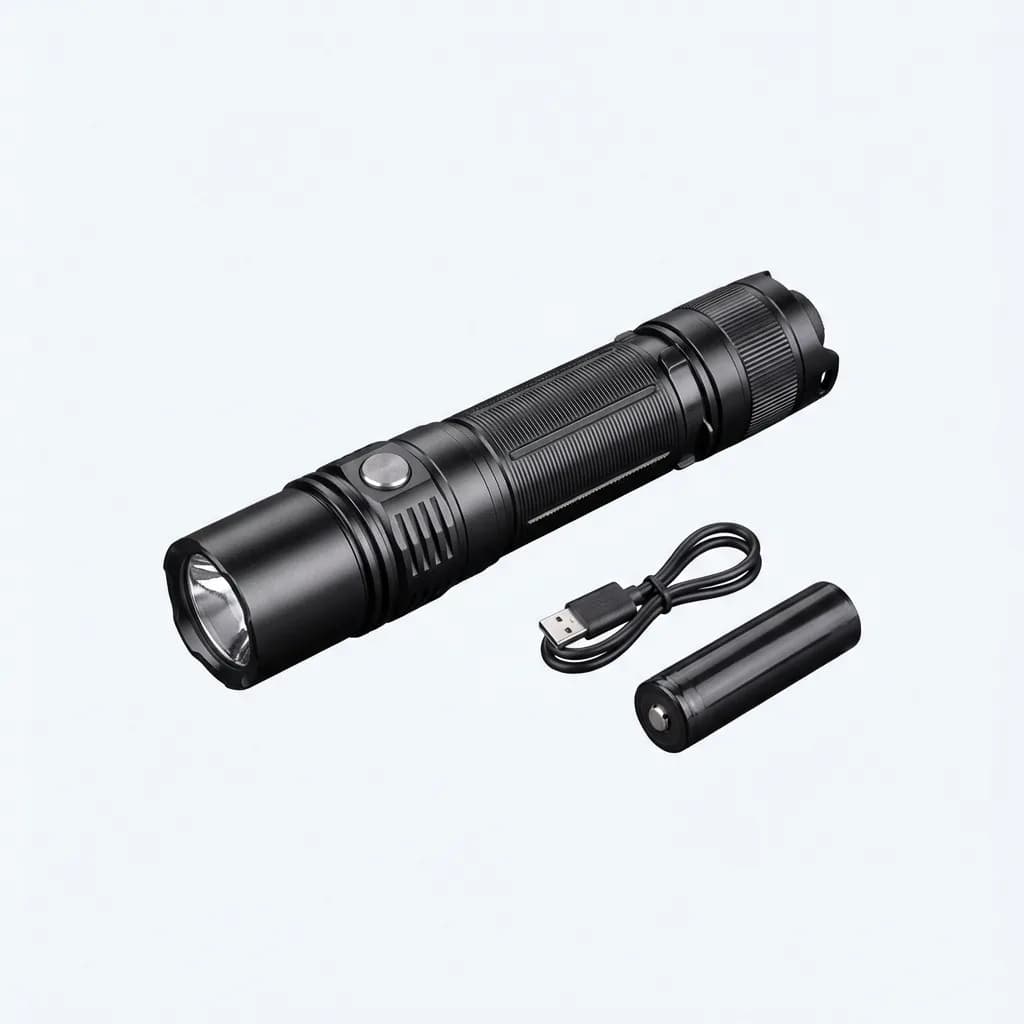
Fenix PD36R
$90
1600 lumens, 1148-foot throw, USB-C rechargeable with 21700 battery. Outdoor-focused beam pattern and runtime make this serious trail insurance despite urban bulk.
Building Your Adaptive System
Smart EDC recognizes that different environments require different tools while avoiding the trap of carrying everything everywhere. Your urban kit handles daily conveniences and minor emergencies within reach of infrastructure. Your outdoor kit prepares for self-reliance when systems and services disappear.
The overlap items - knife, light, pen, wallet, phone - appear in both contexts but with different specifications. Urban versions optimize for discretion and daily utility. Outdoor versions prioritize capability and reliability under stress. Understanding this distinction prevents both under-preparation and over-packing.
Test your assumptions by tracking what you actually deploy versus what rides unused. Most people discover their theoretical needs differ wildly from reality. City carriers use scissors and drivers far more than blades. Trail users lean on knives and cordage more than tools. Let honest use patterns guide your selections instead of gear forum consensus or worst-case scenario planning.
Your EDC should feel appropriate to your surroundings. If your gear draws stares or questions, you've probably crossed the line from prepared to paranoid. If you regularly wish you had something you left behind, you've under-equipped. The right balance makes you quietly capable wherever your day takes you.
The Weekly Dispatch
Enjoying this article?
Subscribe and get our best gear picks delivered every Sunday morning.
Related Stories
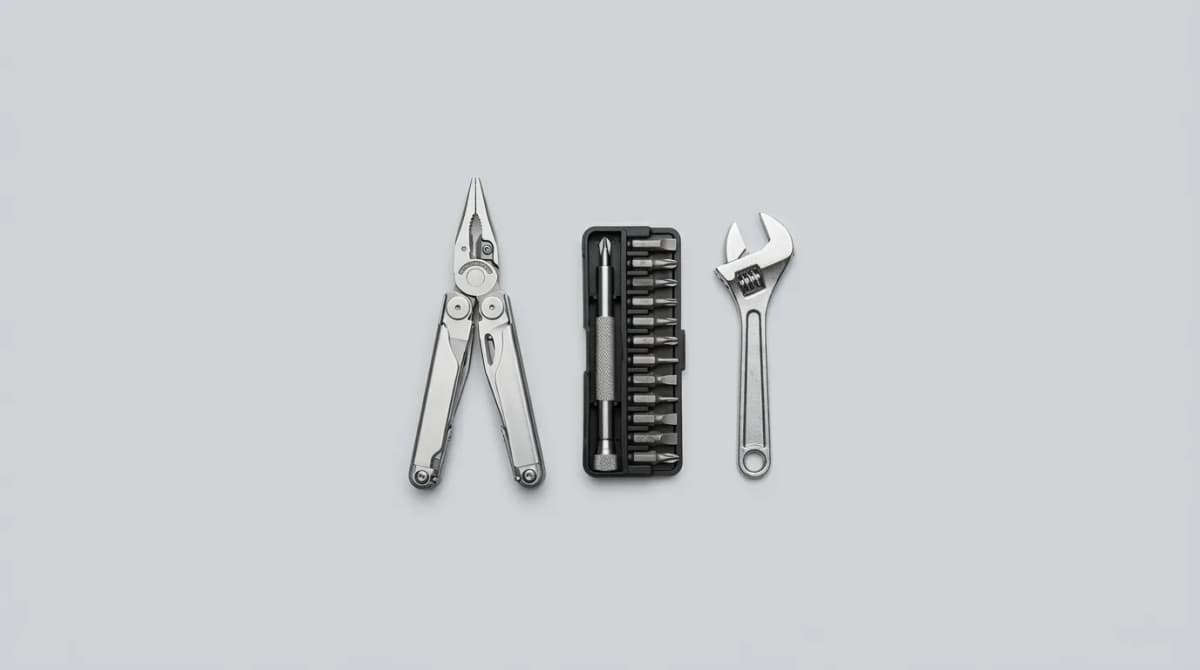
Best Pocket Tools for Apartment Maintenance
You don't need a full toolbox for apartment fixes. These pocket-sized tools handle loose screws, furniture assembly, and quick repairs without taking up drawer space.
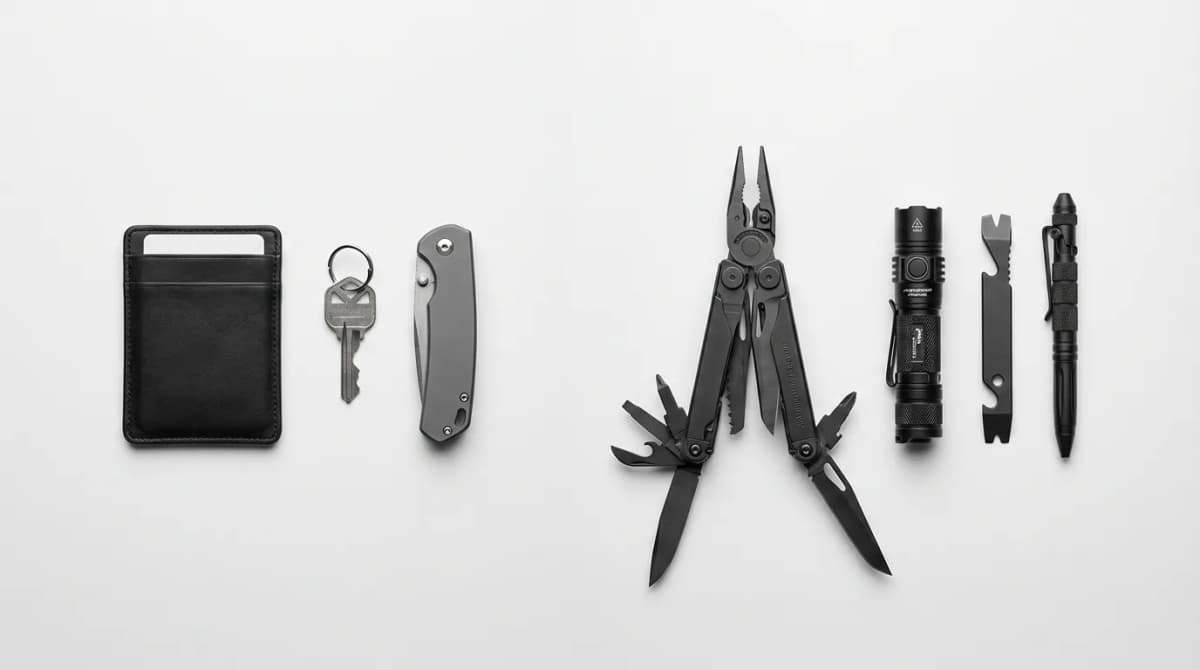
Minimalist vs Maximalist EDC: Find Your Philosophy
Minimalist or maximalist? We break down the trade-offs between light everyday carry and full preparedness so you can build a setup that actually works for your life.
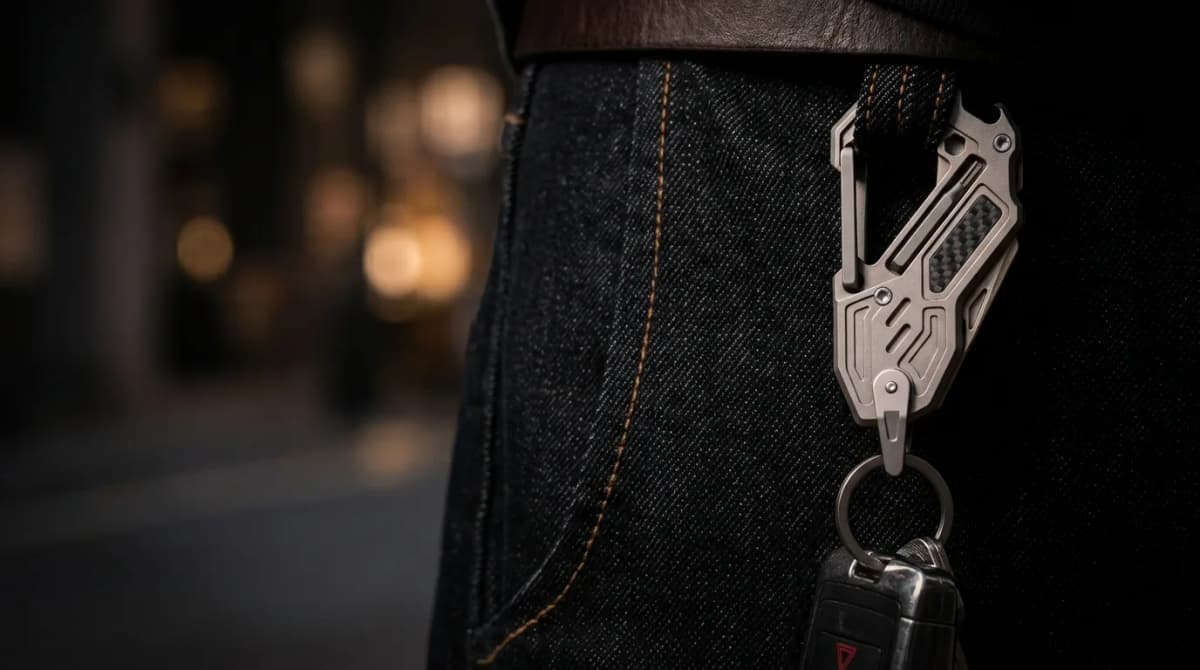
Edrin Titanium Carabiner Knife Review
The Edrin combines a carabiner clip with a D2 steel folding blade, bit driver, and tritium slots in a titanium package designed for everyday carry.