Best Travel Tripods: Carbon Fiber vs Aluminum
Travel tripods balance weight and stability in ways full-size models don't. Carbon fiber costs 2-3x more than aluminum but saves crucial ounces on long hikes.
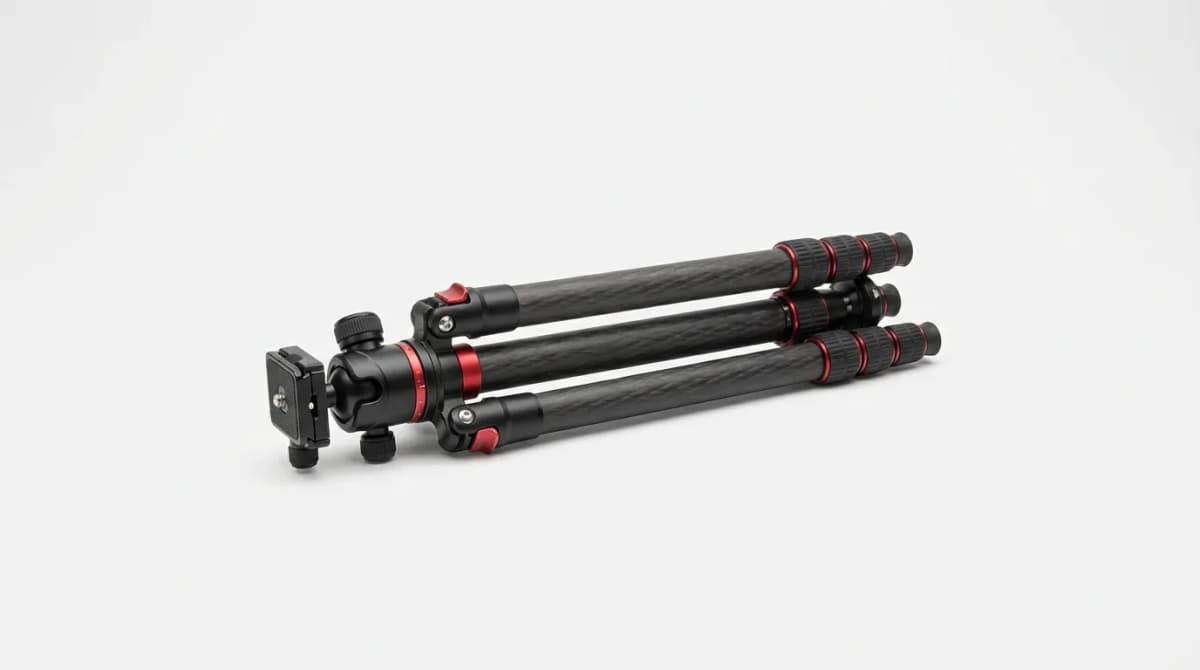
A 5-pound tripod feels fine in your camera bag until you're three miles into a backcountry trail. That's when you realize the difference between travel-specific tripods and studio workhorses. Travel tripods prioritize packability and weight without turning your long exposures into blurry messes, but the compromises vary wildly across price points and materials.
The gap between a $50 Amazon special and a $400 carbon fiber model isn't just price. It's vibration dampening, leg lock reliability, and whether your setup stays rigid in wind. We've tested tripods from ultralight carbon fiber rigs to budget aluminum options across desert canyons, beach sunrises, and mountain ridgelines.
Carbon Fiber vs Aluminum: The Real Weight Difference
Carbon fiber tripods weigh 30-50% less than aluminum equivalents with the same load capacity. A typical aluminum travel tripod weighs 3.5-4.5 pounds, while carbon fiber versions hover around 2-3 pounds. That 1.5-pound difference compounds when you're carrying camera body, lenses, water, and trail snacks for eight hours.
But weight isn't the only factor. Carbon fiber dampens vibration better than aluminum, which matters for telephoto work and long exposures. Metal legs can resonate with wind or mirror slap, creating micro-movements that aluminum's natural frequency amplifies. Carbon fiber absorbs those vibrations instead of transmitting them through the system.
Temperature handling separates the materials too. Aluminum legs turn into ice rods in freezing conditions and burn your hands in desert sun. Carbon fiber stays neutral regardless of environment. If you shoot sunrise in the Sierras or midday in slot canyons, that tactile difference is real.
The cost premium for carbon fiber runs 2-3x over aluminum. A solid aluminum travel tripod costs $100-200, while comparable carbon fiber models start at $250 and climb past $600 for premium builds. That's a steep upcharge for weight savings, but frequent travelers and backcountry photographers find the investment pays off in reduced fatigue.
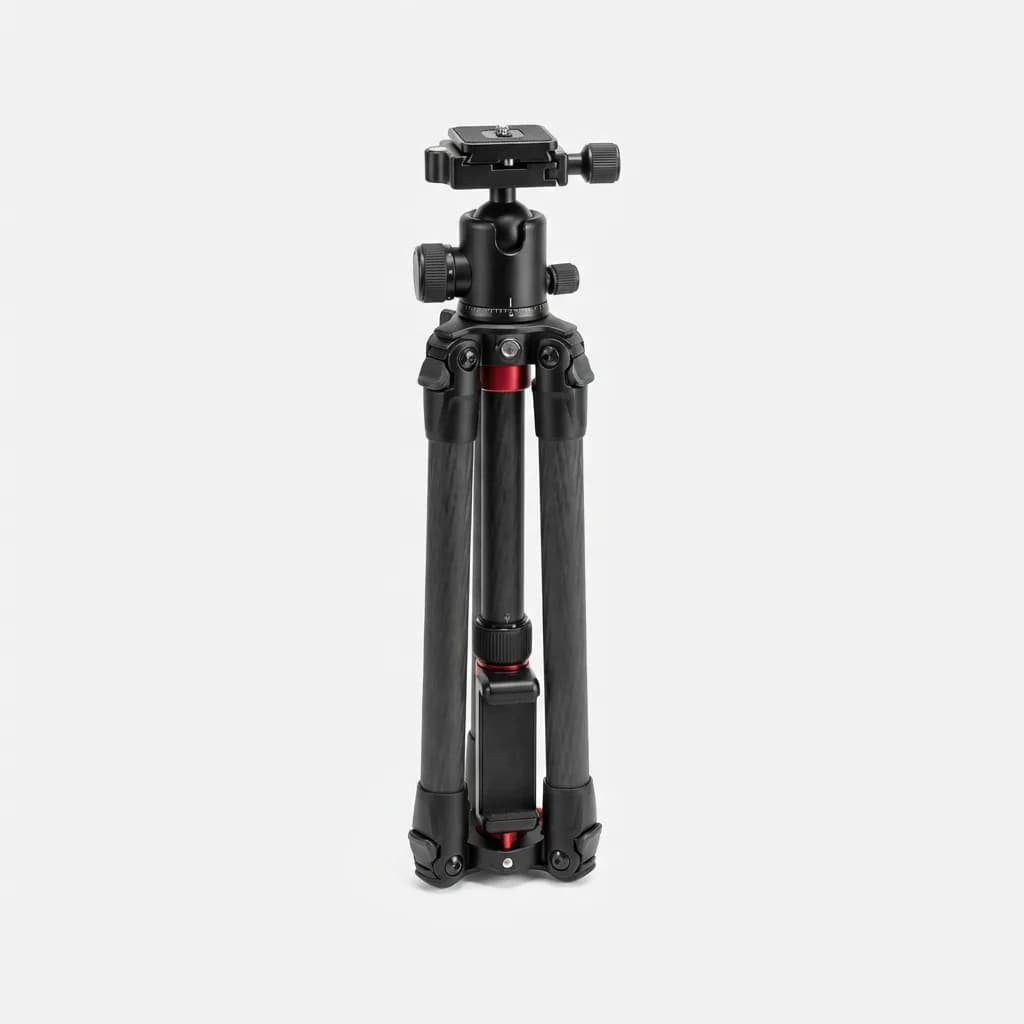
Peak Design Travel Tripod Carbon Fiber
$629
Collapses to 15.5 inches with innovative center column design. 2.8 pounds supporting up to 20 pounds. Quick-release plate and built-in phone mount.
Compact Folding Designs That Actually Work
Travel tripods fold using reverse-folding legs, allowing legs to wrap around the center column and collapse to 12-17 inches. Traditional tripods with standard leg folds measure 20-24 inches collapsed, which won't fit carry-on regulations or slide into a backpack side pocket.
The reverse-fold design has a downside. Setup takes longer because you're unfolding legs backwards, extending them, then locking multiple leg sections. It's a 20-30 second process versus 10 seconds for traditional tripods. That matters when you're racing sunset light or shooting in rain.
Center column design affects both packed size and stability. Inverted center columns let you get low for macro work but add complexity. Some travel tripods use short center columns to maintain compact dimensions, limiting maximum height to 55-60 inches instead of 65-70 inches on full-size models.
Ball heads versus pan-tilt heads change your shooting workflow. Most travel tripods bundle ball heads because they're compact and fast to adjust. Pan-tilt heads offer precise control for video and panoramic stitching but add bulk and weight. Consider whether you need that precision or if quick composition adjustments matter more.
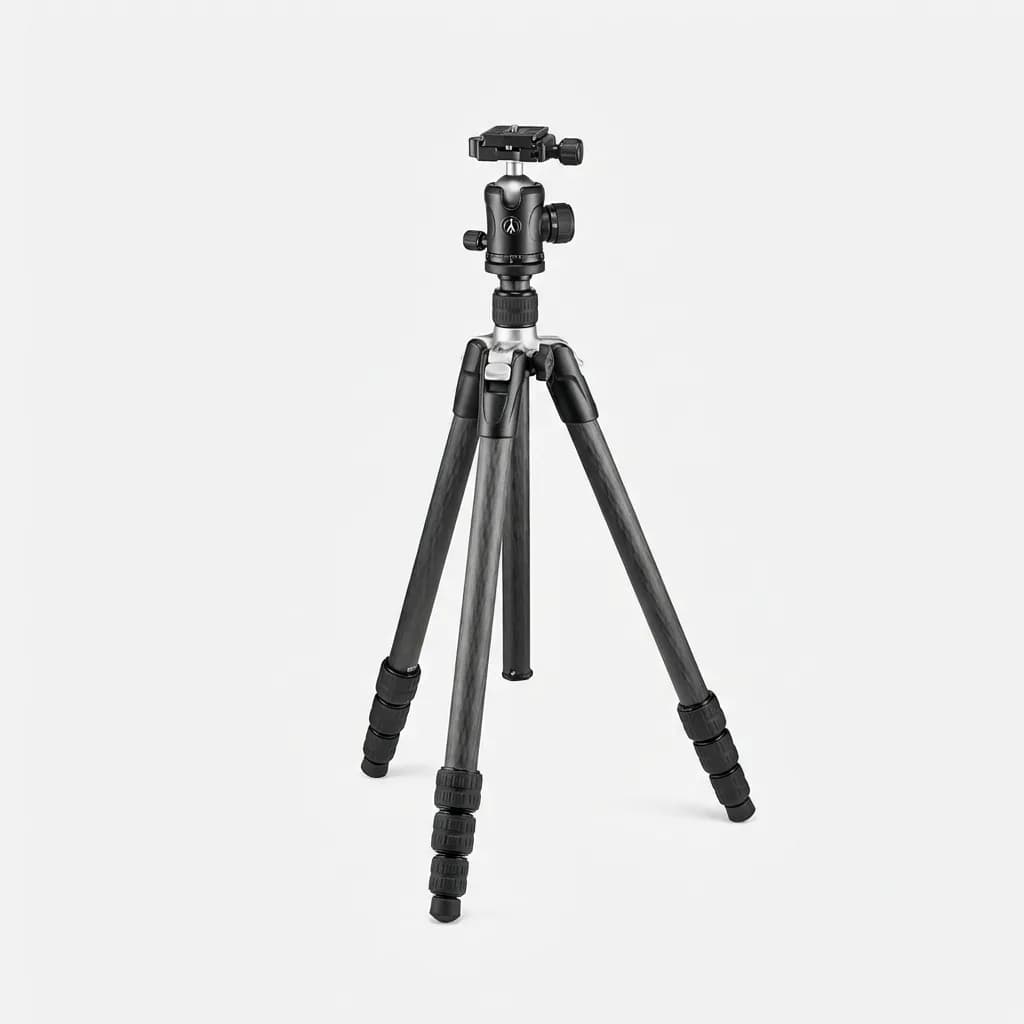
Manfrotto Befree Advanced Carbon Fiber
$329
Quick-release twist locks and 494 ball head. Maximum height 59 inches, folds to 15.7 inches. Weighs 2.6 pounds with 17.6-pound capacity.
Load Capacity vs Actual Stability
Manufacturers list maximum load capacity, but real-world stability depends on leg extension, center column use, and environmental conditions. A tripod rated for 20 pounds might handle a 15-pound camera rig at minimum height but struggle with an 8-pound setup at maximum extension in wind.
Leg diameter and tube thickness determine stiffness. Budget tripods use thin-wall tubing that flexes under load, while premium models feature thicker walls and larger diameter tubes. This shows up in telephoto work where even small movements blur your frame at 200mm or beyond.
Leg sections multiply instability. A four-section tripod extends higher in a smaller package but introduces more flex points than a three-section design. Each joint adds potential movement, especially when sections are fully extended and locks aren't perfectly tight.
The center column is stability's enemy. Extending it raises your center of gravity and creates a long lever arm that amplifies vibration. Keep the center column retracted whenever possible, using only leg extension to reach shooting height. Some photographers remove center columns entirely for maximum rigidity.
Best Budget Option: Aluminum Without Compromise
Aluminum travel tripods deliver solid performance when you're not obsessing over ounces. The MeFOTO RoadTrip Classic weighs 3.6 pounds, costs around $150, and handles mirrorless setups up to 17.6 pounds. It folds to 15.4 inches and extends to 61.6 inches, covering most shooting scenarios from waist-level to overhead.
The twist-lock legs operate smoothly without the binding or cross-threading that plagues cheaper models. Rubberized foam grips make cold-weather handling tolerable, though not as comfortable as carbon fiber. The included ball head uses a quick-release plate and handles smooth panning for landscape compositions.
Where it compromises: leg stiffness at full extension with heavier setups, and that extra pound versus carbon fiber alternatives. But for weekend warriors and occasional travelers, those tradeoffs make sense when you're saving $200-400 over premium carbon models.
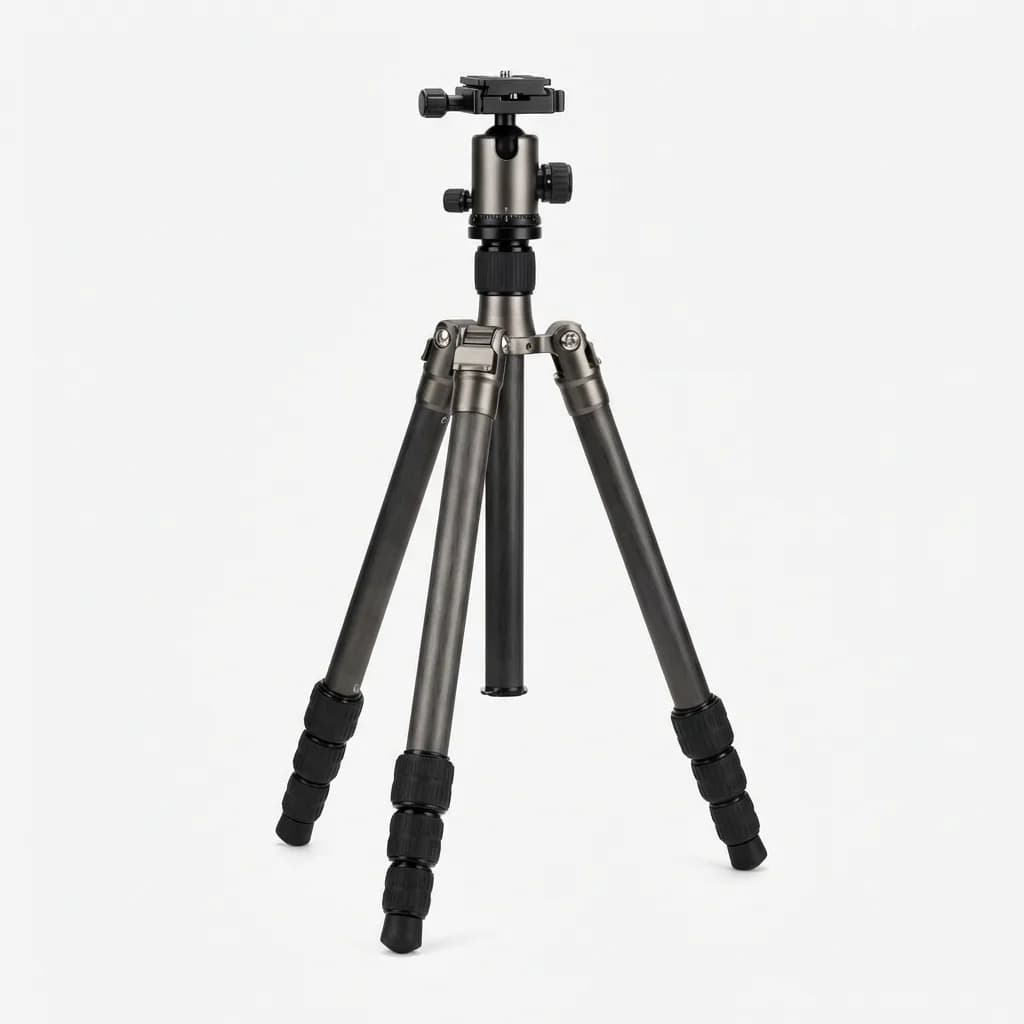
MeFOTO RoadTrip Classic Aluminum Tripod
$149
Twist-lock legs fold to 15.4 inches, extend to 61.6 inches. 3.6 pounds with 17.6-pound capacity. Includes ball head and quick-release plate.
When to Choose an Ultra-Compact Model
Ultra-compact tripods sacrifice height for packability. Models like the Sirui T-025X fold to under 11 inches and weigh 1.3 pounds, fitting in jacket pockets or day pack water bottle sleeves. Maximum height tops out at 40 inches, limiting you to ground-level and tabletop work unless you find elevated surfaces.
These work for specific use cases: backpacking where every ounce matters, street photography with compact cameras, or as backup rigs for video B-roll. They don't replace full-size travel tripods for serious landscape or wildlife work where you need eye-level shooting positions.
Load capacity on ultra-compacts rarely exceeds 8-10 pounds. That's fine for mirrorless bodies with compact primes but struggles with full-frame DSLRs and telephoto zooms. The smaller ball heads also limit precise adjustments for fine-tuning compositions.
Premium Carbon Fiber: Where Extra Money Goes
High-end carbon fiber tripods like the Gitzo GT2545T Traveler cost $650-850 and separate themselves through manufacturing precision. CNC-machined leg locks engage with zero play. Carbon fiber tubes are laid up in specific orientations to maximize stiffness while minimizing weight. Tolerances are tight enough that legs don't develop wobble after years of use.
These models often feature interchangeable feet, allowing rubber for general use, spikes for soft ground, and snow baskets for winter conditions. Leg angle locks offer multiple positions including full splay for low-angle macro work. Every component is designed for field serviceability and longevity.
The weight savings add up: premium models like the Really Right Stuff TFC-14 weigh 2.1 pounds while supporting 40-pound loads. That's absurd load-to-weight ratio that only makes sense if you're shooting heavy telephoto rigs in remote locations where every ounce of pack weight counts.
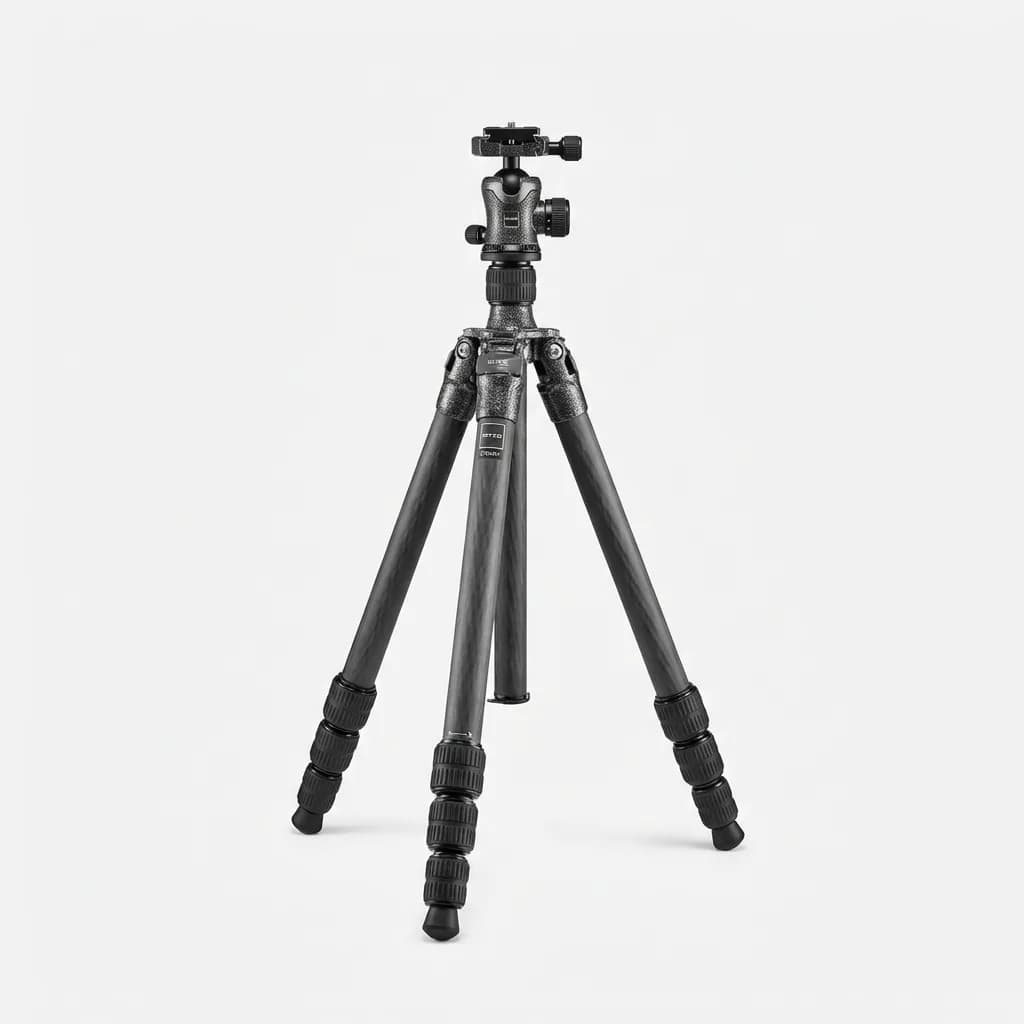
Gitzo GT2545T Series 2 Traveler Carbon Fiber Tripod
$749
Six-section legs fold to 16.5 inches, extend to 64.2 inches. 2.4 pounds supporting 39.7 pounds. Anti-Leg-Rotation system and G-Lock Ultra twist locks.
Leg Locks: Twist vs Flip
Leg locks come in two types: twist locks (rotate to tighten) and flip locks (lever-style clamps). Twist locks create cleaner lines when packed and don't snag on backpack pockets or brush. They're faster to operate once you develop muscle memory, allowing one-handed deployment per leg section.
Flip locks offer more feedback. You feel and hear the positive click when engaged, making it obvious if a section isn't fully locked. They're easier to operate with gloves and require less grip strength, which matters in cold conditions or when your hands are tired from climbing.
Neither system is objectively better. Twist locks fail through cross-threading or dirt in the threads, while flip locks break at the hinge point after thousands of cycles. Quality matters more than mechanism: well-made twist locks outlast cheap flip locks and vice versa.
What Actually Matters for Travel Photography
Pack weight dictates tripod choice more than features. If you're hiking 5+ miles, every pound matters and carbon fiber justifies the cost. For road trips and urban travel where you're walking short distances from car to location, aluminum saves money without meaningful penalty.
Height at minimum leg extension matters for low-angle work. Some tripods only drop to 6-8 inches at minimum, limiting foreground emphasis shots. Models with fully splayed legs reach 3-4 inches, opening up creative options for macro and landscape photography.
Quick-release plate compatibility saves frustration. Arca-Swiss style plates are the de facto standard, working across brands and allowing you to swap between tripods, monopods, and gimbal heads without removing plates from camera bodies.
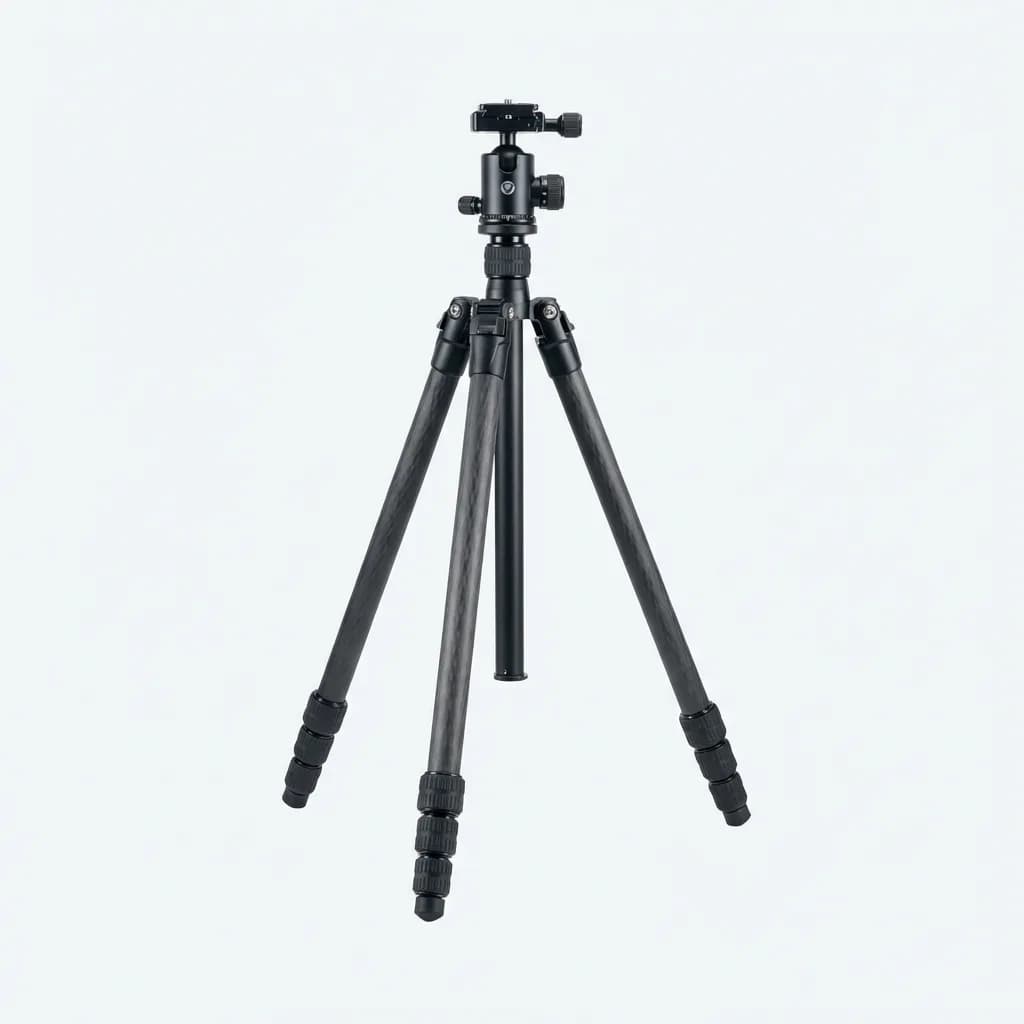
Vanguard VEO 2 265CB Carbon Fiber Travel Tripod
$279
Five-section legs fold to 15.7 inches, extend to 59 inches. 2.8 pounds with 17.6-pound capacity. Central column converts to monopod.
The Setup You'll Actually Carry
The best tripod is the one in your bag when you need it. A 2-pound carbon fiber model you carry everywhere beats a 4-pound aluminum rig that stays home because it's too heavy. Weight is the deciding factor for travel and outdoor photography where mobility defines what shots you can chase.
Test folded length against your luggage and backpack before buying. A tripod that doesn't fit your 40L pack or exceeds carry-on dimensions forces compromises at the gate or trailhead. Measure twice, buy once.
Balance your camera weight against tripod load ratings with 2x safety margin. If your heaviest setup weighs 8 pounds, look for tripods rated to 16-20 pounds. This ensures stability at full extension and accounts for wind pressure or uneven terrain.
Most photographers land on carbon fiber models in the $250-400 range for travel work. They're light enough to carry all day without regret, stable enough for sharp images with mirrorless and light DSLR kits, and durable enough to survive years of airline baggage handlers and trail conditions. The ultra-budget and ultra-premium tiers serve specific needs, but the middle ground covers most use cases without compromise.
The Weekly Dispatch
Enjoying this article?
Subscribe and get our best gear picks delivered every Sunday morning.
Related Stories
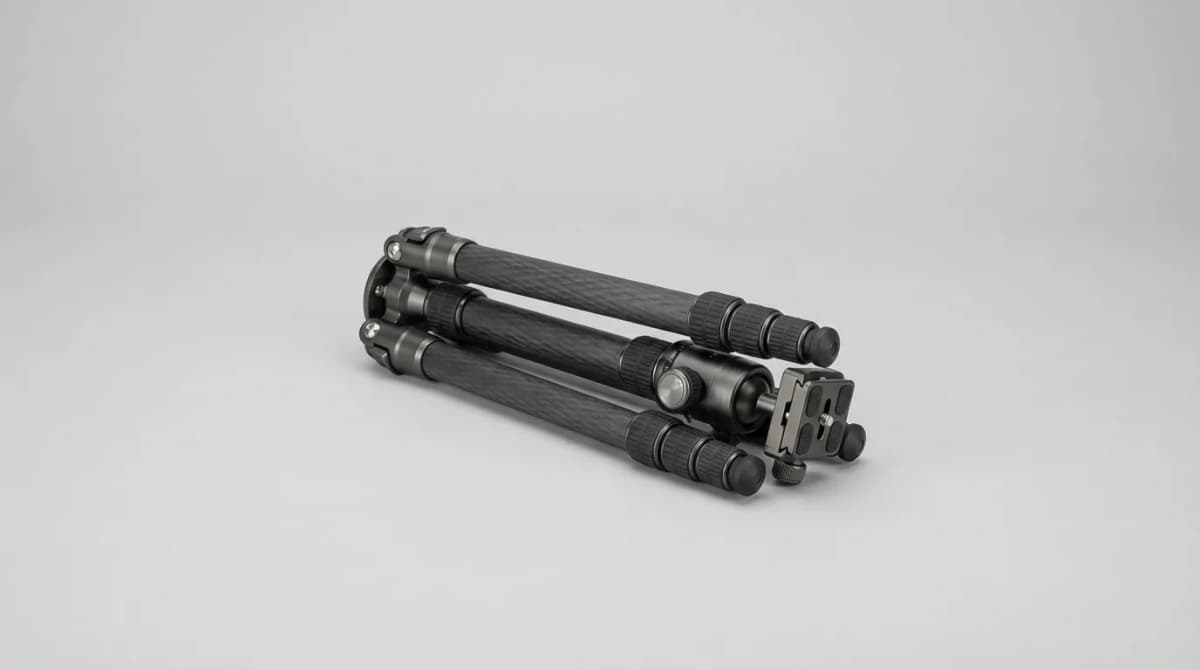
Best Compact Tripods Under $200 for Travel
We tested a dozen compact tripods under $200 to find which ones deliver real stability without breaking your back or budget on the trail.
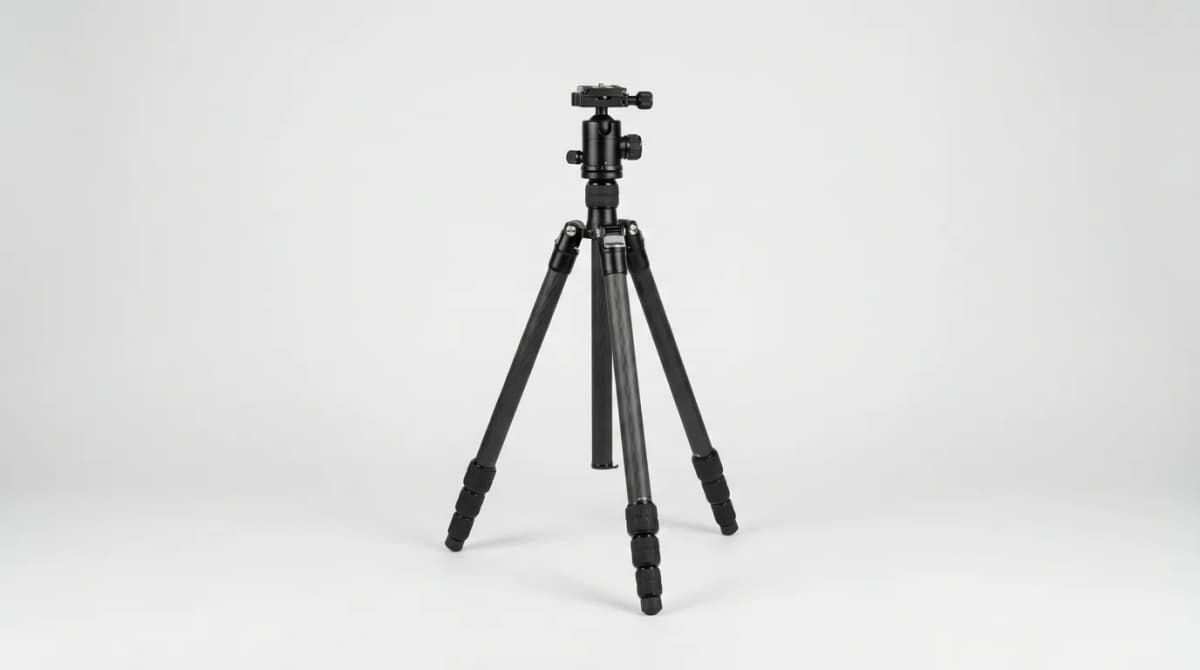
How to Choose a Travel Tripod That You Will Use
Most travel tripods stay home because buyers optimize for weight, not real-world usability. Here's how to pick one you'll actually pack.
One Camera One Lens Travel Challenge: How to Choose
Limiting yourself to one lens forces better composition and lighter packing. Here's how to pick the right focal length for your next trip.