One Camera One Lens Travel Challenge: How to Choose
Limiting yourself to one lens forces better composition and lighter packing. Here's how to pick the right focal length for your next trip.
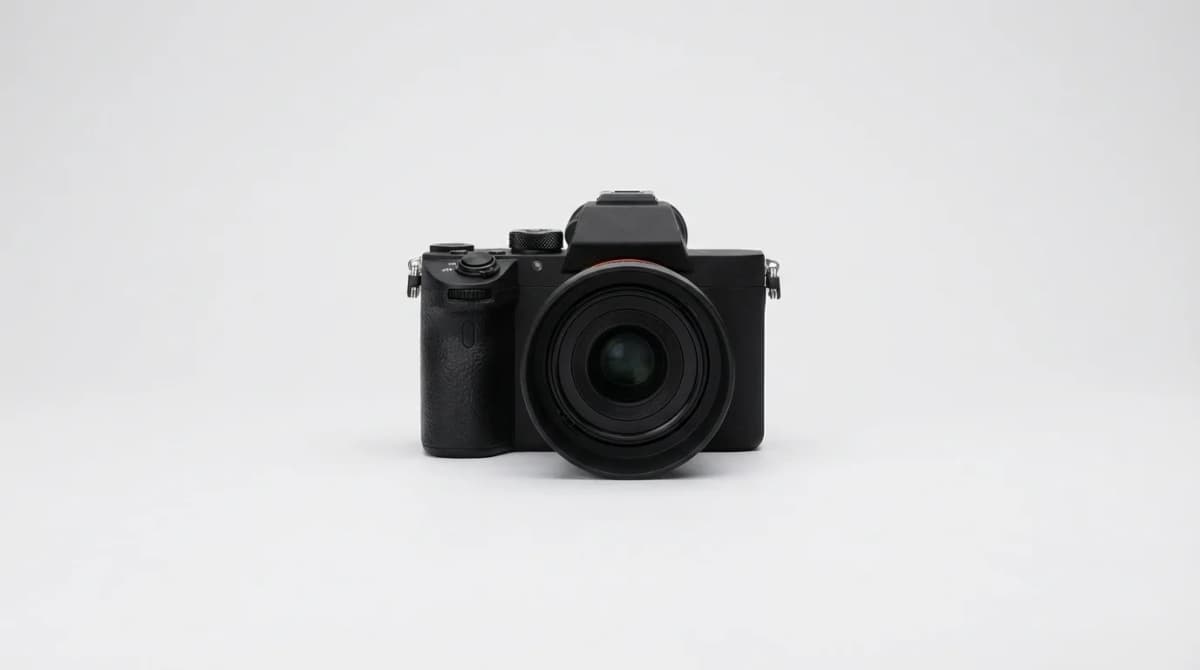
Packing one camera and one lens for a two-week trip sounds risky. You'll miss shots, right? Maybe. But you'll also walk more, compose better, and carry less weight. The constraint forces you to see differently instead of switching glass every time the scene changes.
We've done this multiple times across different continents. The anxiety fades after day two. By day four, you stop thinking about what lens you don't have and start working with what you brought. The question isn't whether to try it. The question is which lens to bring.
Why Focal Length Matters More Than You Think
Your lens choice determines what kind of trip you'll document. A 24mm forces you into scenes, close to people and architecture. A 50mm keeps you at conversation distance. An 85mm makes you a spectator, shooting from across the street.
Most photographers default to a zoom to cover all bases. That's fine for a weekend, but on a longer trip, the weight and decision fatigue add up. Every zoom twist is a micro-decision. With one prime, you move your feet instead. You learn its character. You know exactly what will fit in the frame before you raise the camera.
Focal length also changes how you interact with places. Wide lenses demand you get close, which means more conversations, more risk, more involvement. Longer lenses let you observe from safety. Neither is better. But they create different trips.
The 35mm equivalent (full-frame) sits in the middle. It's wide enough for street scenes and tight interiors, long enough for environmental portraits. It matches roughly what your eye sees, minus peripheral vision. That's why it's the most common choice for this challenge, but it's not the only good one.
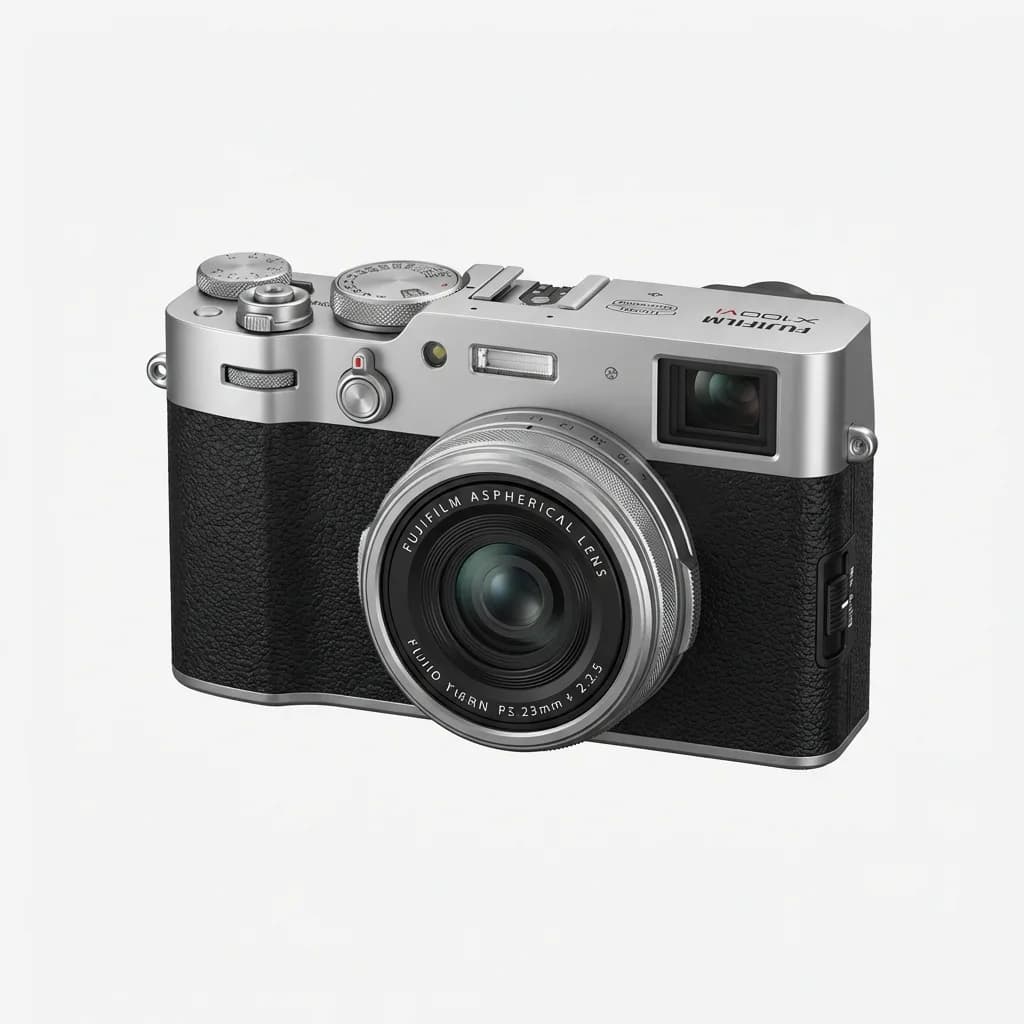
Fujifilm X100VI
See current price
Fixed 23mm f/2 lens (35mm equivalent) in a compact body with APS-C sensor. Hybrid viewfinder, film simulations, and weather resistance make this the ultimate one-lens travel camera.
35mm: The Safe Bet That Actually Works
If this is your first time limiting yourself to one lens, start with 35mm. Not because it's boring, but because it forces the least compromise. You can shoot group dinners, city streets, landscapes with foreground interest, and casual portraits without radical changes in distance.
The 35mm perspective feels natural. You're not compressing space like a telephoto or exaggerating it like an ultra-wide. What you see is roughly what you get. That makes composition faster. You spend less time previewing the shot in your mind and more time reacting.
In tight spaces - markets, narrow alleys, small rooms - 35mm gives you enough width to work. In open spaces, it's tight enough to exclude distracting elements. The versatility isn't about doing everything well. It's about doing most things acceptably and a few things great.
The downside: 35mm doesn't force a strong creative choice. It won't define your visual style the way a 24mm or 85mm will. If you want the challenge to reshape how you see, pick something more extreme.
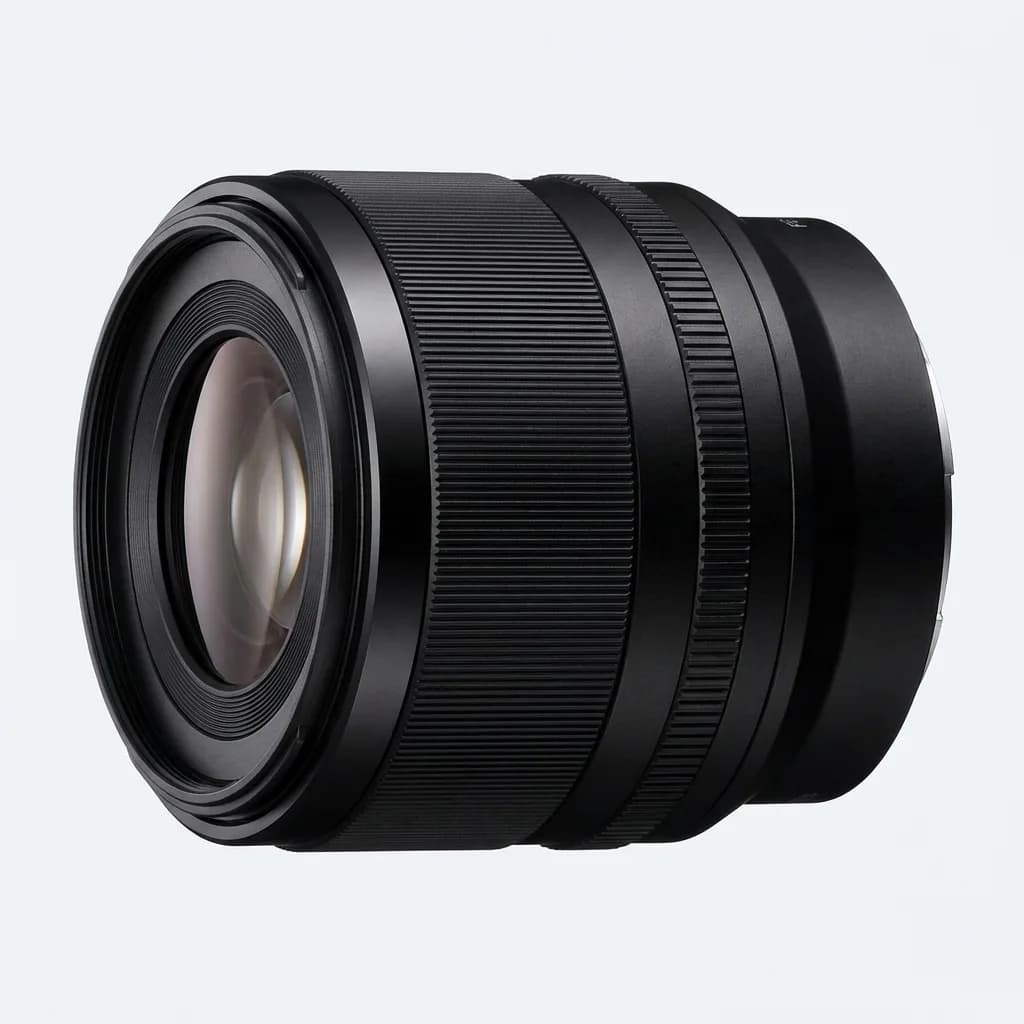
Sony FE 35mm f/1.8
$748
Compact, sharp, fast-focusing 35mm prime for Sony full-frame. Weather-sealed with close focus and minimal distortion. Ideal balance of size and image quality for travel.
50mm: When You Want Discipline
Fifty millimeters is less forgiving. It's too tight for group shots in small spaces, too wide for isolating distant subjects. You'll spend more time backing up or moving forward. That's the point.
Shooting only 50mm trains you to see negative space and relationships between elements. You can't rely on wide-angle drama or telephoto compression. Composition comes from positioning, timing, and layering. It's the least gimmicky focal length.
For street photography and travel portraits, 50mm works better than 35mm. The slightly narrower view cuts clutter without feeling voyeuristic. You're close enough to be present but far enough to give subjects space. The rendering feels intimate without being intrusive.
Interiors become difficult. Restaurant tables, hostel rooms, narrow streets - anything where you can't step back far enough. You'll frame tighter or skip shots. Some photographers love this. Others find it frustrating. Know which type you are before committing.
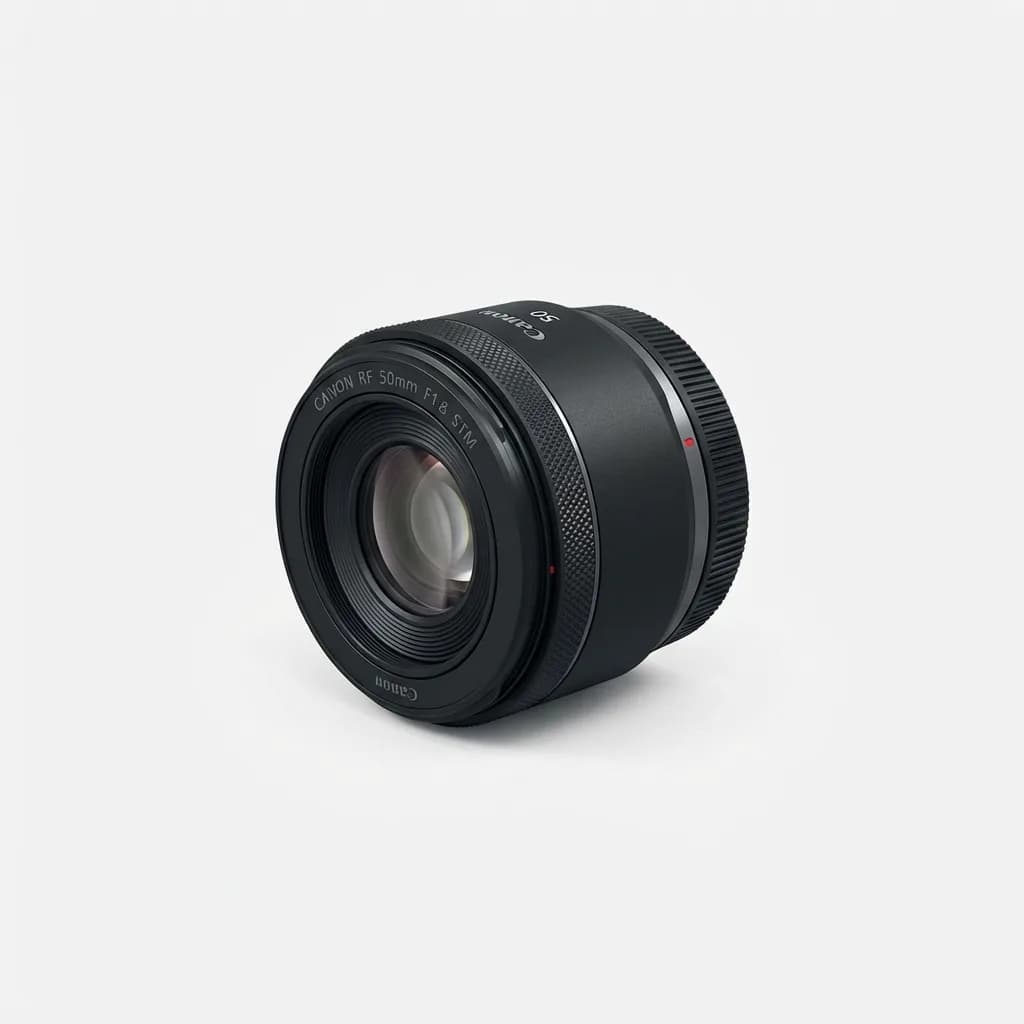
Canon RF 50mm f/1.8 STM
$199
Lightweight 50mm for Canon RF mount. Fast f/1.8 aperture, quiet autofocus, and affordable pricing make this an accessible entry into prime lens travel shooting.
28mm and 24mm: For Getting Into It
Wide-angle primes change the game. You can't stand back and observe. You have to get close, which means engaging with people, entering scenes, dealing with reactions. Travel photography becomes participatory instead of documentary.
A 28mm gives you room for context. Street scenes include the vendor, the stall, and the customers. Architecture shots show the building and the plaza. Environmental portraits put people in their space instead of extracting them. The wider view tells more complete stories.
Twenty-four millimeters pushes further. Distortion becomes visible at the edges. Foreground elements dominate. You need strong compositions to make it work - leading lines, layered depth, clear subjects. When it works, it's dynamic. When it doesn't, it's messy.
Wide lenses also mean fewer depth-of-field tricks. At f/2.8, even 24mm keeps most of the frame sharp from three feet to infinity. You can't isolate subjects with blur the way you can with 50mm or 85mm. Subject separation comes from distance, contrast, and framing.
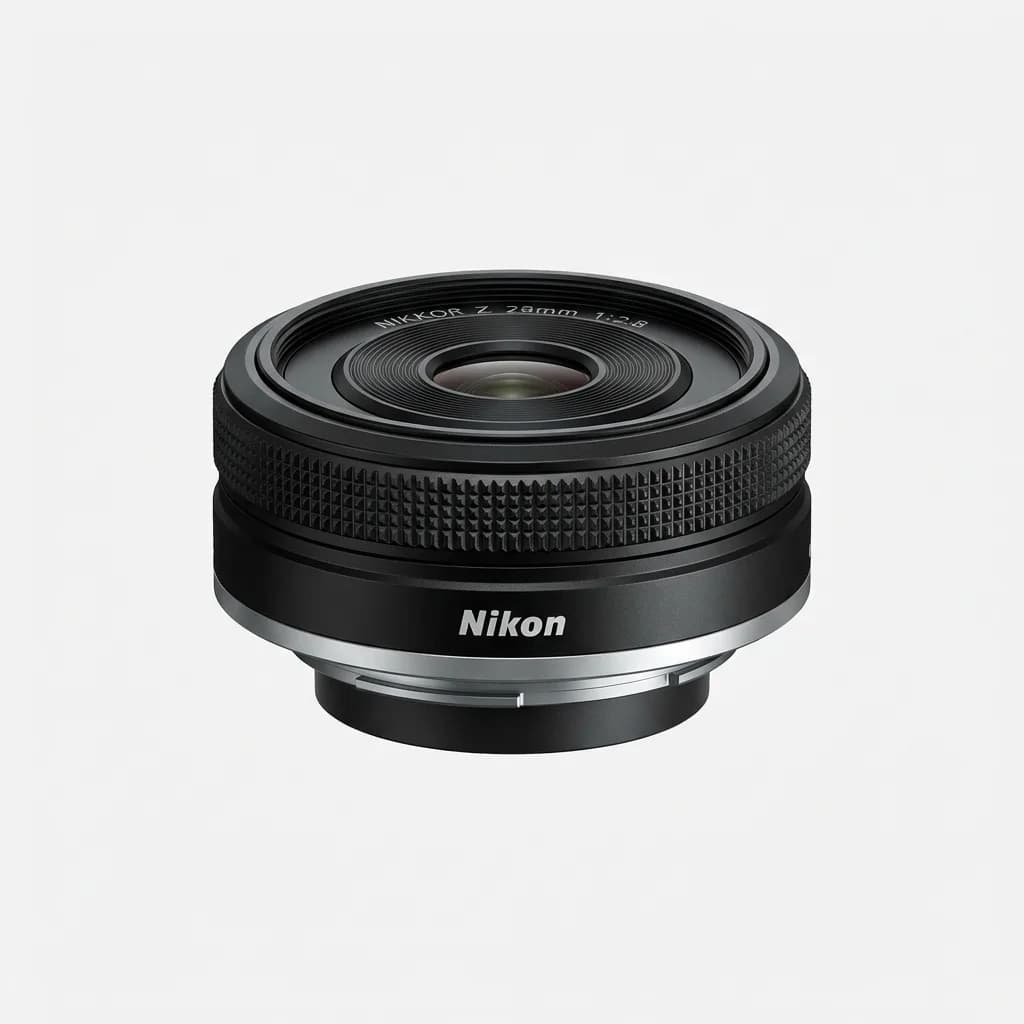
Nikon Z 28mm f/2.8
$297
Compact pancake-style 28mm for Nikon Z cameras. Just 43mm long, sharp corner-to-corner, and weather-sealed. Balances wide coverage with manageable distortion for travel versatility.
85mm and Longer: The Observer's Choice
Shooting travel with an 85mm or longer prime is deliberate. You're choosing distance. You'll capture moments instead of scenes, details instead of environments, people unaware instead of people engaged.
This approach works for specific styles. If you shoot more portraits than streets, more isolated subjects than wide contexts, an 85mm can define a trip. The compression flatters faces, the narrow view eliminates distractions, and the working distance keeps interactions minimal.
The tradeoffs are severe. Forget group shots, interiors, architecture, landscapes with foreground interest, or anything requiring width. You'll also need more distance, which isn't always available in crowds, narrow streets, or small rooms.
Some photographers pair an 85mm with a phone camera for wide shots. That's technically cheating the one-lens rule, but it's practical. The phone handles establishing shots and snapshots. The 85mm handles the keepers.
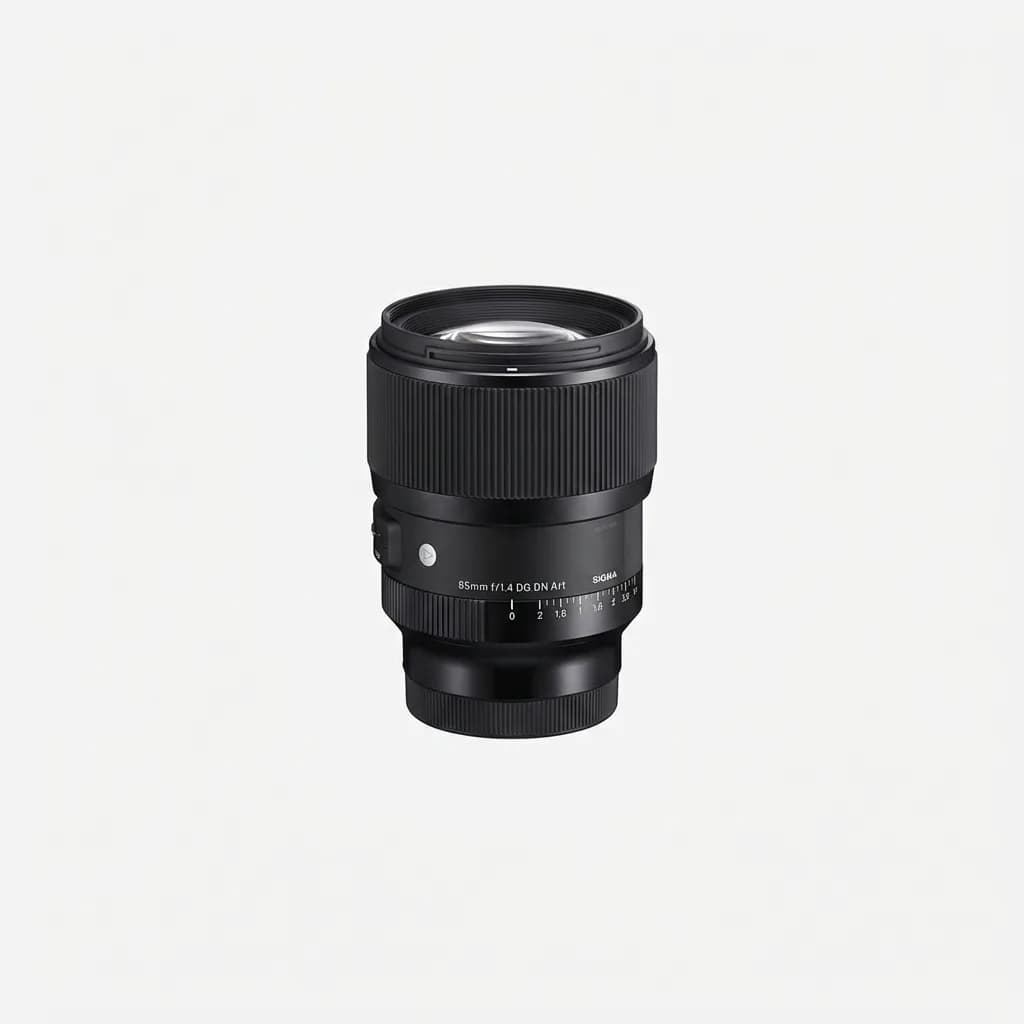
Sigma 85mm f/1.4 DG DN Art
$1,199
Professional-grade 85mm prime for Sony E and Leica L mounts. Exceptional sharpness, smooth bokeh, and fast aperture for portrait-focused travel shooting. Weather-sealed build.
How Sensor Size Changes Everything
A 35mm lens on full-frame gives you 35mm. The same lens on APS-C gives you roughly 50mm equivalent. On Micro Four Thirds, it's 70mm. This matters more than lens choice if you're not shooting full-frame.
Many APS-C photographers bring a 23mm (35mm equivalent) thinking they've chosen wide. They haven't. They've chosen normal. If you want actual wide on crop sensors, you need 16mm or 18mm to match a full-frame 24mm or 28mm.
Micro Four Thirds doubles everything. A 17mm lens gives you 34mm equivalent. A 25mm gives you 50mm. The smaller sensor changes depth of field too - you get more in focus at the same aperture. That's good for travel landscapes, less good for subject isolation.
Know your crop factor before deciding. Don't assume 35mm is universal. Match the equivalent focal length to your shooting style, not the lens name.
What Actually Happens on Day Five
The first day, you'll second-guess everything. Too tight, too wide, missed the shot. By day three, you stop reaching for glass you don't have. By day five, you're pre-visualizing frames based on your one focal length.
This is where the challenge pays off. You start seeing in 35mm or 50mm or 24mm. You know what will fit before you raise the camera. Composition gets faster. You move instinctively instead of fumbling through a bag.
The weight difference matters more than expected. One lens means a smaller bag, easier airport security, less fatigue, faster draws. You shoot more because the camera is always accessible. You walk further because you're not carrying four pounds of glass.
You'll miss shots. That's certain. But you'll also get shots you wouldn't have attempted with a full kit. The constraint forces creativity. Limited tools mean unlimited problem-solving.
Crop in Post or Commit in Camera
Some photographers bring a high-resolution body and plan to crop. A 50MP sensor lets you punch in significantly without losing quality. Shooting 35mm and cropping to 50mm equivalent still leaves 30MP-plus images.
This defeats part of the challenge. The point isn't just carrying less weight. It's learning to see through one focal length, to move instead of zoom, to commit to compositions in the moment. Cropping in post is just zooming later.
That said, it's a safety net for irreplaceable moments. If you're shooting something once-in-a-lifetime and the framing isn't quite right, you can recover. Just don't make it the plan. Treat it as rescue, not strategy.
Better approach: shoot wider than you think you need. Leave space around subjects. You can always crop slightly, but you can't add back what you didn't capture.
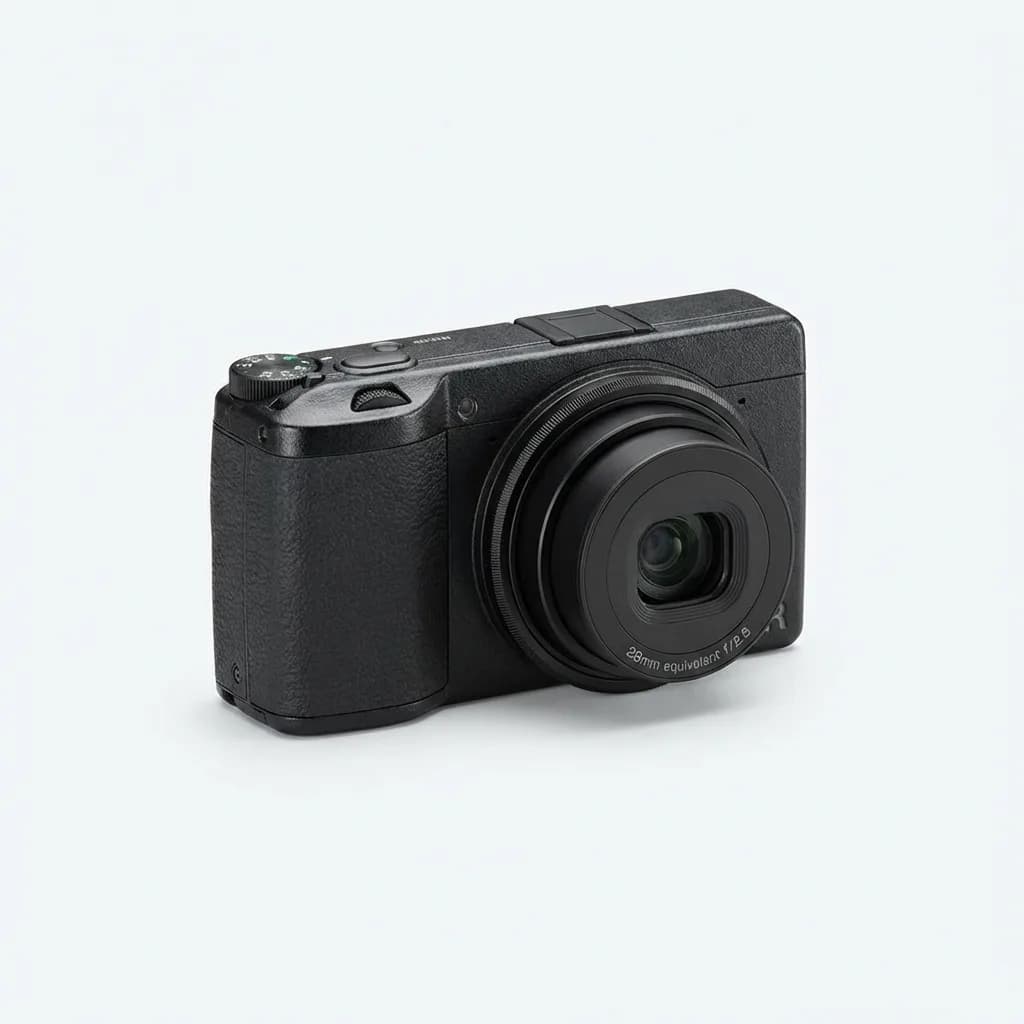
Ricoh GR III
See current price
Pocketable APS-C camera with fixed 28mm equivalent f/2.8 lens. Exceptional image quality, snap-focus shooting, and built-in image stabilization in a body smaller than most smartphones.
The Mistake Everyone Makes
The biggest error is choosing based on specs instead of shooting style. You read that 35mm is versatile, so you bring it. But you mostly shoot portraits and detail shots. Now you're working against your lens for two weeks.
Look at your last trip's photos. What focal lengths did you use most? What moments did you care about most? Pick the lens that matches those answers, not the one that sounds most practical.
Second mistake: bringing a lens you've never used before. The challenge is hard enough with familiar glass. Learning a new focal length while traveling adds frustration. Shoot your chosen lens for at least a week before the trip. Learn its limits at home, not in Kyoto.
Third mistake: choosing the smallest lens over the best lens. A pancake 40mm might be compact, but if the autofocus is slow or the image quality is weak, you'll regret it. Size matters, but not more than performance.
Final Frame
Start with 35mm if you're unsure. Move to 50mm if you want discipline. Try 28mm if you want involvement. Save 85mm for when you know exactly what you're after.
The challenge isn't about handicapping yourself. It's about clarity. One lens means one way of seeing. That focus - literal and metaphorical - makes you better. Not because you learn to cope with limits, but because you stop thinking about gear and start thinking about images.
Pack light. Shoot more. See differently.
The Weekly Dispatch
Enjoying this article?
Subscribe and get our best gear picks delivered every Sunday morning.
Related Stories
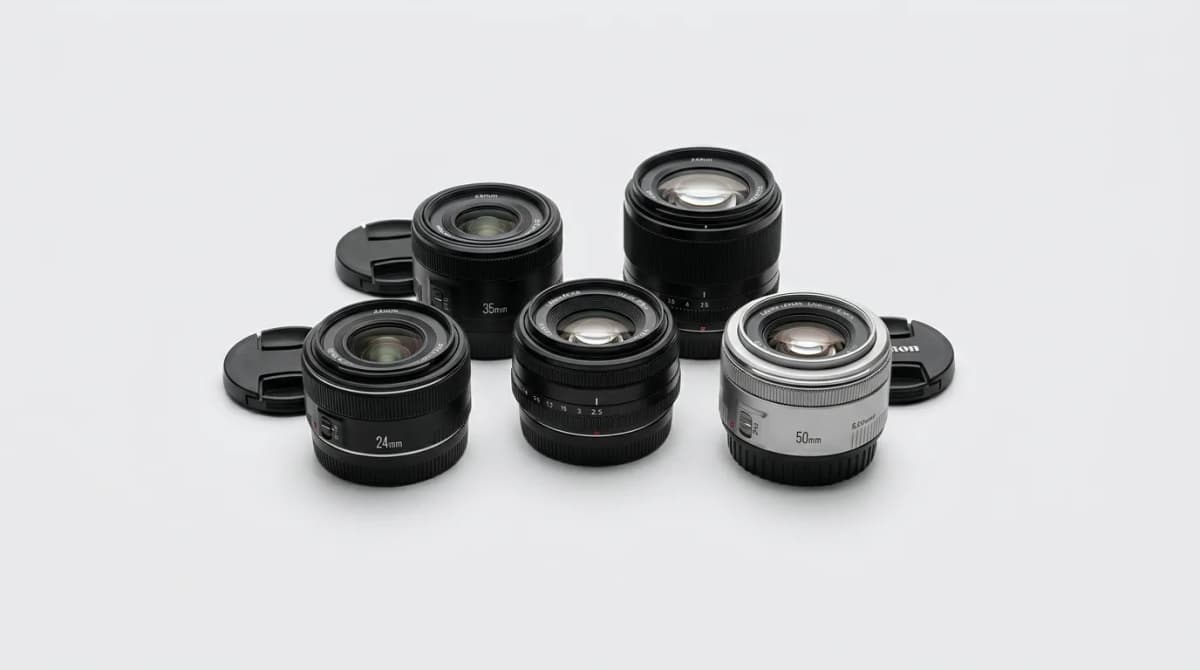
Small Prime Lenses for Travel: Why They Beat Zooms
Small prime lenses deliver sharper images and better low-light performance than zoom lenses while saving critical weight in your travel kit.
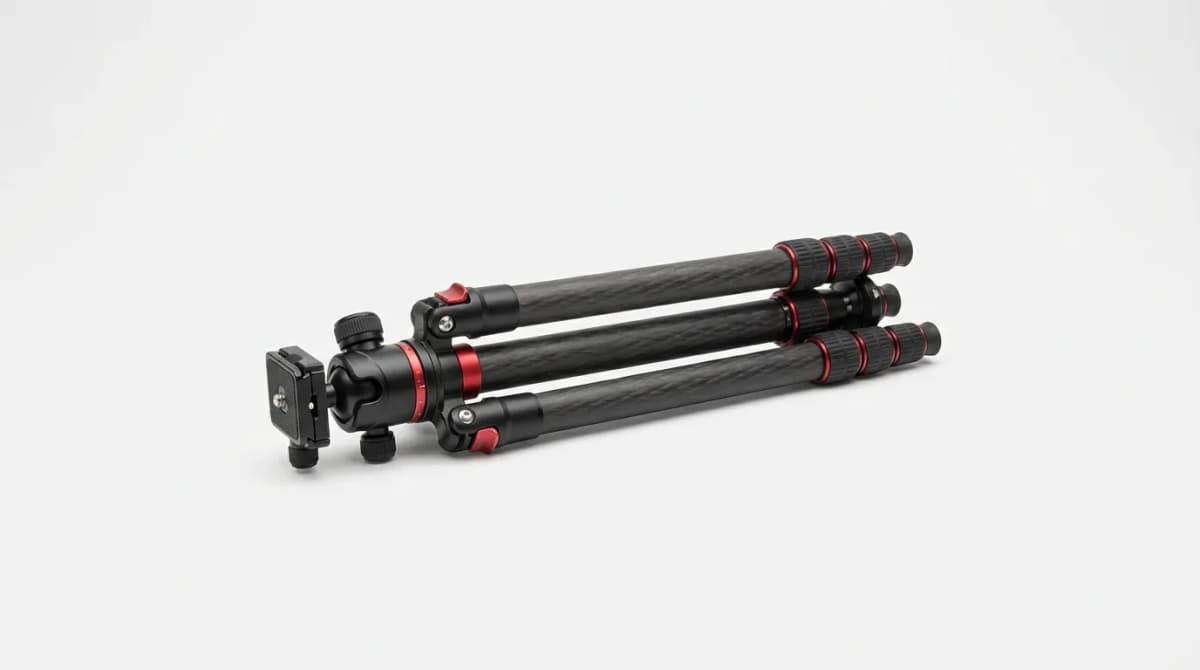
Best Travel Tripods: Carbon Fiber vs Aluminum
Travel tripods balance weight and stability in ways full-size models don't. Carbon fiber costs 2-3x more than aluminum but saves crucial ounces on long hikes.
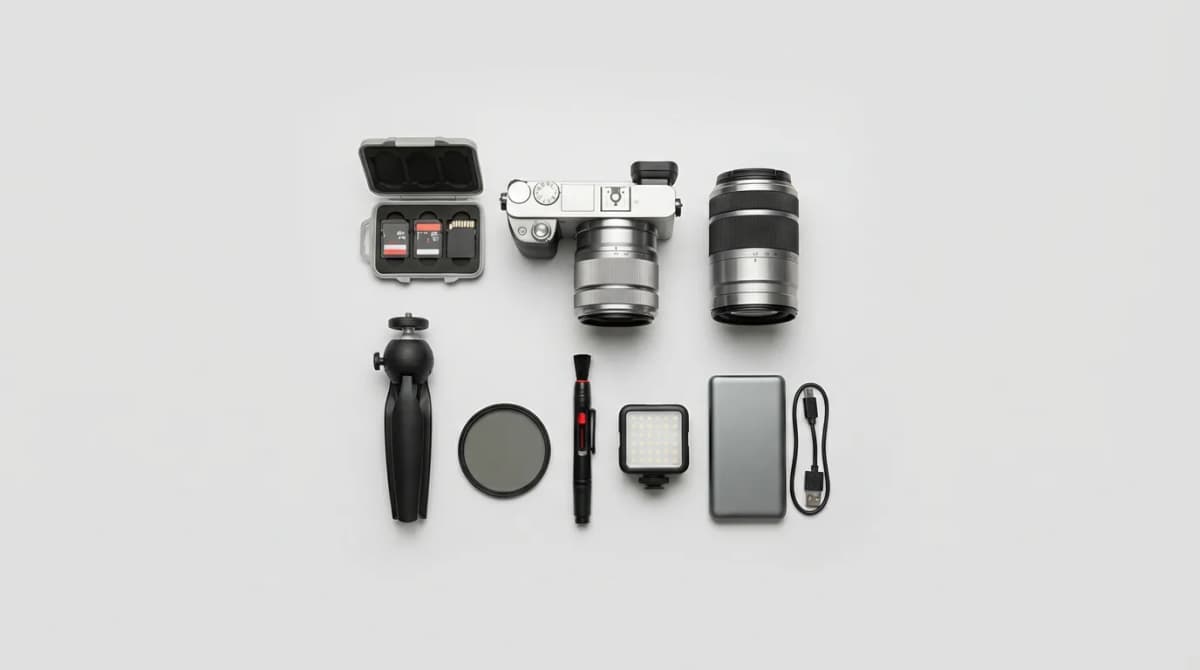
Best Travel Photography Kit Under $500
Build a complete travel photography kit for under $500. Real-world camera body, lens, and accessory recommendations that prioritize portability without sacrificing image quality.