Best Dry Bags for City and Travel Use
Dry bags aren't just for kayakers anymore. Here's how to pick the right waterproof roll-top bag for urban carry, travel, and everyday protection.
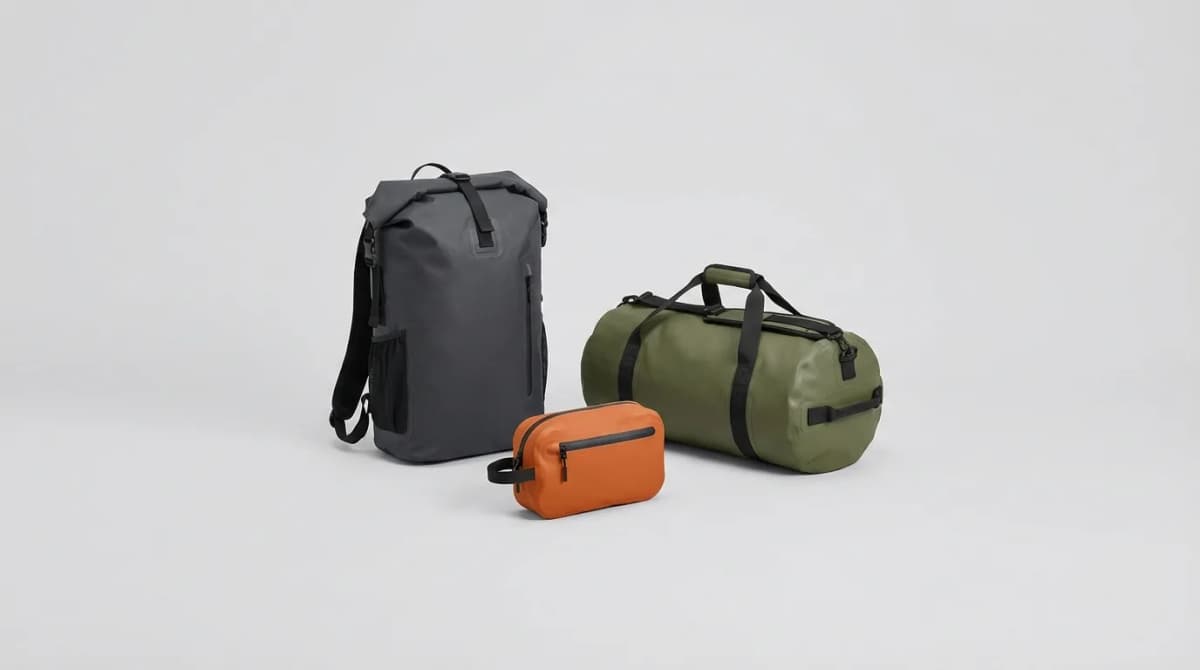
You don't need to be paddling whitewater to benefit from a dry bag. A sudden rainstorm. A spilled water bottle in your backpack. Beach sand that gets into everything. Dry bags solve problems that show up in regular life, not just wilderness expeditions.
The roll-top closure that makes dry bags waterproof also makes them incredibly versatile for organizing gear. They compress down when empty, expand when full, and keep your stuff separated and protected. We've tested dozens across different price points and use cases.
What Makes a Good Urban Dry Bag
Traditional outdoor dry bags are built for river rafting and camping, which means they prioritize float testing and heavy-duty abrasion resistance. That's overkill for city use. What matters more for everyday carry is how the bag handles being tossed in a backpack, whether it stays flexible in air conditioning, and if you can open and close it quickly without making a production out of it.
Material thickness is the main tradeoff. Thin vinyl (0.3-0.4mm) weighs almost nothing and packs incredibly small, but it punctures if you look at it wrong. Heavy-duty PVC or TPU (0.5-0.7mm) can handle rough treatment but adds noticeable weight and bulk. For urban use, we prefer the middle ground: 0.4-0.5mm TPU that balances durability with packability.
The roll-top closure needs at least three full rolls to create a proper seal. Fewer than that and you're just folding the top over, not creating the compression that makes the bag waterproof. More than four rolls gets annoying for daily access. Side-release buckles are faster than the old D-ring and strap system.
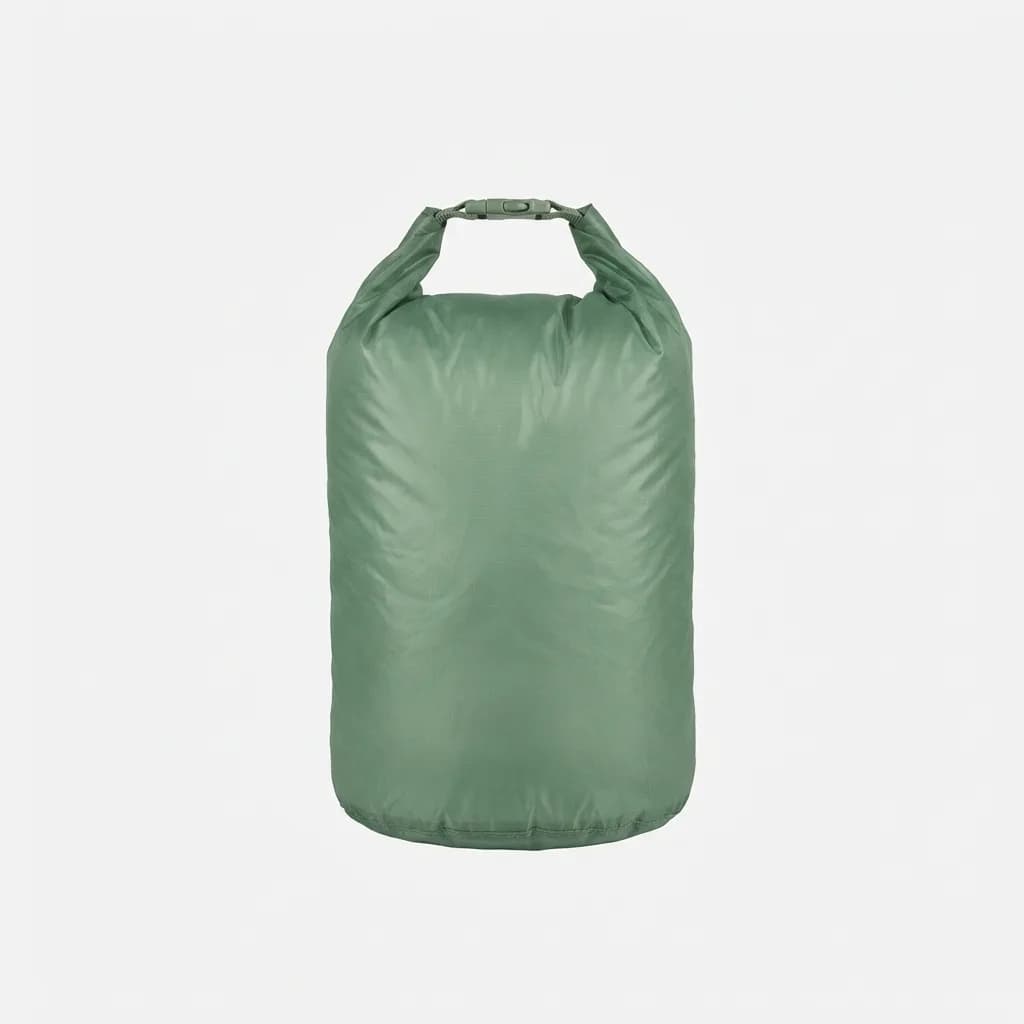
Sea to Summit Ultra-Sil Nano Dry Sack
$25
15-denier siliconized nylon at just 1.1 ounces for the 8L size. Not puncture-proof, but incredibly packable for travel organization. Roll-top with side-release buckle.
Size Selection for Daily Carry
Dry bag sizes are measured in liters, which is less intuitive than it should be. Here's what actually fits in each size range.
2-5L: Phone, wallet, keys, battery bank. This is your "essentials pouch" size. Too small for a full change of clothes but perfect for protecting electronics in a larger bag. We use a 3L constantly for camera batteries and memory cards.
8-13L: One complete outfit, toiletries, or a 13-inch laptop with charger. The sweet spot for travel organization inside a backpack. An 8L holds what you'd pack for an overnight trip. A 13L fits three days of clothes if you roll them tight.
20L: Two to three outfits, or all your beach gear, or everything you'd need for a day hike. This is where dry bags start replacing stuff sacks entirely. At this size, they work as standalone daypacks if they have shoulder straps.
Bigger than 20L gets specialized. You're either organizing a large duffel or you're actually going on a water-based trip.
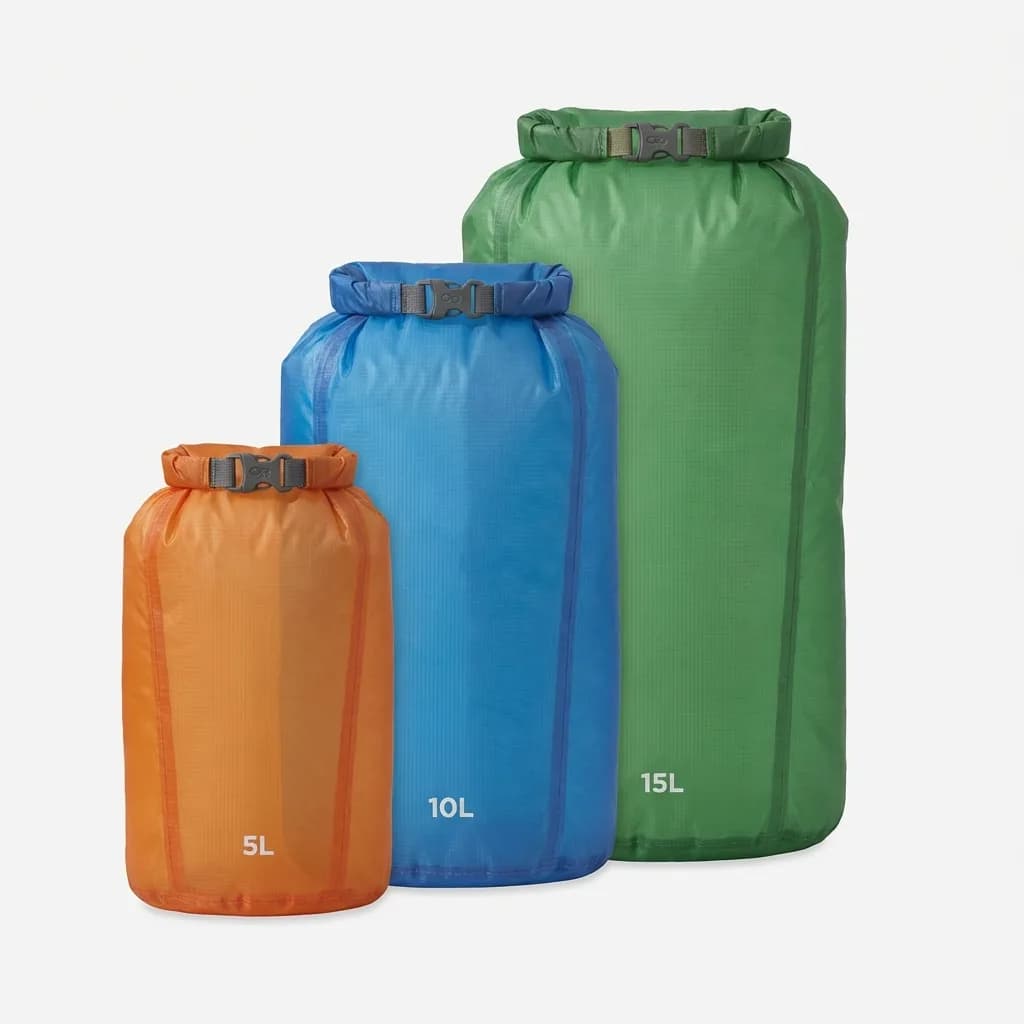
Outdoor Research Ultralight Dry Sacks Set
$40
Three-pack of 5L, 10L, and 15L bags in different colors. 70-denier nylon with taped seams. Color-coded organization without the bulk of heavy PVC.
Clear vs. Opaque Material
Clear TPU dry bags have become popular because you can see what's inside without opening them. This matters more than you'd think when you're digging through a backpack at airport security or looking for a specific charging cable.
The downside is aesthetics and privacy. A transparent bag full of wrinkled clothes or personal items just looks messy. And not everyone wants their stuff visible to anyone who glances in their bag.
We use clear bags for tech (cables, adapters, battery banks) and opaque bags for clothes and toiletries. The visual identification helps when everything's packed tight, but you don't want a clear bag as your main organizational system.
Some manufacturers split the difference with translucent material or a small clear window panel. That's the best compromise if you want identification without full visibility.
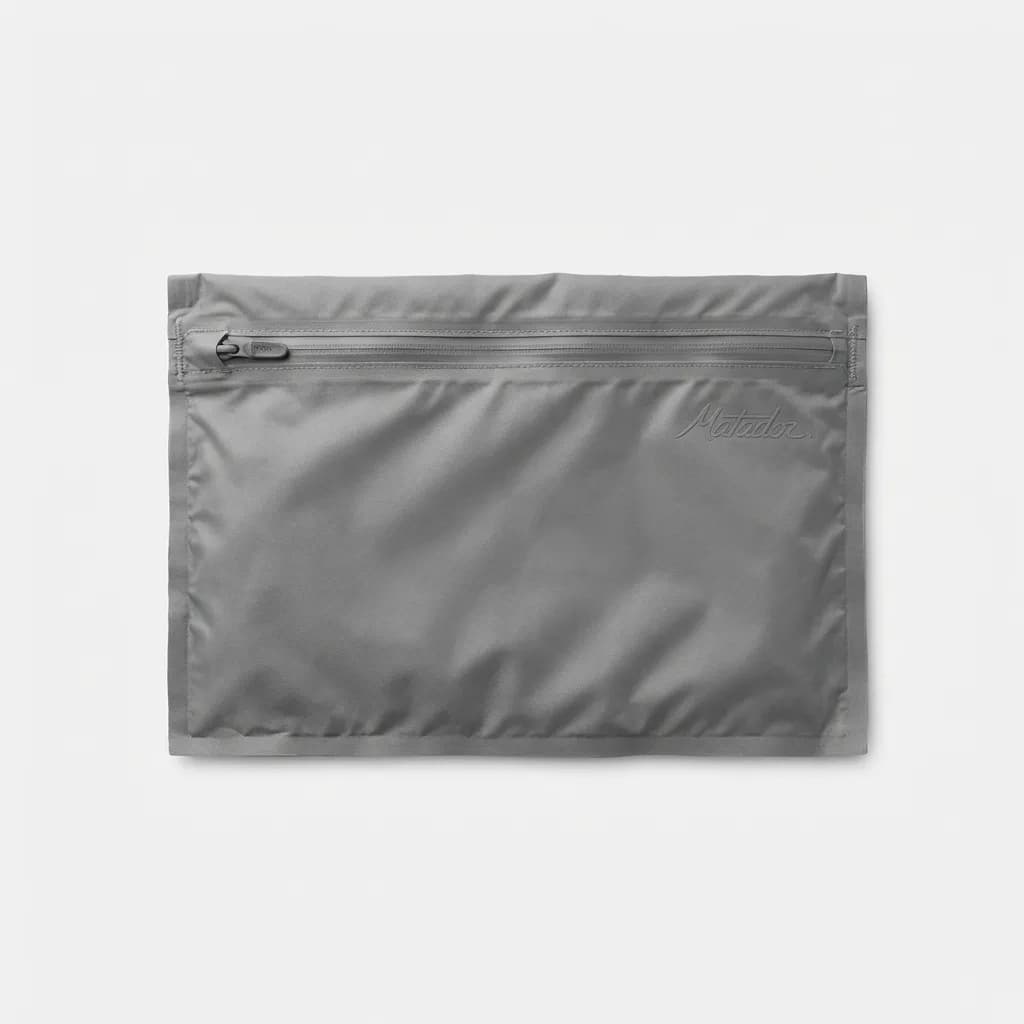
Matador FlatPak Toiletry Bag
$30
Welded waterproof construction in 70-denier nylon. Not a traditional roll-top but uses a waterproof zipper instead. 2.8 ounces, TSA-compliant size, packable flat design.
When to Choose a Dry Bag Over Regular Packing Cubes
Packing cubes are lighter, open faster, and compress better with zippers than roll-tops. So why use a dry bag at all?
Water protection is obvious, but dust protection matters just as much. Beach trips, desert hiking, or just keeping your clean clothes separate from dirty gym gear. The sealed closure means nothing transfers smell or grit.
Compression works differently too. Packing cubes maintain their shape, which helps backpacks look organized but wastes space if the bag isn't full. Dry bags collapse completely when empty and you can squeeze out excess air before sealing. This makes them better for variable loads.
You can also use a dry bag to carry wet items without soaking everything else. Swimsuits, damp towels, sweaty running clothes. Roll it shut and toss it in your bag without worry. Try that with a packing cube and you'll have problems.
The major downside is access. Unrolling and re-rolling every time you need something gets old fast. For items you'll access frequently throughout the day, packing cubes are more practical. For items you pack once and don't touch until you reach your destination, dry bags are superior.
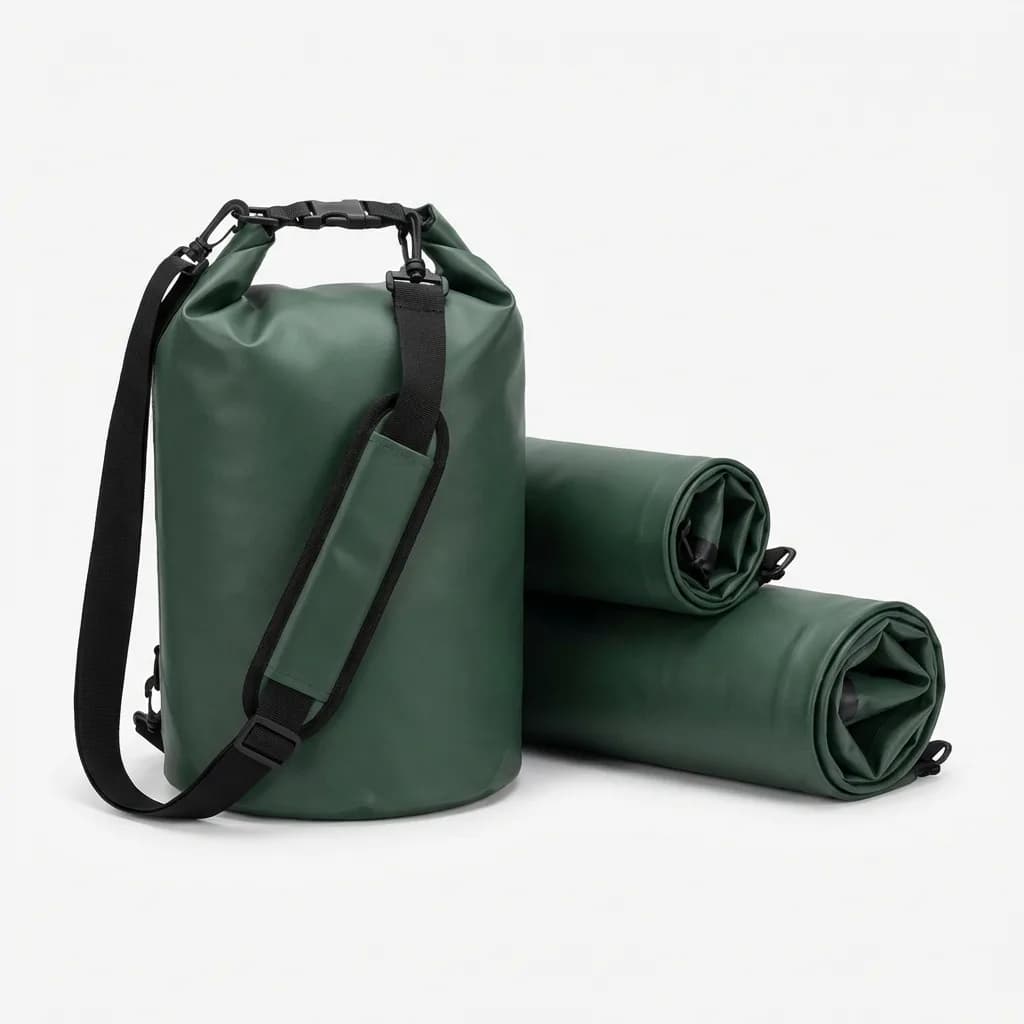
Earth Pak Waterproof Dry Bag
$20
Heavy-duty 500D PVC with welded seams and padded shoulder straps. 10L, 20L, and 30L sizes available. Works as a standalone daypack or organization inside larger bags.
Real Waterproof vs. Water-Resistant
Not all "dry bags" are created equal. Cheap versions use coated nylon that's water-resistant but not waterproof. The difference matters if you care about actual protection.
True waterproof construction uses either heat-welded seams (melting the material together with no stitching) or taped seams (covering stitching with waterproof tape). If you can see exposed thread on the inside, it's not fully waterproof.
The roll-top closure itself creates the seal through pressure and compression. Three full rolls minimum. The material overlaps itself and creates friction that keeps water out. This works even on lightweight bags, but only if you roll it properly.
Some bags add a plastic buckle clip that threads through loops on both sides of the rolled top. This isn't part of the waterproof seal - it just keeps the bag closed during transport. The actual seal comes from the rolled compression.
We've submerged properly sealed dry bags in a bathtub for 30 minutes with paper towels inside. The ones with welded seams stayed completely dry. The cheaper water-resistant versions had damp spots after 10 minutes.
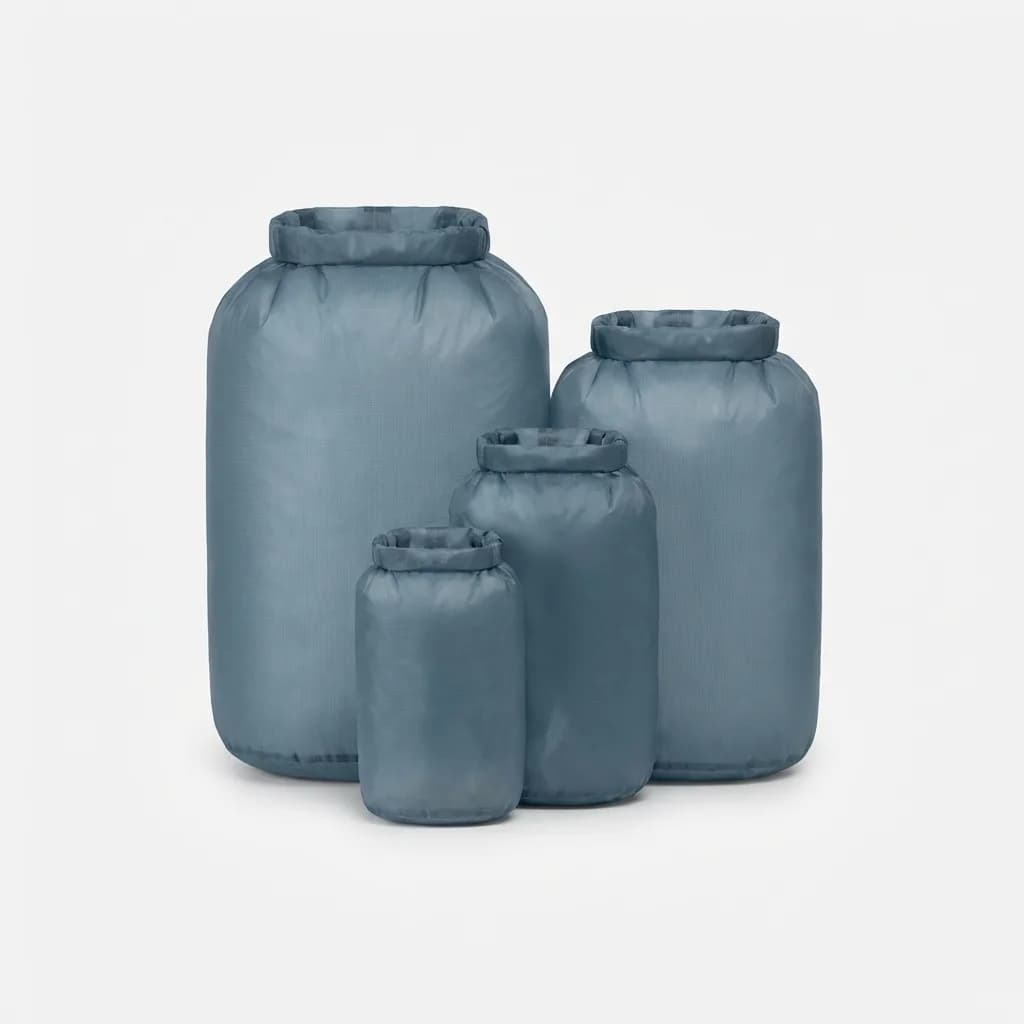
Osprey Ultralight Dry Sack
$18
40-denier siliconized nylon with fully taped seams. Available in 3L, 6L, 12L, and 20L sizes. Oval shape packs more efficiently than traditional round dry bags.
Material Durability: TPU vs. PVC vs. Nylon
PVC is the oldest dry bag material. It's thick, stiff, and bulletproof. Also heavy and not very packable. Old-school river guides still use it because you can drag it over rocks without puncturing. For urban use, it's unnecessarily burly.
TPU (thermoplastic polyurethane) is lighter and more flexible than PVC while maintaining similar waterproof properties. It stays soft in cold weather instead of getting stiff. Most modern dry bags use TPU-coated nylon, which combines the flexibility of fabric with the waterproofing of plastic.
Siliconized nylon is the lightest option. It uses a silicon coating on ultra-thin nylon (15-40 denier) for water resistance. This isn't as bombproof as welded plastic, but it packs incredibly small and weighs almost nothing. We use these for travel when packability matters more than ruggedness.
For city and travel use, we recommend TPU-coated nylon in the 40-70 denier range. It handles daily abuse, packs reasonably small, and costs less than ultralight options while being far lighter than old PVC bags.
Roll-Top Technique That Actually Seals
Most people don't roll their dry bags correctly, then complain they're not waterproof. Here's the right way.
Push out as much air as possible before rolling. Squeeze the bag from the bottom up like a tube of toothpaste. Excess air makes it harder to get enough rolls for a proper seal.
Fold the top down flat, then start rolling toward yourself. Each roll should be tight and even across the entire width. Three full rotations minimum. You should feel resistance by the third roll.
After rolling, bring both sides of the rolled top together and clip the buckle if your bag has one. The buckle isn't creating the seal - the rolled compression is. The buckle just keeps it from unrolling during transport.
If water gets in, you either didn't roll it enough times or you didn't push the air out first. Or the bag has a puncture somewhere, which you can test by inflating it like a balloon and looking for air leaks.
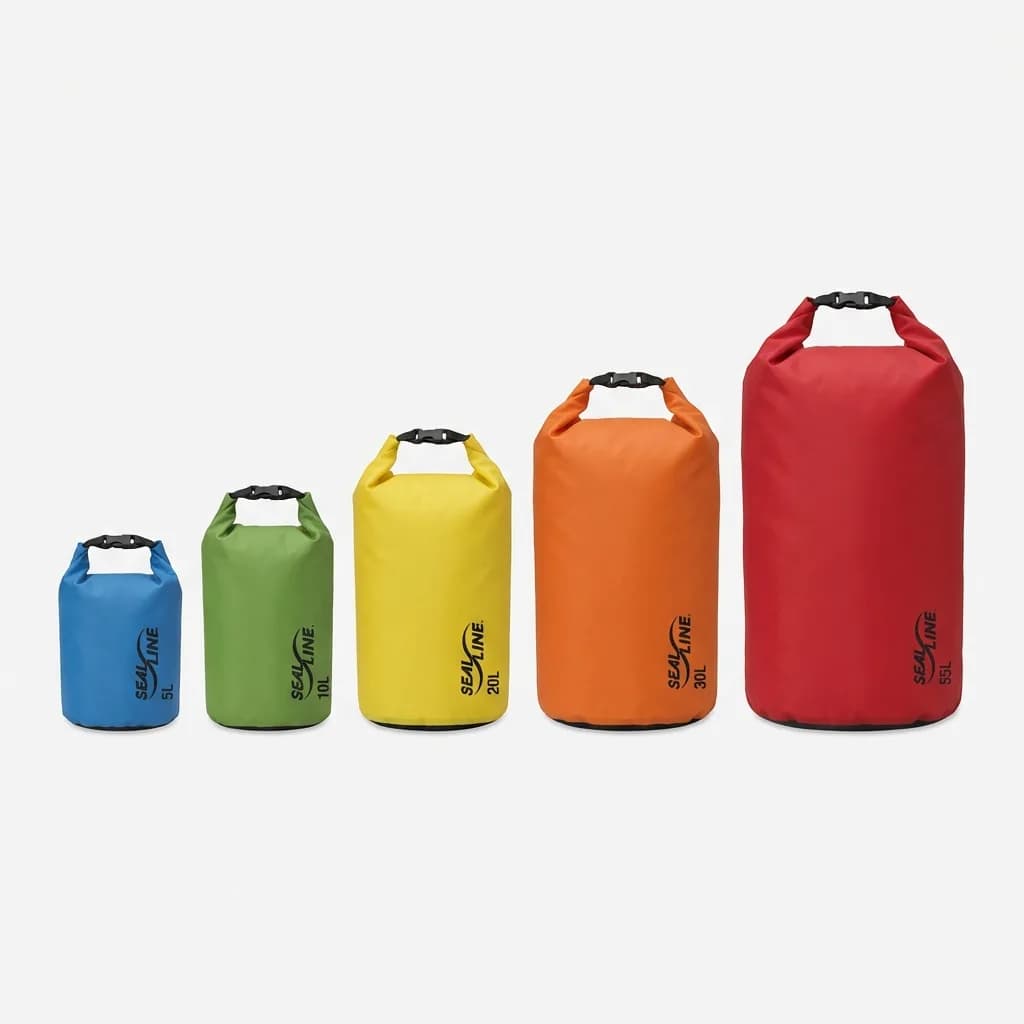
SealLine Baja Dry Bag
$25
Heavy-duty 40-denier nylon with urethane coating and fully welded seams. Designed for kayaking but works perfectly for travel. 5L, 10L, 20L, 30L, and 55L sizes.
Wrapping Up
Dry bags have moved beyond river trips into everyday carry because they solve real problems. They protect electronics from rain, keep clean clothes separated from dirty gear, compress down when empty, and create a waterproof barrier that regular packing cubes can't match.
For city and travel use, skip the heavy-duty PVC options meant for whitewater. Go with TPU-coated nylon in the 40-70 denier range for the right balance of weight, durability, and packability. Size selection depends on what you're organizing - 8-13L bags work well as travel organizers inside backpacks, while 3-5L bags handle electronics and small essentials.
The roll-top closure needs proper technique to actually seal. Push out air, roll at least three full turns, and the compression creates the waterproof barrier. Skip the cheap water-resistant versions if you want true protection. Look for welded or taped seams instead of exposed stitching.
A set of three dry bags in different sizes and colors gives you a complete organization system that weighs less than traditional toiletry kits and packing cubes combined. They'll outlast zippered alternatives because there are fewer failure points, and you can use them to carry wet items without soaking everything else in your bag.
The Weekly Dispatch
Enjoying this article?
Subscribe and get our best gear picks delivered every Sunday morning.
Related Stories
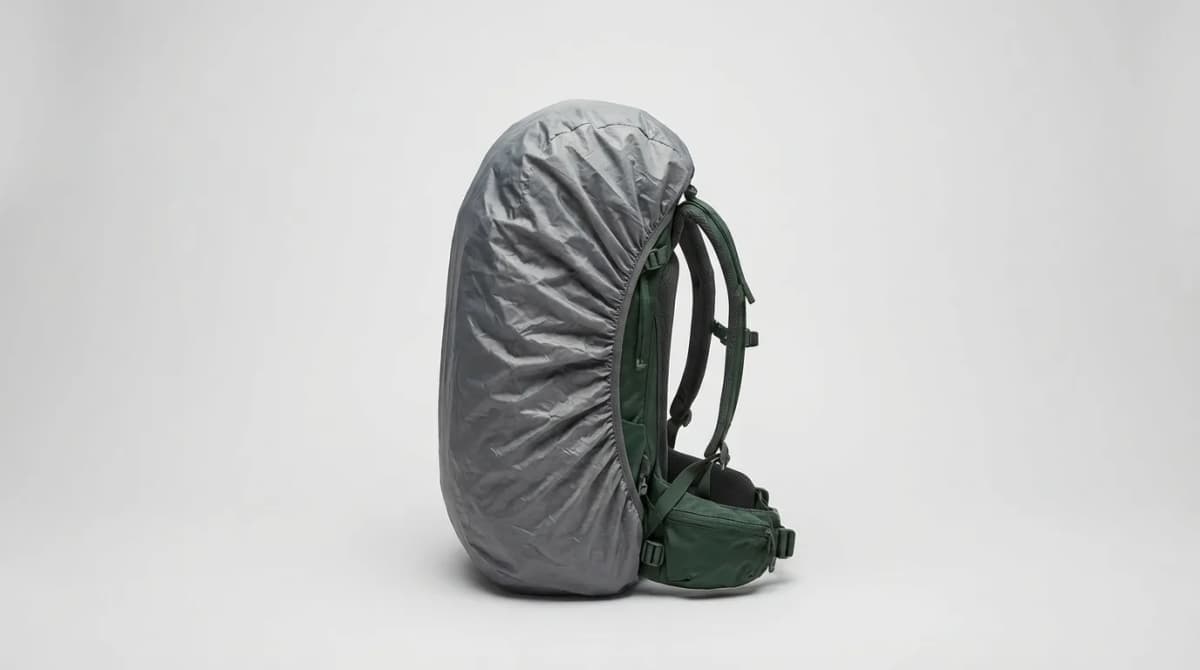
Best Minimal Rain Covers for Backpacks
Minimal rain covers pack smaller than your fist but protect your gear when storms hit. Here's how to choose one that actually fits your pack.
Best Trekking Poles for Bad Knees 2026
Discover which trekking poles reduce knee strain most effectively with shock absorption, proper length adjustment, and grip comfort for long-distance hiking.
Best Binoculars for Bird Watching Under $200
Budget binoculars can deliver sharp, bright views for birding. We tested mid-range optics under $200 to find which models offer the best clarity and durability.