Best Minimal Rain Covers for Backpacks
Minimal rain covers pack smaller than your fist but protect your gear when storms hit. Here's how to choose one that actually fits your pack.
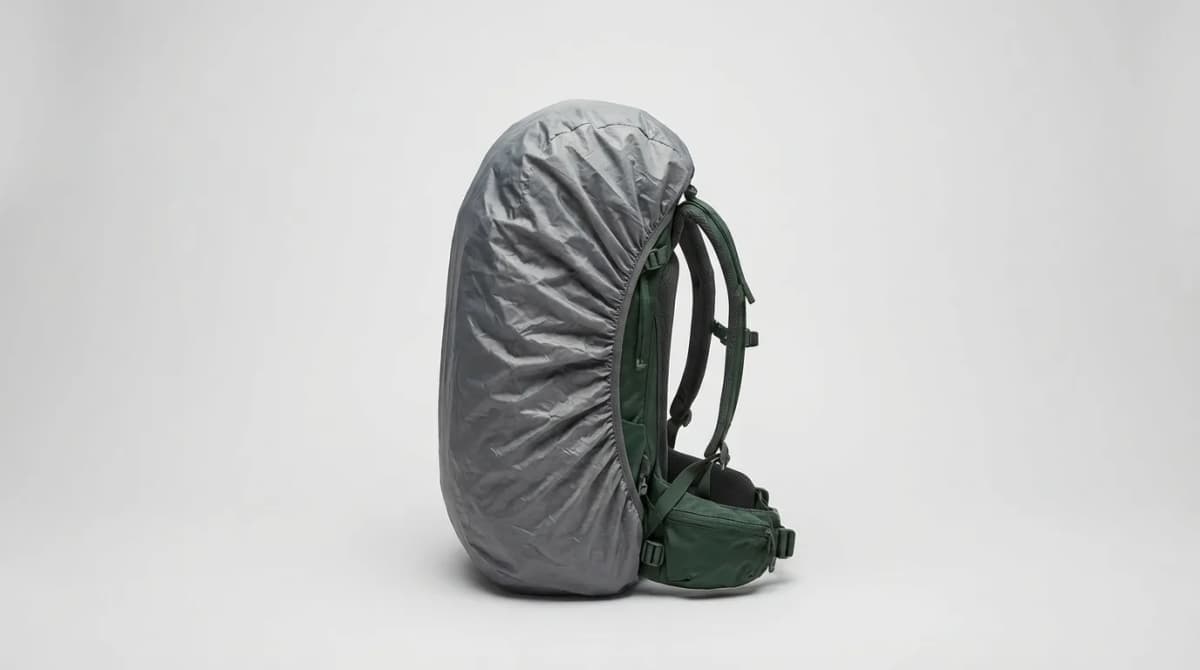
Most backpack rain covers fail at the one thing they're supposed to do: fit properly. They either slip off in wind, bunch up and expose corners, or they're so oversized they flap around like a garbage bag.
The best minimal rain covers disappear into a side pocket when you don't need them and deploy in under 30 seconds when the weather turns. They should weigh less than 4 ounces, pack down to fist-size or smaller, and stay put once they're on.
We tested covers across different pack volumes and conditions. Some excel at staying secure in high wind. Others prioritize packability above all else. A few strike the perfect balance.
Why Pack Size Actually Matters for Rain Covers
A rain cover you leave at home because it's too bulky is worthless. The best minimal covers compress to the size of a tennis ball or smaller. That means they fit in your pack's external pocket or lid without eating up space you need for other gear.
Look for covers that come with their own stuff sack. Some integrate the sack into the cover itself with a built-in pocket. Either way, compression is key. A 20L cover should pack down to roughly 3x4 inches. Anything larger and you'll resent carrying it.
Material matters here. Silnylon packs smaller than coated nylon but costs more. Ripstop fabrics add durability without much weight penalty. The thinnest covers weigh around 2 ounces but tear more easily on sharp corners and buckles.
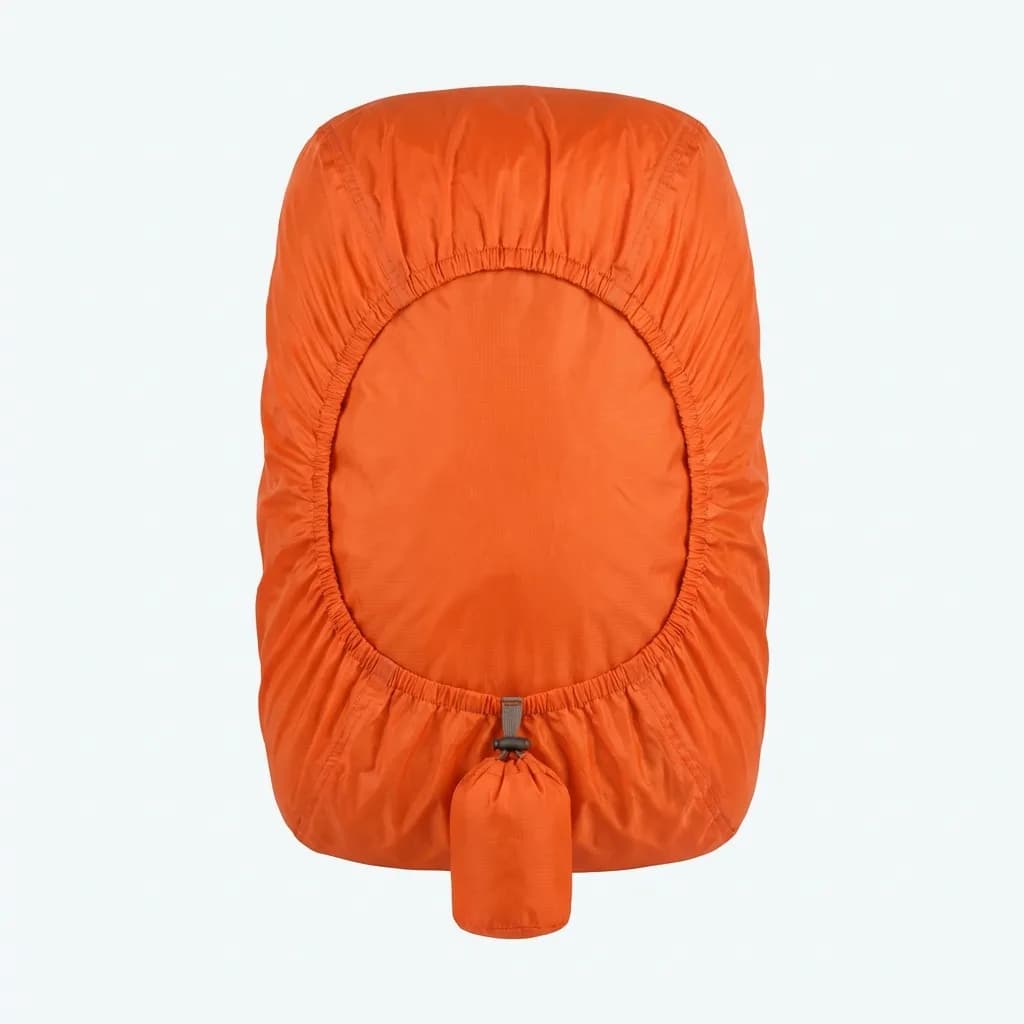
Sea to Summit Ultra-Sil Pack Cover
$45
Weighs 2.5 oz for the medium size, packs into its own tiny stuff sack. 15D ultra-sil fabric is thin but surprisingly durable with taped seams.
How to Get the Right Fit (Most People Size Up Wrong)
Rain cover sizing confuses everyone because manufacturers use volume ranges, not dimensions. A cover rated for "30-40L" might not fit your 35L pack if the shape is wrong.
Measure your pack's height from bottom to top of the main compartment when it's fully loaded. Then measure the depth front-to-back. Width matters less because most covers use elastic or drawcords at the bottom to cinch in.
Tall, narrow packs like hiking bags need different proportions than wide, shallow travel packs. If your pack has a top lid or front pocket, account for that volume too. The cover needs to drape over everything without pulling tight across corners.
Buy one size larger if you're between sizes or if your pack has external attachments like trekking pole loops or water bottle pockets. A slightly loose cover secured with a bottom drawcord works better than one stretched drum-tight.
Some covers include reinforced corners where buckles and straps dig in. These last longer but add weight. Decide whether you need that based on your pack's design and how rough you are with gear.
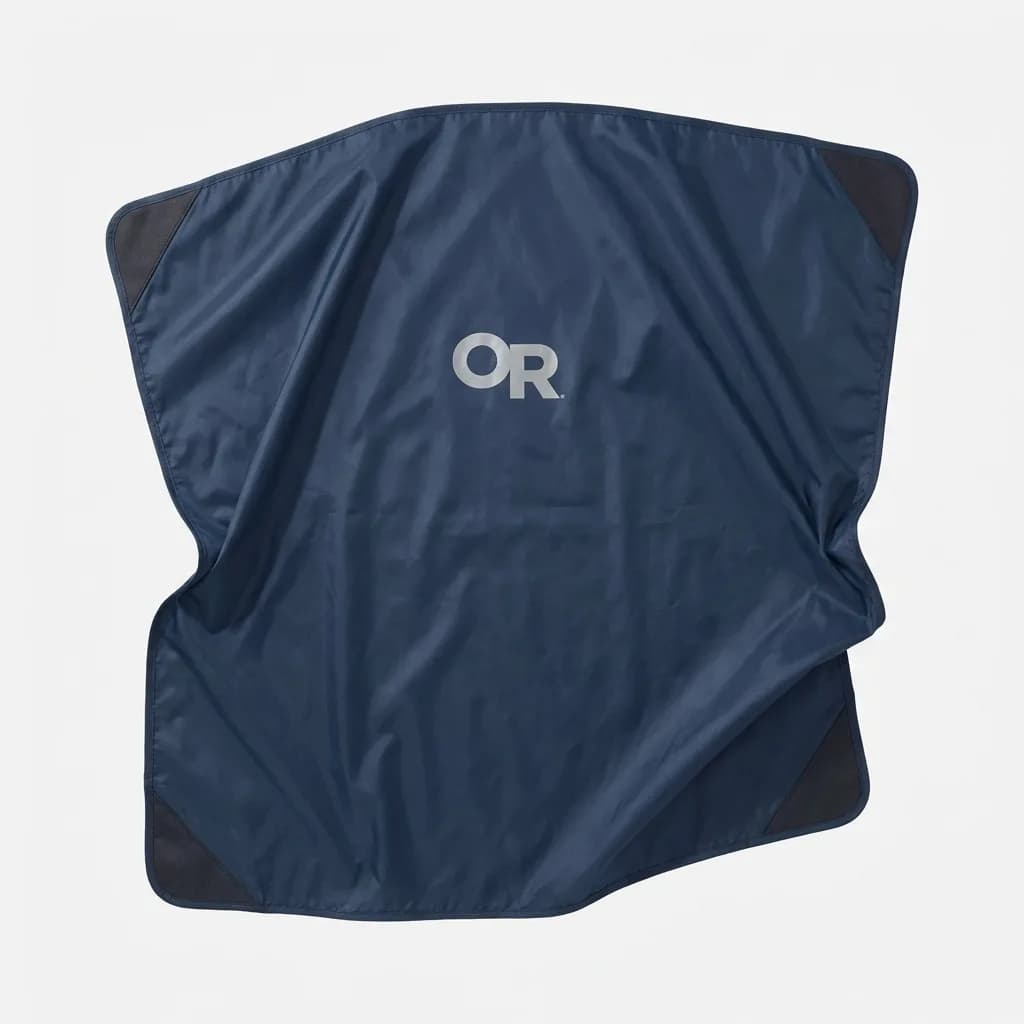
Outdoor Research Helium Pack Cover
$40
Corner reinforcements and reflective logo for visibility. Available in six sizes from 15L to 90L. Durable 30D silnylon construction with waterproof coating.
Features That Keep Covers Secure in Wind
The bottom drawcord is the most critical feature. It should lock with a cord lock, not just rely on friction. Pull it tight and the cover won't ride up even in sustained wind.
Some covers add a buckle strap that clips under your sternum strap or wraps around the pack. This sounds gimmicky but works incredibly well on exposed ridges or when you're moving fast. The cover can't shift or blow off.
Elastic hems help but aren't enough on their own. Look for models that combine elastic with a drawcord. The elastic takes up slack while the drawcord provides the actual security.
Bright colors serve two purposes. They make you more visible in bad weather, and they make it obvious when the cover isn't seated properly. We prefer high-vis yellow or orange over black or grey.
Reflective strips or logos add nighttime visibility without much weight. Not essential for daytime hiking but valuable for bike commuters or anyone moving in low light.
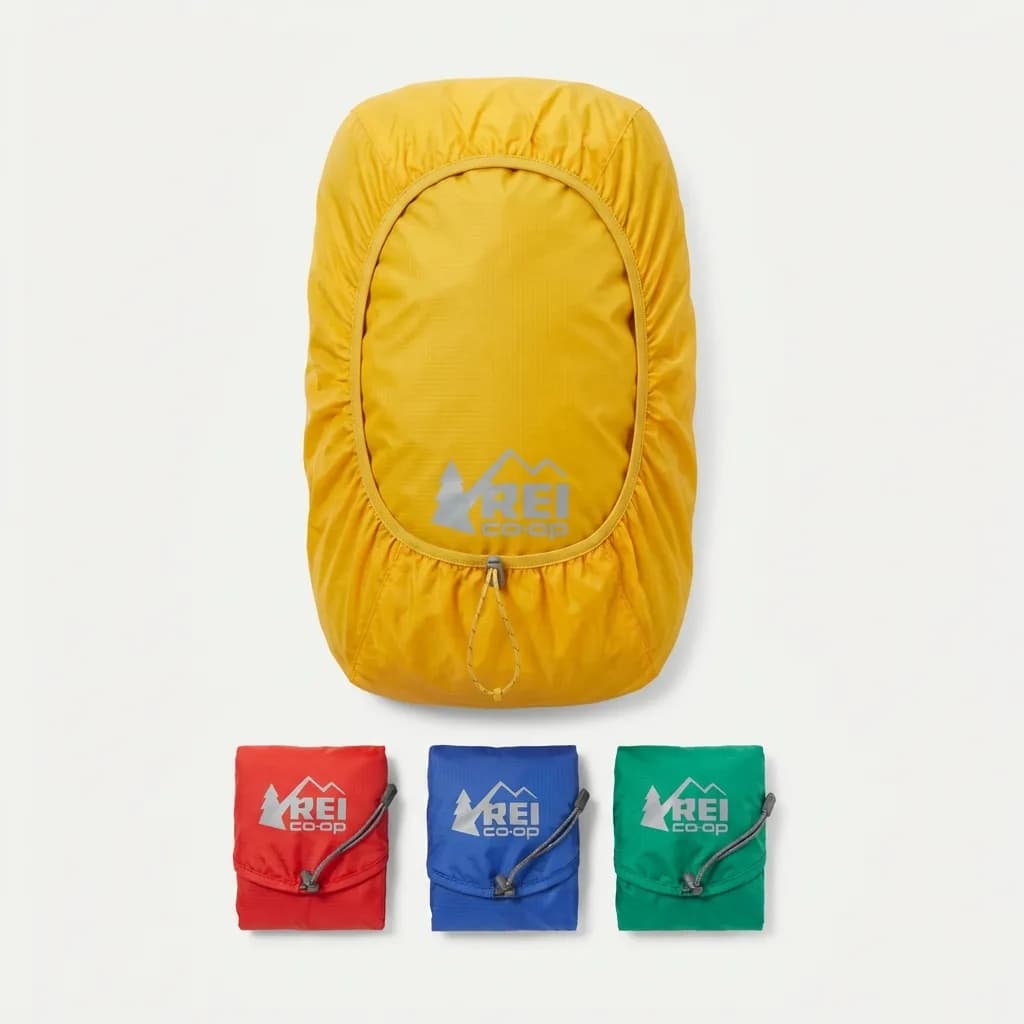
REI Co-op Pack Cover
$25
Reflective logo and bright color options. Elastic hem plus drawcord closure. Affordable house-brand quality with good weather resistance for casual use.
Best Ultralight Options Under 3 Ounces
If you're counting grams, several covers hit the 2-3 ounce range without sacrificing too much durability. These use 15D or 20D fabrics and minimal features.
The tradeoff is lifespan. Ultralight covers develop pinhole leaks faster, especially where they rub against buckles. Seam tape can peel after a season of heavy use. But if you only need weather protection occasionally, the weight savings matter more than longevity.
Pack these carefully. Don't stuff them in loose with sharp objects. Use the provided stuff sack or a separate small pouch. Check for damage before trips and repair small holes with tenacious tape or seam sealer.
Some ultralighters skip rain covers entirely and use a trash compactor bag inside the pack. That works but makes accessing gear mid-trip annoying. A proper cover lets you get in and out of your pack without exposing contents to rain.
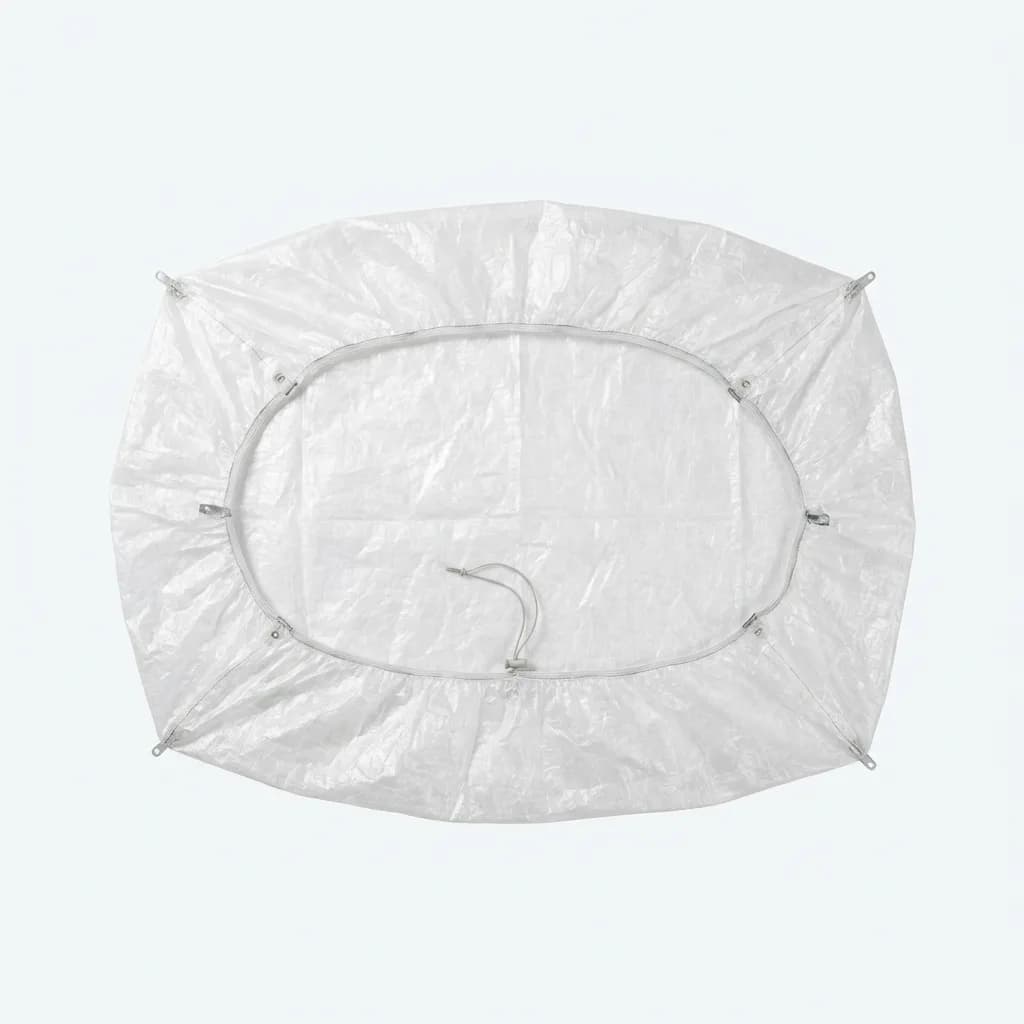
Zpacks Pack Fly
$75
Just 1.5 oz for medium size. Cuben fiber construction is waterproof and incredibly packable. Designed by ultralighters for ultralighters. Premium price for ultimate weight savings.
When Internal Pack Liners Make More Sense
Rain covers protect the outside of your pack but don't seal the top opening. Heavy rain can still get in through the zipper or roll-top closure. If you're dealing with hours of downpour, an internal dry bag liner provides better protection.
The downside is you can't access individual items without opening the liner and exposing everything. This matters on multi-day trips where you need to grab things frequently.
The best solution combines both: a minimal rain cover for the pack exterior and a lightweight liner bag inside for critical gear like sleeping bags and electronics. This redundancy costs a few ounces but eliminates anxiety about soggy gear.
Some packs have built-in rain covers that store in a bottom pocket. These are convenient but often heavier and bulkier than aftermarket minimal covers. If your pack has one, test it before buying a separate cover.
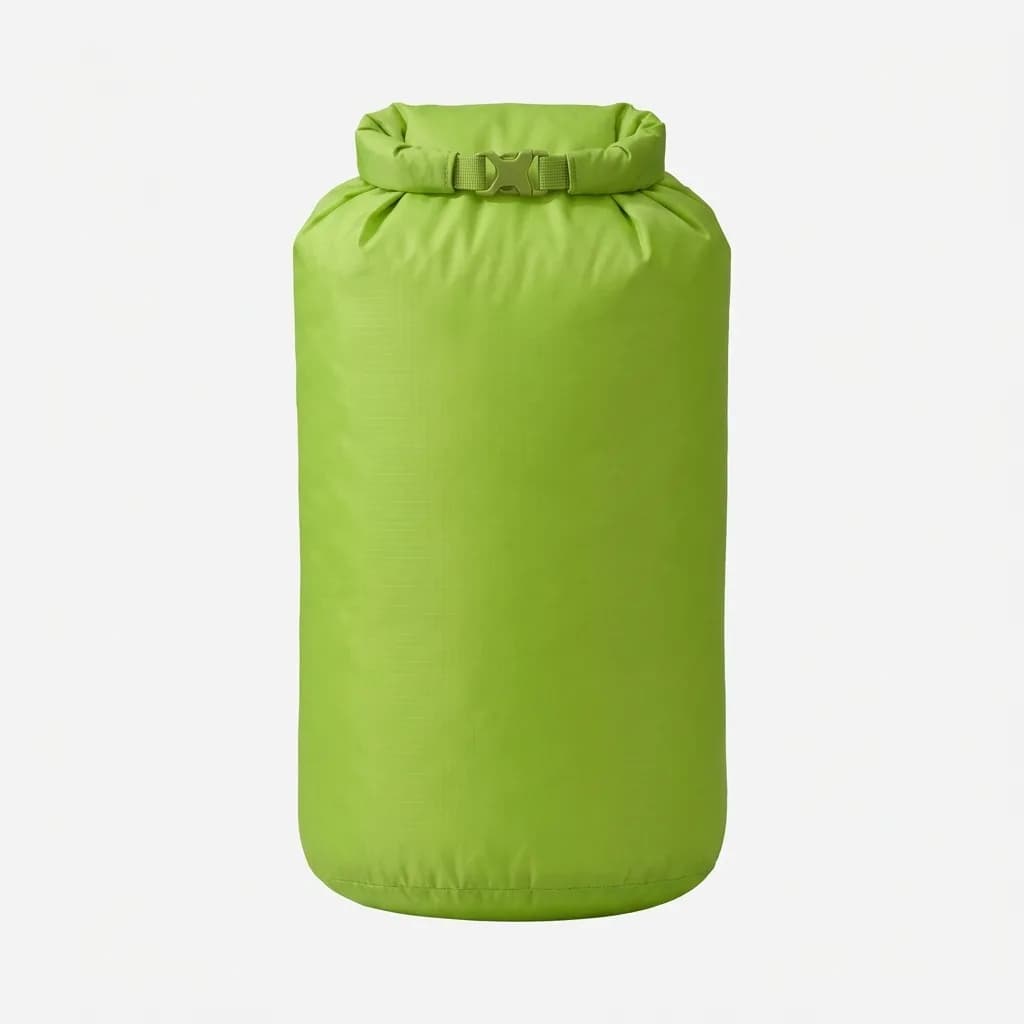
Outdoor Research Ultralight Dry Sack
$30
Works as internal pack liner for critical gear. Fully seam-sealed with roll-top closure. Available in multiple sizes. Pair with external cover for complete protection.
How Waterproof Ratings Actually Work
Most rain covers list a waterproofness rating in millimeters, like 1500mm or 3000mm. This measures how much water pressure the fabric withstands before leaking.
For context, 1500mm handles moderate rain. 3000mm is good for heavy rain. Anything above 5000mm is overkill for a pack cover since the fabric itself becomes unnecessarily heavy.
More important than the base fabric rating is seam construction. Taped or sealed seams prevent water from wicking through stitching holes. Cheaper covers skip this and rely on fabric coating alone. Those work in light rain but fail in sustained downpours.
Silicone-coated fabrics (silnylon) are naturally more water-resistant than polyurethane coatings. They also pack smaller. But silnylon is slippery, which can be annoying if you're constantly adjusting the cover.
DWR (durable water repellent) treatments make water bead up and roll off instead of soaking in. These wear off over time and need reapplication. Products like Nikwax or Grangers restore DWR performance after a season of use.
Maintenance Tips That Extend Cover Lifespan
Dry your cover completely before packing it away. Storing it damp invites mold and degrades waterproof coatings faster. Hang it up or spread it out after use.
Don't machine wash unless the manufacturer specifically allows it. Most covers need gentle hand washing in cool water with mild soap. Skip fabric softeners, which destroy DWR treatments.
Reapply DWR coating annually if you use the cover often. Spray-on treatments are easiest. Follow the product instructions for heat activation if required.
Inspect seams and fabric regularly. Repair small tears immediately with seam sealer or waterproof repair tape. A tiny hole becomes a big problem once water pressure hits it.
Store covers loosely, not compressed. Long-term compression can damage the fabric and coating. Keep them in a breathable bag, not sealed plastic.
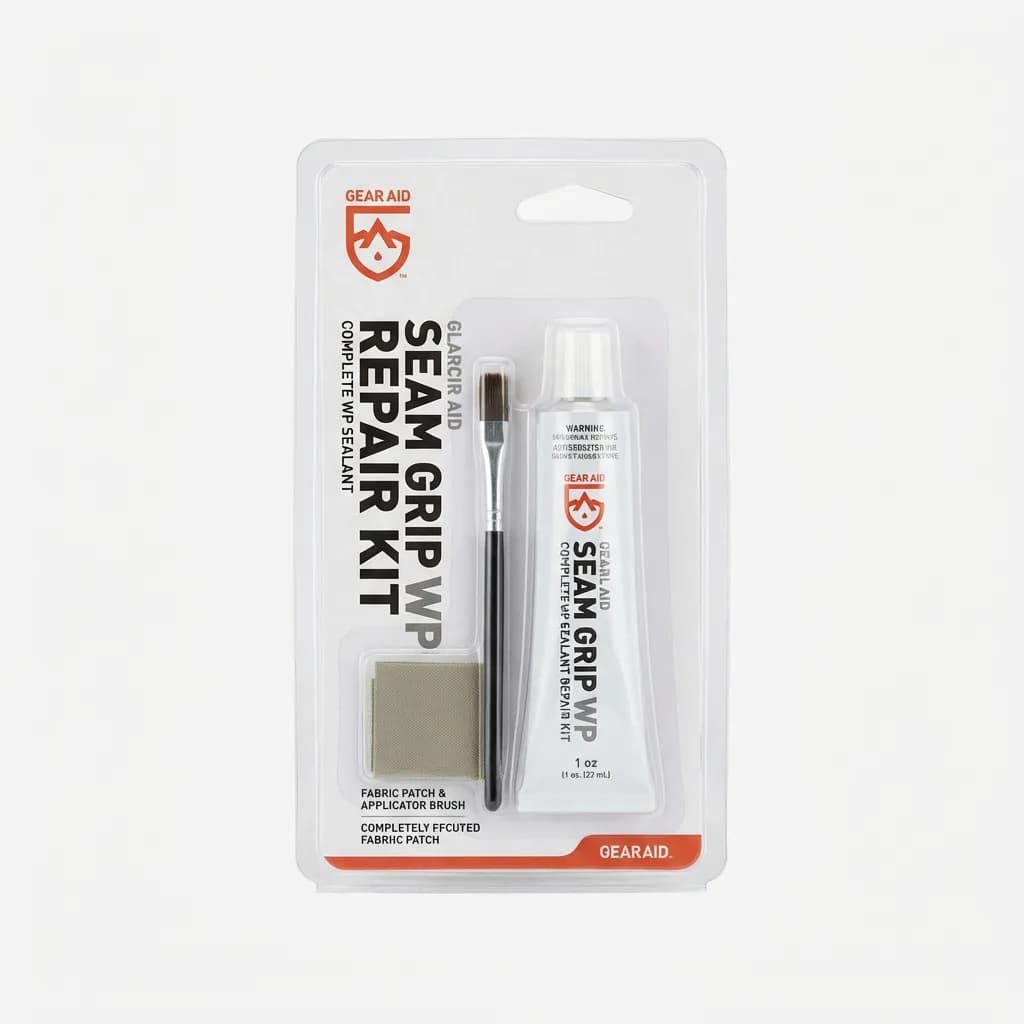
Gear Aid Seam Grip WP Repair Kit
$15
Repairs rips and reinforces seams on rain covers and other waterproof gear. Clear formula dries flexible. Essential for extending cover lifespan in the field or at home.
Common Mistakes When Using Rain Covers
Putting the cover on before it rains seems smart but invites condensation buildup inside. Your pack and the air around it generate moisture. The cover traps it. Wait until rain actually starts or is imminent.
Failing to secure the bottom drawcord is the most common error. A loose cover will shift, bunch up, or blow off. Always cinch it down properly.
Covering your pack while it's wet locks in moisture. If possible, wipe down the exterior first or at least shake off excess water. This reduces condensation issues when the cover comes off.
Leaving gear strapped to the outside of your pack complicates coverage. Water bottles, trekking poles, and sleeping pads create awkward shapes. Either bring them inside the pack or accept that they'll get wet.
Assuming any cover fits any pack leads to frustration. Match the cover volume range to your loaded pack volume, not the manufacturer's stated capacity. Packs carry differently when full.
What to Look for at Different Price Points
Budget covers ($15-30) work fine for occasional use and light rain. They're heavier, pack larger, and use simpler materials. Acceptable for casual hikers or urban commuters who need backup protection.
Mid-range covers ($30-50) hit the sweet spot for most people. Better fabrics, lighter weight, taped seams, and thoughtful features. Brands like Sea to Summit, REI Co-op, and Outdoor Research dominate here.
Premium covers ($50-80) target ultralighters and serious backpackers. Exotic materials like Cuben fiber (DCF), minimal weight, and bomber construction. Worth it if you're logging serious miles or counting every gram.
Don't overspend if you only hike a few times per year in regions with predictable weather. But if you're frequently caught in storms or doing multi-week trips, invest in quality. A failed rain cover on day three of a week-long trek is miserable.
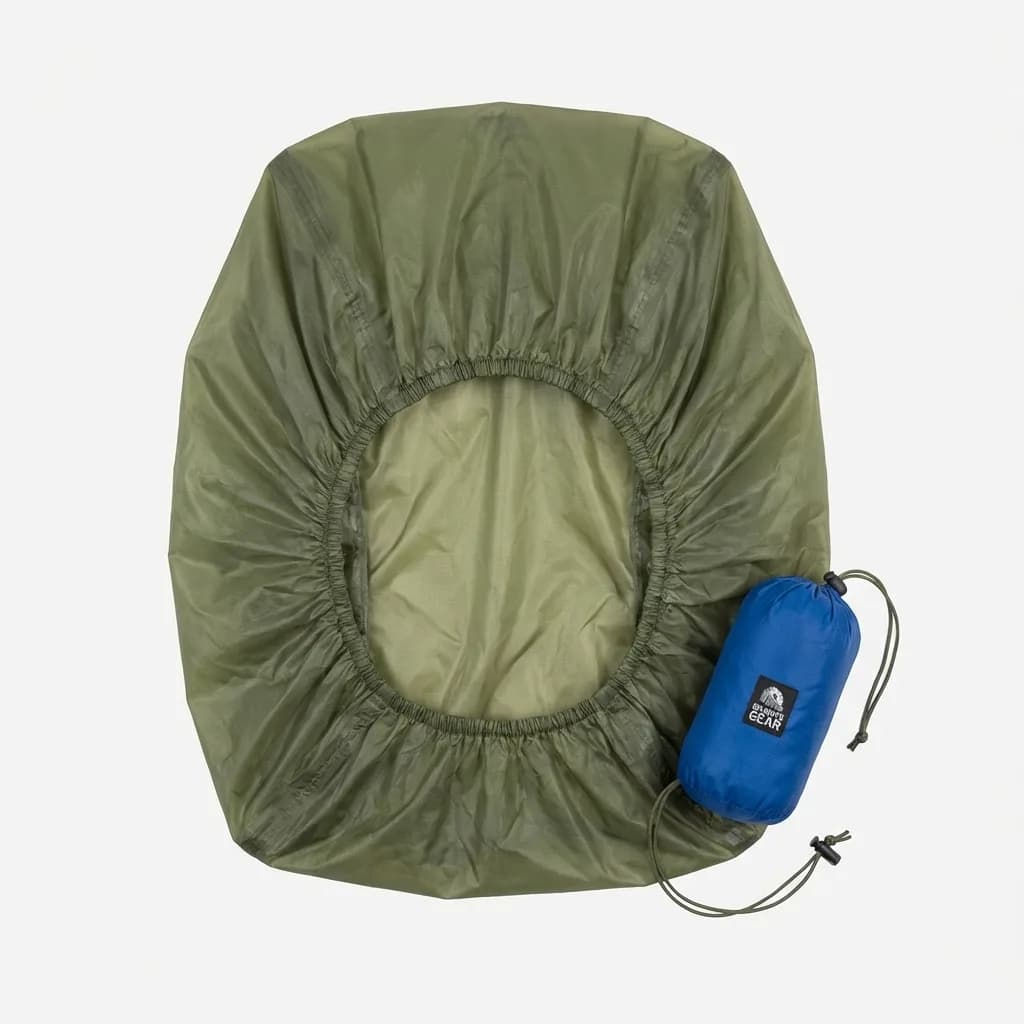
Granite Gear Cloud Cover
$38
Mid-range option with excellent value. Silnylon construction, taped seams, and low weight. Multiple color options. Trusted by thru-hikers for durability and packability.
Wrapping Up
The right rain cover depends on your pack size, how often you encounter wet weather, and how much you're willing to carry. For occasional use, a basic model from REI or Amazon works fine. For frequent backcountry travel, step up to Sea to Summit or Outdoor Research.
Prioritize proper fit over brand name. A cheap cover that fits well outperforms an expensive one that's the wrong size. Measure your pack, compare dimensions, and when in doubt, size up slightly.
Keep it accessible. A rain cover buried at the bottom of your pack is useless when a squall hits. Store it in an external pocket or top lid where you can grab it without unpacking everything.
Test your setup before you need it. Put the cover on at home, adjust the drawcords, and make sure it stays secure when you move around. Five minutes of practice saves frustration on the trail.
The Weekly Dispatch
Enjoying this article?
Subscribe and get our best gear picks delivered every Sunday morning.
Related Stories
Best Personal Item Backpacks for Budget Airlines
Budget airlines enforce strict personal item limits. These backpacks max out allowed dimensions while keeping essentials organized and accessible.
Best Dry Bags for City and Travel Use
Dry bags aren't just for kayakers anymore. Here's how to pick the right waterproof roll-top bag for urban carry, travel, and everyday protection.
Best Waterproof Backpack for Motorcycle Commuting
Riding through rain with soaked gear is miserable. These waterproof backpacks keep your laptop, clothes, and essentials bone-dry during motorcycle commutes.