Knife Care 101: Sharpen and Maintain Your EDC Blade
Learn how to sharpen and maintain your EDC knife properly. From whetstones to cleaning, we cover the essential techniques that keep your blade sharp and ready.
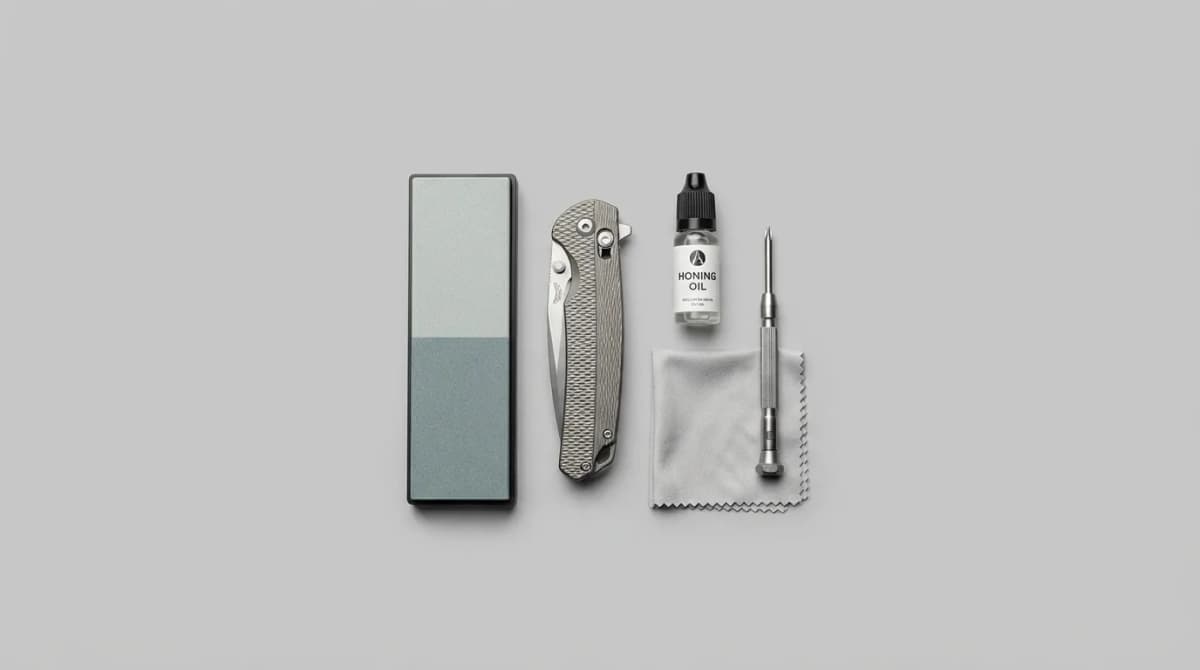
A dull knife is more dangerous than a sharp one. That's not just folk wisdom, it's physics. A dull blade requires more pressure, which means less control and more chance of slipping. Your EDC knife deserves better than being shoved in a pocket until it can barely cut paper.
Most people never sharpen their knives. They buy a quality folder, carry it daily, and wonder why it stops performing after six months. The blade doesn't wear out, it just needs attention. We're going to cover exactly how to keep your EDC knife sharp, clean, and reliable for years.
Why Your Knife Gets Dull (And How Fast It Happens)
Every time you use your knife, microscopic pieces of the edge fold over or chip away. Cut cardboard for a week and you'll notice the difference. Slice through tape, and adhesive residue builds up on the blade. Use it to strip wire, and you're grinding metal against metal.
The steel matters, but even S30V and M390 lose their edge. The difference is how long they hold it. Budget 8Cr13MoV steel might need sharpening every few weeks with daily use. Premium steels can go months. But they all need maintenance eventually.
Your cutting surface matters more than you think. Cutting on concrete, metal, or glass will destroy an edge in minutes. Wood, plastic, and cardboard are gentler but still abrasive. The only truly edge-friendly surface is a proper cutting board, which most EDC users don't carry.
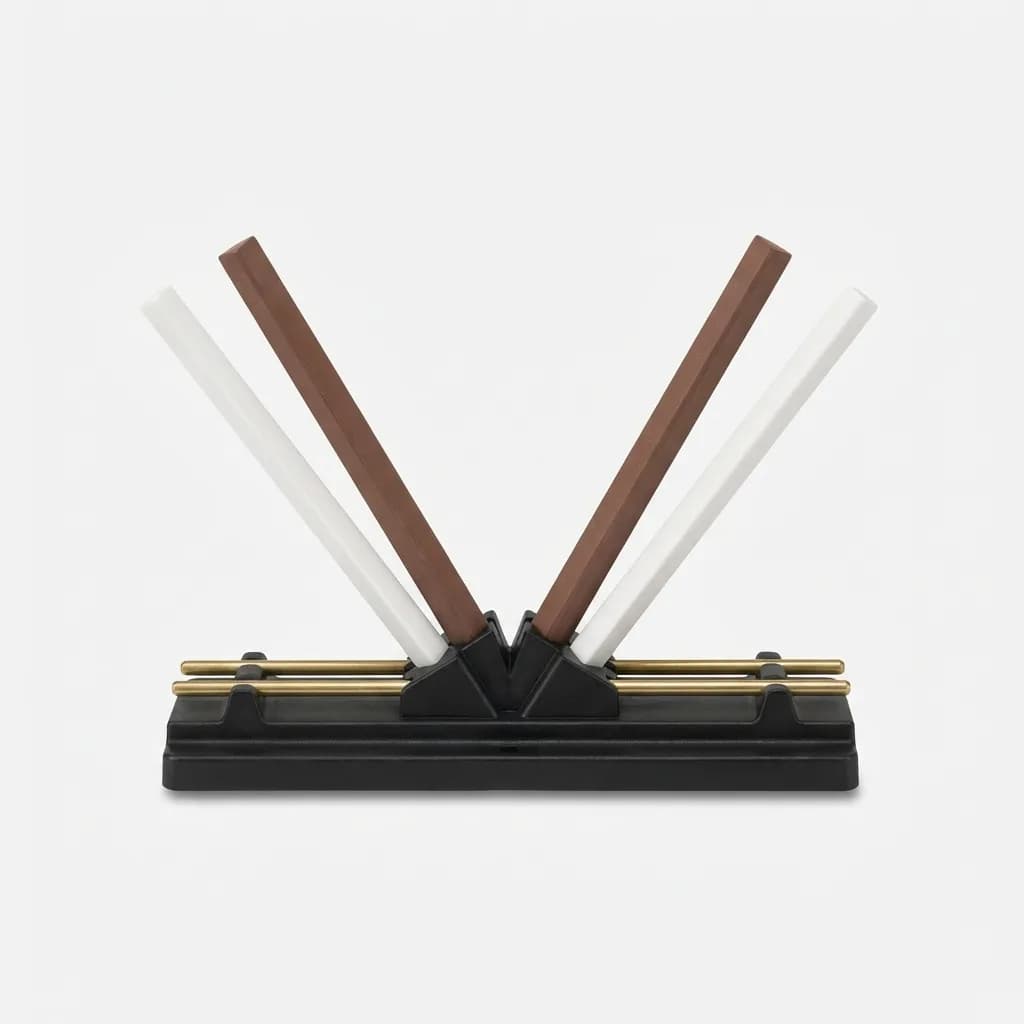
Spyderco Sharpmaker
See current price
Triangle ceramic rods at preset 40-degree and 30-degree angles. Idiot-proof sharpening system that works for kitchen knives and pocket folders alike.
Sharpening Methods: What Actually Works
Sharpening falls into three camps: whetstones, guided systems, and pull-through sharpeners. Each has tradeoffs.
Whetstones give you complete control over angle and pressure. They're also the hardest to learn. You need to maintain a consistent angle across the entire blade, which takes practice. Start with a combination stone (1000/6000 grit) and expect to ruin a few edges before you get it right. The upside is that once you learn, you can sharpen anything from a scalpel to an axe.
Guided systems like the Spyderco Sharpmaker or Lansky kit remove the guesswork. The blade or stone is locked at a fixed angle, so you just make passes until it's sharp. They're slower than freehand sharpening but far more consistent for beginners. Most guided systems work best on straight-edge blades. Recurves and serrations require different techniques.
Pull-through sharpeners are convenient and fast. They're also the easiest way to wreck a blade. Cheap carbide models remove too much steel and create an inconsistent edge. If you must use one, get a ceramic model and use light pressure. Better yet, skip them entirely.
For most EDC users, a guided system is the sweet spot. You'll get repeatable results without a steep learning curve. Save whetstones for when you want to geek out on technique.
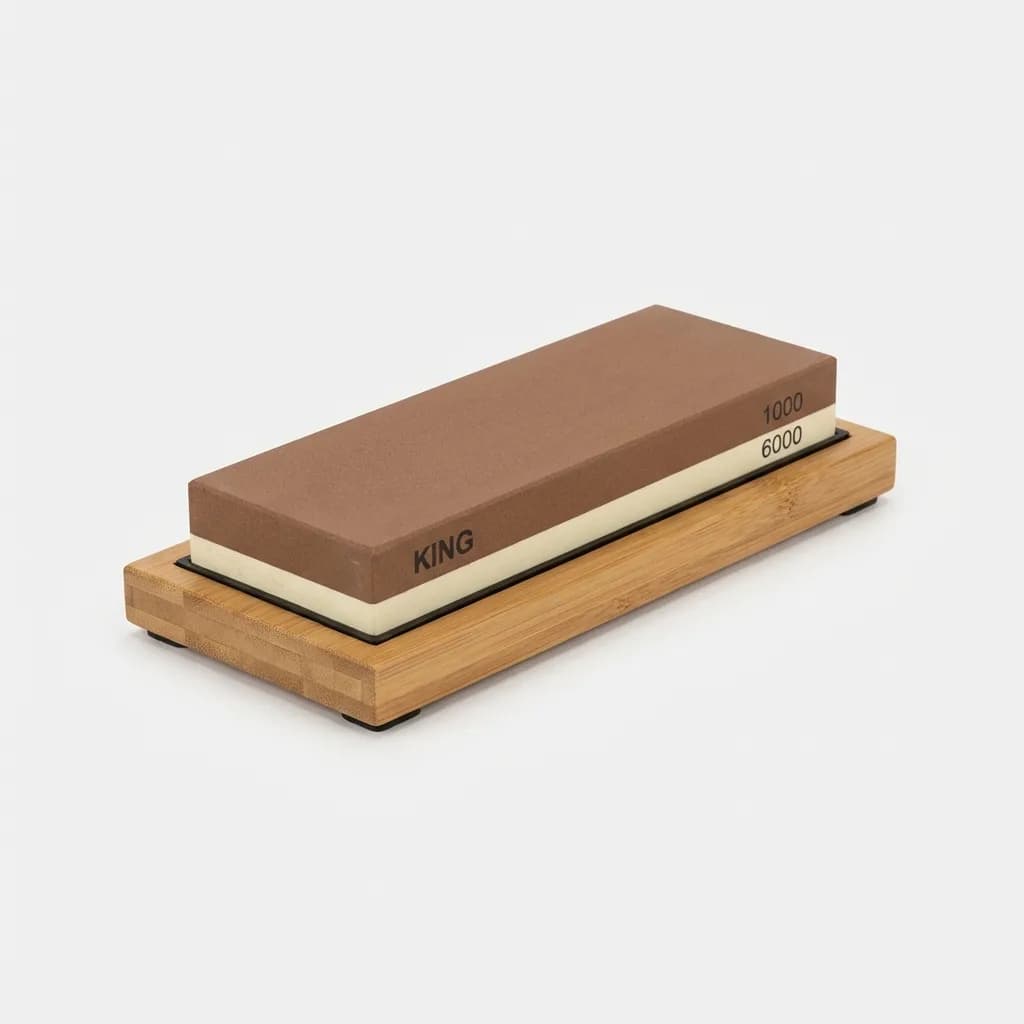
King 1000/6000 Grit Whetstone
See current price
Japanese combination water stone with medium and fine grits. Includes bamboo base. The standard choice for learning proper sharpening technique.
The Right Sharpening Angle for Your EDC Knife
Angles determine how your knife performs. A shallow 15-degree edge is razor-sharp but fragile. A steep 25-degree edge is durable but requires more force to cut. Most EDC knives live between 17 and 22 degrees per side.
Factory edges vary by brand and intended use. Benchmade typically ships at 30 to 35 degrees inclusive (15 to 17.5 per side). Spyderco runs slightly wider. Budget knives are often around 40 degrees inclusive because it's easier to sharpen and more forgiving.
You don't need to match the factory angle perfectly. If your knife chips easily, increase the angle by a few degrees. If it feels dull too quickly, you might be using too steep an angle for the steel. S30V can handle 17 degrees per side. 8Cr13MoV is happier at 20.
Most guided systems lock you into specific angles. The Sharpmaker uses 40 degrees (20 per side) or 30 degrees (15 per side). The Lansky kit offers five positions from 17 to 30 degrees. Pick one angle and stick with it. Consistency matters more than the exact number.
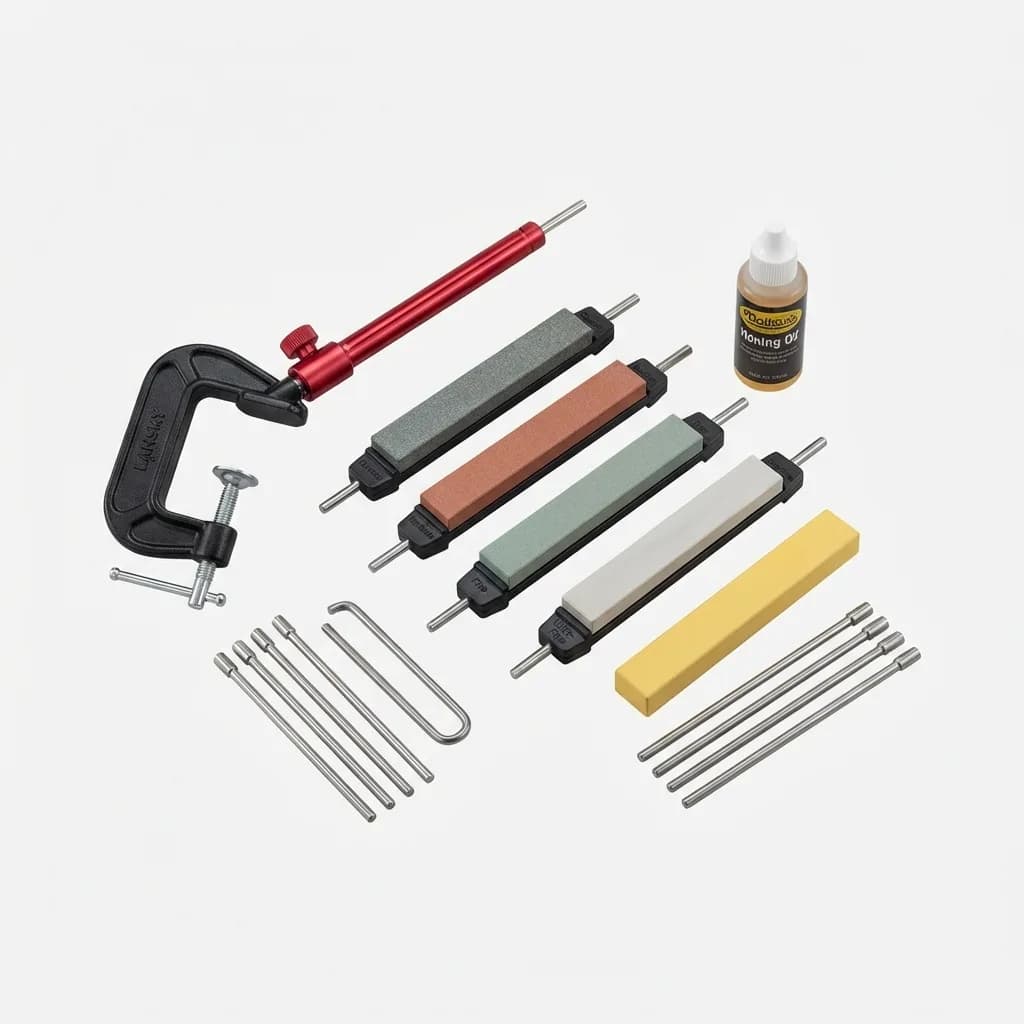
Lansky Deluxe 5-Stone Sharpening System
See current price
Guided rod system with five angle settings from 17 to 30 degrees. Includes coarse to ultra-fine hones and honing oil.
How to Sharpen Your Knife (Step by Step)
Clean the blade first. Oil, dirt, and pocket lint interfere with sharpening. Wipe it down with isopropyl alcohol or soapy water, then dry completely.
If using a whetstone, soak it for 10 to 15 minutes (check manufacturer instructions, some stones don't need soaking). Place it on a damp towel to prevent slipping. Start with the coarse side if the blade is very dull or chipped.
Hold the knife at your chosen angle. For freehand sharpening, use a Sharpie to color the edge bevel, then make a few passes. If the marker comes off evenly, your angle is correct. If only the top or bottom edge shows wear, adjust.
Make smooth, consistent strokes from heel to tip. Use light to moderate pressure. Count your strokes and do the same number on each side. Ten per side is a good starting point. Check for a burr by running your finger (carefully) along the spine side of the edge. When you feel a slight wire of metal, you've reached the apex. Flip and repeat on the other side.
Move to finer grits. The 1000-grit stone removes metal and establishes the edge. The 6000-grit stone polishes and refines. Finish with a strop (leather or denim loaded with polishing compound) to remove the burr and align the edge.
For guided systems, the process is simpler. Clamp the blade, select your angle, and make passes with each progressively finer stone. The system keeps you honest. You can't mess up the angle mid-stroke.
Test your edge on paper. A sharp knife should slice through printer paper with no tearing or snagging. If it pushes the paper instead of cutting, you're not done.
Cleaning and Lubrication: The Boring Stuff That Matters
Pocket knives collect grime. Lint, dirt, sweat, food particles, all of it migrates into the pivot and lock mechanism. After a few months, your smooth action becomes gritty and stiff.
Disassemble your knife every few months if you're comfortable with it. Some knives (like Benchmade and Spyderco) use standard Torx screws and come apart easily. Others use proprietary hardware or tight tolerances that make reassembly a puzzle. If you're unsure, don't risk it.
For a basic clean without disassembly, open the blade fully and flush the pivot with isopropyl alcohol or compressed air. Work the blade back and forth to loosen debris. Wipe everything down and let it dry.
Once clean, add a drop of lubricant to the pivot. Use proper knife oil, not WD-40 (which is a solvent, not a lubricant). Mineral oil works in a pinch. Tri-Flow and Benchmade Blue Lube are solid choices. One drop is enough. Too much attracts dirt.
Wipe down the blade after use, especially if you've cut anything acidic or salty. Citrus, tomatoes, and sweat all promote corrosion. Even stainless steel can rust if you neglect it. A quick wipe with a microfiber cloth takes five seconds and prevents stains.
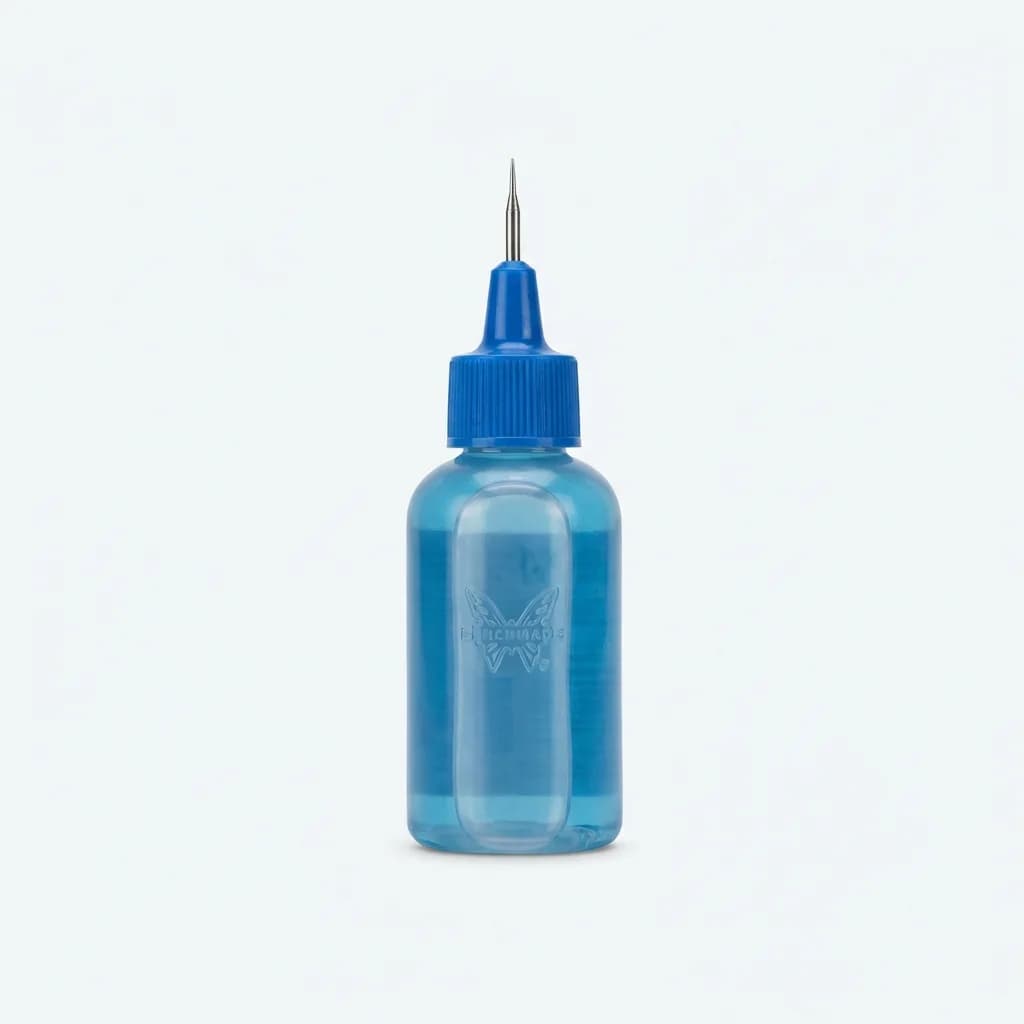
Benchmade Blue Lube
See current price
Synthetic lubricant designed for knife pivots and lock mechanisms. Reduces friction without attracting excessive dirt. 0.25 oz applicator bottle.
Safe Storage Prevents Damage
How you store your knife when it's not in your pocket affects its condition. Tossing it loose in a drawer with other tools is a recipe for chips and scratches. Blades clang against each other, tips get bent, edges get rolled.
A dedicated knife tray or case keeps everything separated. For folders, a simple pocket organizer works. For a larger collection, a knife roll or display case prevents contact damage.
Humidity is the enemy of carbon steel and even some stainless alloys. If you live in a humid climate, consider silica gel packets in your storage area. They're cheap insurance against corrosion.
If you're storing a knife long-term, clean it thoroughly, oil the blade lightly, and keep it closed or in a sheath. Check on it every few months to make sure no rust has started.
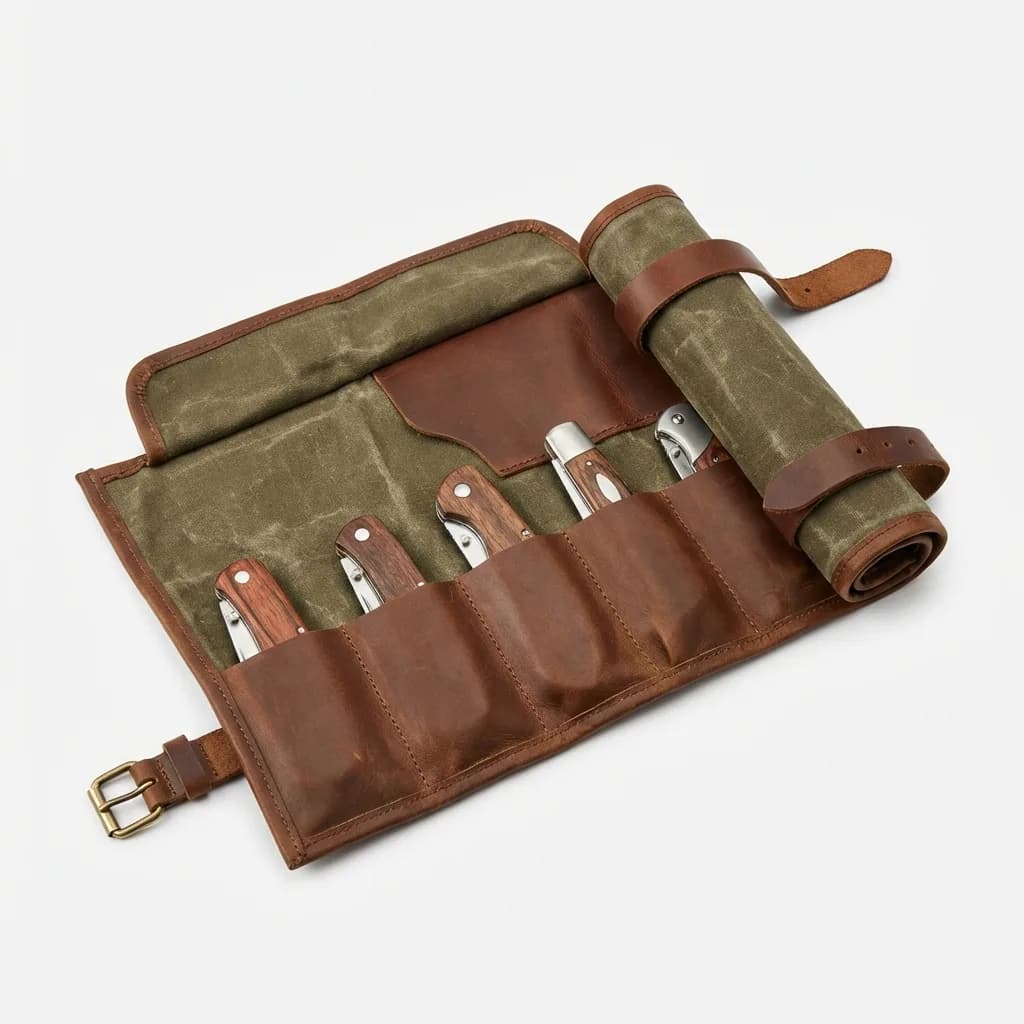
Leather Knife Roll
See current price
Waxed canvas and leather roll with slots for up to 8 folding knives. Keeps blades separated and protected during storage or travel.
Extending Blade Life: What Not to Do
Don't pry with your knife. EDC knives are cutting tools, not screwdrivers or crowbars. Prying puts lateral stress on the tip and can snap it clean off. It also loosens the pivot and damages the lock. If you need a pry tool, carry one.
Don't cut toward yourself. This is basic safety, but it also prevents injury that keeps you from carrying your knife. A slip can mean stitches and a ruined blade if you damage the edge trying to catch it.
Don't use abrasive cleaners on the blade. Steel wool, scouring pads, and harsh chemicals can scratch the finish and damage coatings. Stick with mild soap and water or isopropyl alcohol.
Don't over-tighten the pivot screw. Some people crank it down thinking tighter is better. All you're doing is wearing out the washers and creating friction. The blade should swing freely with no side-to-side play. That's the correct tension.
Don't ignore small chips or damage. A tiny chip becomes a big crack if you keep using the knife. Fix it early with a few minutes on a coarse stone. Let it go, and you'll be grinding away half the blade to restore the edge.
Stropping: The Secret to Keeping a Sharp Edge Sharp
Stropping doesn't sharpen a dull knife, but it maintains an already sharp one. It realigns the microscopic teeth on the edge and removes any burr left from sharpening. Think of it as brushing your teeth, sharpening is the dentist visit.
A strop is just a piece of leather (smooth side, not suede) mounted to wood or used handheld. Load it with polishing compound (green chromium oxide is standard). Run the blade backward along the strop, spine first, edge trailing. Ten passes per side, light pressure.
Strop after every few uses, or whenever the knife feels like it's losing bite. It takes 30 seconds and extends the time between full sharpenings dramatically. We strop our EDC blades weekly and only hit the stones every few months.
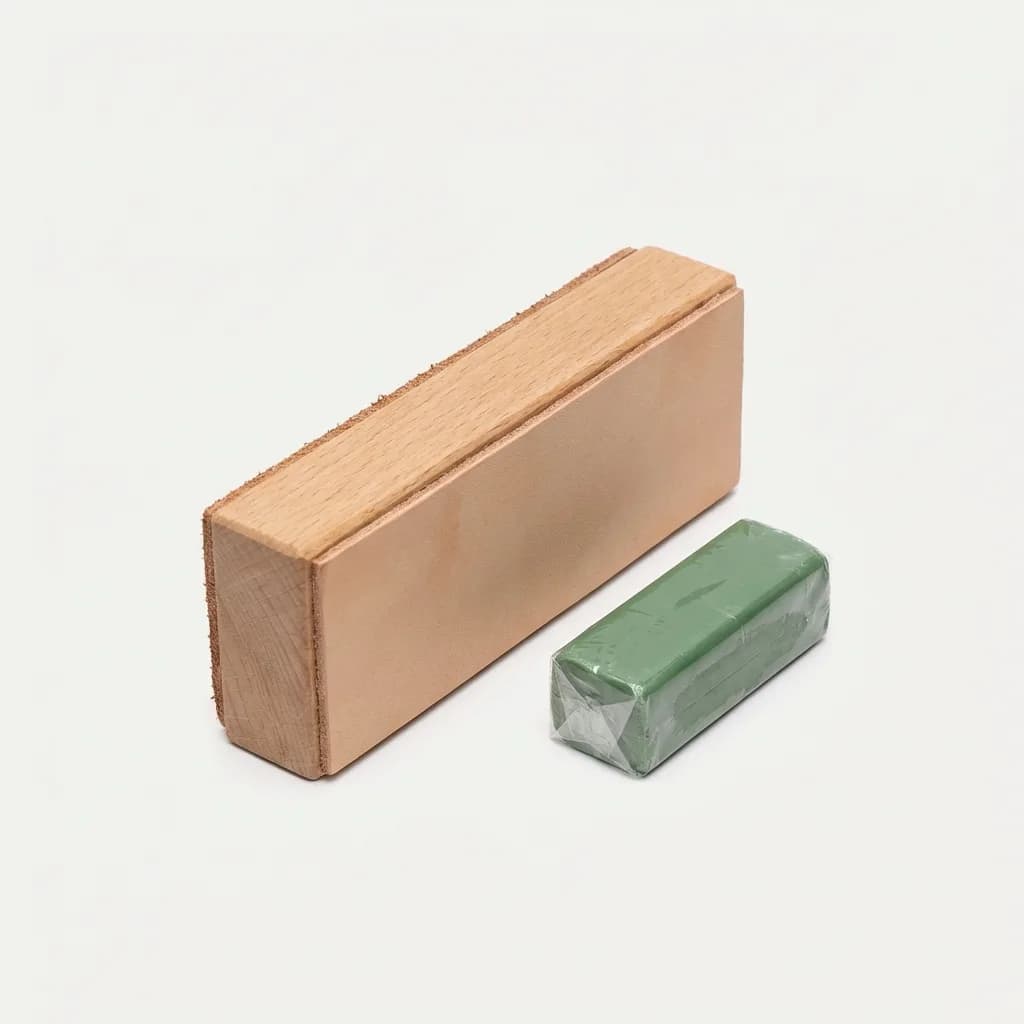
BeaverCraft Leather Strop with Compound
See current price
Double-sided leather stropping block with green polishing compound included. Maintains sharp edges between full sharpening sessions.
When to Get Professional Sharpening
Some repairs are beyond DIY. A broken tip needs regrinding on a belt sander or bench grinder, which most people don't own. Major chips require removing significant steel to re-establish the edge geometry. Badly damaged serrations are almost impossible to fix at home.
Many knife manufacturers offer sharpening services. Benchmade's LifeSharp program is free for life (you pay shipping). Spyderco charges a nominal fee. Other brands have similar programs. Turnaround is usually two to four weeks.
Local sharpening services vary wildly in quality. Some are excellent, others will ruin your knife with aggressive grinding and inconsistent angles. Ask to see examples of their work before handing over your EDC. A good sharpener will ask about your preferred angle and use.
For most users, professional sharpening is a once-a-year thing at most. Learn to maintain your knife yourself, and you'll rarely need outside help.
Making Knife Care a Habit
The best maintenance schedule is the one you'll actually follow. Don't overcomplicate it. Wipe your knife clean after use. Strop it weekly. Sharpen it when paper tests start failing. Lubricate the pivot every few months. That's it.
Set reminders if you need to. First Sunday of the month: clean and lube all EDC knives. Saturday morning: strop anything that saw heavy use during the week. It becomes routine fast.
Your knife is a tool, not a safe queen. Use it, maintain it, and it'll outlast you. Neglect it, and you'll be buying a replacement within a year. The choice is yours.
The Weekly Dispatch
Enjoying this article?
Subscribe and get our best gear picks delivered every Sunday morning.
Related Stories
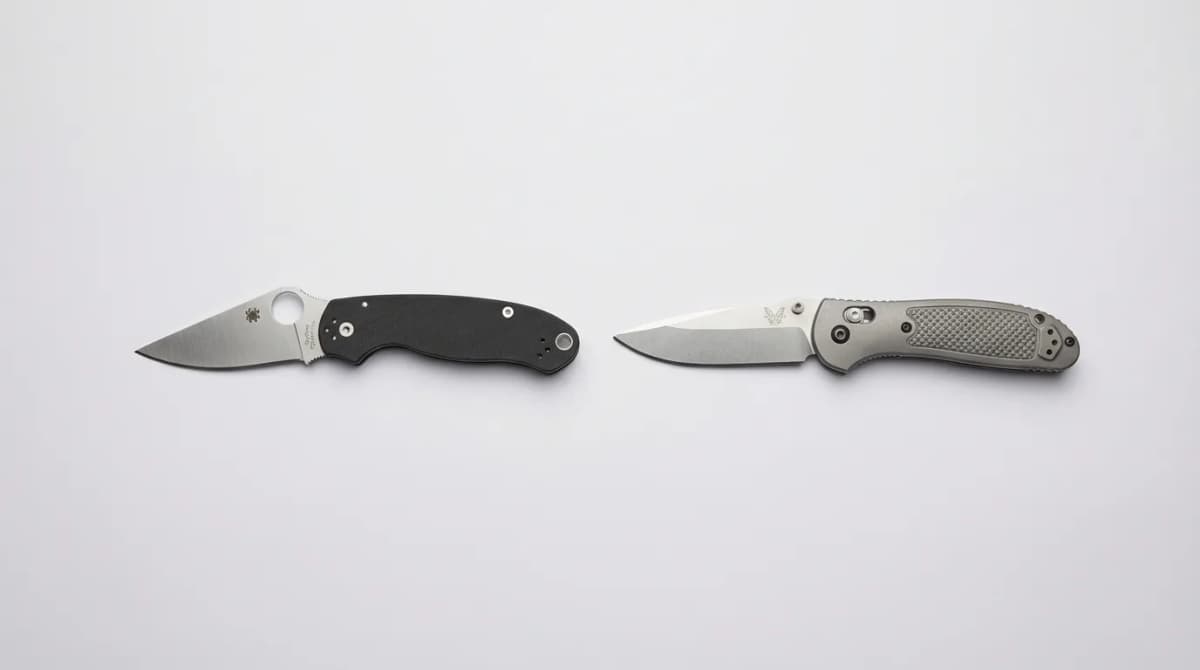
Spyderco Para 3 vs Benchmade Griptilian
Two legendary EDC folders with cult followings. We break down blade steel, ergonomics, lock mechanisms, and real-world carry to help you pick the right one.
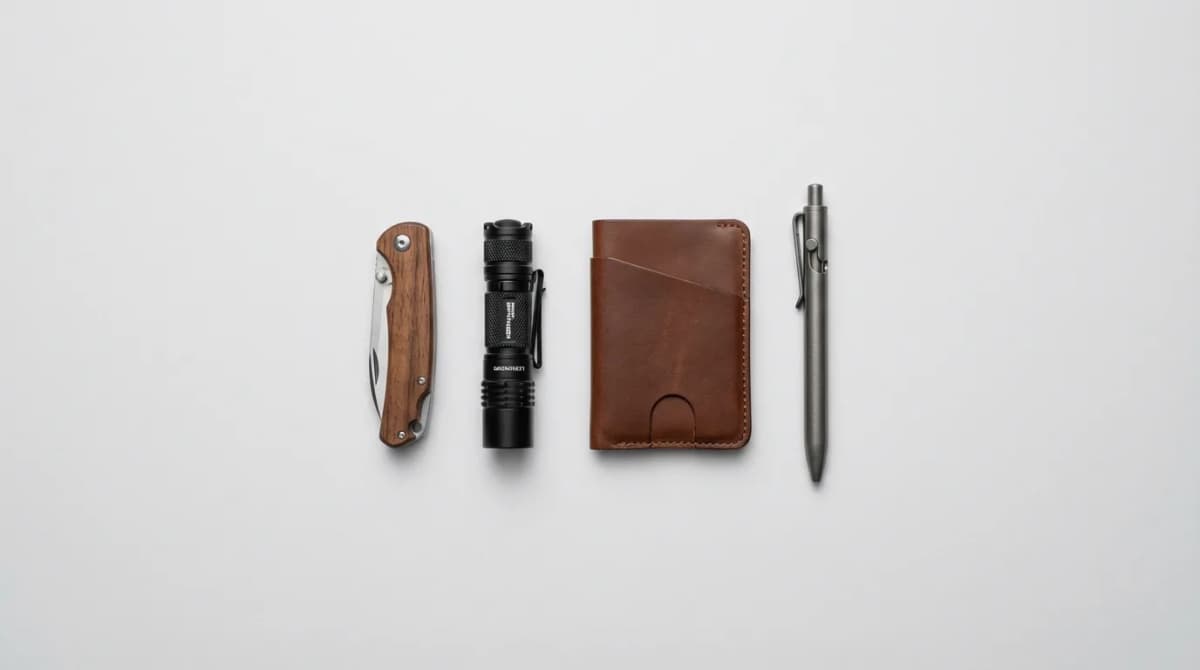
Best EDC Gear for Beginners: Starter Kit Guide
Starting your EDC setup doesn't require a $500 budget. Here's exactly what you need in your pockets, what to skip, and why most beginners waste money on the wrong gear first.
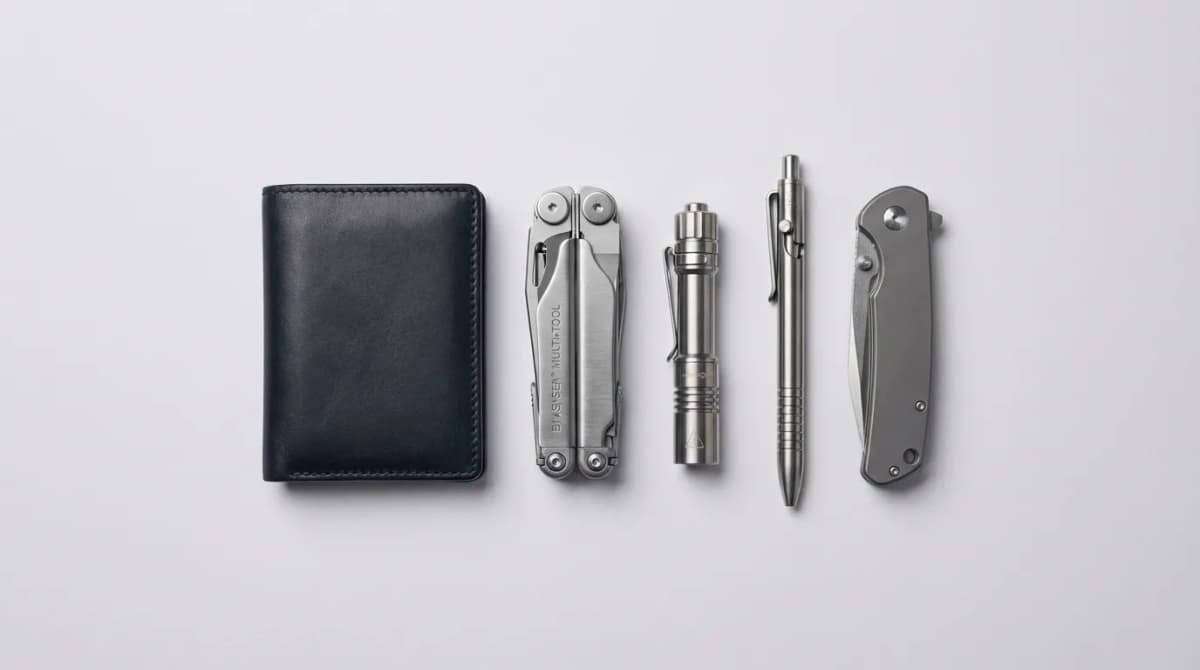
Best Everyday Carry Gifts Under $200
Premium EDC gear that balances quality and value. We tested wallets, multi-tools, flashlights, and knives to find gifts worth keeping.