How to Care for a Leather Wallet: Maintenance Tips
Proper leather wallet care prevents cracking, staining, and premature wear. Learn cleaning techniques, conditioning schedules, and damage prevention tips.
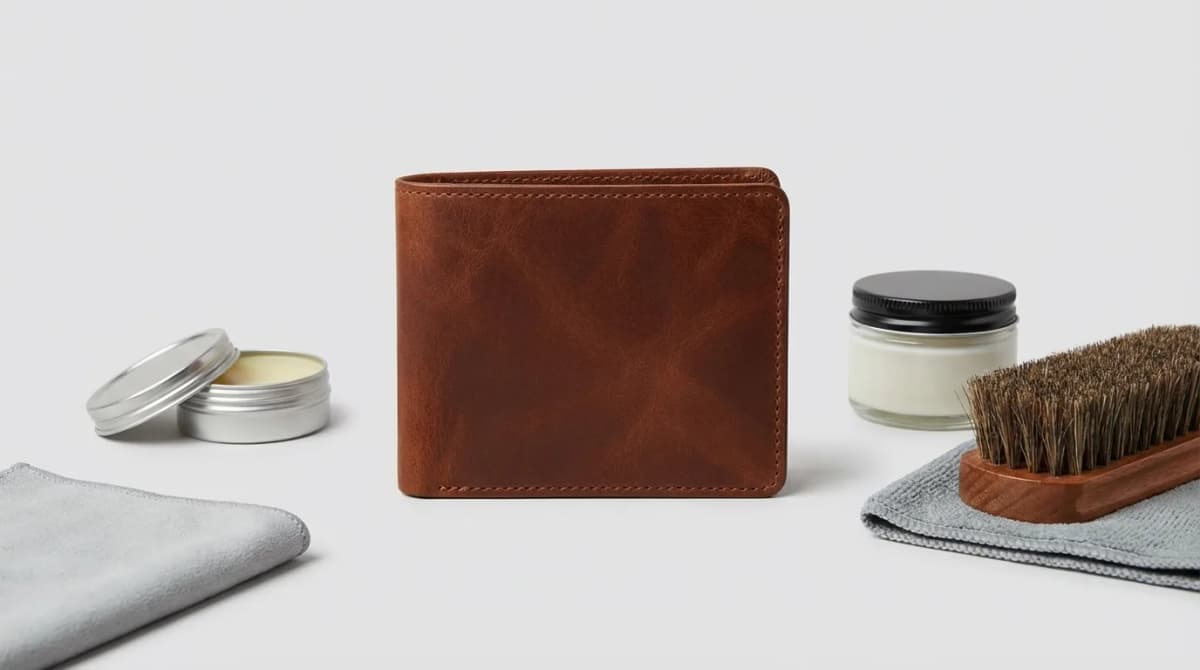
Your leather wallet sits in your pocket 12 hours a day, absorbs sweat, gets bent and flexed hundreds of times, and picks up dirt from every surface you set it on. Yet most people never clean or condition it until the leather starts cracking. A $100 full-grain leather wallet can last 10-plus years with basic maintenance, or look worn out in 18 months if you ignore it.
The difference comes down to understanding what leather needs and when it needs it. Not all leather wallets require the same care schedule. Full-grain leather develops a patina and gets better with age when properly maintained. Top-grain and corrected-grain leather have protective finishes that need gentler treatment. The key is matching your care routine to your specific leather type and how hard you use your wallet.
Remove dirt and oils before they penetrate
Surface dirt doesn't just make your wallet look dingy. It works its way into the leather's pores and attracts moisture, which leads to staining and bacterial growth. Clean your wallet every 2-3 months if you carry it daily, more often if you work outdoors or in dusty environments.
Start with a soft brush or dry microfiber cloth to remove loose dirt from seams, card slots, and textured surfaces. For general cleaning, mix a few drops of mild dish soap with warm water. Dampen (not soak) a clean cloth, wring it out thoroughly, and wipe down all leather surfaces. Work in small circles and avoid scrubbing aggressively.
Lexol Leather Cleaner
$10
pH-balanced formula removes dirt and oils without stripping leather's natural moisture. Safe for all smooth leather types including full-grain and top-grain.
Ink stains and dye transfer require different approaches. Rubbing alcohol on a cotton swab can lift fresh ink, but test it on an inconspicuous spot first. Some dyed leathers will lose color. For stubborn stains, leather-specific cleaners work better than household products. Never use harsh chemicals, acetone, or bleach-based cleaners on leather.
After cleaning, let the wallet air dry completely before conditioning. Drying takes 2-4 hours depending on how much moisture the leather absorbed. Don't use heat sources like hair dryers or radiators, which cause leather to dry too quickly and crack.
Condition leather to prevent cracking and stiffness
Leather is skin. It dries out over time as natural oils evaporate, especially in low-humidity environments or with frequent sun exposure. Dried leather loses flexibility, develops surface cracks, and eventually splits along fold lines. Conditioning replaces those lost oils and keeps the leather supple.
Apply leather conditioner every 3-6 months for daily-carry wallets, less often for occasional-use wallets. The exact schedule depends on your climate and leather type. If the leather feels stiff or looks dull, it needs conditioning. Full-grain leather benefits from more frequent conditioning than top-grain leather with a protective finish.
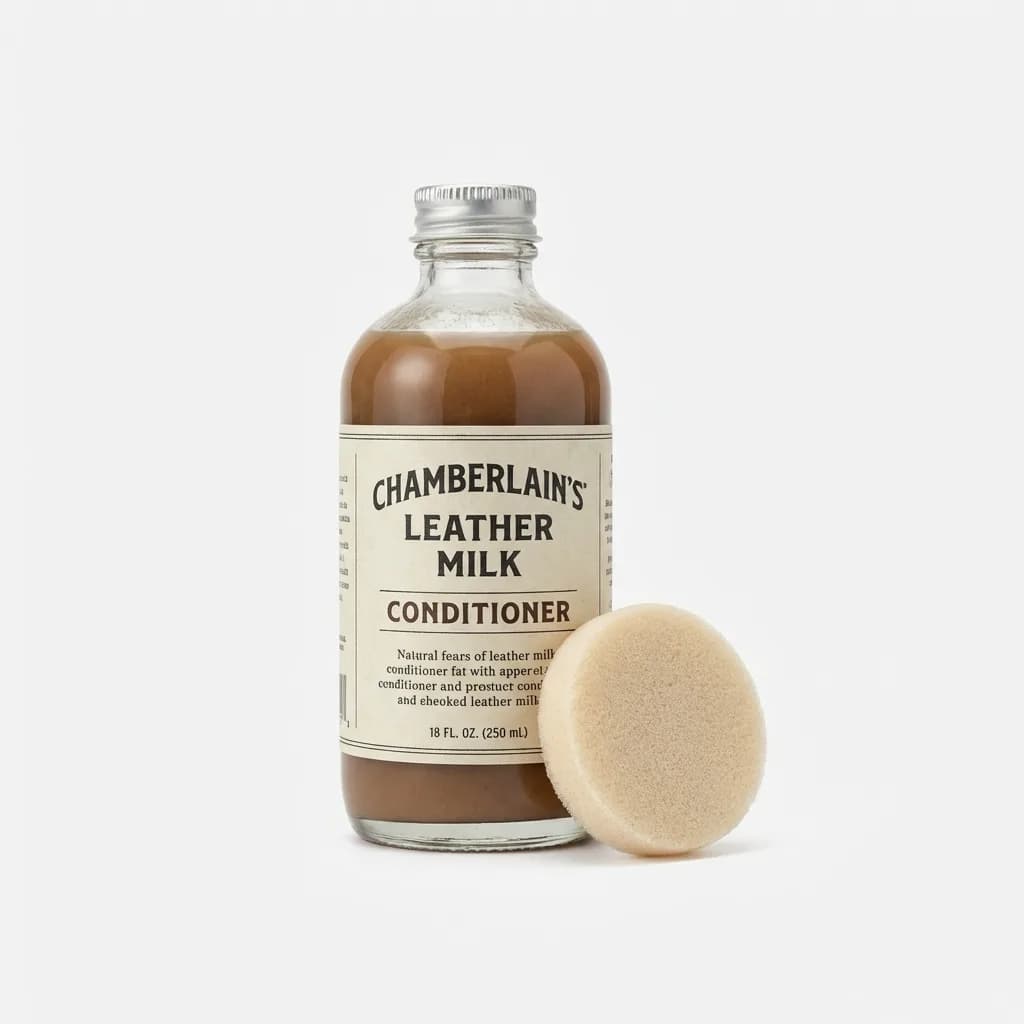
Chamberlain's Leather Milk Conditioner
$18
Natural botanical oil blend penetrates deep without leaving greasy residue. Works on all leather types and includes applicator pad. Made in USA.
Use a soft cloth or the applicator that comes with your conditioner. Apply a thin, even layer to all leather surfaces, including edges and card slot interiors. Work the conditioner in with small circular motions. Let it absorb for 20-30 minutes, then buff off any excess with a clean cloth. Over-conditioning leaves a sticky residue that attracts dirt, so less is more.
Avoid conditioning products that contain silicone or petroleum distillates. These create a temporary shine but seal the leather's surface, preventing it from breathing. Mink oil and neatsfoot oil work well for thick, rugged leather but can darken lighter colors and make thin leather too soft.
Stop overstuffing before permanent damage occurs
Every extra card you jam into your wallet stretches the leather beyond its natural elasticity. Overstuffed wallets develop loose, baggy card slots that no longer grip cards securely. The leather around stitching gets stressed and can tear. Fold lines become permanent creases that crack faster.
Most bifold wallets are designed for 6-10 cards maximum. Minimalist front-pocket wallets handle 4-6 cards. Exceeding these limits doesn't just wear out the wallet faster - it also creates pressure points in your pocket that can damage the leather from the outside in.
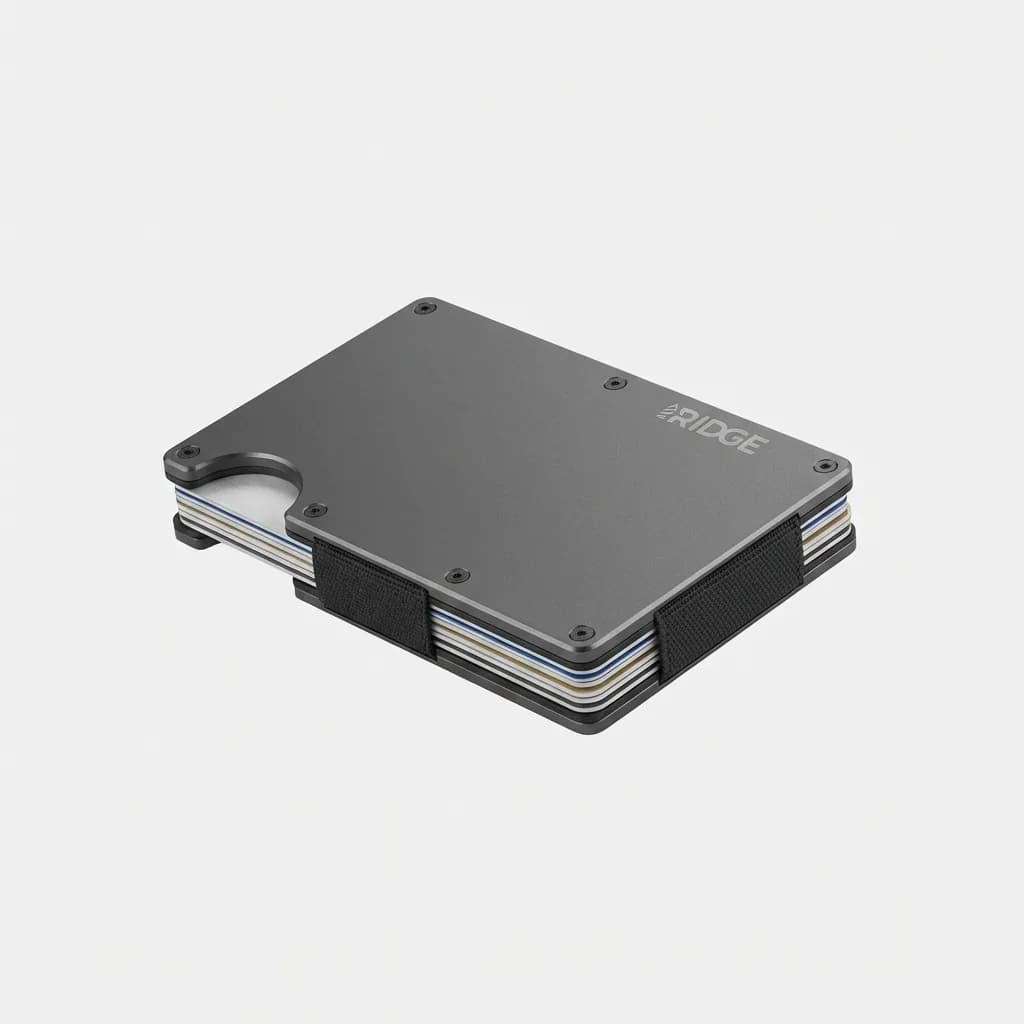
Ridge Wallet
$75
Aluminum frame holds 1-12 cards using elastic band tension, eliminating overstuffing issues. RFID-blocking version available. Lifetime warranty against breaking.
Thick wallets also affect how you sit and stand. A 1-inch-thick wallet in your back pocket forces your pelvis out of alignment, which can lead to back pain over time. If you need to carry more than 8-10 cards regularly, consider a cardholder plus a separate slim wallet for cash, rather than forcing everything into one bulging wallet.
Take a monthly inventory of what you actually carry. Most people have 3-4 cards they use regularly and another 5-8 they keep "just in case" but rarely touch. Store occasional-use cards elsewhere. Your wallet will last longer and feel better to carry.
Handle water exposure correctly to avoid permanent damage
Leather and water have a complicated relationship. Small amounts of moisture aren't necessarily harmful - leather is naturally somewhat water-resistant. But soaking, prolonged exposure, or improper drying can cause lasting damage including hardening, discoloration, mold growth, and structural weakening.
If your wallet gets wet, act quickly. Remove all contents immediately so water doesn't get trapped between cards and leather. Blot (don't rub) excess water with a clean, absorbent towel. Pat both the exterior and interior surfaces, paying attention to card slots and fold lines where water pools.
Air dry the wallet at room temperature in a well-ventilated area. Open it completely so air circulates through all surfaces. Position it so water doesn't settle in one spot - prop it open with a rolled towel if needed. Complete drying takes 24-48 hours. Check that card slots and interior surfaces are fully dry before putting cards back in.
Never put wet leather in direct sunlight, near heaters, or in front of fans. Fast drying causes leather to shrink unevenly and crack. Don't stuff wet wallets with newspaper or paper towels to "absorb moisture" - the paper can leave marks and introduce new moisture as it breaks down.
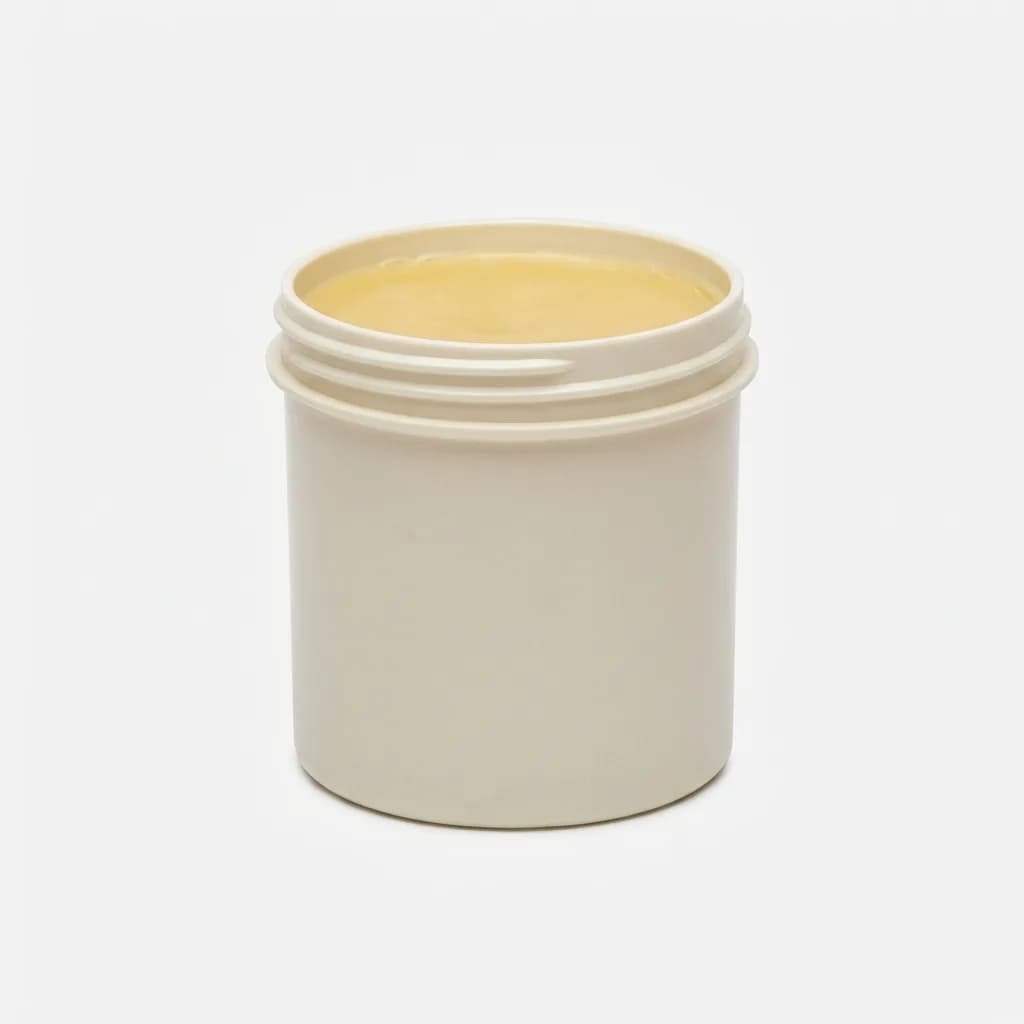
Obenauf's Heavy Duty LP Leather Preservative
$15
Beeswax and propolis formula provides water resistance without changing leather texture. Apply before exposure to rain or snow for maximum protection.
After the wallet dries completely, condition it. Water exposure strips natural oils, leaving leather stiff and prone to cracking. One good conditioning session after water damage can restore most of the leather's original suppleness.
For saltwater exposure (ocean, winter road salt), clean the wallet with a damp cloth before drying. Salt crystals continue pulling moisture out of leather long after the initial soaking, causing severe drying and white residue buildup.
Recognize when repair makes sense versus replacement
Leather wallets don't fail suddenly. They show warning signs: loose stitching, separated seams, stretched card slots, cracking along fold lines, or worn-through corners. Some issues are easily repairable. Others indicate the wallet has reached the end of its useful life.
Loose stitching is the easiest fix. If the leather itself is still in good shape, a cobbler or leather repair shop can restitch seams for $15-30. Some people learn basic saddle stitching and do it themselves with waxed thread and leather needles. Restitching every 2-3 years can double a wallet's lifespan.
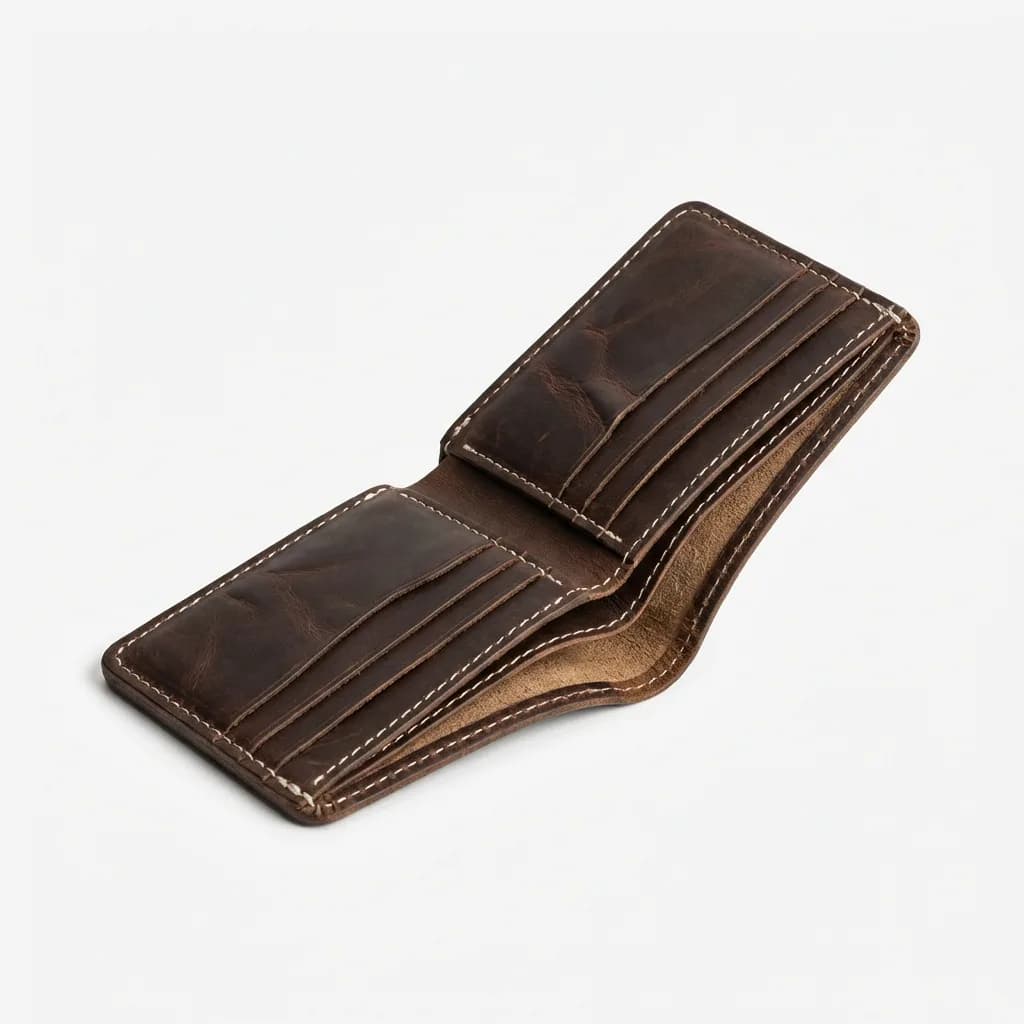
Saddleback Leather Bifold Wallet
$42
100-year warranty, full-grain leather, pigskin lining. Heavy-duty stitching designed for repair and restitching. Made in Mexico from USA cowhide.
Stretched card slots can sometimes be tightened by conditioning the leather heavily, letting it absorb overnight, then carefully forming it back into shape while still pliable. This works better on thick full-grain leather than thin top-grain or bonded leather.
Deep cracks through the leather, especially along fold lines, usually mean replacement time. Surface cracking can be managed with conditioning, but once the leather splits through its full thickness, it will continue tearing. Patching cracked fold lines rarely holds up to daily flexing.
Corner wear is cosmetic until it breaks through to card slots or compromises structural integrity. If you like the aged look, worn corners add character. If they start catching on pocket linings or cards fall out, the wallet needs replacing.
Bonded leather wallets (leather scraps glued together with polyurethane) aren't worth repairing. They typically last 1-2 years before the bonding fails and the surface peels. Invest that repair money in a full-grain or top-grain leather wallet instead.
What matters most for long-term durability
The best maintenance in the world can't fix a poorly made wallet. Construction quality determines whether your wallet lasts 2 years or 20. Full-grain leather outlasts everything else because it retains the hide's strongest fiber structure. Top-grain leather comes second. Corrected-grain, split, and bonded leather have shorter lifespans regardless of care.
Stitching matters more than most people realize. Look for saddle stitching (two needles, interlocking pattern) rather than single-line machine stitching. Saddle stitching doesn't unravel completely if one stitch breaks. Nylon or polyester thread outlasts cotton. Reinforced stress points at corners and card slots indicate thoughtful construction.
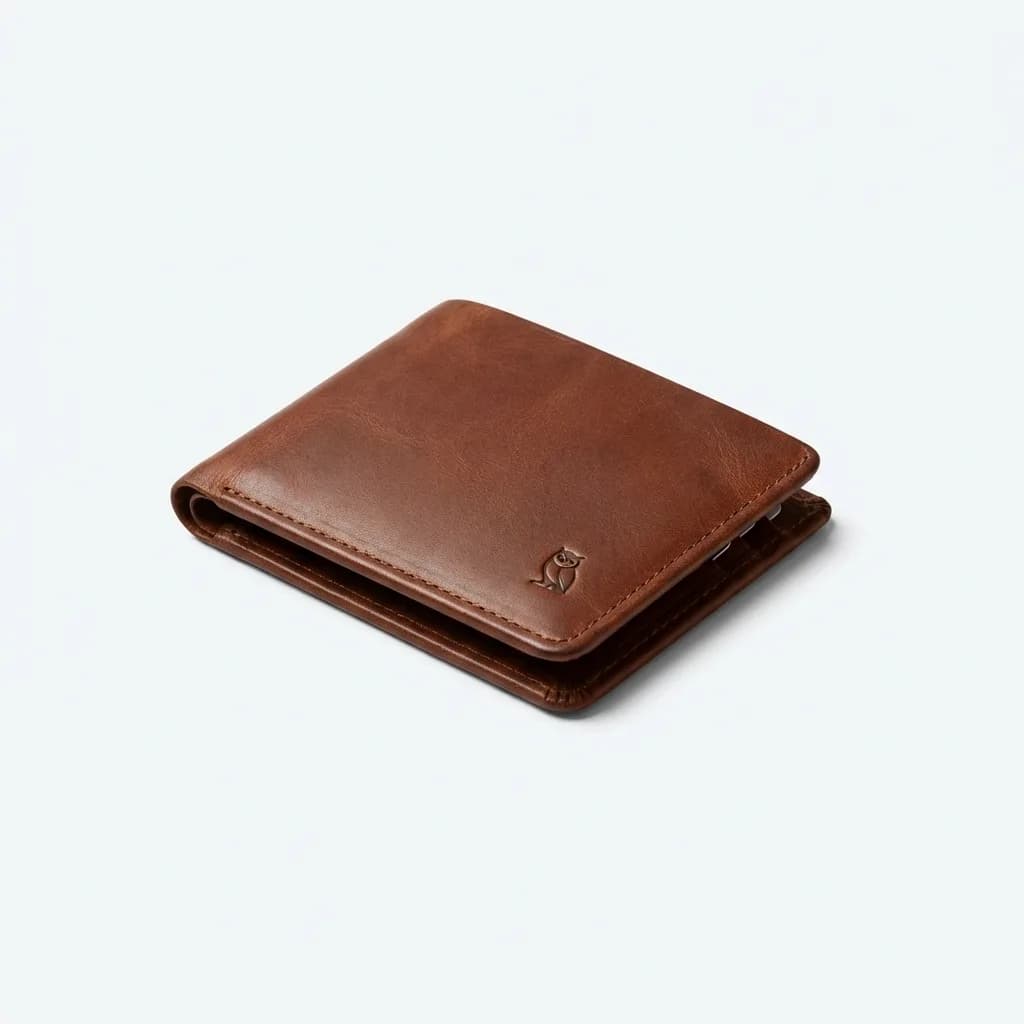
Bellroy Note Sleeve
$80
Premium vegetable-tanned leather, slim profile holds 4-11 cards. Reinforced fold line, RFID-protected version available. 3-year warranty covers materials and workmanship.
Regular maintenance extends life, but it can't compensate for thin leather or weak construction. A $30 bonded leather wallet with monthly conditioning will still fail before a $100 full-grain wallet that gets conditioned twice a year. Start with quality materials, then protect your investment with consistent care.
The most overlooked maintenance step is simply paying attention. Check your wallet monthly for loose stitches, developing cracks, or stretched slots. Catching problems early - when a few hand stitches or a conditioning session can fix them - prevents major failures later. Most wallet emergencies are predictable if you're watching for the warning signs.
Your leather wallet represents daily utility and, often, decades of memories. Cards from closed accounts, receipts from important trips, wear patterns that map your life. Proper care ensures it stays functional and develops the kind of patina that only comes from years of use. Clean it regularly, condition it consistently, don't overstuff it, dry it properly when wet, and repair small problems before they become big ones. That's the complete formula for a leather wallet that lasts.
The Weekly Dispatch
Enjoying this article?
Subscribe and get our best gear picks delivered every Sunday morning.
Related Stories
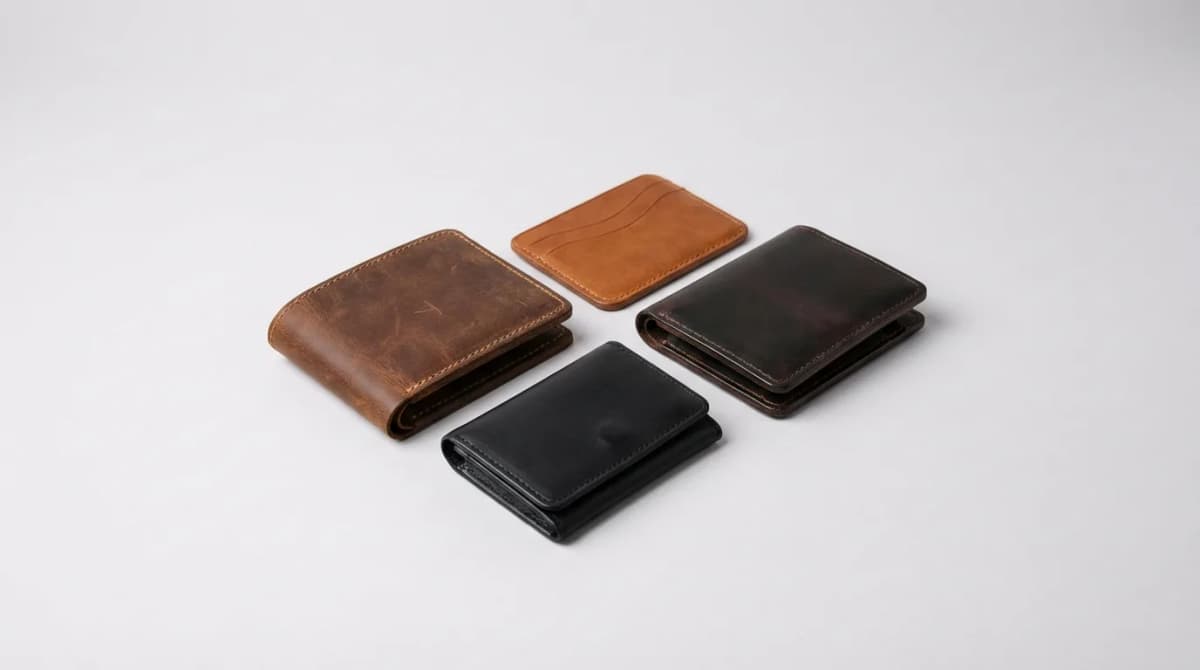
How to Choose a Wallet That Does Not Wear Out
Learn what makes wallets fail and how to spot construction quality that lasts. We break down leather types, stitching, and stress points that matter.
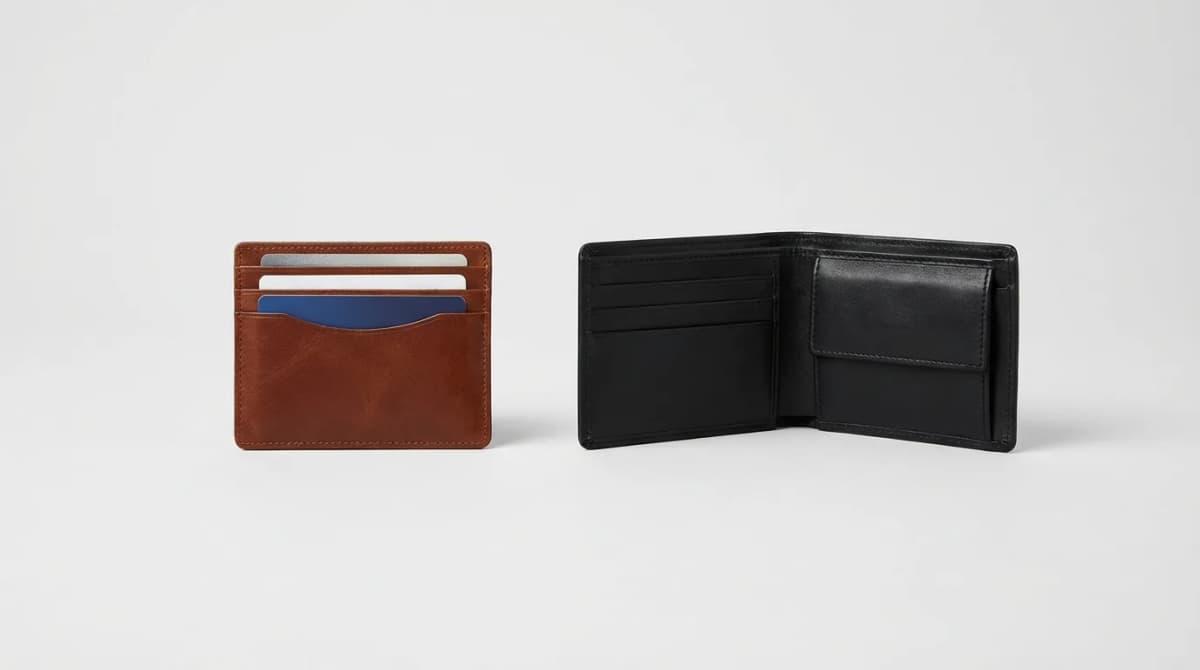
Cardholder vs Bifold: Finding Your Perfect Wallet
Cardholders promise minimalism but limit capacity. Bifolds offer versatility but add bulk. We break down which wallet style actually fits your daily carry.

Best Minimal Wallets for People Who Carry Cash
Cash carriers need different wallet designs than card-only users. We break down the best minimal wallets that actually hold bills without bulk or compromise.