How to Build a Simple Personal Safety Kit
Build a practical personal safety kit with non-weapon tools focused on prevention, visibility, and getting help when needed.
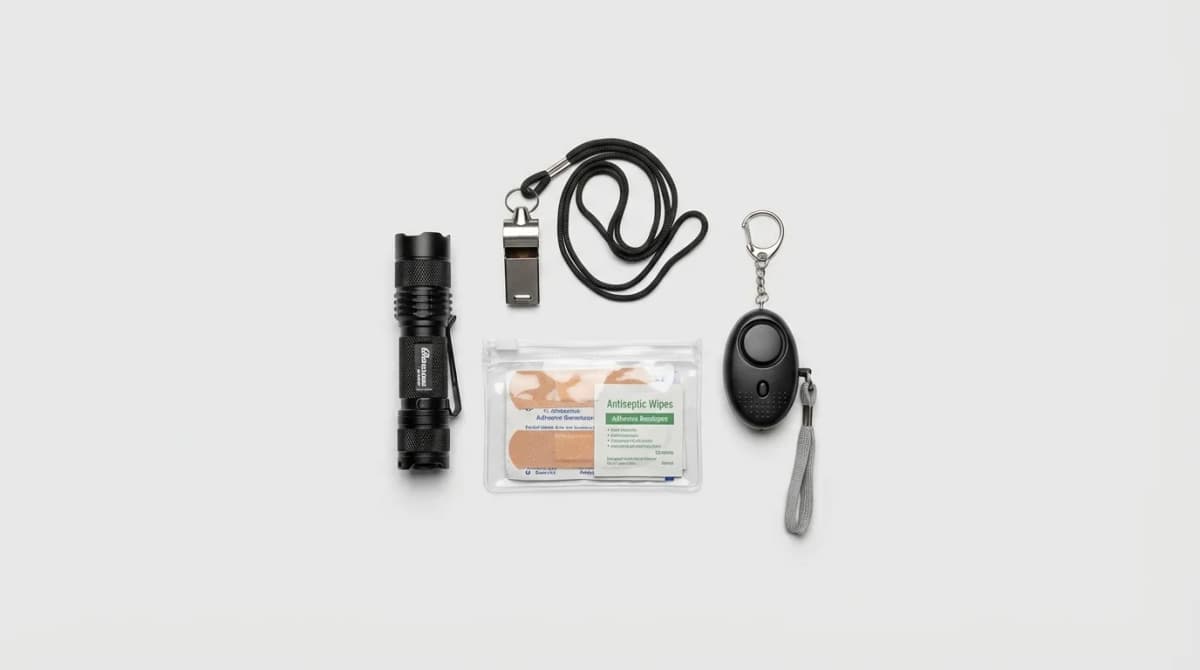
Most people think about personal safety too late. You're walking to your car at night, or taking an unfamiliar route home, and suddenly you wish you had something more than your phone and keys. A good personal safety kit doesn't need weapons or extensive training. It needs tools that help you avoid danger, stay visible, signal for help, and handle common emergencies. We've tested dozens of safety tools to find what actually works in real situations without adding bulk to your everyday carry.
The best safety strategy isn't confrontation. It's prevention, awareness, and the ability to get help quickly. Your kit should make you harder to surprise, easier to find if something goes wrong, and capable of handling minor injuries or equipment failures that could turn dangerous. Most safety incidents don't involve attackers - they involve getting stranded, injured, or lost in situations where being prepared makes all the difference.
What Makes a Practical Personal Safety Kit
Start with three core functions: visibility, communication, and basic first aid. A bright flashlight prevents most dangerous situations by eliminating blind spots and signaling your awareness. People looking for easy targets avoid those who appear alert and prepared. A personal alarm or whistle gets attention without requiring you to yell or physically engage. Basic first aid supplies handle the cuts, blisters, and injuries that happen far more often than violent encounters.
Skip anything that requires training you don't have. Pepper spray and tactical pens have their place, but they create legal complications and require practice to use effectively under stress. Focus on tools that work intuitively when you're scared or disoriented. The best safety device is one you'll actually carry every day, not the most tactical option sitting at home.
Your kit needs to fit your actual routine. A runner needs different tools than someone who drives everywhere. College students walking across campus need different visibility tools than suburban parents. Build your kit around the situations you actually face, not worst-case scenarios from YouTube videos.
The Essential Visibility Tools
A quality LED flashlight does more for personal safety than any other single tool. We recommend lights in the 500-1000 lumen range with strobe modes. The Streamlight ProTac 1L-1AA hits 350 lumens on high, runs on either CR123A or AA batteries, and includes a disorienting strobe. It's bright enough to light up an entire parking lot and small enough to carry daily.
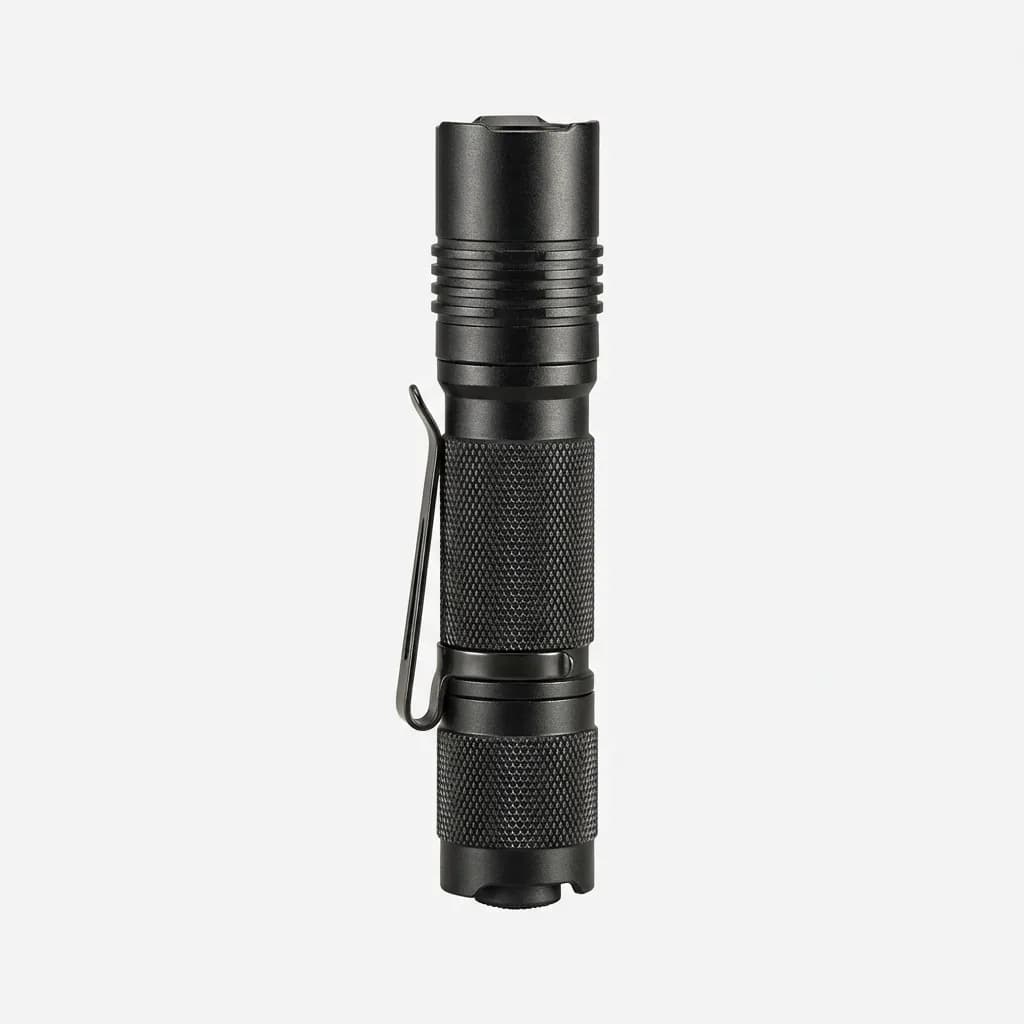
Streamlight ProTac 1L-1AA Tactical Flashlight
$40
Dual-fuel tactical flashlight with 350 lumens, strobe mode, and pocket clip. Accepts CR123A or AA batteries for maximum flexibility.
Reflective gear matters more than most people realize. A simple reflective armband or clip-on light makes you visible from 500 feet instead of 50 feet. Drivers need time to react, and being seen early prevents close calls. The Noxgear Tracer2 vest uses fiber optics to create 360-degree visibility without batteries, though LED options like the Nite Ize SpokeLit provide focused visibility for runners and cyclists.
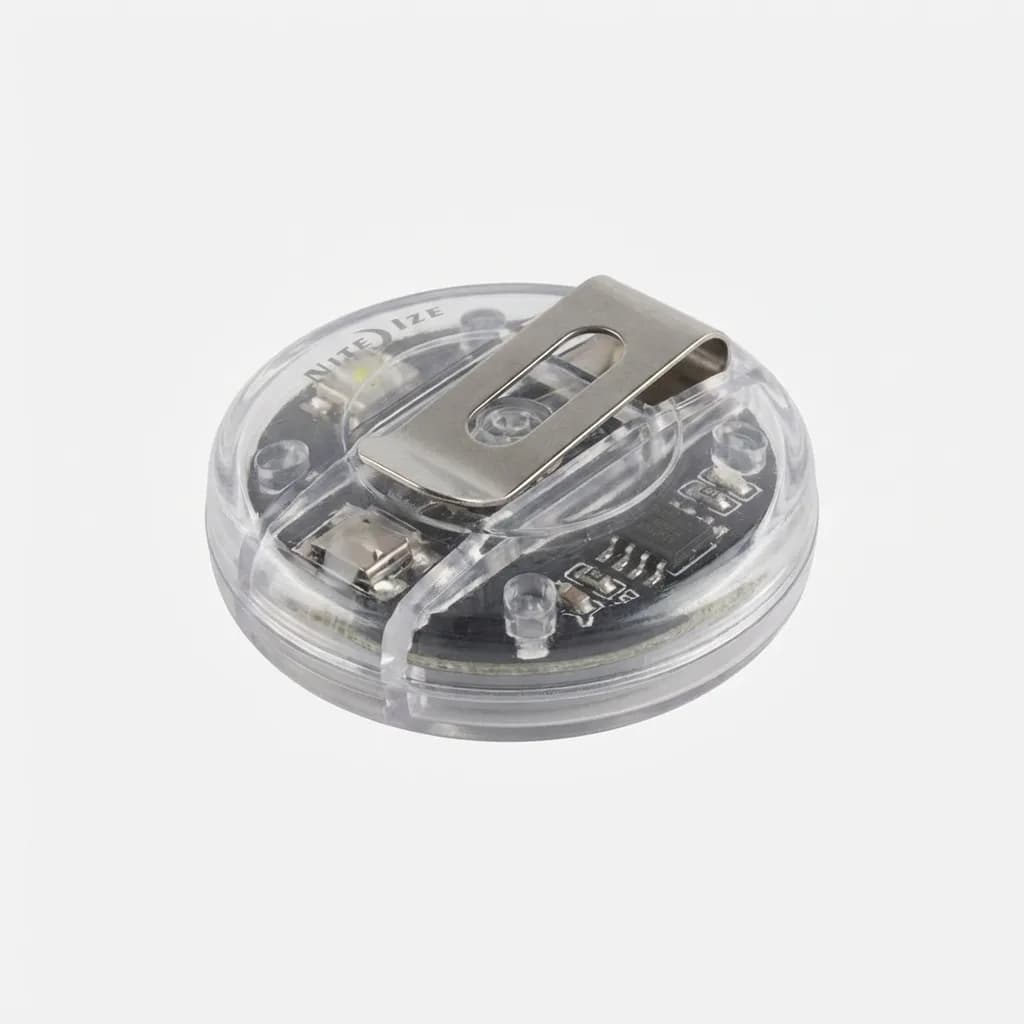
Nite Ize SpokeLit LED Wheel Light
$8
Versatile LED safety light with multiple flash patterns and 20-hour runtime. Clips to bikes, bags, or clothing for 360-degree visibility.
For urban environments, a high-visibility keychain or bag tag works better than gear you'll forget to put on. The theory behind visibility is simple: threats require surprise and isolation. Make yourself visible and you eliminate both advantages.
Personal Alarms and Signaling Devices
Personal alarms produce 120-130 decibel sounds that draw immediate attention without requiring you to scream or fight. The Vigilant Personal Alarm creates an ear-piercing siren when you pull the pin. It's loud enough to trigger car alarms and disorient anyone nearby while signaling that something's wrong.
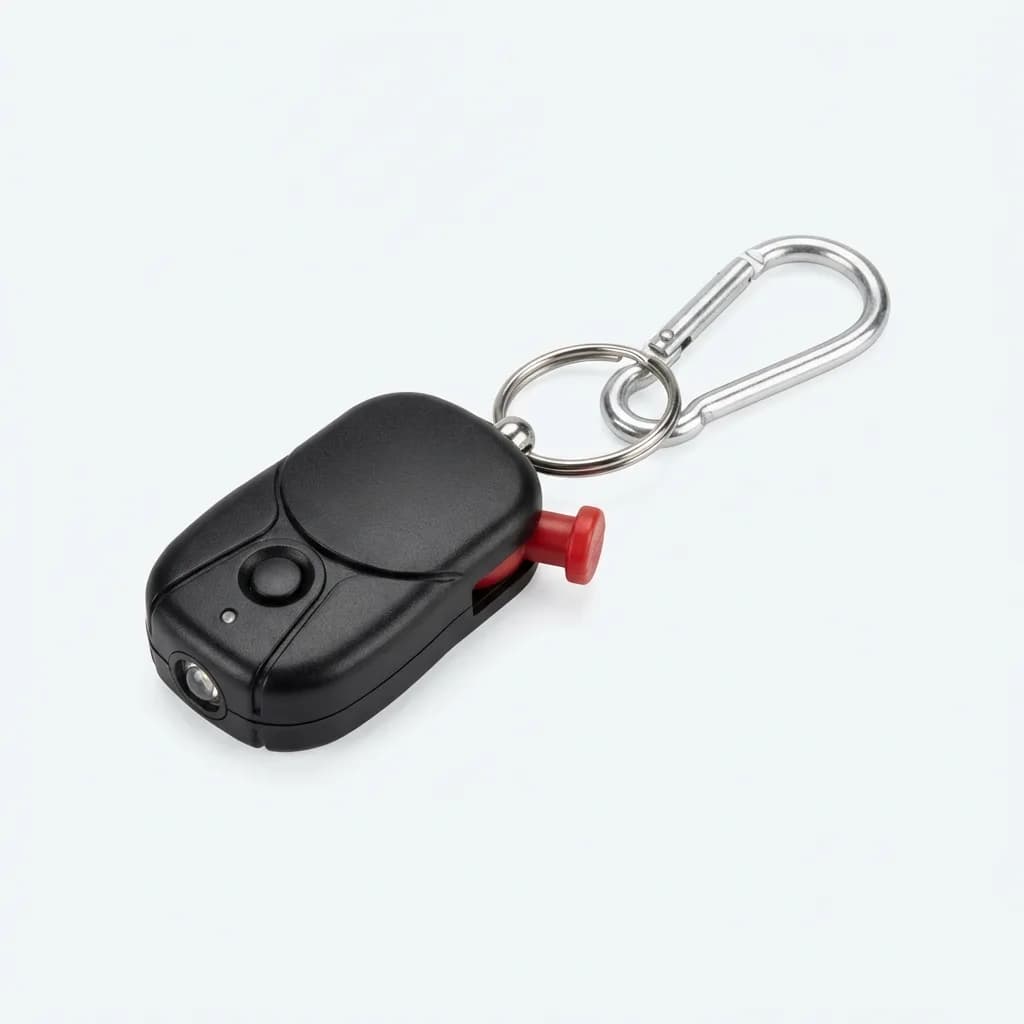
Vigilant 130dB Personal Alarm
$10
Ultra-loud personal alarm with pull-pin activation and built-in LED light. Compact design attaches to keys, bags, or belts with included carabiner.
Traditional whistles work without batteries and produce sounds that carry further than shouting. The Storm Whistle reaches 120 decibels and works even when wet. It's designed for maritime safety but works perfectly for personal safety situations where you need to signal distress over distance. Whistles matter more in outdoor settings - hiking, camping, or anywhere cell service is unreliable.
Keep your phone charged and accessible. A dead phone eliminates your primary communication tool. Small battery packs like the Anker PowerCore 5000 add minimal weight but provide enough charge for emergency calls. We found most safety situations never involve your alarm or whistle because your phone handles the job first. But having backup options matters when your phone fails or when you need to signal without unlocking your screen.
First Aid and Practical Tools
Most personal safety situations involve injuries, not attackers. You're far more likely to need bandages after tripping on uneven pavement than to use pepper spray. A compact first aid kit handles the bleeding, blisters, and minor injuries that can turn dangerous if ignored.
The Adventure Medical Kits Ultralight/Watertight .5 fits in a pocket and includes wound closure strips, bandages, medications, and antiseptic. It's built for backpackers but works perfectly as a personal safety kit core. The waterproof case protects contents and doubles as a container for other small items.
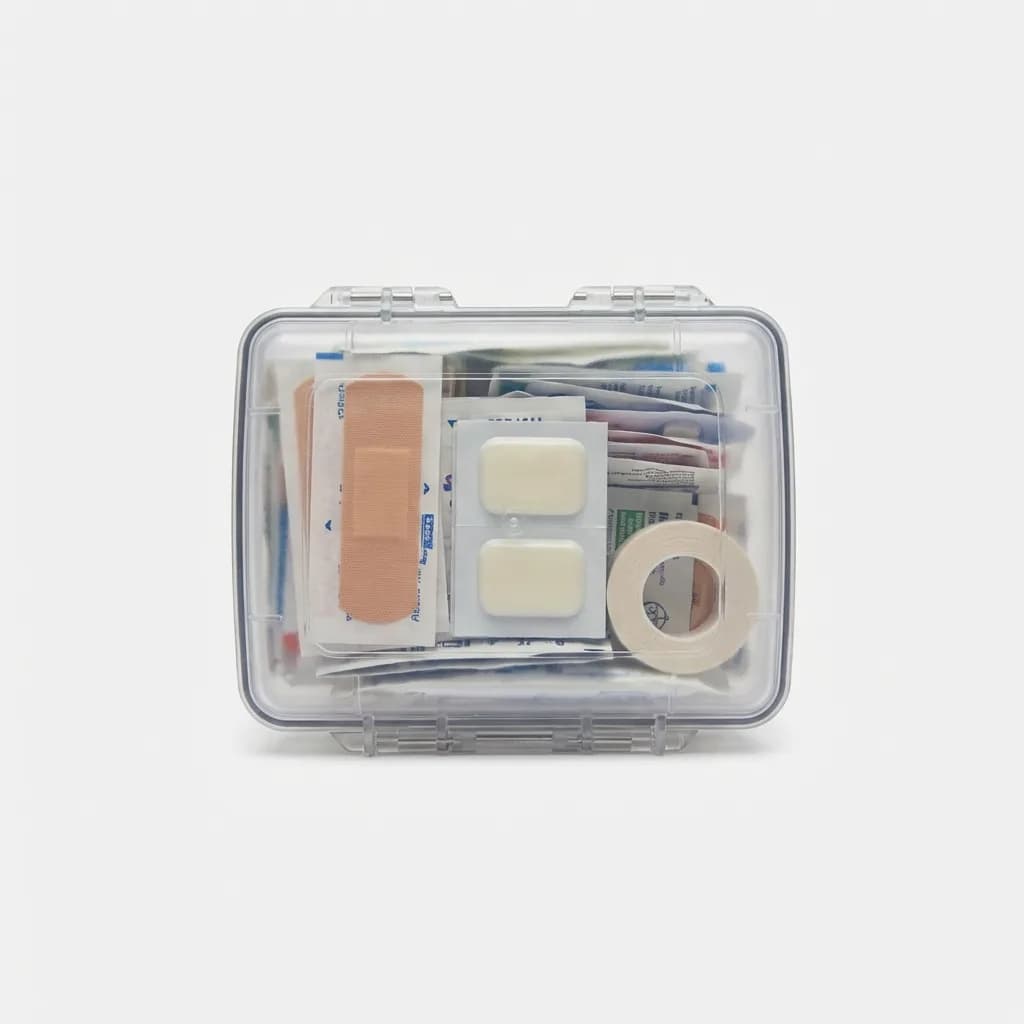
Adventure Medical Kits Ultralight .5 First Aid Kit
$18
Waterproof mini first aid kit with wound care supplies, medications, and compact design. Includes 27 essential items in a 4x5 inch watertight case.
Add a basic multitool or knife for practical tasks that turn into safety issues. The Leatherman Squirt PS4 includes scissors, pliers, and a blade in a keychain format. You'll use it weekly to fix gear, open packaging, or cut cord. Those mundane tasks matter because equipment failures create unsafe situations. A broken shoe strap or jammed zipper becomes a safety problem when it happens in the wrong place.
Emergency cash provides options when cards fail. Keep $40-60 in small bills separate from your wallet. ATM failures, card readers going down, or situations where you need a cab immediately happen more often than actual emergencies. Cash eliminates dependency on technology when you need to leave quickly.
The Items Most People Overlook
A small notepad and pen let you leave messages, collect information after incidents, or document injuries for insurance. Phone cameras handle most documentation, but paper works when batteries die. The Rite in the Rain pocket notebook survives weather and rough handling better than phone screens.
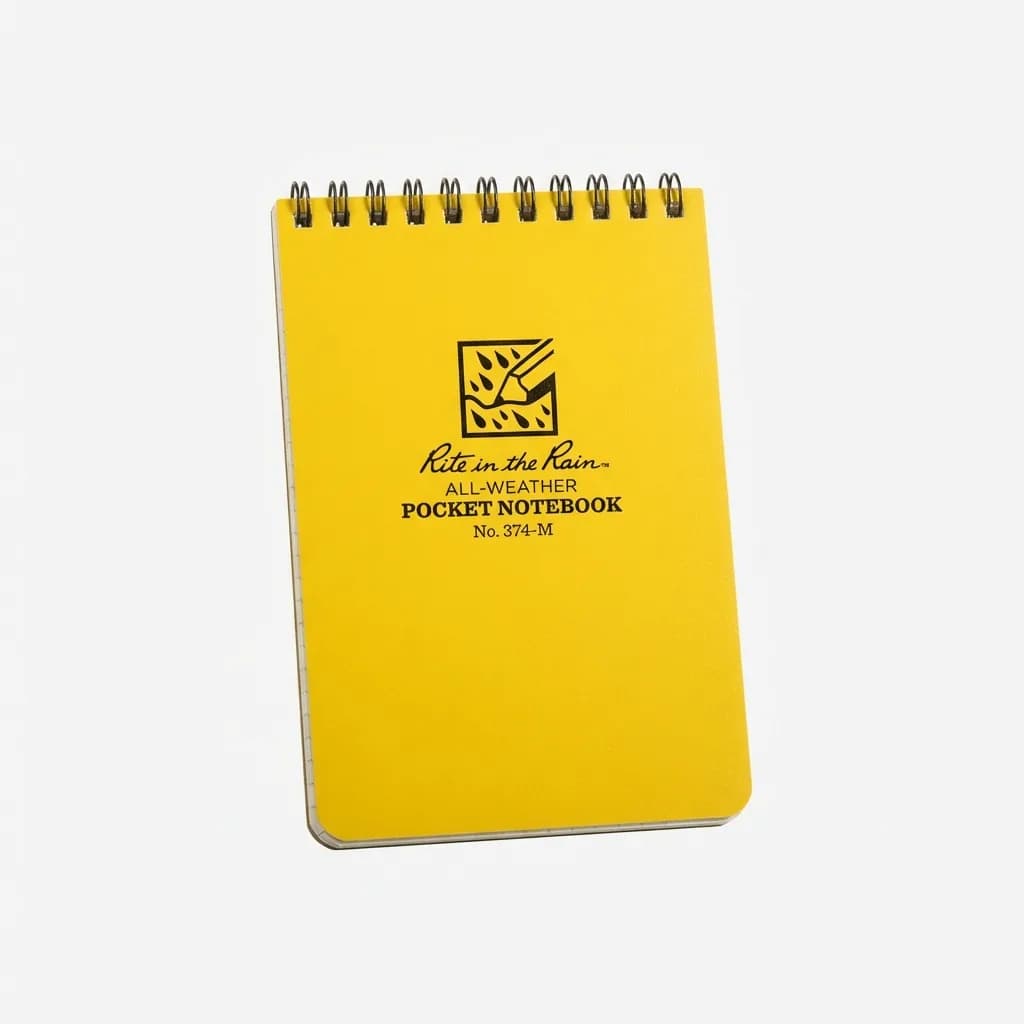
Rite in the Rain All-Weather Pocket Notebook
$8
Weather-resistant pocket notebook with 48 pages of all-weather paper. Writes in rain, snow, or humidity without smearing. Essential for documenting emergencies.
A bandana or large cloth provides more utility than its size suggests. It works as a sling, tourniquet, dust mask, bandage, water filter, or signal flag. The 100% cotton ones from military surplus stores cost $2 and handle jobs that purpose-built tools can't. Pack one in every bag.
Consider a small door stop or portable lock for hotel rooms, Airbnbs, or spaces where you question the security. The Addalock portable door lock installs in seconds without tools and prevents doors from opening even if someone has a key. It's particularly useful for travelers or anyone staying in unfamiliar locations.
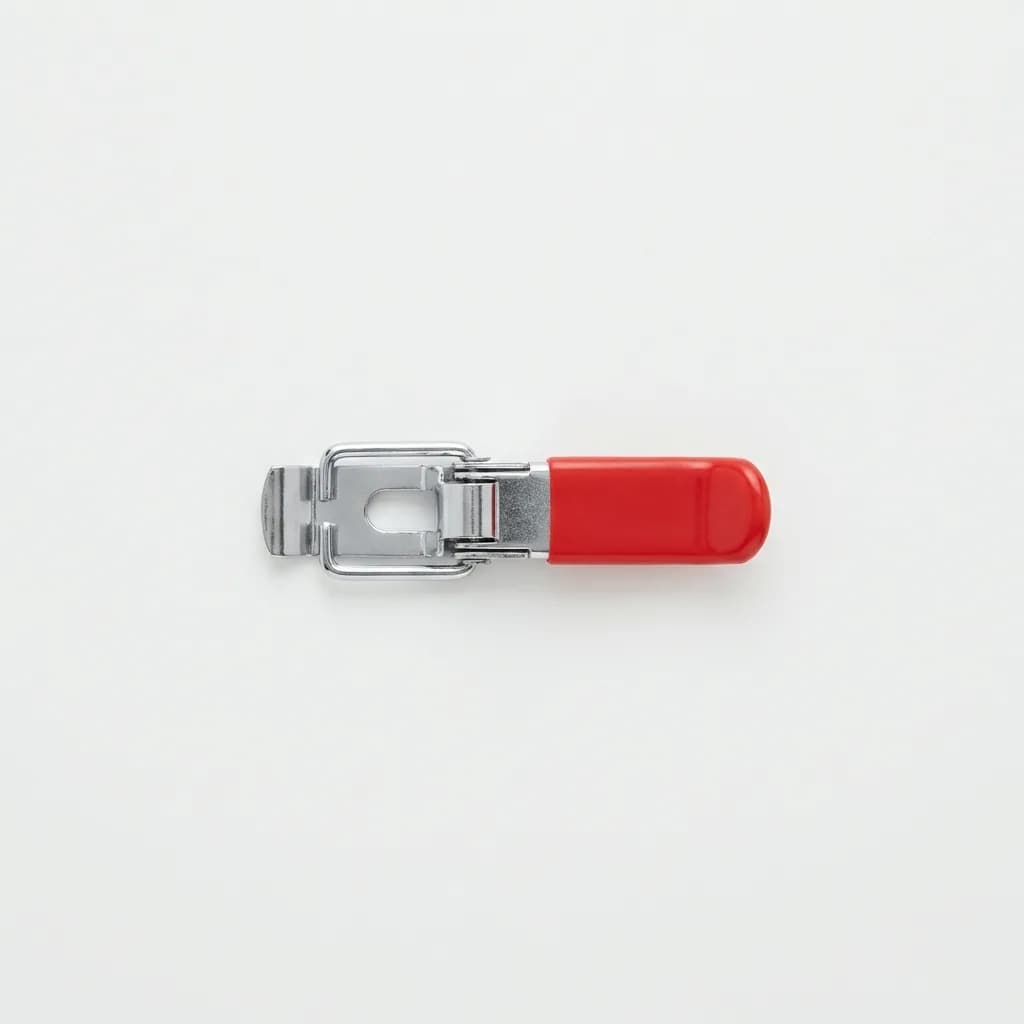
Addalock Portable Door Lock
$20
Portable door security device that installs in seconds without tools. Prevents forced entry even if someone has a key. Travel-friendly design fits any standard door.
How to Actually Carry This Gear
Distribution matters more than total weight. Spread items across your daily carry rather than building a dedicated pouch that stays home. Keep the flashlight on your keychain or clipped to a pocket. Attach the personal alarm to your bag's exterior where you can reach it instantly. Store first aid supplies in whatever bag you actually carry - laptop bag, purse, gym bag, or car.
The biggest mistake is building a perfect kit that's too bulky to carry daily. We've found most people abandon comprehensive safety kits within a week because they add too much weight or complexity. Start with three items: flashlight, personal alarm, and basic first aid. Use them for a month. Add other tools only if you find gaps in specific situations.
For runners and cyclists, mount lights on your body rather than gear. A chest-mounted light or headlamp keeps your hands free while providing visibility. The Black Diamond Spot 400 headlamp provides 400 lumens with red light modes for preserving night vision and signaling without blinding yourself.
Keep a vehicle kit separate from your personal carry. Store a larger flashlight, jumper cables, fix-a-flat, and comprehensive first aid supplies in your trunk. Your personal kit handles immediate situations. Your vehicle kit handles extended problems or helping others.
Building the Right Habits
Tools matter less than awareness. Most safety situations develop slowly with warning signs you can act on if you're paying attention. Someone following too closely, poorly lit areas ahead, or situations that feel wrong deserve your full attention before they escalate.
Trust your instincts about situations and people. Your brain processes more information than you consciously recognize. That uncomfortable feeling exists for reasons even if you can't articulate them. The best safety tool is permission to leave, reroute, or change plans when something feels wrong.
Practice accessing your safety tools under stress. Pull your personal alarm once to understand how it works and how loud it really is. Use your flashlight's strobe mode to understand its effect. Know which pocket holds your phone and whether you can unlock it one-handed. Gear you can't deploy quickly provides false confidence.
Regular maintenance keeps tools functional. Check flashlight batteries monthly. Test your personal alarm's volume. Replace expired medications in your first aid kit. Review your emergency contacts and make sure someone knows your typical routes and schedule. The most sophisticated kit fails if batteries die or items expire.
What This Kit Actually Costs
A functional personal safety kit runs $100-150 for quality tools that last years. That's less than most people spend on phone cases or wireless earbuds. The Streamlight flashlight ($40), Vigilant alarm ($10), Adventure Medical first aid kit ($18), and Addalock ($20) provide 80% of what most people need for under $90. Add reflective gear, a bandana, and emergency cash to reach a complete system.
Budget options work fine if you're price-sensitive. Store-brand flashlights from hardware stores provide adequate lumens for visibility even if they lack durability. Generic personal alarms produce the same 130 decibel sound as name brands. The difference shows in build quality and longevity, not immediate function.
Avoid premature upgrading. We've tested $200 tactical flashlights and $15 hardware store lights in real conditions. The expensive ones offer better beam patterns and tougher construction, but the cheap ones illuminate threats and last long enough for most users. Buy once, use frequently, upgrade when something breaks or you identify specific limitations.
Common Mistakes to Avoid
Don't build a weapons-focused kit without proper training. Pepper spray, tasers, and tactical pens require practice and create legal liability if used incorrectly. Most self-defense instructors emphasize escape over engagement. Tools that help you avoid confrontation or flee effectively provide better outcomes than items designed for fighting.
Skip the tactical aesthetic unless you actually need it. All-black gear, MOLLE webbing, and military styling draw attention rather than blending in. Personal safety works best when you appear prepared but not paranoid. A normal flashlight provides the same lumens as a tactical one without broadcasting that you're carrying safety gear.
Don't over-complicate your system. We've seen people build 5-pound safety kits with 30 items that never leave the house. Three well-chosen tools you carry daily beat ten perfect tools you leave behind. Edit ruthlessly based on what you actually use and what situations you realistically face.
Avoid relying entirely on your phone. Apps, GPS, and communication tools fail when batteries die, screens break, or you're in areas without service. Your safety kit should function completely independent of technology even though your phone remains your primary tool.
Putting It Together
Start simple and expand based on experience. Buy a quality flashlight, personal alarm, and compact first aid kit this week. Carry them daily for a month. Note situations where you use them and gaps where you wish you had something else. Add tools only after you've proven you'll carry what you already own.
Your personal safety kit should feel like insurance: boring, reliable, and rarely needed but invaluable when situations go wrong. The goal isn't to prepare for every possible threat but to handle the most common situations that compromise safety - poor visibility, getting stranded, minor injuries, and needing help quickly.
Test everything before you need it. Know how your tools work, where they're stored, and how quickly you can access them. The time to learn your personal alarm's activation mechanism isn't when someone's following you. Practice builds confidence and muscle memory that works under stress when conscious thought fails.
Most importantly, remember that personal safety comes from smart decisions more than gear. Your kit supports better choices - taking well-lit routes, checking in with friends, trusting your instincts about people and situations. Tools don't replace judgment. They provide options when good judgment isn't enough.
The Weekly Dispatch
Enjoying this article?
Subscribe and get our best gear picks delivered every Sunday morning.
Related Stories
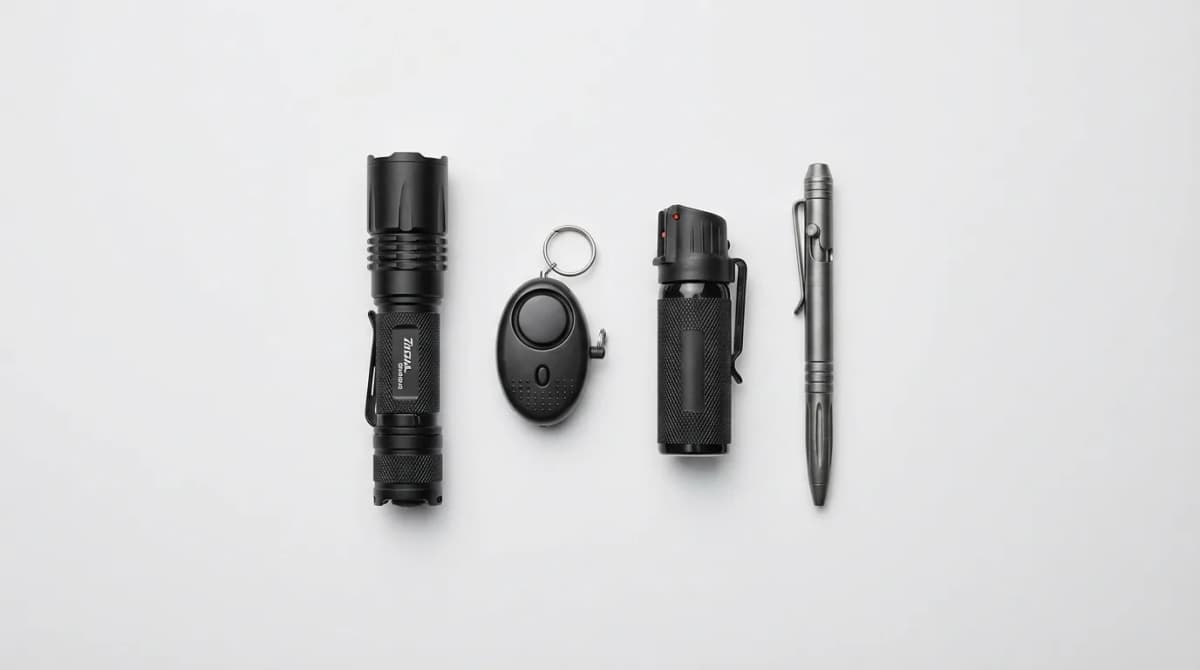
Self-Defense EDC: Non-Lethal Tools for Personal Safety
Non-lethal self-defense gear lets you carry protection without legal complications. Here's what actually works for everyday safety.
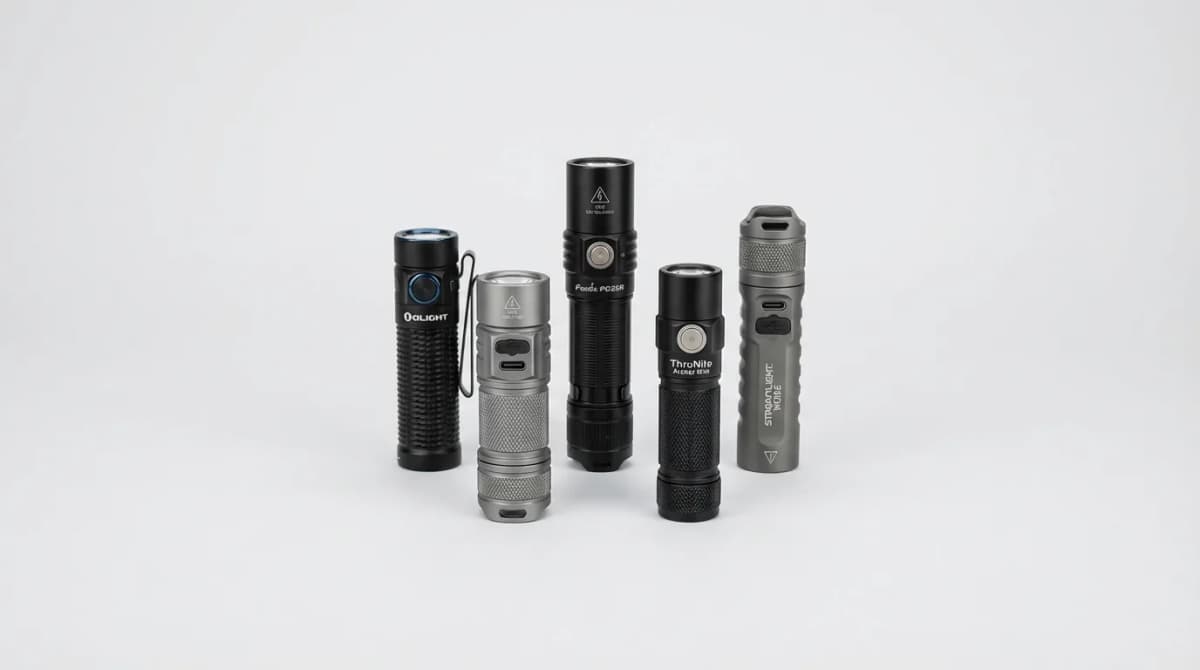
Best Rechargeable EDC Flashlight with USB-C
USB-C rechargeable EDC flashlights eliminate the hassle of proprietary chargers and spare batteries. Here are the brightest, most reliable options for 2026.
Best Compact Flashlights for Everyday Carry
We tested dozens of compact EDC flashlights to find the best options at every price point. From the budget-friendly Sofirn SC18 to the premium Fenix E18R V2, these are the pocket lights worth carrying every day...