Brass and Copper EDC: Patina and Practicality
Brass and copper EDC gear ages with character but demands trade-offs. We break down weight, patina development, maintenance, and the best pieces worth carrying daily.
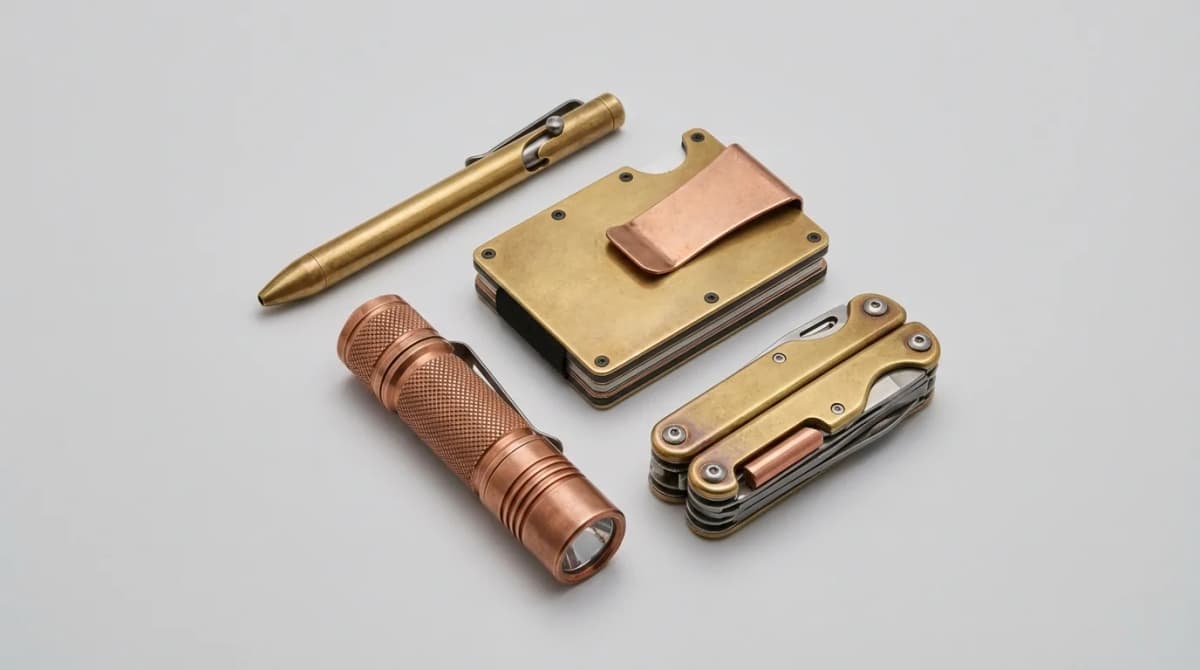
Brass and copper EDC items develop patina over time, creating unique character that aluminum and steel can't match. But that aging process comes with extra weight, maintenance questions, and a price premium. If you're considering the jump from standard metals, here's what actually matters.
The appeal is obvious when you handle a well-worn brass pen or copper flashlight. The patina tells a story. Each scratch, dark spot, and color shift records actual use. You won't mistake your gear for anyone else's after six months of pocket carry. The weight feels substantial, almost anchoring. For some users, that's exactly the point.
How Brass and Copper Age in Daily Carry
Both metals oxidize when exposed to air, moisture, and the oils from your hands. Copper typically develops a brown patina first, then shifts toward darker browns and eventually greenish tones if exposed to moisture long-term. Brass (a copper-zinc alloy) usually ages more slowly, taking on amber and darker golden-brown tones before eventually darkening further.
The speed depends entirely on your carry habits. If you pocket carry a brass pen in jeans and handle it frequently, expect visible patina within 2-3 weeks. A copper flashlight in a leather slip will age more slowly than one bouncing loose in a bag with keys. Climate matters too - humid environments accelerate the process.
Some people love the aged look immediately. Others find the inconsistent coloring unappealing until the entire piece darkens evenly, which can take months. There's no middle ground here. If you prefer your gear looking new, brass and copper will frustrate you.
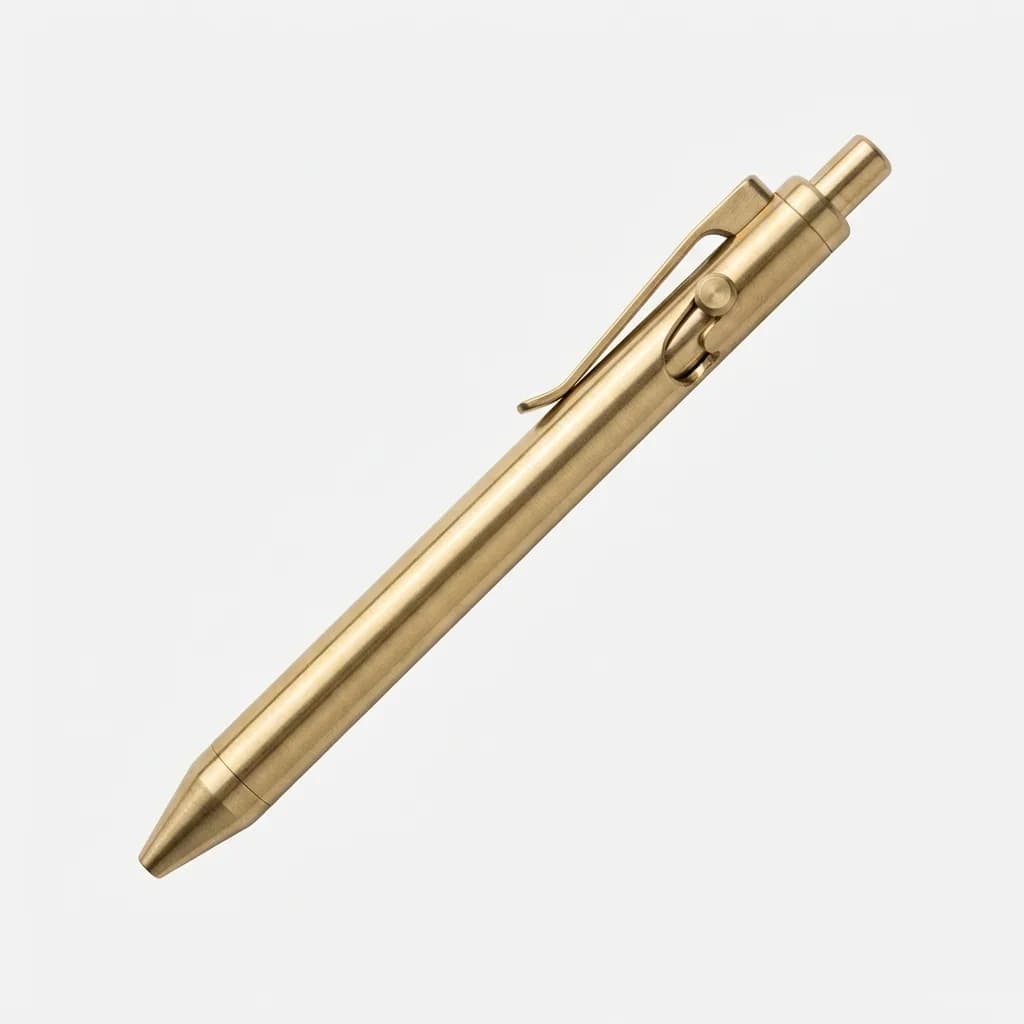
Karas Kustoms Bolt V2 Brass Pen
$85
Machined brass body with bolt-action mechanism. Takes over 70 refills. Develops rich patina with carry. Weight: 1.4 oz.
You can control patina development to some degree. Polishing with a metal cloth removes oxidation and returns pieces to bright metal, though they'll start aging again immediately. Some users polish weekly for a consistent shine. Others polish once at the start and let nature take over. A few never polish at all, preferring maximum character development.
Weight Reality: Not for Minimalists
A brass EDC pen weighs roughly three times what an aluminum version does. Copper flashlights hit similar multipliers. If you're carrying a brass pen, copper flashlight, brass pry bar, and copper coin, you're adding several ounces compared to aluminum and titanium alternatives. That might not sound significant, but it's noticeable in dress pants or gym shorts.
For reference, a standard aluminum tactical pen weighs around 0.7-1.0 oz. The brass version of the same design runs 1.8-2.2 oz. A compact aluminum EDC flashlight might weigh 0.8 oz, while a copper equivalent pushes 2.5-3.0 oz. Stack enough brass and copper pieces and you're carrying an extra quarter pound.
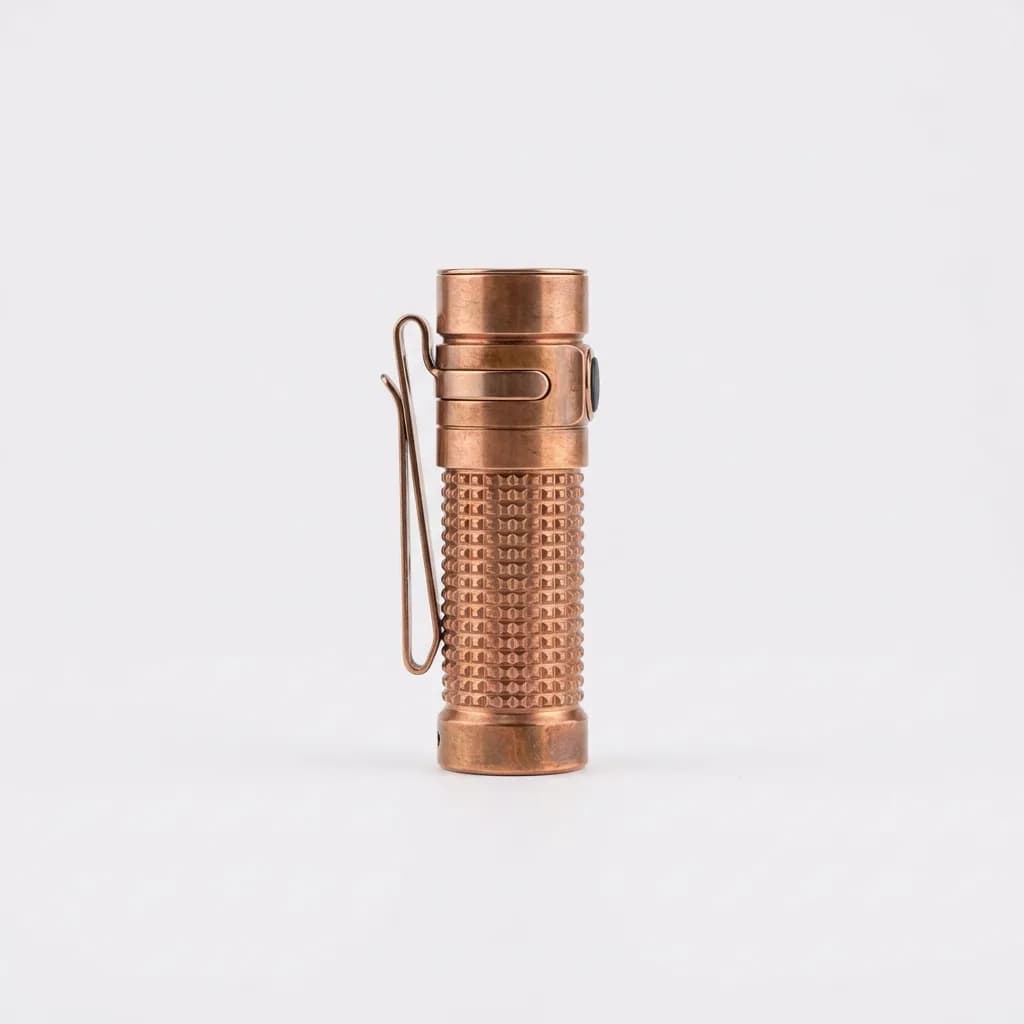
Olight S1R II Baton Copper Flashlight
See current price
Compact 1000-lumen rechargeable flashlight in solid copper. Magnetic tail cap, 5 brightness modes. Weight: 2.6 oz. Develops warm patina quickly.
The weight isn't necessarily a problem. Some users find heavier gear more satisfying to handle and harder to lose track of. But if you've specifically chosen lightweight EDC to reduce pocket bulk, brass and copper work against that goal. Be honest about your priorities before investing in premium metal gear that might end up in a drawer.
Antimicrobial Properties: Real but Overstated
Both copper and brass have documented antimicrobial properties. Copper surfaces kill bacteria, viruses, and fungi faster than stainless steel or aluminum. Brass (which contains copper) shows similar effects, though less pronounced. The EPA has registered copper alloys as antimicrobial materials.
In practical EDC terms, this matters less than marketing suggests. Yes, a copper pry tool or brass pen will self-sanitize over several hours. But you're probably not waiting hours between touching your gear and touching your face or food. Regular hand washing or wiping down gear with alcohol accomplishes the same thing faster.
That said, if you frequently share tools with others or work in environments where contamination is a concern, copper and brass offer a marginal advantage. The effect is real. It's just not a primary reason to choose these materials for most users.
Maintenance: More Than You Think
Brass and copper require more care than aluminum or titanium if you want them looking consistent. Patina develops unevenly - dark spots where your fingers grip most often, lighter areas that see less contact. If this bothers you, periodic polishing is mandatory.
Polishing takes about 5-10 minutes per item with a Cape Cod polishing cloth or similar product. You're essentially removing the oxidized surface layer. The metal underneath is bright again, but it starts aging immediately. How often you polish depends entirely on your aesthetic tolerance.
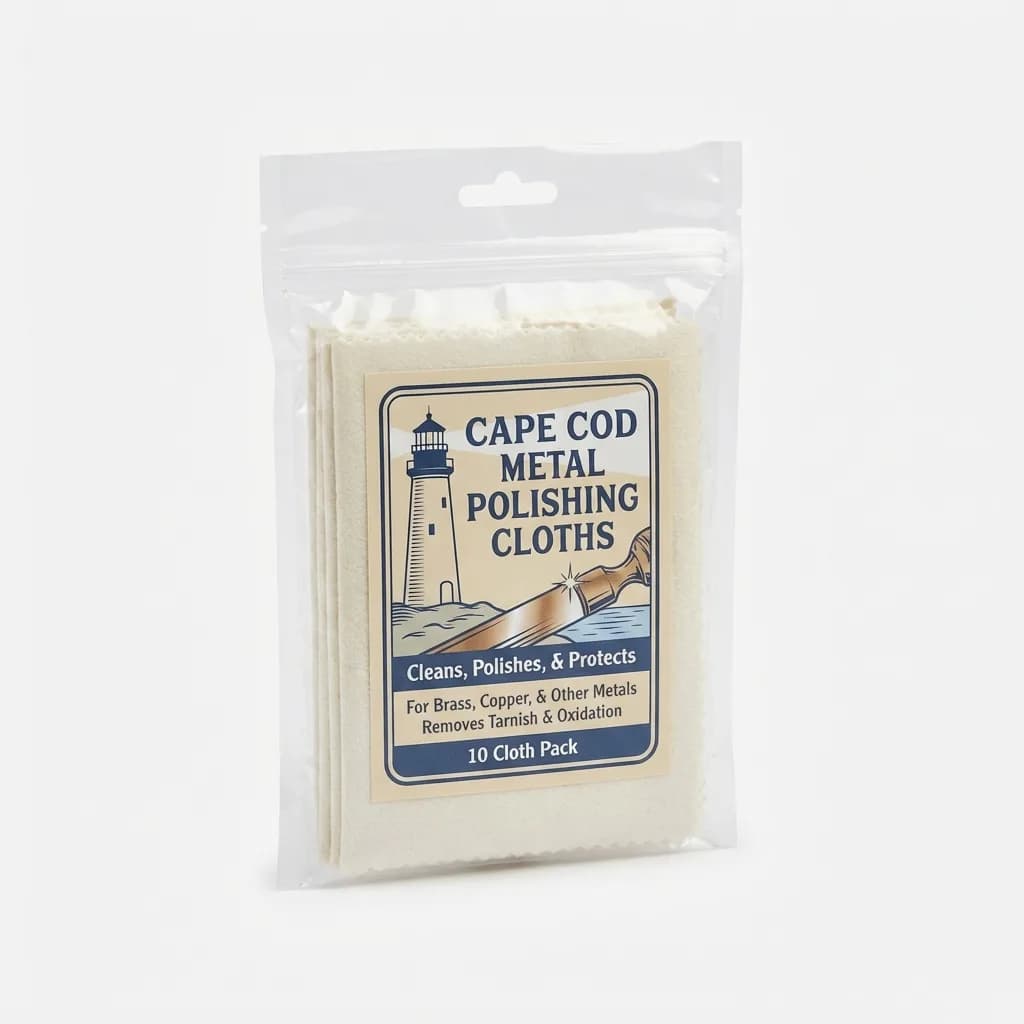
Cape Cod Metal Polishing Cloths
$12
Pre-treated polishing cloths for brass, copper, and other metals. Removes tarnish and oxidation quickly. 10 cloth pack for long-term maintenance.
Some users seal brass and copper with clear lacquer or wax to slow oxidation. This reduces patina development significantly but also prevents that aged character from forming. It's a valid approach if you want the warm metal color without the maintenance cycle, but it defeats the primary appeal for most enthusiasts.
The other maintenance consideration is verdigris - the greenish corrosion that forms on copper and brass in humid or wet conditions. If you frequently expose your gear to moisture (rain, sweat, wet pockets), you'll see green spots eventually. These wipe off easily when fresh but can become more stubborn if left for weeks. A quick wipe-down after wet exposure prevents buildup.
When Brass and Copper Make Sense
Brass and copper EDC gear works best for users who value aesthetic aging over lightweight carry and don't mind occasional maintenance. If you rotate several pens or flashlights and enjoy watching each one develop its own character, the trade-offs are worth it.
These materials also suit users who prefer substantial hand feel. A heavy brass pen feels more deliberate than a lightweight aluminum version. The weight provides feedback - you always know where it is in your pocket. For desk workers who don't move around much, the extra ounces rarely matter.
Brass and copper pieces make excellent conversation starters. People notice the unusual patina and ask about it. If you enjoy discussing your gear choices, these materials naturally invite questions. The premium pricing also signals investment in quality, which some users value for building a curated carry.
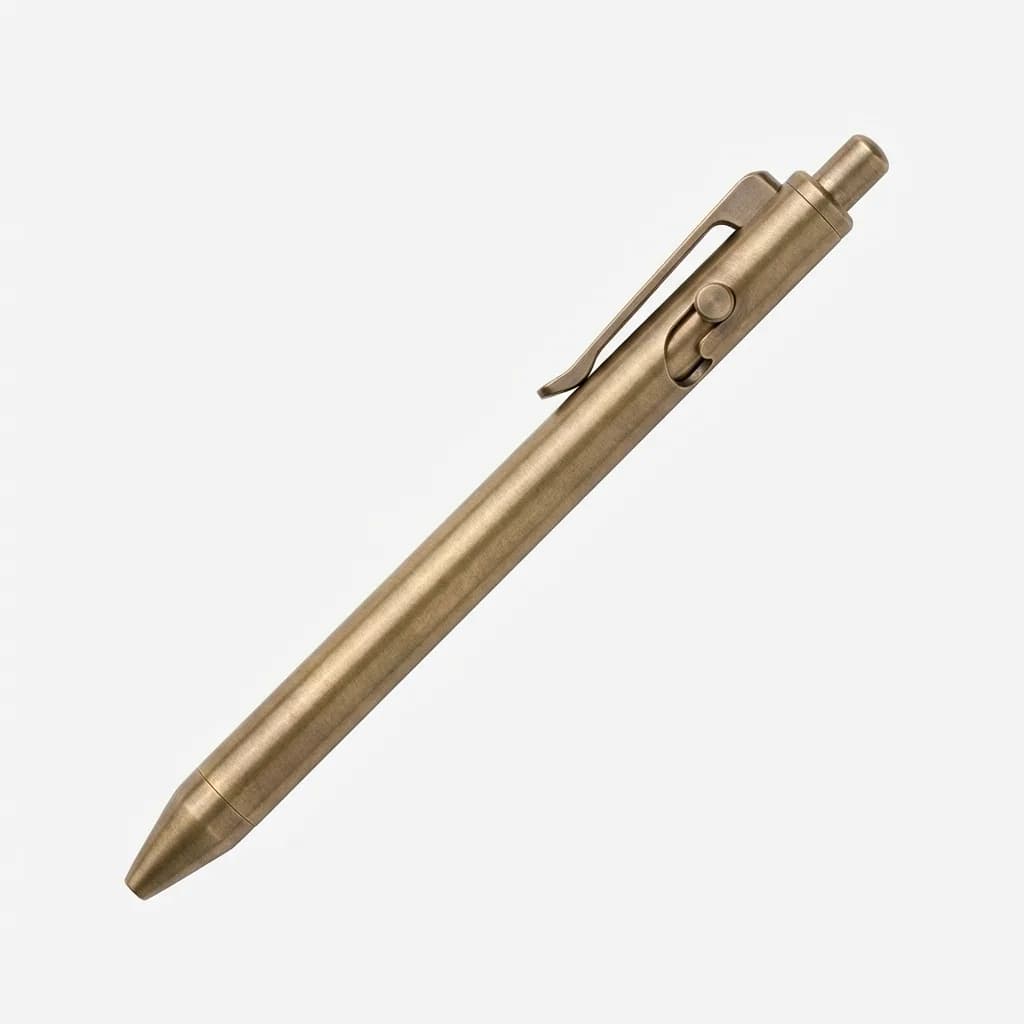
Tactile Turn Side Click Brass Pen
$95
CNC machined brass with side-click mechanism. Accepts Parker-style G2 refills. Tumbled finish ages quickly. Weight: 1.5 oz. Made in USA.
When to Skip These Materials
If you prioritize lightweight carry above all else, skip brass and copper entirely. The weight penalty is too significant. Aluminum and titanium offer similar durability at a fraction of the mass. You're not sacrificing performance by choosing lighter metals - just the aesthetic aging process.
Users who prefer gear that stays looking new should also avoid these materials. Even with regular polishing, brass and copper never stay pristine for long. The patina returns within days of handling. If you find yourself constantly annoyed by tarnish or uneven coloring, you'll regret the investment.
Budget-conscious buyers face a tough equation. Brass and copper EDC pieces typically cost 30-50% more than aluminum versions of the same item. A $50 aluminum pen becomes a $75-85 brass version. A $30 aluminum flashlight jumps to $50-60 in copper. Unless the patina development actively appeals to you, that premium is hard to justify based on performance alone.
Best Brass and Copper EDC Picks
The most practical brass EDC items are pens and flashlights. Both benefit from the added weight (stability when writing, substantial hand feel for flashlights) and develop attractive patina in high-contact areas. Brass pens from Karas Kustoms, Tactile Turn, and Billetspin consistently rank as favorites for build quality and mechanism smoothness.
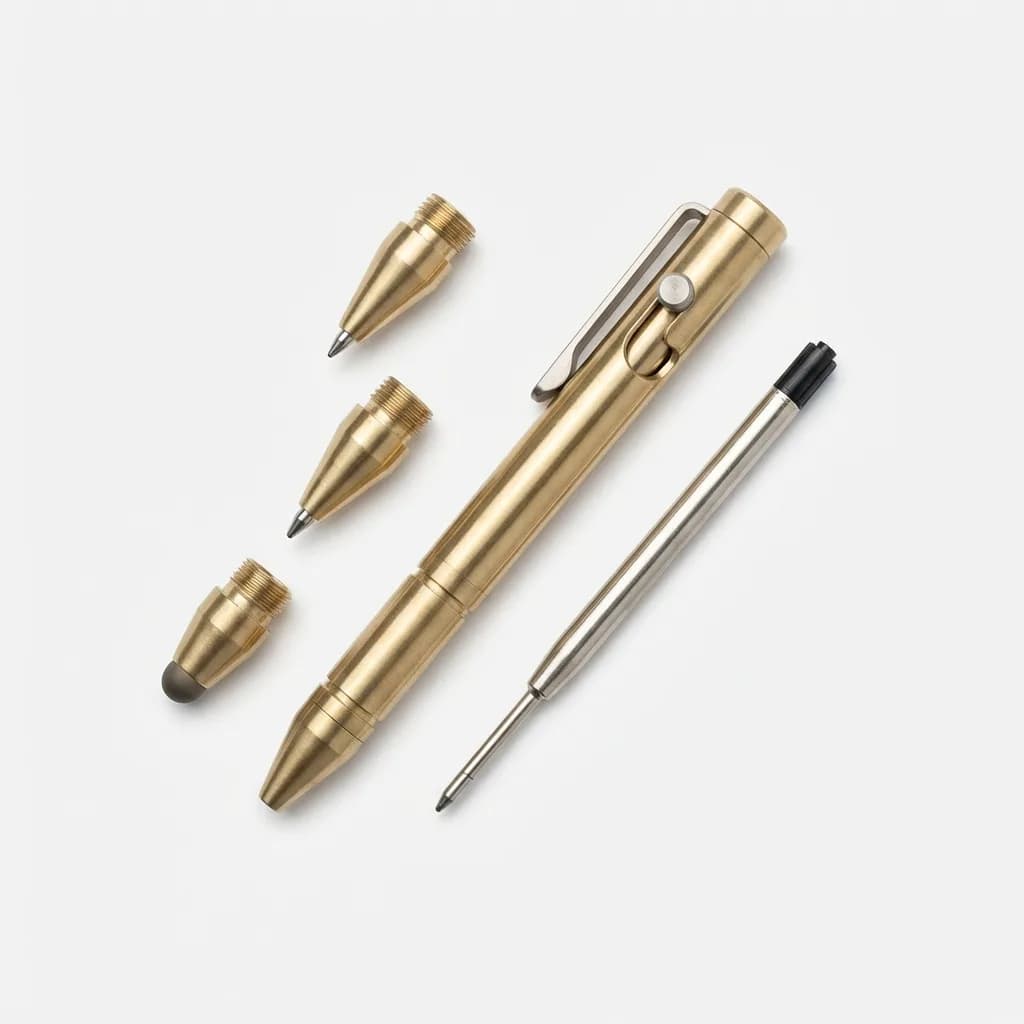
Big Idea Design Ti Arto EDC Brass Pen
$90
Modular brass pen with interchangeable tips (rollerball, gel, stylus). Premium machining, silky bolt action. Takes Parker-style refills. Weight: 1.3 oz.
For copper flashlights, Olight and Lumintop offer reliable options with proven emitters and rechargeable batteries. The added thermal mass actually helps with heat dissipation at higher output levels, making copper a functional choice beyond aesthetics.
Brass pocket tools (pry bars, bottle openers, keychains) work well for occasional use. They're less practical for frequent deployment since the weight adds up quickly with multiple items. A brass pry bar makes sense as a standalone piece or paired with one other brass item. Five brass accessories turns your keychain into a workout.
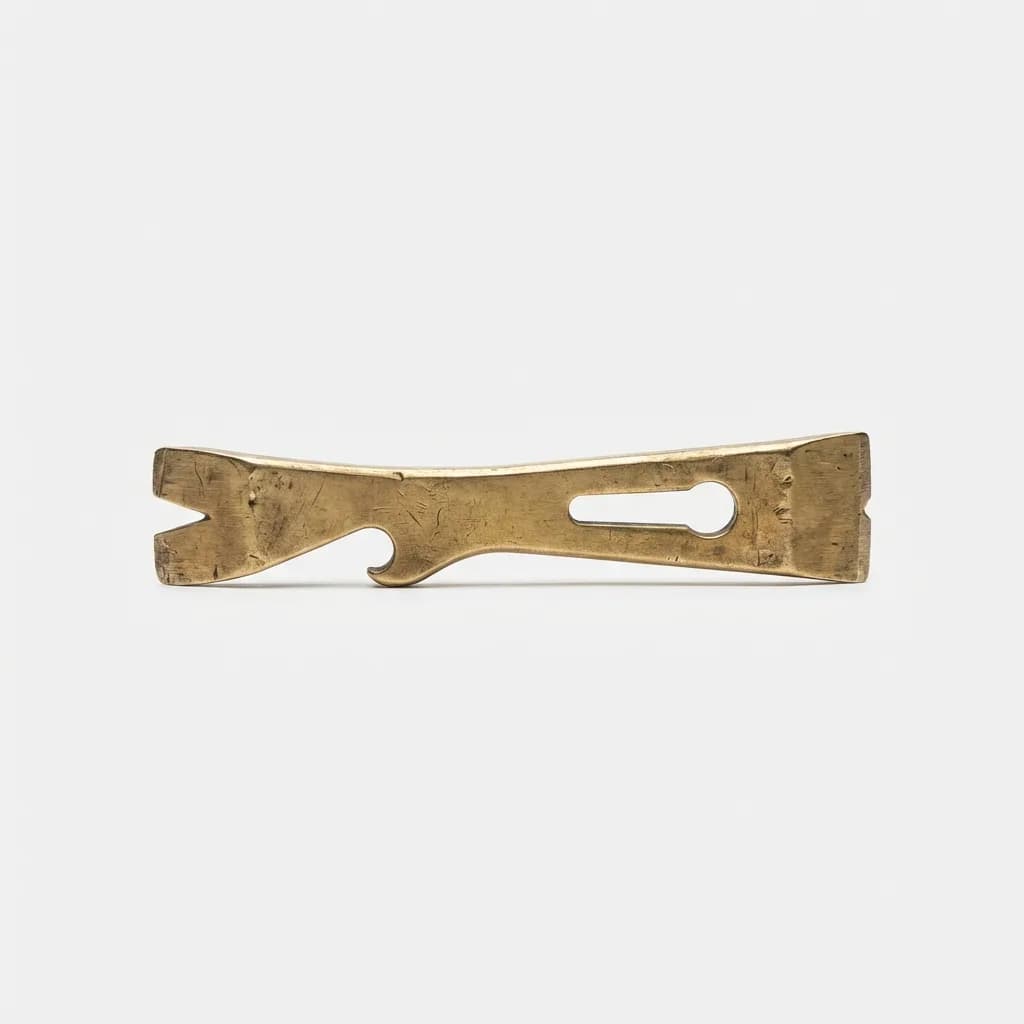
County Comm Brass Widgy Pry Bar
$25
Solid brass pry tool with bottle opener, nail puller, and scraper edge. Compact 3.5-inch length. Develops character with hard use. Weight: 1.8 oz.
Avoid brass or copper multi-tools unless you specifically want the aesthetic. The extra weight makes them less practical for actual use, and the oxidation can interfere with moving parts over time. Stainless steel or titanium multi-tools perform better in real-world conditions.
Living With Patina Long-Term
After six months of daily carry, brass and copper gear looks nothing like it did new. The uniform golden or reddish metal transforms into a landscape of dark browns, ambers, and occasional green spots. High-contact areas (where your thumb and fingers grip) usually stay lighter from constant wear removing oxidation. Less-contacted areas darken more.
This uneven aging bothers some users and delights others. There's no predicting which camp you'll fall into until you live with it for a few months. The only way to know is trying one piece - preferably something affordable like a brass keychain tool - and seeing how you respond to the changing appearance.
Most long-term brass and copper users settle into one of three patterns: polish regularly for consistent appearance, polish once initially then let it age completely, or never polish and embrace maximum patina development. All three approaches work. The mistake is buying brass or copper without deciding which approach suits you, then feeling frustrated when the gear doesn't match your expectations.
The practical performance doesn't change with patina. A brass pen with heavy oxidation writes exactly the same as a freshly polished one. A copper flashlight with dark patina produces identical output to a shiny version. The aging is purely aesthetic. If the changing appearance appeals to you - or at least doesn't bother you - brass and copper EDC pieces deliver years of reliable service with character that only increases over time.
The Weekly Dispatch
Enjoying this article?
Subscribe and get our best gear picks delivered every Sunday morning.
Related Stories
Best Compact Umbrellas That Handle Wind
Compact umbrellas fail in wind because most use cheap frames. We tested dozens to find models with reinforced ribs, vented canopies, and frames that flex instead of snap.
Best Flat EDC Tools for Minimal Carry
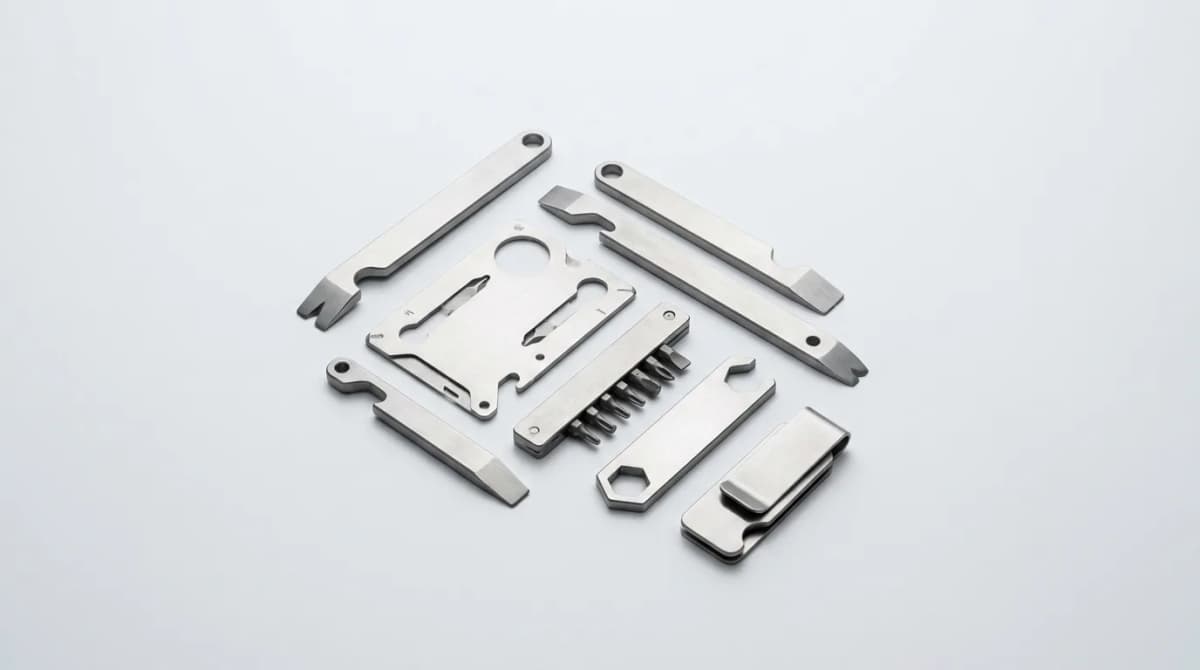
Flat EDC tools deliver pry bars, bit drivers, and wrenches in a profile thinner than two credit cards. Here's what actually works in your wallet.
Urban vs Outdoor EDC: Adapting Gear to Environment
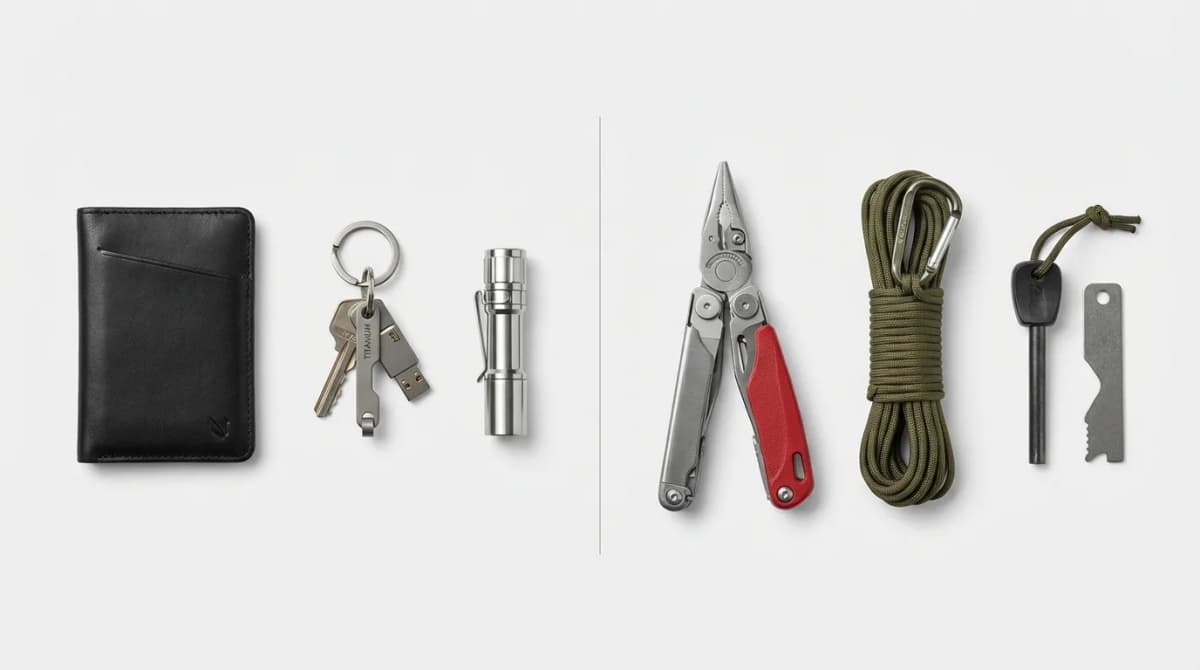
Your environment dictates your EDC. Learn which gear works for city streets versus wilderness trails, and how to adapt your everyday carry for maximum utility.