Sleep Tracker Ring vs Smartwatch: Which Works Better?
Smart rings track sleep without the bulk, but smartwatches offer more data. We break down accuracy, comfort, battery life, and cost to help you choose.
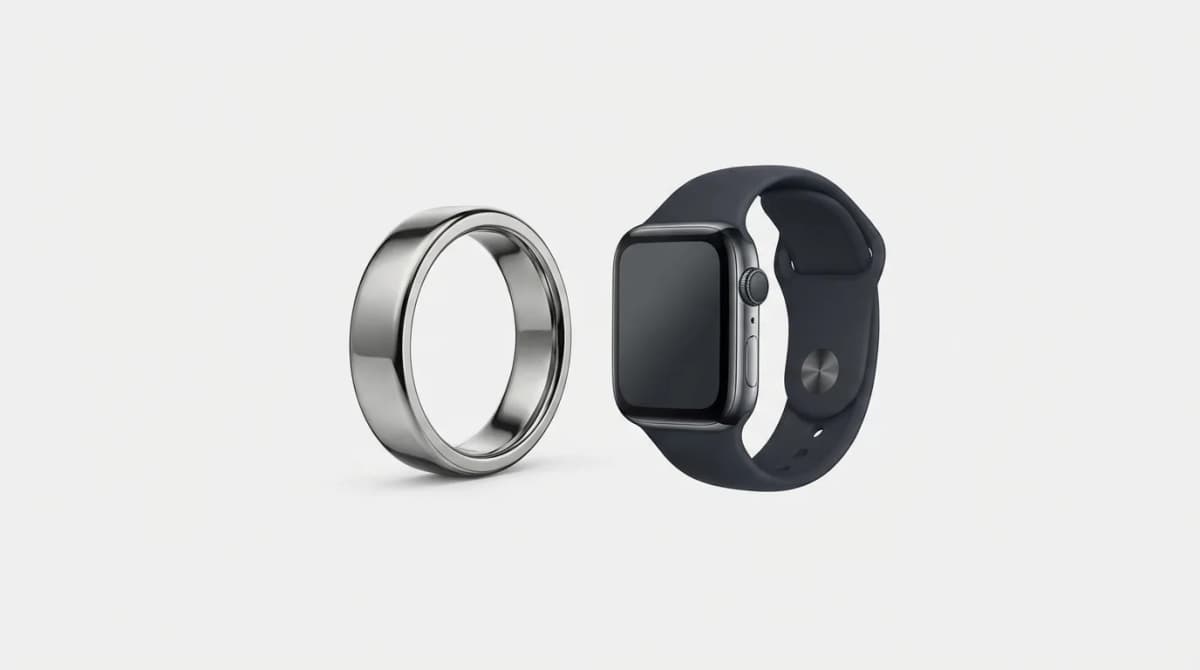
You wear a device to bed every night hoping for better sleep insights, but wake up with wrist indentations and a dead battery. That's the smartwatch problem. Smart rings promise the same data without the bulk, but do they actually deliver?
The answer depends on what you're tracking and how much you care about daytime features. Rings excel at sleep-specific metrics and comfort. Watches win on versatility and screen real estate. Neither is perfect, and the gap between them is narrower than most reviews suggest.
What smart rings do better than watches
Comfort matters when you're unconscious for eight hours. A 4-6 gram titanium ring disappears on your finger. Even the lightest smartwatch (around 30 grams) creates pressure points, especially if you sleep on your side or move around.
Smart rings focus entirely on recovery metrics. The Oura Ring Gen 3 measures heart rate variability, resting heart rate, body temperature, and respiratory rate with medical-grade accuracy. It processes this into a readiness score that tells you whether to push hard or take it easy. No distractions, no notifications, just sleep and recovery data.

Oura Ring Gen 3
$299
Titanium smart ring with 7-day battery life, tracks sleep stages, HRV, body temperature, and activity. Lightweight at 4-6g depending on size.
Battery life is where rings dominate. The Oura lasts 5-7 days. The Ultrahuman Ring Air pushes to 6 days. Compare that to the Apple Watch Ultra's 36 hours or the Galaxy Watch 6's two days. Charging a watch every night defeats the purpose of sleep tracking.
Rings are also less obtrusive for partners. No glowing screen at 3 AM when you check the time. No haptic buzz when a notification sneaks through Do Not Disturb. If you share a bed, this isn't trivial.
Where smartwatches still win
Screen access changes everything. When you wake up, you can see your sleep data immediately on a watch. Rings require opening an app and waiting for sync. If you want instant feedback, the watch delivers.
Smartwatches track more than sleep. You get workout modes, GPS, music control, contactless payments, and actual smartwatch features. The Apple Watch Series 9 tracks sleep nearly as well as dedicated rings while doing 50 other things during the day.

Apple Watch Series 9
$399
Advanced smartwatch with sleep tracking, heart rate monitoring, blood oxygen sensing, and 18-hour battery life. Requires iPhone.
The sensor advantage isn't as big as it used to be. Rings now include SpO2 sensors, accelerometers, and gyroscopes. But watches add ECG capabilities and fall detection. The Apple Watch can detect sleep apnea patterns and AFib. Rings can't match that clinical utility yet.
Durability varies by device, but watches generally handle impacts better. A ring can crack if you hit your hand on something hard. Watches have scratch-resistant sapphire crystal and better water resistance ratings. The Garmin Fenix 7 is basically indestructible.

Garmin Fenix 7
$699
Rugged GPS smartwatch with advanced sleep tracking, Body Battery energy monitoring, and 18-day battery life in smartwatch mode.
Accuracy: The complicated truth
Sleep tracking accuracy is hard to measure without a polysomnography lab. Both device types use similar methods: heart rate, movement, and sometimes SpO2 to estimate sleep stages.
Independent studies show rings and watches perform within 5-10% of each other for sleep stage detection. The Oura Ring tends to slightly overestimate deep sleep. The Apple Watch sometimes misses brief awakenings. These differences matter less than consistency - tracking trends over weeks, not obsessing over single nights.
Temperature sensing gives rings an edge for women tracking menstrual cycles. The Oura measures skin temperature variation to 0.13 degrees Celsius. This helps predict ovulation and track cycle phases. Most smartwatches lack this precision.
Heart rate variability measurement is where devices diverge. Rings sample HRV during your most restful sleep periods for consistency. Watches often sample throughout the night, which introduces more noise. For recovery tracking, the ring approach is more reliable.
The biggest accuracy factor is fit. A loose ring gives garbage data. A too-tight watch restricts blood flow. Both need proper sizing, but rings are less forgiving. Order a sizing kit before buying.
Battery life reality check
The 7-day ring battery life sounds great until you factor in travel. Rings use proprietary charging pucks. Lose it, and you're done. Watches use standard wireless charging or USB-C. Easier to find replacements.
Smartwatch battery anxiety is real. The Apple Watch requires nightly charging if you want sleep tracking. That means charging during your morning routine or afternoon. It's manageable but annoying.

Samsung Galaxy Watch 6
$299
Wear OS smartwatch with comprehensive sleep coaching, body composition analysis, and 40-hour battery life. Works with Android and iOS.
The Garmin and Fitbit camps handle this better. The Garmin Venu 3 gets 4-5 days with sleep tracking enabled. The Fitbit Sense 2 lasts 6 days. These compete directly with rings on battery life while maintaining watch functionality.
Some people solve this by owning both: wear the watch during the day, switch to the ring at night. This works if you're deeply invested in optimization, but it's overkill for most.
Cost breakdown and subscription traps
Smart rings start at $299 and require subscriptions. The Oura costs $5.99/month after a one-month trial. Without it, you lose detailed insights. The Ultrahuman Ring Air has no subscription, but the hardware costs $349.

Ultrahuman Ring Air
$349
Subscription-free smart ring at 2.4g, tracks sleep, movement, heart rate, and skin temperature. Titanium construction with 6-day battery life.
Smartwatches have wider price ranges. The Apple Watch SE (2nd gen) starts at $249 and tracks sleep without subscriptions. Premium models like the Apple Watch Ultra 2 hit $799 but add extreme durability and battery life.
Fitbit devices require Fitbit Premium ($9.99/month) for detailed sleep insights. Garmin includes everything without subscriptions. Samsung Health is free. Know what you're getting into before buying.
Over two years, an Oura Ring costs $443 with the subscription. An Apple Watch SE costs $249 total. The ring wins on comfort and focus, but the watch delivers better value if you use its other features.
Who should buy what
Buy a smart ring if you prioritize sleep and recovery above all else. If you already wear a traditional watch during the day, a ring makes sense. If wrist discomfort disrupts your sleep, rings solve that. If you want the longest battery life and minimal distractions, rings win.
Buy a smartwatch if you want one device for everything. If you need GPS for running, music for workouts, and notifications throughout the day, watches deliver. If you already own an iPhone or Android phone and want deep integration, watches make sense. If you prefer seeing data without opening an app, the screen matters.

Fitbit Sense 2
$249
Health-focused smartwatch with stress management, ECG, continuous heart rate, and advanced sleep tracking. 6-day battery life with always-on display off.
Consider hybrid solutions. The Garmin Lily 2 is a small, light smartwatch (24g) that focuses on health tracking. It's more comfortable than traditional smartwatches but offers more features than rings. It's a middle ground worth exploring.
Skip both if you sleep fine and don't care about optimization. Sleep trackers shine when you're troubleshooting problems or training hard. Casual users rarely act on the data, and that $299-$399 could buy a much better pillow.
What the data actually tells you
Both devices measure sleep stages: light, deep, REM, and awake time. This matters less than total sleep duration and consistency. If you're sleeping 7-8 hours at regular times, you're doing better than someone obsessing over 18% REM versus 22%.
Readiness scores (Oura, Garmin, Whoop) help you plan training. If your HRV is down and resting heart rate is up, maybe skip the hard workout. This is useful for athletes and people managing chronic conditions. Less useful for desk workers who just want to sleep better.
Temperature tracking catches illness early. A sustained increase in body temperature often precedes cold or flu symptoms by 24-48 hours. Both rings and some watches now offer this.
The most actionable insight from any device is bedtime consistency. Going to sleep and waking up at the same time matters more than any other factor. If your tracker only reinforces that habit, it's worth it.
Common mistakes people make
Wearing the wrong size. Rings need precise sizing. Fingers swell during workouts and shrink in cold weather. Order the sizing kit, wear it for a week, and size up if you're between sizes.
Expecting perfect accuracy. No consumer device matches a sleep lab. Use these for trends, not absolute truth. If the data says you got 90 minutes of deep sleep, the actual number might be 75 or 105. What matters is whether that number goes up or down over weeks.
Ignoring comfort. If you hate wearing something to bed, you won't wear it consistently. Try before you buy if possible. Some people can't stand rings. Others find even light watches annoying. There's no shame in admitting a device doesn't work for you.

Garmin Venu 3
$449
AMOLED fitness smartwatch with wheelchair mode, nap detection, sleep coaching, and 14-day battery life in smartwatch mode.
Paying for subscriptions you don't use. If you open the app once a week, you don't need premium features. Free tiers on most platforms show sleep duration and basic stages. That's enough for most people.
The verdict
Smart rings are better dedicated sleep trackers. Lighter, longer battery life, more comfortable, better temperature sensing. If sleep optimization is your primary goal, a ring is the right tool.
Smartwatches are better all-day devices that happen to track sleep well enough. Heavier, shorter battery life, more features, better daytime utility. If you want one device for everything, a watch makes sense.
The gap is closing. Watches are getting lighter and longer-lasting. Rings are adding features. In two years, the differences will be even smaller.
For most people, the decision comes down to whether you already wear a watch during the day. If yes, consider a ring for nighttime tracking. If no, a smartwatch gives you more utility for the same investment.
Don't overthink it. Both work. Pick the one you'll actually wear consistently, because the best sleep tracker is the one you use every night.
The Weekly Dispatch
Enjoying this article?
Subscribe and get our best gear picks delivered every Sunday morning.
Related Stories
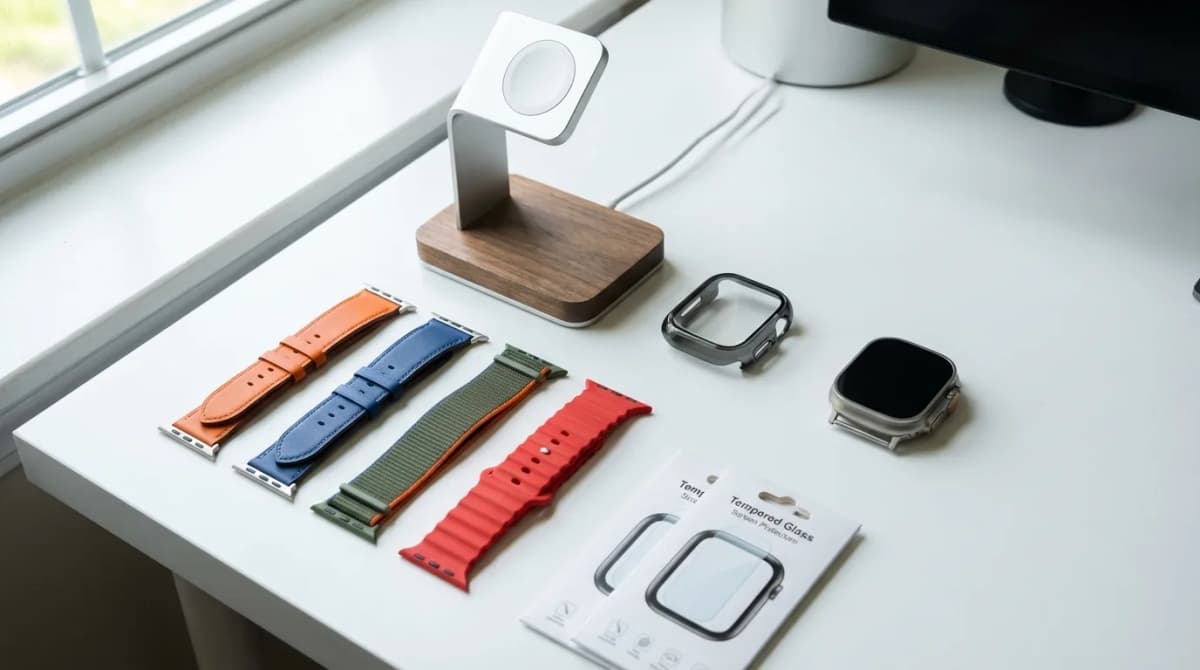
10 Best Apple Watch Accessories You Need (2026)
Transform your Apple Watch experience with these essential accessories - from rugged cases to premium bands and wireless charging solutions.
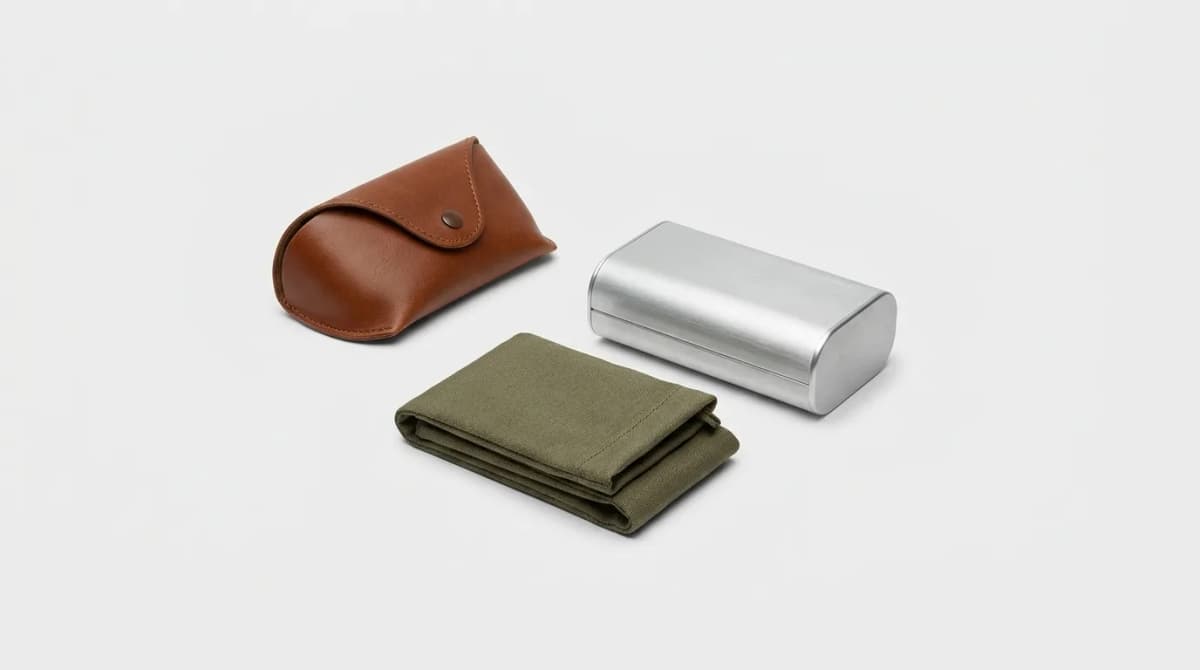
Best Pocket-Friendly Sunglasses Cases
Hard shells crack under pressure, soft pouches let lenses scratch. We tested compact cases that actually fit in your pocket and protect your sunglasses.

Best Lightweight Scarves for Travel in 2026
Discover the best lightweight travel scarves that pack small, provide warmth, and serve multiple purposes. From merino wool to silk blends, here's what works.