Best Rear View Mirror Camera for Night Driving
Rear view mirror cameras with night vision transform your visibility after dark. We tested top models for low-light clarity, installation ease, and reliability.
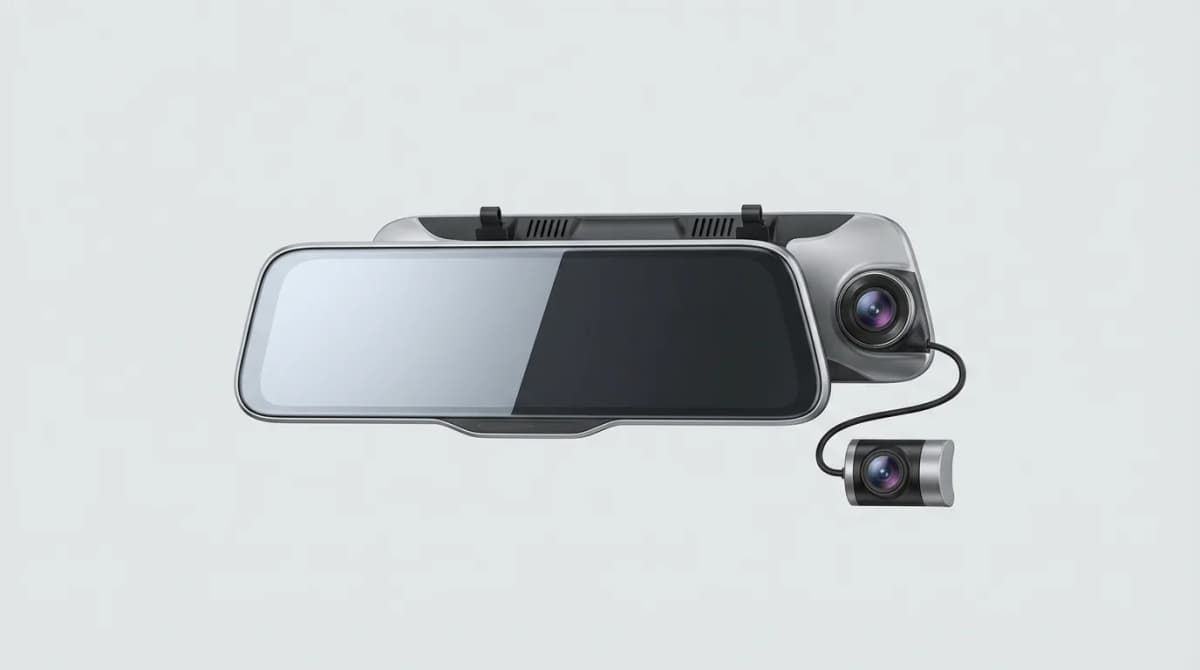
Most factory backup cameras quit working well the moment the sun drops. You're left squinting at a grainy black rectangle, trying to guess what's actually behind you. A good rear view mirror camera changes that completely.
These aren't your standard dash cams. They replace your existing mirror and add a continuous rear-facing display, giving you a wider, clearer view than any traditional mirror could manage. The best ones use Sony STARVIS sensors or similar low-light tech that actually sees in the dark. You get lane visibility, distance judgment, and real situational awareness instead of hoping nothing's there.
The catch is that performance varies wildly. Some models wash out under headlight glare. Others fail to record reliably or have laggy displays that make parking worse, not better. We've spent time with the top options to find which ones deliver on the night vision promise and which ones you should skip.
Why Night Vision Matters More Than Resolution
A 1080p camera is worthless if it can't gather enough light. The sensor size and aperture matter far more than pixel count once the sun goes down. Look for f/1.8 aperture or wider, and prioritize models that specifically mention STARVIS, HDR night vision, or similar low-light technology.
Standard cameras try to compensate with digital brightening, which just amplifies noise and turns your display into static. Quality optics and a sensitive sensor pull detail from minimal light without turning everything into a grainy mess. You should be able to read license plates at 15-20 feet in typical street lighting.
Also consider how the system handles oncoming headlights. Cheaper models blow out completely when hit with high beams, leaving you blind for several seconds. Better units use WDR (Wide Dynamic Range) to balance bright and dark areas simultaneously, keeping the useful parts of the image visible.
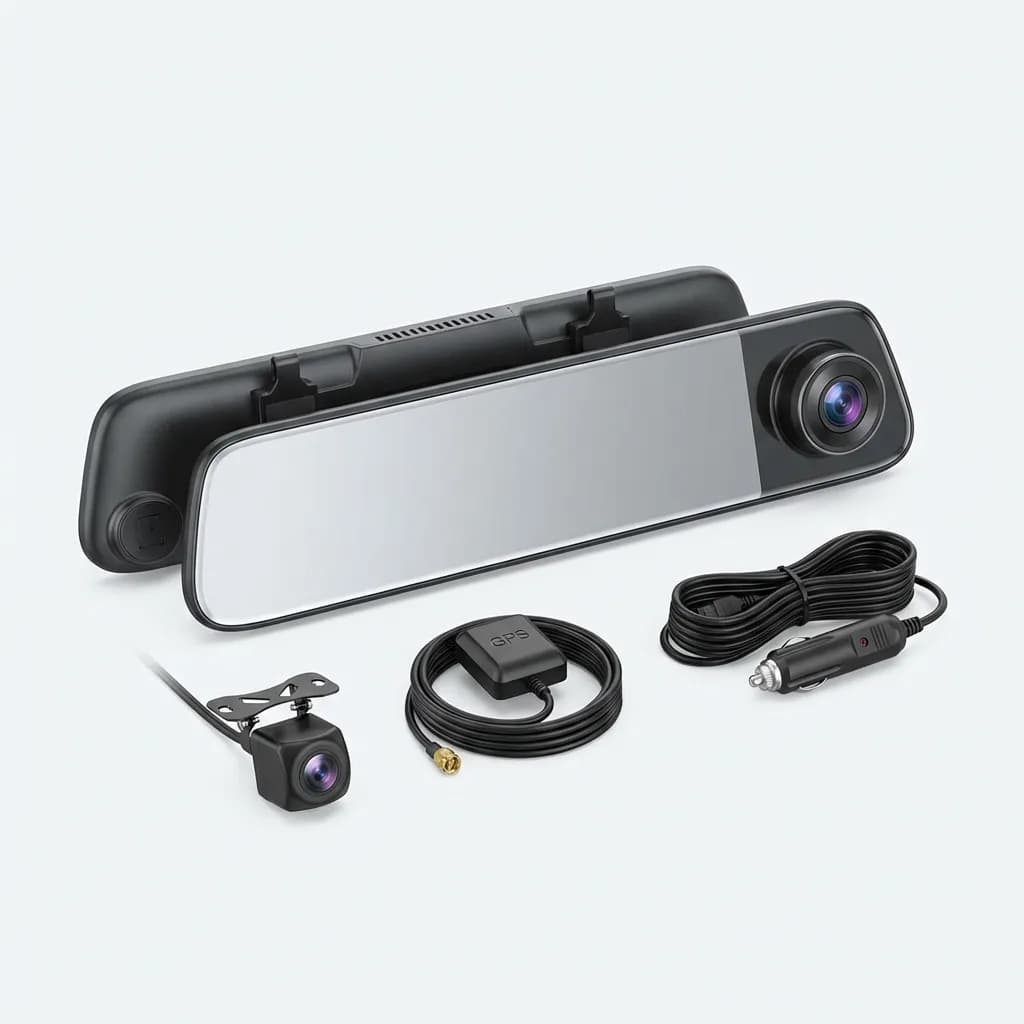
AUTO-VOX V5 Pro Rear View Mirror Camera
$200
Dual Sony STARVIS sensors front and rear with f/1.8 aperture. 2.5K front recording, 1080p rear. GPS tracking and parking monitor mode included.
How Installation Complexity Affects Rear Camera Quality
The front-facing camera is simple. It mounts to your existing mirror. But the rear camera requires routing a cable from your windshield to your back window, and that's where most people get stuck. Some systems include a 20-foot cable, others give you 33 feet. Measure your vehicle before buying.
You have two power options: hardwire into your fuse box for 24/7 parking mode, or use the cigarette lighter for simpler installation. Hardwiring gives you always-on recording and battery protection circuits, but it takes more work. If you park in a garage and mainly want driving footage, the 12V adapter route works fine.
Pay attention to the rear camera mount style. Suction cups fail in temperature extremes. Adhesive mounts are permanent but more stable. The best approach is a license plate frame mount, which puts the camera at the perfect height and angle without any guesswork. Just make sure the frame doesn't block your plate's visibility or registration stickers.
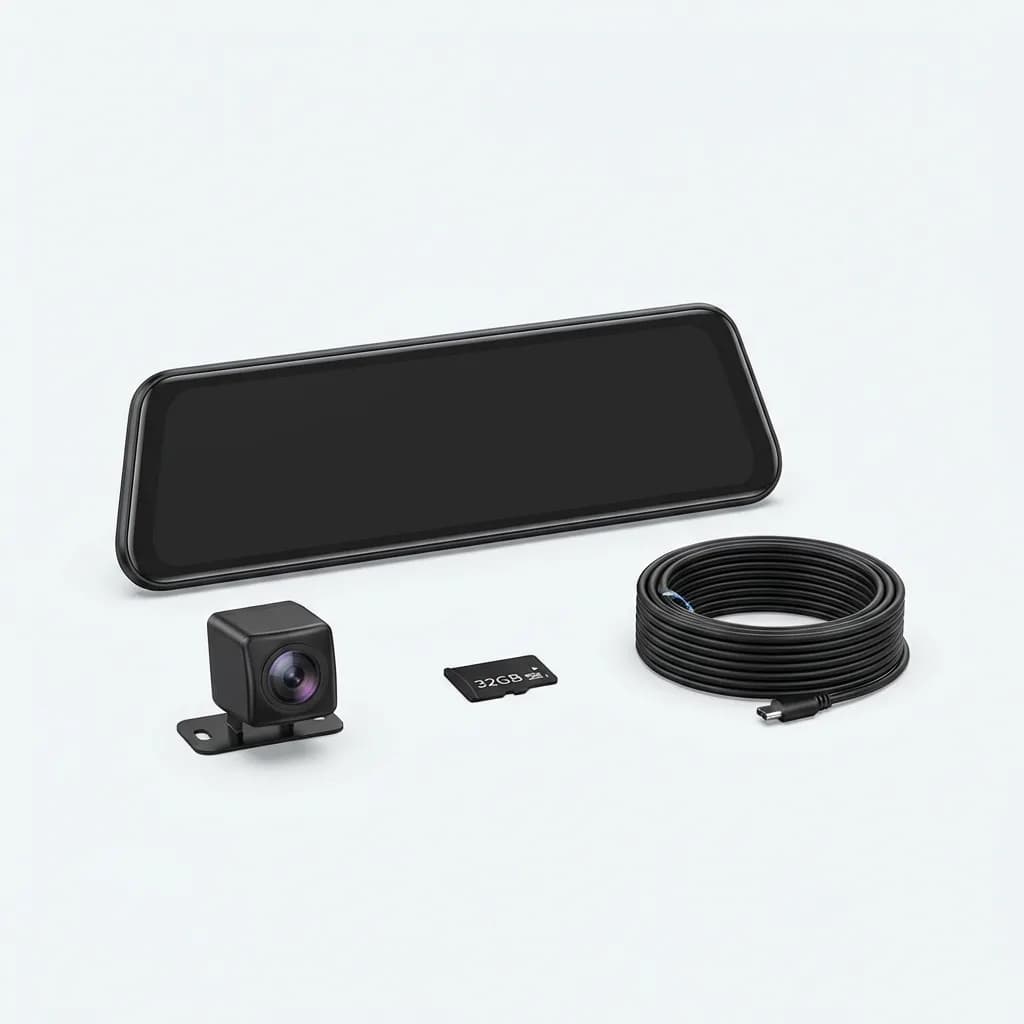
WOLFBOX G900 4K Mirror Dash Cam
$180
True 4K front camera, 1080p rear. 12-inch IPS touchscreen with split-screen view. Includes 32GB SD card and 33-foot rear cable.
Best Models for Sedans vs SUVs and Trucks
Screen size changes how usable these systems are. A 10-inch display works great in a sedan where you're sitting close. In an SUV or truck, you want 12 inches minimum. The extra diagonal space makes a real difference when you're trying to judge clearance while backing a trailer or navigating a tight parking structure.
Trucks benefit from cameras that handle mud and water spray better. Look for IPX7-rated rear cameras with lens coatings that shed water. Some models include a spray nozzle or self-cleaning function, though we've found these more gimmicky than useful. A hydrophobic coating does most of the work.
If you tow regularly, consider a system that lets you add a third camera for your trailer. These typically connect via the same cable and switch to the trailer view when you're in reverse. It eliminates the blind spot behind whatever you're hauling and makes boat ramp situations much less stressful.
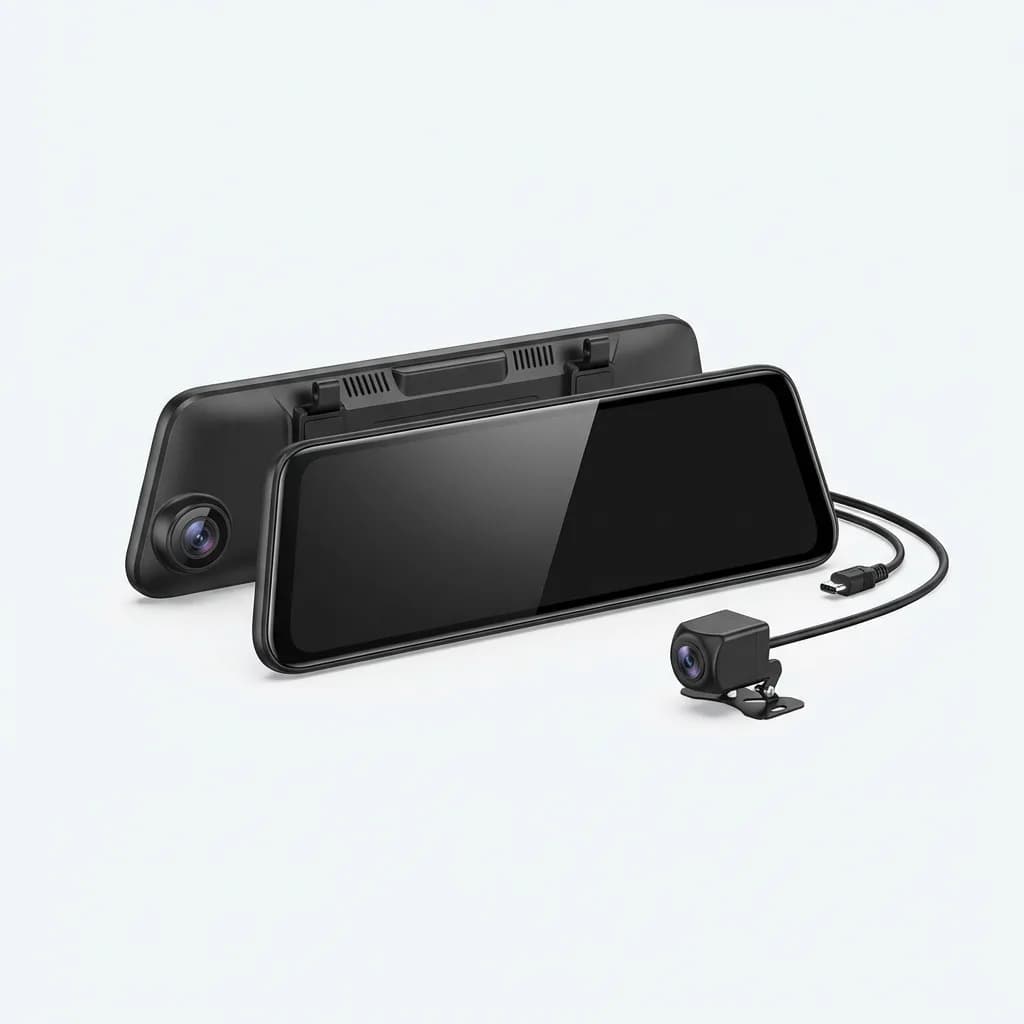
REDTIGER F7NP Mirror Dash Cam
$160
11-inch full-screen display with 1296p front and 1080p rear. Voice control for hands-free operation. Advanced parking mode with motion detection.
Do You Actually Need 4K Recording?
For insurance purposes, 1080p captures license plates clearly enough at normal following distances. 4K gives you more cropping flexibility in playback and slightly better detail at range, but it fills SD cards four times faster and generates more heat.
The bigger question is frame rate. 30fps is standard, but 60fps helps with fast-moving situations like highway merges. The extra frames make a difference when you're trying to prove exactly when someone changed lanes or who actually had right of way. It's overkill for parking lot fender benders, critical for high-speed incidents.
Think about where and how you drive. Urban commuters dealing with pedestrians, cyclists, and complex intersections benefit from higher resolution and frame rates. Highway drivers care more about battery backup, reliable loop recording, and quick incident saving. Match the specs to your actual risk profile, not the highest number on the box.
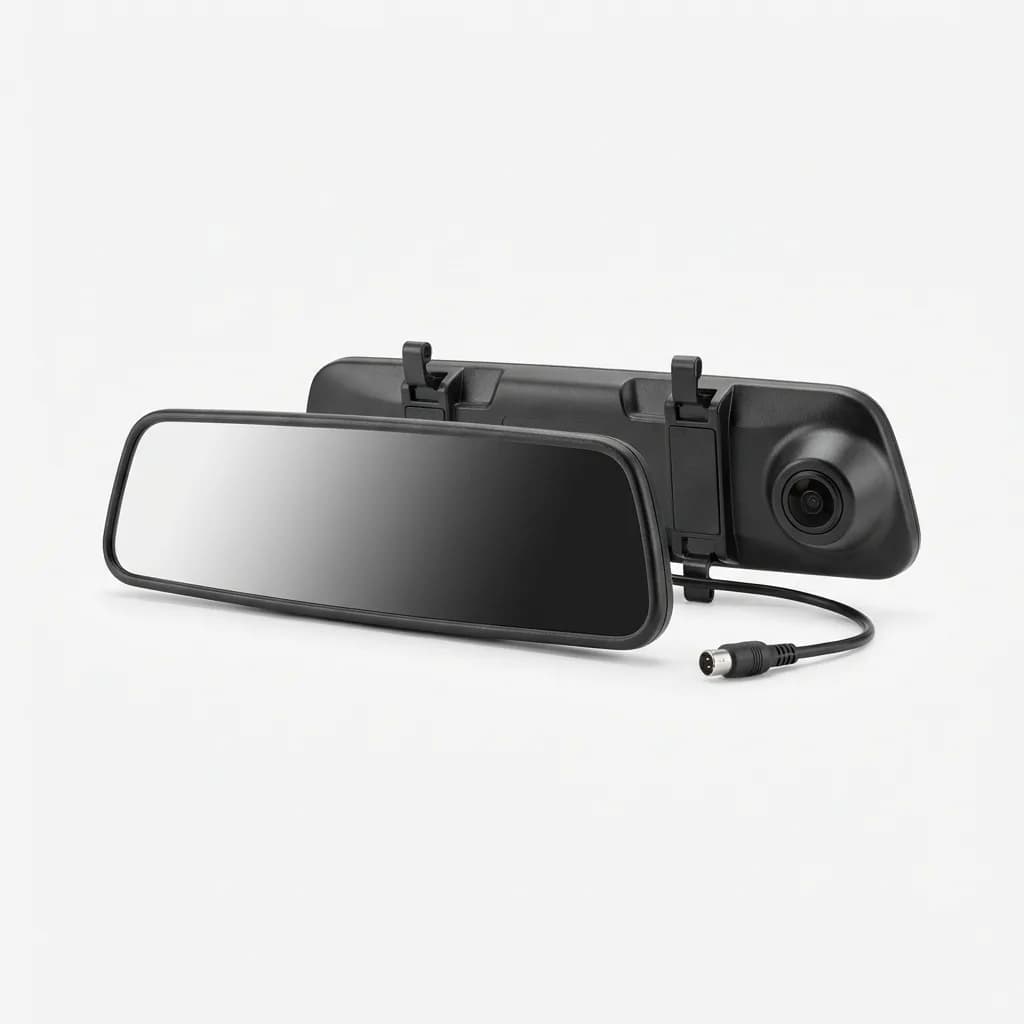
Brandmotion FVMR-1200 Rear View Mirror Camera
Check current price
OEM-quality mirror replacement with integrated 1080p camera. Uses vehicle's existing reverse trigger, no aftermarket wiring. Professional installation recommended.
What Parking Mode Really Means (and Costs)
Parking mode sounds great until you realize it drains your battery. These systems stay on to detect motion or impacts while you're away from the vehicle. The drain is real, typically 0.2-0.5 amps per hour. Over a weekend, that can leave you stranded.
Quality systems include low-voltage cutoff protection. They shut down automatically when your battery drops below 11.8V or 12.4V (you choose the threshold). This prevents dead battery situations but also means you might miss an incident if your battery was already low.
Consider your parking situation honestly. Garage-kept cars don't need parking mode. Street parking in a high-traffic area makes it worthwhile. If you go this route, get a battery monitor app or check your voltage weekly to make sure the system isn't slowly killing your battery. Some newer models use capacitor-based impact detection that doesn't require constant power, which is the smart middle ground.
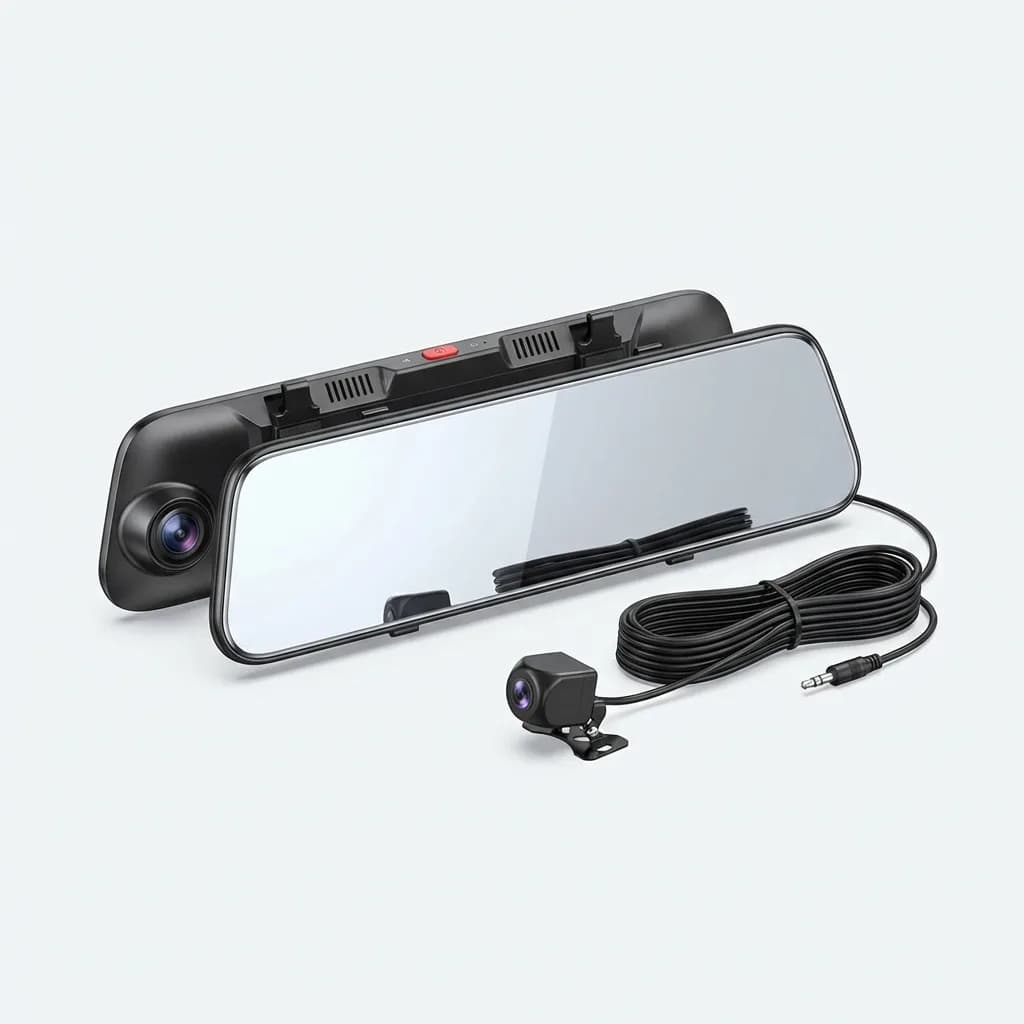
AZDOME 12-Inch Mirror Dash Cam
$140
2.5K resolution with 170-degree front view, 150-degree rear. Waterproof rear camera rated IP68. Emergency lock button and G-sensor impact detection.
Common Issues That Ruin Otherwise Good Cameras
Touchscreen responsiveness matters more than you'd think. A laggy interface makes adjusting settings while driving dangerous. You end up taking your eyes off the road for too long just to change the display brightness or turn off lane departure warnings. The best units respond instantly, like your phone.
SD card compatibility causes more warranty claims than anything else. These cameras write constantly, which kills cheap cards fast. Buy a high-endurance or dashcam-specific card rated for continuous recording. Samsung Pro Endurance or SanDisk High Endurance are reliable choices. Check the manual for maximum supported capacity too - some cameras top out at 128GB even though they claim to support more.
Heat management is the hidden killer. These cameras sit on your windshield in direct sun, often hitting 140-160F inside your car. Cheap components fail after one summer. Look for models rated to at least 140F operating temperature, and consider adding a sunshade if you park outside regularly. Some cameras include thermal protection that stops recording when they overheat, which defeats the purpose but prevents hardware damage.
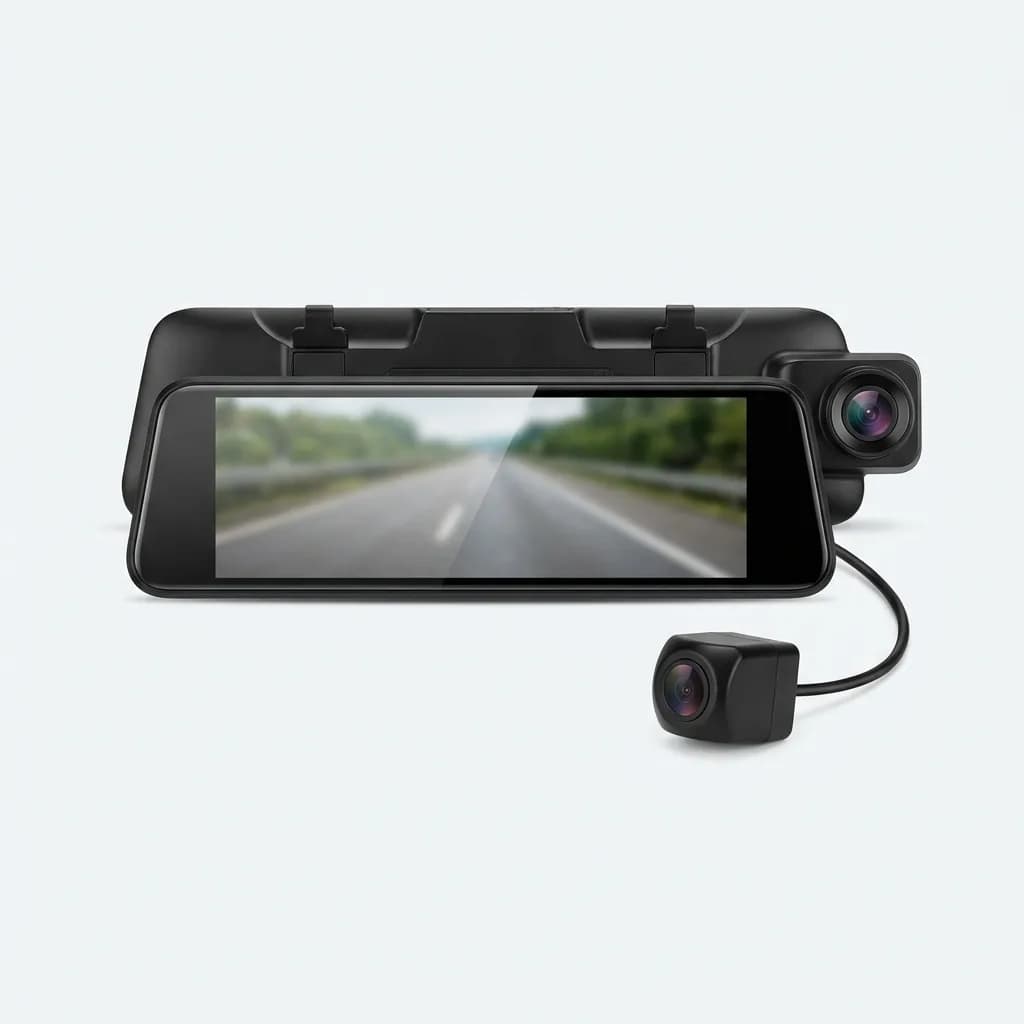
Rexing M2 Mirror Dash Cam
$170
1296p front and 1080p rear with 10-inch IPS display. Built-in GPS logger tracks speed and location. Time-lapse parking mode with low battery protection.
How to Test Night Performance Before You Need It
Don't wait for an accident to find out your camera doesn't actually work in the dark. Take it for a test drive through poorly lit areas within your return window. Check these specific scenarios:
Drive past streetlights and watch for flickering or banding in the image. This happens when the camera's shutter speed doesn't sync with LED or fluorescent lighting frequency. It's distracting and can obscure important details. Quality cameras adjust automatically.
Pull into a dark parking lot and stop. Your rear camera should show clear detail at least 20 feet back in ambient light from distant sources. If you can't distinguish a shopping cart from a person, the camera isn't good enough. Test with someone walking behind your vehicle at various distances.
Have a friend follow you with their high beams on. The display should remain usable, not wash out completely. Some glare is unavoidable, but you should still see the road and vehicles beside them. If their headlights turn your entire display white, return it.
Is GPS Tracking Worth the Extra Cost?
GPS adds $20-40 to the price and embeds speed and location data in your video files. This cuts both ways. It proves you were where you said you were and can show you weren't speeding. It can also prove you were speeding if you actually were.
For fleet vehicles and ride-share drivers, GPS is essential for route verification and dispute resolution. For personal use, consider whether you want that data trail. Some insurance companies offer discounts for dashcam users, but others have used GPS-logged speeding as grounds to deny claims or raise rates.
The location data is useful for trip logging and finding specific footage. If you drive the same routes daily, you can search by coordinates instead of scrubbing through hours of video. It's a nice-to-have feature if the price difference is minimal, but not worth paying a premium for unless you have a specific use case.
Our Take on Mirror Cameras vs Traditional Dash Cams
Mirror cameras solve the "where do I mount this thing" problem and give you a functional upgrade to your existing mirror. They're cleaner looking than suction cup solutions and harder to steal since they replace rather than add to your setup. The rear-view display is genuinely useful for wide-angle monitoring, especially in vehicles with large blind spots.
The tradeoff is flexibility. Traditional dash cams let you adjust angle and position independently. Mirror cameras are locked to wherever your mirror sits, which isn't always optimal for the road ahead. Some vehicles have mirrors mounted too high or too low for ideal camera placement.
Think about your priorities. If you want the simplest installation and value the enhanced rear visibility, mirror cameras make sense. If you're serious about capturing forward incidents and want adjustable positioning, stick with a traditional front-mount camera and add a separate backup camera if needed. Both approaches work, they just serve slightly different needs.
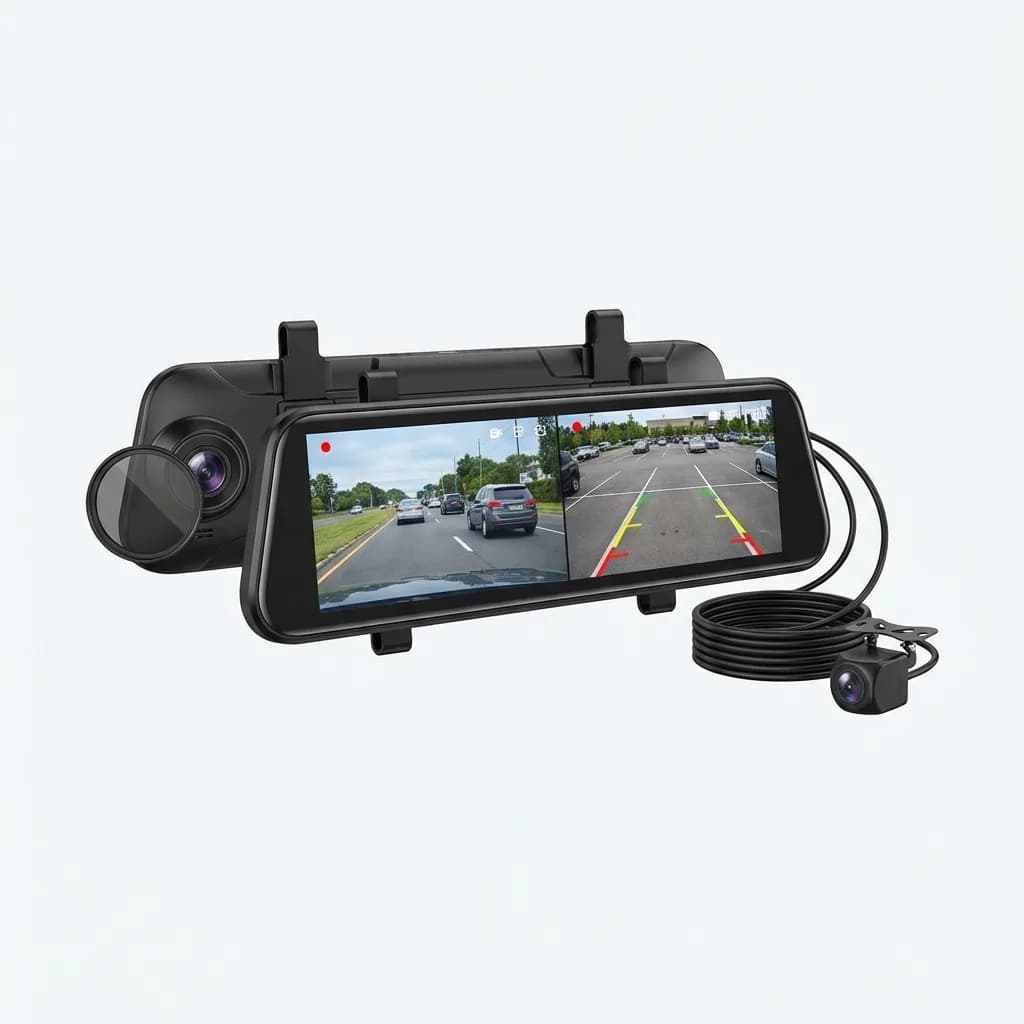
Jomise K730 Mirror Dash Cam
$135
Split-screen 10-inch display shows front and rear simultaneously. 1080p dual recording with 24-hour parking mode. Includes polarizing filter to reduce windshield glare.
The right rear view mirror camera depends on your vehicle, parking situation, and how much DIY installation you're willing to tackle. Start with sensor quality and night performance - everything else is secondary to actually capturing usable footage when it matters. The models above represent the current sweet spot between capability and cost, with night vision that actually delivers on the promise.
The Weekly Dispatch
Enjoying this article?
Subscribe and get our best gear picks delivered every Sunday morning.
Related Stories
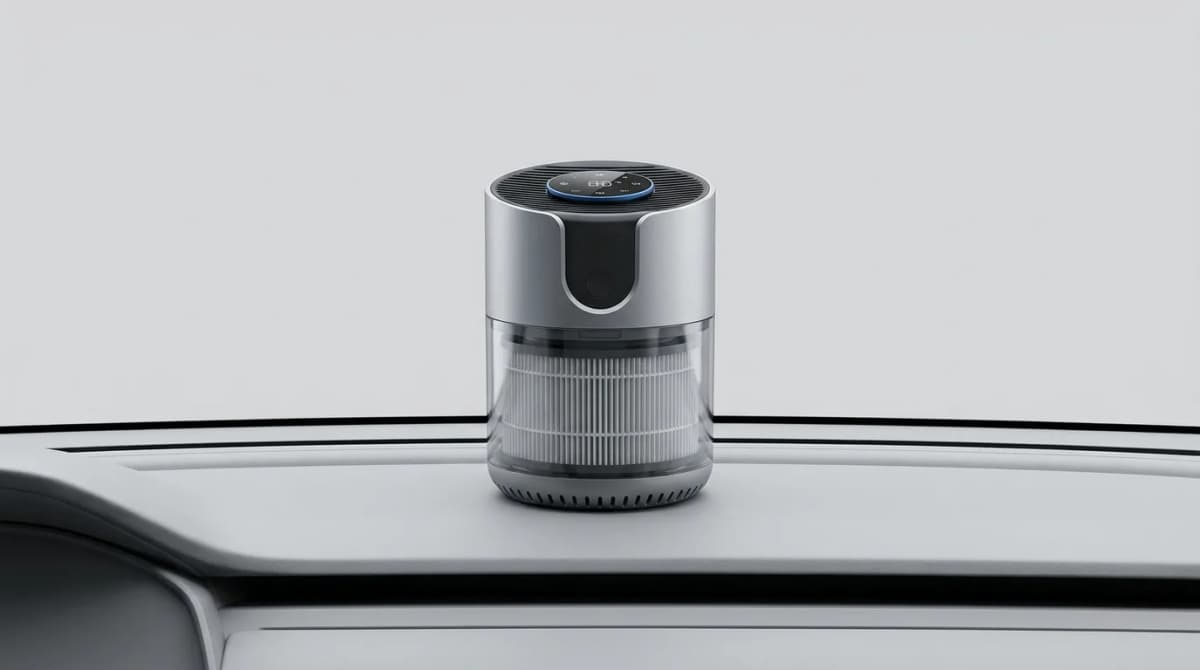
Best Car Air Purifiers for Allergy Sufferers 2026
Combat seasonal allergies and improve your commute with HEPA-grade car air purifiers that actually work. We compare filtration tech, noise levels, and coverage.
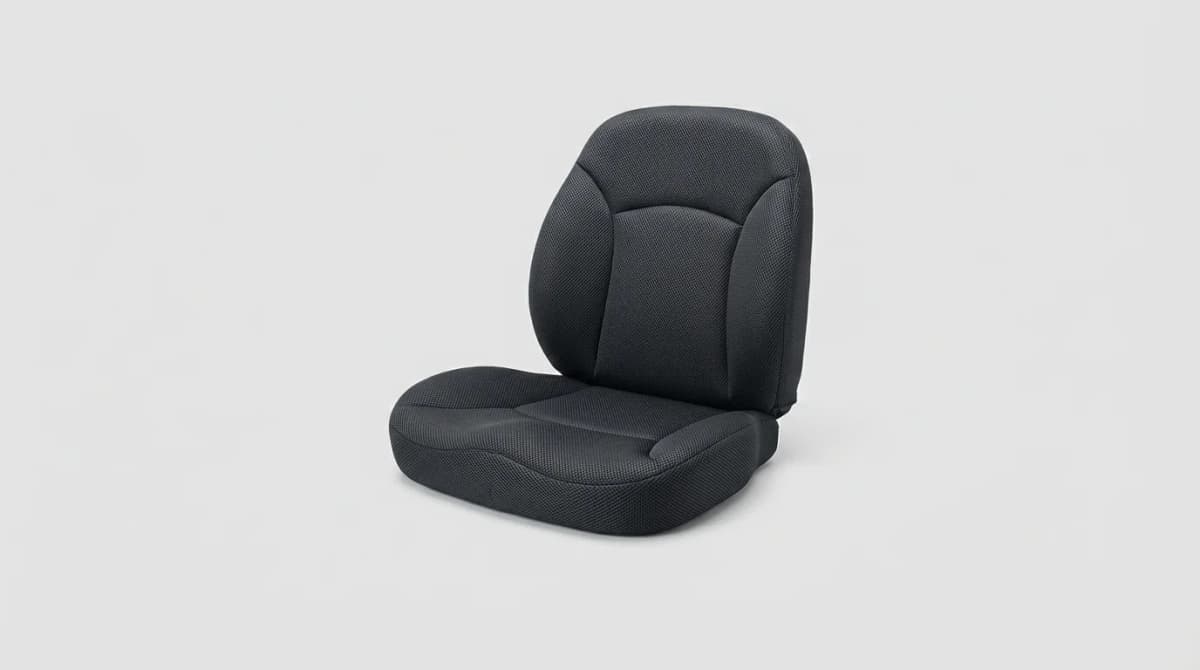
Best Seat Cushion for Long Drives and Back Pain
The right seat cushion transforms brutal commutes into bearable drives. We tested memory foam, gel, and wedge designs to find what actually relieves back pain.
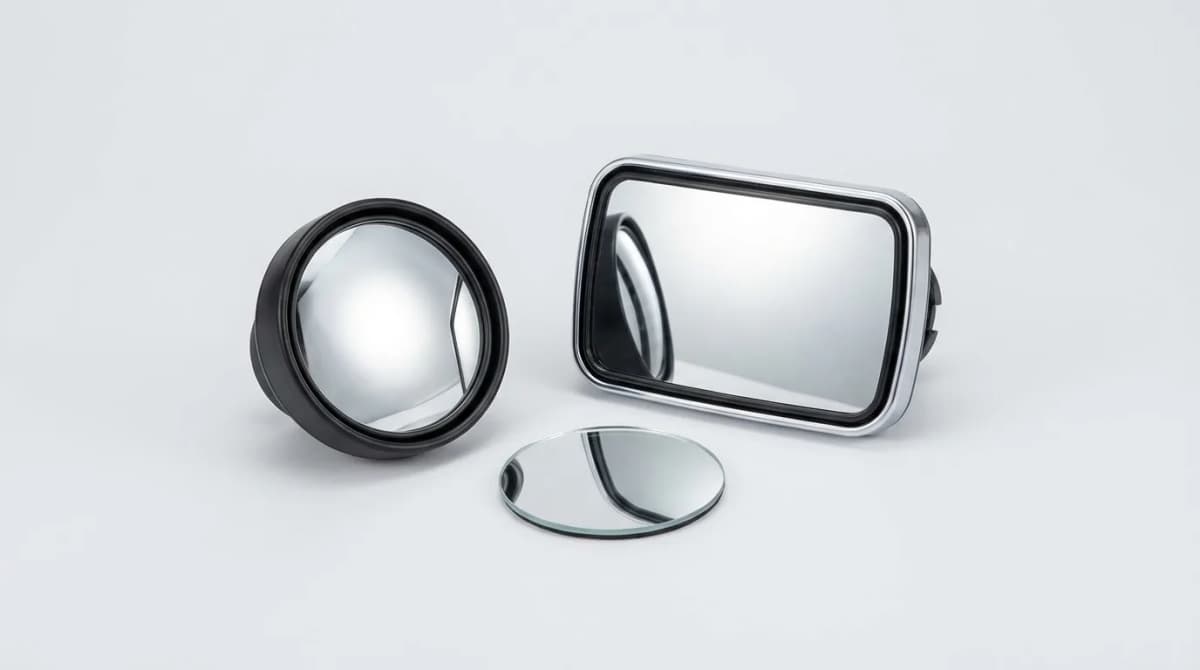
Best Blind Spot Mirror for Safe Lane Changing
Blind spot mirrors eliminate dangerous dead zones when changing lanes. We tested the most popular designs to find which ones actually improve visibility.