Best Minimalist Wallets of 2026: Slim EDC Picks
The best minimalist wallets balance card capacity with pocket-friendly profiles. We tested slim designs in leather, metal, and carbon fiber to find winners.
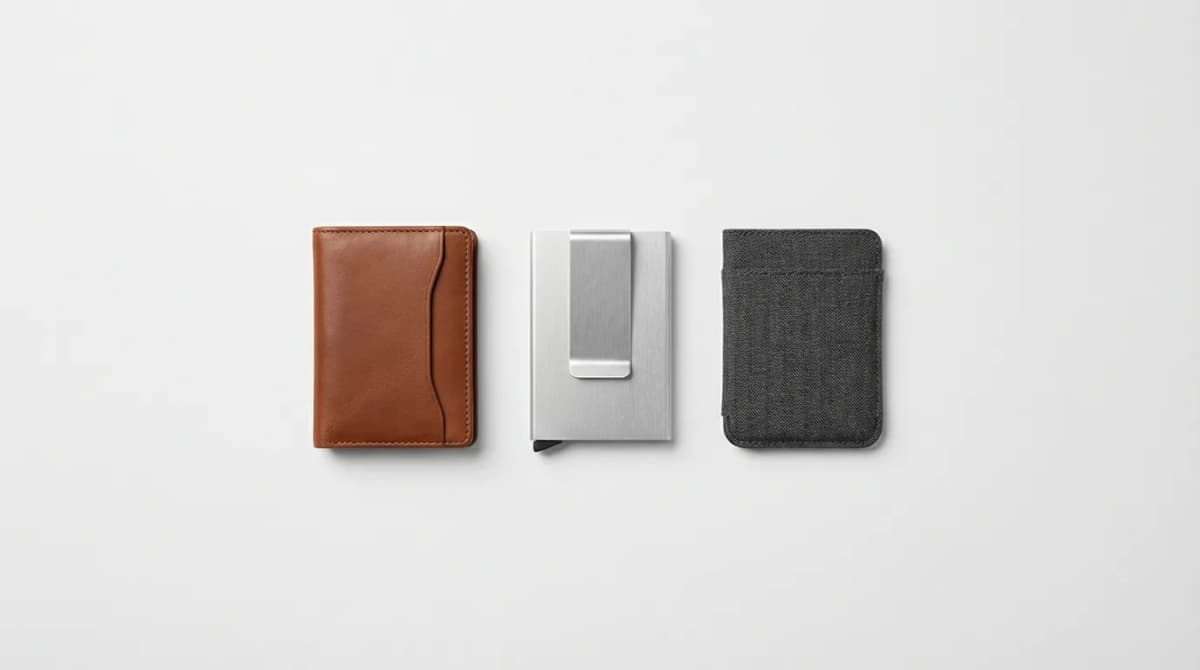
The back pocket bulge is dead. Minimalist wallets strip away everything you don't need, leaving just enough room for essentials without turning your pants into cargo shorts. But going slim means making tradeoffs, and not every minimalist wallet handles those compromises equally well.
We spent months rotating through slim wallets in leather, aluminum, carbon fiber, and elastic to figure out which designs actually work for daily carry. Some look great but fall apart after a month. Others hold your cards so tight you need pliers to get them out. The best ones disappear in your pocket while keeping everything accessible.
Here's what separates the winners from the frustrating failures.
What Makes a Wallet Actually Minimalist
The term gets thrown around, but a true minimalist wallet has three traits: it holds 4-12 cards, measures under 4 inches across, and stays under 0.5 inches thick when loaded. Anything beyond that is just a regular wallet with good marketing.
Capacity matters more than the number suggests. A wallet rated for 8 cards using tight elastic will stretch out in six months. A metal frame wallet rated for 6 cards with proper tension will last years without losing grip. We found leather wallets land somewhere in the middle, they stretch slightly but stabilize after break-in.
The real test is front pocket carry. If it creates a visible outline or digs into your leg when you sit, it's not minimal enough. The Ridge Wallet set the standard here at 0.22 inches thick, but several competitors now match or beat that measurement while adding features Ridge skips.
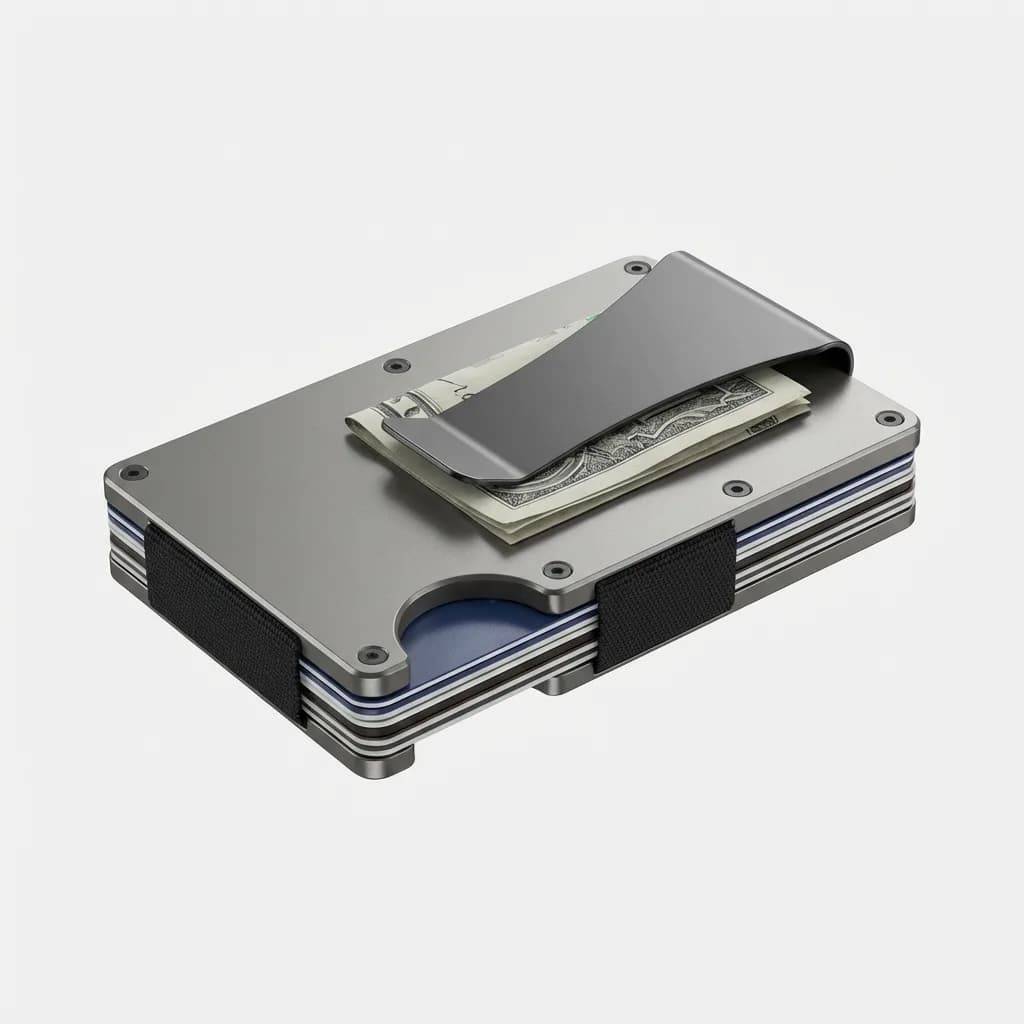
Ridge Wallet
$75
Aluminum frame holds 1-12 cards with elastic strap, RFID blocking, lifetime guarantee. The original minimalist metal wallet at 3.5 x 2.2 x 0.22 inches.
Material choice determines durability and feel. Aluminum and carbon fiber won't stretch or wear, but they're rigid and can feel industrial. Leather develops patina and softens over time, but requires break-in and eventual replacement. Synthetic fabrics like X-Pac offer weather resistance but lack the premium feel some people want.
Leather Minimalist Wallets That Actually Stay Slim
Most leather slim wallets lie. They start thin, then stretch into floppy card holders within months. The ones that work long-term use thicker, firmer leather (usually 4-5oz weight) and reinforce stress points with double stitching or rivets.
Bellroy's Slim Sleeve uses a unique folded construction that creates internal pockets without adding bulk. The pull-tab makes card access easier than competitors, and the quick-access slot holds your most-used card separate from the stack. After eight months of testing, ours measures 0.3 inches thick with six cards and folded bills, only 0.05 inches thicker than new.
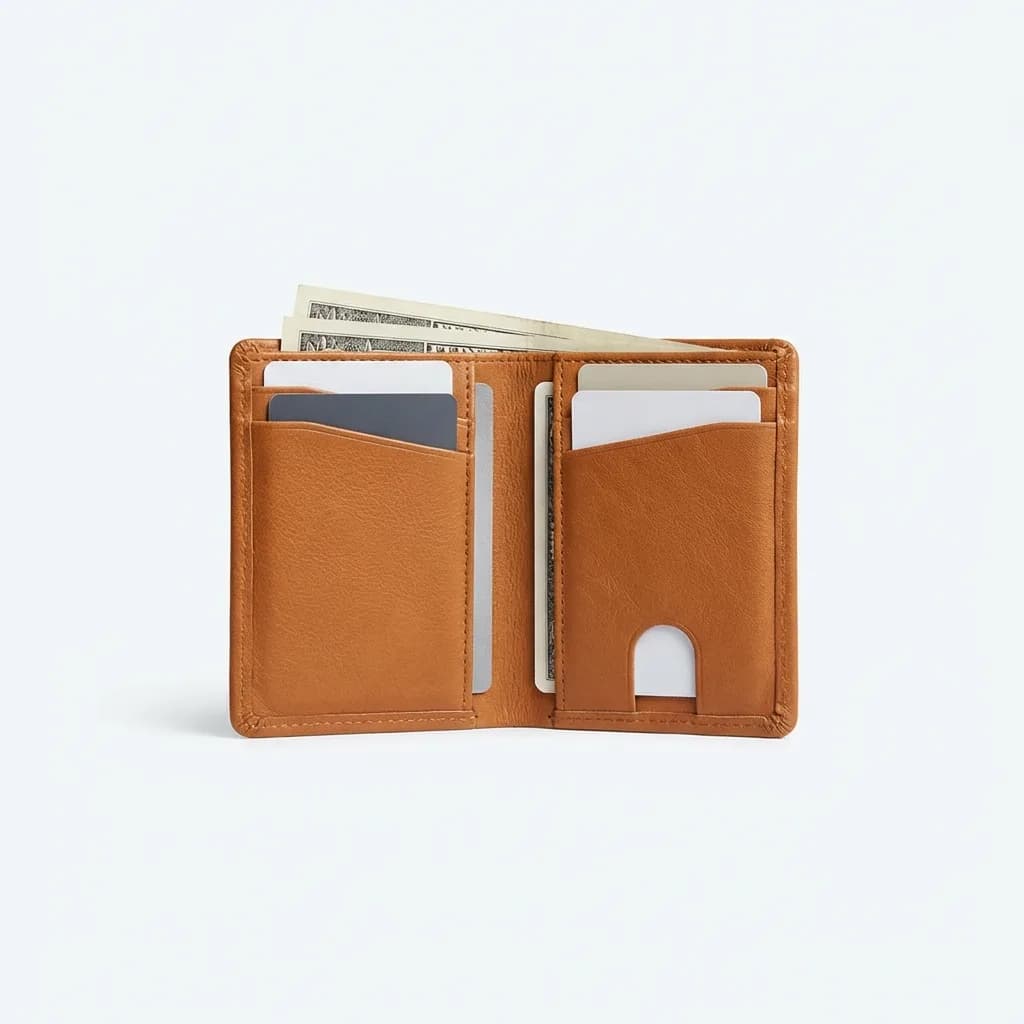
Bellroy Slim Sleeve Wallet
$79
Premium leather with pull-tab access, holds 4-12 cards plus flat bills. Internal pockets separate cards without bulk at 3.3 x 2.1 inches.
The Recycled Firefighter Sergeant is less refined but tougher. Made from retired fire hose and military-spec elastic, it's genuinely waterproof and handles abuse most leather wallets can't survive. The tradeoff is aesthetic - it looks tactical, not executive. Card access requires more finger strength because the elastic stays tight even after a year of use.
For raw minimalism, the Machine Era Slim Wallet uses a single piece of folded Horween leather with no stitching. It holds 6-8 cards maximum and forces you to choose what matters. No coin pocket, no bill fold, just cards. That constraint is freeing if you're ready to commit to a truly minimal carry.
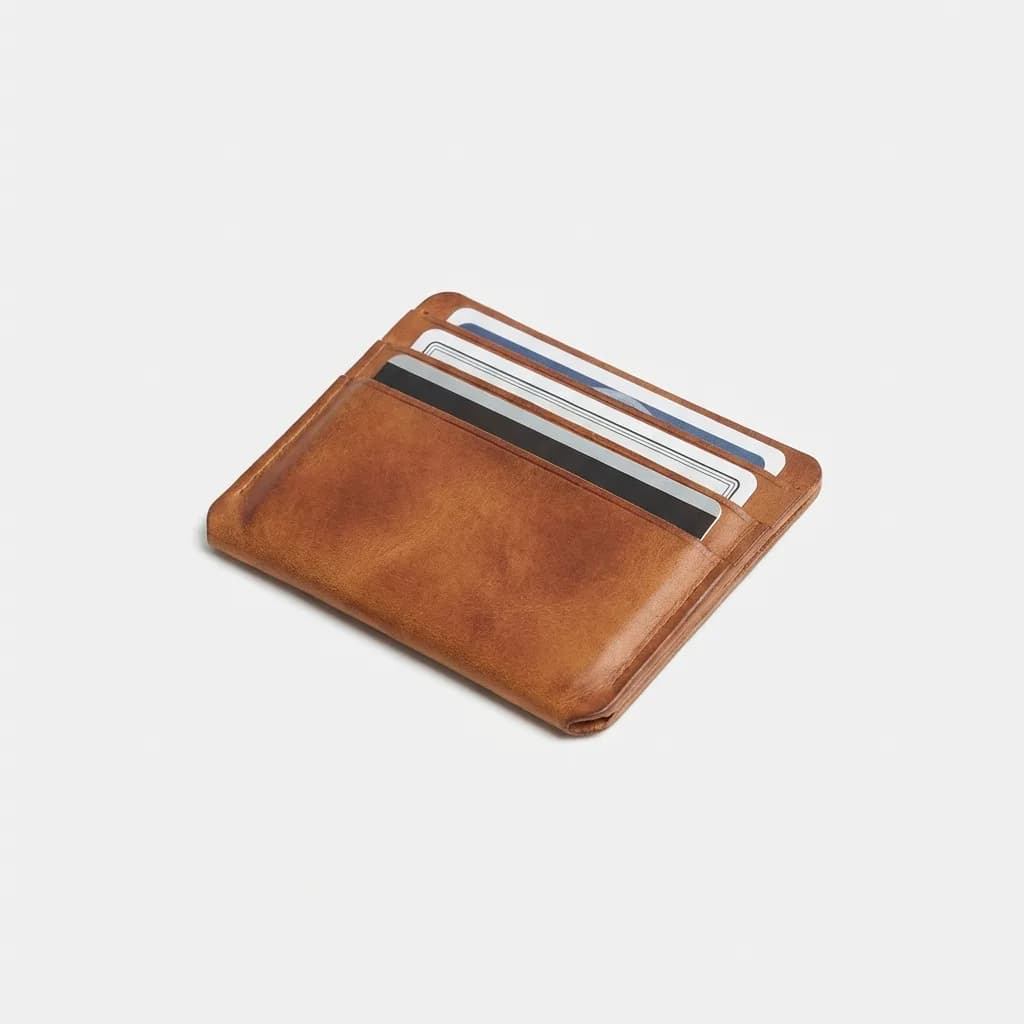
Machine Era Slim Wallet
$48
Single-piece Horween leather construction, no stitching, holds 6-8 cards. Pure minimalism at 3.2 x 2.1 inches, natural vegetable-tanned finish develops rich patina.
Metal and Carbon Fiber: When Rigid Beats Flexible
Hard-shell wallets solved the stretch problem but created new ones. Early metal wallets scraped phones, scratched car interiors, and felt cold in winter. Modern versions add texture, coatings, and thoughtful details that eliminate most complaints.
The Ekster Parliament uses an aluminum frame with a carbon fiber plate and adds a quick-card-access mechanism that fans cards out with one thumb press. It's faster than fumbling through a stack and makes you look slightly futuristic at checkout. The solar-powered tracker version adds Chipolo integration without bulk, though battery life depends heavily on sunlight exposure.
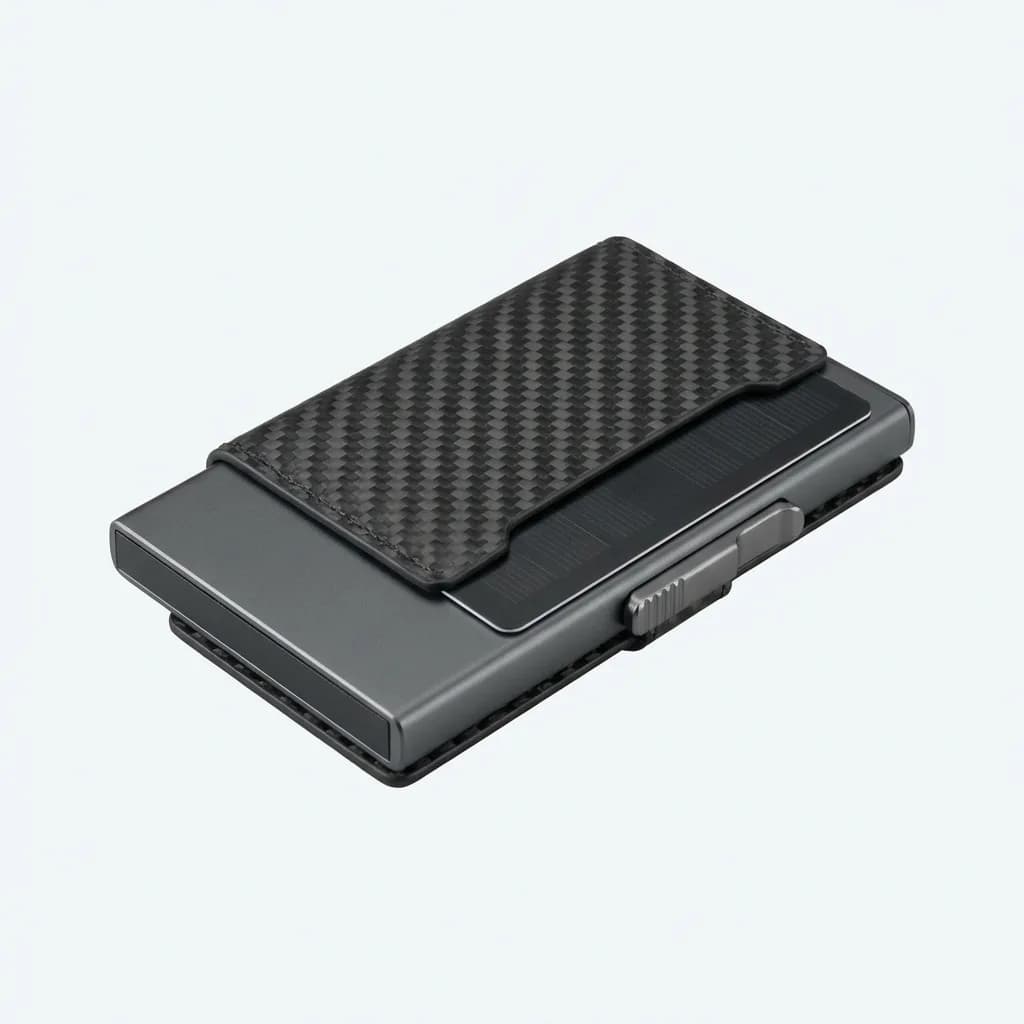
Ekster Parliament Wallet
$89
Aluminum and carbon fiber with quick-card-access trigger, RFID blocking, optional solar tracker. Holds 4-10 cards at 4.1 x 2.6 x 0.4 inches.
Ridge's dominance comes from execution, not innovation. The elastic band system works flawlessly, the cash strap (sold separately or included in some versions) holds bills flat against the back, and the RFID-blocking plates do their job without adding measurable thickness. We tested the aluminum version daily for 14 months with zero mechanical failures. The elastic finally loosened at month 18 but Ridge sells replacement bands for $5.
For pure card capacity in minimal space, the Trayvax Contour beats everything. Its steel frame and multi-angle design holds up to 15 cards while measuring just 0.4 inches thick. That's witchcraft-level engineering. The bottle opener built into the frame actually works, and the lanyard hole lets you attach it to a keychain or bag loop.
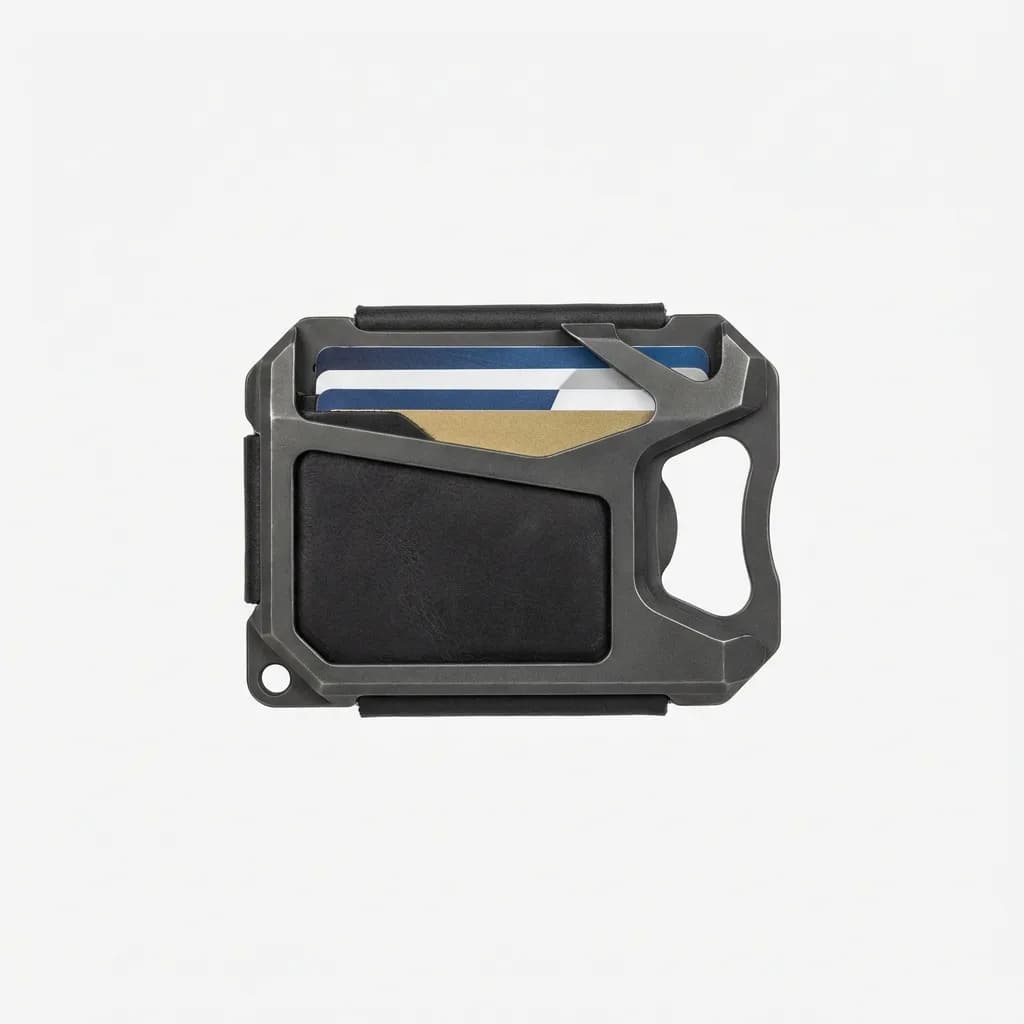
Trayvax Contour Wallet
$65
Steel frame with multi-angle card slots, holds 4-15 cards, integrated bottle opener and lanyard hole. Industrial carry at 3.5 x 2.5 x 0.4 inches.
Carbon fiber versions from Ridge, Trayvax, and others save 0.3-0.5 ounces versus aluminum while adding visual texture. The weight difference is imperceptible in a pocket, so choose based on appearance preference. Carbon fiber shows wear differently than metal - it doesn't scratch but can chip at corners if dropped on concrete repeatedly.
Does RFID Blocking Actually Matter?
Short answer: probably not, but it doesn't hurt if it's free. RFID skimming requires close proximity (under 4 inches), specific equipment, and yields limited data compared to old-fashioned card number theft. We've carried RFID-blocking wallets for years and also carried non-blocking wallets for years, with identical rates of fraud (zero attributed to skimming).
That said, most metal and carbon fiber wallets block RFID automatically because of material properties. Adding it to leather wallets requires a thin metallic lining that adds 0.05-0.1 inches of thickness. If you're already choosing between two similar wallets and one includes blocking at the same price, take it. Don't pay a $20 premium for the feature alone.
The bigger security concern is card visibility. Some minimalist wallets expose card edges or numbers when loaded. The Secrid Cardprotector addresses this with a spring-loaded aluminum case that keeps cards fully enclosed until you press the tab. It's bulkier than a Ridge at 0.3 inches thick, but provides better protection if you carry your wallet in a bag or loose in a gym locker.
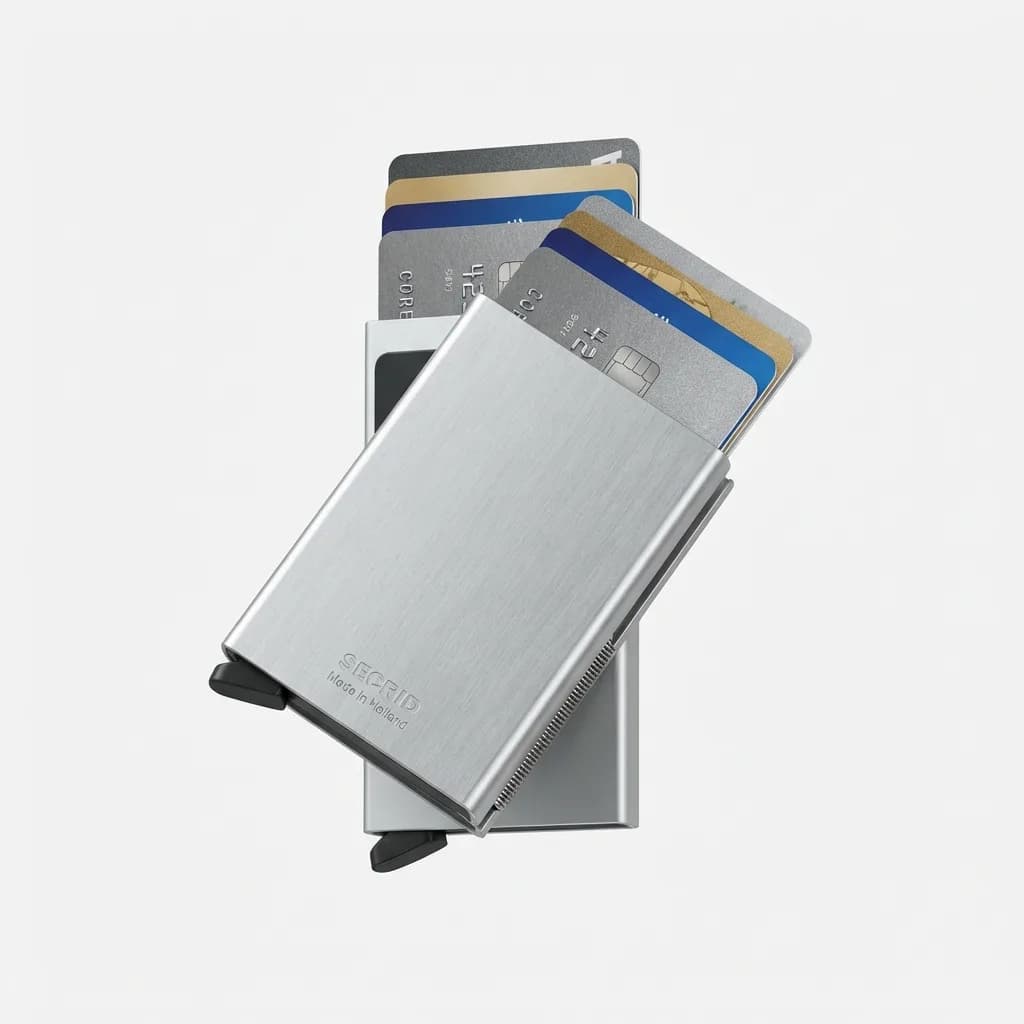
Secrid Cardprotector
$38
Aluminum card case with spring mechanism, RFID blocking, holds 4-6 embossed cards. Cards stay fully protected at 2.5 x 2.5 x 0.3 inches, made in Netherlands.
Elastic Band Wallets: Surprisingly Effective
The cheapest minimalist wallets use elastic bands and cost $15-30, and some work shockingly well for years. The key is elastic quality and anchor point design. Poor versions use thin elastic sewn into cheap nylon that rips at the seam within weeks. Good versions use climbing-rope-grade elastic anchored through metal grommets or reinforced fabric patches.
The Flowfold Minimalist uses sailcloth (the same Vanguard material in boat sails) with a single elastic band across the middle. It weighs 0.3 ounces, survives washing machine accidents, and costs $18. We've beaten one into submission for two years and it still holds six cards securely. The elastic finally stretched at month 20, but Flowfold sells replacements or you can DIY with paracord.
For slightly more refinement, the Herschel Charlie RFID adds a leather exterior to the elastic band formula. It's not full minimalist at 0.6 inches thick, but bridges the gap between slim wallets and traditional bifolds. Good option if you need to carry 10-12 cards plus cash without going full metal or pure elastic.
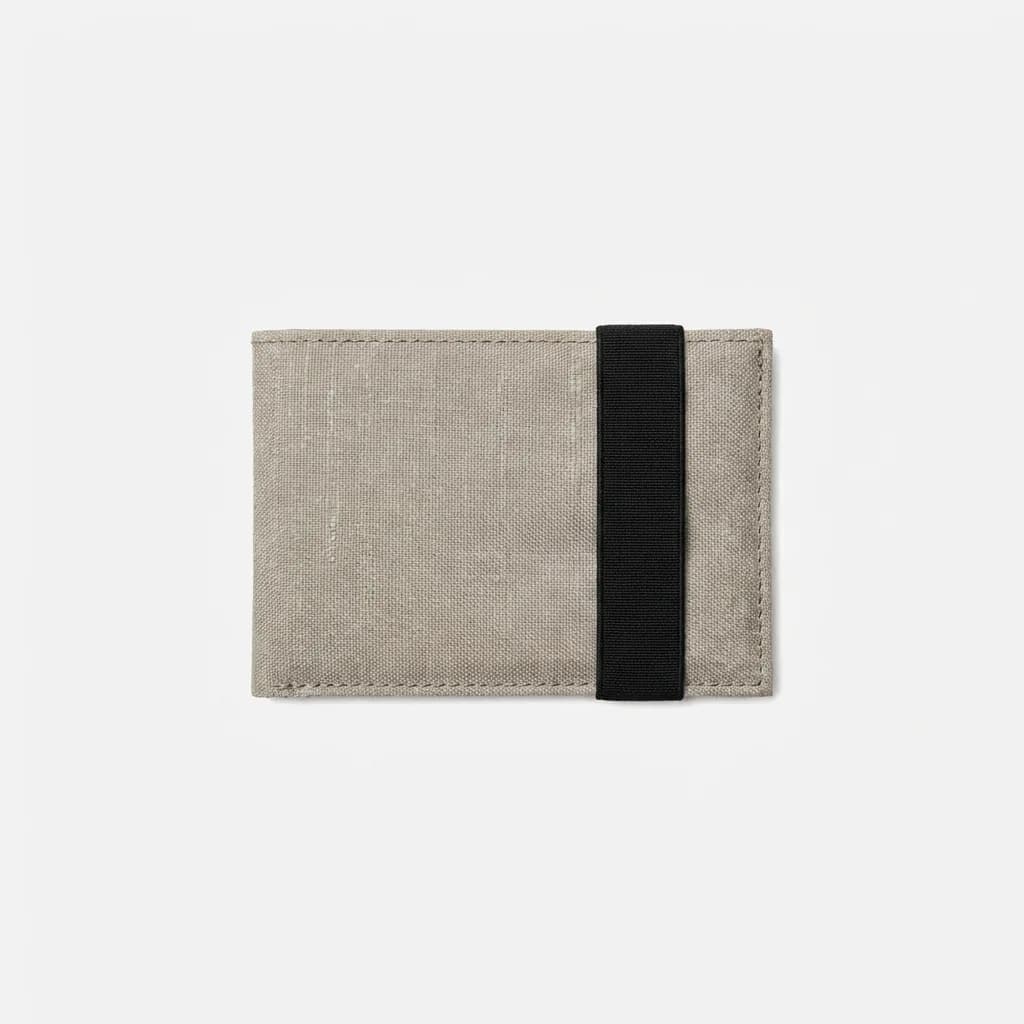
Flowfold Minimalist Wallet
$18
Sailcloth construction with single elastic band, weighs 0.3oz, holds 4-8 cards. Ultra-lightweight and waterproof at 4 x 3 inches, made in Maine.
What Capacity Actually Works for Daily Carry
The common minimalist wallet mistake is buying for aspirational carry, not reality. You think you'll carry 4-6 cards, but then you need your insurance card, gym membership, library card, and backup credit card. Suddenly you're at 10 cards and your "6-card wallet" is bulging.
Most people need 8-10 card capacity for comfortable daily use. That includes 2-3 payment cards, driver's license, insurance card, and 3-5 membership or specialty cards. If you also carry business cards, add a separate holder or accept that you'll exceed most minimalist wallet ratings.
Cash capacity varies wildly. Money clip styles (like Ridge's strap) hold bills flat but exposed. Folded pocket designs (like Bellroy's) hide cash but require bill folding, which some people hate. Elastic band wallets let you tuck bills under the band, which works but looks messy. The cleanest solution is going cashless when possible and carrying a single emergency $20 folded in half.
The card thickness issue surprises people. Embossed cards (older credit cards with raised numbers) are thicker than flat cards. Gift cards and hotel keys are thinner. Metal cards like Amex Platinum or Apple Card are significantly thicker and stiffer. If you carry a metal card, subtract 2-3 from the wallet's rated capacity.
Common Minimalist Wallet Mistakes to Avoid
Buying too small is mistake number one. A wallet rated for 4-6 cards is for people who've genuinely eliminated everything except absolute essentials. Most people bounce off that limit in week one and end up carrying loose cards in other pockets, which defeats the purpose.
Ignoring card access patterns is mistake two. If your most-used card is buried in the middle of a stack, you'll hate every checkout. Wallets with quick-access slots (Bellroy, Ekster) or pop-up mechanisms (Ridge alternatives with triggers) solve this. Think about which 1-2 cards you use daily and make sure the design keeps them accessible.
Overlooking material maintenance is mistake three. Leather needs occasional conditioning or it dries and cracks. Metal needs wiping down if you live in humid climates or it can develop oxidation spots. Carbon fiber is lowest maintenance but most expensive. Match material to your willingness to care for gear.
Assuming all metal wallets are identical is mistake four. Ridge popularized the category, but competitors vary significantly in elastic quality, plate thickness, edge finishing, and RFID-blocking effectiveness. Read reviews and check return policies before buying based solely on price.
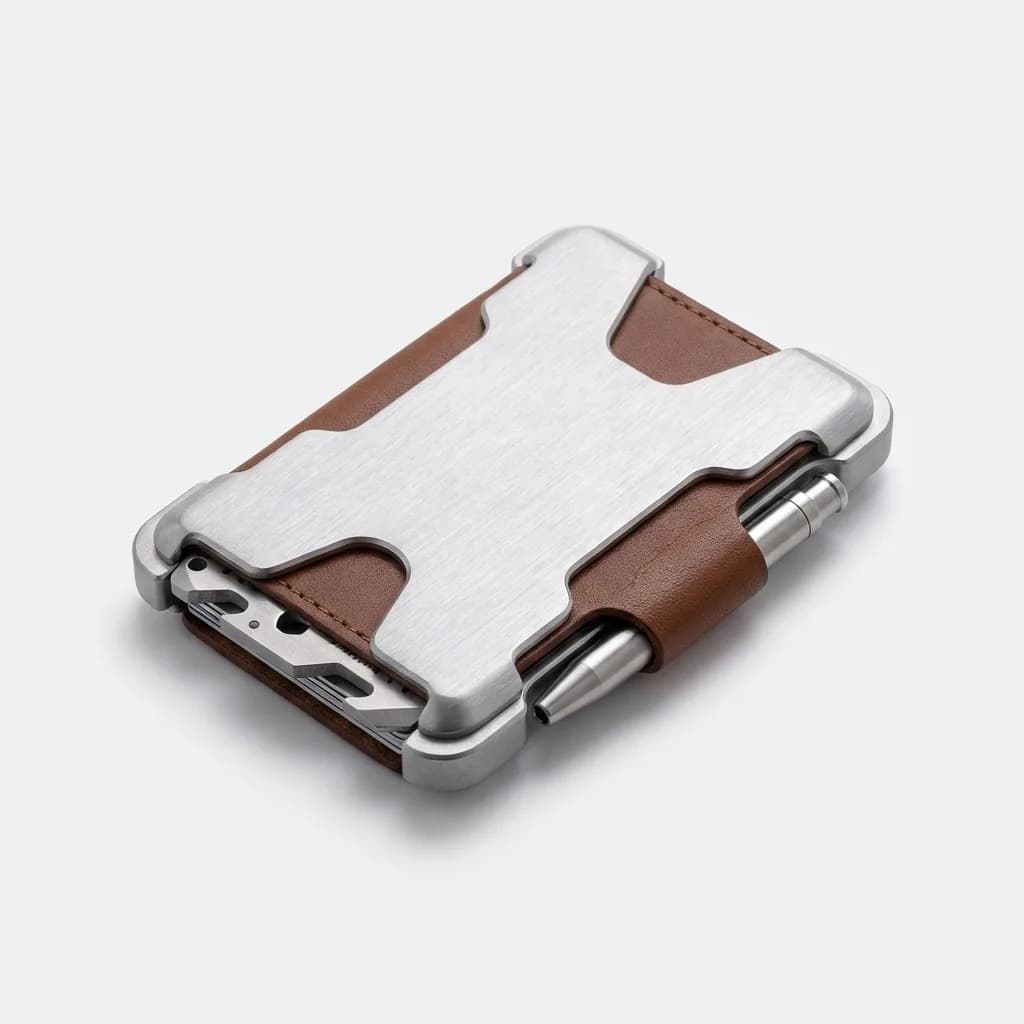
Dango D01 Dapper Wallet
$98
Aerospace-grade aluminum with multitool attachment point, RFID blocking, holds 1-10 cards. Modular system at 3.4 x 2.1 x 0.45 inches, includes pen and MT02 multitool.
Making the Switch to Minimalist Carry
The transition from traditional wallet to minimalist requires actual decluttering, not just new gear. Empty your current wallet and divide contents into three piles: daily use, weekly use, and rarely use. Only daily use items go in the minimalist wallet.
Weekly use cards (library, secondary insurance, membership cards you scan occasionally) can live in your car, bag, or a separate card holder at home. Rarely used items (old receipts, expired insurance cards, business cards from 2019) go in the trash. Most people discover they've been carrying 40% unnecessary items for years.
The first week feels weird. You'll reach for cards that aren't there and second-guess your choices. By week two, the reduced bulk becomes normal. By week four, you'll wonder why you ever carried a thick wallet. The adjustment period is real but short.
One practical tip: take phone photos of rarely-needed cards (backup insurance info, membership numbers, etc.) and store them in a locked note or password manager. You get the information when needed without the bulk. Just don't photograph credit card security codes, that's asking for trouble.
Our Top Picks for Different Needs
For pure minimalism with maximum durability, the Ridge Wallet remains the standard. It's not the cheapest or the most feature-packed, but it works flawlessly and lasts indefinitely. Get the aluminum version unless you specifically want carbon fiber's look.
For leather lovers who want slim carry, the Bellroy Slim Sleeve balances capacity, accessibility, and longevity better than alternatives. The pull-tab and separate quick-access slot make daily use smoother than simple stack designs.
For maximum card capacity in minimal space, the Trayvax Contour is engineering excellence. Holding 15 cards at 0.4 inches thick shouldn't be possible, but here we are.
For budget-conscious buyers, the Flowfold Minimalist delivers shocking quality at $18. It won't impress anyone at a business meeting, but it'll outlast wallets costing five times more.
For tech integration, the Ekster Parliament with solar tracker adds functionality without bulk. The quick-access trigger is genuinely useful, not gimmicky.
The right choice depends on your carry style, card count, and aesthetic preferences. But all five options here will actually stay slim long-term, which eliminates 80% of minimalist wallets on the market. Choose based on material preference and feature priorities, and you'll end up with a wallet that finally justifies the "minimalist" label.
The Weekly Dispatch
Enjoying this article?
Subscribe and get our best gear picks delivered every Sunday morning.
Related Stories
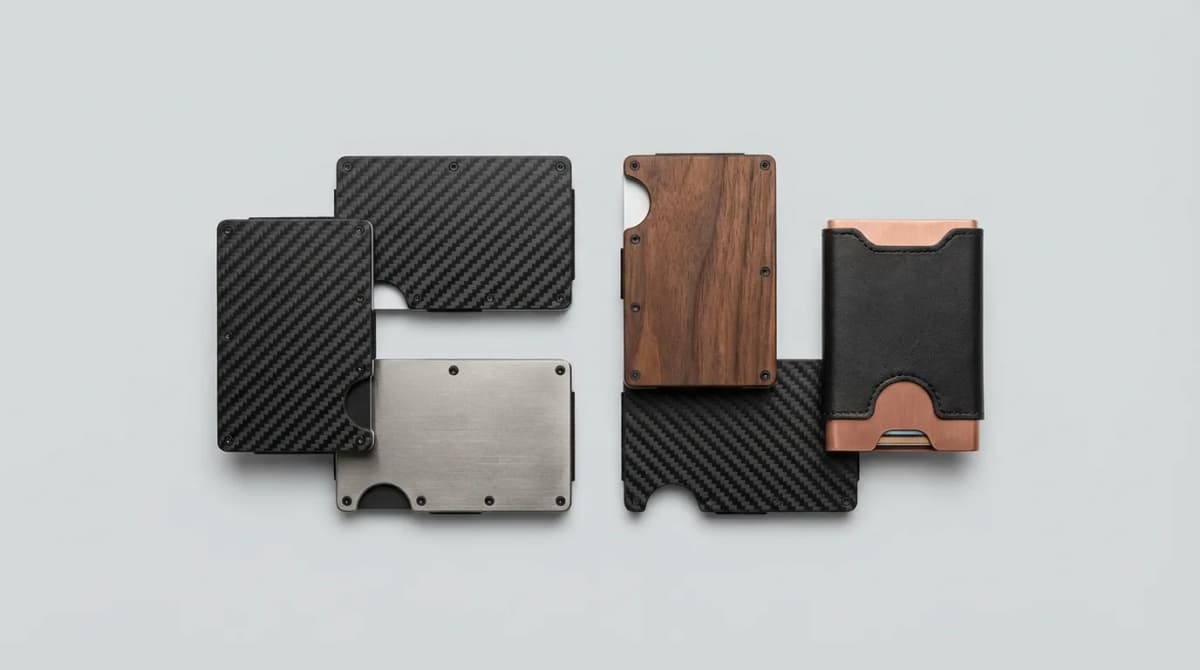
Beyond Leather: Exotic Wallet Materials That Perform
Carbon fiber, wood, titanium, and fabric wallets offer advantages leather can't match. Here's how exotic materials stack up for weight, durability, and style.
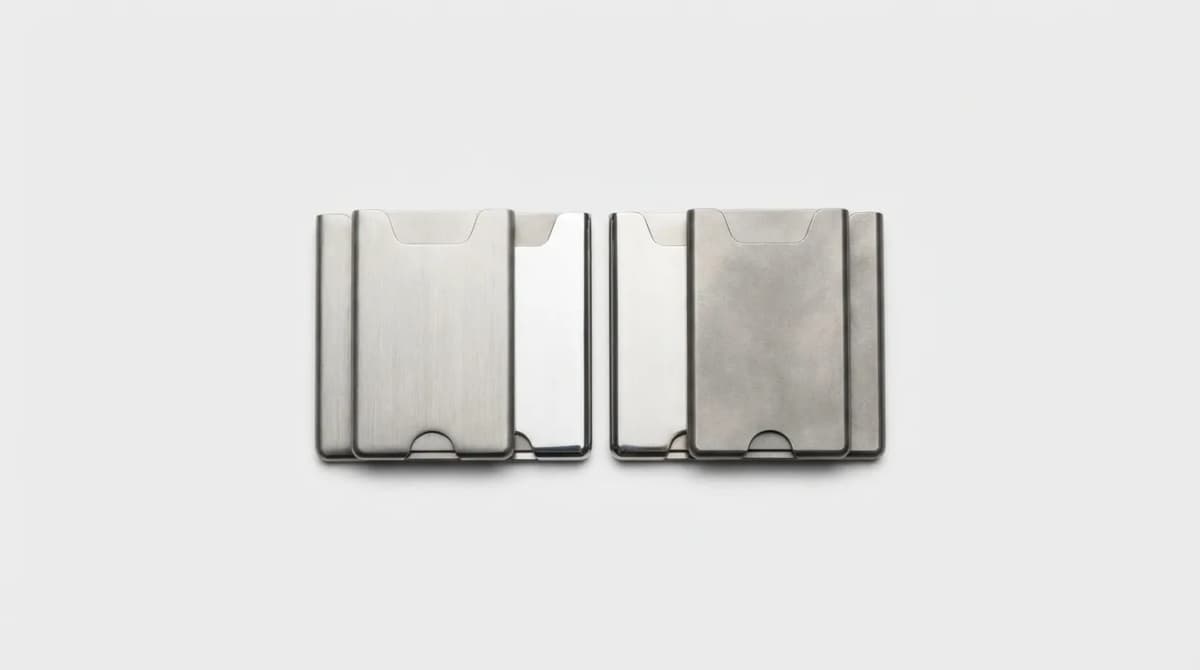
Are Titanium Wallets Worth It? Complete Review
Titanium wallets promise durability and RFID protection, but they cost 3-5x more than leather. We tested the top models to see if the premium is justified.
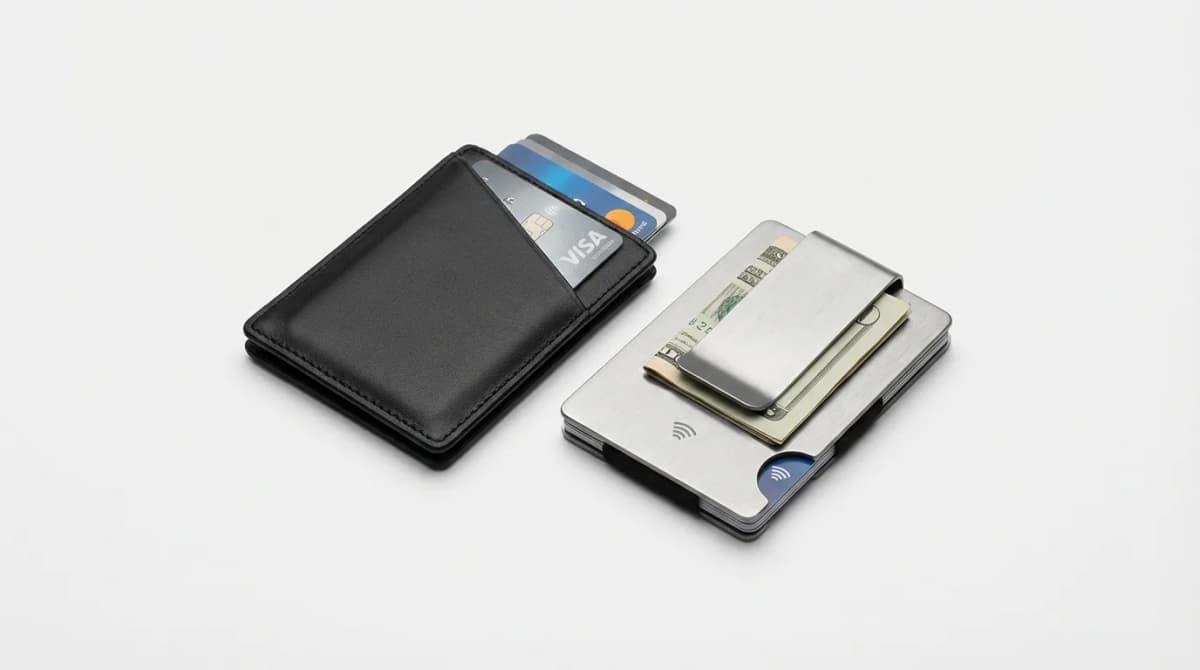
Best Minimal Wallet Setup for Contactless Payments
Contactless payments make it easy to leave the bulk behind. Here's how to build a minimal wallet setup that works without compromises.