Best Minimal Passport Sleeves in 2026
Minimal passport sleeves protect your documents without bulk. We compare fit, materials, RFID protection, and durability across top picks for travelers.
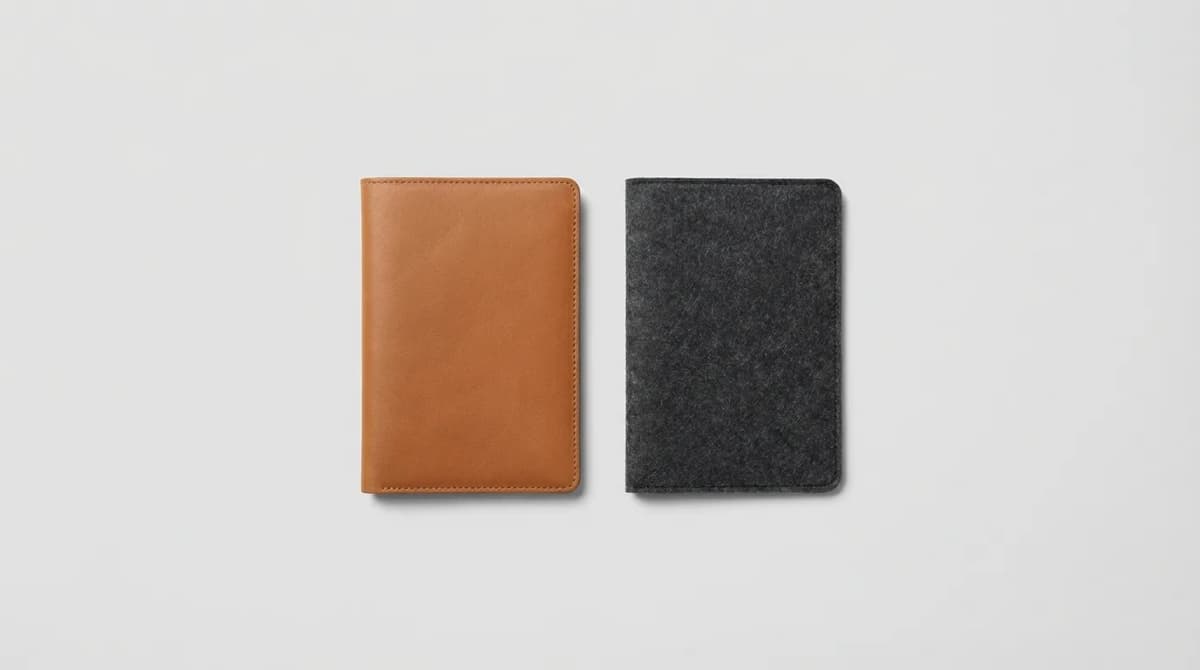
A passport sleeve should do one thing well: protect your passport without turning your travel setup into a bulky mess. The best ones keep your documents flat, add minimal thickness to your bag, and survive years of airport security lines without falling apart.
Most passport holders fail because they try to do too much. They add card slots you don't need, bill compartments that make the whole thing twice as thick, or cheap RFID blocking that degrades after six months. A good minimal sleeve keeps it simple.
What makes a passport sleeve actually minimal
Minimal doesn't just mean thin. It means the sleeve fits a standard passport with enough tolerance that you can slide it in and out easily, but not so loose that it rattles around. That's harder to get right than it sounds.
The ideal thickness is 1-2mm of material total. Anything over 3mm and you're adding noticeable bulk to whatever bag or pocket you're carrying it in. Full-grain leather hits this mark naturally. Vegetable-tanned leather starts stiff but breaks in over time, while chrome-tanned stays more consistent.
Synthetic options like ballistic nylon or X-Pac keep things even thinner, usually under 1mm. The tradeoff is durability. Leather scratches and wears, but it doesn't tear or delaminate the way coated fabrics can after repeated flexing.
RFID blocking is where things get complicated. The shielding material adds thickness, and cheap implementations use a thin metallic film that cracks along fold lines. Better versions use a woven metal fabric or integrate the shielding into a leather lining, which adds 0.5-1mm but stays intact longer.
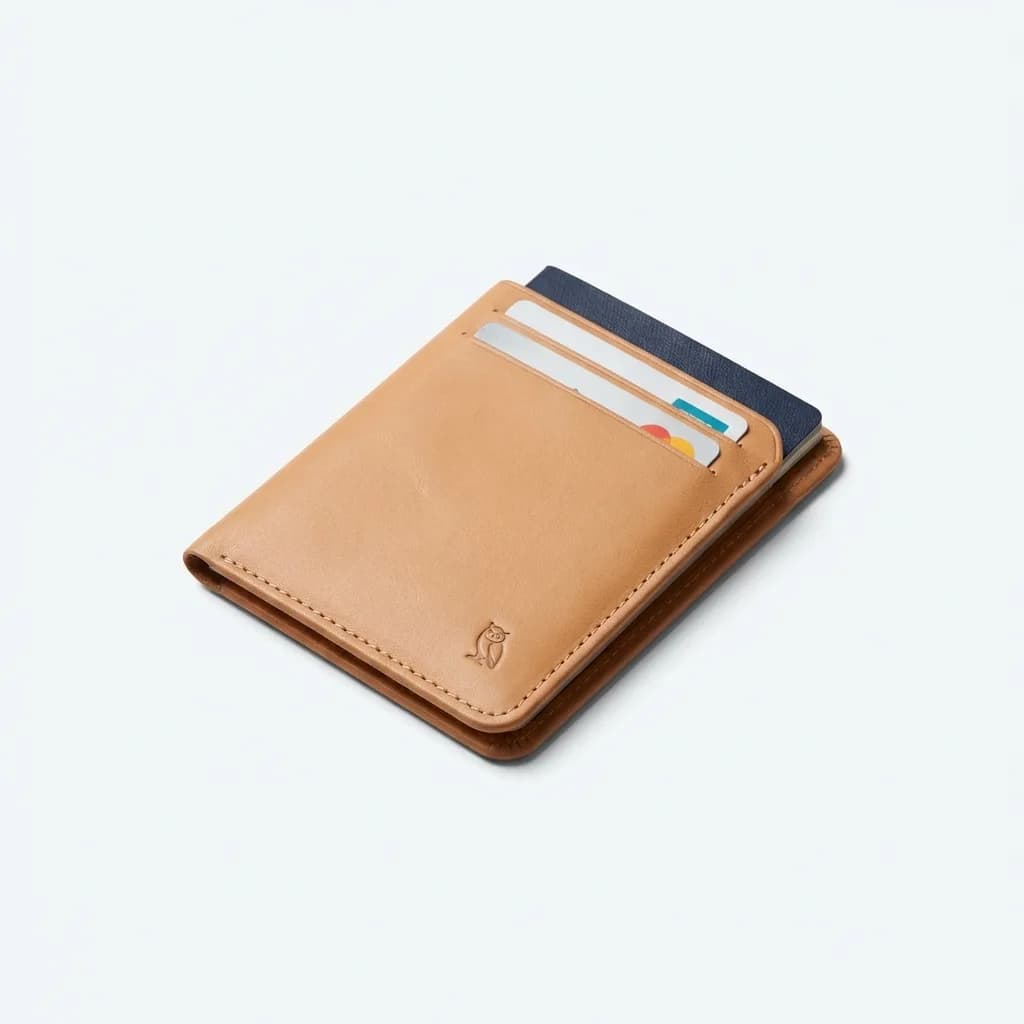
Bellroy Passport Sleeve
See current price
Slim leather design with hidden RFID protection, fits one passport plus 4-6 cards. Premium full-grain leather with flat-stitched edges. Minimal bulk at 3mm thick.
RFID protection: when it matters and when it doesn't
RFID skimming is a real vulnerability, but the actual risk depends on where you travel and what passport you carry. Modern e-passports have encryption that makes remote scanning difficult, but not impossible. The bigger risk is contactless credit cards in the same pocket.
If you're carrying a passport sleeve to a major city with crowded public transit, RFID blocking is worth the extra millimeter of thickness. If you're using it for domestic trips or keeping it buried in a bag, you can skip it and save the bulk.
The problem with RFID blocking is quality variance. We've tested sleeves where the shielding worked perfectly for a year, then failed completely after repeated bending. The metal layer cracks, usually along the spine or corners, and once it's compromised the protection drops to zero.
Look for sleeves that spec the shielding material. Terms like "RFID-blocking fabric" are vague. "Faraday cage lining" or "military-grade shielding" at least indicate a woven metal layer rather than a sprayed coating.
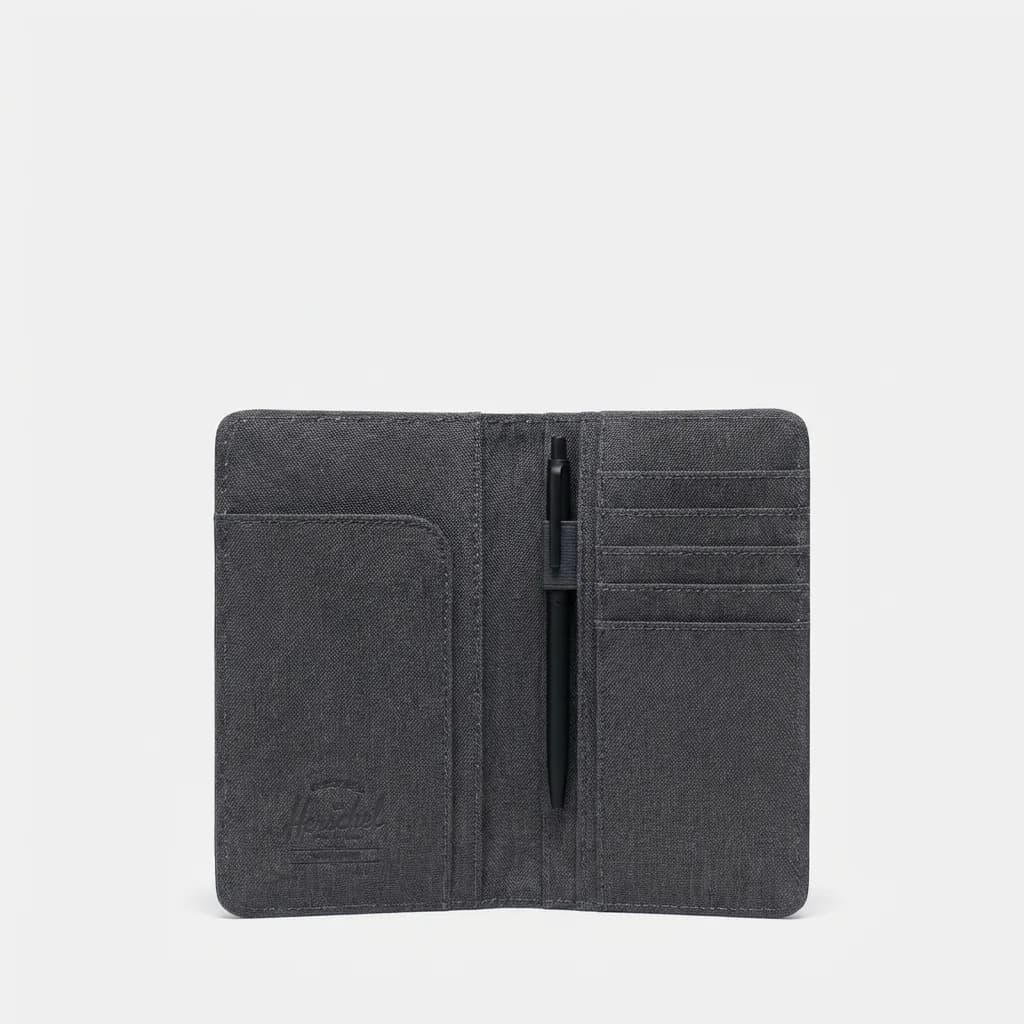
Herschel Search RFID Passport Holder
See current price
Durable polyester with RFID-blocking lining, pen loop, and card slots. Budget-friendly at under $20 with solid construction and clean design.
Leather vs. synthetic: durability and break-in
Full-grain leather looks better with age, but it requires a break-in period. Vegetable-tanned leather starts stiff enough that inserting a passport takes effort. After a month of use, it softens and molds to the shape of the documents inside.
Chrome-tanned leather skips the break-in but doesn't develop the same patina. It stays consistent, which some travelers prefer. The stitching matters more than the tanning method. Flat-stitched or edge-painted seams lie flatter than traditional raised stitching.
Synthetic sleeves like those made from X-Pac or Cordura skip the aesthetic aging entirely. They stay lightweight, resist water better than leather, and don't need conditioning. The downside is they look the same at year five as they did on day one, just more scuffed.
For frequent travelers who go through airport security weekly, synthetics handle the abuse better. Leather works for occasional trips where the sleeve spends most of its time in a drawer between uses.
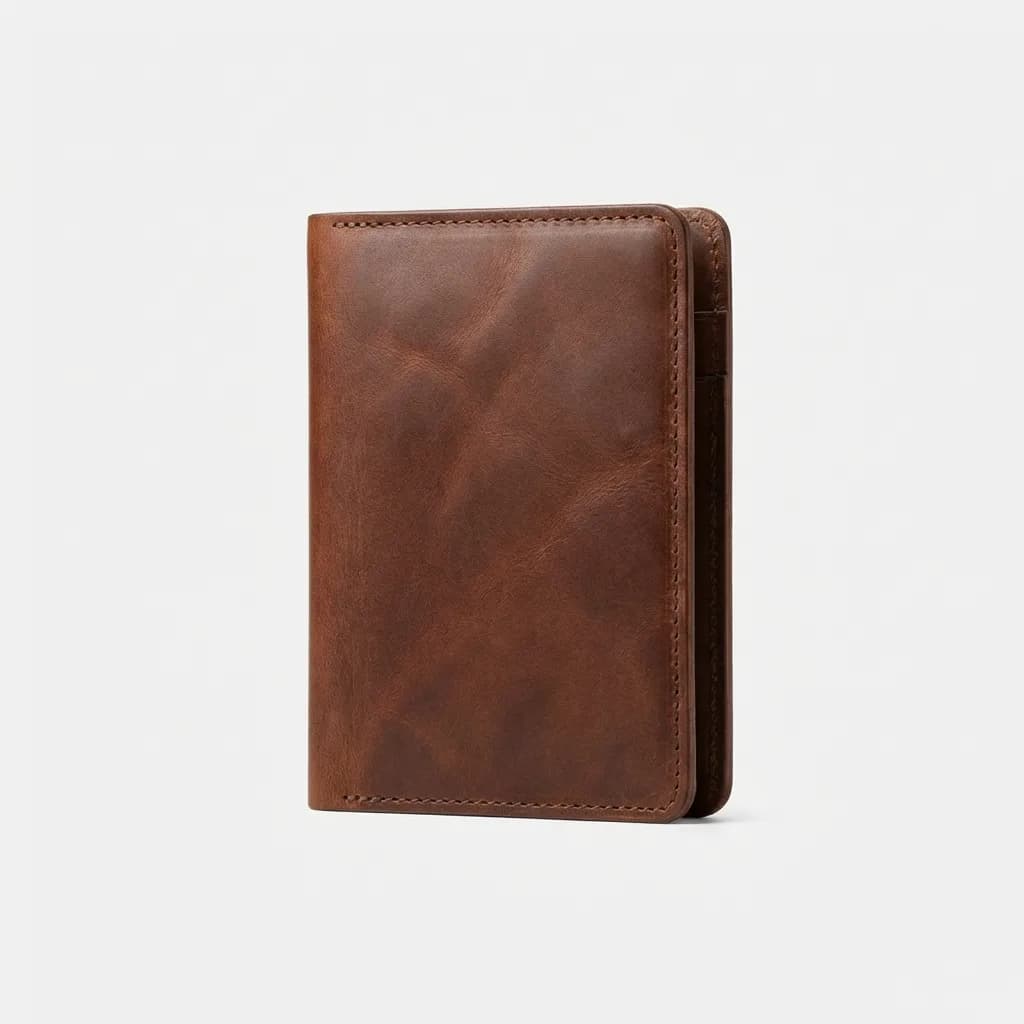
Nomad Leather Passport Wallet
See current price
Horween leather construction with minimalist single-sleeve design. American-made with premium materials. Develops rich patina over time. No RFID blocking.
How many card slots do you actually need?
This is where most passport holders go wrong. They add 6-8 card slots, a bill compartment, and a pen loop, turning a minimal sleeve into a bloated wallet.
You need two, maybe three card slots max. One for your primary credit card, one for a backup, and possibly one for a driver's license or insurance card. Anything beyond that and you're better off carrying a separate slim wallet.
The cards should sit behind the passport, not in front of it. Front-loaded card slots add thickness exactly where you grip to pull the sleeve out of a bag. Rear card slots keep the profile flat and make the whole thing easier to handle.
Some sleeves use an elastic band or sleeve pocket instead of individual card slots. This works if you're only carrying 1-2 cards total. Beyond that, they stack unevenly and the elastic stretches out over time.
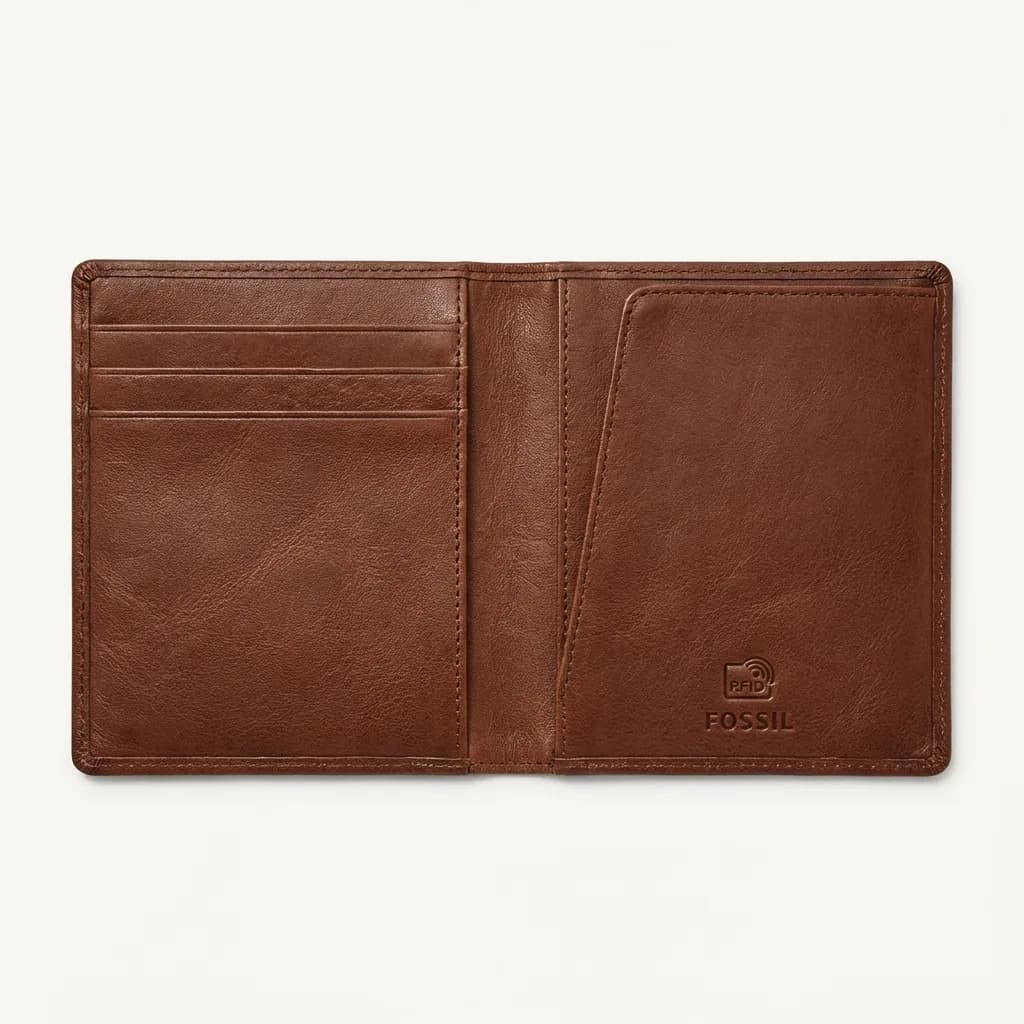
Fossil RFID Passport Case
See current price
Genuine leather with two card slots and RFID blocking. Classic bifold design at 4mm thick. Good balance of features without excessive bulk.
Stitching, edges, and long-term durability
The corners and spine take the most abuse. Sleeves that use reinforced stitching or bar tacks at stress points last longer. Cheap sleeves skip this and the stitching pulls out after 20-30 insertions.
Edge finishing matters more for aesthetics than durability, but it's a good indicator of overall build quality. Turned and burnished edges look clean and resist fraying. Raw edges work fine on synthetic materials but look sloppy on leather.
Heat-sealed seams on synthetic sleeves are hit or miss. Done well, they're stronger than stitching and add no bulk. Done poorly, they delaminate within months. This is hard to assess without long-term testing, so stick with known brands for synthetic options.
The passport pocket itself should have a small amount of stretch or a slightly oversized fit. A too-tight sleeve damages the passport cover over time, especially the corners. A too-loose sleeve lets the passport slide around and defeats the point of protection.
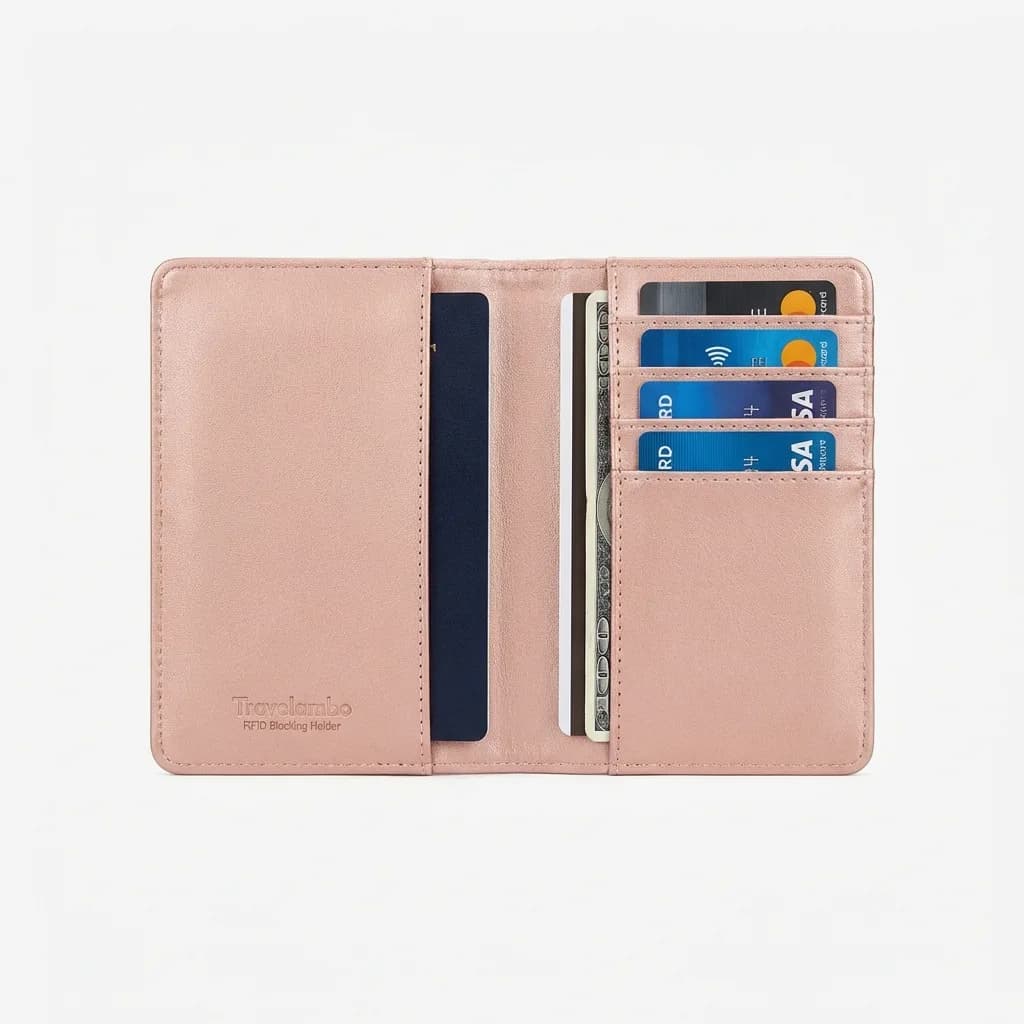
Travelambo RFID Blocking Passport Holder
See current price
Budget-friendly PU leather with reliable RFID protection and multiple card slots. Available in 30+ colors. Solid construction for under $15.
What about boarding pass and ticket storage?
Some sleeves add a larger pocket for boarding passes or folded tickets. This sounds useful until you realize modern travel is mostly digital. Your boarding pass is on your phone, and physical tickets are rare outside of train travel in certain regions.
If you do need document storage, look for a sleeve with a simple open pocket rather than a zippered compartment. Zippers add bulk and create another failure point. An open pocket lets you slide papers in quickly at security without fumbling with a zipper pull.
The exception is international rail passes or printed visas that you need to present repeatedly. In that case, a sleeve with a clear window pocket makes sense. But that's a specific use case, not a daily carry need.
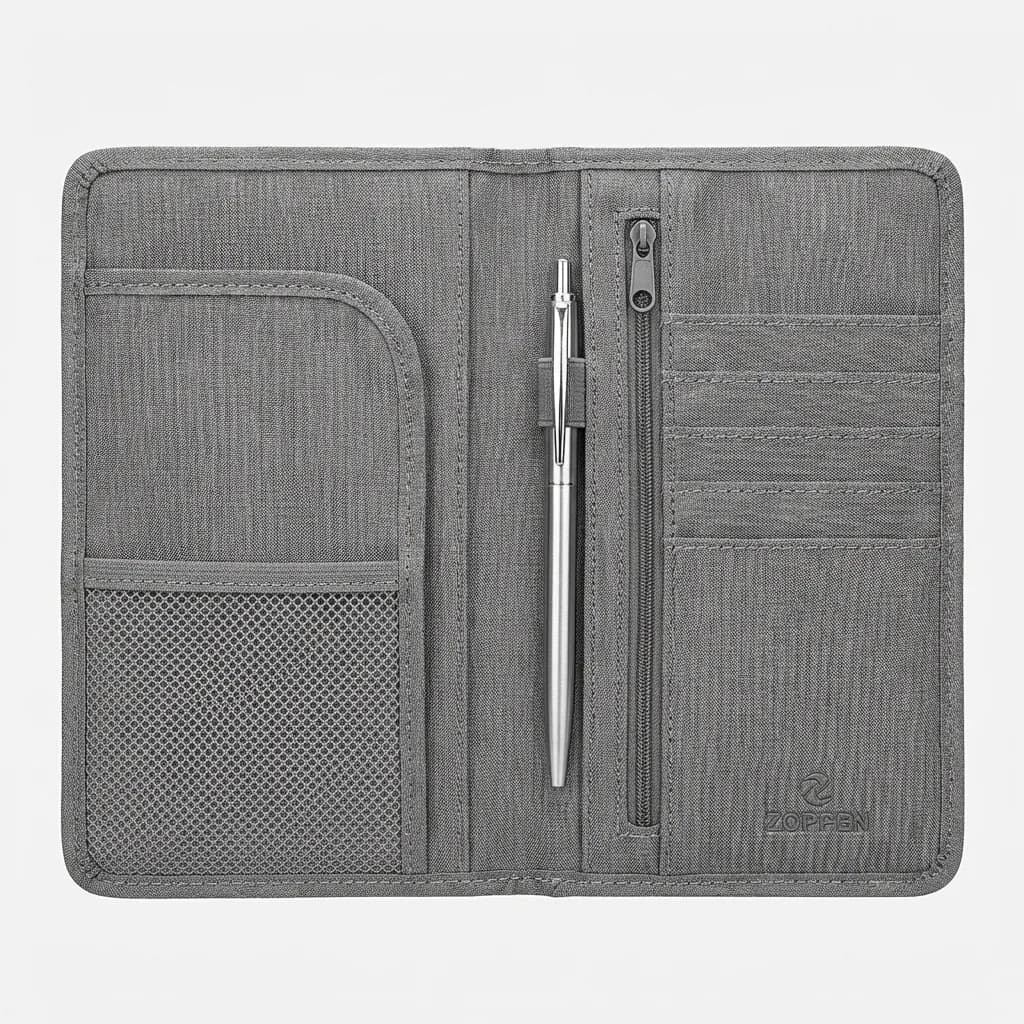
Zoppen Multi-Purpose Travel Wallet
See current price
RFID-blocking passport holder with boarding pass slot and pen holder. Nylon construction, water-resistant, with multiple organizational pockets. Feature-rich at 6mm thick.
Picking the right sleeve for your travel style
If you travel once or twice a year for vacation, prioritize aesthetics and materials over durability. A leather sleeve that develops character is more satisfying to own than a synthetic one that stays pristine.
Frequent business travelers should go synthetic and RFID-blocking. The sleeve will see heavy use, and the lightweight materials mean you can toss it in a bag without thinking about it. Durability and function beat looks when you're moving through airports weekly.
Minimalists who already carry a slim wallet should get the absolute thinnest sleeve possible, even if it means skipping RFID protection. Every millimeter counts when your entire travel carry fits in a single pocket.
For long-term international travel, consider a sleeve with 2-3 card slots and a small document pocket. You'll be juggling more cards (local SIM, transit pass, insurance) and having them organized in one place beats spreading them across multiple holders.
The best minimal passport sleeve is the one you forget you're carrying until you need it. It should protect your documents, fit your travel pattern, and not add bulk to your setup. Everything else is optional.
The Weekly Dispatch
Enjoying this article?
Subscribe and get our best gear picks delivered every Sunday morning.
Related Stories
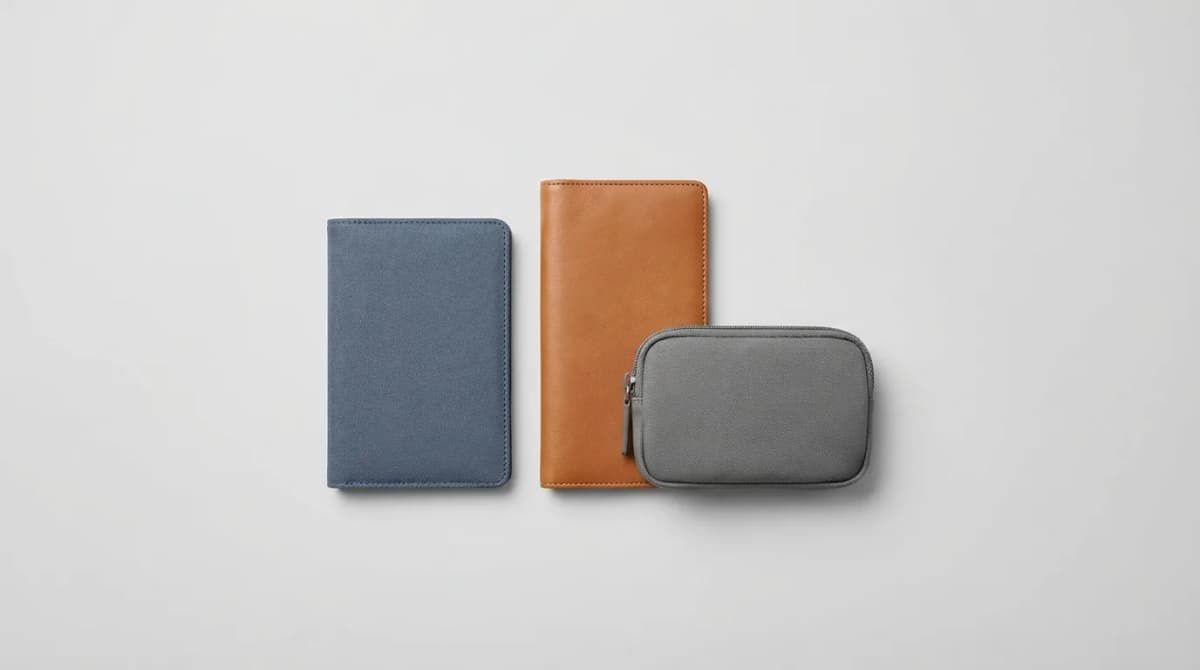
Best RFID Blocking Travel Wallet for Passport
RFID blocking travel wallets protect your passport and cards from electronic pickpocketing. We break down what works, what's overkill, and which designs hold up.
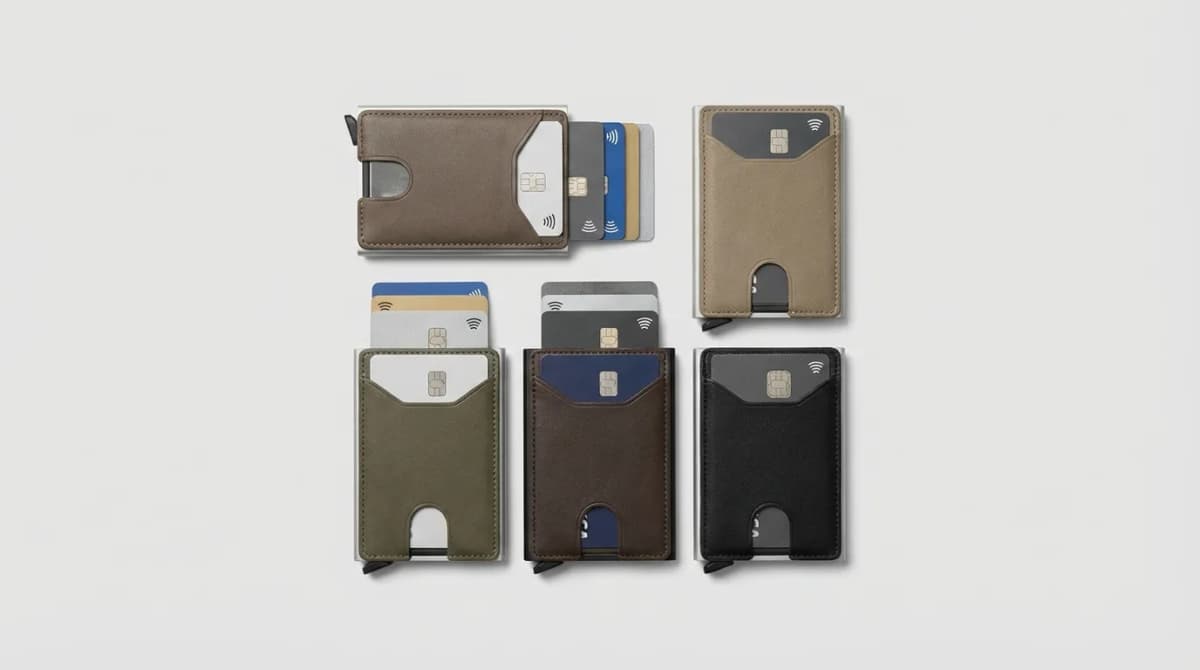
RFID Blocking: Do You Need It in Your Wallet?
RFID blocking wallets claim to protect your cards from digital theft. But is the threat real, or is it marketing hype? Here's what actually matters.
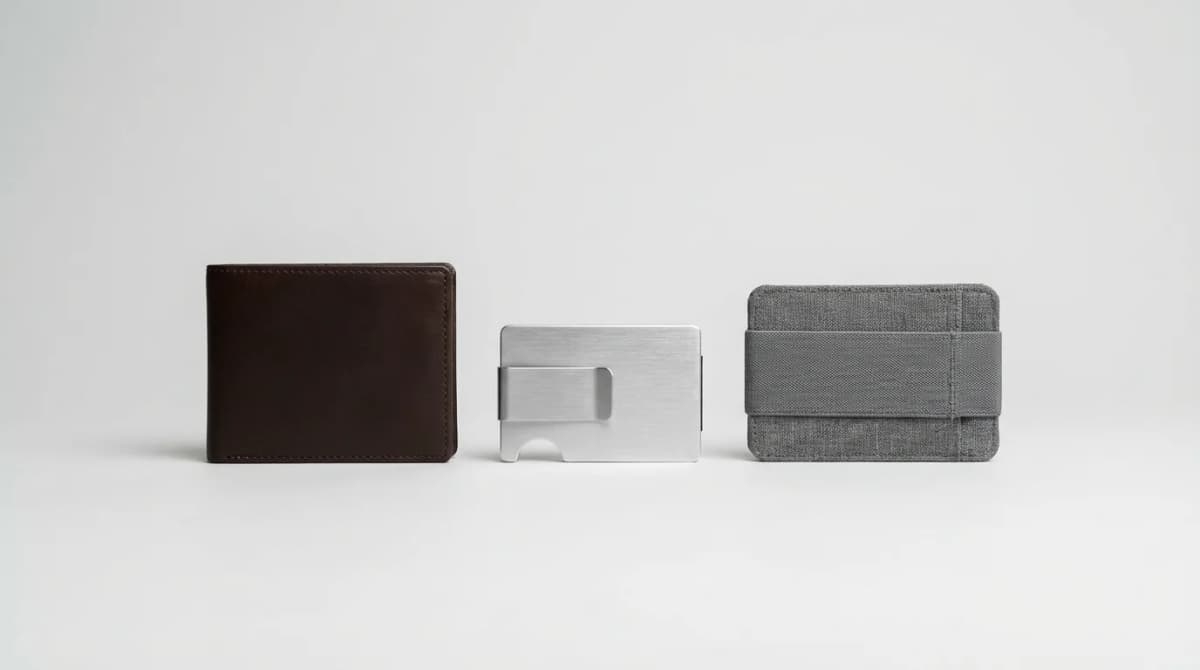
12 Best Minimalist Wallets for Men (2026)
From machined aluminum to supple leather, we tested dozens of slim wallets to find which ones actually deliver on the minimalist promise without the compromises.