Best Everyday Carry Tools for IT Pros
The right pocket tools can turn a 30-minute service call into a 5-minute fix. Here's what IT pros actually carry when desk drawers aren't an option.
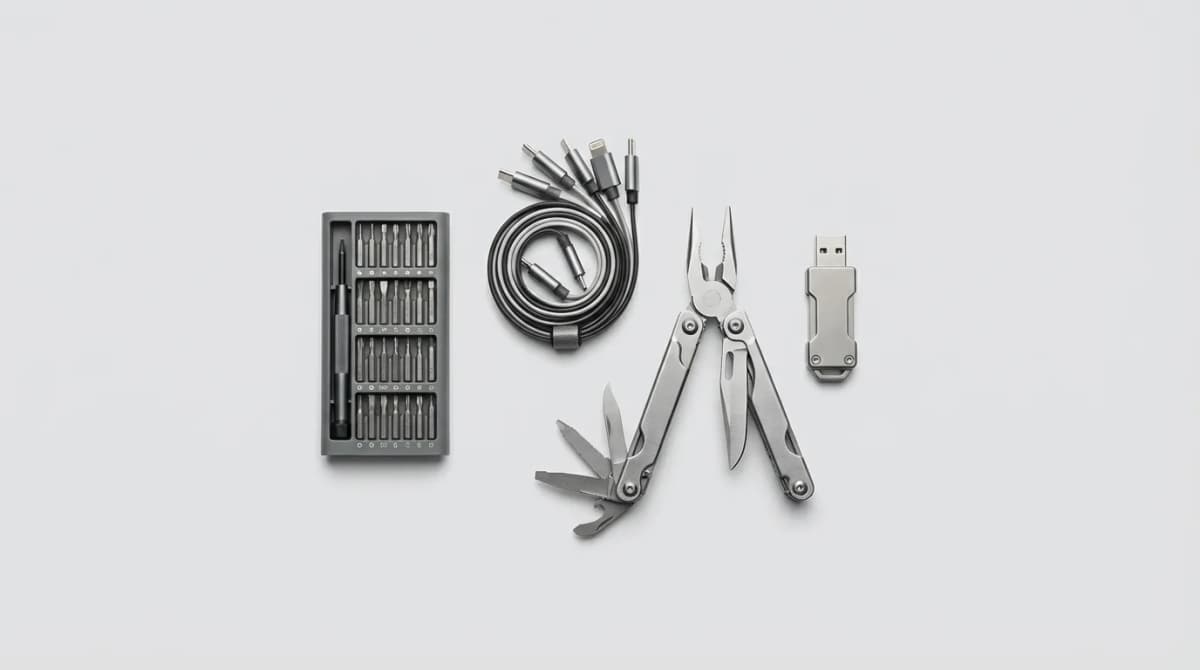
You're standing in front of a server rack at 10 PM. The cabinet screws are tamper-resistant Torx. Your toolkit is three floors away. This is why IT professionals who work in the field or support multiple locations develop a specific set of pocket tools that handle 90% of what comes up in a typical day.
The difference between desk-based IT and field work is that you can't predict which building, which floor, or which ancient piece of equipment you'll be troubleshooting. The tools that earn pocket space are the ones that solve problems faster than walking back to your car.
Precision screwdriver sets that actually fit in a pocket
Most IT work involves small screws. Laptops, desktops, network equipment, and access panels all use Phillips #0, #1, or various Torx sizes. A full-size screwdriver set stays in your bag. What you need in your pocket is something that handles the most common fasteners without adding bulk.
Bit driver sets win here because they pack 10-20 bits into the space of two screwdrivers. The best ones use a ratcheting mechanism so you're not repositioning your grip every quarter turn. Look for magnetic bit retention - you will drop tiny screws, and a magnetic tip is the difference between fishing under equipment racks and just picking it up.
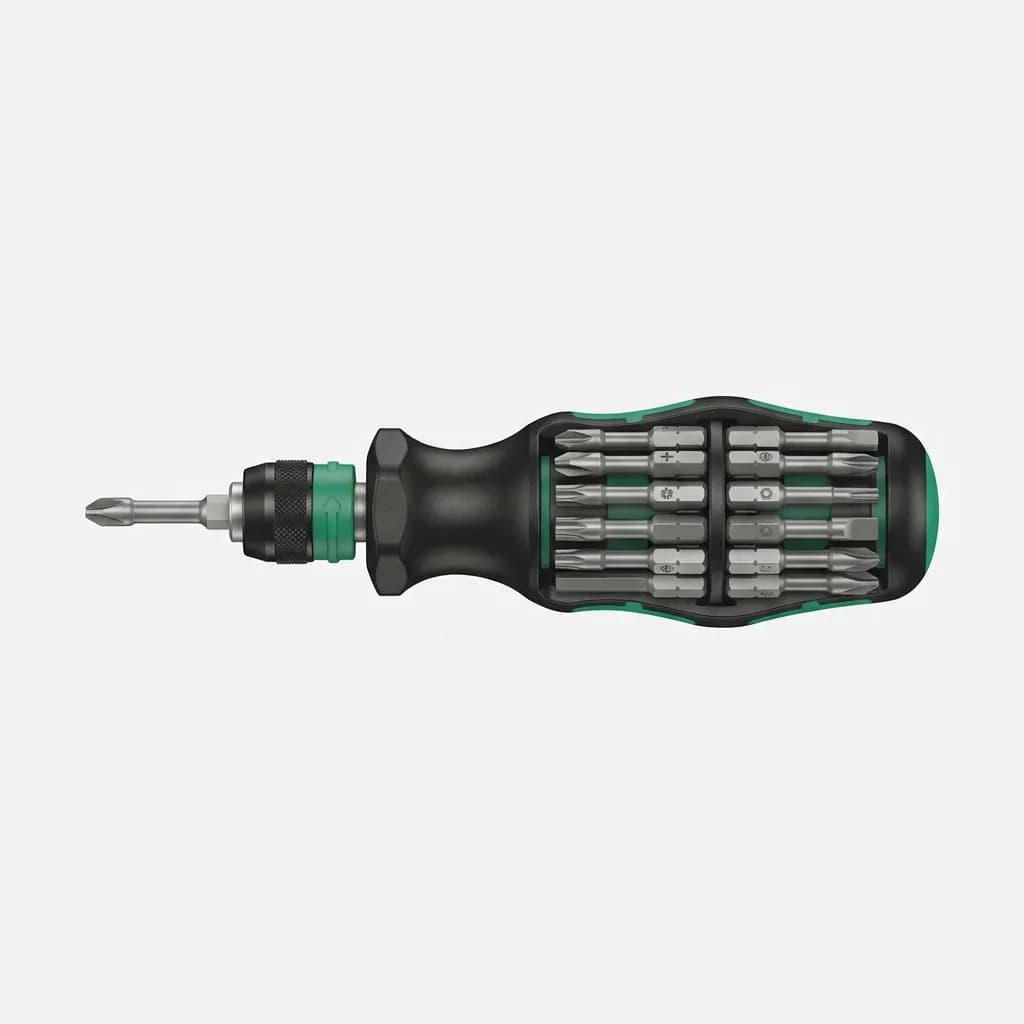
Wera Kraftform Kompakt 27 Bit-Holding Screwdriver
See current price
Ratcheting bit driver with 12 double-ended bits covering Phillips, Torx, hex, and security variants. Magnetic holder and rapidaptor quick-change chuck. Compact 4.3-inch closed length.
Length matters more than you'd think. A 4-inch bit driver reaches recessed screws in laptop bays and tight server chassis. Anything shorter sacrifices leverage. Anything longer won't stay in your pocket comfortably during a ladder climb or crawl through a cable tunnel.
The bits themselves need to be hardened steel, not the soft metal that rounds out after five uses. S2 steel or better. Check that the set includes security Torx (the ones with the center pin) because manufacturers love using those on anything user-accessible.
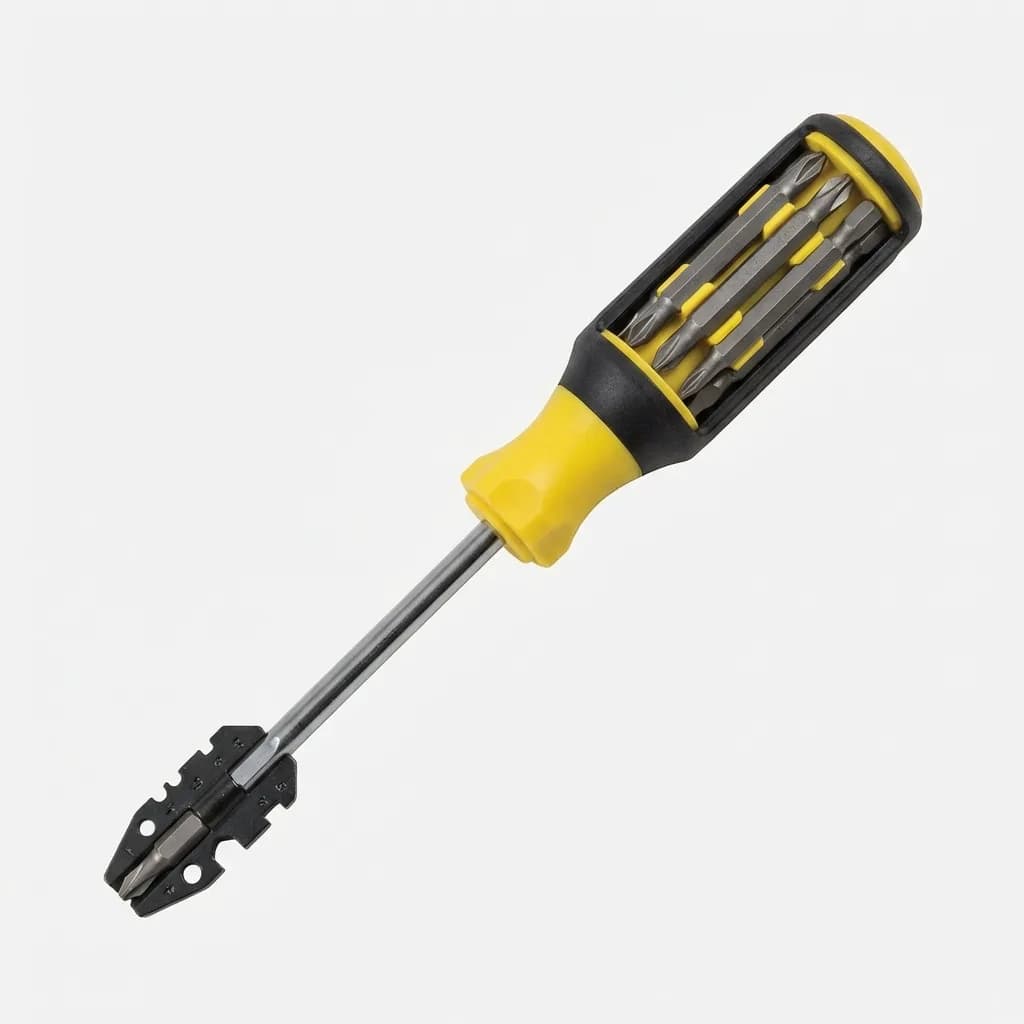
Klein Tools 32500 11-in-1 Screwdriver Multi-Tool
See current price
Combines screwdriver with wire stripper, crimper, and bolt shearing. 8 bits stored in cushion-grip handle. 5.4-inch overall length. Industrial-grade construction for field use.
Why cable tools matter more than multitools
IT professionals run into cable problems constantly. Zip ties that need cutting, cable management that needs adjusting, or Ethernet runs that need terminating. A standard multitool has pliers and a knife, but what you actually use daily are flush cutters and something to strip wire jackets without nicking the conductors inside.
Dedicated cable snips are smaller and sharper than multitool cutters. They fit in the same pocket as your phone and cut through zip ties in one clean motion. The cheap ones dull fast and leave jagged edges. The good ones stay sharp through months of daily use and make flush cuts that don't leave sharp points to snag on your hands or other cables.
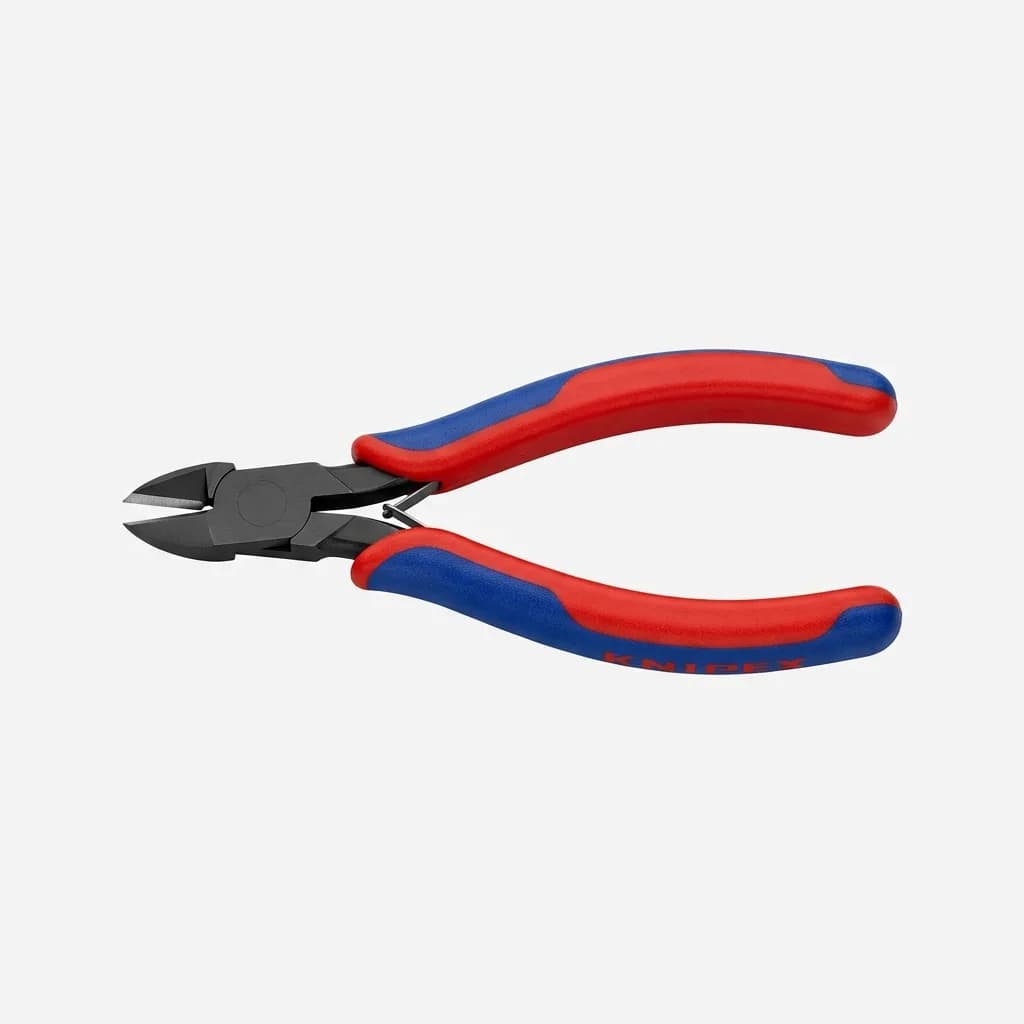
Knipex 78 61 125 Electronics Diagonal Cutters
See current price
Precision flush-cut pliers with induction-hardened edges rated for copper wire up to 15 AWG. 5-inch length, ergonomic grip, no-spring action for fine control.
For wire stripping, dedicated strippers beat knife blades every time. You want adjustable jaws that accommodate different gauge wires without crushing them or leaving the insulation partially attached. Automatic strippers work faster but they're bulkier. Manual strippers with marked gauge holes take more time but pack smaller and never jam.
The ideal cable tool is something that handles both cutting and stripping in one unit, stays sharp, and doesn't require two hands to operate. We found that purpose-built cable tools from electrical supply companies outperform "tactical" gear marketed to IT workers. Klein, Knipex, and Ideal make tools designed for electricians who do this work 8 hours a day. They cost more initially but last years instead of months.
The multitool debate: do IT pros need one?
Most IT professionals already carry a pocket knife or small multitool, but the feature set that helps with server rack work is different from what you'd want for camping. Pliers with a wire cutter are more useful than a serrated blade. A pry bar tip opens stubborn equipment covers. Scissors handle cable labels and heat shrink tubing better than a knife.
That said, the best multitool is the one you actually carry. A Leatherman Skeletool weighs 5 ounces and includes pliers, wire cutters, a bit driver, and a pocket clip. That covers 70% of unexpected situations without requiring a belt pouch. Full-size tools like the Wave or Surge have more features but they're heavy enough that you'll leave them in your bag.
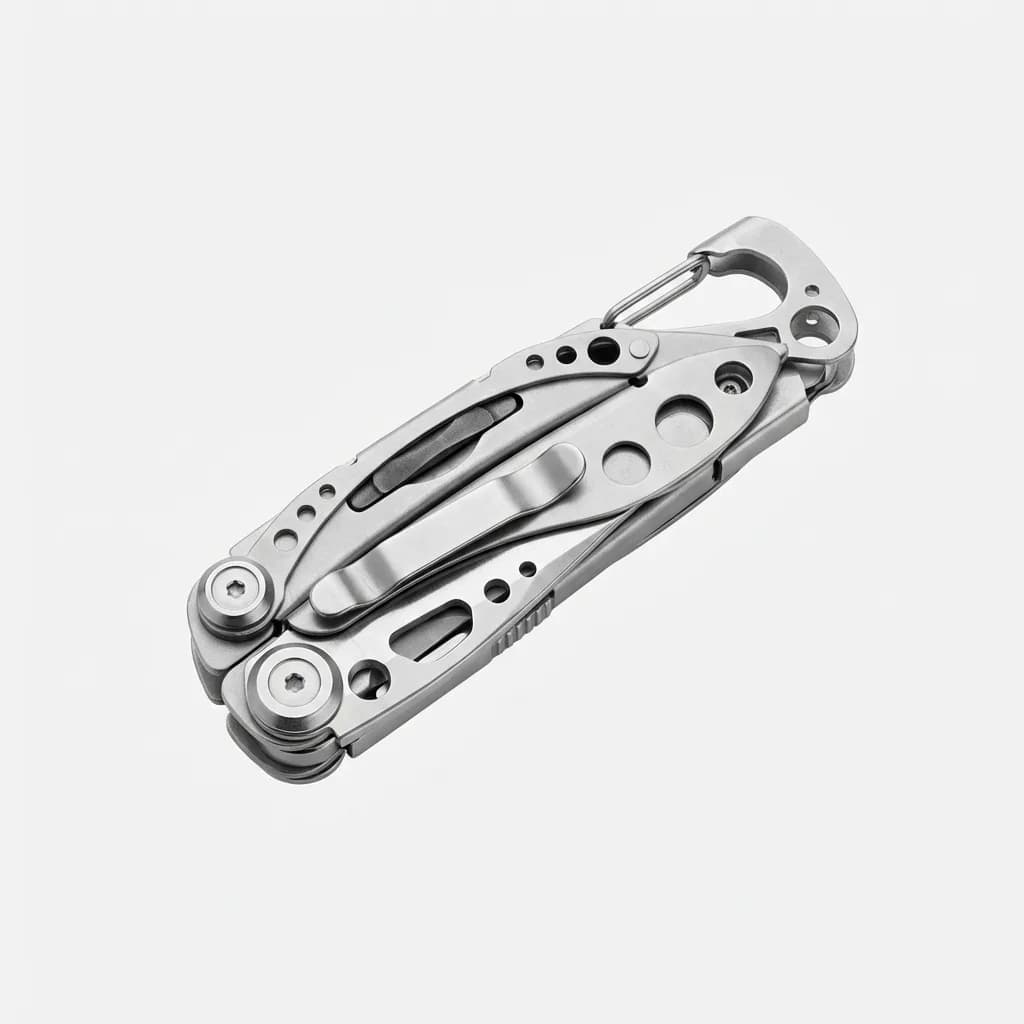
Leatherman Skeletool
See current price
Lightweight 7-in-1 multitool with needle-nose pliers, wire cutters, 420HC combo knife blade, bit driver, carabiner, and bottle opener. 5 ounces, pocket clip carry.
The alternative is a micro multitool like the Gerber Dime or Leatherman Squirt, which trades plier strength for keychain portability. These work fine for light tasks like tightening a loose rack screw or cutting open a box, but they struggle with anything requiring real grip force. If your work involves physical installation or moving equipment, go with the full-size tool.
Pry tools and spudgers for cases that won't cooperate
Laptop cases, phone screens, and plastic equipment covers use clips instead of screws. Prying them open with a screwdriver leaves marks and breaks tabs. Proper pry tools - also called spudgers - are thin, flat, and made from non-marring material that won't scratch plastic or metal.
Metal spudgers give you leverage for stubborn clips. Nylon ones are safer around circuit boards and screens. We keep both. The metal ones live in a pocket organizer. The nylon ones are cheap enough to scatter everywhere - one in the laptop bag, one in the car, one in the desk drawer.
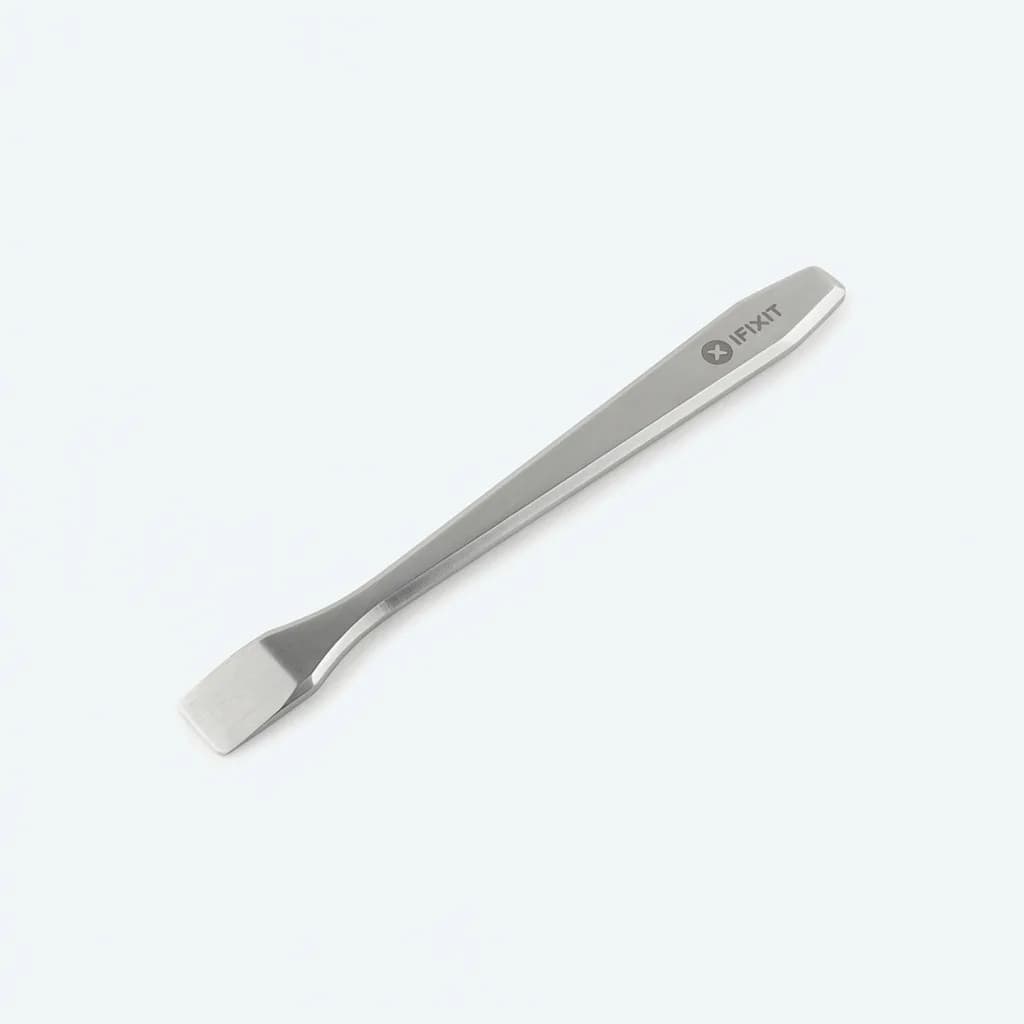
iFixit Jimmy Opening Tool
See current price
Ultra-thin stainless steel pry tool designed for opening phone and laptop cases without damage. 0.3mm edge thickness, 4.7-inch length, chamfered edges prevent scratching.
The best pry tools have a slight curve and a rounded tip. Straight ones tend to slip. Sharp ones punch through plastic. You want something that slides between case halves and then levers them apart gradually. iFixit makes the most widely recommended ones because they're thin enough to start the separation but strong enough not to bend.
Flashlights small enough to actually use
You'll need a light in server closets, under desks, behind racks, and inside chassis. Phone flashlights work but they tie up your hand and drain your battery. A dedicated pocket light gives you hands-free options and better beam control.
Penlight-style flashlights with pocket clips are the standard choice. Look for at least 100 lumens, which is enough to see cable labels and component markings. Rechargeable models via USB save you from buying batteries, but replaceable AAA cells mean you're never stuck with a dead light during a long service call.
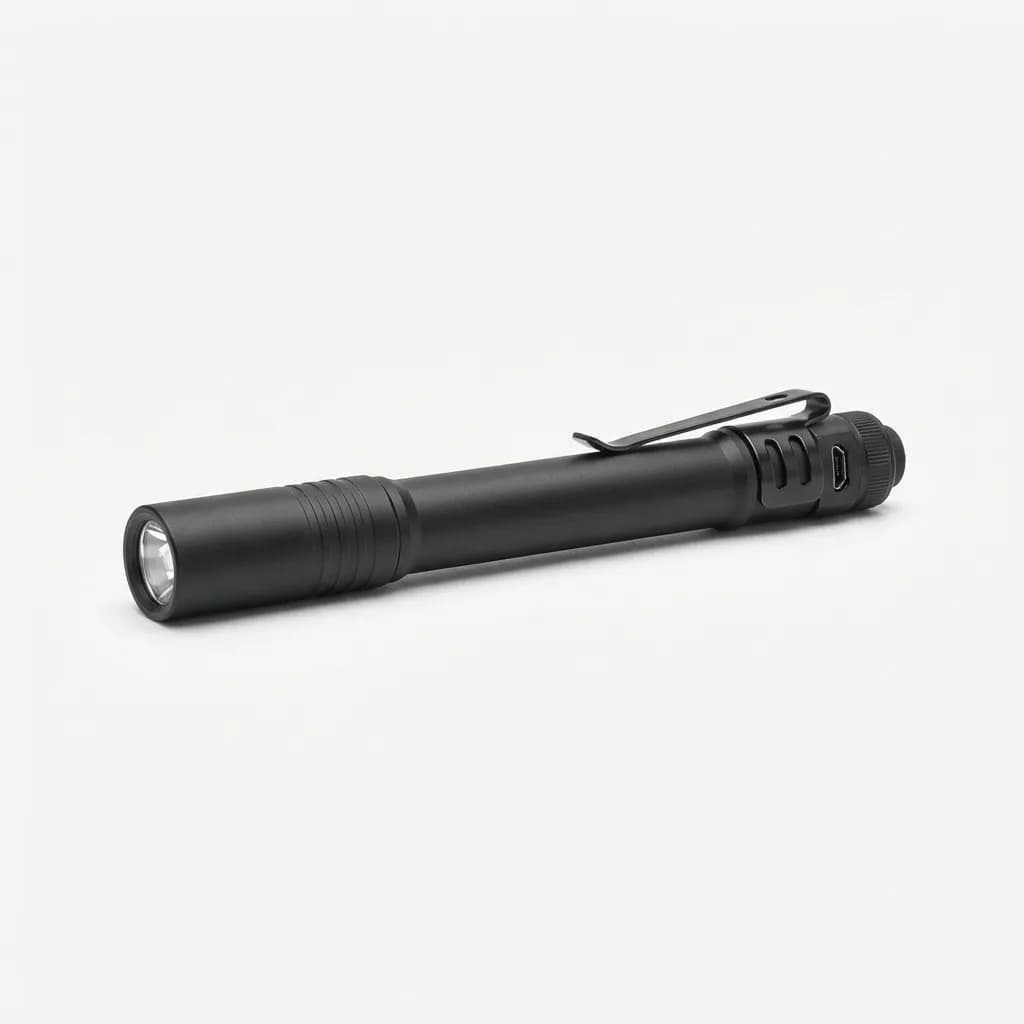
Streamlight Stylus Pro USB Penlight
See current price
Rechargeable 350-lumen LED penlight with USB charging and removable clip. High/low modes, 3.5-hour runtime on high, 20-hour on low. 5.4 inches, 1.6 ounces.
Right-angle headlamps are the upgrade move. They clip to your shirt or cap brim, point where you're looking, and leave both hands free. The Skilhunt H04 and Zebralight H53 are favorites among field techs because they're light enough to forget you're wearing them but bright enough to illuminate a full equipment rack.
The mistake most people make is buying the brightest flashlight they can find. Anything over 500 lumens in a confined space just blinds you with reflections. What you want is adjustable output - high for large areas, low for close-up work - and a neutral or warm color temperature that doesn't wash out wire color coding.
Cable testers and network tools worth carrying
If you support network infrastructure, you need a cable tester that fits in a pocket. Not a full-size certifier - those stay in the truck - but something that confirms continuity and wiring order. A basic RJ45 tester runs $15 and catches reversed pairs or broken conductors in 10 seconds.
The step up is a tone generator and probe set. One end plugs into the cable, transmits a tone, and the other end traces that tone through walls or bundles to identify which cable is which. This saves hours compared to unplugging cables one by one to see what stops working.
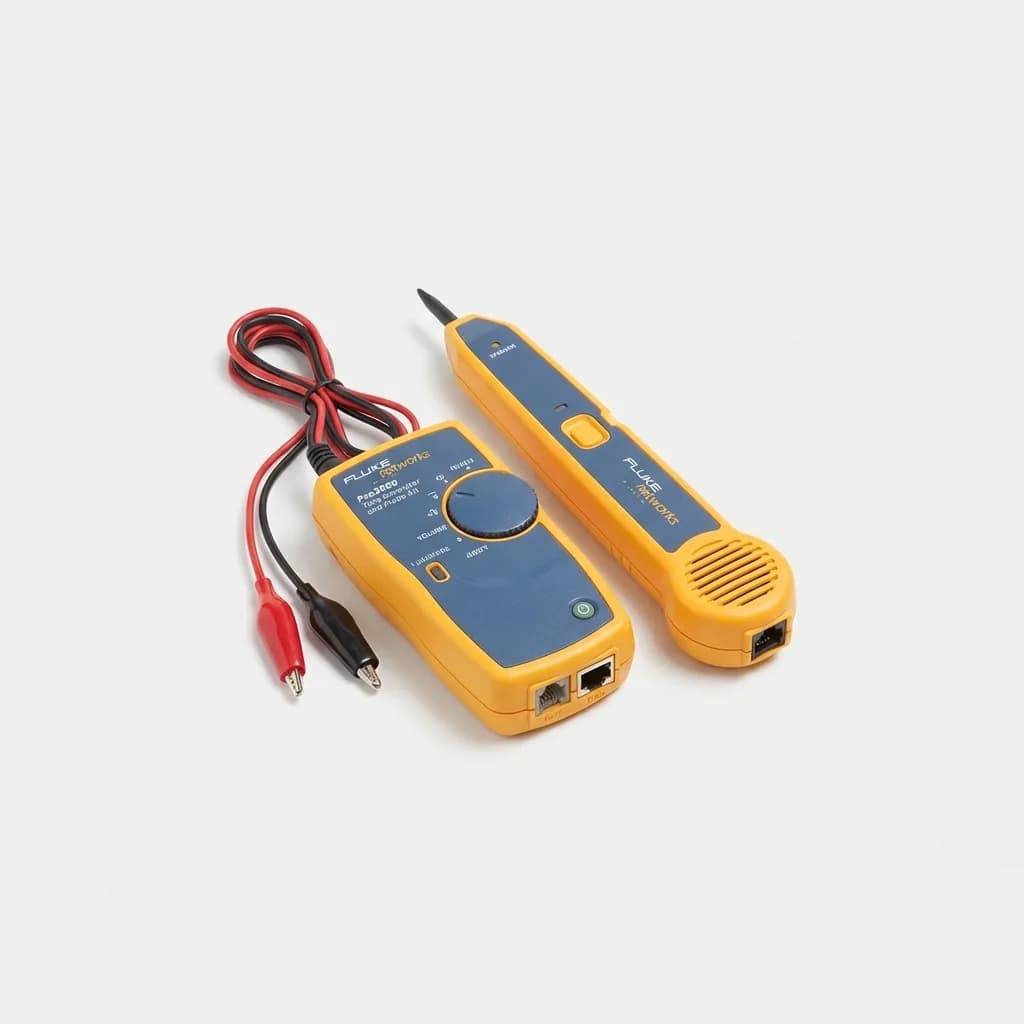
Fluke Networks Pro3000 Tone Generator and Probe Kit
See current price
Analog tone generator with adjustable volume and probe wand for tracing cables through walls and bundles. Tests RJ11 and RJ45, includes alligator clips for bare wire.
For Wi-Fi troubleshooting, your phone does most of what you need. Apps like WiFi Analyzer or NetSpot show signal strength, channel overlap, and access point locations. Dedicated Wi-Fi analyzers exist but they're expensive and your phone is already in your pocket.
The one network tool worth buying beyond basics is a cable crimper if you make your own patch cables. But that's workshop gear, not EDC. For field work, pre-made cables and a tester are faster and more reliable.
What about USB drives and adapters?
You need storage that moves between systems. A small USB drive handles drivers, installers, and recovery tools. 32GB is enough for most use cases. Look for one with both USB-A and USB-C connectors so you're not hunting for adapters.
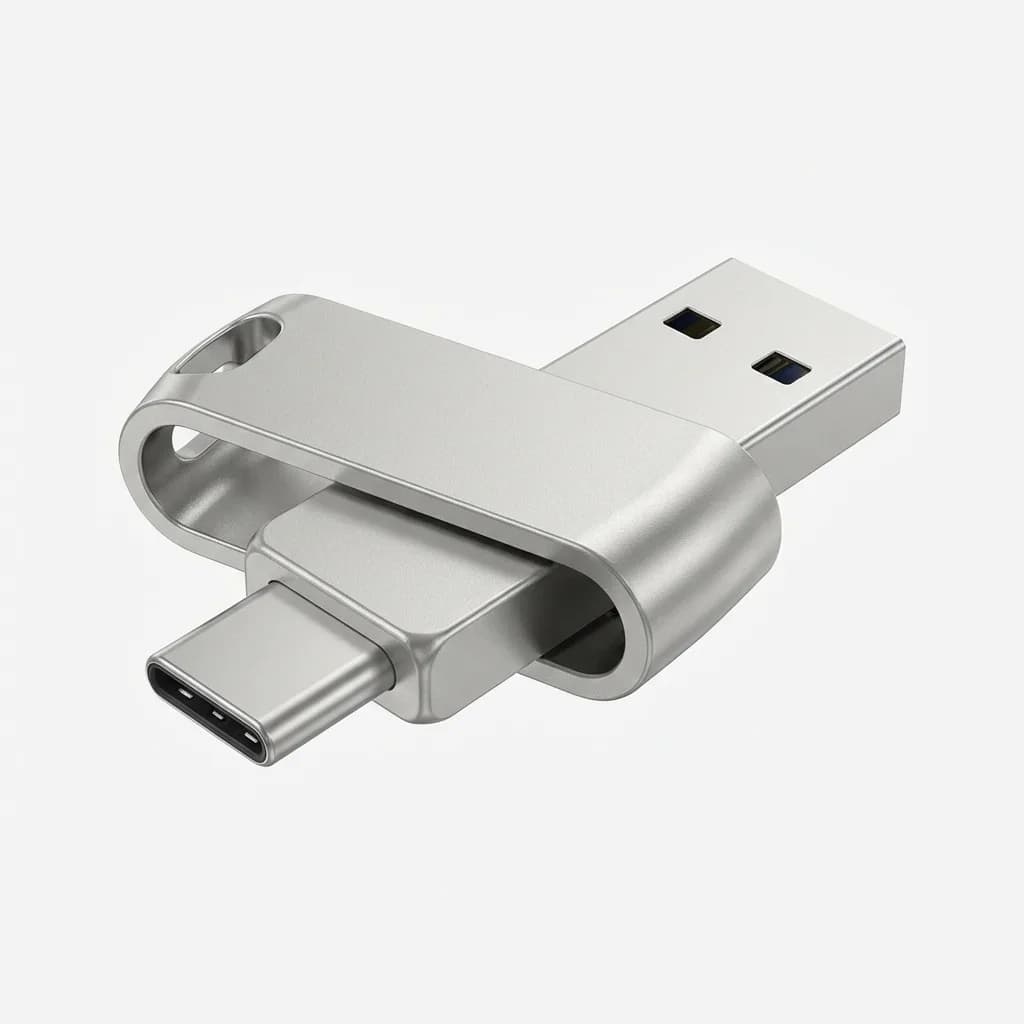
SanDisk Ultra Dual Drive Luxe USB-C
See current price
USB-C and USB-A dual connector flash drive with reversible design. 256GB capacity, USB 3.1 Gen 1 speeds up to 150MB/s. Metal housing, swivel cap protection.
Adapter cables are a gamble. You can carry a dozen different adapters and still not have the one you need. We keep a USB-C to HDMI adapter and a USB-A to Ethernet adapter because those handle the most common "I need to connect this but the port is wrong" situations. Everything else lives in the main bag.
The mistake is trying to prepare for every possible scenario. Your pockets have finite space. Carry what solves recurring problems, not theoretical ones.
How to actually carry all this without looking like a hardware store
Pocket organizers keep tools accessible without creating a lumpy mess. The Maxpedition Micro and Vanquest EDCM-Husky are popular slip organizers that hold a screwdriver set, cable cutters, pry tools, and a small flashlight in a package smaller than a phone.
Cargo pants get mocked but they're functional. Two front pockets for phone and keys, two cargo pockets for tools and cables, back pockets for wallet and notepad. The alternative is a small shoulder bag, but that's one more thing to keep track of during a service call.
Belt pouches work if you're climbing ladders or crawling under desks frequently. Keep one hand free, tools stay put, and you're not emptying pockets every time you crouch down. The trade-off is looking like you're about to fix someone's sprinkler system.
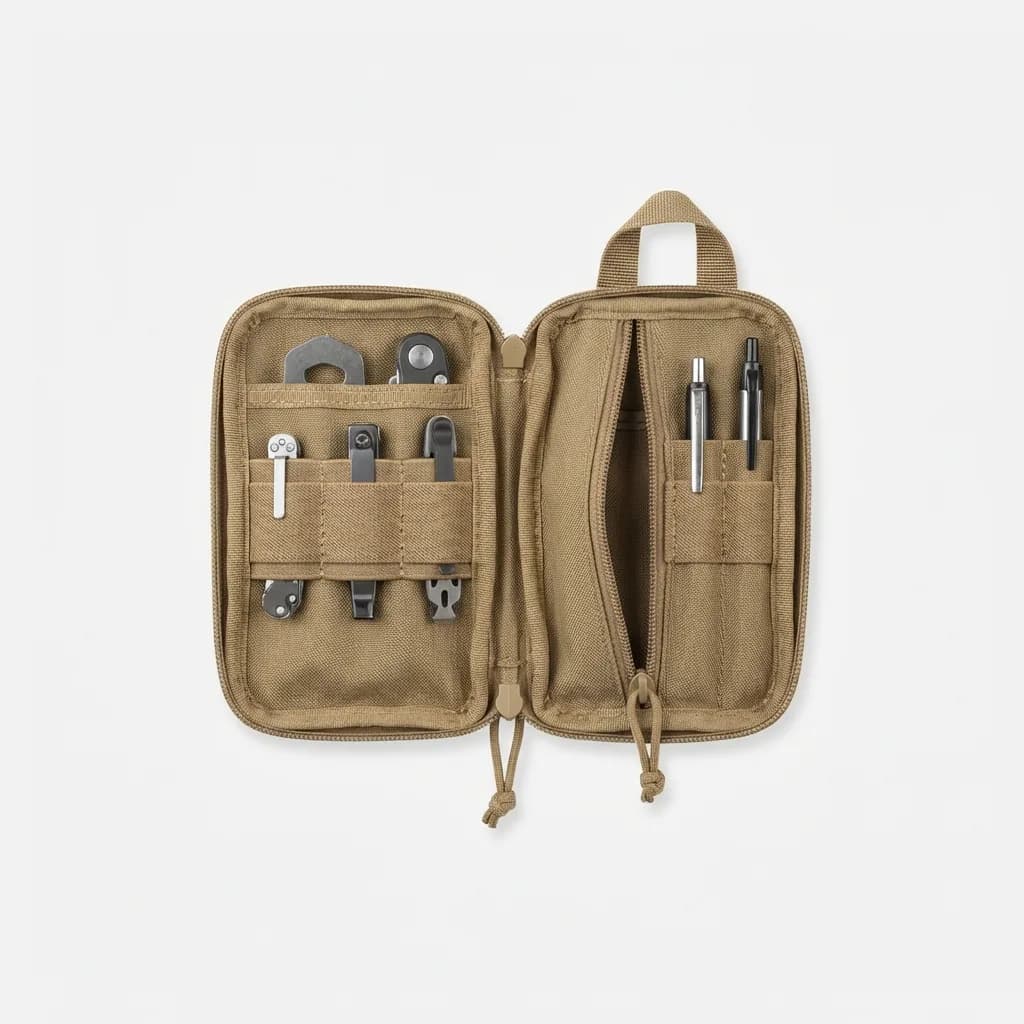
Maxpedition Micro Pocket Organizer
See current price
Compact slip-style tool organizer with elastic loops, zippered pocket, and pen slots. 4x6 inches, 1000D nylon construction, fits shirt or cargo pockets.
The core principle is the same across all carry methods: tools you use multiple times per week stay on your body, everything else stays in the bag or vehicle. Your EDC should handle quick fixes and common tasks. For anything requiring more than five minutes of work, you're going to your main toolkit anyway.
What IT pros actually carry vs. what they think they need
Most field technicians carry too much at first, then pare down to essentials. The process takes 6-12 months of actual use to figure out what earns its space. A precision bit driver gets used daily. A full socket set gets used once a quarter.
Security staff and network engineers have different needs. Security techs need cable testers and crimpers. Sysadmins need USB drives with recovery tools. Desktop support needs precision screwdrivers and pry tools. Build your carry around your actual workflow, not a theoretical scenario.
The tools listed here cover the overlap - what works across different IT roles. Your specific job might need additions. Data center work requires cable management tools and rack keys. Field service might need power tool bits. Help desk support might need nothing but a screwdriver and a USB drive.
Start with the basics: precision screwdriver set, cable cutters, small flashlight, and USB drive. Use those for a month. Then add tools based on what you found yourself needing. The best EDC setup is the one that matches your real patterns, not someone else's recommendation list.
The Weekly Dispatch
Enjoying this article?
Subscribe and get our best gear picks delivered every Sunday morning.
Related Stories
Why Mini Screwdrivers Matter in EDC
Mini screwdrivers handle tasks your multi-tool can't reach. From glasses to electronics, here's why precision matters and which sets deliver real results.
Best RFID Blocking Wallet That Actually Works
RFID blocking wallets promise security, but most are overbuilt gimmicks. We found the ones that balance real protection with everyday usability.
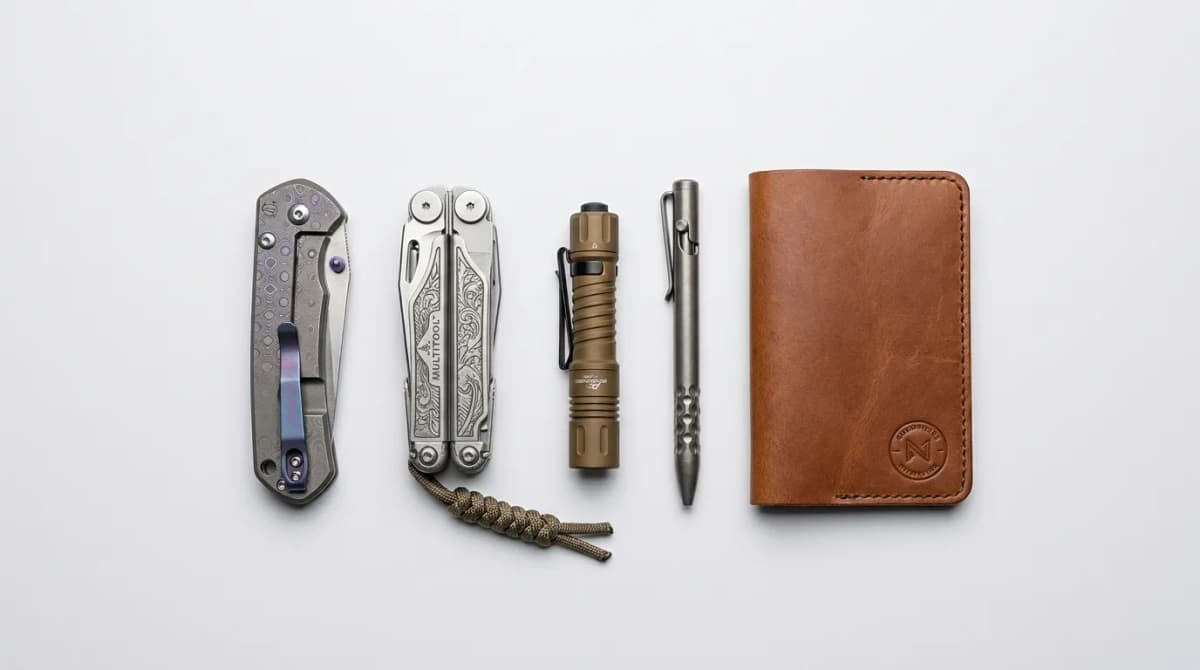
DIY EDC Mods: Personalize Your Everyday Carry Gear
Learn practical DIY modifications for your EDC gear: paracord wraps, anodizing, custom scales, and personalization techniques that improve function and style.