Why Mini Screwdrivers Matter in EDC
Mini screwdrivers handle tasks your multi-tool can't reach. From glasses to electronics, here's why precision matters and which sets deliver real results.
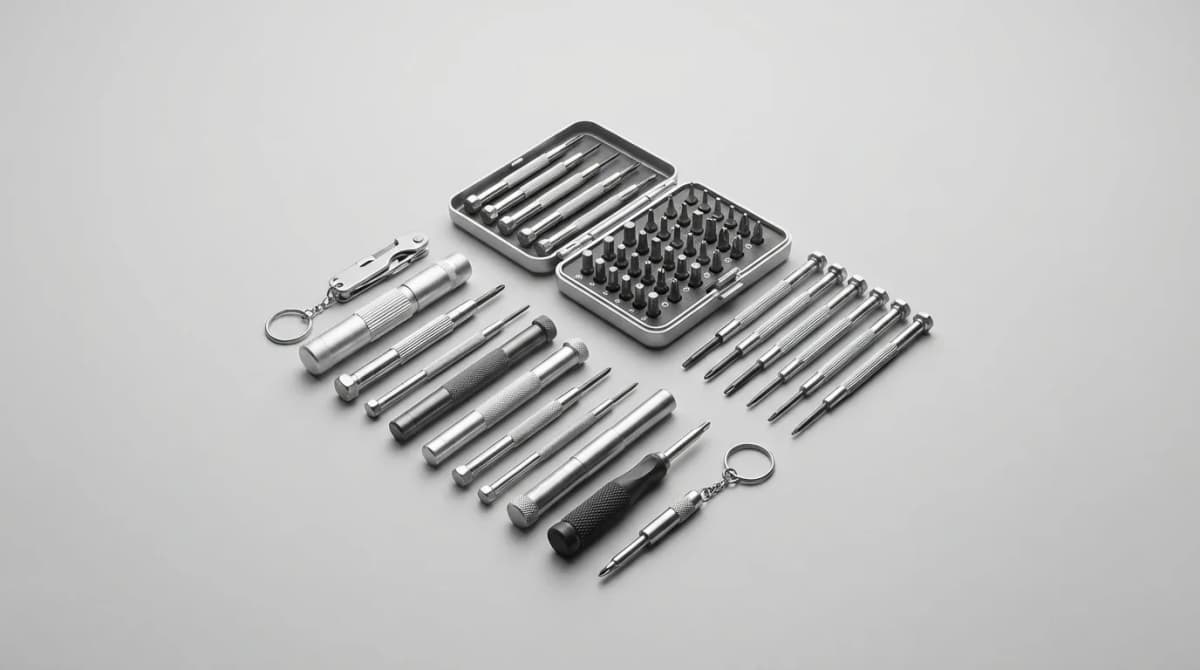
Your multi-tool has a flathead and maybe a Phillips. That covers hinges and battery covers, but it won't touch the recessed screws on your laptop, the tiny fasteners holding your sunglasses together, or the security bits on your kid's toys. A dedicated mini screwdriver fills gaps your knife and pliers can't reach, and it does the job without stripping threads or scratching bezels.
Most people realize they need one after struggling with the wrong tool. The moment you try to adjust eyeglasses with a Leatherman or pry open a phone case with a kitchen knife, you understand why precision screwdrivers exist. They're not backup tools. They're the right tool for jobs that happen more often than you'd think.
What Makes a Mini Screwdriver Worth Carrying
Size is obvious, but fit matters more. A good mini driver has enough handle diameter to generate torque without cramping your fingers. Too thin and you'll slip. Too thick and it won't fit in a pocket organizer or small pouch. The sweet spot is 5-7mm barrel diameter with knurling or a rubber grip.
Bit compatibility separates decent sets from great ones. Standard 4mm bits (the kind most precision sets use) work across brands, which means you can mix kits if you need a specialty bit later. Some manufacturers use proprietary sizes, which locks you into their ecosystem. That's fine if you love the brand, but it limits future upgrades.
Magnetism is non-negotiable. Trying to balance a 2mm screw on a non-magnetic tip while holding a device steady with one hand is maddening. Every decent precision driver magnetizes the bit holder, and higher-end models add a rotating cap so you can apply downward pressure without spinning your fingertip raw.
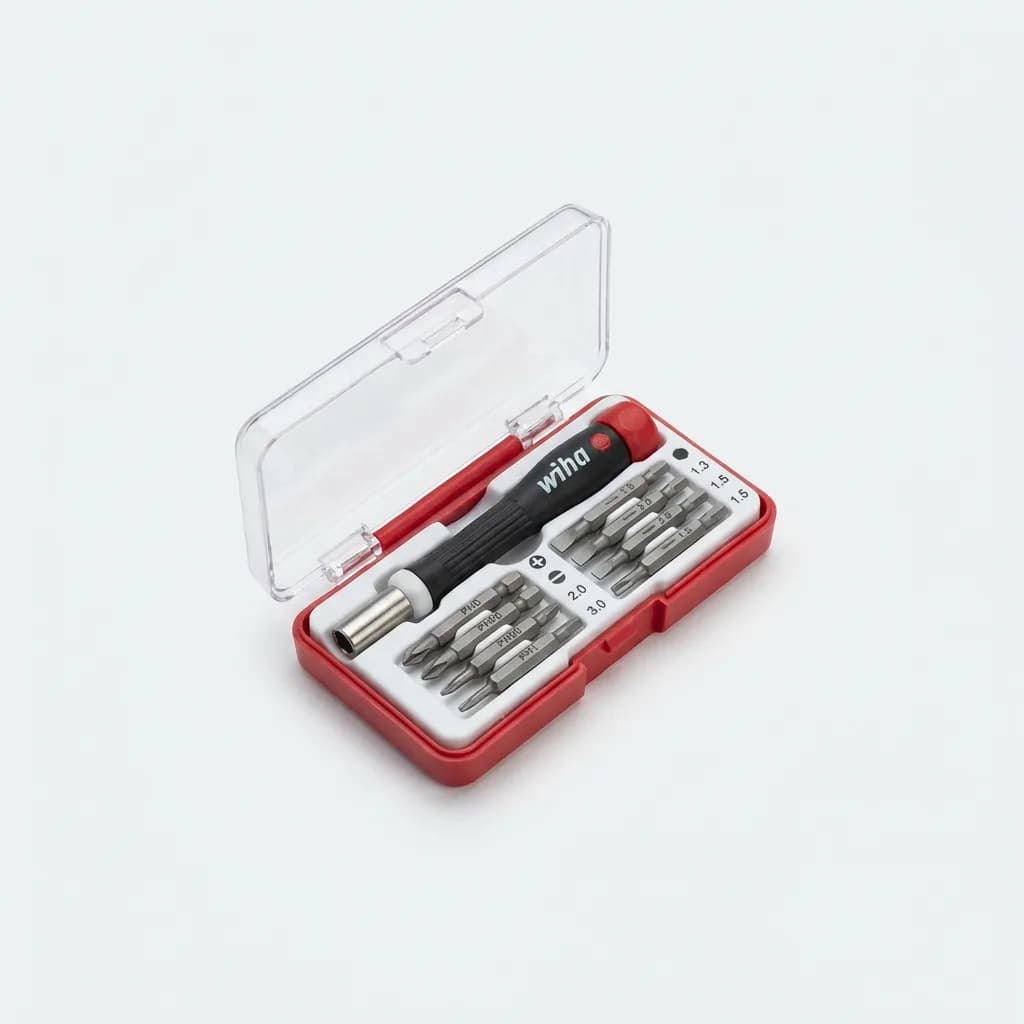
Wiha 75092 Precision Screwdriver Set
$25
Nine piece set with hardened steel bits, rotating cap, and strong magnetism. Covers Phillips, flathead, and hex in compact storage case.
Material quality shows up under stress. Cheap bits round off on the first stuck screw. Quality steel holds edges through dozens of uses and resists cam-out (when the bit pops out of the screw head under pressure). Wiha and Wera use hardened tool steel that outlasts hardware store impulse buys by years.
Tasks That Demand Precision Drivers
Eyeglasses top the list. Hinge screws loosen constantly, especially on wire frames, and standard screwdrivers are too wide to reach recessed heads. A 1.4mm flathead or Phillips #00 tightens them without gouging the frame. Keep one in your car and another at your desk if you wear glasses daily.
Electronics repair used to mean "throw it out and buy new," but modern devices use modular designs with accessible screws. Laptops, phones, game controllers, and headphones all open with the right bits. Pentalobe (Apple), Torx security, and tri-wing fasteners show up constantly. You can't fix what you can't open, and a basic precision set gets you inside most consumer electronics.
Knife maintenance needs more than a Torx set. Pivot screws require careful adjustment to balance blade swing and lock engagement. Clip screws strip easily if you use the wrong size. A dedicated driver with swappable bits lets you tune action without marring hardware or leaving tool marks on show-side scales.
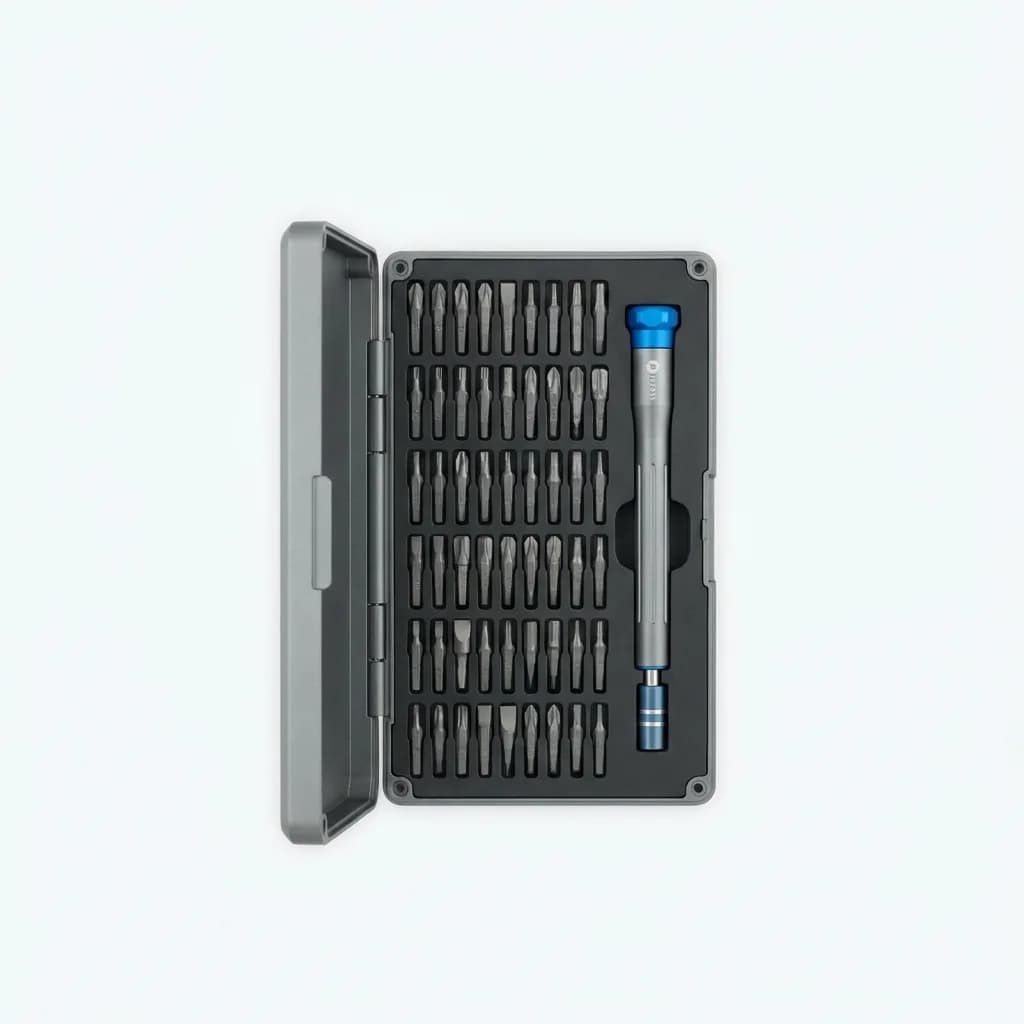
iFixit Mako Driver Kit
$45
64 precision bits including specialty security types. Aluminum driver handle with swivel top and organized magnetic case. Lifetime warranty.
Watch battery swaps save you $15 and a trip to the mall kiosk. Most quartz watches use four small screws on the caseback. A 1.5mm flathead or the right Torx size pops it open in seconds. Swap the battery, press the back on, done. The entire operation takes less time than finding parking at the jeweler.
Household electronics eat batteries and develop loose connections. Remotes, thermostats, smoke detectors, and kids' toys all use tiny Phillips or flathead screws. A mini driver lives in a kitchen drawer or junk drawer and handles these tasks faster than digging through a full toolbox.
How to Choose Your First Set
Start with a bit set, not individual drivers. You don't know which sizes you'll need until you start using them, and a 20-30 piece kit covers common tasks without overbuying. Look for Phillips #00, #0, and #1, flathead 1.5mm to 3mm, and Torx T4 through T10. That handles 90 percent of what you'll encounter.
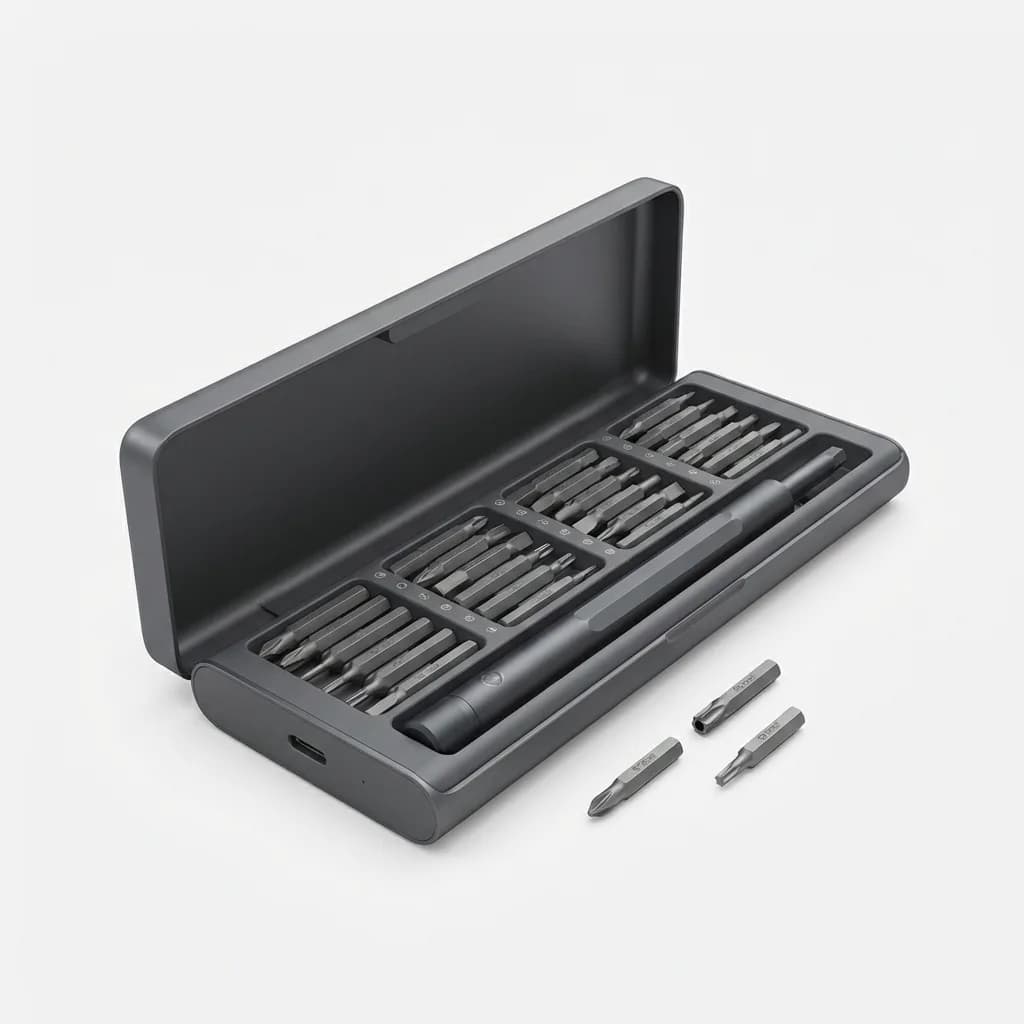
Xiaomi Mijia Wiha Precision Screwdriver Set
$20
24 bits with aluminum alloy driver, magnetic storage case, and S2 steel construction. Covers common and security bits at budget price.
Compact vs. full-handle drivers is a tradeoff between portability and leverage. Keychain drivers like the Real Avid Micro Tool fit anywhere but offer minimal grip. Mid-size drivers (4-5 inches) balance pocket carry with enough handle to generate real torque. Full-size precision drivers match the length of standard screwdrivers but lose the "pocket tool" advantage.
Case design affects whether you'll actually carry it. Plastic clamshells protect bits but add bulk. Roll-up pouches compress flat but don't secure bits as firmly. Hard-sided zipper cases split the difference and survive being tossed in a bag without spilling bits everywhere. Some kits use magnetic bit rails inside a metal case, which looks clean but adds weight.
Brand reputation correlates with durability. Wiha, Wera, and iFixit charge more because their bits last. Generic Amazon sets work fine for occasional use but won't survive weekly repairs. If you're opening devices regularly, buy once and skip the replacements.
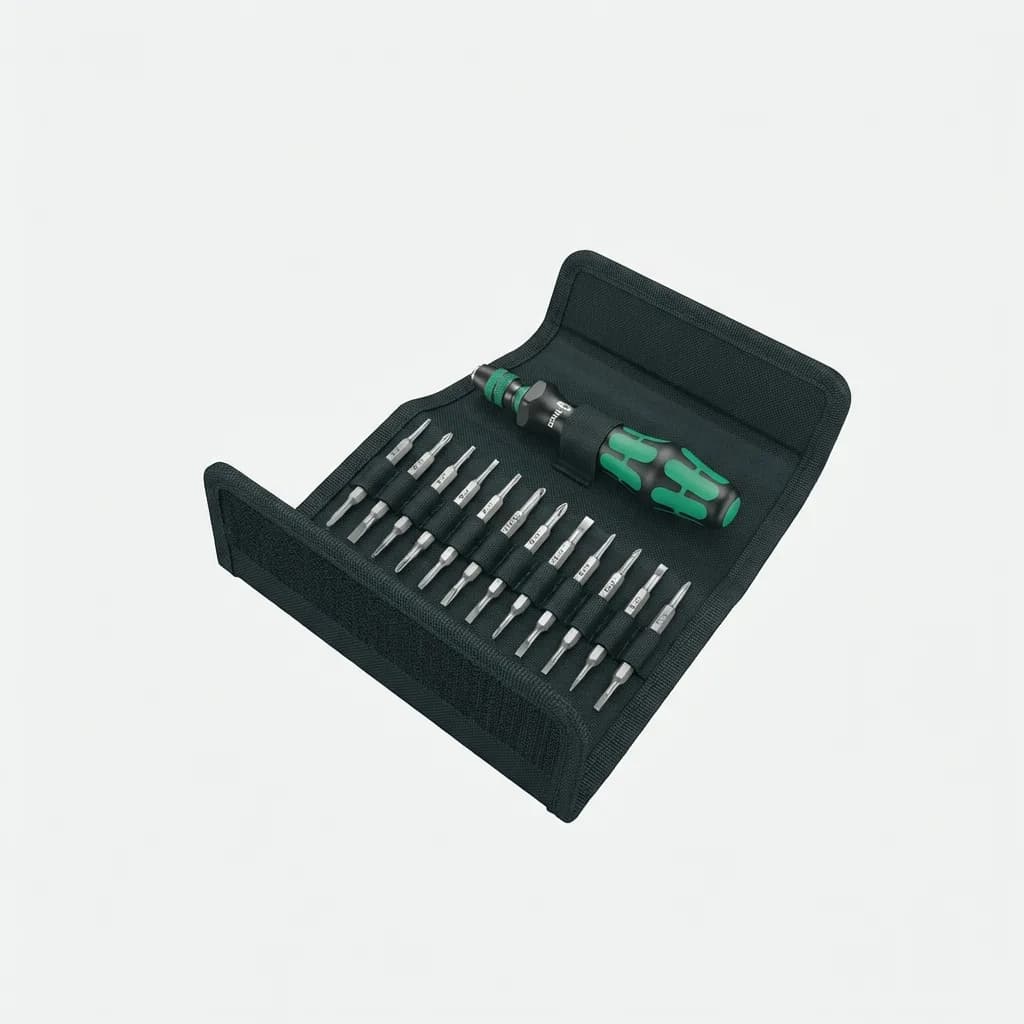
Wera Kraftform Micro 12 Piece Precision Set
$35
German-engineered micro screwdriver with 12 interchangeable blades. Rapidaptor quick-change chuck and Lasertip anti-slip technology.
Common Mistakes People Make
Using the wrong bit size strips screws faster than anything else. Phillips bits come in #000, #00, #0, #1, and #2, and they're not interchangeable. A #1 bit in a #00 screw rounds the head instantly. Same with flatheads - using 2mm in a 1.5mm slot chews up the screw and the bit. Match the size exactly or move to the next task.
Over-torquing tiny screws cracks housings and strips threads. Electronics use soft metals (brass, aluminum alloys) that deform under excessive force. If a screw doesn't seat with light pressure, something's wrong. Back it out and check for crossed threads or debris. Forcing it guarantees damage.
Skipping magnetization costs you time and screws. Even magnetic bits lose their charge eventually. A $10 magnetizer/demagnetizer block restores pull in seconds and works on any steel tool. Keep one in your toolbox or next to your precision set.
Ignoring security bits limits your repair options. Torx security (the ones with a center pin), pentalobe, tri-wing, and spanner bits show up on game consoles, Apple devices, and tamper-resistant products. A basic set won't include these. Add them when you need them, but know they exist so you don't assume something's unrepairable.
Advanced Options for Serious Use
Ratcheting precision drivers speed up repetitive tasks. The Vessel Megadora or Klein Tools 32288 add a ratchet mechanism to a compact handle, letting you turn screws without repositioning your grip. They're bulkier than simple bit drivers but worthwhile if you disassemble devices frequently.
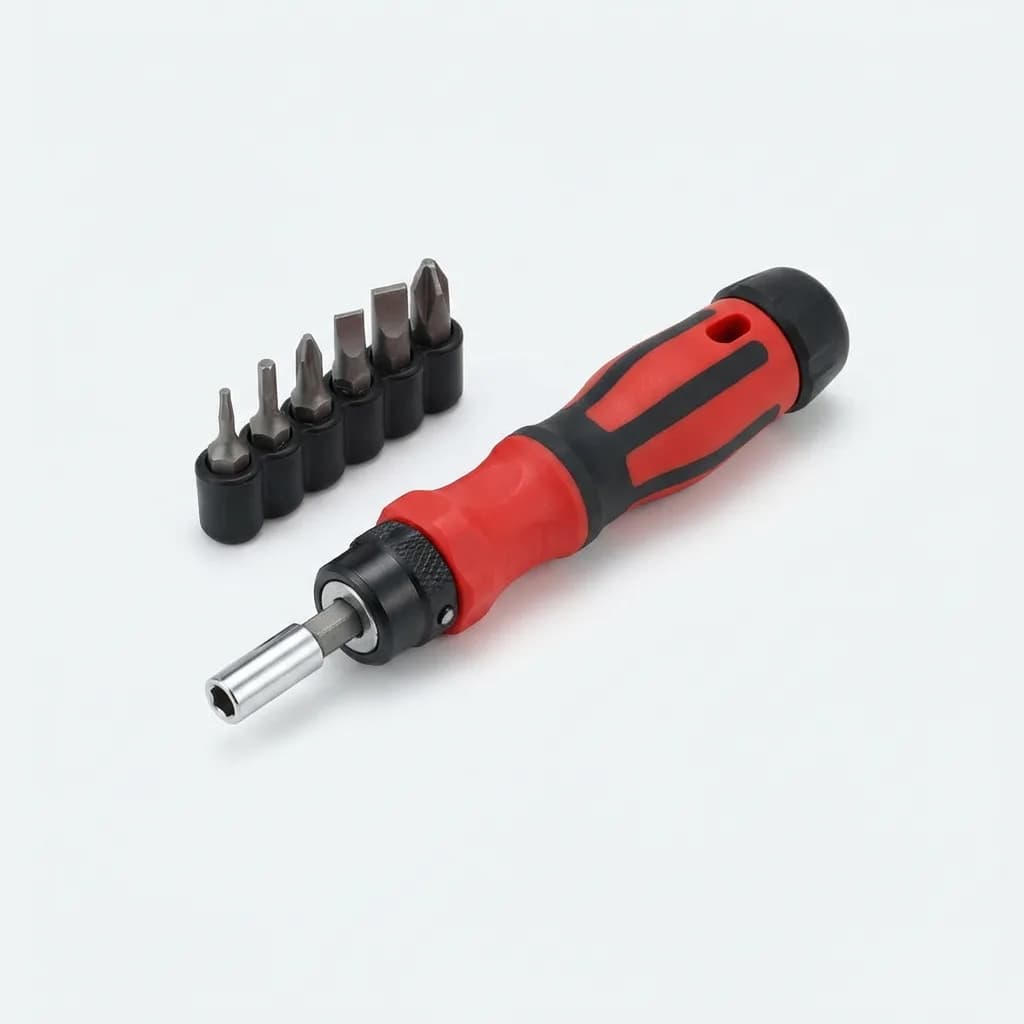
Vessel Megadora 980 Ratcheting Precision Screwdriver
$30
36-gear ratchet mechanism in compact driver body. Six included bits with magnetic holder. Made in Japan with lifetime warranty.
Electric precision drivers make sense for high-volume work. The Xiaomi Wowstick or iFixit Mahi handle jobs like opening 20 laptops in a row without wrist fatigue. They're overkill for casual EDC but transform workflows for repair techs or hobbyists who mod devices regularly.
Modular bit storage systems let you build a custom set. Bit holders from Wiha, Wera, and Klein Tools accept standard 4mm bits, so you can cherry-pick sizes and types instead of buying complete sets. This matters once you know exactly which bits you use and which collect dust.
Torque-limiting drivers prevent over-tightening delicate screws. These specialty tools click or slip at preset torque values (measured in inch-ounces). They're niche, but if you work on vintage cameras, musical instruments, or aerospace models, they're worth the investment.
How to Integrate Mini Drivers Into EDC
Pocket carry works if you pick the right format. Keychain drivers like the Gerber Shard or True Utility ScrewDriver clip to key rings and handle emergency fixes. They won't replace a full set, but they're always there when you need to tighten glasses or swap a watch battery on the go.
Desk drawer redundancy saves trips to your bag. Keep a basic 10-piece set in your work desk, another at home, and a third in your car. Precision screwdrivers are cheap enough that duplicates make sense, and you'll actually use them if they're within arm's reach.
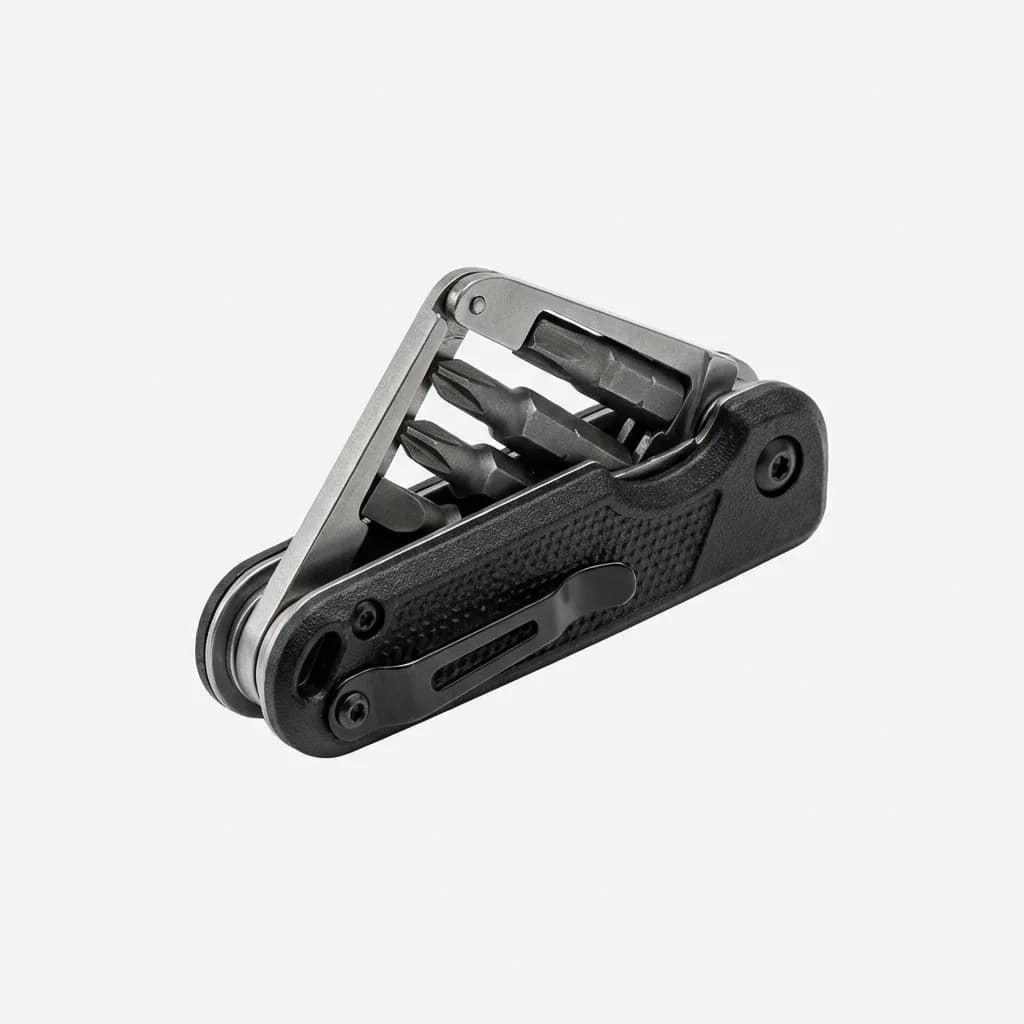
Gerber GDC Zip Driver
$15
Ultra-compact 12-bit driver with fold-out design. Pocket clip and lanyard hole. Weighs under 1oz with included bits stored in handle.
Pairing with a multi-tool creates a complete repair kit. A Leatherman Wave handles heavy fasteners and wire cutting, while a mini driver set tackles fine work. Together they cover tasks from changing a tire to adjusting a door hinge to opening a phone. Neither replaces the other.
What Precision Screwdrivers Won't Do
They're not pry bars. Thin driver shafts bend under lateral force, and using them to pop clips or separate glued assemblies ruins tips and risks injury when they slip. Use a proper spudger or guitar pick for prying.
They don't replace full-size drivers for structural work. Furniture assembly, appliance repair, and anything involving wood or drywall needs standard screwdrivers with real handles. Precision drivers excel at small fasteners in tight spaces, not high-torque applications.
They won't make you a repair expert. Opening a device is step one. Knowing which connector to unplug, where the adhesive hides, and how to reassemble without extra screws requires research or experience. iFixit's free repair guides help, but precision drivers are just the entry tool.
The Bottom Line
A mini screwdriver set costs less than two movie tickets and solves problems daily. Tightening loose glasses, swapping device batteries, and making minor repairs used to mean finding the right specialist or improvising with the wrong tool. Now you carry the solution.
Start with a 20-30 piece set from a reputable brand. Use it for a month and you'll know which bits you need more of and whether you want upgrades like a ratcheting handle or electric driver. Most people stop at the basic set because it covers everything they encounter.
The best EDC tools are the ones you forget you have until you need them. Mini screwdrivers fit that category perfectly. They take up less space than a pack of gum, weigh almost nothing, and turn 10-minute frustrations into 30-second fixes. That's worth carrying.
The Weekly Dispatch
Enjoying this article?
Subscribe and get our best gear picks delivered every Sunday morning.
Related Stories
Best Pocket Tools for Apartment Maintenance
You don't need a full toolbox for apartment fixes. These pocket-sized tools handle loose screws, furniture assembly, and quick repairs without taking up drawer space.
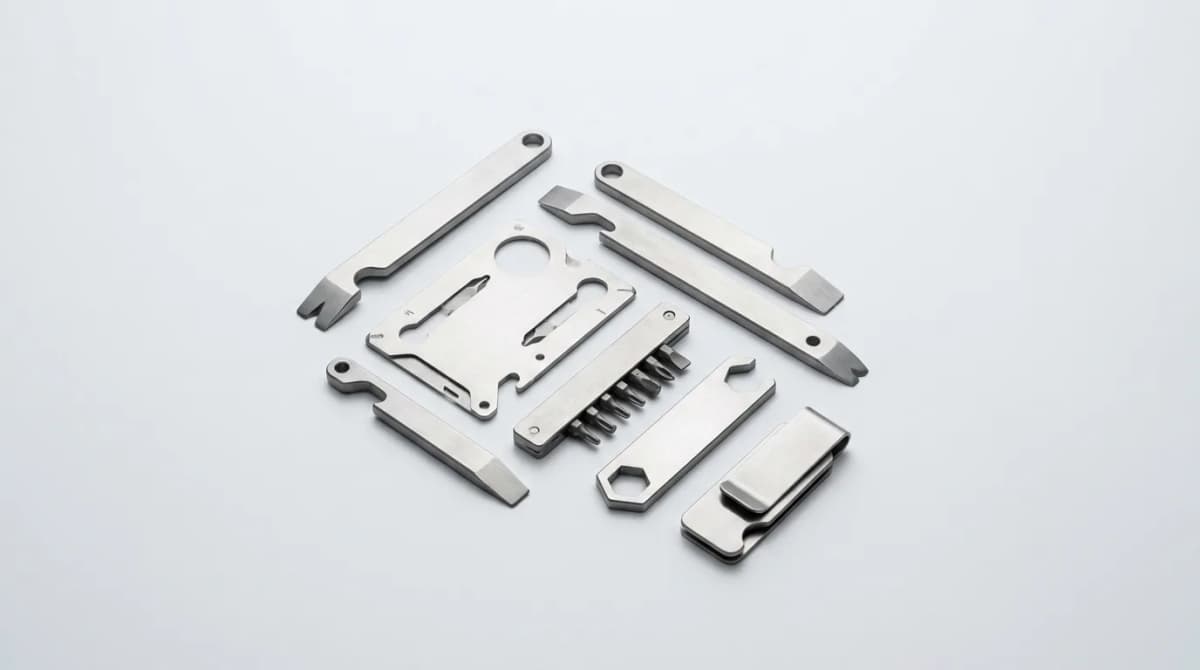
Best Flat EDC Tools for Minimal Carry
Flat EDC tools deliver pry bars, bit drivers, and wrenches in a profile thinner than two credit cards. Here's what actually works in your wallet.
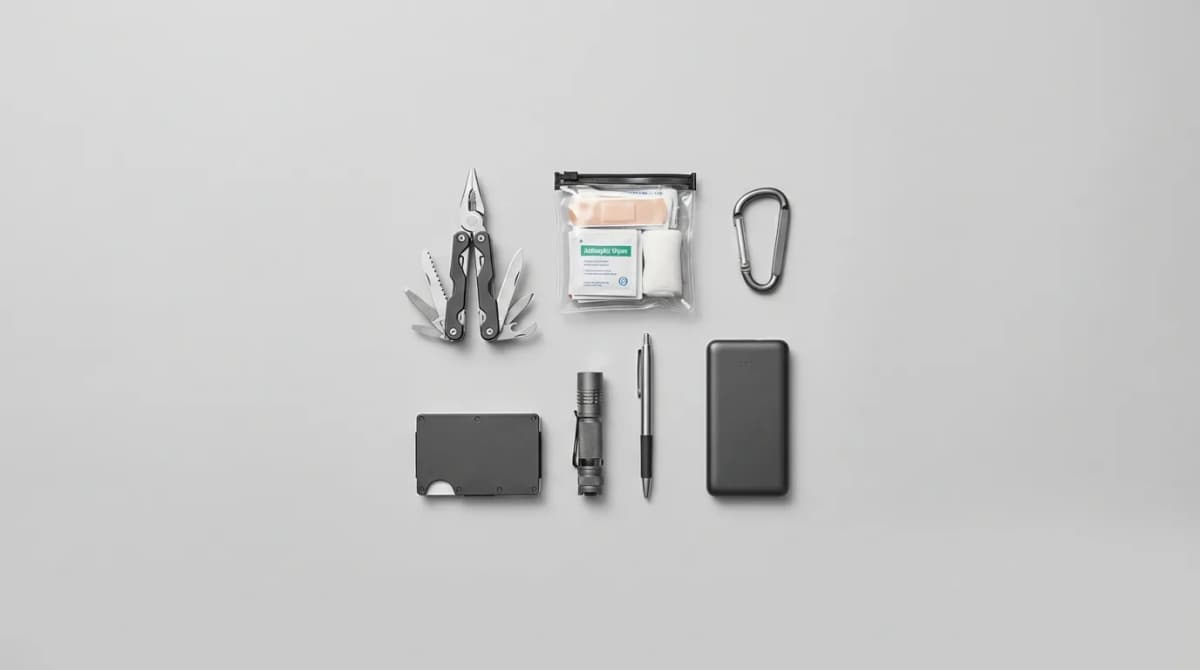
EDC for Parents: Gear That Saves Your Day
The right pocket gear turns parenting chaos into manageable moments. Here's what actually works when you're juggling kids, schedules, and surprise messes.