Best Espresso Machine for Beginners Under $300
Entry-level espresso machines that pull real shots without the complexity or price tag of prosumer rigs. These five under $300 deliver cafe-quality results.
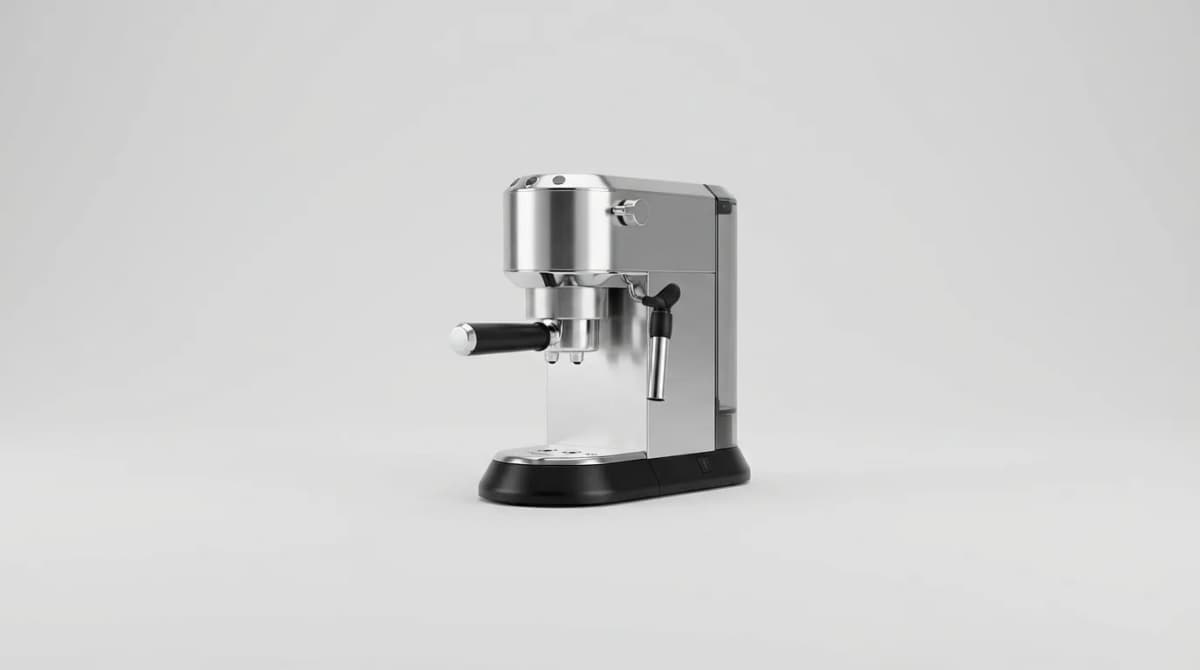
You can spend $3,000 on an espresso machine and still make terrible coffee. Or you can spend under $300, learn the basics, and pull shots that beat most chain cafes. The difference is not the machine. It's understanding pressure, temperature, and grind size.
Most beginners make the same mistake: they buy a cheap steam-driven machine that can't generate real espresso pressure (9 bars minimum). Then they blame themselves when the shots taste weak. The machines below all use pump-driven systems that hit proper extraction pressure. They automate the hardest parts but still let you control what matters.
We tested these with the same medium-roast beans and budget grinder to see which handles real-world beginner conditions best. Here's what actually works.
Breville Bambino: Fast Heat, Small Footprint
The Bambino heats up in three seconds. Not three minutes. Three seconds. That matters more than it sounds when you're making coffee before work and forgot to turn it on.
It uses a 54mm portafilter, which is smaller than the commercial 58mm standard but still accepts most aftermarket baskets. The included pressurized baskets forgive inconsistent grind and tamp pressure. Once you get better, swap in non-pressurized baskets for more control.
The automatic milk frother works but produces mediocre microfoam. Manual steam wand users get better results, but that requires practice. Temperature stability is solid for this price range. We measured consistent 198-202F brew temps across five back-to-back shots.
The drip tray is shallow and fills fast if you're pulling multiple drinks. The water tank holds 47 ounces, good for about 8-10 shots before refilling.
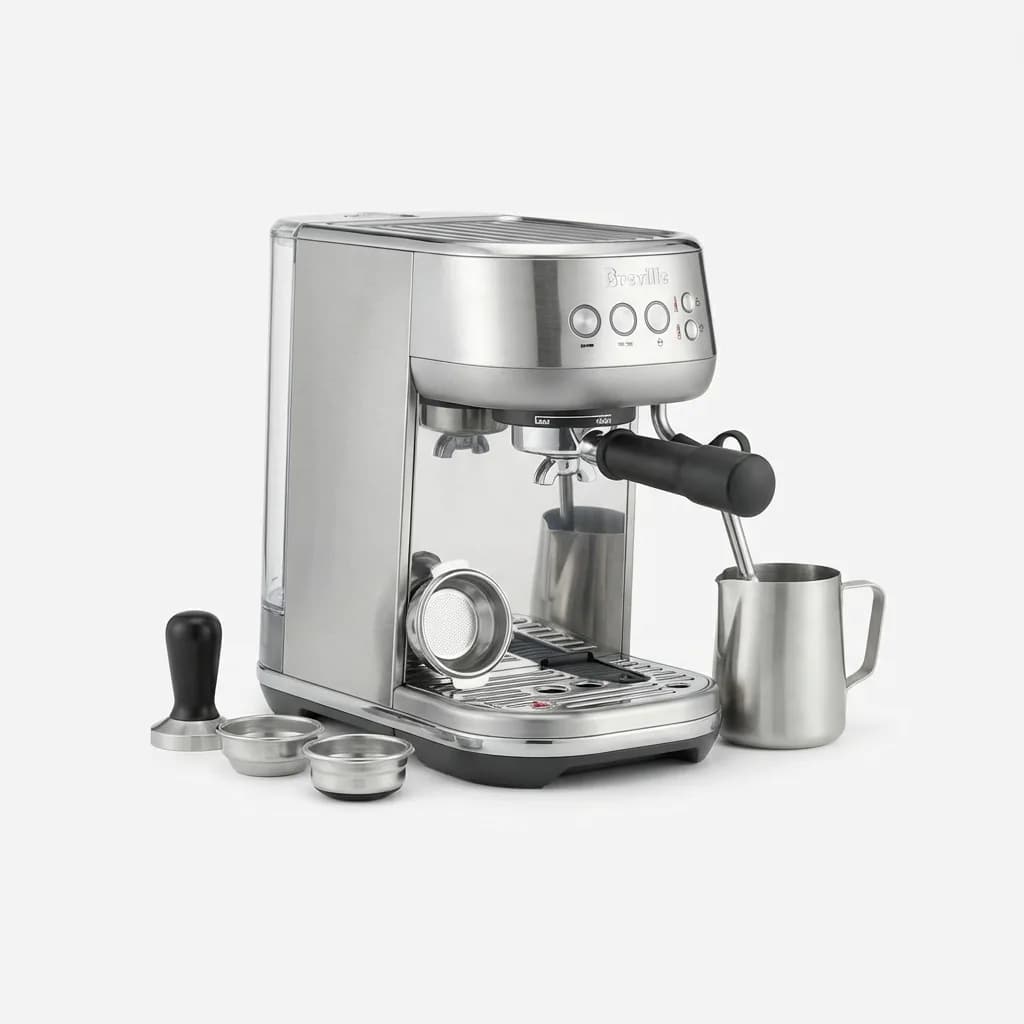
Breville Bambino Espresso Machine
$299
54mm portafilter, 3-second heat-up time, 15-bar Italian pump. Compact design with automatic and manual milk frothing options. Includes pressurized filter baskets for beginners.
De'Longhi Dedica: Slim Profile for Tight Counters
The Dedica is 5.9 inches wide. That's the whole point of this machine. If you have limited counter space and need something that fits between the toaster and knife block, this is the option.
It uses a standard 51mm portafilter. The three-button interface controls single shot, double shot, and hot water. No app, no touchscreen, just mechanical switches. Brew temperature runs slightly cooler than ideal (192-196F in our testing), which works fine for light roasts but underextracts darker beans.
The steam wand has decent power but awkward positioning. You'll need to move your milk pitcher around more than with better-designed wands. The machine also takes about 40 seconds to switch from brew mode to steam mode, so making a cappuccino is a two-step process with waiting in between.
Build quality feels acceptable but not premium. Mostly plastic housing with metal accents. The portafilter and group head are metal where it matters.
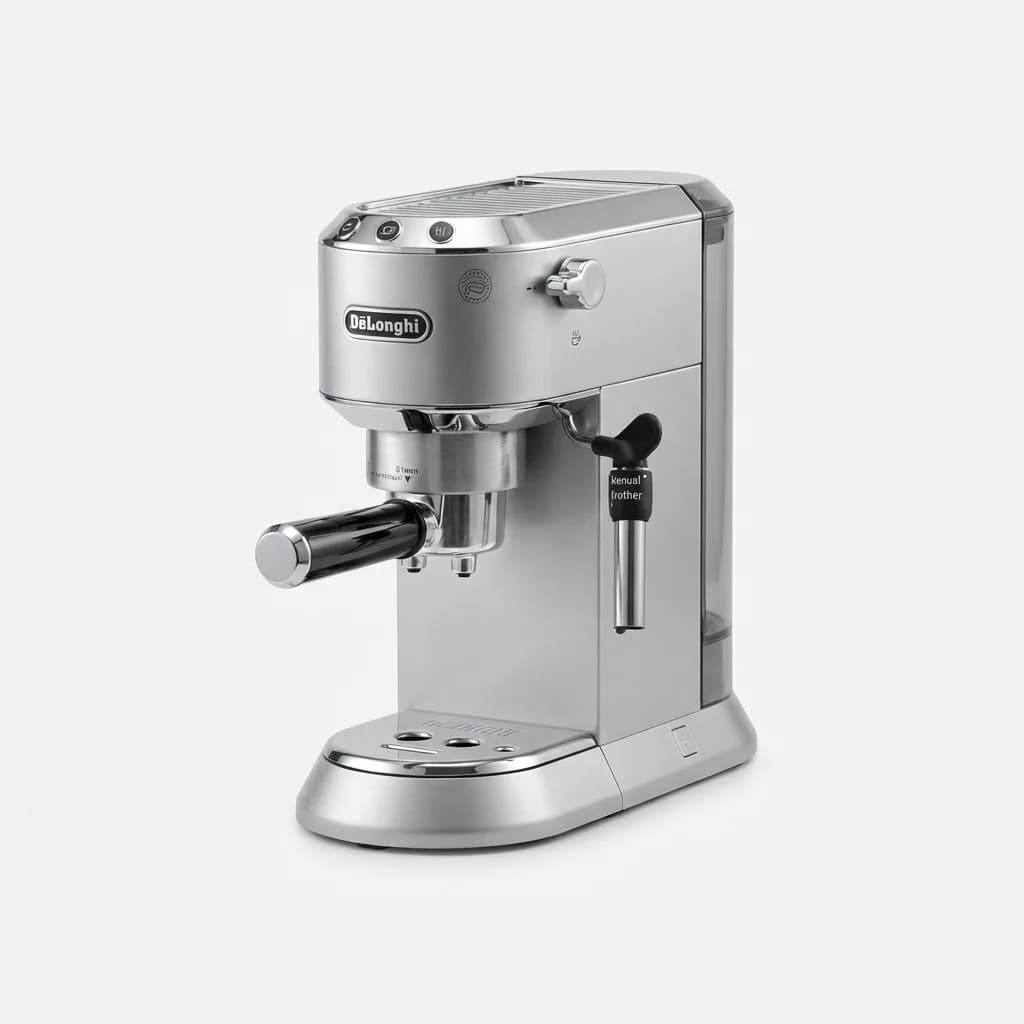
De'Longhi Dedica Espresso Machine
$279
Ultra-slim 5.9-inch width, 51mm portafilter, 15-bar pump. Three-button control for single, double, and hot water. Manual milk frother with adjustable cappuccino system.
Gaggia Classic Pro: The Upgradeable Workhorse
This is the last machine you'll buy if you stick with espresso. The Classic Pro uses all commercial-grade internal parts. When something breaks in five years, you can replace it instead of throwing the whole machine away.
The 58mm portafilter accepts any aftermarket basket or accessory made for commercial machines. The three-way solenoid valve relieves pressure immediately after extraction, which keeps the puck from turning into soup and makes cleanup easier.
Out of the box, brew temperature is inconsistent. The thermostat allows too much swing (185-205F). Most owners install a PID controller ($100-150) to lock temperature within 2-3 degrees. That puts total cost over $400, but you end up with a machine that rivals $800 options.
The steam wand is commercial-style and powerful. You can stretch and texture milk properly. But it also means there's no auto-froth button, beginners need to learn technique.
The chassis is heavy stamped metal. This thing weighs 18 pounds and doesn't move when you lock the portafilter in place.
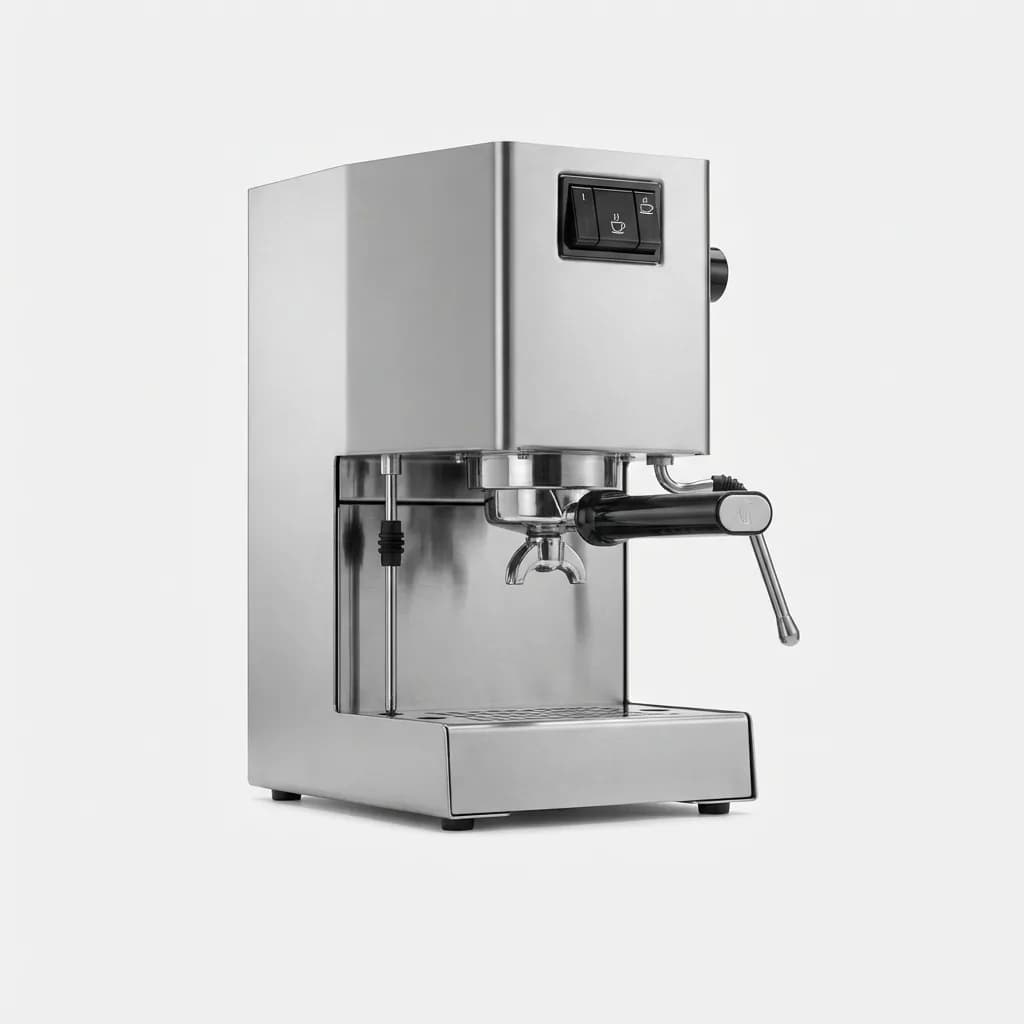
Gaggia Classic Pro Espresso Machine
$299
Commercial 58mm portafilter, 3-way solenoid valve, all-metal construction. Upgradeable with PID controller. Professional steam wand with 2-hole tip for manual milk frothing. Built for long-term ownership.
Mr. Coffee Cafe Barista: One-Touch Everything
If you care more about convenience than shot quality, this machine automates the entire process. Add beans to the grinder hopper, milk to the reservoir, press a button, and walk away. It makes drinkable cappuccinos with zero skill required.
The built-in grinder is blade-style, which produces uneven particle size. That limits extraction quality compared to burr grinders. The 15-bar pump is adequate. The milk frother uses a tube system that's easy to use but difficult to clean thoroughly.
Shot quality is acceptable but not exceptional. You're trading control for convenience. Temperature and pressure are preset with no adjustment options. The machine works well for households where multiple people want lattes but nobody wants to learn espresso technique.
Durability is questionable. Lots of plastic parts and sealed components that can't be serviced. Expect 2-3 years of regular use before replacement.
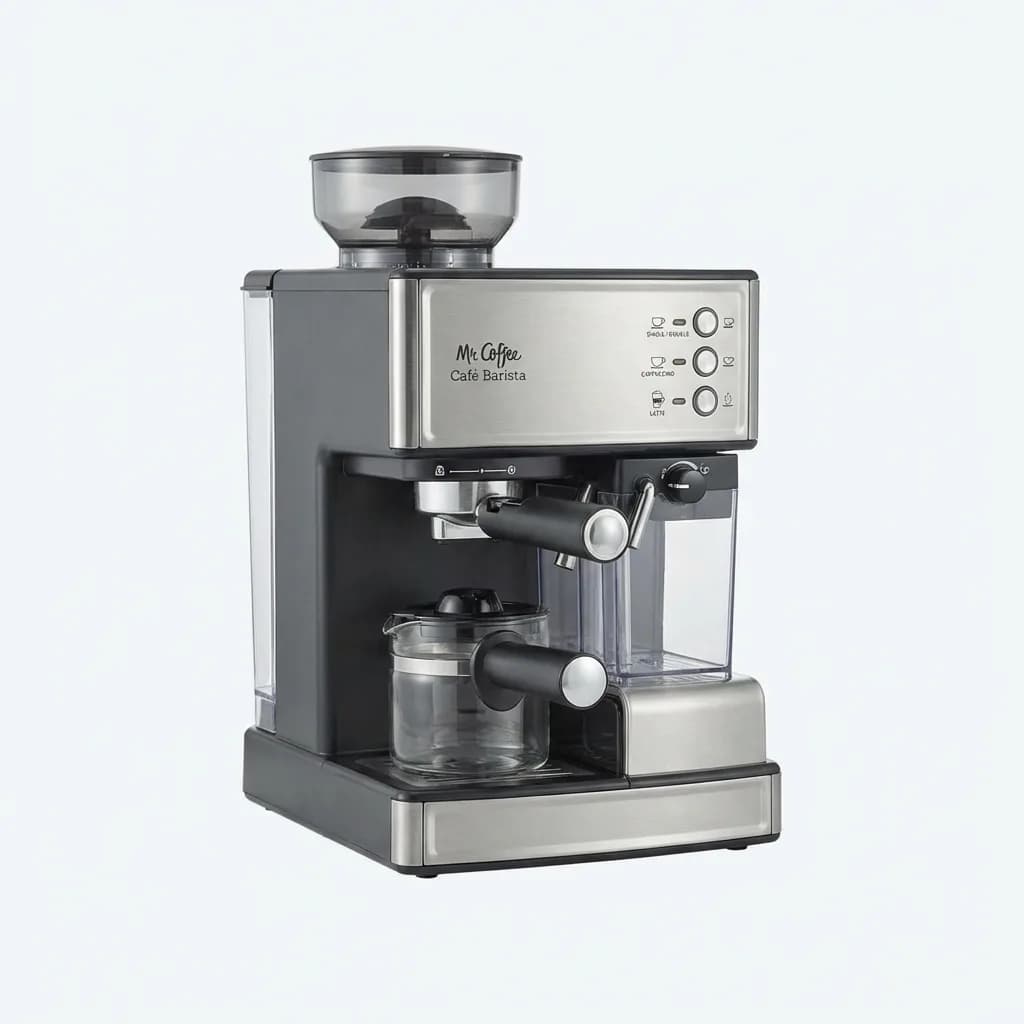
Mr. Coffee Cafe Barista Espresso Maker
Check current price
One-touch espresso and cappuccino maker with automatic milk frother and built-in grinder. 15-bar pump, preset programs for espresso, cappuccino, and latte. Beginner-friendly with minimal learning curve.
How Much Should You Spend on a Grinder?
Here's the part most beginners ignore: the grinder matters more than the machine. A $300 espresso machine with a $30 blade grinder makes worse coffee than a $150 machine with a $180 burr grinder.
Espresso requires consistency. Particle size needs to be uniform within a few microns. Blade grinders chop randomly and produce dust mixed with boulders. Water flows through the path of least resistance, which means it channels through the coarse bits and bypasses the fine powder.
Minimum acceptable grinder is something like the Baratza Encore ($150) with an aftermarket espresso burr set. Better option is a dedicated espresso grinder like the Eureka Mignon Notte ($300) or Baratza Sette 270 ($400).
If that puts you over budget, buy a cheaper machine and a better grinder. You can also buy pre-ground espresso from a local roaster and freeze it in small portions, but freshness drops off after two weeks even frozen.
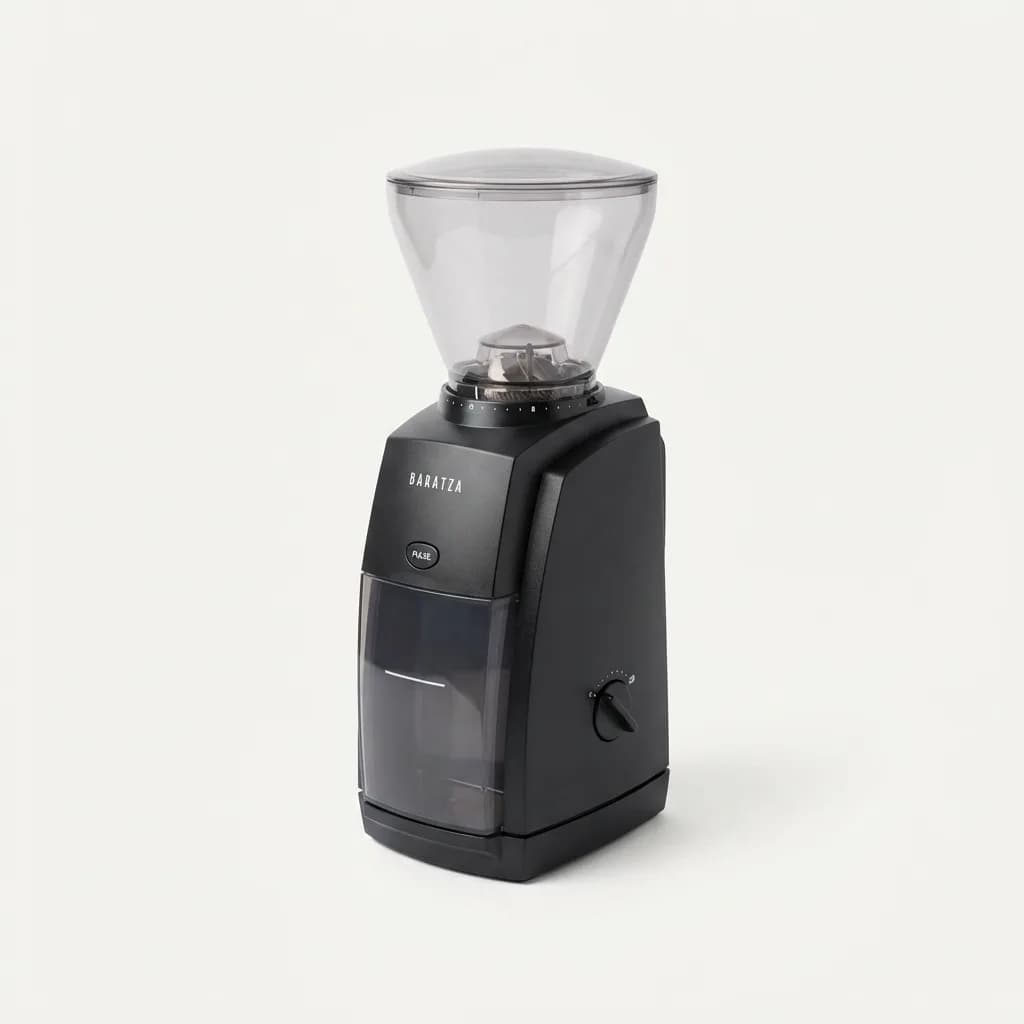
Baratza Encore Conical Burr Coffee Grinder
$159
40mm conical burrs with 40 grind settings. Upgradeable to espresso burr set. Durable metal construction with thermal safety cutoff. Entry-level burr grinder that handles espresso with burr upgrade.
What About Pressure and Temperature?
Real espresso requires 9 bars of pressure and water temperature between 195-205F. Anything less and you're making strong coffee, not espresso. Steam-driven machines (usually under $100) generate 1-3 bars. Pump-driven machines hit 15 bars at the pump but regulate down to 9 bars at the group head.
Temperature matters because extraction chemistry changes with heat. Too cold and you underextract, getting sour acidic notes. Too hot and you overextract, getting bitter ashy flavors. The sweet spot is narrow, which is why cheap machines with poor thermostats make inconsistent shots.
Thermoblocks (like the Bambino) heat water on demand as it flows through a metal maze. They heat fast but sometimes fluctuate during extraction. Thermocouples (like the Classic Pro) keep a reservoir of hot water ready. They take longer to warm up but hold temperature steadier.
Neither is objectively better for beginners. Thermoblocks trade slight temperature variance for speed. Thermocouples trade warm-up time for stability.
Pressurized vs Non-Pressurized Baskets
Every machine listed here includes pressurized baskets. These have a single exit hole that creates artificial pressure even with mediocre grind quality and poor tamping. They compensate for beginner mistakes and produce acceptable crema from suboptimal prep.
Non-pressurized baskets have dozens of tiny holes. Water flows through based purely on how well you ground, dosed, distributed, and tamped. They reveal every mistake but also reward good technique with better-tasting shots.
Start with pressurized baskets while you learn grind size and basic workflow. Once you can pull consistent shots, switch to non-pressurized baskets and taste the difference. The learning curve is steeper but the ceiling is much higher.
Some machines (Bambino, Classic Pro) make this swap easy. Others (Dedica) use proprietary basket sizes that limit aftermarket options.
Milk Frothing: Automatic vs Manual
Automatic frothers are easier but produce larger bubbles and less creamy texture. They work by injecting air into milk through a tube or whisk system. Results are acceptable for lattes where you're hiding the foam under espresso anyway.
Manual steam wands let you control air injection and milk movement. You can create microfoam (tiny bubbles that make milk look like wet paint). This is what latte art requires. But it takes practice. Expect to waste a few cartons of milk learning the technique.
The Bambino offers both options. Classic Pro is manual only. Mr. Coffee is automatic only. Dedica has a manual wand but underpowered steam.
If you only drink straight espresso or americanos, steam power doesn't matter. If you want daily cappuccinos, prioritize machines with strong steam performance.
What We'd Actually Buy
For pure shot quality and longevity, the Gaggia Classic Pro wins. It's a real espresso machine that you can modify and maintain for decades. But it requires patience and willingness to learn.
For convenience and small kitchens, the Breville Bambino balances speed, quality, and ease of use. It's the machine we recommend to friends who want good espresso without becoming hobbyists.
The Dedica works if space is the primary constraint. The Mr. Coffee makes sense for households that want one-button lattes and don't care about pulling perfect shots.
None of these machines will impress experienced baristas. But they all make better espresso than the $5 cup you buy at the gas station, and they pay for themselves in two months if you're currently spending $6 per day at coffee shops. Start here, learn the basics, and upgrade later if you catch the espresso bug.
The Weekly Dispatch
Enjoying this article?
Subscribe and get our best gear picks delivered every Sunday morning.
Related Stories

Best Cold Brew Coffee Maker for Home 2026
Cold brew delivers smooth, low-acid coffee without bitterness. We tested the top home systems to find which makers balance capacity, brew quality, and ease of use.
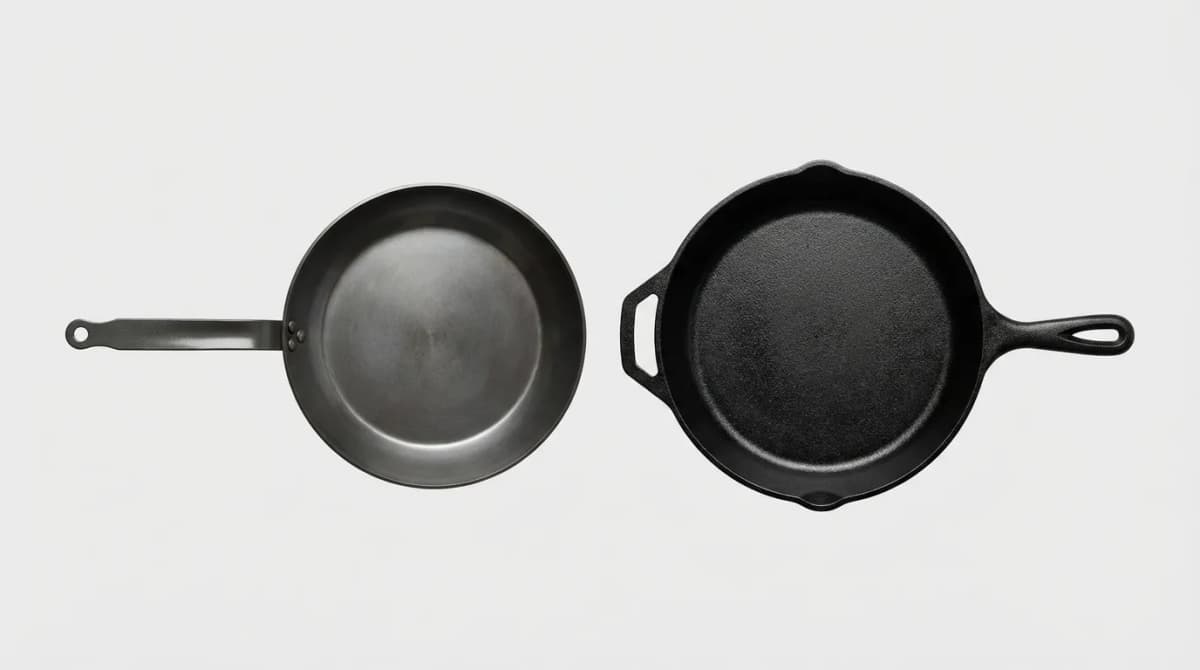
Carbon Steel Pan vs Cast Iron: Which Cooks Better?
Carbon steel heats faster and weighs less, but cast iron holds heat longer. We break down the real differences that matter in your kitchen.
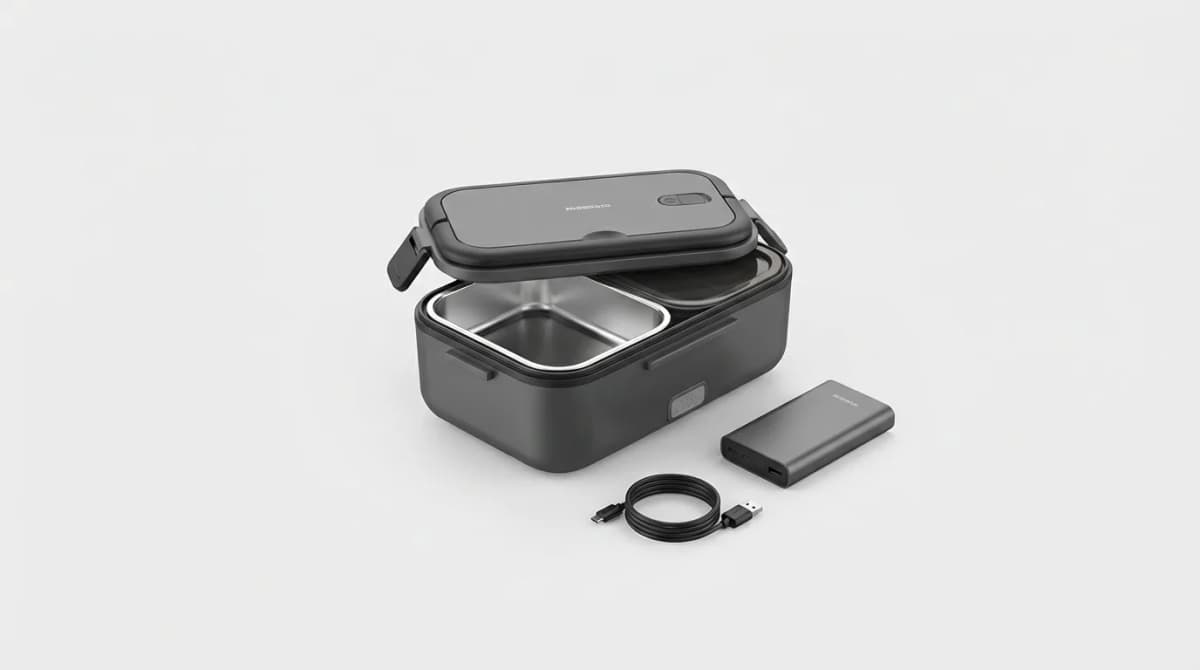
Best Electric Lunch Box for Office Workers 2026
Electric lunch boxes heat your food at your desk without a microwave. We tested the best models for office workers who want hot meals on demand.