Best Cold Brew Coffee Maker for Home 2026
Cold brew delivers smooth, low-acid coffee without bitterness. We tested the top home systems to find which makers balance capacity, brew quality, and ease of use.

Cold brew costs $4-6 per cup at cafes, but making it at home drops that to about 50 cents. The process is simple: steep coarse coffee grounds in cold water for 12-24 hours, filter, and dilute to taste. The result is a smooth concentrate with 67% less acid than hot-brewed coffee and zero bitterness from heat extraction.
Most people think cold brew requires expensive equipment or complicated steps. It doesn't. The best systems are dead simple: add grounds, add water, wait, filter. The differences come down to capacity, filtration quality, and how much counter space you're willing to give up.
We tested eight popular cold brew makers over three months, brewing twice weekly with medium-roast Colombian beans ground to coarse consistency. Here's what actually matters.
What Makes a Cold Brew Maker Worth Buying
Capacity determines how often you'll brew. A 32-ounce maker produces about four servings of ready-to-drink coffee after dilution. If you drink cold brew daily, you'll brew every other day. A 64-ounce system cuts that to twice weekly.
Filtration is where cheap makers fail. Paper filters work but add cost and waste. Reusable metal filters are convenient but often let fine grounds through, creating sediment. The best systems use fine-mesh stainless steel or nylon filters that balance clarity with reusability.
Cleanup matters more than you'd expect. Some makers require disassembling three parts and scrubbing grounds from tight spaces. Others let you dump grounds in one motion and rinse. After 50+ brew cycles, we valued simple cleanup as much as brew quality.
Build materials affect longevity and taste. Glass carafes don't absorb odors and show you exactly how much concentrate you have. Plastic is lighter and cheaper but can retain coffee oils over time. Stainless steel is durable but opaque, making it hard to gauge levels.
Toddy Cold Brew System: The Original, Still Relevant
The Toddy has been around since 1964 and hasn't changed much because the design works. It's a plastic bucket with a rubber stopper, a felt filter, and a glass decanter. You brew in the bucket, pull the stopper, and the concentrate drains into the decanter below.
It makes 56 ounces of concentrate per batch, enough for 7-9 days of daily drinking. The felt filters last 10-12 brews before needing replacement, and they're $8 for a two-pack. The brewing vessel is BPA-free plastic, which some people dislike, but it's thick and durable. We've used the same unit for two years with zero cracks or wear.
The downside is the filter system. You need to rinse the felt filter immediately after brewing or grounds cement onto it. And you can't see into the brewing bucket, so you're guessing at water levels unless you measure carefully.
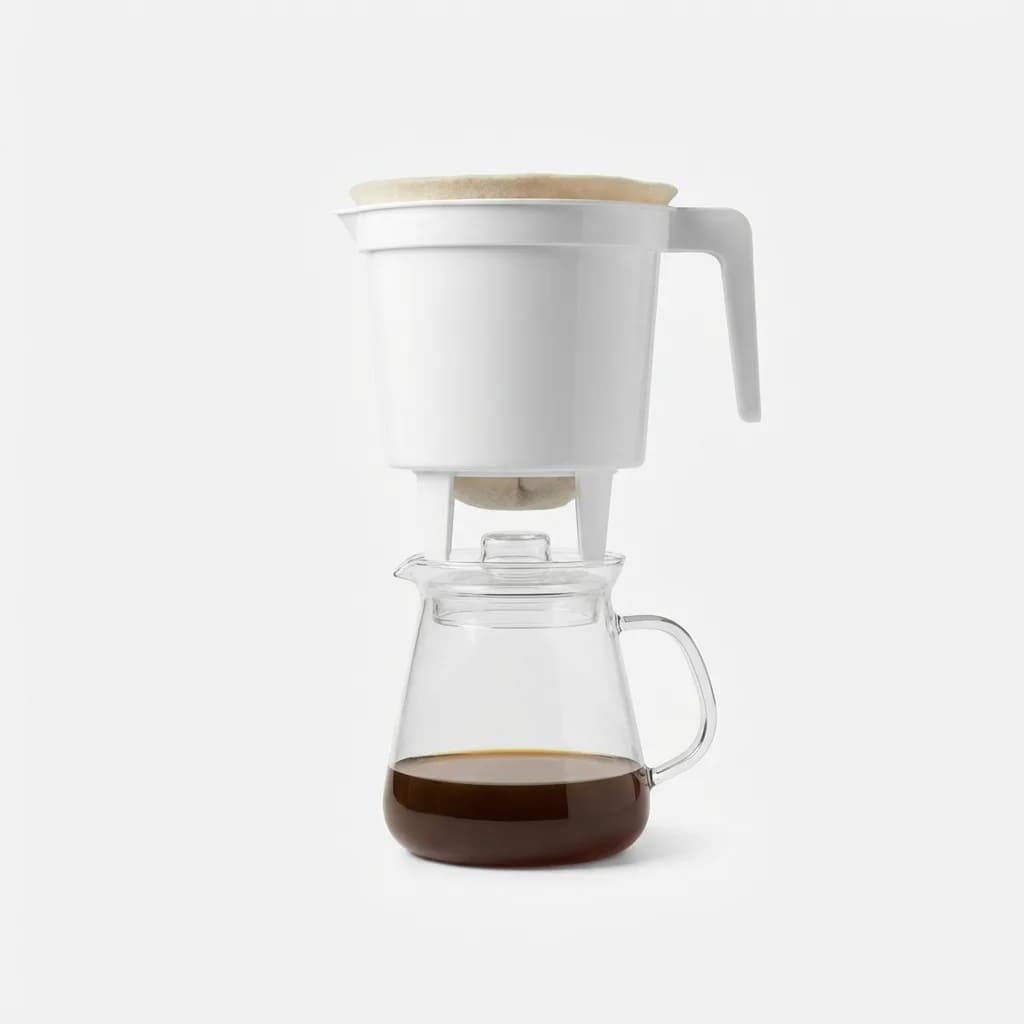
Toddy Cold Brew System
$35
Original 1964 design with 56-ounce capacity, felt filter, and glass decanter. Simple gravity-drain system makes smooth concentrate with minimal sediment.
OXO Cold Brew Coffee Maker: Best Overall for Most People
The OXO is what we reach for most often. It holds 32 ounces of concentrate, brews in a glass carafe, and uses a perforated stainless steel filter with a secondary mesh layer. The brewing container has measurement marks, so you can see exactly how much water you're adding.
The Rainmaker lid distributes water evenly over grounds, which OXO claims improves extraction. In back-to-back tests against other makers, we didn't notice a major flavor difference, but the even saturation does prevent dry pockets at the top of the grounds.
Cleanup is the standout feature. The filter assembly lifts out in one piece, you dump the grounds, and rinse under the tap. No scrubbing, no grounds stuck in threads or crevices. The glass carafe goes in the dishwasher. Total cleanup time: 90 seconds.
The 32-ounce capacity is right for 1-2 people drinking cold brew 4-5 times per week. If you need more, OXO doesn't make a larger version, so you'll brew twice as often or look elsewhere.
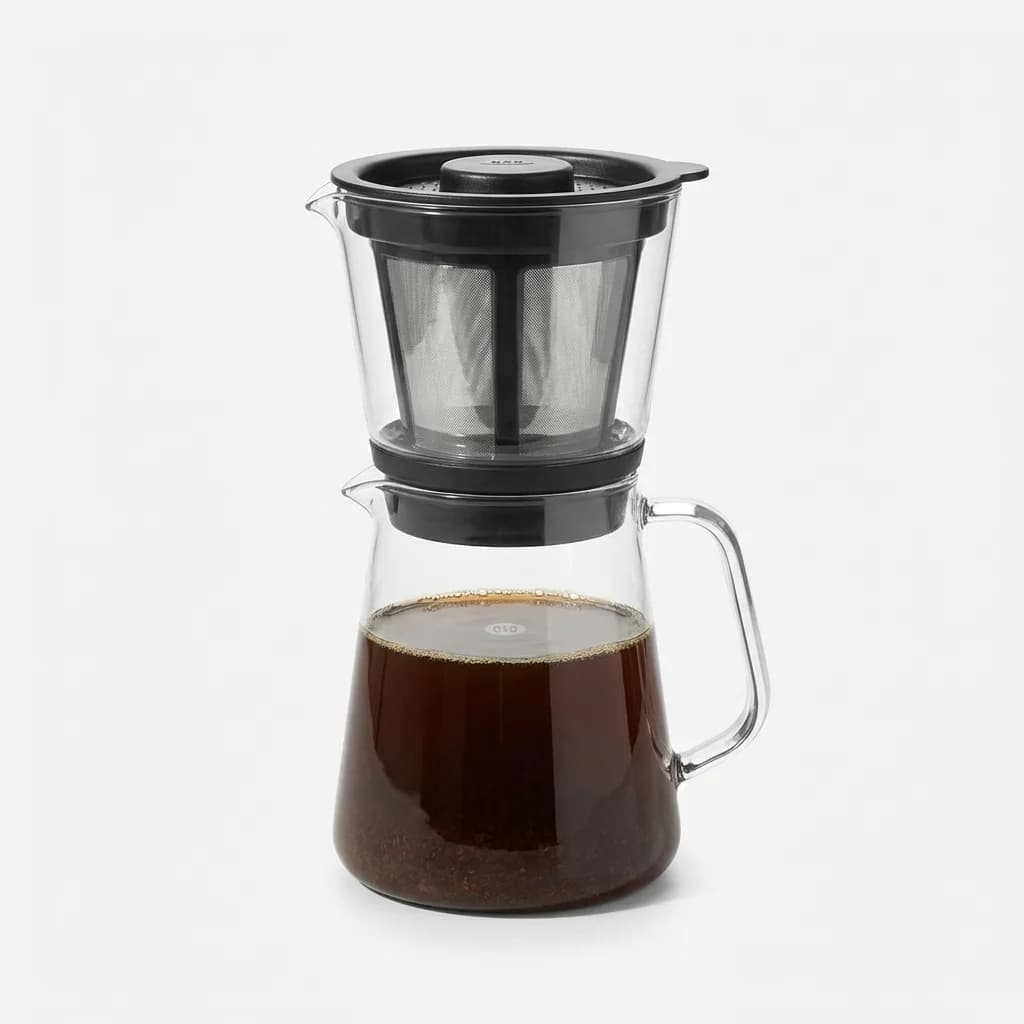
OXO Brew Compact Cold Brew Coffee Maker
$40
32-ounce glass carafe with dual-layer stainless steel filter and Rainmaker water distributor. Easiest cleanup of any system we tested, dishwasher-safe.
Takeya Deluxe Cold Brew Maker: Best Value and Largest Capacity
Takeya makes a 2-quart (64-ounce) cold brew pitcher that costs less than $30. It's a BPA-free plastic pitcher with a fine-mesh nylon filter insert and an airtight lid. You brew and store in the same container, so it lives in your fridge door from start to finish.
The filter is a long cylinder that sits in the center of the pitcher. You fill it with grounds, pour water around it, steep, then remove the filter when brewing is done. The concentrate stays in the pitcher, ready to pour. No transferring between containers, no extra parts.
Build quality is surprisingly good for the price. The plastic is thick and doesn't flex when you pick it up full. The lid seal is tight enough to prevent spills if you tip it over. The filter mesh is finer than the OXO's metal screen, producing cleaner concentrate with less sediment.
The 64-ounce capacity is double most competitors. One batch lasts a week for two daily drinkers. If you make cold brew regularly, the Takeya's size and price are hard to beat. The plastic pitcher isn't as nice as glass, but at this price, that's a fair tradeoff.
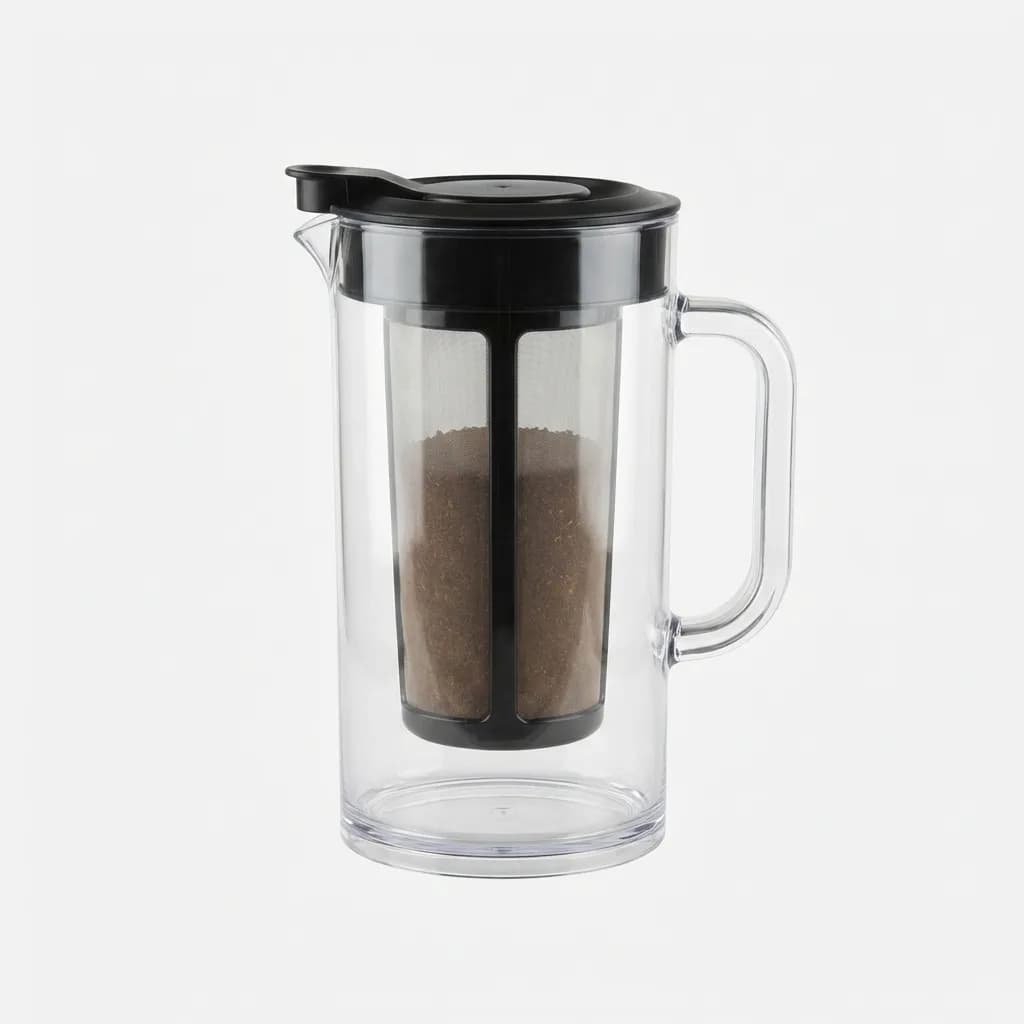
Takeya Deluxe Cold Brew Iced Coffee Maker
$28
64-ounce BPA-free pitcher with fine-mesh nylon filter and airtight lid. Brew and store in the same container, dishwasher-safe, available in 1-quart and 2-quart sizes.
County Line Kitchen Cold Brew Mason Jar System: Compact and Portable
This is a cold brew filter designed to fit wide-mouth quart mason jars. The filter is a stainless steel basket with fine mesh that screws into a standard mason jar lid. You brew in any quart jar, then swap the filter for a regular lid and store or transport the concentrate.
Capacity is 32 ounces, same as the OXO, but it takes up less fridge space because mason jars stack and fit in door shelves. The filter quality is excellent - no sediment, easy to clean, and the mesh doesn't clog after repeated use.
The appeal is portability and flexibility. You can brew multiple batches in separate jars and label them (single-origin Ethiopia, dark roast blend, etc.). The jars are glass, cheap to replace, and you probably already own a few. If you're traveling or camping, throw the filter in a jar, add grounds and water, and you've got fresh cold brew at your destination.
The limitation is batch size. One quart of concentrate is about four days of drinking for one person. If you drink more or share with a household, you'll need multiple jars or a bigger system.
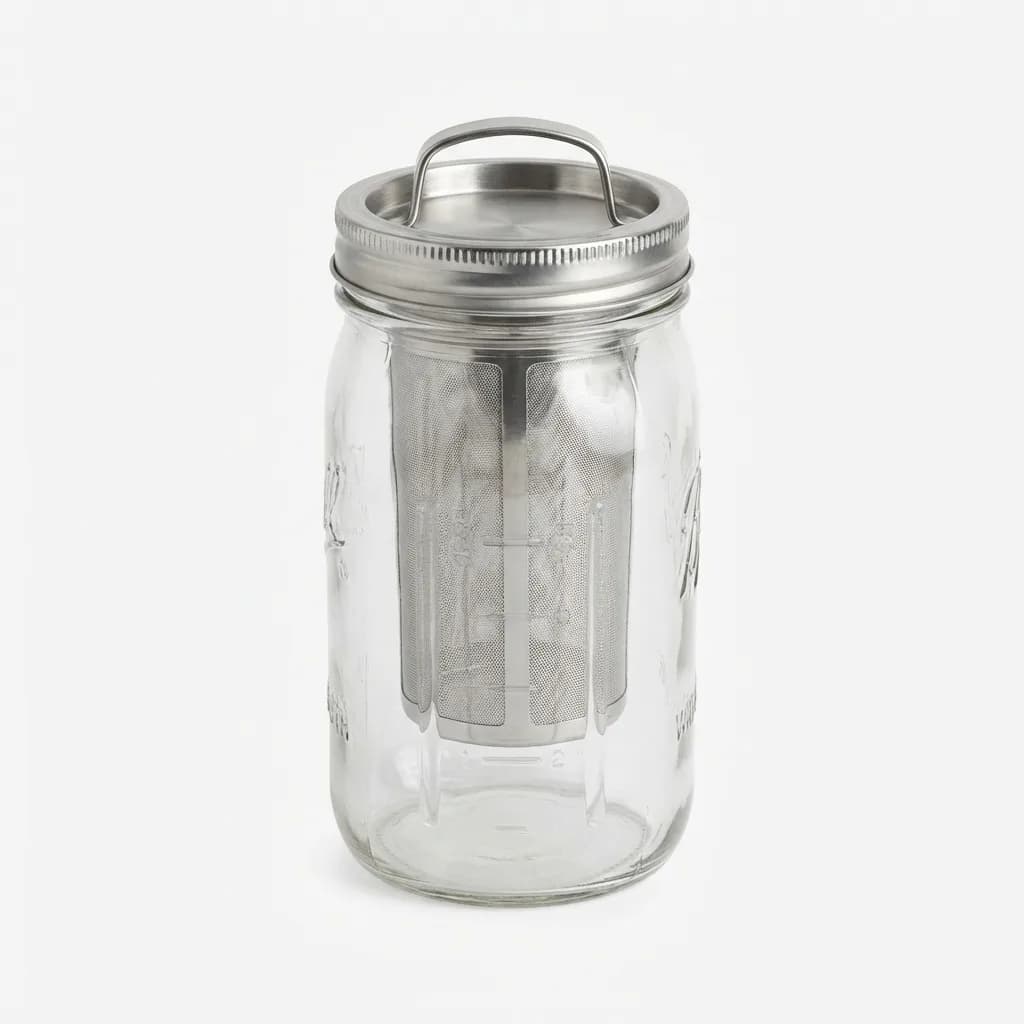
County Line Kitchen Cold Brew Mason Jar Coffee Maker
$20
Stainless steel mesh filter that fits wide-mouth quart mason jars. Portable, stackable, and uses jars you likely already own. Made in USA.
Primula Burke Deluxe Cold Brew Iced Coffee Maker: Budget Pick with Glass Carafe
The Primula is a 1.6-quart (51-ounce) borosilicate glass carafe with a removable mesh filter core. It looks similar to the OXO but costs about half as much. The glass is thinner, the filter mesh isn't as fine, and there's no fancy water distribution lid, but it makes good cold brew.
We noticed slightly more sediment in the finished concentrate compared to the OXO or Takeya. Not enough to ruin the drink, but you'll see fine particles at the bottom of your glass. If you're diluting the concentrate with ice and milk, it's not an issue. If you drink it black, you might care.
The filter basket is narrower than the Toddy or OXO, so grounds pack tighter. This slows water flow during steeping and can lead to uneven extraction if you don't stir the grounds after adding water. We made it a habit to give it a quick stir with a spoon 30 minutes into the steep, which solved the problem.
For $20, the Primula is a solid entry point. The glass carafe is nicer than plastic, the 51-ounce capacity is generous, and it makes coffee that tastes the same as systems costing twice as much. You'll deal with a bit more sediment and need to stir during brewing, but those are minor inconveniences.
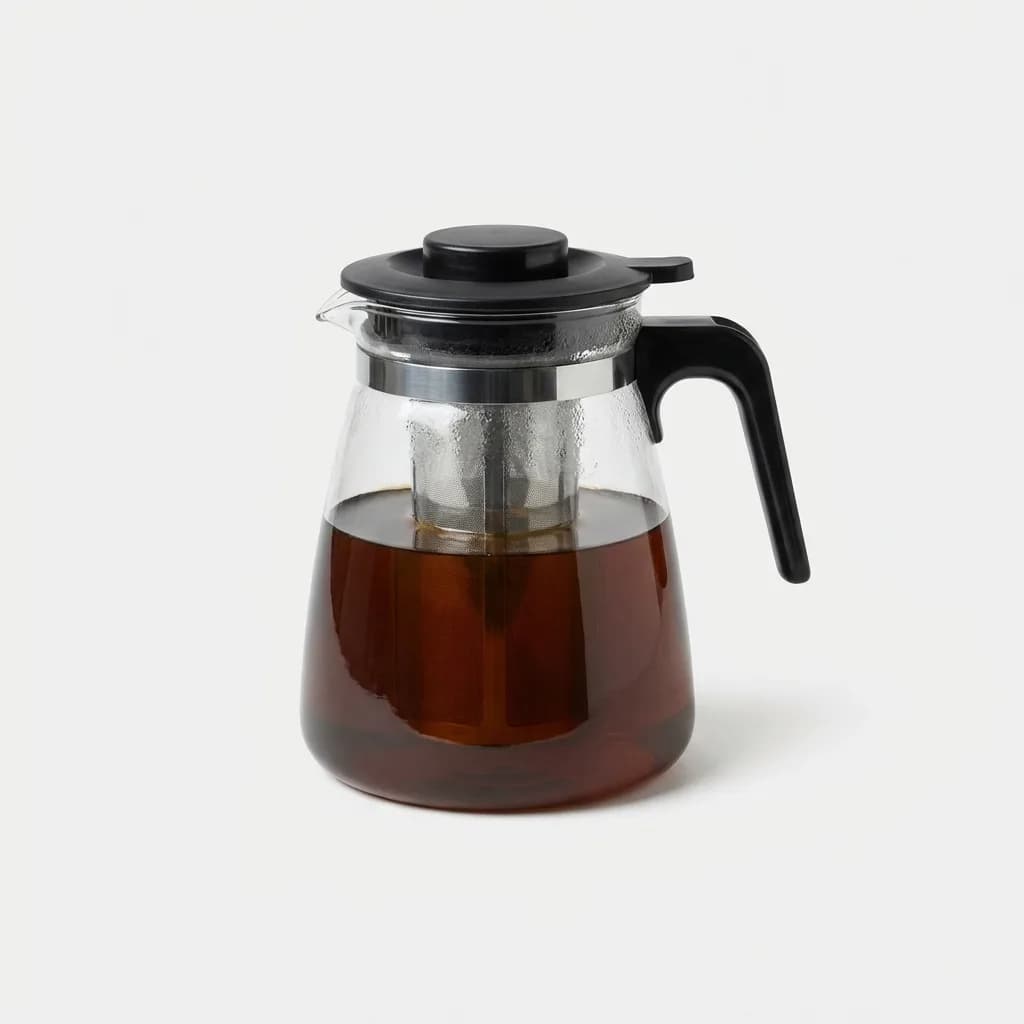
Primula Burke Deluxe Cold Brew Iced Coffee Maker
$20
51-ounce borosilicate glass carafe with removable mesh core filter. Budget-friendly option with good capacity and durable glass construction.
KitchenAid Cold Brew Coffee Maker: Premium Build, Stainless Steel
The KitchenAid is a stainless steel pitcher with a reusable stainless mesh filter and a tap at the bottom for dispensing. It holds 38 ounces of concentrate and has a sleek, appliance-grade finish that matches KitchenAid's stand mixer aesthetic.
The tap is convenient for filling cups without lifting the pitcher or removing the lid. It's also nice for controlled pouring when you're measuring concentrate for recipes. The downside is the tap can drip after dispensing, and it's one more part to clean.
Filter quality is excellent. The mesh is fine enough to catch sediment without slowing brew time. The filter basket lifts straight out after brewing, and grounds dump cleanly without sticking. The stainless steel body doesn't absorb odors and is nearly indestructible.
At $50-60, it's the most expensive maker we tested. You're paying for materials and brand. The coffee tastes the same as the $20 Primula. If you care about countertop aesthetics and want a maker that matches high-end kitchen gear, the KitchenAid delivers. If you just want good cold brew, cheaper options perform equally well.
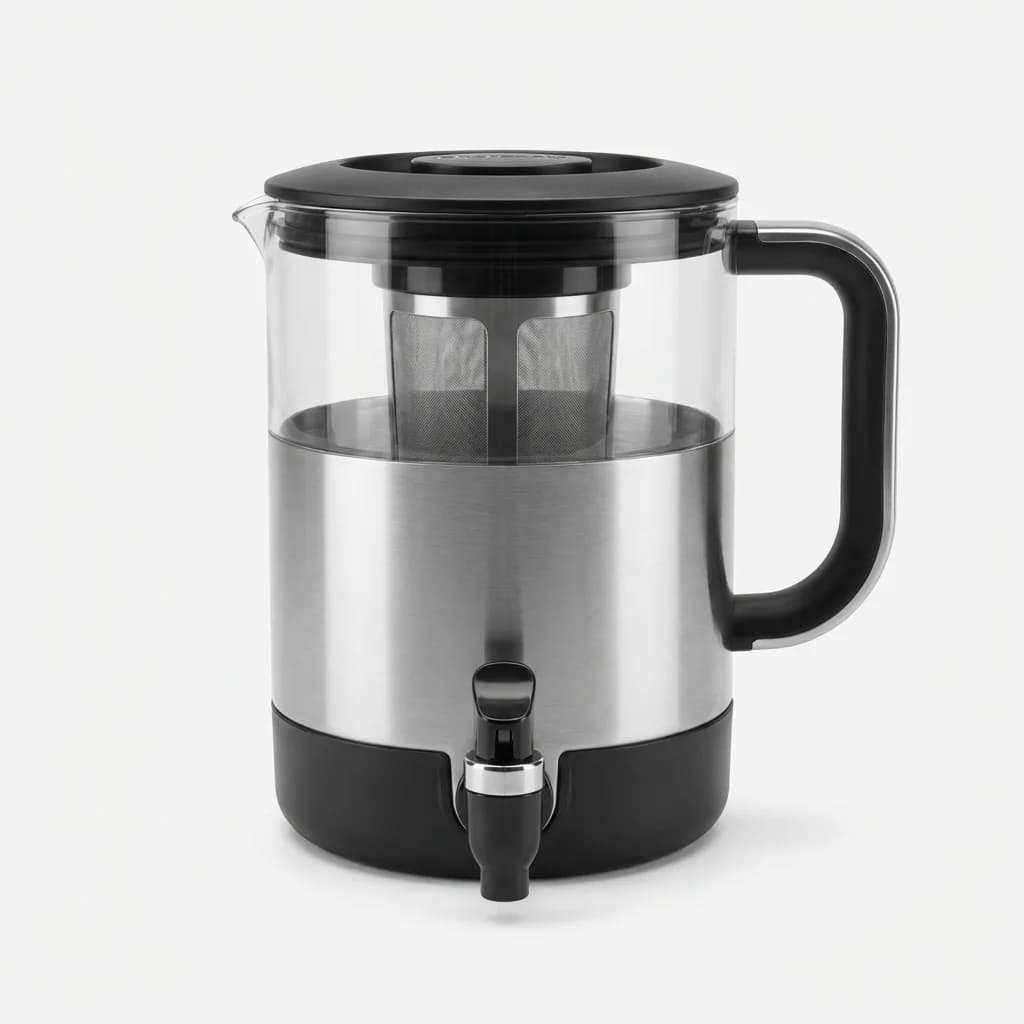
KitchenAid Cold Brew Coffee Maker
$55
38-ounce stainless steel pitcher with reusable mesh filter and bottom tap dispenser. Premium materials and finish match KitchenAid appliances.
How to Get Better Cold Brew Regardless of Your Maker
Grind size matters more than the maker. Use coarse grounds, about the texture of raw sugar or breadcrumbs. Fine grounds over-extract and slip through mesh filters, creating bitter, gritty concentrate. Buy whole beans and grind them yourself, or ask your local roaster to grind coarse for cold brew.
Coffee-to-water ratio is flexible but starts at 1:4 by weight for concentrate. That's 4 ounces (113 grams) of grounds to 16 ounces (454 grams) of water. You'll dilute the concentrate later, so it should taste strong. Adjust to your preference - some people prefer 1:5 for a lighter concentrate.
Steep time changes flavor intensity. We default to 16-18 hours at room temperature or 24 hours in the fridge. Longer steeps extract more caffeine and deeper flavors. Shorter steeps (12 hours) produce brighter, more tea-like coffee. Experiment to find what you like.
Water temperature doesn't have to be ice-cold. Room temperature or even slightly warm water (60-70F) speeds extraction without introducing bitterness. Cold tap water works fine. Don't overthink it.
Storage extends freshness. Concentrate keeps in the fridge for up to two weeks in an airtight container. The flavor peaks around day 3-5 and gradually dulls after that. We usually finish a batch within a week, so freshness isn't an issue.
Which Cold Brew Maker Should You Buy?
The OXO Cold Brew Coffee Maker is the best choice for most people. It's easy to use, easy to clean, and makes consistently good concentrate. The 32-ounce capacity suits 1-2 people, and the glass carafe with measurement marks takes the guesswork out of brewing.
If you drink cold brew daily or share with multiple people, get the Takeya Deluxe in 64-ounce size. The larger capacity means less frequent brewing, and the sub-$30 price makes it a no-brainer for high-volume households.
If you want portability or already own mason jars, the County Line Kitchen filter is clever and compact. It's perfect for camping, traveling, or experimenting with different beans in separate batches.
If budget is tight, the Primula Burke delivers solid performance in a glass carafe for $20. You'll deal with slightly more sediment, but the coffee tastes just as good as pricier systems.
Skip the KitchenAid unless you're building a matchy-matchy kitchen or really want that tap dispenser. The performance doesn't justify the 2-3x price premium over the OXO or Takeya.
The Toddy remains relevant for traditionalists and high-volume brewers, but the felt filter maintenance and opaque brewing vessel feel dated compared to newer designs. It works great, but better options exist at the same price.
The Weekly Dispatch
Enjoying this article?
Subscribe and get our best gear picks delivered every Sunday morning.
Related Stories
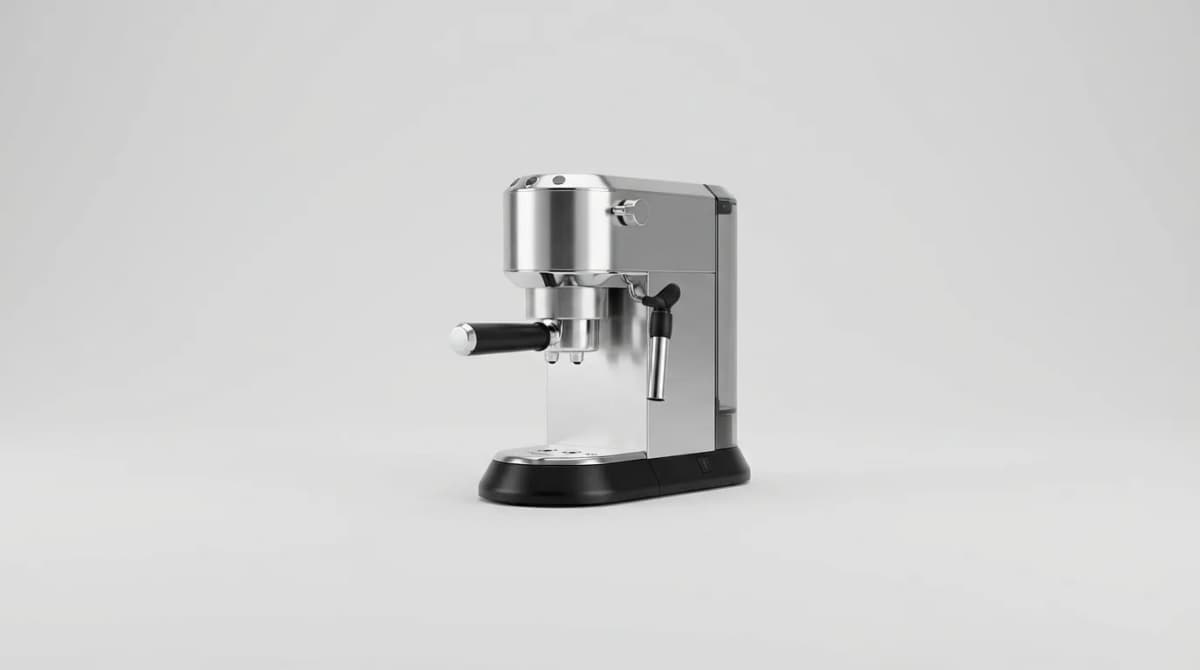
Best Espresso Machine for Beginners Under $300
Entry-level espresso machines that pull real shots without the complexity or price tag of prosumer rigs. These five under $300 deliver cafe-quality results.
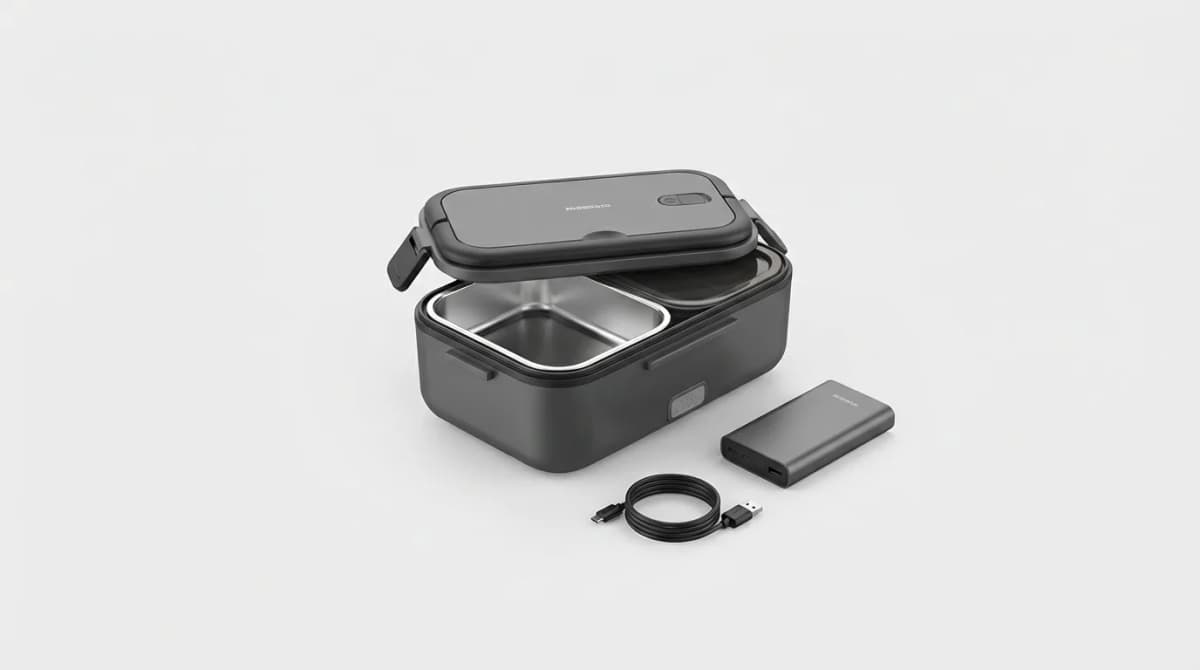
Best Electric Lunch Box for Office Workers 2026
Electric lunch boxes heat your food at your desk without a microwave. We tested the best models for office workers who want hot meals on demand.
Carbon Steel Pan vs Cast Iron: Which Cooks Better?
Carbon steel heats faster and weighs less, but cast iron holds heat longer. We break down the real differences that matter in your kitchen.