Best EDC Gear Under $25: Budget Essentials
Smart everyday carry doesn't require a big budget. These seven EDC essentials under $25 deliver genuine utility without compromise.
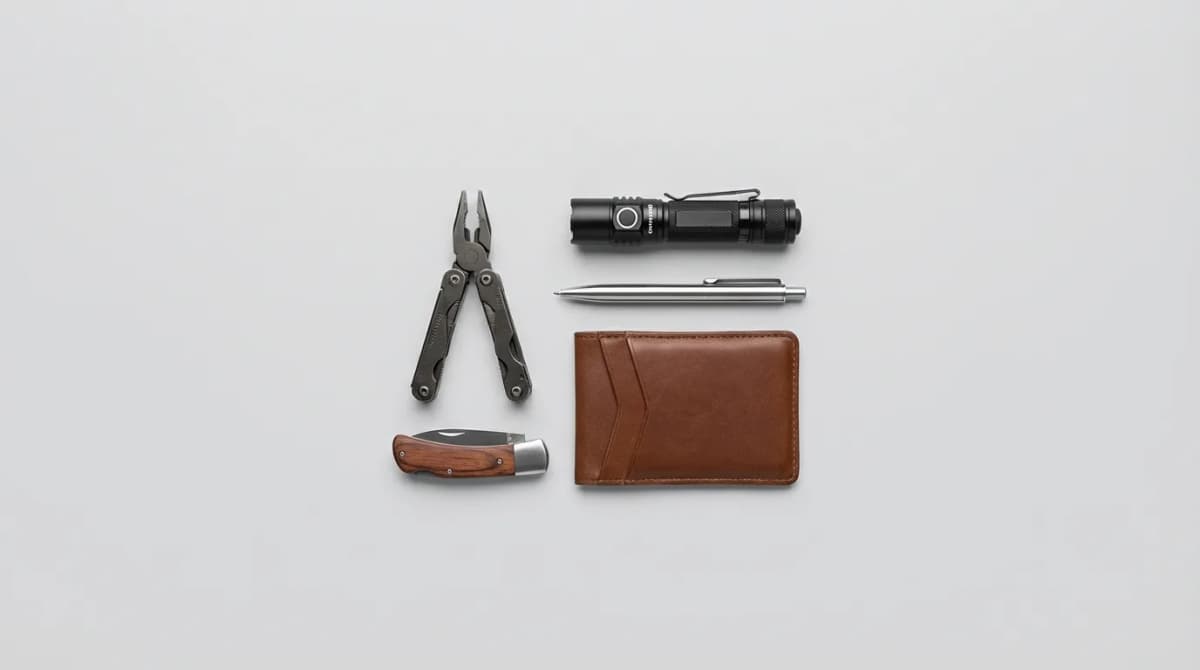
You don't need to spend triple digits to build a functional EDC kit. The gear that actually gets carried tends to be compact, reliable, and affordable enough that losing it won't ruin your week. We've tested dozens of budget options across every EDC category, and these picks consistently outperform their price tags.
The $25 threshold is where genuine utility starts to appear. Below that, you're gambling on quality control and material durability. At this price point, established brands compete with upstarts using proven designs and decent materials. These aren't placeholders until you can afford something better - they're tools that solve real problems.
Budget Multi-Tools That Actually Work
The Gerber Dime gets more pocket time than multi-tools costing three times as much. At 2.75 inches closed, it disappears in a coin pocket but includes ten tools: pliers, wire cutters, scissors, a knife blade, tweezers, file, bottle opener, and three screwdrivers. The spring-loaded pliers work smoothly, and the scissors cut cleanly through packaging and zip ties.
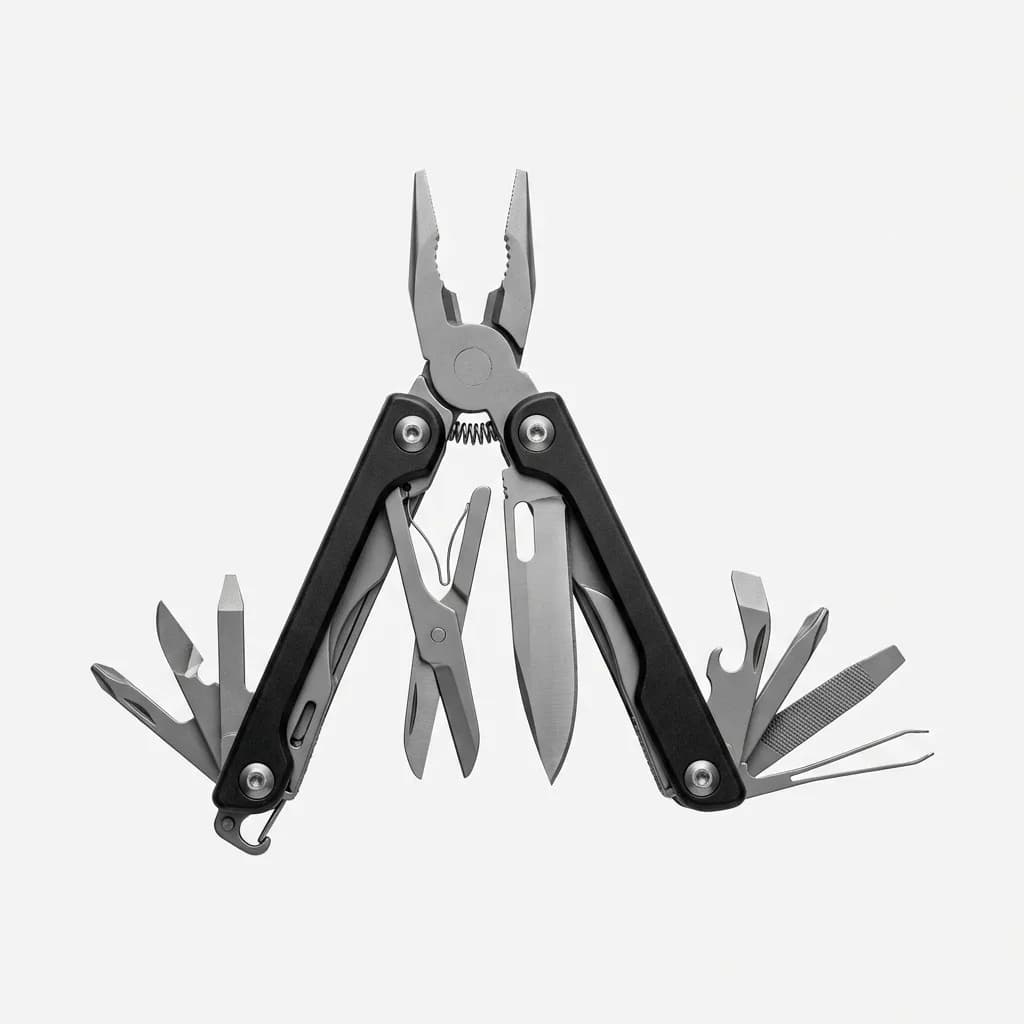
Gerber Dime Multi-Tool
$21
Compact 10-in-1 multi-tool with spring-loaded pliers, scissors, and knife blade. Fits in a coin pocket at 2.75 inches closed.
The scissors alone justify the Dime's cost. Most keychain multi-tools include barely functional snips that pinch more than cut. The Dime's scissors have enough leverage and blade quality to handle cardboard, fabric, and fishing line without struggle. The pliers grip firmly and include wire cutters that actually cut instead of mashing wire flat.
What separates the Dime from cheaper alternatives is the pivot design. The tools lock open and resist the wiggle that plagues budget multi-tools. After two years of testing, our sample shows wear on the finish but zero functional degradation. The tools still snap open crisply and lock securely.
Flashlights Worth Carrying Every Day
The Streamlight MicroStream delivers 250 lumens from a single AAA battery in a package shorter than a pen. We've compared it against lights costing double, and the beam quality holds up. The hot spot provides enough throw for navigating dark parking lots, while the spill illuminates your immediate surroundings without tunnel vision.
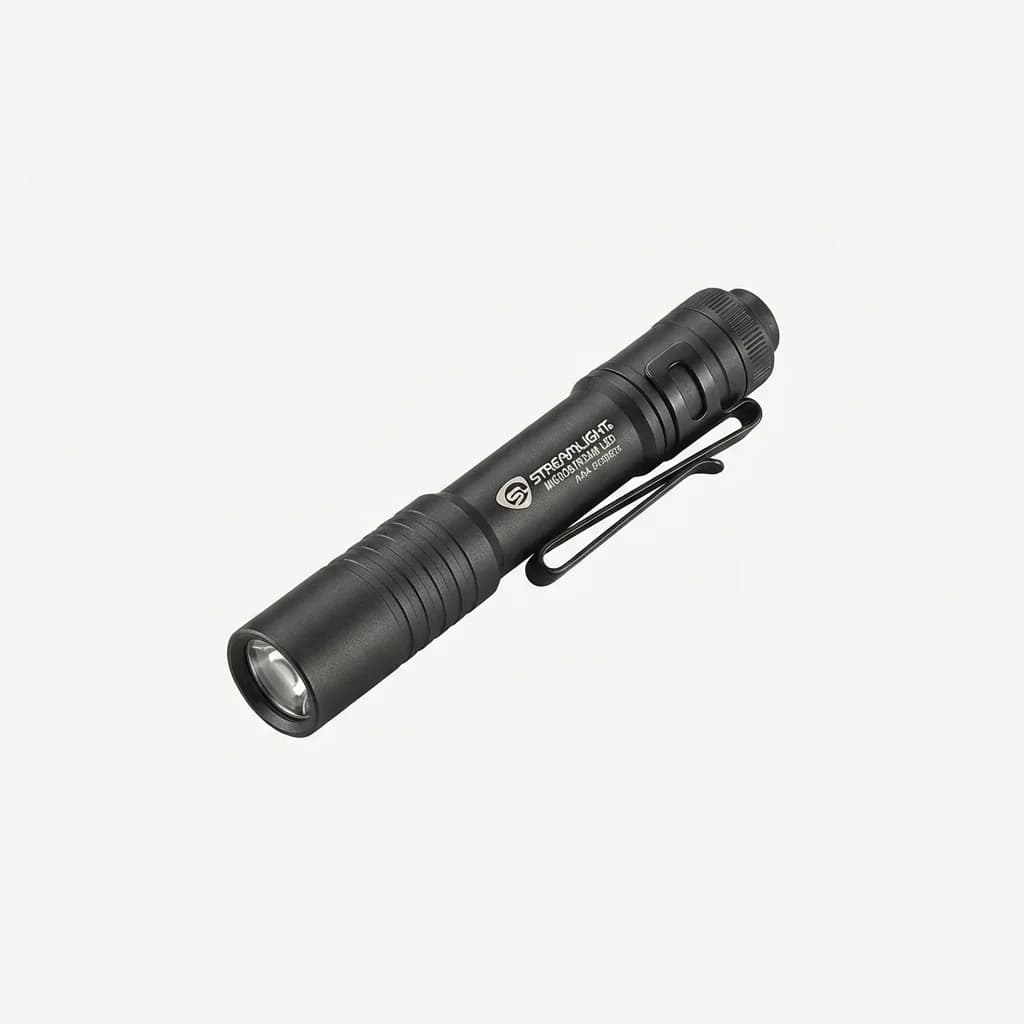
Streamlight MicroStream LED Flashlight
$20
250-lumen AAA flashlight with focused beam and durable aluminum body. Pocket clip and tail switch for one-handed operation.
The tail switch operates with one hand, and the pocket clip positions the light bezel-up for quick access. The aluminum body has survived repeated drops onto concrete without denting the bezel or cracking the lens. Runtime hits 2.25 hours on high before dimming noticeably.
Cheaper AAA lights promise similar lumens but deliver narrow, artifact-filled beams with harsh color temperatures. The MicroStream's clean beam pattern and neutral white tint make it easier to identify colors and see detail. For inspecting car engines, finding dropped items, or checking building numbers at night, the beam quality matters more than raw lumen numbers.
Budget Knives That Hold an Edge
The Kershaw Chill offers 8Cr13MoV steel in a 3.25-inch drop point blade with SpeedSafe assisted opening for under $20. The steel isn't exotic, but it sharpens easily and holds a working edge through weeks of cardboard and package duty. The blade shape handles detail work without sacrificing general utility.
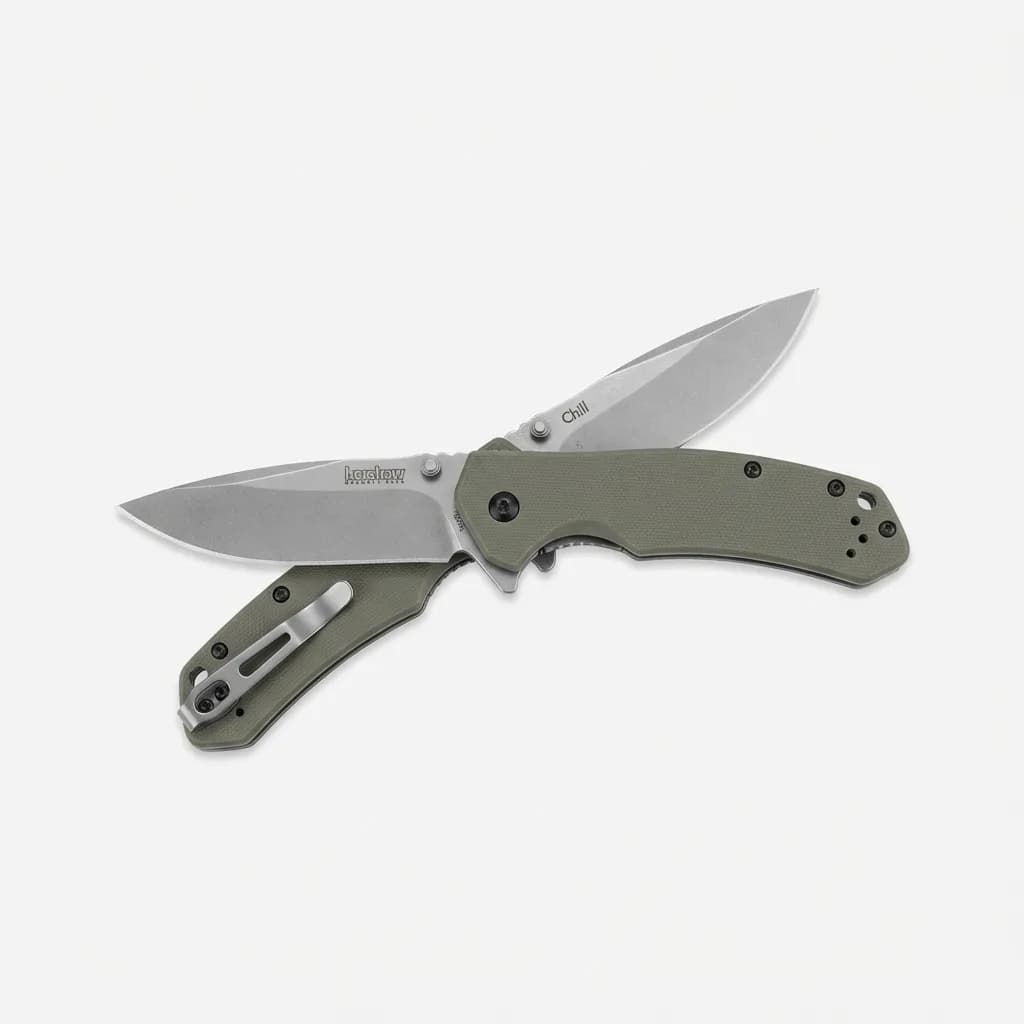
Kershaw Chill Folding Knife
$18
SpeedSafe assisted-opening knife with 3.25-inch blade in 8Cr13MoV steel. Secure frame lock and reversible pocket clip.
The SpeedSafe mechanism operates smoothly without requiring the wrist-flick technique that feels awkward and looks aggressive in public settings. A light push on the thumb stud deploys the blade fully. The frame lock engages positively with zero blade play, and the detent holds the blade closed securely during carry.
We've tested the Chill against traditional budget options like the Ontario RAT 2 and Civivi's entry models. The Chill trades premium steel for assisted opening and a slimmer carry profile. For EDC tasks - opening packages, cutting cord, trimming tags - the 8Cr13MoV performs identically to more expensive blade steels until you're cutting abrasive materials for extended periods.
Compact Pens That Write Reliably
The Fisher Space Pen Bullet collapses to 3.75 inches and writes in any orientation using pressurized ink cartridges. It fits in watch pockets and coin pouches where full-size pens create bulk. The brass body develops patina over time, and the cartridge writes for approximately one mile before needing replacement.
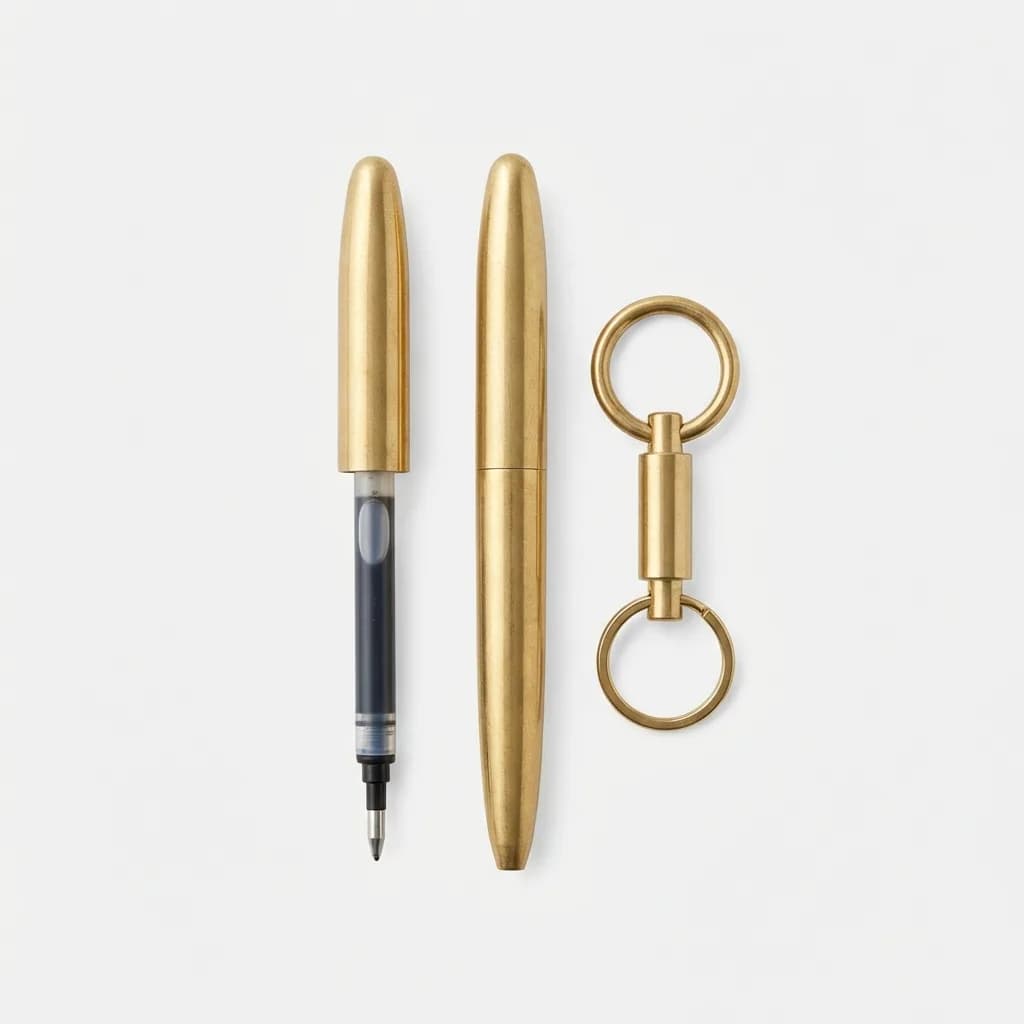
Fisher Space Pen Bullet
$24
Pressurized ink pen that writes at any angle. Collapses to 3.75 inches with durable brass body and includes keyring attachment.
The pressurized cartridge solves the primary frustration with budget pens - inconsistent ink flow. Regular ballpoints skip on glossy paper, refuse to write on damp surfaces, and fail at odd angles. The Fisher cartridge writes on receipts, cardboard, and slightly damp paper without adjustment. For signing documents in a car or jotting notes while standing, the reliability justifies the cost over disposable pens.
The Bullet's cap posts securely when extended to full length. Posted, it feels balanced and substantial despite the compact size. The barrel diameter provides enough grip for extended writing without cramping. We prefer the brass model over aluminum for the added weight, which improves writing feedback.
Minimalist Wallets Under $25
The Herschel Charlie card holder carries six cards and folded cash in a package measuring 4 x 2.75 inches. The RFID-blocking fabric prevents card skimming, and the vertical card slots make selection easier than horizontal layouts. After 18 months of testing, the stitching remains intact and the fabric shows minimal wear.
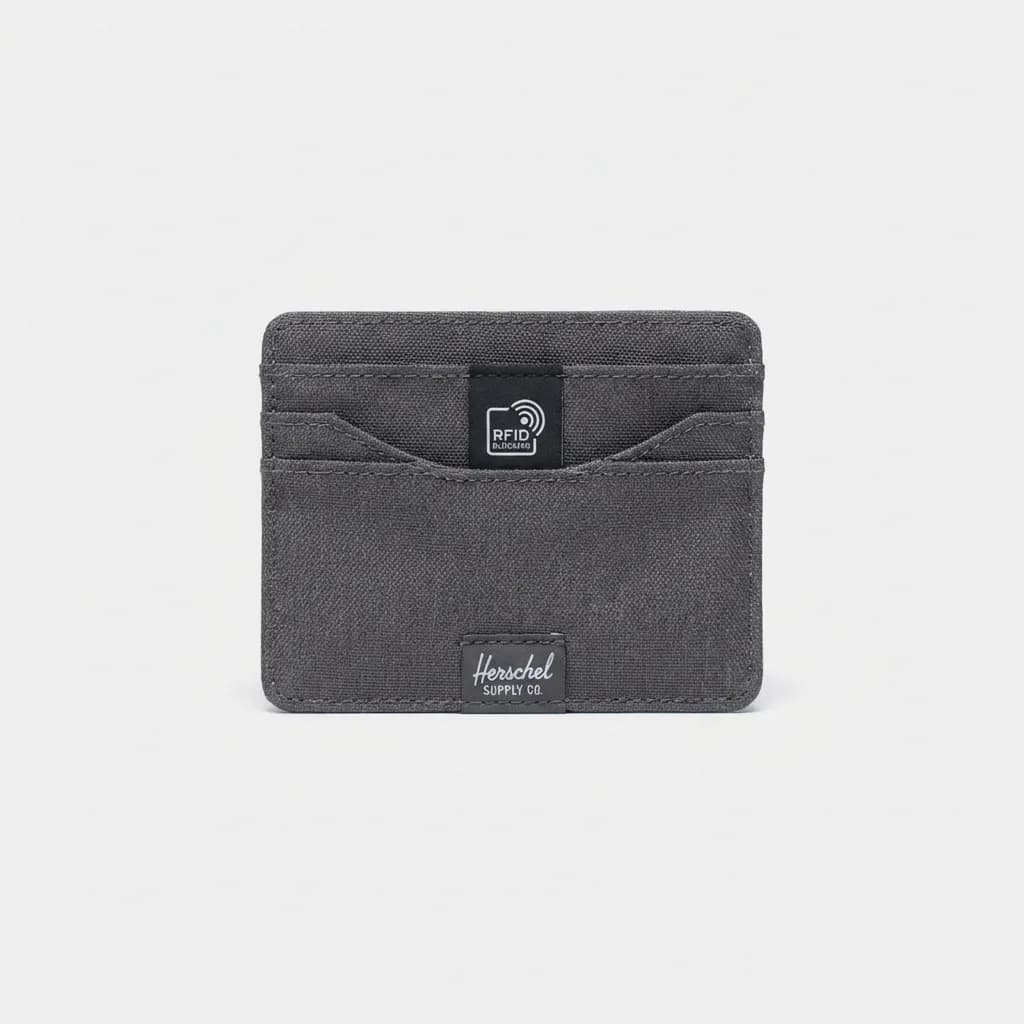
Herschel Charlie RFID Card Holder
$15
Six-card minimalist wallet with RFID blocking and center cash slot. Durable fabric construction in multiple colors.
The center compartment handles cash folded in half or thirds without creating excessive bulk. The wallet maintains a consistent thickness whether holding two cards or six. Most bifold wallets thicken noticeably as you add cards, creating an uneven pocket profile. The Charlie's rigid structure prevents this escalation.
We tested it against leather alternatives at similar prices. The fabric construction resists moisture better and weighs less. The tradeoff is aesthetic - fabric wallets look casual compared to leather, which matters in professional settings. For daily carry rotation between jeans and chinos, the Charlie performs reliably without requiring break-in or leather conditioning.
Quality Carabiners for Key Organization
The Nite Ize S-Biner SlideLock combines a stainless steel carabiner with a positive locking mechanism for $8. Unlike twist-lock carabiners that loosen gradually, the slide lock stays engaged until deliberately released. The double-ended design separates keys from accessories, preventing scratches and reducing jingle.
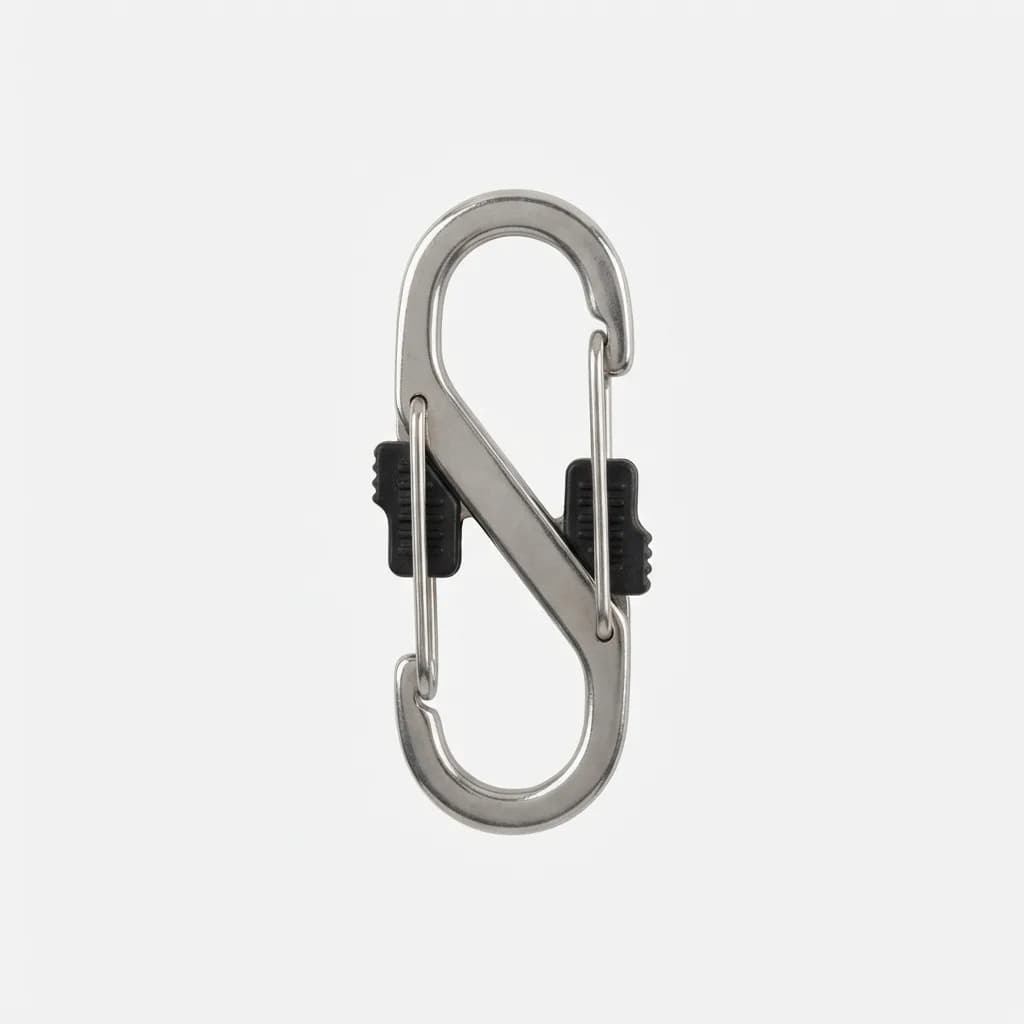
Nite Ize S-Biner SlideLock #3
$8
Locking stainless steel carabiner with dual gates for organizing keys and EDC items. Positive slide-lock prevents accidental opening.
The #3 size measures 2.9 inches and handles typical key loads without feeling oversized. The gates open wide enough for belt loops and bag straps while maintaining enough tension to feel secure. The lock mechanism operates single-handed with practice, though initial operation requires both hands.
Budget carabiners fail at the gate spring. After weeks in a pocket, the spring weakens and keys slip out during normal activity. The SlideLock eliminates this failure mode completely. The lock either engages or doesn't - there's no gradual degradation. After 14 months clipped to a backpack strap, our test sample operates identically to new.
Premium Materials at Budget Prices
The Varusteleka Jämä P pen uses a Finnish military surplus pen body with modern refills for under $10. The solid brass construction weighs more than aluminum tactical pens costing triple, and the matte finish resists showing wear. It accepts Parker-style refills, providing upgrade options as your preferences develop.
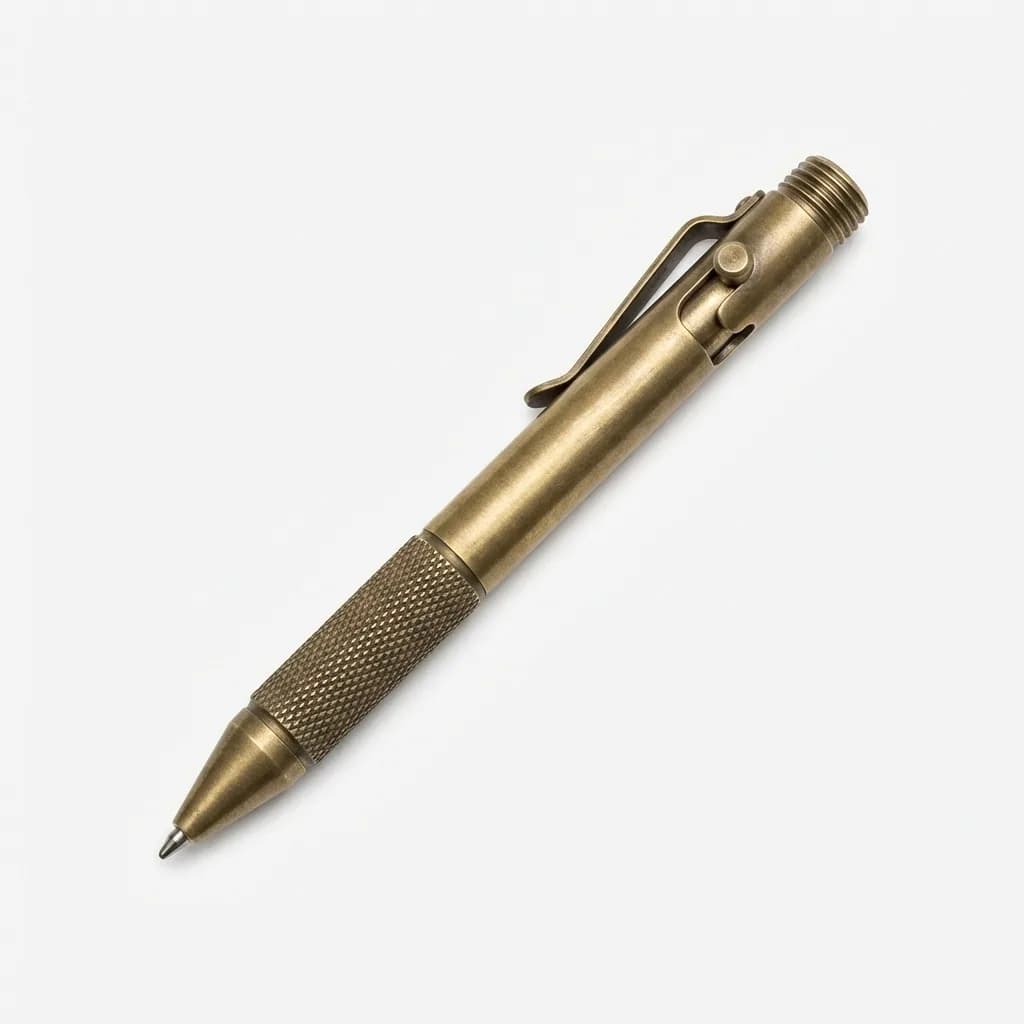
Varusteleka Jämä P Brass Pen
$9
Solid brass pen body accepting Parker-style refills. Military-inspired design with knurled grip and durable finish at $9.
The weight distribution favors consistent writing pressure without requiring grip adjustment. The knurled section provides texture without being aggressive against skin. The pen posts deeply, preventing cap loss during use. With aftermarket refills ranging from basic ballpoint to gel and rollerball options, the Jämä P functions as a permanent carry that adapts to changing preferences.
We compared it against the Zebra F-701 and similar budget metal pens. The Jämä P's solid brass feels more substantial, and the finish resists pocket wear better than painted aluminum. The tradeoff is weight - at 1.3 ounces, it's noticeably heavier than polymer pens. For those who prefer weighted pens, that's an advantage.
What Budget EDC Gets Right
These tools share characteristics that separate functional gear from promotional items. They use established designs rather than inventing new mechanisms that create single points of failure. They prioritize core functionality over feature count. A reliable knife blade matters more than including a dozen mediocre tools.
Material selection balances cost against durability. Stainless steel appears in high-wear areas like carabiner gates and multi-tool pivots. Aluminum provides structure in flashlight bodies without adding weight. Fabric wallets sacrifice leather's aesthetic appeal for practical moisture resistance and lighter carry.
The pricing creates carry freedom. Gear that costs $20 can be loaned to friends, upgraded without guilt, or replaced quickly if lost. That psychological freedom results in items actually getting carried instead of being saved for special occasions. EDC gear that stays home isn't performing its function regardless of quality.
Common Budget EDC Mistakes
The biggest error is choosing feature count over build quality. A 15-in-1 multi-tool sounds impressive until the pliers bend and the screwdrivers strip. Focus on tools that execute core functions reliably rather than accumulating capabilities you'll rarely use.
Avoid novelty mechanisms in budget tools. Magnetic closures, exotic lock types, and unusual deployment methods introduce failure points that established designs have eliminated through decades of iteration. Spring-assisted knives, compression locks, and friction folders have proven reliable at all price points.
Size optimization matters more in budget gear because the materials are often heavier than premium alternatives. A budget knife using thick steel liners carries noticeably heavier than a premium model with titanium scales. Choosing compact designs prevents the weight from becoming prohibitive.
Building a Complete Kit for $125
Combining the Gerber Dime, Streamlight MicroStream, Kershaw Chill, Fisher Bullet pen, Herschel Charlie wallet, and Nite Ize SlideLock creates a functional EDC kit for $106. That leaves budget for a phone, which most people already carry, and a basic watch. The entire setup fits in standard pockets without requiring cargo pants or a belt pouch.
This combination handles the situations that actually occur during normal days. The knife and multi-tool cover cutting and minor repairs. The flashlight solves visibility problems. The pen enables documentation and signatures. The wallet and carabiner manage organization. None of these items require explanation when used in public settings.
As needs develop, individual items upgrade easily. The Fisher pen body accepts premium refills. The Kershaw can transition to a Spyderco or Benchmade when budget allows. The Streamlight establishes baseline performance for evaluating rechargeable lights. Starting with functional budget gear teaches what features actually matter before committing to premium purchases.
When to Upgrade Beyond Budget
Budget gear signals upgrade time through specific failures rather than arbitrary timelines. When you've resharpened a blade enough times that the blade shape changes noticeably, that's the moment for better steel. When flashlight runtime becomes limiting rather than sufficient, rechargeable lithium options make sense. When wallet capacity can't accommodate your actual card load, time for expansion.
Using budget gear first establishes baseline requirements. You'll learn whether you prefer assisted opening or manual deployment, keychain lights or pocket lights, bifold or minimalist wallets. That knowledge prevents expensive mistakes when upgrading. The person who immediately buys a $200 knife often discovers they prefer a different blade shape or lock type after months of actual carry.
Premium materials provide diminishing returns for casual users. S30V steel holds an edge longer than 8Cr13MoV, but both require resharpening eventually. Titanium scales weigh less than steel liners, but the difference measures in fractions of an ounce. For daily carry in office environments, budget materials perform identically to premium options in typical use cases.
The functional threshold exists around $25 per item. Below that, quality control becomes inconsistent and materials degrade noticeably. Above that threshold, you're paying for refinements rather than core capability. A $250 knife cuts better than a $25 knife, but not ten times better. The budget option solves the cutting problem completely for most users.
The Weekly Dispatch
Enjoying this article?
Subscribe and get our best gear picks delivered every Sunday morning.
Related Stories
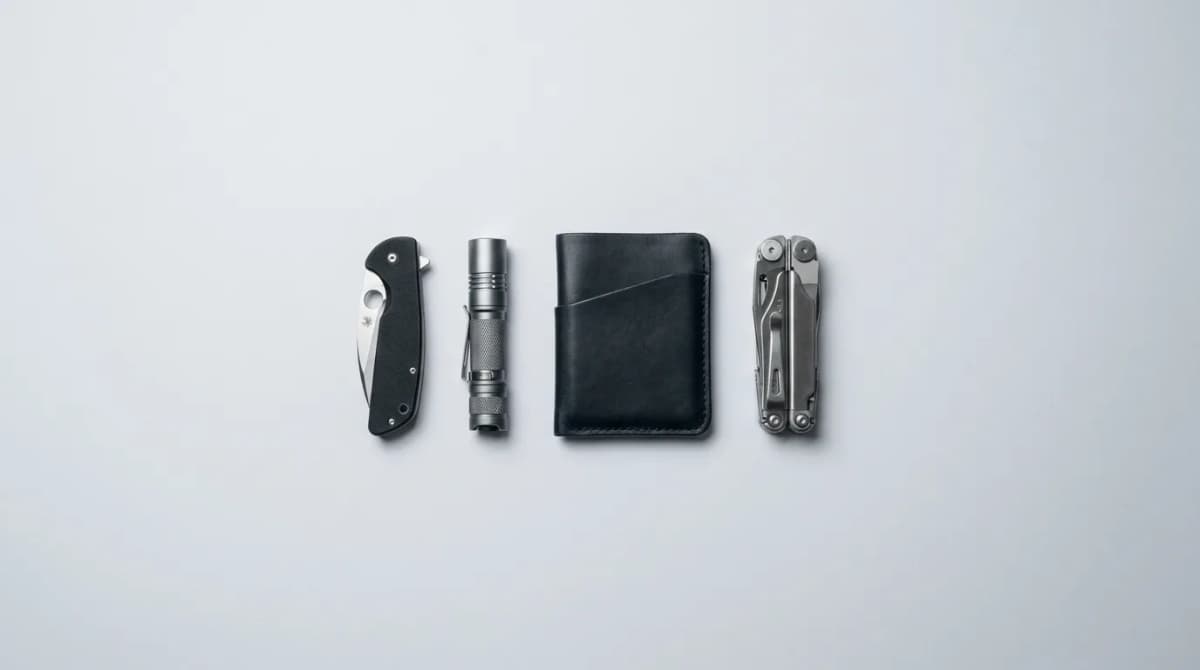
Best EDC Under $25 That Is Not Junk
Real EDC gear under $25 that actually works. We found knives, flashlights, wallets, and tools that skip the gimmicks and deliver daily utility.
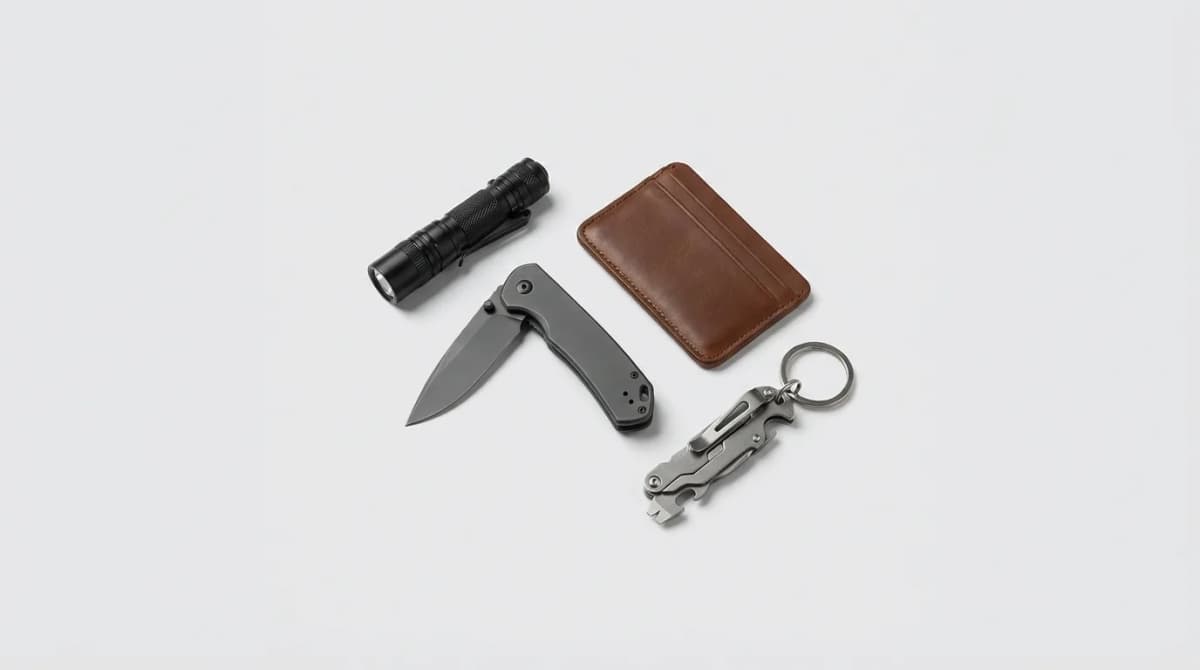
Budget EDC: Building a Kit Under $100
Building a capable everyday carry kit doesn't require premium prices. Here's how to assemble a complete EDC setup under $100 with smart choices.
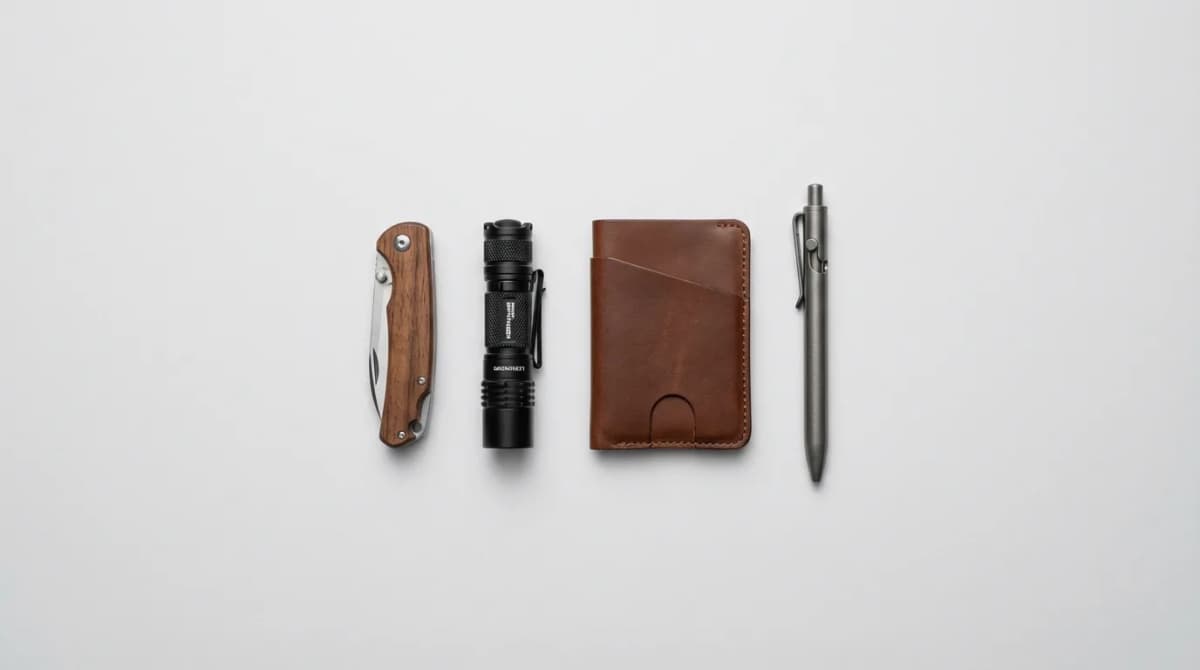
Best EDC Gear for Beginners: Starter Kit Guide
Starting your EDC setup doesn't require a $500 budget. Here's exactly what you need in your pockets, what to skip, and why most beginners waste money on the wrong gear first.