Best Compact Bike Lights for Daily Commuting
The right bike light makes you visible to cars and keeps you legal. We break down lumens, mount styles, battery life, and our top compact picks for daily rides.
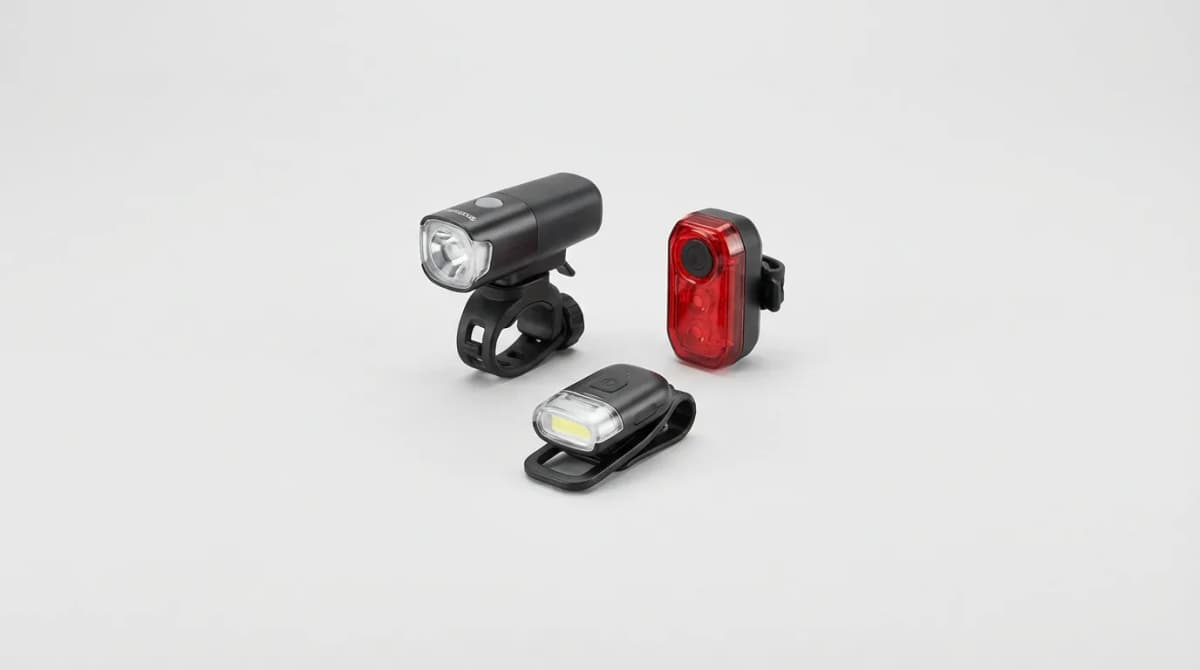
Most commuters buy bike lights once they get pulled over or nearly clipped by a car. That first close call makes the problem real. You need to be seen, but you also need something that fits your routine: quick to charge, easy to mount, and bright enough to matter without weighing down your setup.
The market splits between serious cycling lights (expensive, heavy, overkill for city streets) and cheap clip-ons that die after three weeks. The sweet spot is a compact, rechargeable unit with 200-500 lumens up front and a rear flasher that drivers actually notice. Anything less and you're gambling with visibility. Anything more and you're carrying bulk you don't need.
We tested lights across price ranges, focusing on what matters for urban commuting: mount stability, charge time, real-world battery performance, and whether the beam pattern actually helps drivers see you. Here's what works.
How bright does a commuter bike light need to be?
For city riding with street lights, 200-300 lumens is the practical minimum for a front light. That's enough to make you visible to cars and illuminate potholes or debris in shadowed areas. If your route includes unlit bike paths or poorly lit streets, jump to 400-500 lumens. Above that, you're into trail territory.
Rear lights work differently. Brightness matters less than flash pattern and positioning. A 50-lumen rear light with a sharp, attention-grabbing strobe beats a 100-lumen steady beam every time. Drivers react to motion, not raw output.
One common mistake: assuming more lumens means better visibility. A 1000-lumen light aimed poorly blinds oncoming cyclists and drivers, making you less predictable. A 300-lumen light angled down slightly keeps you visible without creating glare.
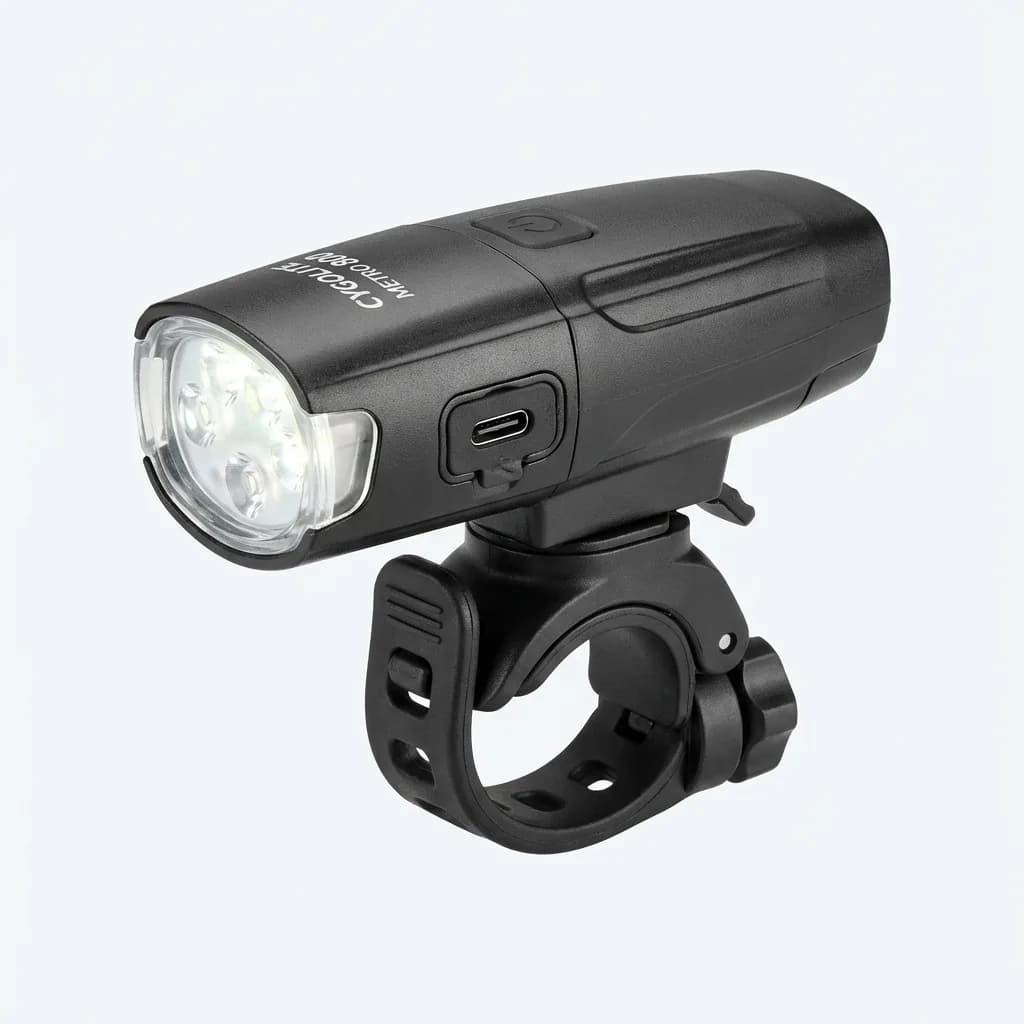
Cygolite Metro Plus 800
$60
800 lumens with six modes including DayLightning flash for daytime visibility. USB-C rechargeable, IP64 water resistance, tool-free handlebar mount. Runtime: 1.5-30 hours depending on mode.
Mount types and stability
Bike light mounts fail in two ways: they slip during rides or they're so tight you can't remove the light quickly. You want a mount that locks securely but releases in one motion when you park.
Silicone strap mounts work on any handlebar diameter and don't require tools, but they can rotate under vibration. Rigid clamp mounts stay put but only fit specific bar sizes. The best commuter lights use a quick-release bracket that clicks into a semi-permanent base mount.
Position matters more than most riders think. Front lights should sit centered on the handlebar, angled down 10-15 degrees so the beam hits the road 15-20 feet ahead, not into oncoming eyes. Rear lights go on the seat post or rear rack, high enough to clear panniers or bags.
Test your mount on rough pavement before trusting it in traffic. A light that shifts mid-ride is worse than no light because it distracts you and sends inconsistent signals to drivers.
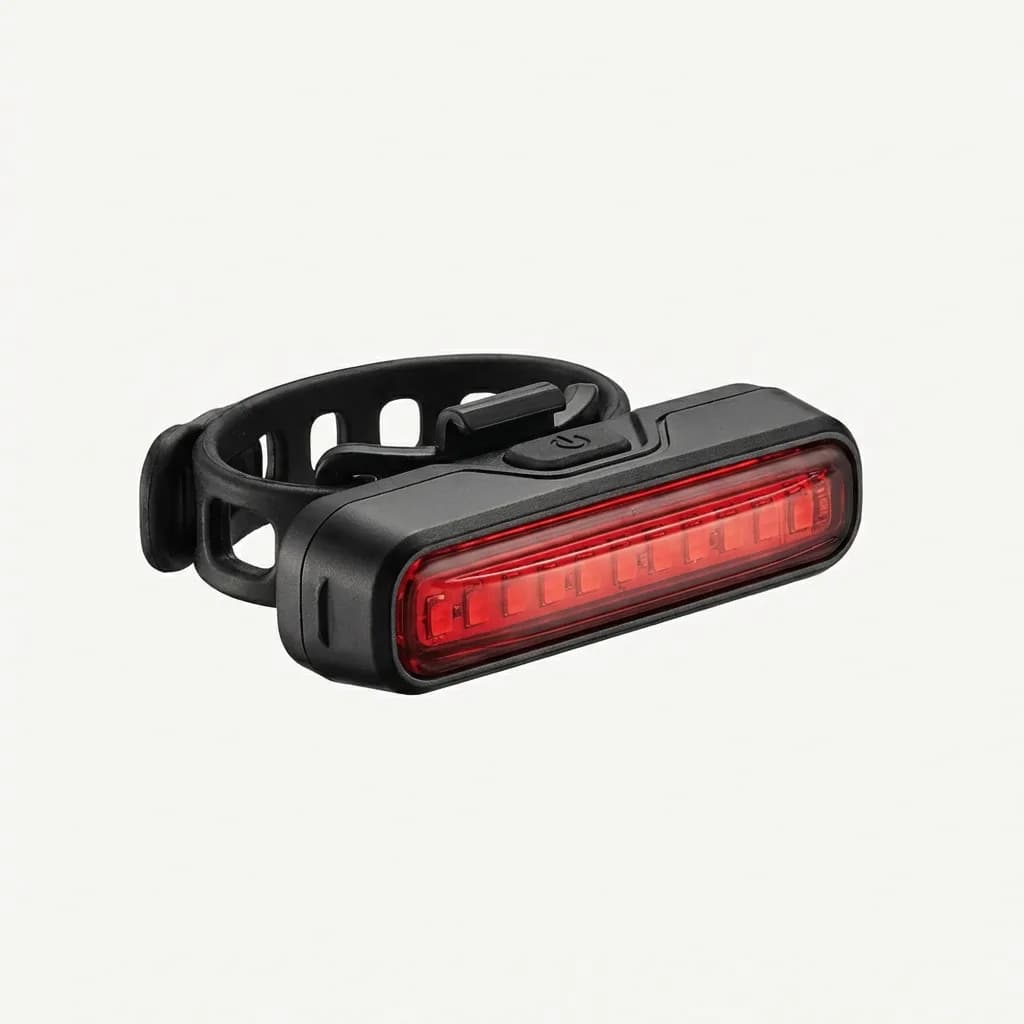
Lezyne Strip Drive Pro 300
$50
300-lumen rear light with 30-hour max runtime. Wide-angle lens for side visibility, seven flash modes, USB rechargeable. Durable co-molded construction, fits seat posts and seat stays.
Battery life vs. real commute needs
Manufacturer runtime specs assume ideal conditions: moderate temperature, steady mode, brand-new battery. Real-world performance drops 20-30% once you factor in cold weather, mixed modes, and battery aging.
For a typical 30-minute commute each way, look for lights rated at least 4-6 hours in your preferred mode. That gives you a full week without charging, plus buffer for the times you forget to plug in. Rechargeable lights with battery indicators are non-negotiable. Guessing when your light will die is a bad way to stay safe.
USB-C charging is faster and more convenient than micro-USB, especially if your phone and other devices already use it. Some lights include pass-through charging, so you can top off the battery without removing the light from the mount. This sounds minor until you're rushing out the door on a dark morning.
Lights with multiple brightness modes let you balance runtime and visibility. Use high mode in heavy traffic or bad weather, then drop to medium or eco mode on well-lit stretches. Flashing modes extend battery life significantly but sacrifice steady illumination.
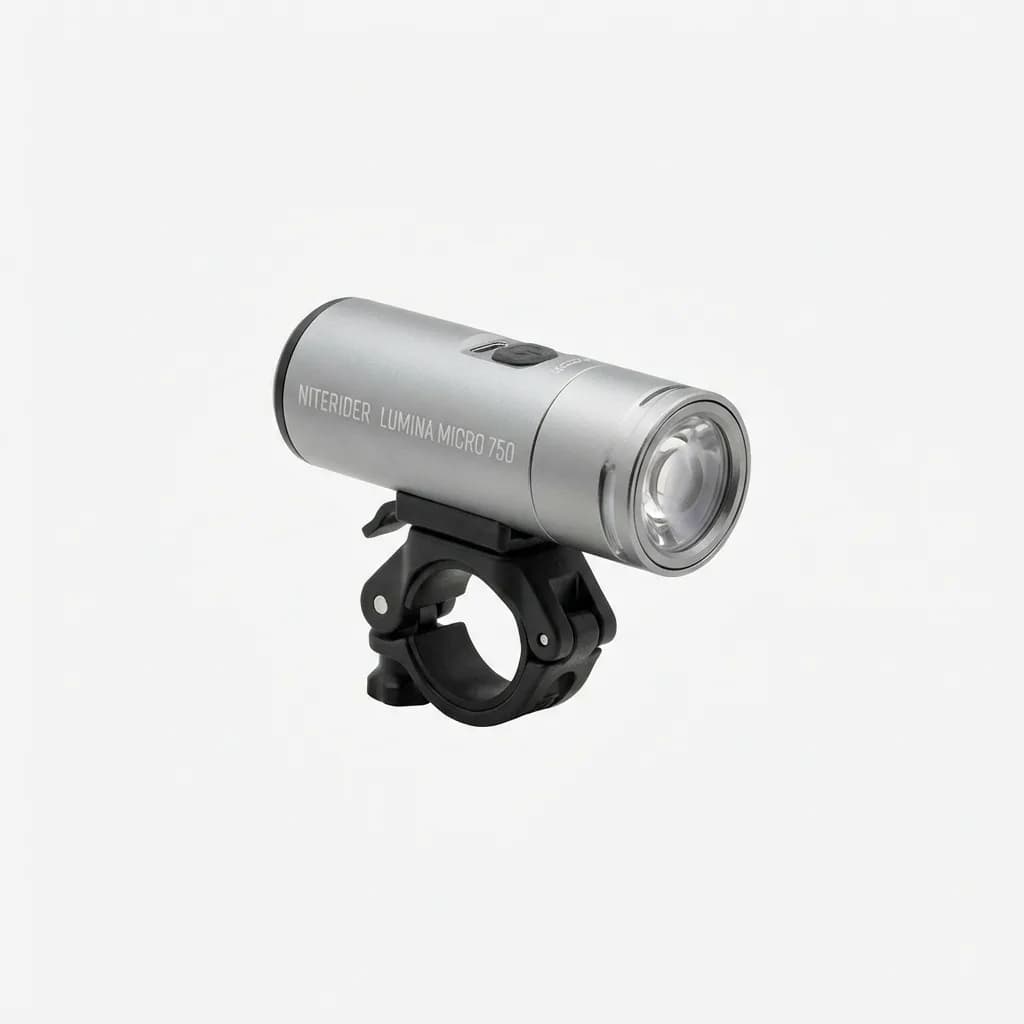
NiteRider Lumina Micro 750
$75
750 lumens in a compact aluminum body. Four modes, USB rechargeable, low battery indicator. IntelliCharge cuts charge time to two hours. IP64 weatherproof, fits bars 22-35mm.
Do you need both front and rear lights?
Yes, and in most places it's the law. Visibility works in both directions. A front light makes you visible to oncoming traffic and helps you see the road. A rear light signals drivers behind you, especially critical when you're moving slower than car traffic or merging.
The mistake is treating rear lights as an afterthought. Drivers approach from behind at speed, often distracted. A bright, strobing rear light is your first line of defense. Mount it below seat level and you're invisible to SUVs and trucks. Mount it high, use a sharp flash pattern, and make sure it's visible from at least 500 feet.
Some commuters add side lights or reflective ankle bands for extra visibility at intersections. These help, but they're supplemental. Front and rear lights are the baseline.
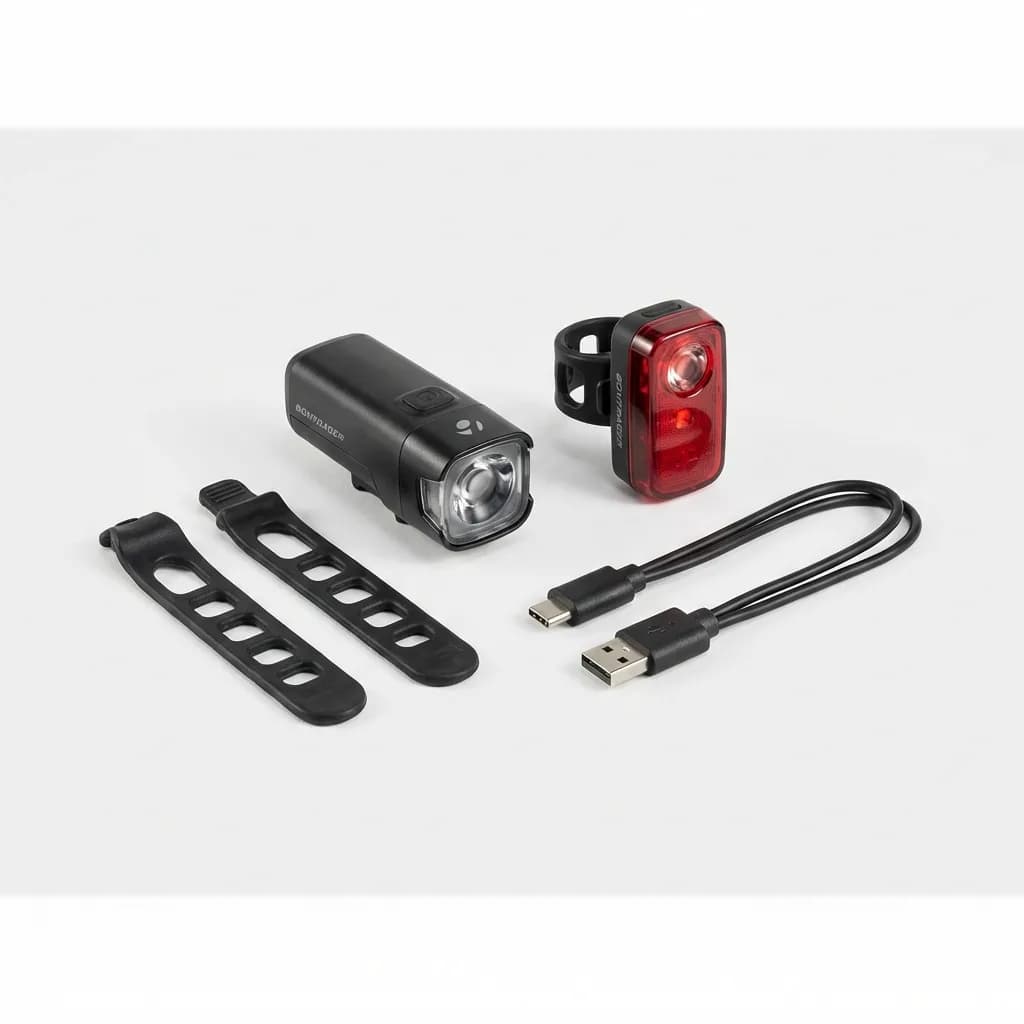
Bontrager Ion 200 RT/Flare RT Light Set
$120
200-lumen front, 90-lumen rear set with ANT+ connectivity for smart integration. Four modes each, USB rechargeable, tool-free mounts. Runtimes: 1.5-20 hours front, 3-23 hours rear.
Weather resistance and durability
Bike lights live outside in rain, sweat, mud, and temperature swings. IP ratings tell you what they can handle. IPX4 means splash-resistant (light rain). IPX6 means water jets (heavy rain). IPX7 means submersion up to one meter (flood-level downpours or pressure washing).
For commuting, IPX4 is the minimum. IPX6 or higher gives you confidence in any weather. Check the charging port: some lights use rubber flaps that degrade over time. Others use sealed USB-C ports that resist moisture even when open.
Durability also means impact resistance. Lights fall off bikes, get knocked around in bags, and take hits from road debris. Aluminum or polycarbonate bodies outlast cheap plastic. Look for lights with reinforced mounting brackets and no fragile external parts.
Cold weather kills battery performance. Lithium-ion cells lose 20-30% capacity below freezing. If you commute in winter, choose lights with higher base runtimes or keep a spare charged light in your bag.
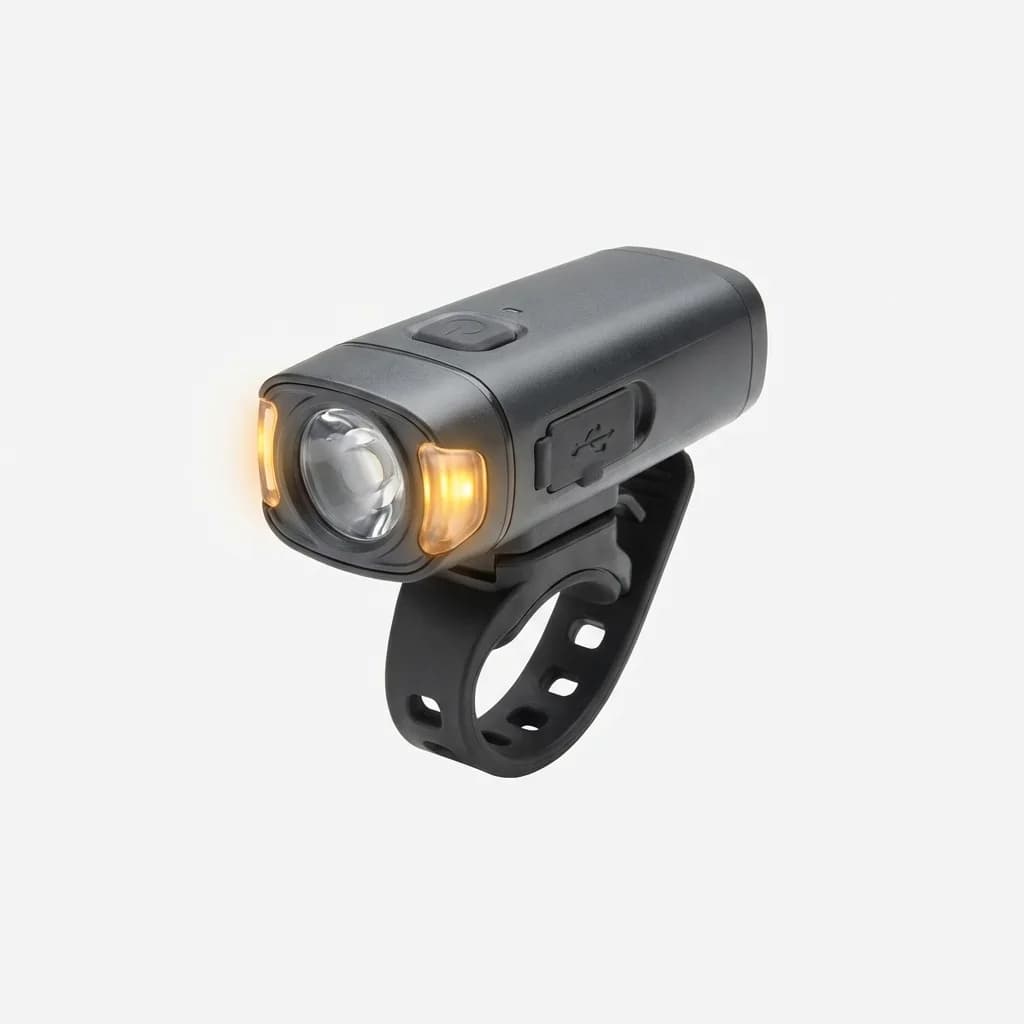
Light & Motion Urban 800 Fast Charge
$100
800 lumens with fast charge feature (80% in one hour). Five modes, side visibility ports, IP67 waterproof. Amber side lights for intersection visibility. FL-1 certified, USB rechargeable.
What about daytime running lights?
Daytime visibility is underrated. Most bike-car collisions happen in daylight, often because drivers don't register cyclists in their peripheral vision. Dedicated daytime modes use high-intensity flashing patterns designed to catch attention in bright sunlight.
Standard steady modes get washed out in daylight. A 300-lumen steady beam is nearly invisible at noon. A 300-lumen daytime flash pattern stands out. If you commute during the day, prioritize lights with dedicated daytime flash modes.
The downside: daytime modes drain batteries fast, often cutting runtime by 50-70%. Plan to charge more frequently or carry a backup battery if you rely on daytime flashing.
Picking the right light for your commute
Short urban commutes (under 30 minutes each way) with street lights: 200-400 lumens front, 50-100 lumens rear. Focus on quick-release mounts and lights you can charge weekly.
Longer commutes or routes with unlit sections: 400-800 lumens front, 100+ lumens rear. Battery life becomes more important. Look for lights with 6+ hour runtimes in your preferred mode.
Mixed conditions (city and bike path): Lights with multiple modes let you adjust brightness and flash patterns based on environment. High mode for dark paths, eco mode for lit streets.
All-weather riders: IP67 or higher, aluminum bodies, USB-C charging. Accept higher upfront cost for lights that last multiple seasons.
Budget-conscious: Avoid the cheapest lights (under $20), which fail quickly and often lack proper water resistance. The $40-70 range offers reliable performance without premium features.
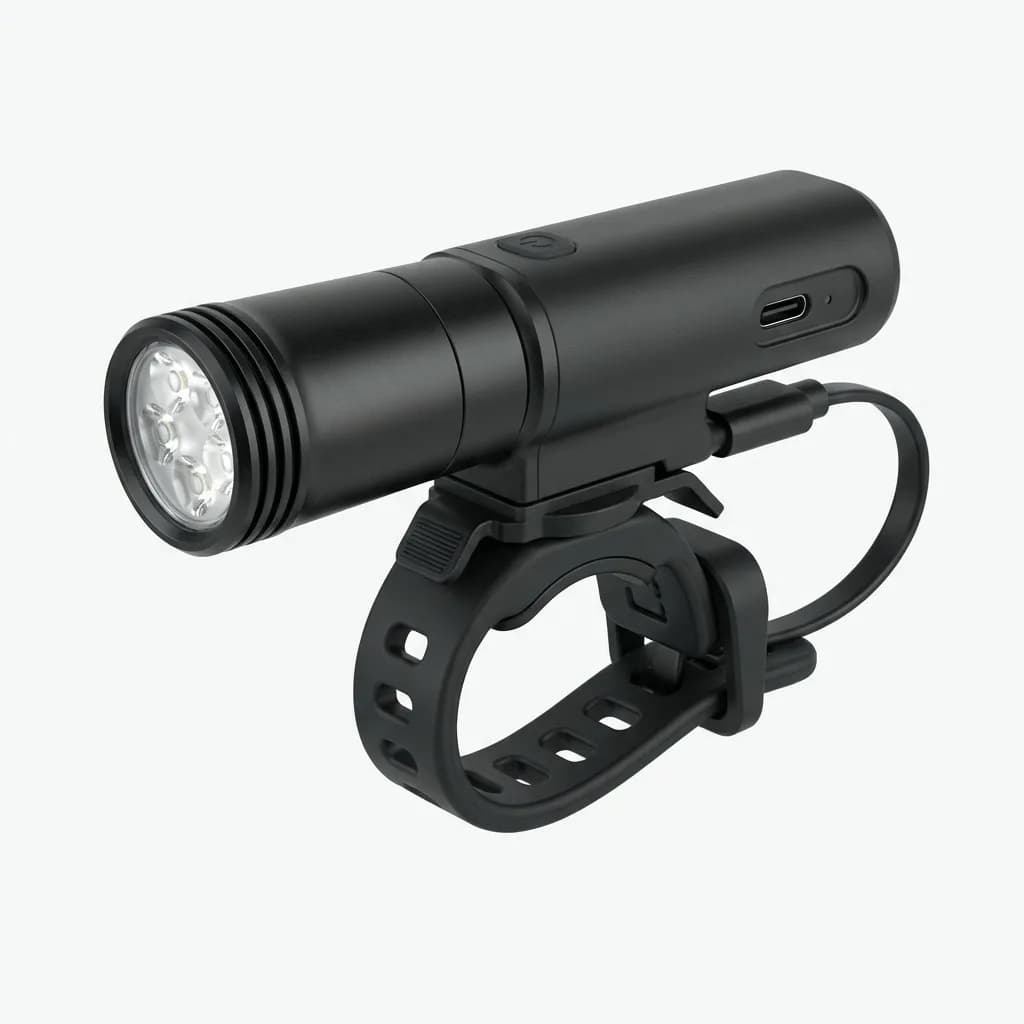
Knog PWR Rider Front Light
$80
450 lumens, doubles as portable power bank for charging devices. USB-C in/out, modular mount system, IP67 waterproof. Runtime: 1.5-40 hours, weighs 143g.
Common mistakes to avoid
Buying lights based only on lumen specs. Beam pattern, mount quality, and battery life matter more than peak output. A 500-lumen light with a narrow beam is less useful than a 300-lumen light with a wide, even spread.
Forgetting spare mounts. If you commute on multiple bikes or remove lights frequently, spare mounts ($5-15) eliminate the hassle of swapping a single mount between bikes.
Ignoring battery replacement. Rechargeable lights degrade over time. After 300-500 charge cycles, expect 50-70% of original runtime. Some lights have replaceable batteries; most don't. Budget for replacement every 2-3 years.
Overlapping lights with reflectors. Lights make you active-visible (drivers see you from a distance). Reflectors make you passive-visible (drivers see you in their headlight beams). You need both. Don't skip pedal or wheel reflectors just because you have good lights.
The best compact bike light is the one you actually use. It needs to fit your routine, charge easily, and stay put when you ride. Get the brightness right for your route, invest in a solid mount, and check the battery before you roll out. Everything else is details.
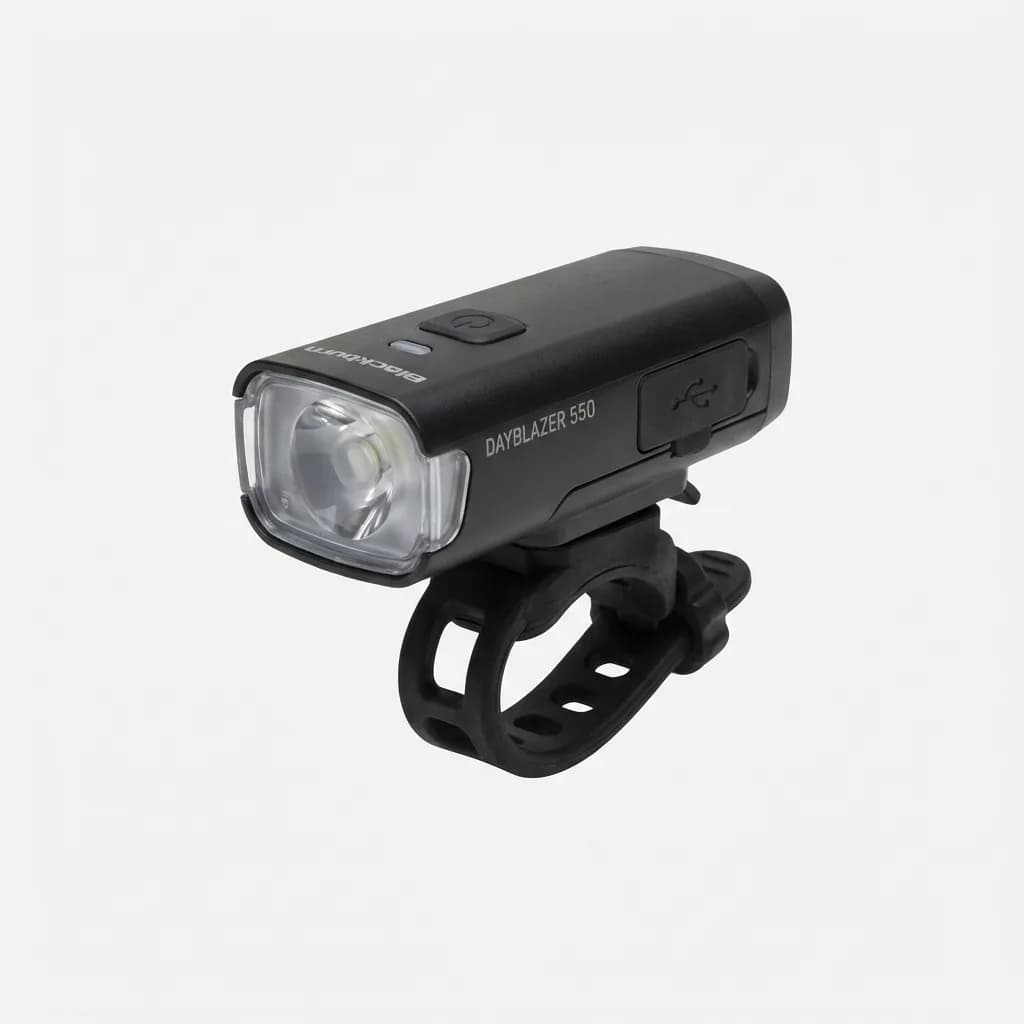
Blackburn Dayblazer 550 Front Light
$45
550 lumens with five modes including daytime flash. USB rechargeable, low battery indicator, IP65 water resistance. Versatile mount fits handlebars and helmets. Runtime: 1.5-18 hours.
Most riders underestimate how much difference a good light makes until they try one that works right. You ride more confidently, cars give you more space, and you stop worrying about whether you're actually visible. That peace of mind alone is worth the investment.
The Weekly Dispatch
Enjoying this article?
Subscribe and get our best gear picks delivered every Sunday morning.
Related Stories
Touchscreen Gloves That Actually Work
Most touchscreen gloves fail at basic tasks. We tested dozens to find models with reliable conductive tech, real warmth, and durability that survives daily use.
Best Pocket-Friendly Sunglasses Cases
Hard shells crack under pressure, soft pouches let lenses scratch. We tested compact cases that actually fit in your pocket and protect your sunglasses.

Best Lightweight Scarves for Travel in 2026
Discover the best lightweight travel scarves that pack small, provide warmth, and serve multiple purposes. From merino wool to silk blends, here's what works.