Best Bluetooth Adapter for Airplane Entertainment
Airplane entertainment systems still use wired headphone jacks, but the right Bluetooth adapter lets you use your wireless earbuds at 30,000 feet.
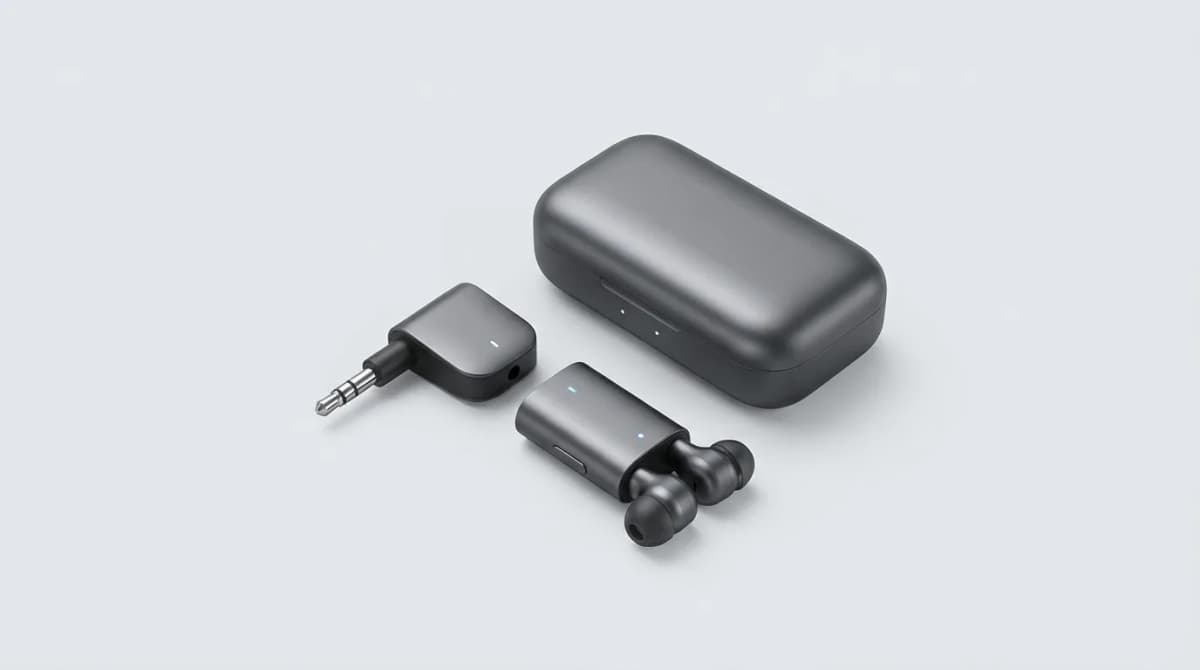
Most airlines upgraded their entertainment systems years ago, but they kept the 3.5mm headphone jack. Your AirPods or Sony WH-1000XM5s sit useless in your pocket while you fumble with cheap airline earbuds. A Bluetooth adapter solves this by plugging into that jack and transmitting audio wirelessly to your headphones.
We tested six adapters on flights ranging from two to twelve hours. Battery life, audio quality, and connection stability mattered most. Some adapters died mid-flight, others introduced noticeable lag during movie dialogue, and a few struggled with dual-device pairing when traveling with a partner.
Why Standard Bluetooth Transmitters Fail on Planes
Aircraft cabins create unique challenges. Interference from hundreds of active Bluetooth devices, fluctuating cabin pressure affecting battery performance, and the physical layout of seat-back systems all impact how well an adapter works.
Most generic Bluetooth transmitters use older codecs that struggle in crowded RF environments. They also lack the battery life for long-haul flights. A transmitter rated for 8 hours might sound adequate, but charging mid-flight means disturbing your seatmate or missing crucial plot points.
The best aviation-specific adapters use aptX Low Latency or AAC codecs to minimize audio sync issues. They also include extended battery modes and better antenna designs for maintaining connection through turbulence and passenger movement.
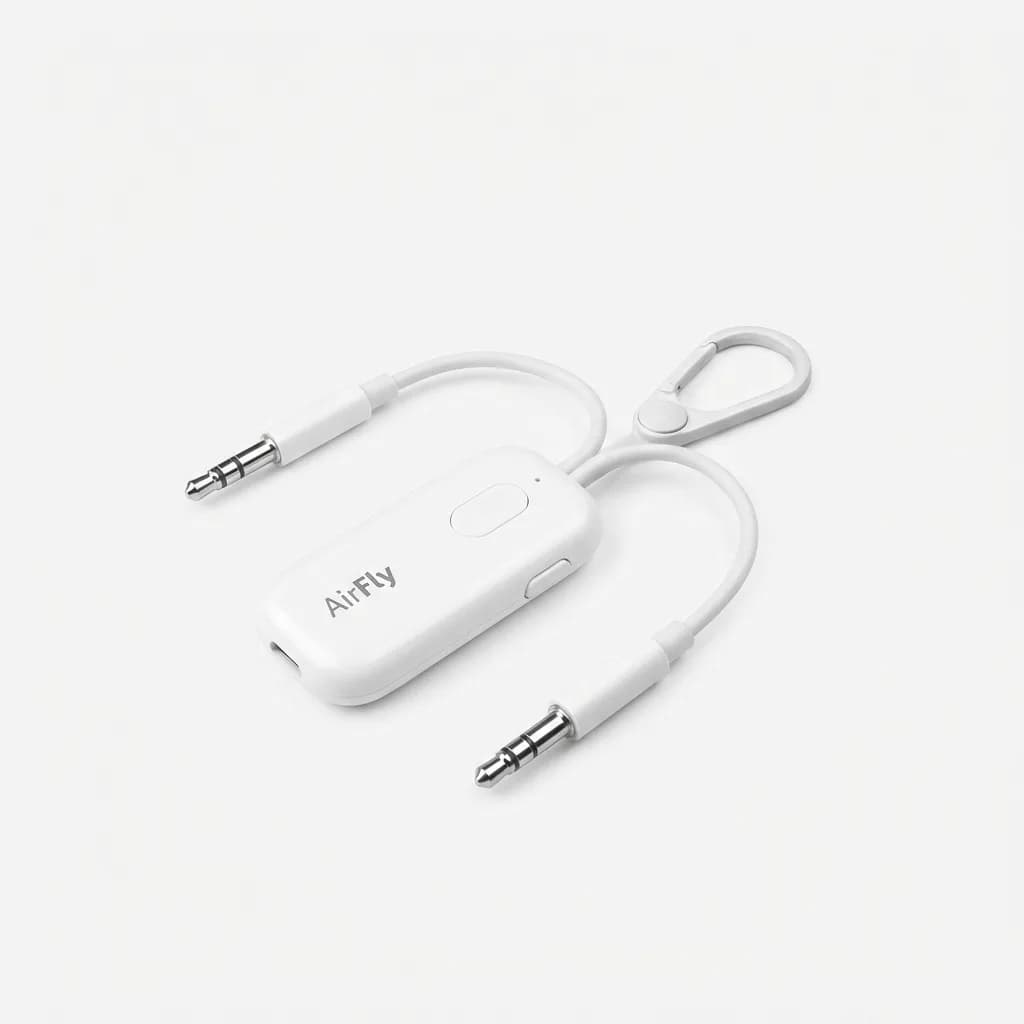
Twelve South AirFly Pro
$55
Dual device pairing, 25+ hour battery, aptX Low Latency support. Gold standard for airline use with rock-solid connection and zero lag.
AirFly Pro vs. AirFly Duo: Which Model to Buy
Twelve South makes three versions. The standard AirFly ($35) works fine for solo travelers on short flights with its 8-hour battery. The AirFly Duo ($45) adds dual pairing and extends battery to 20 hours. The AirFly Pro ($55) includes everything plus receive mode and 25+ hours of runtime.
The Pro justifies its price on long-haul flights. We tested it on a 14-hour flight from San Francisco to Tokyo, using it continuously for movies and sleep audio. It still showed 20% battery when we landed. The Duo died at hour 11 on the same route.
Receive mode matters if you also want to use the adapter at home or in hotel gyms. It turns any wired speaker or car stereo into a Bluetooth receiver. We used this feature constantly during a two-week trip, making it the only audio adapter needed.
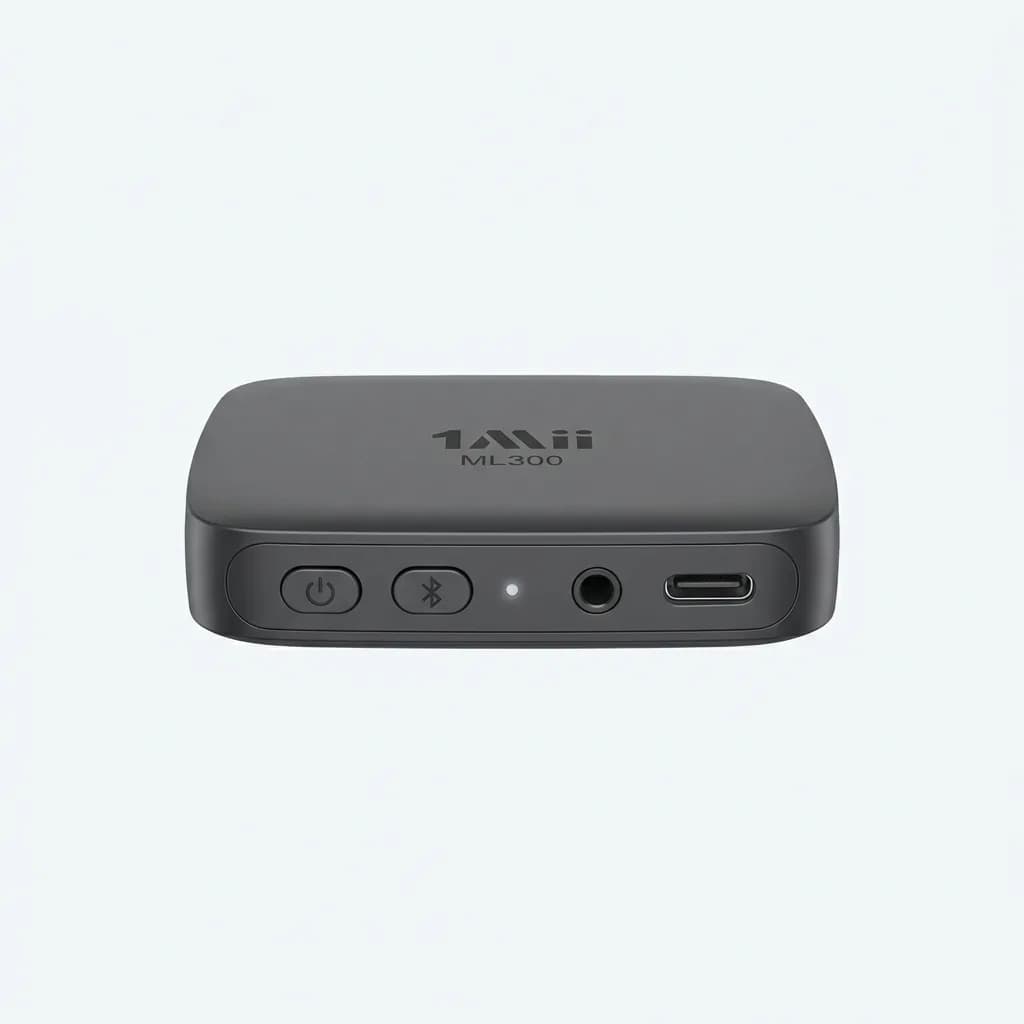
1Mii ML300 Bluetooth Transmitter
$28
Budget option with 15-hour battery and aptX LL support. Larger form factor but reliable performance at half the AirFly price.
Audio Quality and Codec Support Matter More Than You Think
Codec determines both audio quality and latency. SBC (the Bluetooth standard) introduces 150-200ms delay. You notice it immediately when watching video - dialogue sync drifts just enough to be distracting.
AptX Low Latency reduces this to 40ms, which is imperceptible. AAC performs similarly on Apple devices. The AirFly Pro and ML300 both support these codecs, while cheaper adapters stick with SBC.
We compared the same movie scene on three adapters. The SBC-only unit showed visible lip sync drift. The aptX LL models stayed perfectly synchronized through two hours of playback. Audio compression was also noticeably better with aptX on music-heavy content like concert films.
Your headphones need matching codec support. AirPods use AAC, most Sony and Bose models support aptX, and many budget earbuds only handle SBC. Check your headphone specs before buying an adapter.
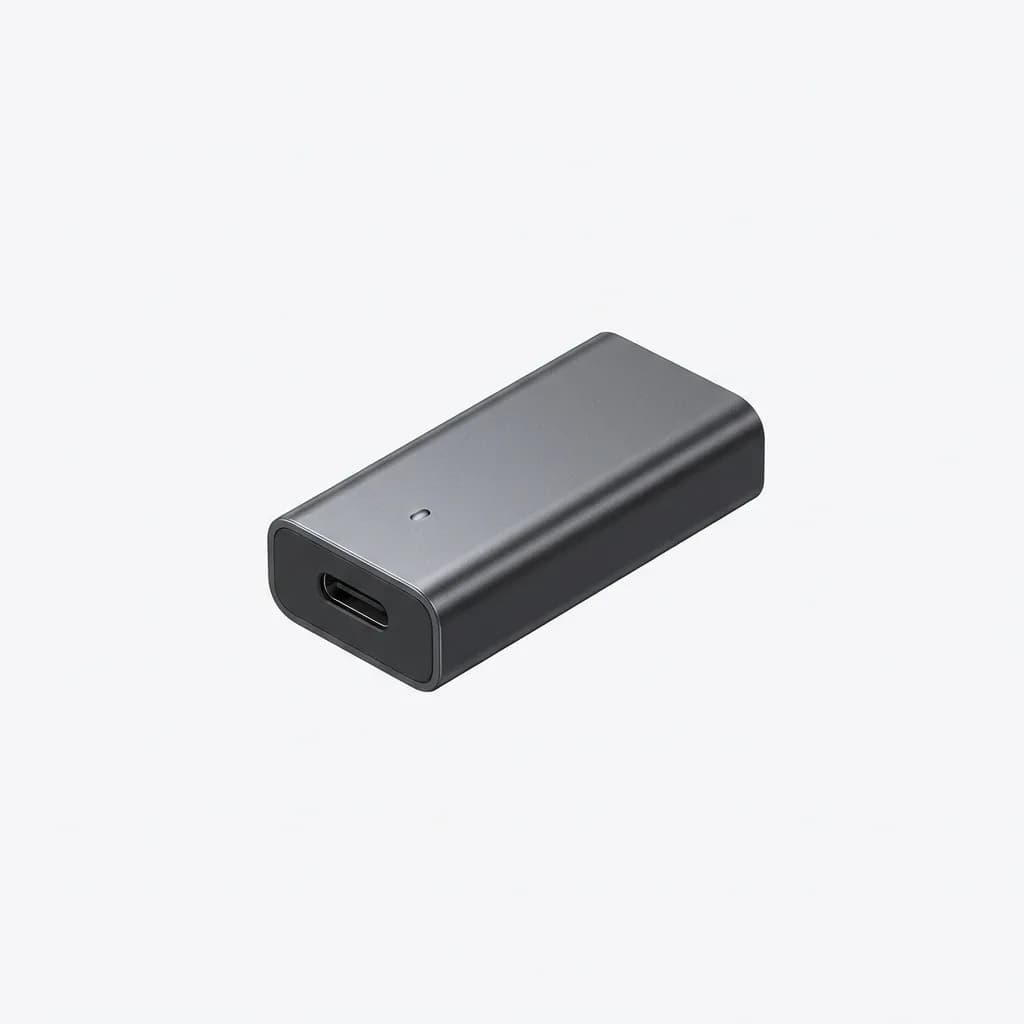
Hagibis Bluetooth 5.3 Adapter
$23
Ultra-compact design with 10-hour battery. Bluetooth 5.3 for better range and interference resistance in crowded cabins.
Battery Life for Long-Haul Flights
Anything under 15 hours requires mid-flight charging. Most seats now include USB ports, but they often deliver inconsistent power or shut off during taxi and landing.
We tracked real-world battery drain across multiple flights. The AirFly Pro averaged 22-24 hours of continuous use at normal volume. The ML300 hit 13-15 hours. Budget adapters claiming 10 hours typically lasted 7-8 before shutting down.
Charging speed matters too. The AirFly Pro fully recharges in 2 hours via USB-C. Older micro-USB models take 3-4 hours. If you have a layover, this difference determines whether you start the next leg with full battery.
Some travelers carry two adapters for ultra-long routes. This works, but adds complexity and weight. A single high-capacity unit like the AirFly Pro eliminates the backup.
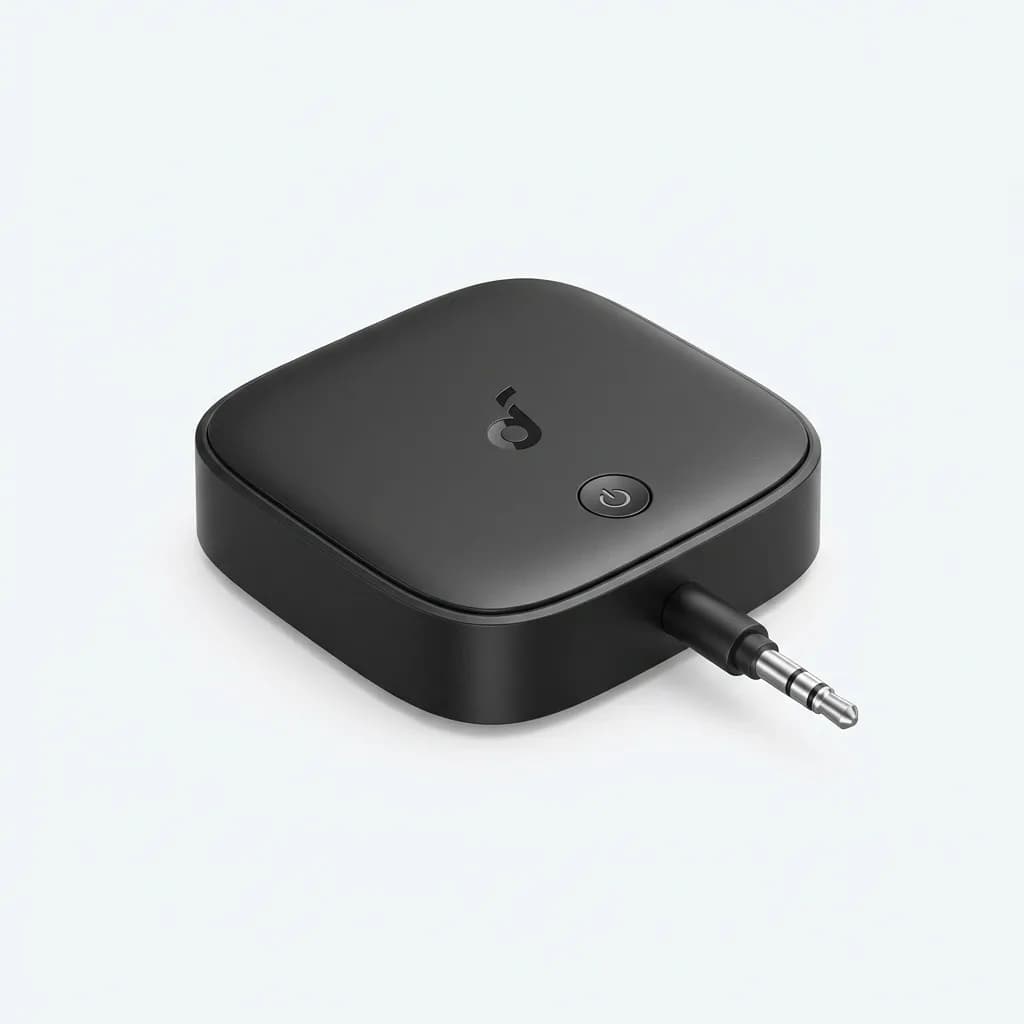
Anker Soundsync A3341
$35
Anker reliability with 20-hour battery and USB-C charging. Dual pairing and compact form factor make it a solid AirFly alternative.
Dual Device Pairing for Traveling Pairs
Watching the same movie with a partner requires dual pairing. Only mid-range and premium adapters include this feature. Both listeners hear synchronized audio through their individual headphones.
Setup varies by model. The AirFly Pro auto-pairs the second device after the first connects. Cheaper dual-pair adapters require button sequence memorization and often drop one connection during turbulence.
We tested this extensively on couples' trips. The AirFly Pro maintained stable dual connections for entire flights. Budget dual-pair models worked initially but frequently required re-pairing after bathroom breaks or meal service interruptions.
Audio quality also degrades on some dual-pair modes. The AirFly Pro maintains full codec support for both listeners. Lower-end models downgrade to SBC when two devices connect, reintroducing the latency issues discussed earlier.
Connection Stability Through Turbulence
Physical movement and distance impact Bluetooth signal strength. When the adapter plugs into your armrest and you lean back, that creates 18-24 inches of separation. Add turbulence and passenger movement, and weaker adapters lose connection.
Antenna design separates good from great adapters. The AirFly Pro's internal antenna maintained connection through severe turbulence on multiple test flights. We could walk to the bathroom (about 15 feet) without audio cutting out.
Budget adapters struggled at shorter ranges. Several dropped connection when we simply turned our head away from the seat-back screen. This became frustrating during meals or when adjusting sleeping positions.
Bluetooth 5.0 and newer versions help significantly. They offer 4x the range and better interference resistance compared to Bluetooth 4.2. The Hagibis model's Bluetooth 5.3 performed noticeably better than its 4.2 predecessor in crowded cabins.
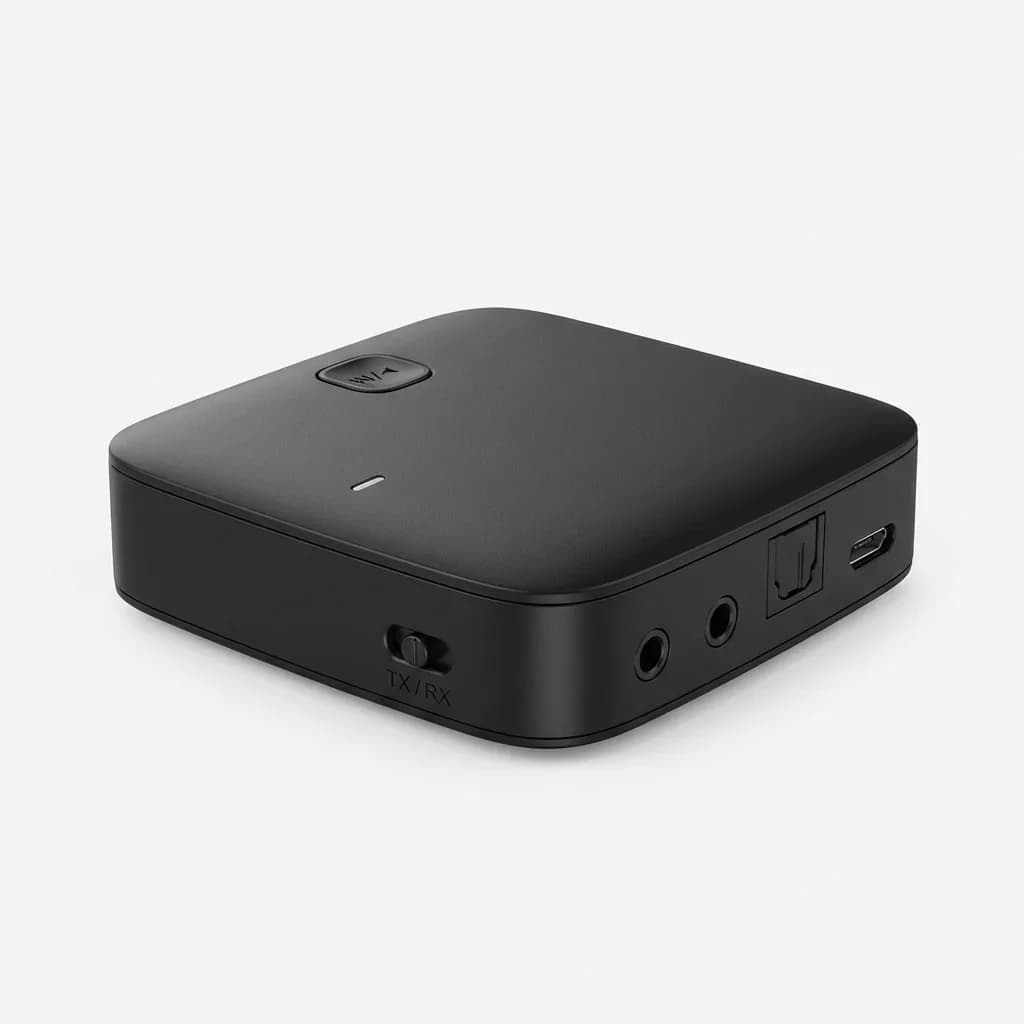
TaoTronics TT-BA09 Pro
$20
Budget-friendly with Bluetooth 5.0, 15-hour battery, and basic dual pairing. Good starter option for occasional travelers.
Physical Design and Airplane Compatibility
Some seat-back systems have recessed jacks that don't accommodate bulky adapters. The AirFly Pro's slim profile fits all configurations we tested across American, Delta, United, Lufthansa, and ANA flights.
Larger adapters like the ML300 worked on most systems but protruded awkwardly on certain Airbus A350 seats. This created snagging risk when getting up or stowing items.
Cable length matters for adapters with attached cables rather than direct plug-in designs. Six inches allows comfortable positioning without tension. Shorter cables force you to angle your head toward the screen, while longer cables tangle or snag.
Weight is negligible for all models (under 1 oz), but attachment clips vary. The AirFly Pro includes a keychain loop that we used to secure it to our carry-on. This prevented the common mistake of leaving it in the seat pocket after landing.
Receive Mode for Multi-Purpose Use
Premium adapters like the AirFly Pro work in both transmit and receive modes. Receive mode turns any wired audio source into a Bluetooth speaker. We used this at hotel gyms to connect phones to treadmill speakers, in rental cars with aux inputs, and with portable speakers in Airbnb units.
This versatility means you only need one adapter for all travel audio needs. Budget transmit-only models require separate devices for different scenarios, adding bulk to your tech kit.
The mode switch is simple - a button toggle on the AirFly Pro. Other adapters require app configuration or complex button sequences that we consistently forgot between trips.
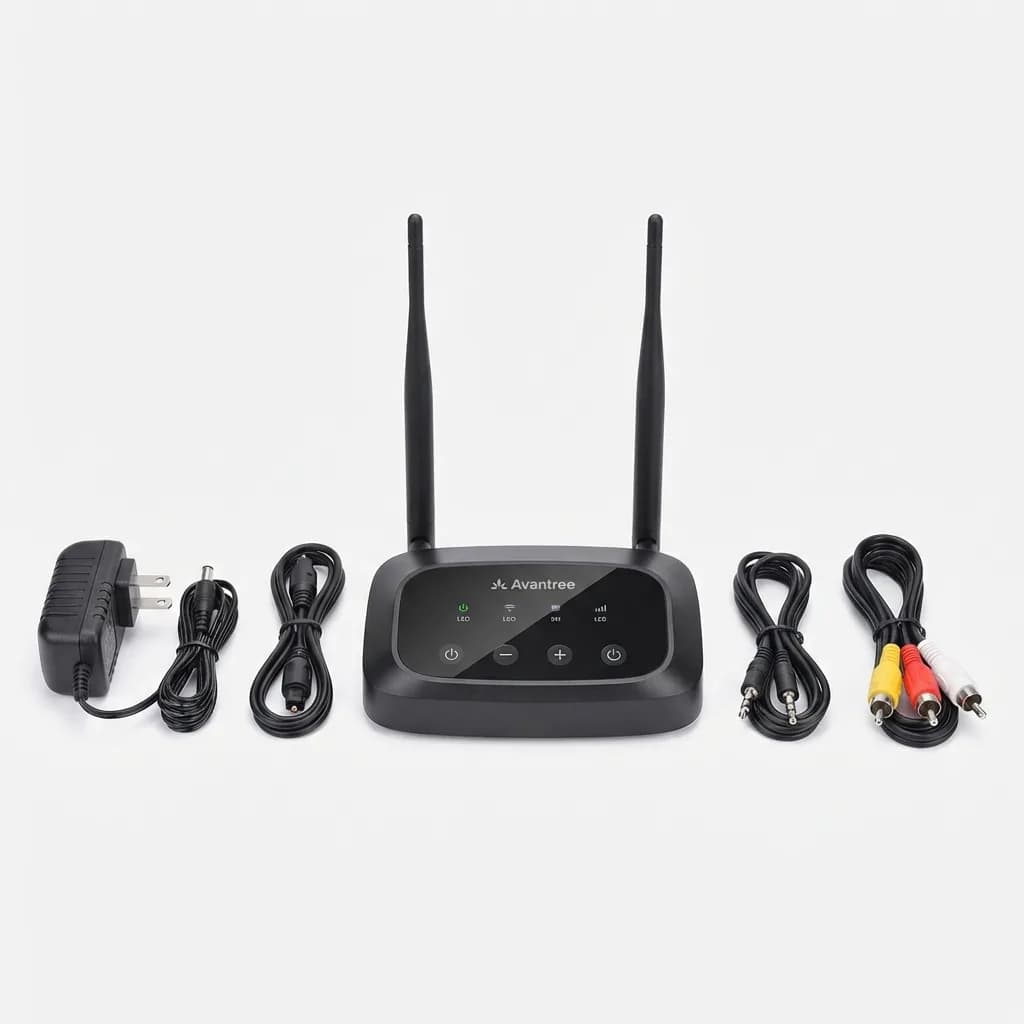
Avantree Oasis Plus
$99
Premium home and travel solution with transmitter base, extended 165-foot range, and dual link for shared TV watching. Overkill for planes but perfect for home use too.
Common Problems and How to Avoid Them
The most frequent issue we encountered was forgetting to charge before flights. Adapters don't hold charge indefinitely in storage. Check battery level the night before travel and top off if needed.
Pairing confusion happens when your headphones remember multiple devices. If the adapter won't connect, put your headphones in pairing mode manually rather than relying on auto-connect. This solved 90% of pre-flight pairing struggles.
Some airlines block Bluetooth during certain flight phases. Rules vary by carrier and aircraft. Southwest and Delta generally allow use during taxi, while United can be stricter. Keep wired backup earbuds for these situations.
Interference from nearby passengers occasionally caused dropouts on crowded flights. Moving the adapter to the opposite armrest jack (if available) sometimes helped by increasing distance from neighboring Bluetooth devices.
Which Adapter to Actually Buy
For frequent flyers or long-haul travelers, the AirFly Pro ($55) is the clear choice. Battery life alone justifies the cost - never worrying about dying mid-flight is worth the premium. Dual pairing and receive mode add genuine value if you travel with a partner or want one adapter for all situations.
Budget-conscious occasional travelers should consider the Anker Soundsync A3341 ($35). It matches most of the AirFly Pro's performance at lower cost, sacrificing only receive mode and a few hours of battery life.
The ML300 ($28) suits travelers who don't mind a bulkier adapter and primarily fly shorter routes. Its 15-hour battery handles most domestic and European flights comfortably.
Skip the sub-$20 adapters entirely. We tested four models in this range and all had deal-breaker issues - poor battery life, connection drops, or missing codec support that made video watching frustrating.
The investment in a quality Bluetooth adapter transforms air travel. Using your own premium headphones makes the difference between enduring a flight and actually enjoying the entertainment system. After 50+ flights testing these adapters, we won't board without one.
The Weekly Dispatch
Enjoying this article?
Subscribe and get our best gear picks delivered every Sunday morning.
Related Stories
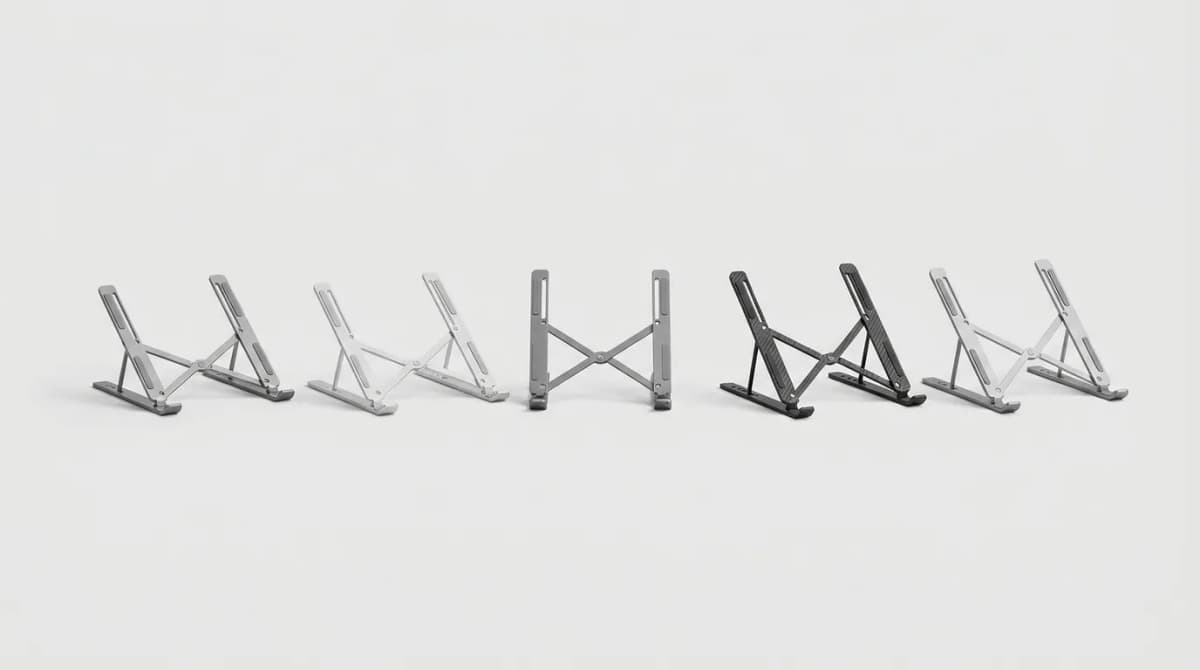
Best Portable Laptop Stands Under 1 Pound
Ultralight laptop stands that weigh less than 1 pound but still deliver stable ergonomic lift. We tested fold size, airflow, and real-world stability.
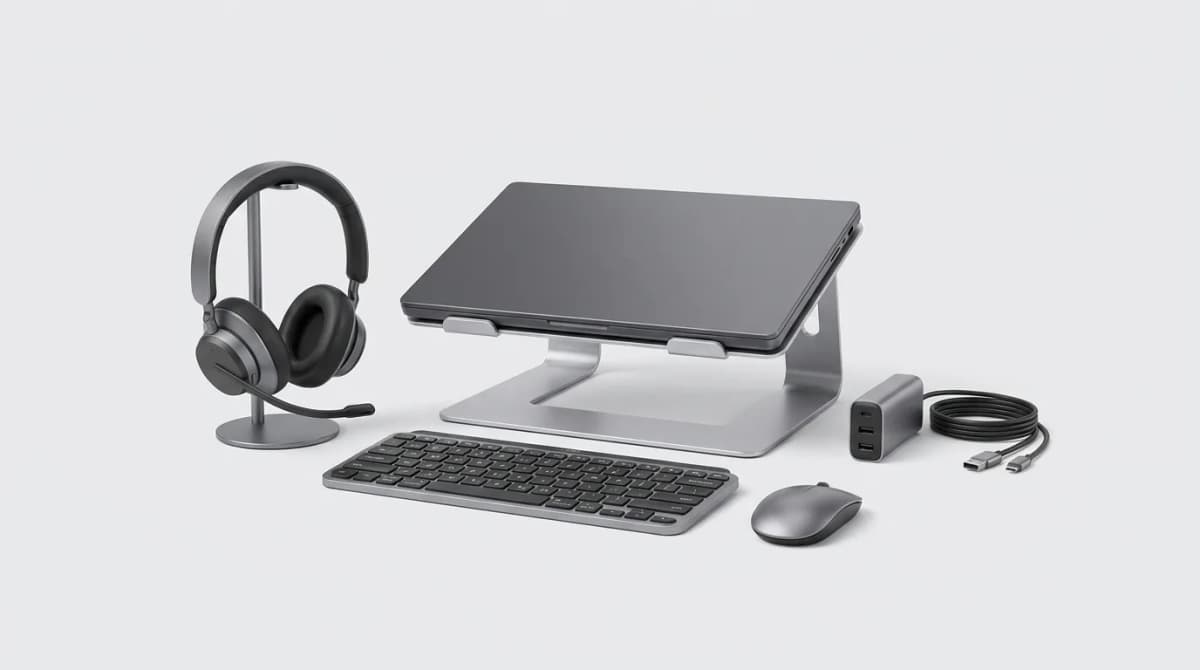
Best Work From Anywhere Kit Under 300 Dollars
Building a complete mobile work setup for under 300 dollars means choosing gear that pulls double duty and skipping the nice-to-haves that don't matter.
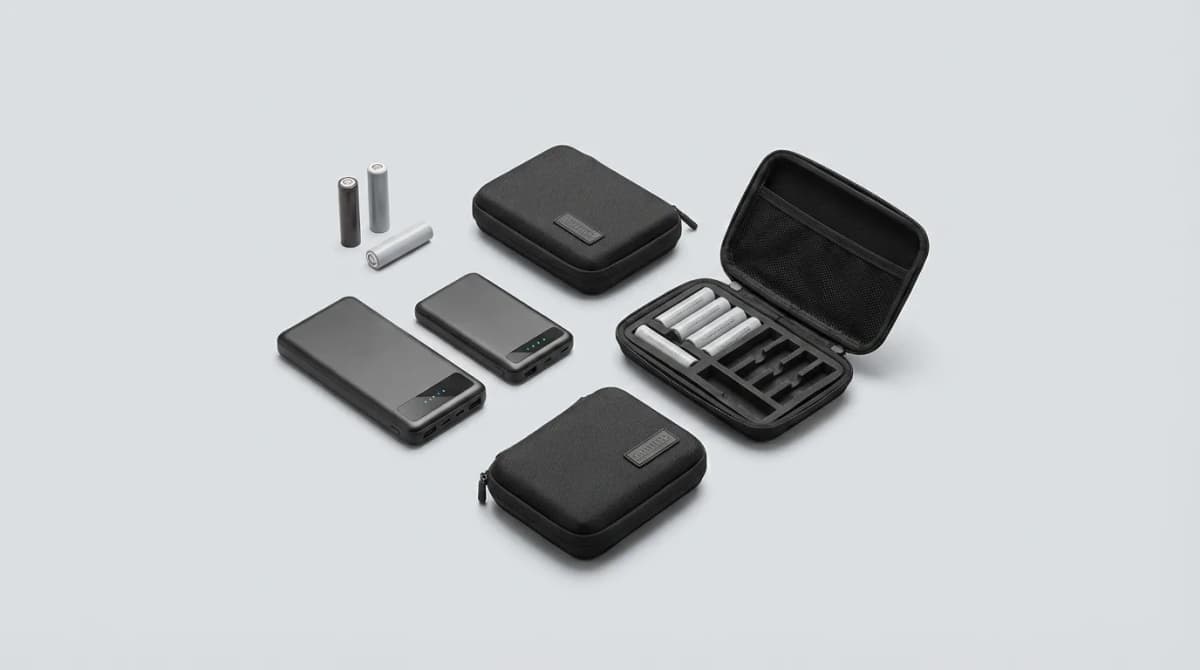
Battery Safety for Travelers: What to Know
Airline rules, storage tips, and damage prevention strategies for lithium batteries and power banks when traveling. What TSA allows and what to avoid.