Adventure Travel Gear for Backpacking Abroad
From multi-climate packs to portable water purifiers, the gear choices that separate smooth backpacking trips from uncomfortable disasters abroad.
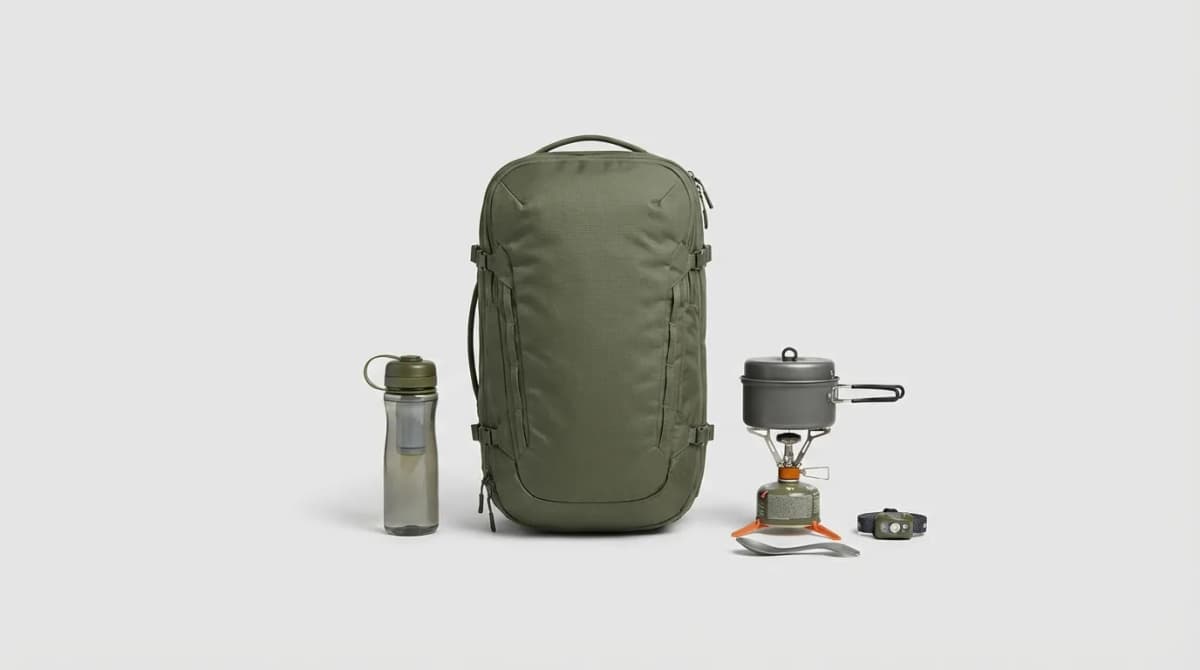
The difference between a backpacking trip you talk about for years and one you want to forget often comes down to five or six critical gear choices. Not the Instagram-worthy stuff, but the equipment that works when you're three days into a trek in Peru and your water source is questionable, or when you're switching from tropical heat to mountain cold in the same day.
Most first-time international backpackers either overpack or bring the wrong type of gear entirely. A 70-liter hiking pack makes sense for wilderness camping, but it's torture for navigating European train stations. A $20 water bottle with a basic filter works fine at home but fails completely when faced with actual backcountry water sources. The gear that works for weekend camping rarely translates to multi-week international travel.
Travel Backpack vs Hiking Pack: What Actually Works
The traditional top-loading hiking pack causes problems the moment you step off the trail. You need something from the bottom, so you unpack everything onto a hostel floor or train platform. The frame digs into your back during long bus rides. The dangling straps catch on turnstiles and doorways.
Travel backpacks solve these problems with panel-loading designs that open like a suitcase. You can access any item without unpacking. Most feature detachable daypacks and hide their suspension systems behind zip-away panels when you need to look less like a hiker and more like a traveler. The best ones handle 40-50 liters, enough for weeks of travel without becoming unwieldy.
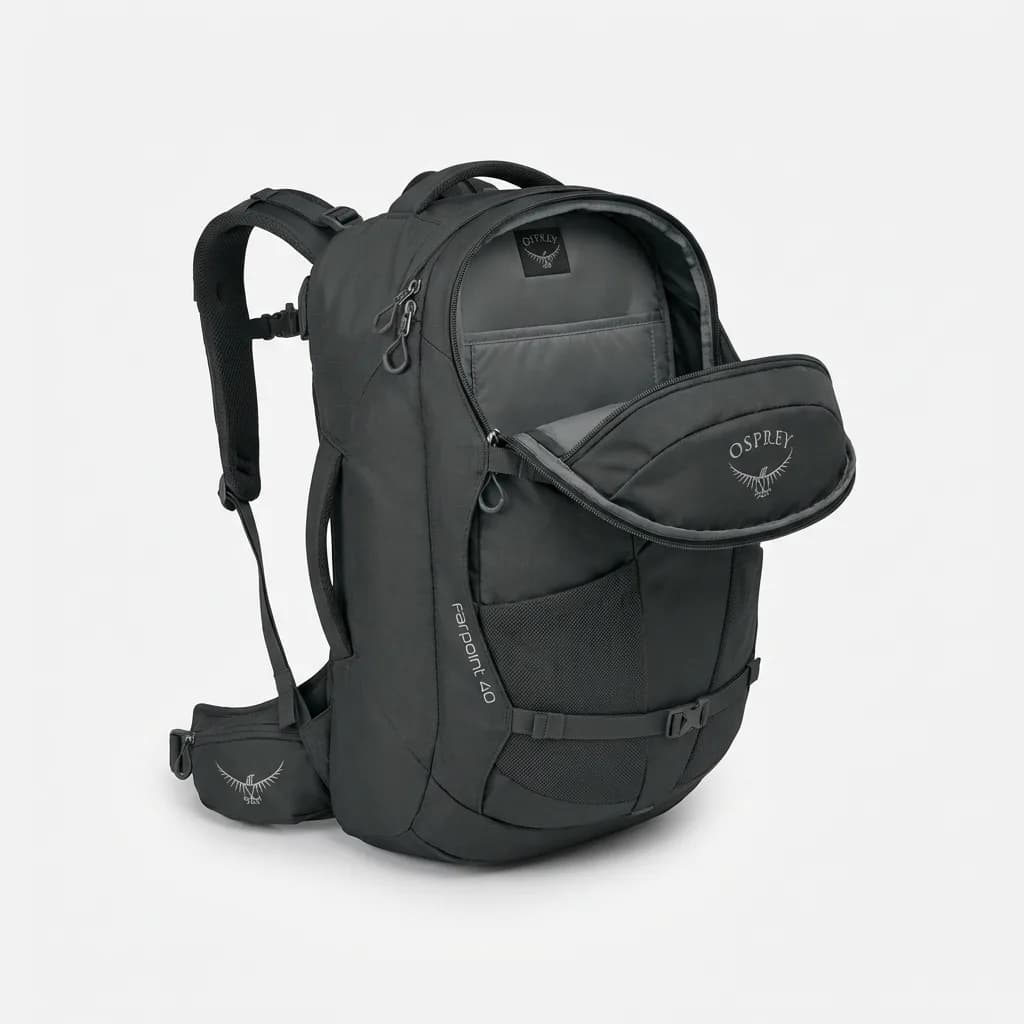
Osprey Farpoint 40
$170
Panel-loading travel pack with stowaway harness, 40L capacity fits carry-on requirements, dedicated laptop sleeve, and surprisingly comfortable suspension for its size.
The Farpoint strikes the balance most backpackers need. It's large enough for extended trips but small enough to qualify as carry-on luggage on most airlines. The hip belt actually transfers weight properly, unlike many travel packs that treat it as an afterthought. We've used this through Southeast Asia, South America, and Europe without issues.
For those who need more versatility, convertible packs offer both travel and hiking functionality. They cost more and weigh more, but handle everything from city exploration to multi-day treks. REI's Trail 40 and the Osprey Aether Plus 60 both feature removable tops that become daypacks.
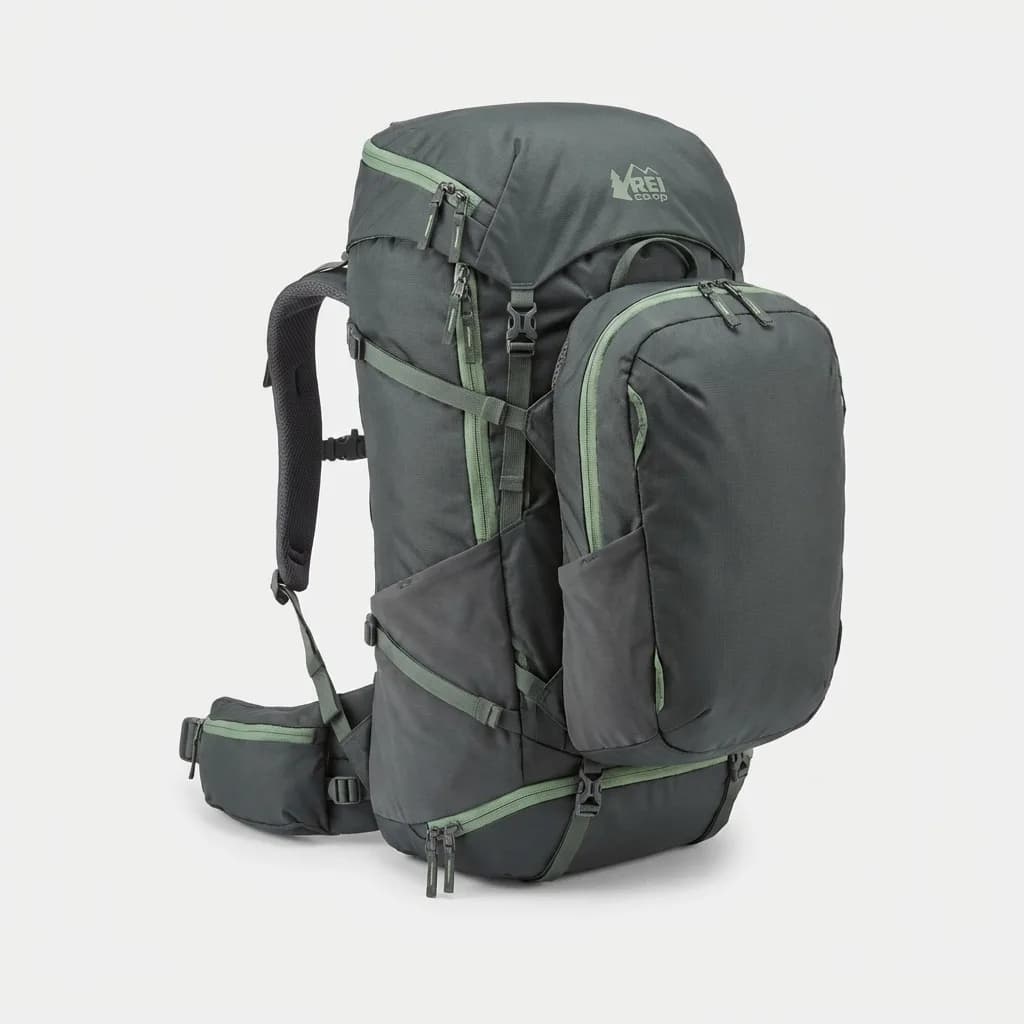
REI Co-op Ruckpack 40
$199
Convertible travel pack with removable daypack, weather-resistant fabric, multiple access points, and adjustable torso length for proper fit.
The key measurement is torso length, not your height. A pack that doesn't fit your torso properly will never carry comfortably, regardless of padding or features. Most manufacturers provide measuring guides. If you're between sizes, the smaller size usually works better for travel-focused use.
Multi-Climate Clothing: The Layer System That Actually Works
You'll move through multiple climate zones on most international backpacking trips. The mountains of Nepal in the morning, tropical lowlands by afternoon. Mediterranean heat during the day, cold stone buildings at night. Packing individual outfits for each scenario leads to overpacking. The layer system prevents that.
Base layers manage moisture and provide the first insulation level. Merino wool outperforms synthetics for extended wear because it resists odor naturally. You can wear the same merino shirt for 3-5 days between washes. Synthetics start smelling after one day. This matters when you're moving between locations constantly.
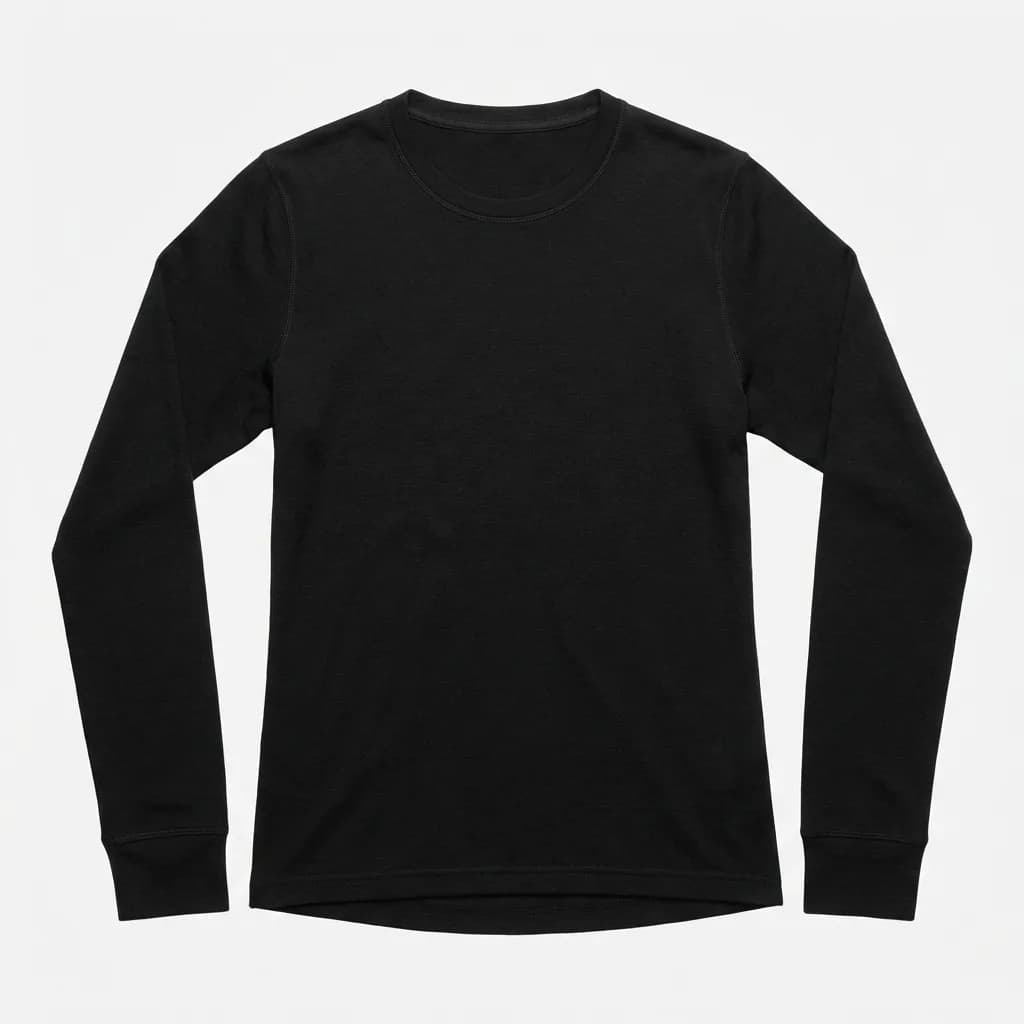
Icebreaker 200 Oasis Long Sleeve
$100
100% merino wool base layer, 200-weight fabric balances warmth and breathability, flatlock seams prevent chafing, naturally antimicrobial.
Mid layers provide insulation. Fleece works for mild cold, but synthetic or down jackets pack smaller and provide more warmth per ounce. Down compresses better, but synthetic insulation keeps working when wet. Most backpackers need both: a light fleece for everyday use and a packable puffy jacket for cold mornings or high-altitude stops.
The outer layer blocks wind and rain. Hardshell jackets with waterproof-breathable membranes like Gore-Tex work best but cost more and weigh more. For budget-conscious travelers, a lightweight rain jacket paired with an umbrella handles most weather. The umbrella provides better ventilation in tropical rain and doubles as a sun shade.
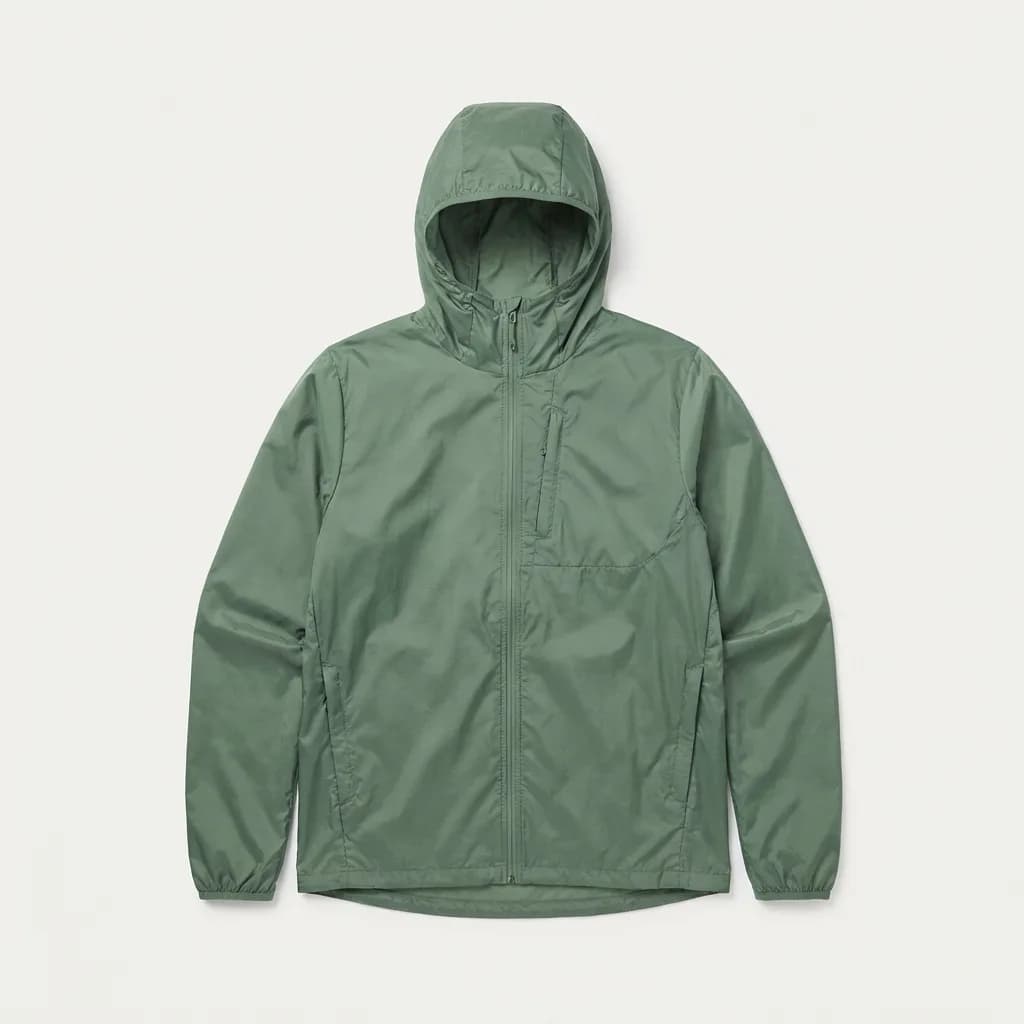
Patagonia Houdini Jacket
$119
Ultralight windshell at 3.1 oz, DWR coating sheds light rain, packs into its own pocket, provides surprising warmth for its weight.
One technical shirt, one casual shirt, two base layer tops, one fleece, one puffy jacket, one rain layer. That handles everything from tropical beaches to alpine passes. Add two pairs of quick-dry pants or a convertible pair, and you have a complete clothing system that weighs under 5 pounds.
Water Filtration: What Works in Developing Countries
The water quality in many international backpacking destinations requires more than the simple filters designed for North American backcountry streams. You're dealing with agricultural runoff, industrial contamination, and viruses that basic microfilters don't catch. The LifeStraw bottles sold at every outdoor store remove bacteria and protozoa but not viruses or chemical contaminants.
Proper treatment requires either purification (chemical or UV) or filtration down to 0.02 microns or smaller. Most microfilters only go to 0.1-0.2 microns, which catches bacteria but not viruses like hepatitis A or rotavirus. You need a purifier, not just a filter.
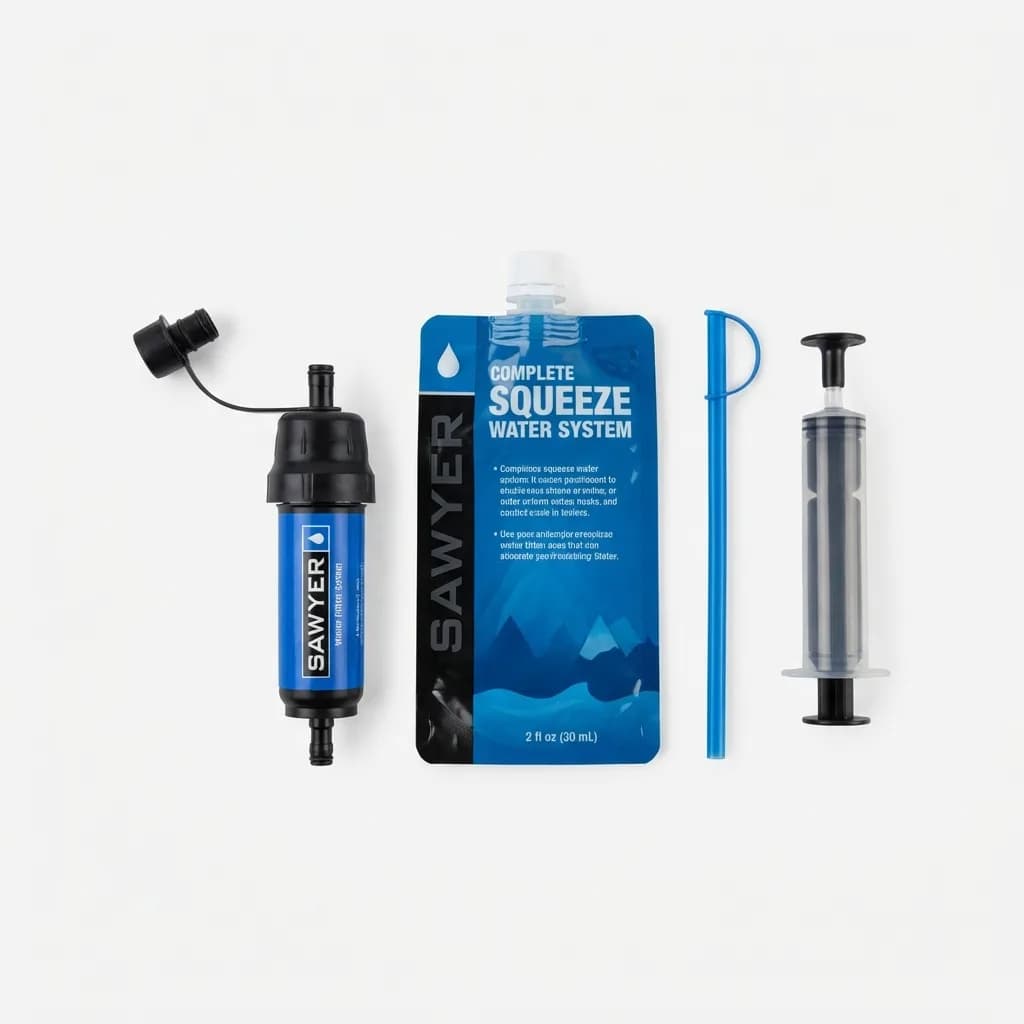
Sawyer Squeeze Water Filter System
$37
0.1 micron hollow fiber membrane removes 99.99999% of bacteria and protozoa, 100,000-gallon lifetime, weighs 3 oz, pairs with any bottle.
The Sawyer Squeeze handles most situations when paired with purification tablets for suspect water sources. It's light, reliable, and processes water faster than most competitors. The squeeze bag design works but durability varies. Most experienced users attach it to standard water bottles instead.
For complete protection, UV purifiers like the SteriPEN eliminate everything including viruses. They require batteries or charging capability, which becomes problematic in areas with unreliable electricity. Chemical purification with chlorine dioxide tablets (Aquamira or Katadyn) provides backup protection without power requirements.
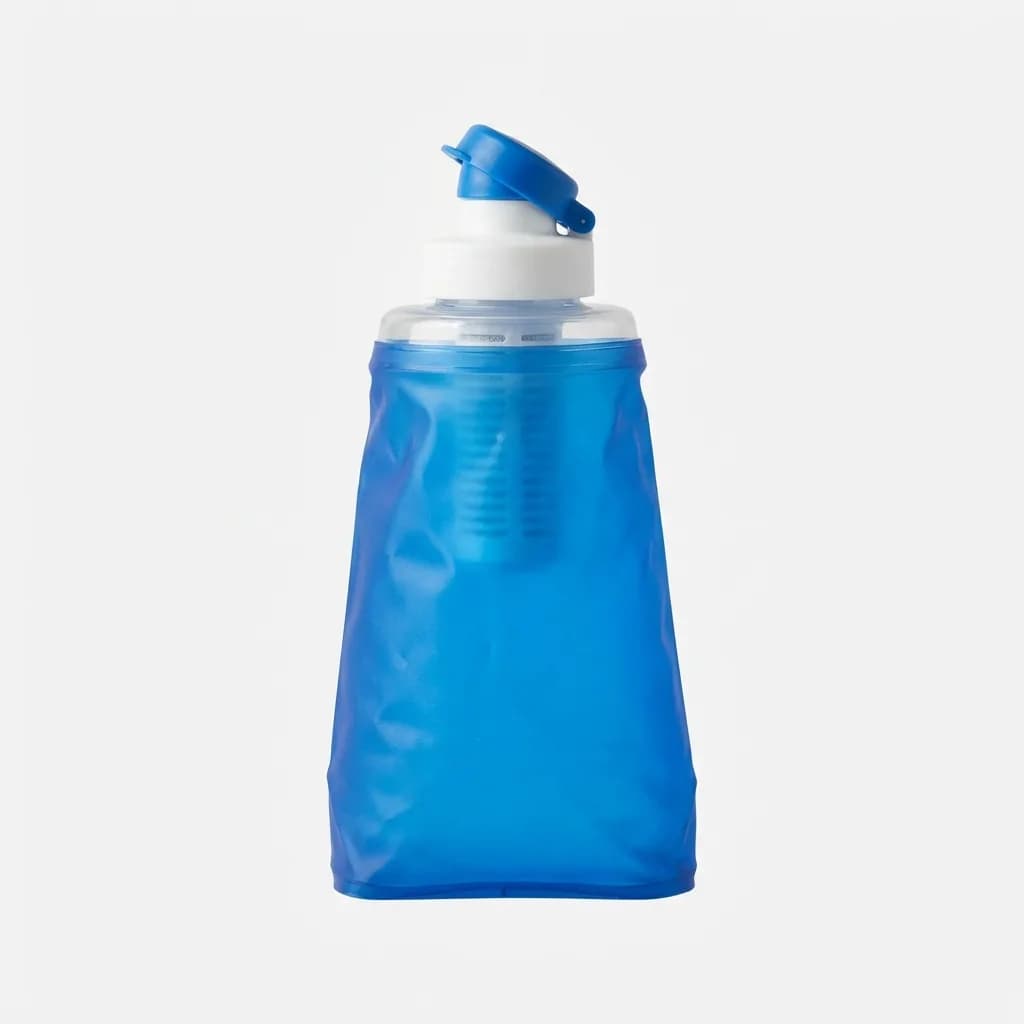
Katadyn BeFree Water Filter
$45
Collapsible 1-liter flask with integrated 0.1 micron filter, 2 liters per minute flow rate, ultra-compact when empty, replaceable cartridge.
The best approach combines methods. Use a quality microfilter for clear water sources and carry purification tablets or a small UV device for questionable sources. This redundancy matters when you're far from medical facilities. The weight difference between carrying one device and two is under 4 ounces but the capability difference is significant.
What About Pre-Filtering?
Sediment and particles clog filters quickly. A bandana or coffee filter removes visible debris before processing. This simple step extends filter life and maintains flow rates. In muddy water situations, letting water settle for 30 minutes before filtering makes a major difference.
Compact Cooking and Camping Essentials
Most international backpackers stay in hostels or guesthouses more often than they camp, but cooking capability saves money and provides flexibility. A compact stove system, single pot, and basic utensils let you prepare breakfast, boil water for coffee, or cook a simple dinner regardless of what's available locally.
Integrated canister stove systems like the Jetboil or MSR Reactor provide the best efficiency and packability. They nest completely, boil water in 2-3 minutes, and use widely available isobutane-propane fuel canisters. The tradeoff is versatility. You can't simmer effectively or cook real meals beyond boiling water or rehydrating food.
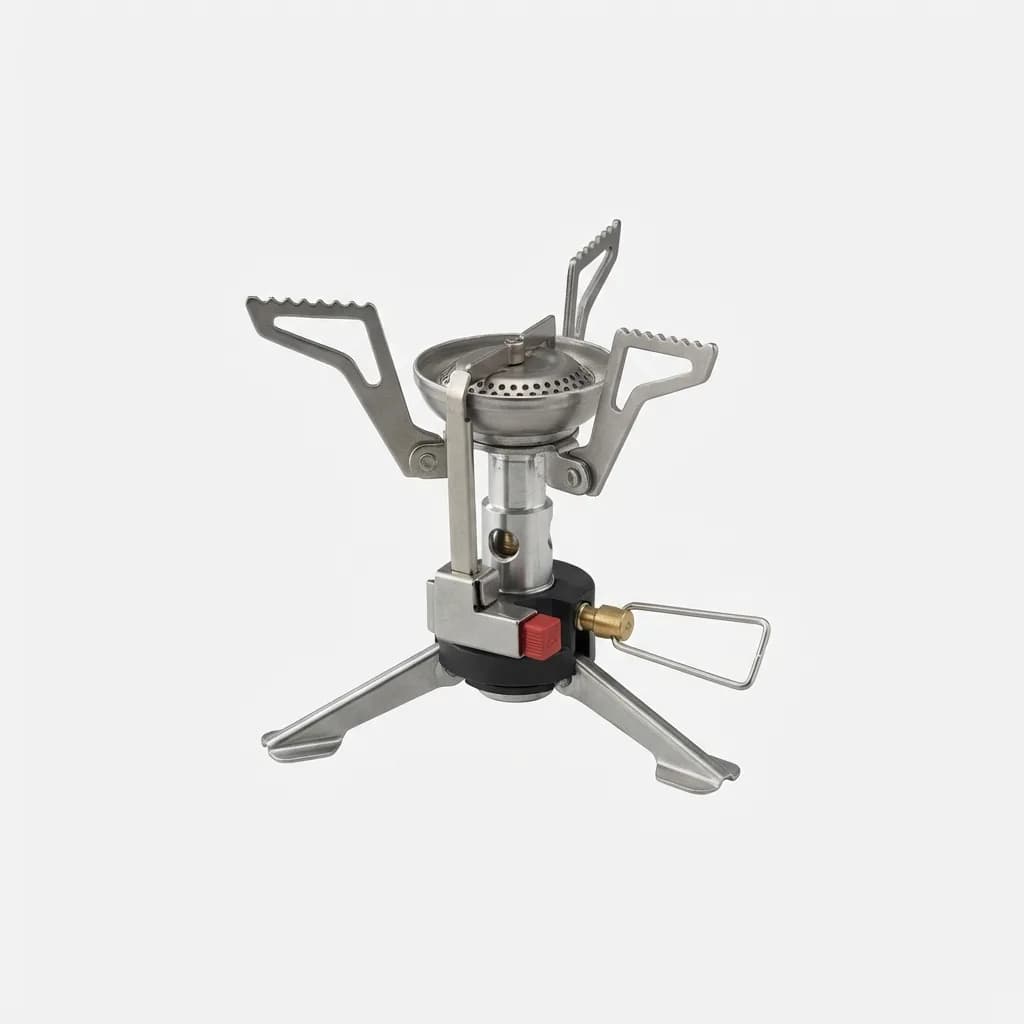
MSR PocketRocket 2
$50
Ultralight backpacking stove at 2.6 oz, folds to 2x3 inches, boils 1 liter in 3.5 minutes, works with any pot, fits in a mug.
The PocketRocket approach offers more flexibility. It works with any pot, simmers properly, and costs less than integrated systems. Pair it with a 1-liter titanium pot and you have a cooking system that handles everything from morning coffee to pasta dinners. Total weight under 8 ounces including pot, stove, and a folding spork.
Fuel availability varies by region. Isobutane canisters are common in developed countries and major cities but scarce in rural areas of developing nations. White gas (liquid fuel) stoves like the MSR WhisperLite work anywhere you can buy gasoline or kerosene. They're heavier and require more maintenance but provide fuel security in remote regions.
For minimalists who only need boiling water, the integrated systems make sense. For those who want actual cooking capability or travel to areas with limited fuel infrastructure, a separate stove and pot provides more options. We've found the separate approach more valuable for extended international travel.
The Overlooked Essentials
Certain small items have outsized impact on comfort and capability during international backpacking. A headlamp with multiple brightness settings prevents fumbling in dark hostel rooms while others sleep. A stuff sack or two organizes gear and doubles as a pillow when stuffed with extra clothing. A quick-dry travel towel weighs 4 ounces versus 2 pounds for cotton.
Repair supplies matter more than most realize. Tenacious Tape patches ripped fabrics, torn rain gear, and damaged sleeping pads. A small sewing kit fixes failed seams or loose straps. These items weigh under 2 ounces total but can save a trip when critical gear fails far from replacement options.
Power management becomes critical when using phones for navigation, communication, and documentation. A 10,000-20,000 mAh power bank provides 2-4 full phone charges. Paired with a multi-port USB charger, you can charge multiple devices simultaneously from a single outlet. This matters in hostels where outlet access is limited.
The gear choices that matter most are rarely the items featured in adventure travel marketing. They're the unsexy, functional pieces that work consistently across varying conditions and use cases. A properly sized pack that carries comfortably. Clothing that handles multiple climates without taking up half your space. Water treatment that actually protects you. A cooking system that adapts to local fuel availability. These fundamentals make or break extended backpacking trips abroad.
The Weekly Dispatch
Enjoying this article?
Subscribe and get our best gear picks delivered every Sunday morning.
Related Stories
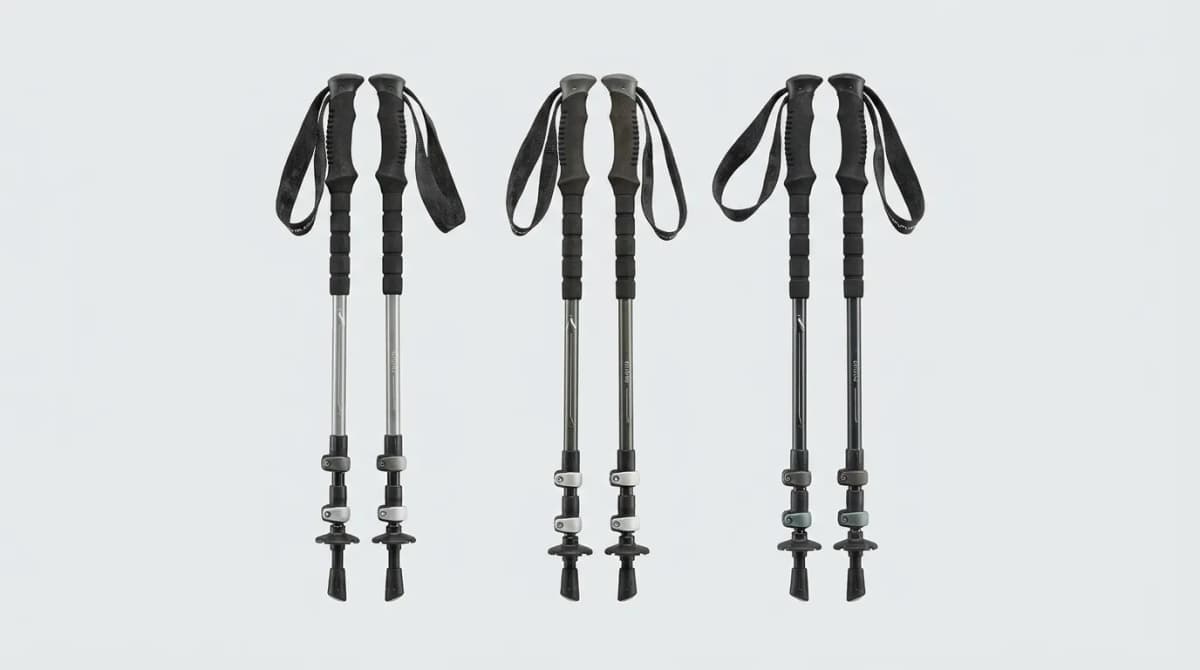
Best Trekking Poles for Bad Knees 2026
Discover which trekking poles reduce knee strain most effectively with shock absorption, proper length adjustment, and grip comfort for long-distance hiking.
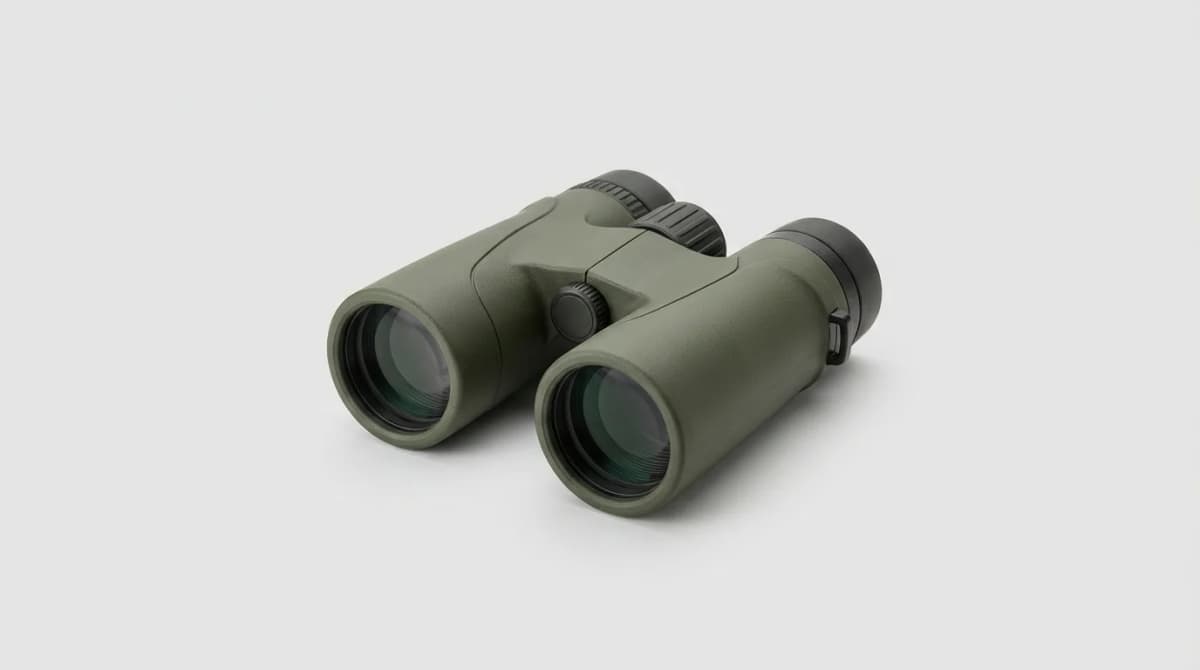
Best Binoculars for Bird Watching Under $200
Budget binoculars can deliver sharp, bright views for birding. We tested mid-range optics under $200 to find which models offer the best clarity and durability.
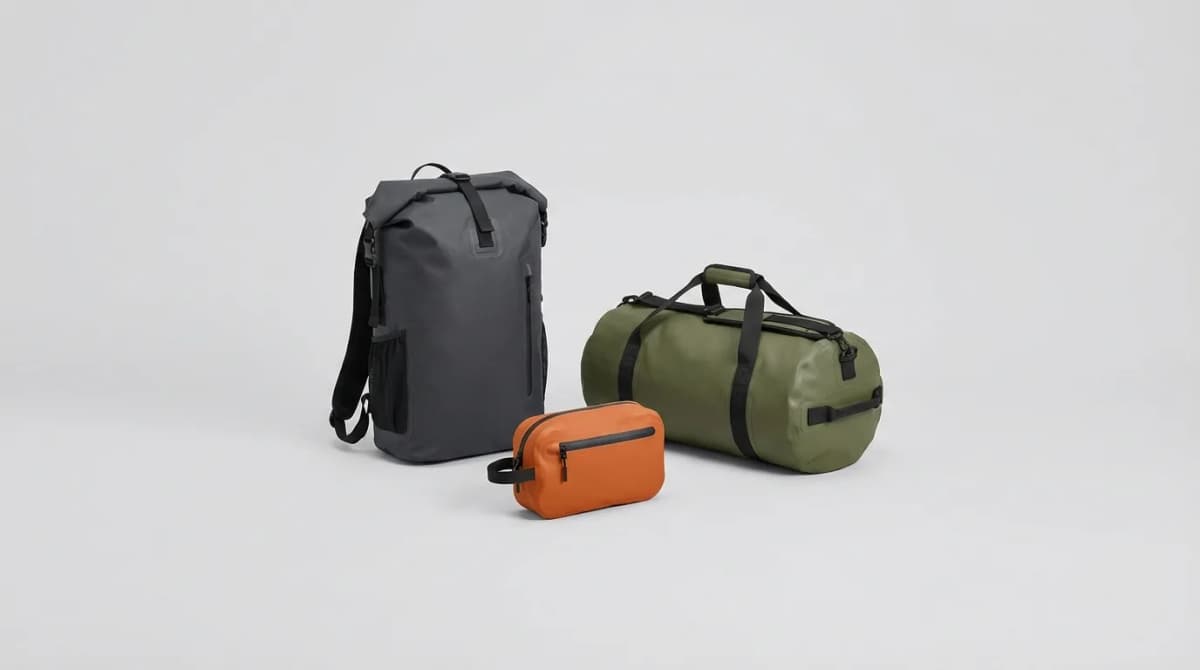
Best Dry Bags for City and Travel Use
Dry bags aren't just for kayakers anymore. Here's how to pick the right waterproof roll-top bag for urban carry, travel, and everyday protection.