Smart Luggage: High-Tech Suitcases and Tags
Smart luggage adds GPS tracking, built-in charging, and digital scales. Here's what works, what airlines allow, and which tech features justify the upgrade.
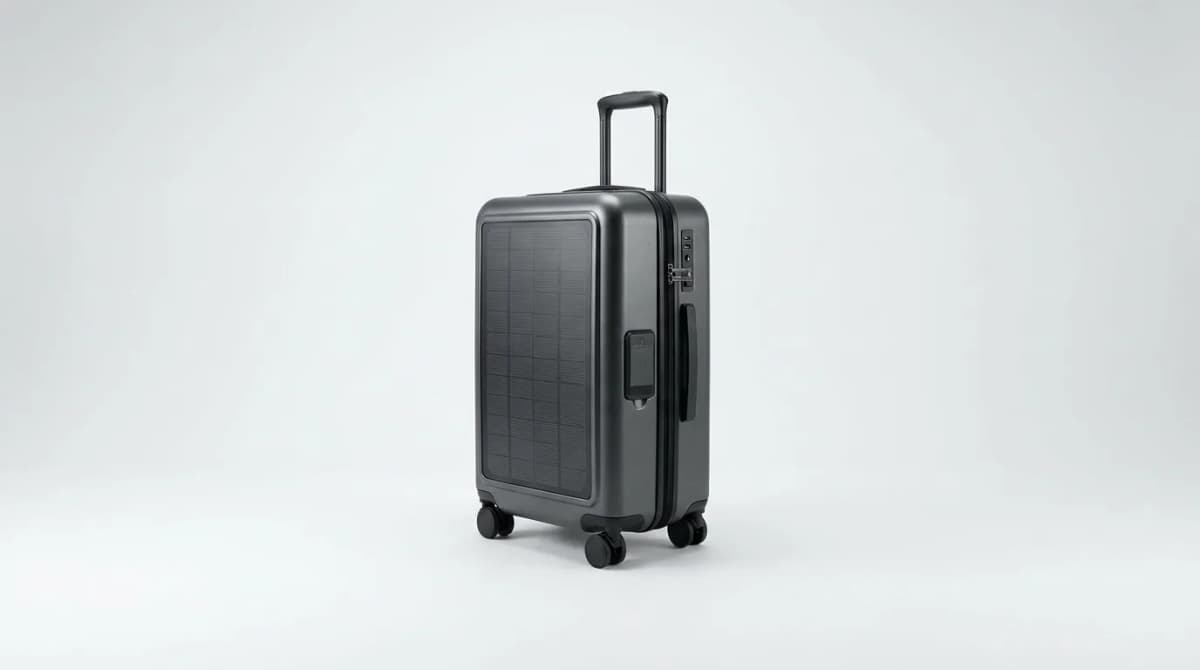
Your bag just landed in Prague while you're standing in London. That scenario drives a billion-dollar market in tracking tech, smart suitcases, and connected travel gear. Some of it delivers real peace of mind. Some of it is overengineered nonsense that airlines banned years ago.
The practical stuff works quietly in the background. AirTags tucked into luggage pockets. Bluetooth trackers clipped to backpack straps. Digital luggage scales that prevent overweight fees at check-in. The gimmicky stuff gets confiscated at security or runs out of battery before your connecting flight.
We tested smart luggage across domestic and international trips, tracking performance through airline restrictions, battery life reality checks, and whether the tech actually reduces travel stress or just adds another thing to charge.
GPS Trackers Beat Built-In Smart Features
Standalone trackers give you more flexibility than suitcases with integrated tech. They work with any bag, they're easier to replace when battery dies, and crucially, they comply with airline rules that killed the first generation of smart luggage.
Apple AirTags dominate for iPhone users because they tap into a billion-device network. Your bag doesn't need cell service. It just needs to pass within Bluetooth range of any iPhone, anywhere in the world, and you get a location ping. That network density makes AirTags more reliable than dedicated GPS trackers in most travel scenarios.

Apple AirTag 4 Pack
$79
Bluetooth tracker using Find My network with replaceable CR2032 battery lasting one year. Precision Finding on iPhone 11 and newer models.
Tile trackers work cross-platform but have a smaller finding network. The Pro model includes a louder speaker and longer range, which matters when you're hunting through baggage claim. Battery lasts about one year before you replace the whole unit or pay for Tile's battery replacement program.

Tile Pro Bluetooth Tracker
$35
400-foot Bluetooth range with replaceable battery. Works with iOS and Android through Tile's finding network and community features.
Samsung's SmartTag 2 gives Android users a comparable experience to AirTags if you're already in the Galaxy ecosystem. UWB support enables directional finding on compatible Samsung phones. Battery life hits eight months in normal mode, five months with the lost mode activated.
The mistake people make is buying trackers without testing placement. Put your AirTag in an external pocket and airport scanners will flag it. Bury it deep in the main compartment and Bluetooth signal weakens. Best spot is usually the interior zippered pocket or luggage tag holder, where it's protected but not shielded by layers of clothes and metal frame.
What Airline Smart Luggage Bans Actually Mean
Airlines don't ban all smart luggage. They ban lithium batteries permanently installed in checked bags. That killed suitcases with non-removable battery packs after concerns about fire risk in cargo holds.
Current regulations allow removable batteries under 100Wh in carry-on luggage only. If your smart bag has a battery you can pop out in under 10 seconds without tools, you can check the bag with battery removed. If the battery is hardwired or requires a screwdriver, that bag stays home.
The grey area is USB ports and charging features. Many modern bags include battery banks that slide out from external pockets. Those work fine as long as the entire battery pack removes cleanly. The bag itself can have all the USB ports and charging circuits it wants, just not the power source when it goes in the cargo hold.
Weight sensors and digital scales built into handles are fine. Bluetooth connectivity is fine. GPS modules powered by coin cell batteries are fine. The only thing airlines care about is rechargeable lithium battery packs that can't be removed.
Before you buy any smart suitcase, check whether the battery compartment is truly tool-free removable. Some brands claim compliance but still require you to unscrew a panel or disconnect internal wires, which TSA considers non-removable.
Built-In Scales Save More Than GPS Tracking
Digital luggage scales prevent the most common travel cost surprise: overweight bag fees. Fifty dollars at the check-in counter because your bag is 52 pounds instead of 50 hurts more than most lost luggage scenarios, which insurance usually covers.
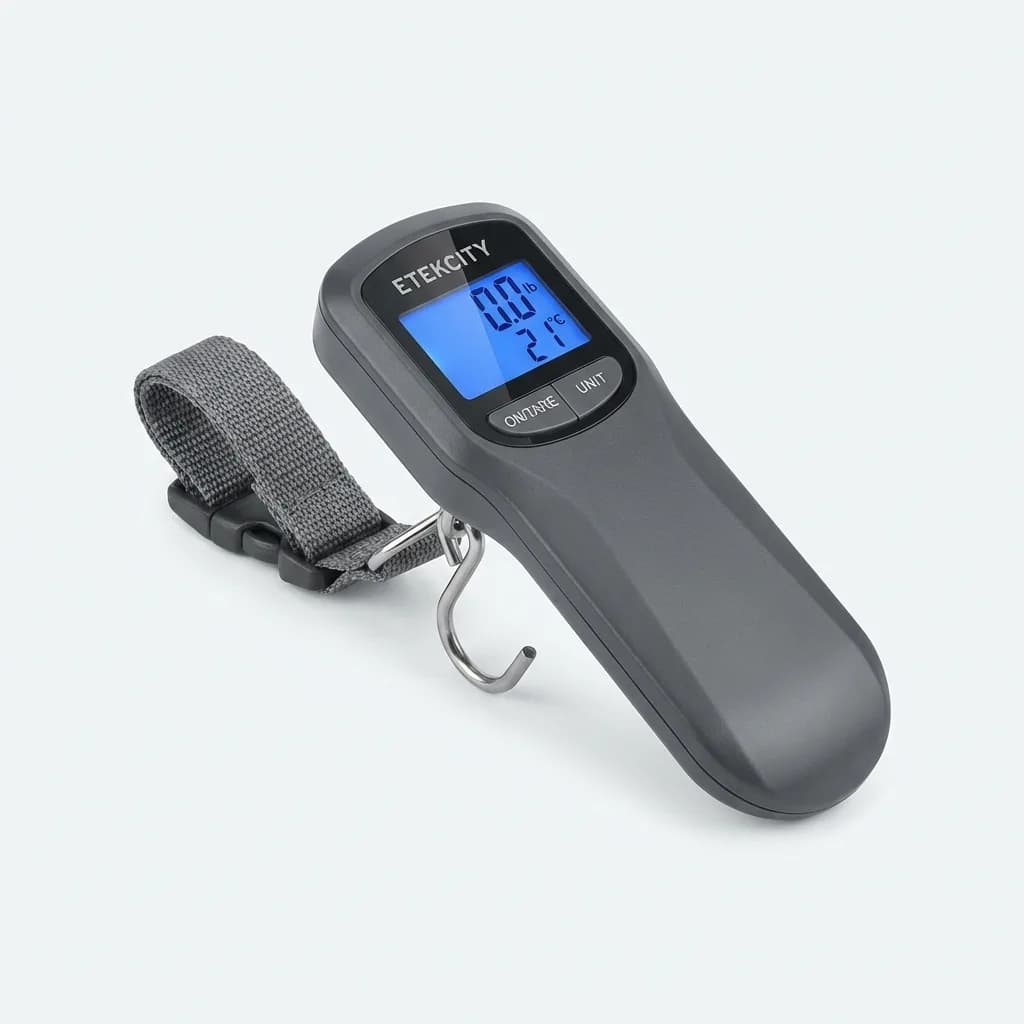
Etekcity Digital Luggage Scale
$11
Handheld scale with 110-pound capacity, temperature sensor, and backlit display. Tare function subtracts handle weight for accuracy within 0.1 pounds.
Standalone scales like the Etekcity cost less than integrated solutions and work with any bag. You hook the strap through your luggage handle, lift until the bag clears the ground, and read the weight. Accuracy within 0.2 pounds is standard.
The upgrade is bags with built-in scales in the handle itself. Away's smart models include a weight readout that activates when you lift the bag by the top handle. Bluesmart's discontinued line pioneered this, but the non-removable battery problem killed the company.
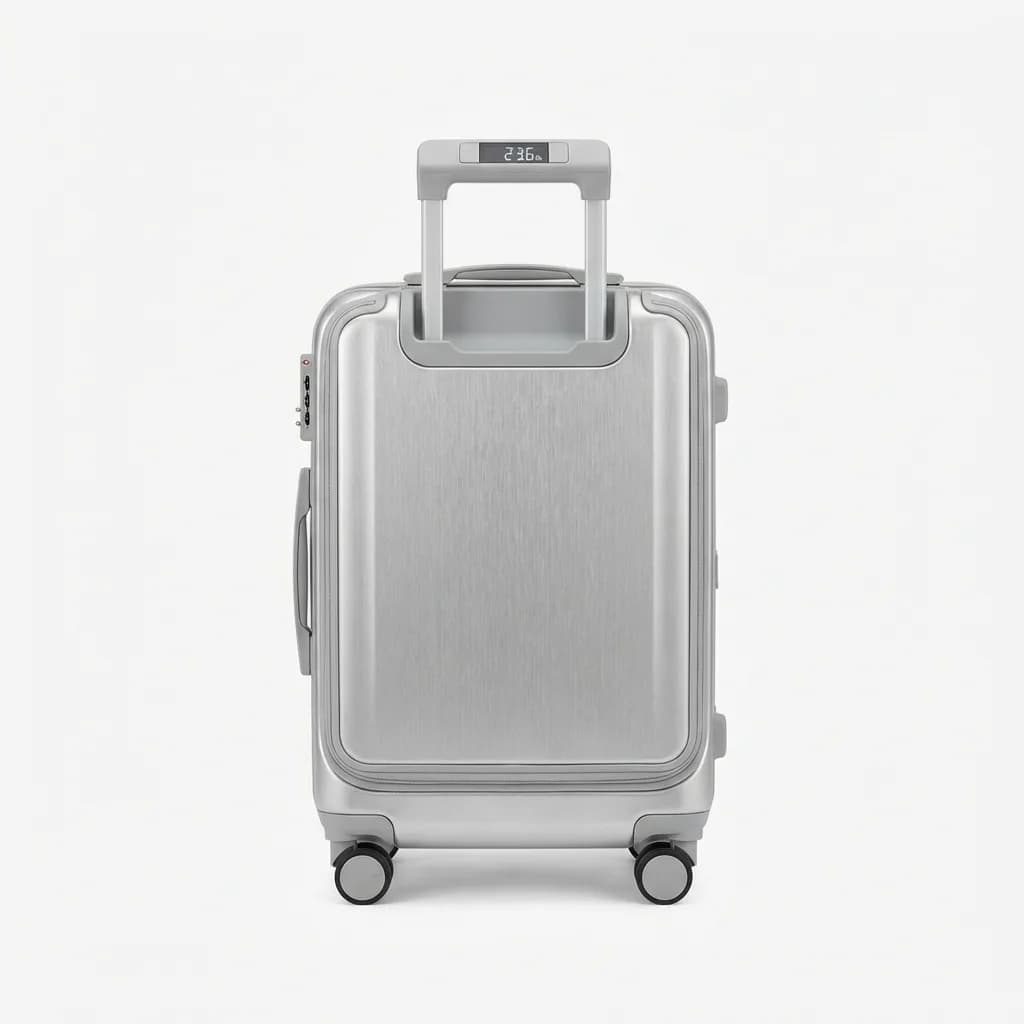
Samsara Smart Luggage with Scale
See current price
Carry-on size with integrated digital scale in handle, TSA-approved lock, and silent spinner wheels. Scale reads up to 50 pounds with 0.2-pound accuracy.
The practical difference between handheld and integrated scales is convenience. Handheld requires an extra item in your bag. Integrated means you can weigh your bag at the hotel before checkout, at the Uber before heading to the airport, and right before you walk up to the check-in desk. That last-second check has saved us from overweight fees more than once by giving time to redistribute items into carry-on.
USB Charging Ports Are Overrated, Removable Batteries Work Better
Smart luggage with integrated USB ports sounded revolutionary in 2016. Reality is less impressive. Most of these systems use a removable battery bank that connects to external ports on the bag's shell. You charge your phone by plugging into the bag instead of directly into the battery pack.
The problem is efficiency loss and inconvenience. You're adding an extra connection point that drains power and creates another failure point. The battery bank is rarely high capacity because it has to meet airline limits. And when you remove it for the flight, you might as well just carry a regular power bank in your personal item.
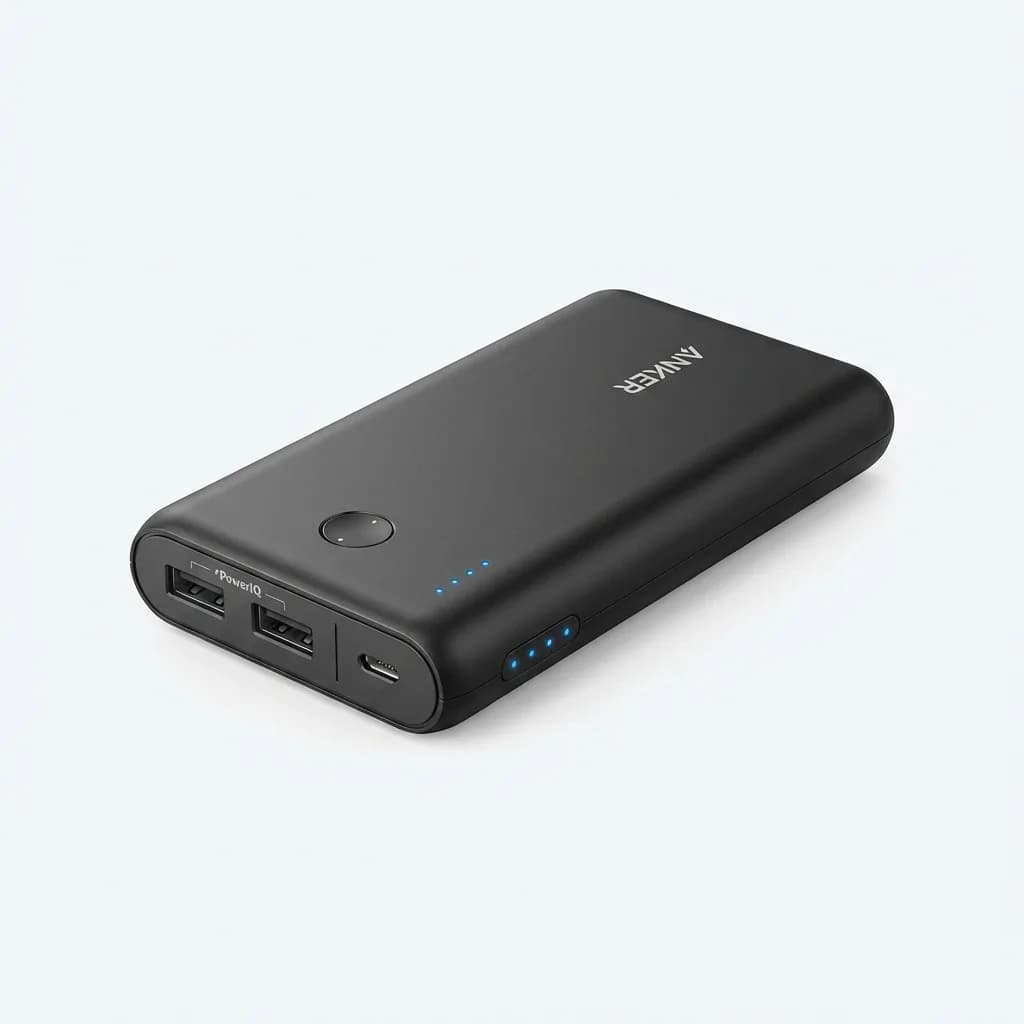
Anker PowerCore 20100mAh Power Bank
$50
Dual USB ports with PowerIQ technology deliver 4.8 amps combined. 20,100mAh capacity charges iPhone 13 four times or iPad mini twice. TSA compliant.
A dedicated power bank beats integrated charging every time. Higher capacity options exist because they're not constrained by luggage design. They're easier to access during the flight when your bag is overhead. They're simpler to replace when battery degrades. And they work with any bag instead of locking you into one suitcase ecosystem.
The only scenario where integrated charging makes sense is if you frequently park your suitcase next to you at gate areas or lounges and want to charge devices without pulling out a separate battery pack. That's a narrow use case that doesn't justify the premium most smart luggage charges.
Away tried to thread this needle with their removable battery system before removing it entirely from their lineup. The company realized customers would rather have a cheaper bag and bring their own proven charging solution than pay extra for integrated ports.
Which Smart Suitcase Features Actually Matter
After testing dozens of connected bags, three features separate useful from gimmicky: proximity alerts, companion apps with packing lists, and durable construction that survives baggage handlers.
Proximity alerts through Bluetooth work when you pair your phone with the bag. Walk too far away and you get a notification. This catches the coffee shop scenario where you leave your bag at the table, but it's useless on airplanes where your bag is intentionally separated from you in the overhead bin or cargo hold.
Companion apps with digital packing lists and travel itineraries are convenience features, not must-haves. You can replicate this functionality with Notes app or Notion for free. Paying extra for a bag that runs a mobile app seems backwards unless that app integrates with other travel services or offers something unique like carbon offset tracking or mileage rewards.
The feature that matters most isn't smart at all: durability. Polycarbonate shells, YKK zippers, and reinforced corners withstand abuse better than cheaper materials. Smart features mean nothing if the bag frame cracks on your third trip.
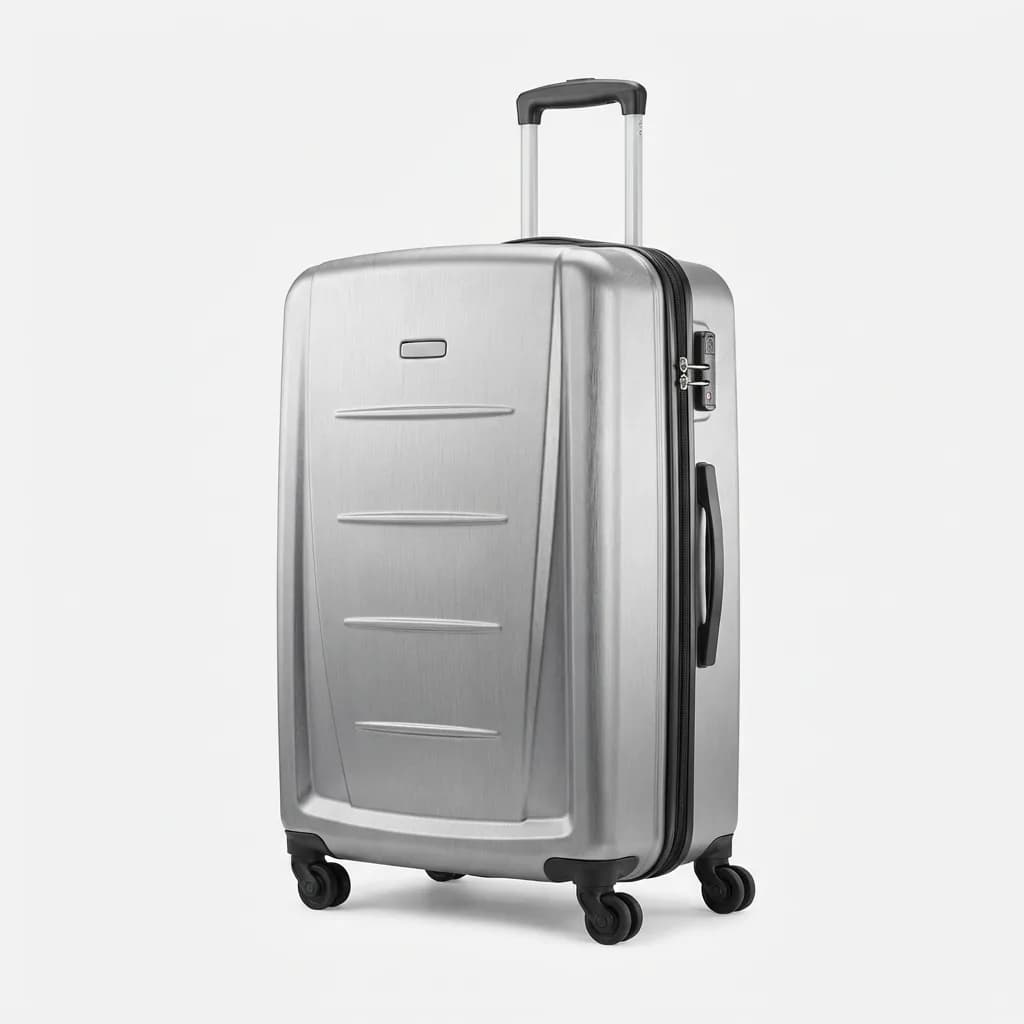
Samsonite Winfield 2 Hardside Luggage
$110
Polycarbonate shell with brushed finish resists scratches. Four spinner wheels and lightweight construction. TSA-approved lock integrated into zipper.
Samsonite and Travelpro focus on mechanical durability over tech gimmicks. Their bags include basic features like TSA locks and expansion zippers without the app connectivity or battery complications. This approach ages better because there's no obsolete technology to replace.
The smart luggage category is maturing toward hybrid solutions: traditional durable bags plus separate tracking devices you can upgrade independently. That modular approach beats all-in-one smart suitcases that become obsolete when battery technology improves or tracking networks change.
Do You Really Need Smart Luggage?
For most travelers, the answer is no - but you probably need a tracker. The AirTag plus quality dumb luggage combo costs less and performs better than integrated smart suitcases trying to do everything.
Smart luggage makes sense for specific travelers: frequent international fliers who value the scale feature to avoid overweight fees, business travelers who check bags regularly and want tracking peace of mind, or tech enthusiasts who genuinely use companion app features for trip planning.
Everyone else is better served by a $200 Samsonite and a $25 AirTag. That leaves budget for travel insurance, which covers more scenarios than any smart suitcase feature can address.
The evolution of this category is worth watching. Tile and Apple proved that device-agnostic tracking networks work better than proprietary solutions. Battery technology keeps improving, which may eventually make truly smart luggage practical without the airline compliance headaches. Biometric locks and weight-triggered alerts could add value if implemented well.
For now, smart luggage is mostly regular luggage with a tracker pocket and a USB port. Skip the integrated features, buy the best traditional bag you can afford, and add your own tracking solution. That modular approach gives you flexibility to upgrade components as technology improves without replacing a $400 suitcase every few years.
The Weekly Dispatch
Enjoying this article?
Subscribe and get our best gear picks delivered every Sunday morning.
Related Stories

Best Travel Pillows That Pack Small
Compact travel pillows compared: inflatable vs memory foam, what actually supports your neck on flights, and which ones compress small enough to matter.

Travel Rain Gear Without the Umbrella Hassle
Umbrellas break, blow inside out, and hog your hand. These rain gear alternatives pack smaller, work better in wind, and leave your hands free for maps and coffee.
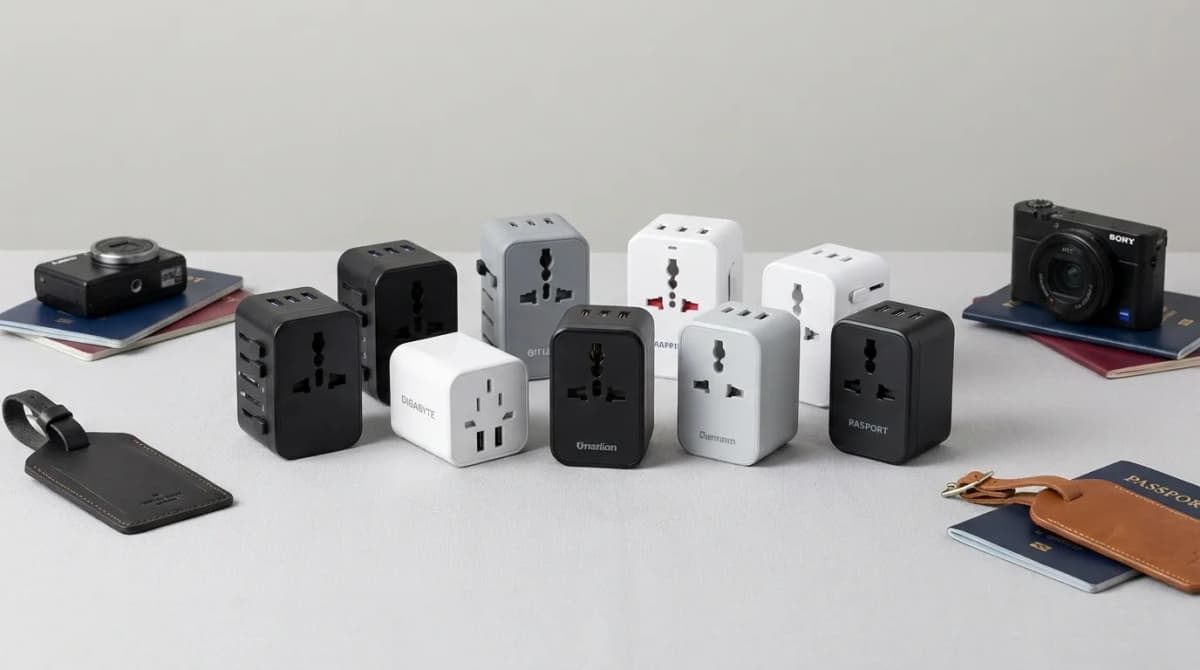
Best Universal Travel Adapter with USB-C 2026
Universal travel adapters with USB-C fast charging eliminate outlet hunting abroad. We tested the top models for plug compatibility, charging speed, and durability.