Jet Lag Essentials for Long Flights (2026)
The right gear makes 12-hour flights bearable. Here's what actually works for sleep, hydration, and arriving functional instead of wrecked.
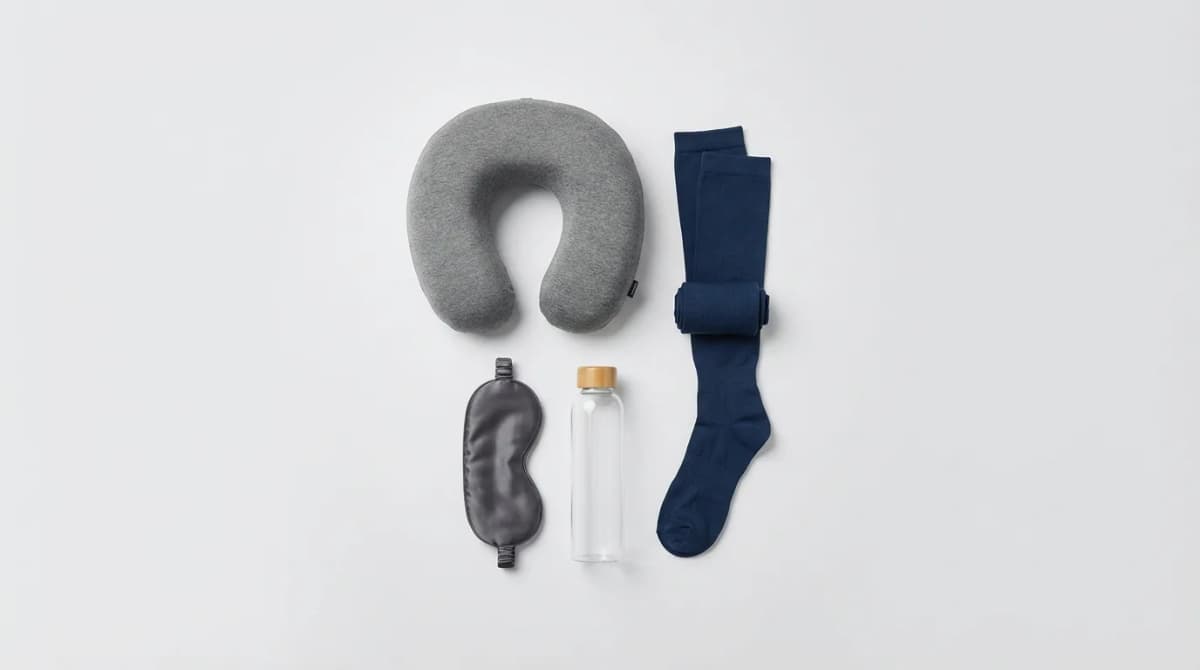
Most long-haul flight advice focuses on sleep timing and light exposure. That matters, but it assumes you can actually sleep on a plane. The reality is that without the right gear, you'll spend eight hours in a cramped middle seat fighting for armrest space while your neck cramps and your skin turns into parchment. We've tested dozens of travel accessories across hundreds of flights, and the difference between arriving functional and arriving wrecked often comes down to five specific items.
The mistake most travelers make is either bringing nothing or bringing too much. You don't need a full spa kit, but you also can't rely on airline amenities. The goal is selective comfort: gear that addresses the specific discomforts of pressurized cabins, limited space, and disrupted sleep cycles without adding bulk to your carry-on.
Why Standard Neck Pillows Fail (and What Works Instead)
U-shaped memory foam pillows are everywhere, and they're almost universally terrible. They push your head forward, take up half your personal item, and compress into useless lumps after a few flights. The fundamental problem is that most people don't sleep sitting upright naturally, so a pillow designed to support that position fights against your body's instincts.
Better options either let your head tilt to the side with proper support or eliminate the pillow entirely in favor of strategic positioning. The Trtl Pillow wraps around your neck like a soft brace with an internal support structure that holds your head at an angle without the bulk. It's not comfortable for everyone, but for side-sleepers forced into economy seats, it's one of the few designs that actually prevents the head-bobbing-forward problem.
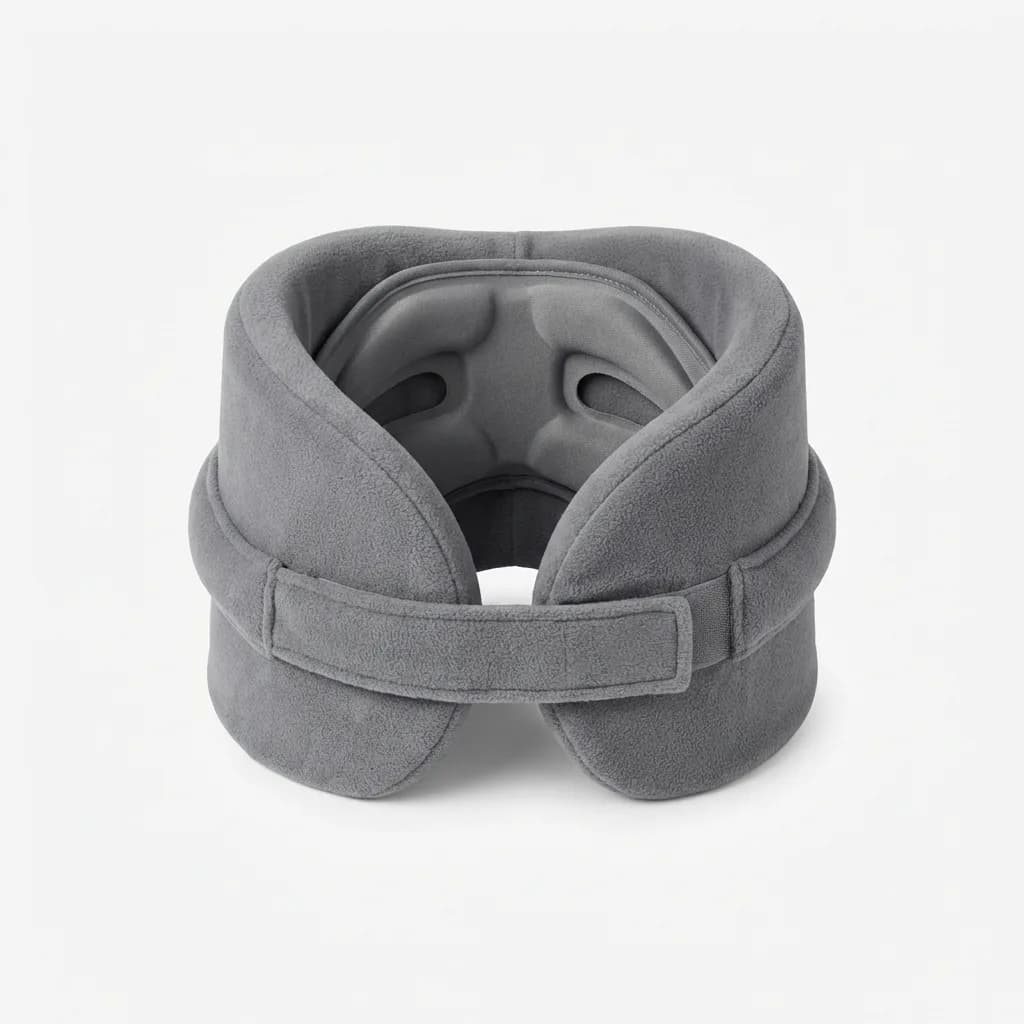
Trtl Pillow Plus
$60
Wrap-around neck support with internal brace structure, machine washable fleece, folds flat. Holds head at side angle for natural sleep position.
For those who prefer traditional shapes but need better support, the Cabeau Evolution S3 adds side cushions and adjustable straps that actually keep the pillow in place. Most neck pillows slide around or fall off when you shift positions. This one has a built-in strap that clips to your headrest, which sounds gimmicky but makes a real difference on overnight flights.
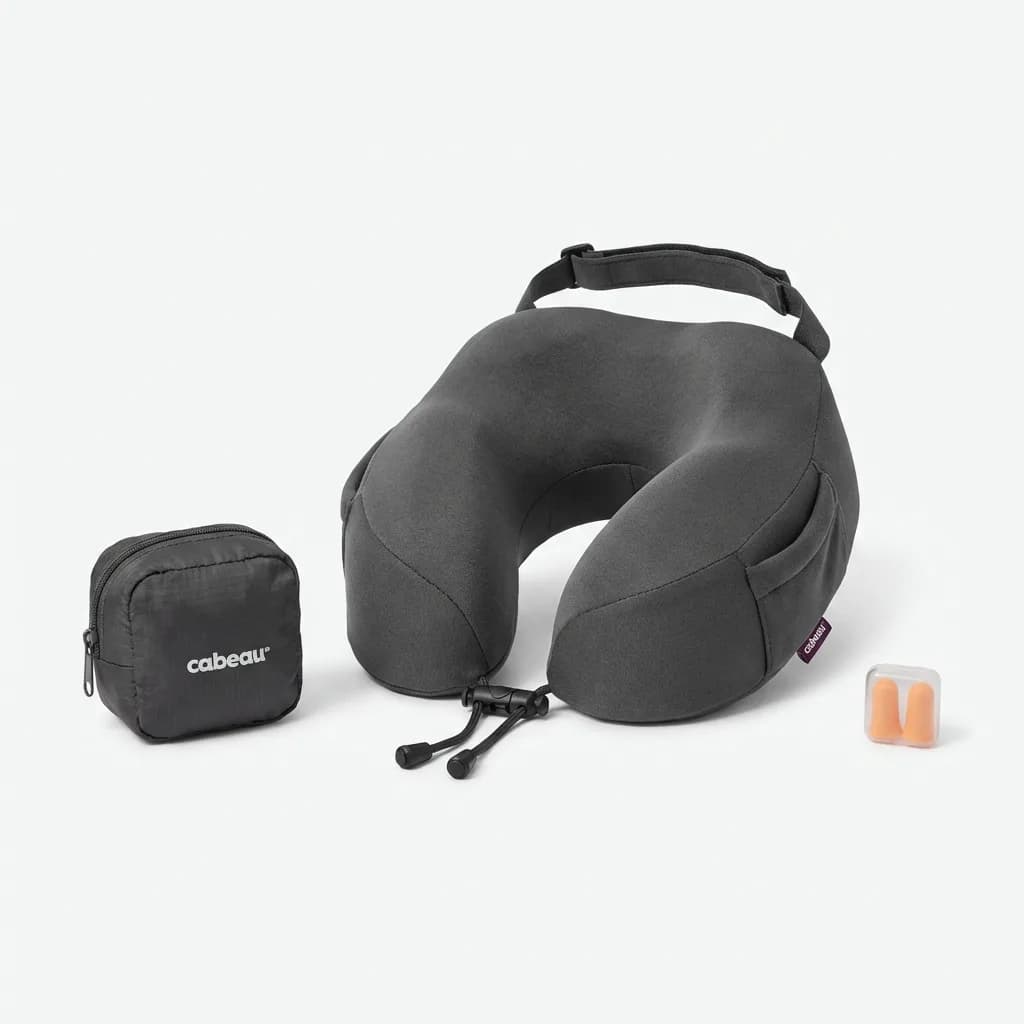
Cabeau Evolution S3 Travel Pillow
$40
Memory foam with raised side supports, adjustable head strap, flat back design. Includes storage bag and ear plugs. Compresses to half size.
The alternative approach is to skip the neck pillow and use an inflatable lumbar pillow behind your lower back instead. This tilts your pelvis forward slightly, which naturally supports better spinal alignment and makes it easier to lean back and rest. It's less common but worth trying if neck pillows haven't worked for you.
Sleep Masks and Noise Management That Actually Block Stimuli
Cheap sleep masks let in light around the edges, press on your eyelids, or slide off when you move. You need either a contoured design that creates space for your eyes or a wide, weighted option that blocks light through coverage and gentle pressure rather than tight elastic.
The Manta Sleep Mask uses two separate eye cups on a wide strap, so there's zero pressure on your eyelids and complete darkness even if you blink or shift. It looks bulky but packs flat, and the adjustable cups work for different face shapes. This matters more than it sounds like it would: if you're sensitive to pressure on your eyes or wear eyelash extensions, standard flat masks are non-starters.
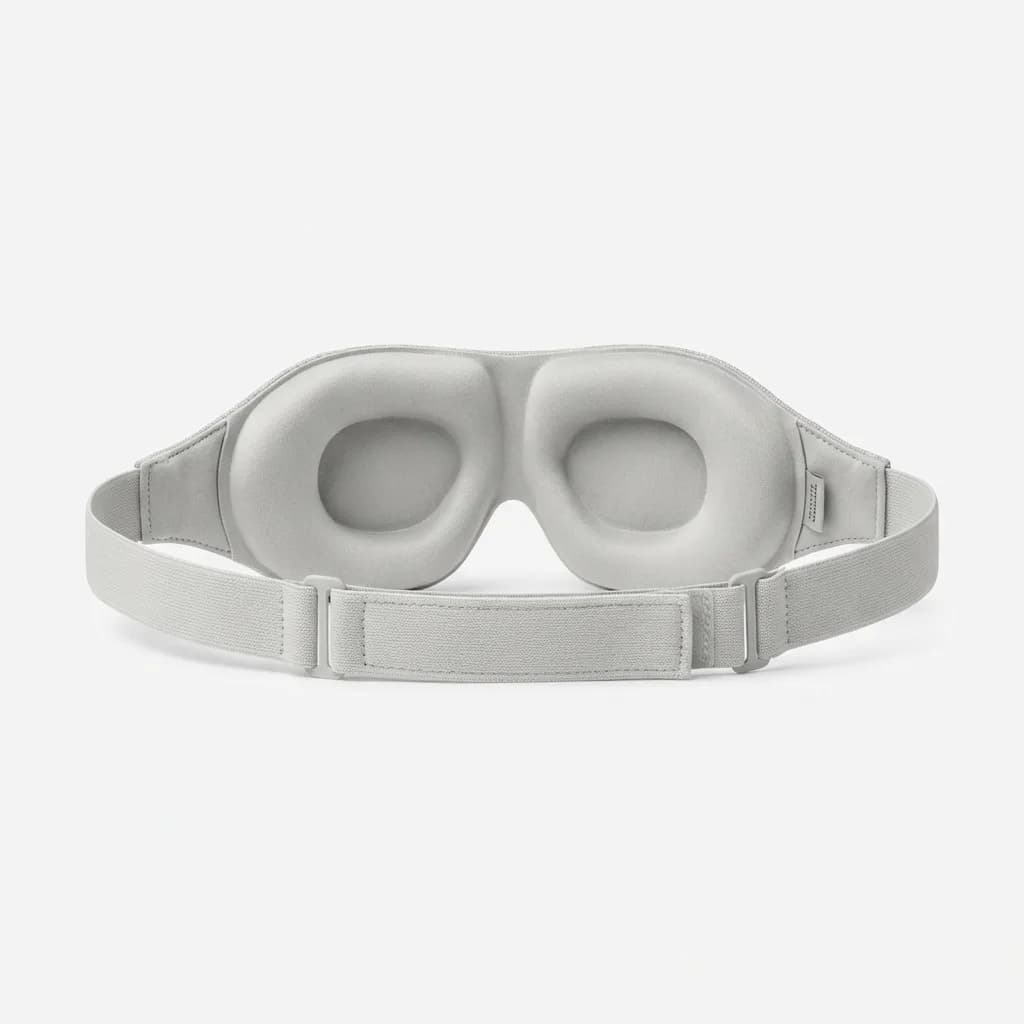
Manta Sleep Mask
$35
Contoured eye cups with zero eye pressure, adjustable strap, 100% blackout. Designed for side sleepers and those sensitive to pressure. Machine washable.
For noise, foam earplugs work but fall out, and most noise-canceling headphones are too bulky for side sleeping. The middle ground is earbuds designed for sleep: low-profile, comfortable for hours, and with either passive noise blocking or active cancellation. The Bose SleepBuds II were discontinued, but the QuietOn 3.1 earbuds fill the same niche with active noise cancellation specifically tuned for low-frequency sounds like engine drone.
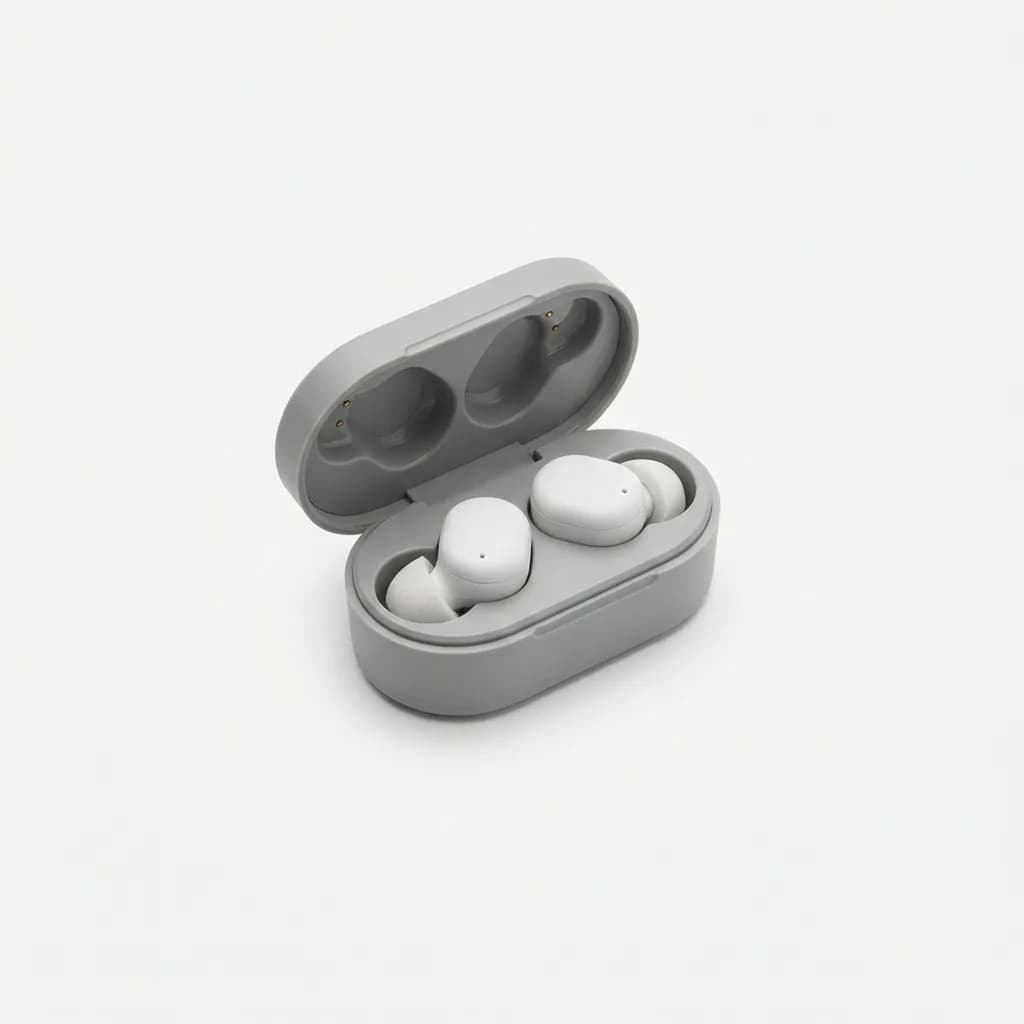
QuietOn 3.1 Sleep Earbuds
$269
Active noise cancellation for low frequencies, 28-hour battery life, ultra-low profile for side sleeping. No audio playback, only noise blocking.
If that's too expensive, Loop Quiet earplugs are reusable silicone with 27dB noise reduction. They're designed to stay in place and don't create the pressure sensation of foam plugs. At $20, they're worth trying before committing to expensive tech.
Hydration and Skin Protection in Pressurized Cabins
Cabin humidity drops to 10-20%, which is drier than most deserts. You'll lose water through respiration and skin faster than you realize, and that dehydration amplifies jet lag symptoms. The standard advice is to drink more water, but airline cups are tiny and asking for refills repeatedly gets old.
Bring your own bottle. A 20-24oz insulated bottle lets you fill up at the airport fountain after security and ask flight attendants for refills less often. The Hydro Flask Standard Mouth in 21oz size fits in most seat pockets and keeps water cold for hours. Skip the wide-mouth versions: they're harder to drink from in turbulence and more likely to spill.
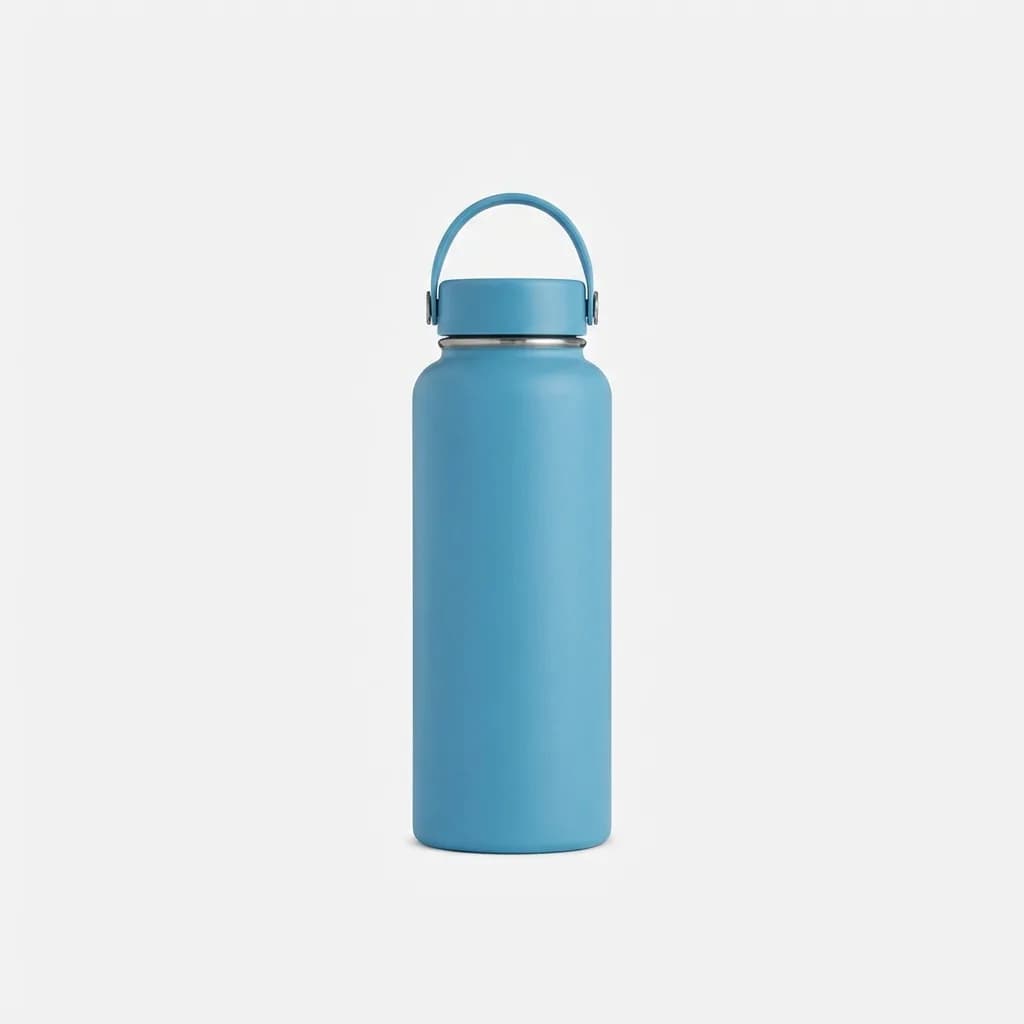
Hydro Flask 21oz Standard Mouth
$30
Double-wall vacuum insulation, powder-coated finish, fits cup holders and seat pockets. Keeps water cold for 24 hours. BPA-free stainless steel.
For skin, a simple routine beats elaborate ones. Your face and hands will dry out first. We've found that a small tube of CeraVe Moisturizing Cream (not lotion, the thicker cream) applied before the flight and once mid-flight prevents the tight, flaky feeling that shows up around hour six. It's fragrance-free, TSA-compliant in travel sizes, and doesn't leave a greasy film.
Lips need separate attention. Standard chapstick doesn't cut it in low humidity. Aquaphor Lip Repair or Lanolips 101 Ointment create an actual barrier that holds moisture in rather than just adding temporary slickness. Apply before you board and reapply every few hours.
Entertainment and Tech That Help You Relax
Most people load up tablets with movies or download podcasts, which is fine, but long flights are also a rare opportunity for uninterrupted reading or focused work. The problem is screen glare, poor lighting, and neck strain from looking down at your phone.
A tablet stand changes this completely. The Lamicall Adjustable Stand is aluminum, folds flat, and works with phones or tablets. Propping your device at eye level on the tray table means you're not hunched over for hours, and it frees up your hands for eating or working.
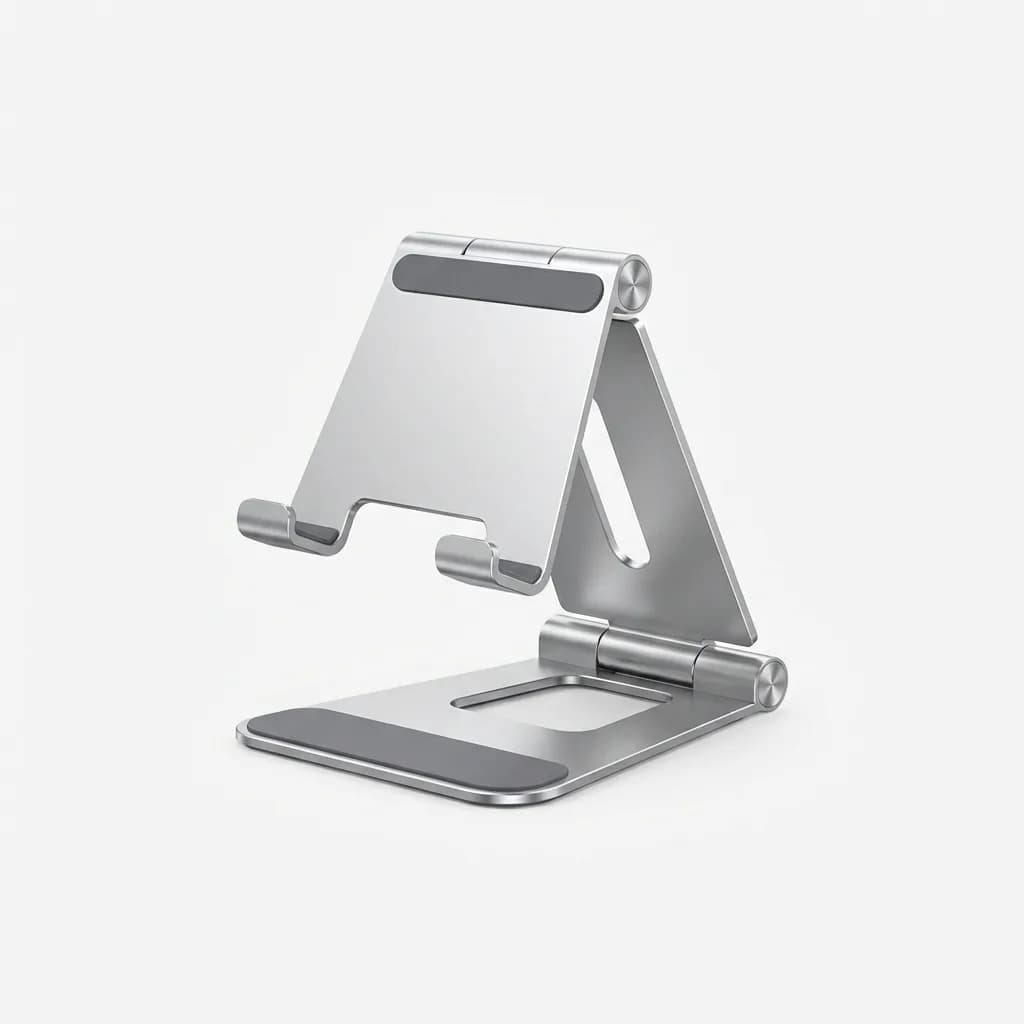
Lamicall Adjustable Tablet Stand
$20
Aluminum construction, adjustable angle and height, folds flat for travel. Compatible with phones, tablets, and e-readers. Non-slip base and cradle.
E-readers are better than tablets for long-form reading because they don't emit the blue light that disrupts sleep cycles. If you're trying to sleep on a red-eye, reading on a Kindle Paperwhite for 30 minutes before putting on your sleep mask is more effective than scrolling through bright screens or watching stimulating content.
For those who prefer audio, over-ear noise-canceling headphones like the Sony WH-1000XM5 are standard for good reason. They block cabin noise, sound better than earbuds, and have 30-hour battery life. The downside is bulk and difficulty sleeping in them. If you're choosing between earbuds and over-ears, get both: earbuds for sleeping, over-ears for active hours.
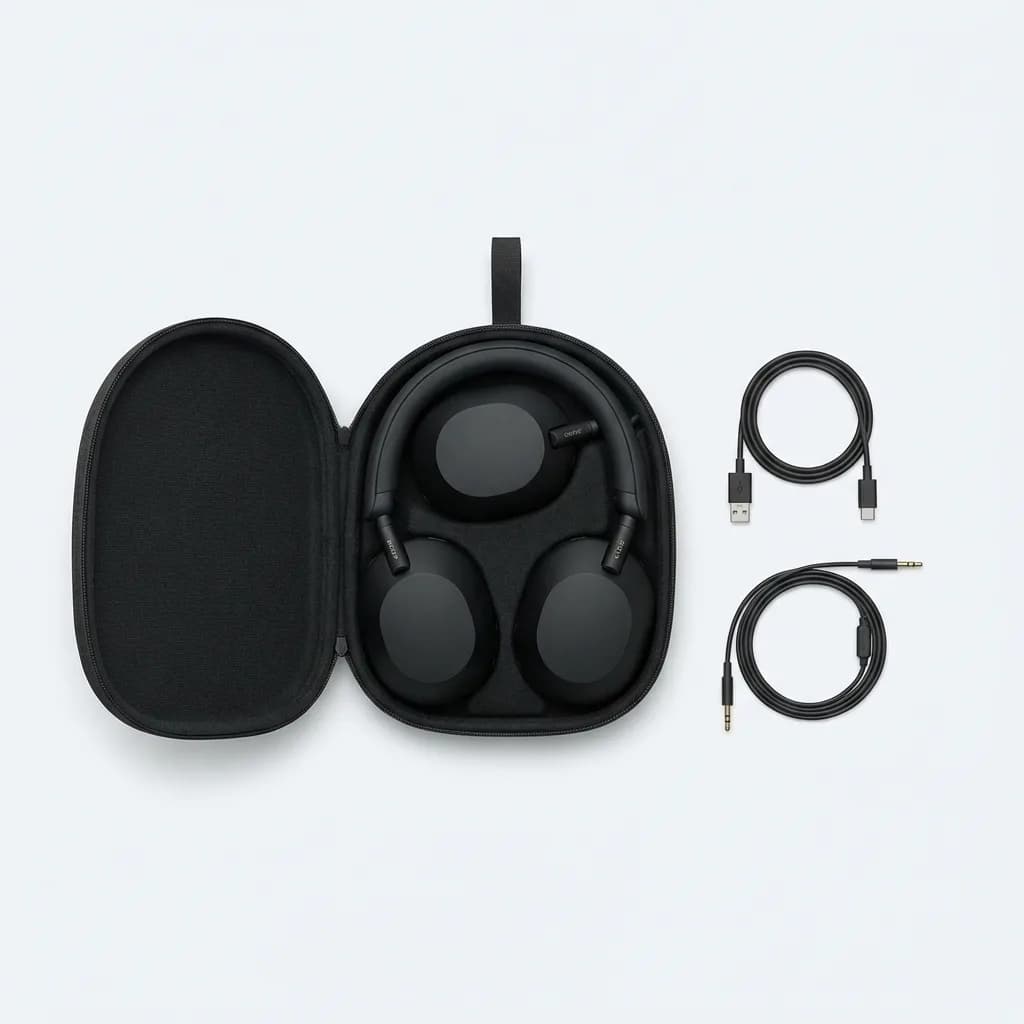
Sony WH-1000XM5 Wireless Headphones
$398
Industry-leading noise cancellation, 30-hour battery, multipoint Bluetooth, comfortable ear cushions. Foldable design with carrying case. Touch controls and adjustable EQ.
Compression Gear and Movement Strategies
Deep vein thrombosis is rare but real, and even without medical risk, sitting motionless for 10+ hours leaves your legs swollen and stiff. Compression socks help, but only if you wear the right level and actually put them on before or during the flight (not after your feet are already swollen).
Look for 15-20 mmHg compression for general travel. That's enough to improve circulation without being uncomfortably tight or requiring a prescription. The Physix Gear Compression Socks are affordable, come in normal colors, and extend to just below the knee. They're not medical-grade, but for healthy travelers they reduce swelling and fatigue noticeably.
Beyond socks, get up and move every two hours minimum. Walk to the back galley, do calf raises in the aisle, or at least stand and stretch in your seat area. This isn't optional wellness advice, it's basic circulation maintenance.
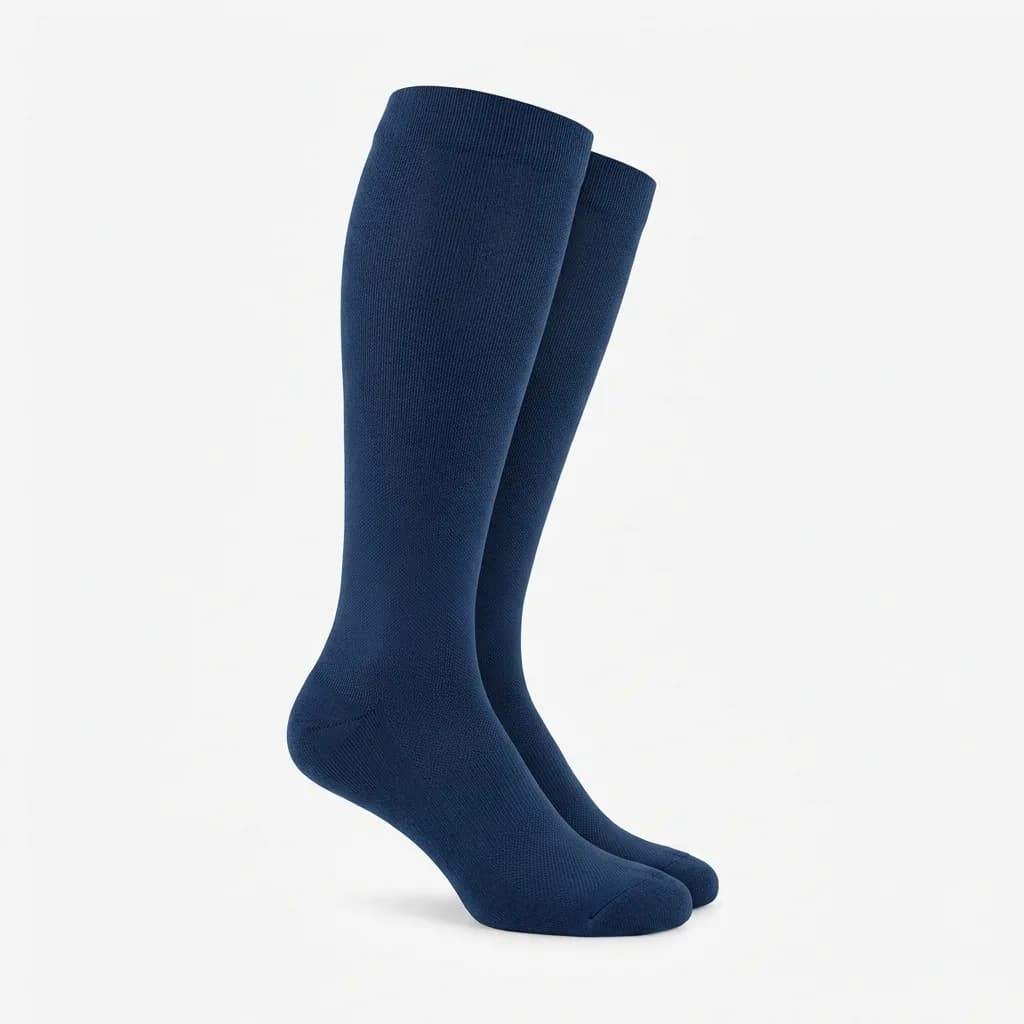
Physix Gear Compression Socks
$14
15-20 mmHg graduated compression, moisture-wicking fabric, reinforced heel and toe. Extends to below knee. Suitable for travel, athletics, and daily wear.
What to Skip and What to Prioritize
You don't need: fancy eye creams, full-size toiletries, elaborate sleep supplements, or inflatable footrests (they're banned on many airlines and block aisle access). You also don't need multiple outfit changes. Wear layers and bring one spare shirt in case of spills.
You do need: working earplugs or earbuds, a mask that actually blocks light, something to keep your neck supported, and your own water bottle. Everything else is secondary. If you're on a budget, prioritize sleep gear first, then hydration, then entertainment.
The gear matters, but so does timing. Adjust your sleep schedule before you fly, not after. If you're flying east, go to bed an hour earlier for three nights before departure. Flying west, stay up later. Combine that with the right gear on the plane, and you'll arrive tired but functional rather than completely wrecked. Most jet lag is dehydration, poor sleep, and arriving already exhausted from an uncomfortable flight. Fix those three things and you've solved 80% of the problem.
The Weekly Dispatch
Enjoying this article?
Subscribe and get our best gear picks delivered every Sunday morning.
Related Stories
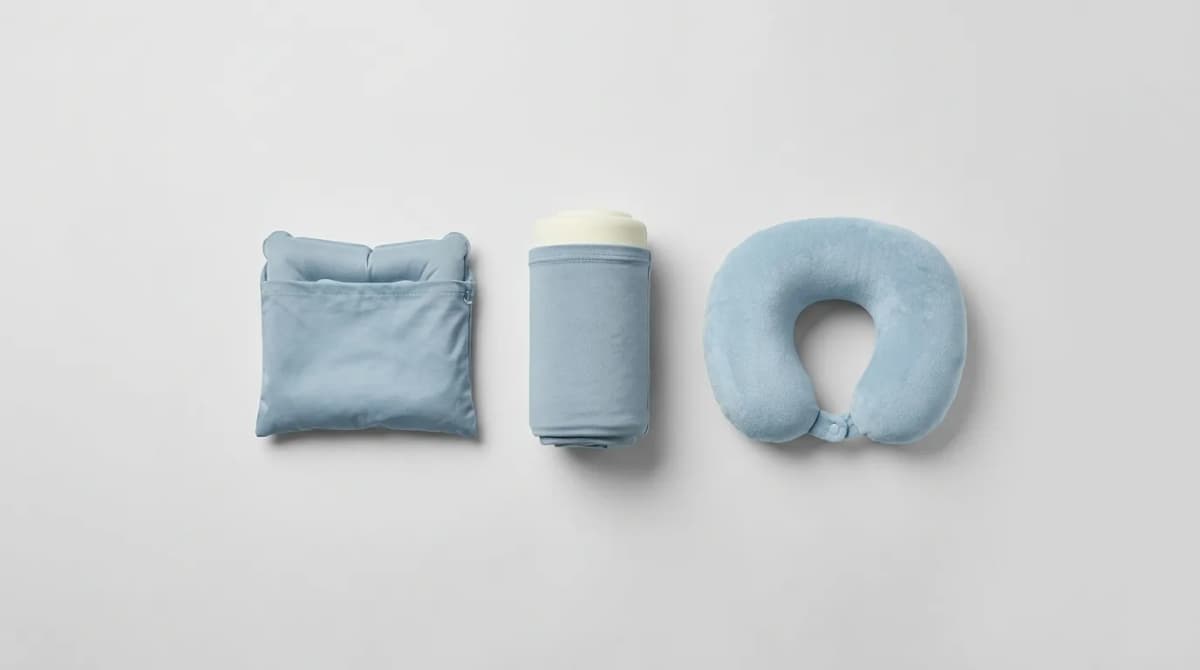
Best Travel Pillows That Pack Small
Compact travel pillows compared: inflatable vs memory foam, what actually supports your neck on flights, and which ones compress small enough to matter.
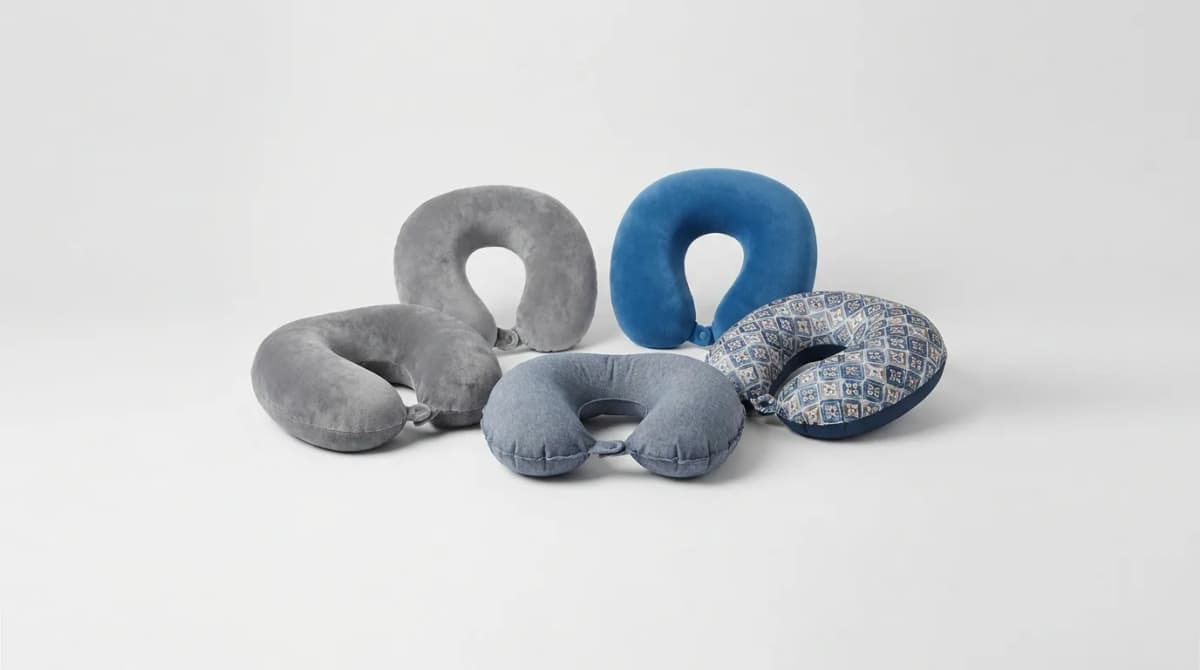
Best Travel Neck Pillow for Long Flights 2026
The right neck pillow turns brutal red-eyes into restful sleep. We tested dozens to find which designs actually support your head without the bulk.
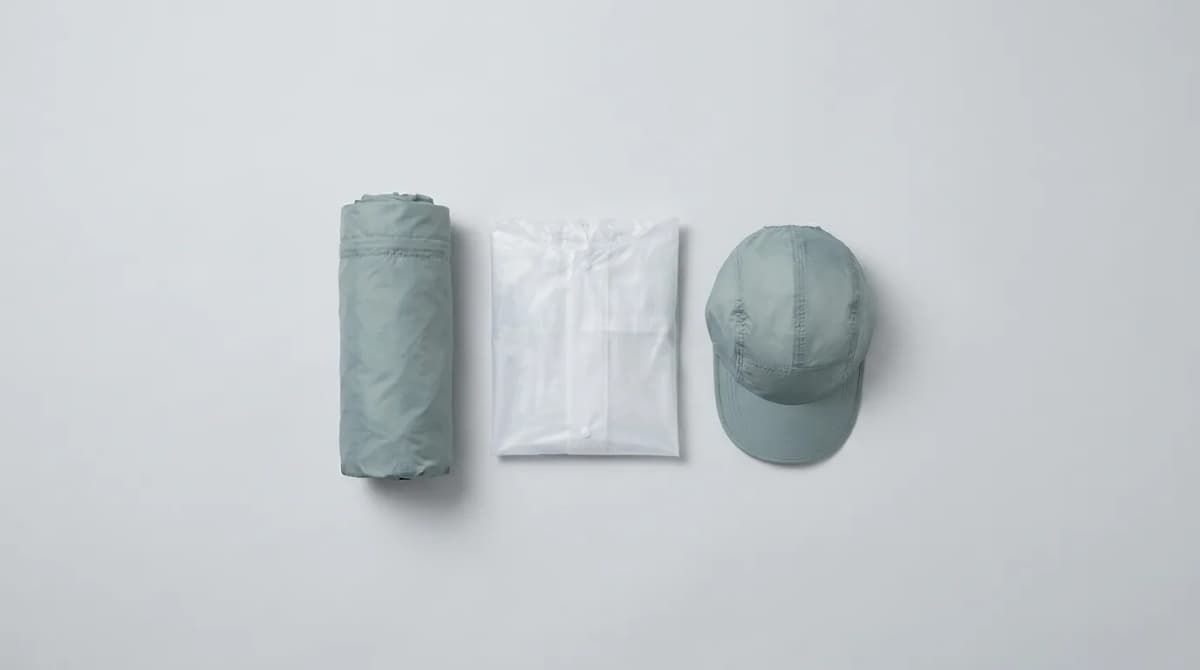
Travel Rain Gear Without the Umbrella Hassle
Umbrellas break, blow inside out, and hog your hand. These rain gear alternatives pack smaller, work better in wind, and leave your hands free for maps and coffee.