How to Pack Liquids Without Leaks
Learn the proven techniques and containers that actually prevent liquid leaks in luggage, from bottle selection to double-bag methods tested by frequent travelers.
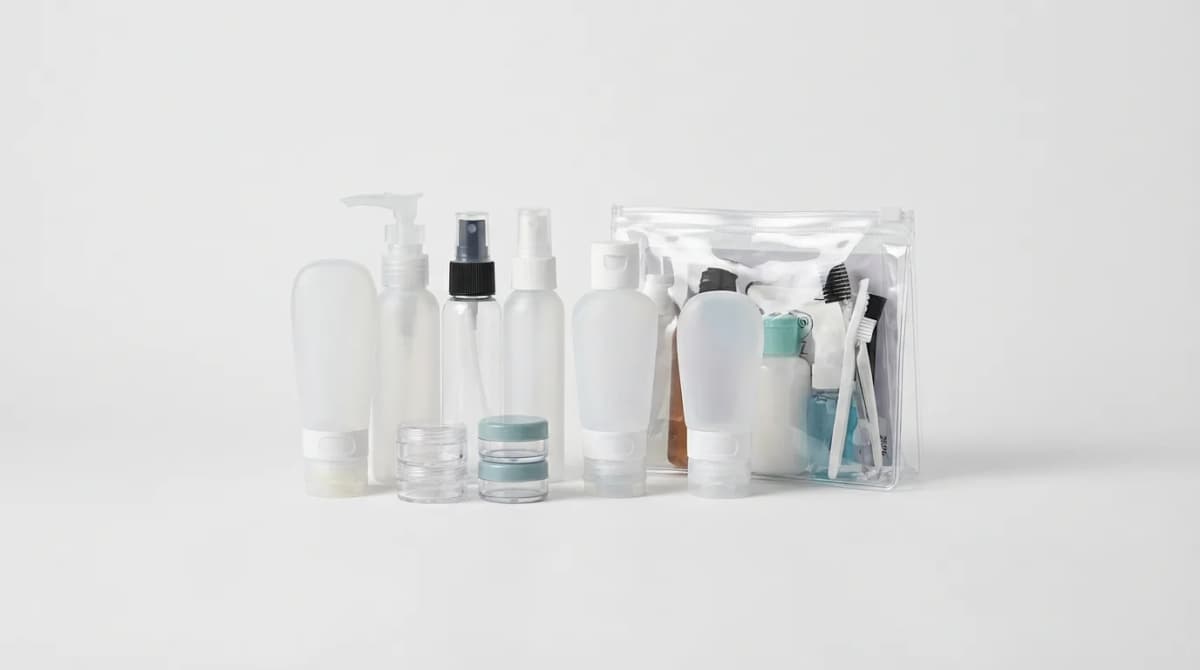
You open your suitcase at the hotel and find shampoo coating everything. We have tested dozens of travel bottles over hundreds of flights, and the problem is almost never the bottle itself. It is how you pack it.
Most leak disasters happen because of air pressure changes during flight. A bottle that is three-quarters full in Denver becomes a grenade at 35,000 feet. The air inside expands, pushes against the liquid, and finds any weak point in the seal. The solution is not better bottles (though that helps). It is understanding the physics and packing accordingly.
Why bottles leak on airplanes
Cabin pressure at cruising altitude equals about 8,000 feet of elevation. If you fill a bottle at sea level and seal it, the air inside expands roughly 25% during climb. That pressurizes the container from the inside, forcing liquid past threads, through valve mechanisms, and around any imperfect seal.
Temperature changes make it worse. Checked baggage sits in cargo holds that can drop below freezing, then warms up rapidly during taxi and unloading. Thermal expansion compounds the pressure problem. Bottles that work perfectly on the bathroom counter fail spectacularly in a suitcase.
The cheap flip-top bottles you get at drugstores are the worst offenders. The cap closes with a friction fit, not a sealed thread. Under pressure, liquid seeps past the hinge mechanism and through the gap where the cap meets the body. Screw-top bottles with smooth threads are better, but still not guaranteed.
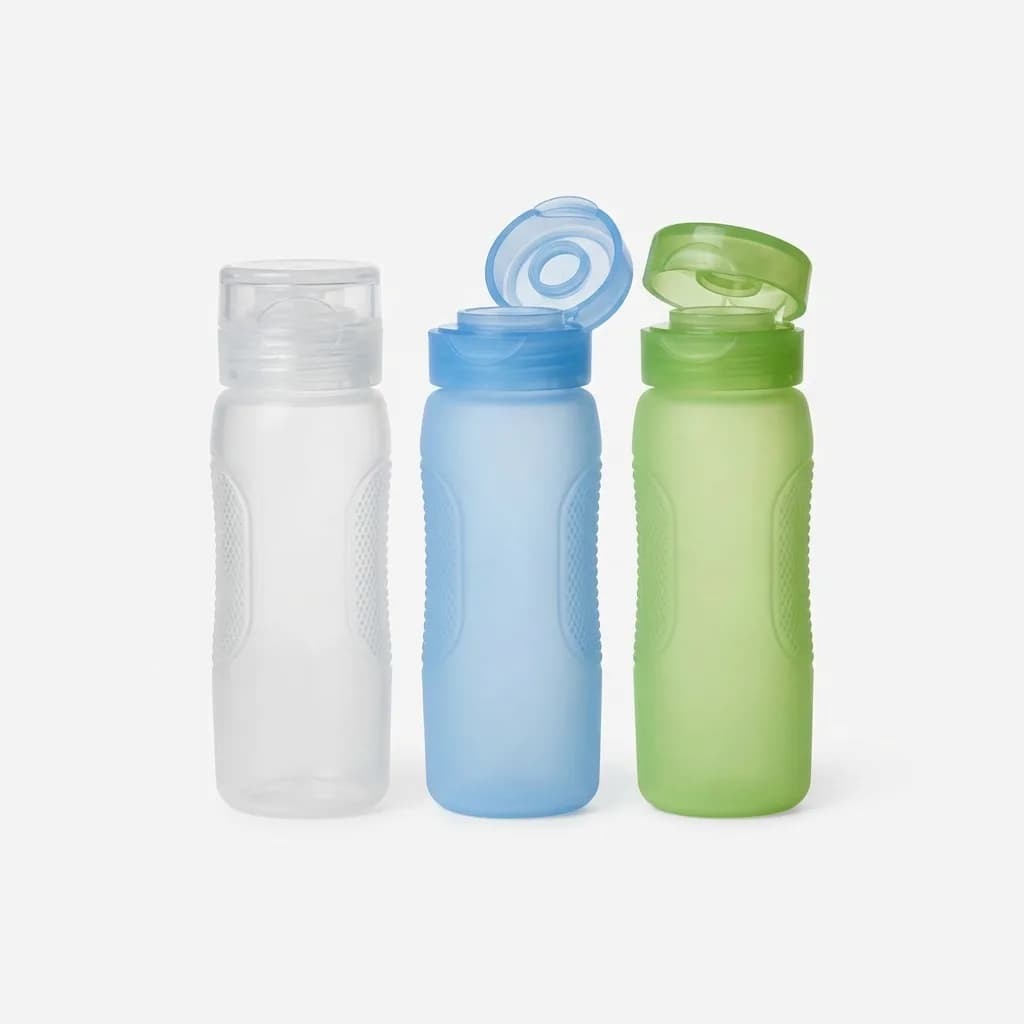
Humangear GoToob+ 3-Pack
See current price
Silicone travel bottles with LoopLock caps that create a true hermetic seal. Wide opening for easy filling, textured grip, and food-grade silicone rated to TSA sizes.
The double-bag method that actually works
Put each bottle in its own small zip-top bag before going into your main toiletry kit. This is not paranoia. It is containment strategy.
When a bottle leaks, the individual bag catches it before it spreads. You lose one product instead of ruining clothes, electronics, or documents. We use snack-size freezer bags (not storage bags - freezer bags are thicker). Press out all the air before sealing. The compressed bag also cushions the bottle against impact.
The main toiletry bag should be a separate zip-top or sealed pouch, not an open dopp kit. If something gets past the first bag, the second layer stops it from reaching the rest of your luggage. Clear TSA-compliant quart bags work fine for carry-on, but gallon freezer bags are more practical for checked luggage where you are not limited to 3.4 ounces.
Store the toiletry bag away from electronics, documents, and anything fabric. We put ours in an exterior pocket if the suitcase has one, or in a shoe if not. Shoes are already dirty and waterproof. They make excellent liquid blast shields.
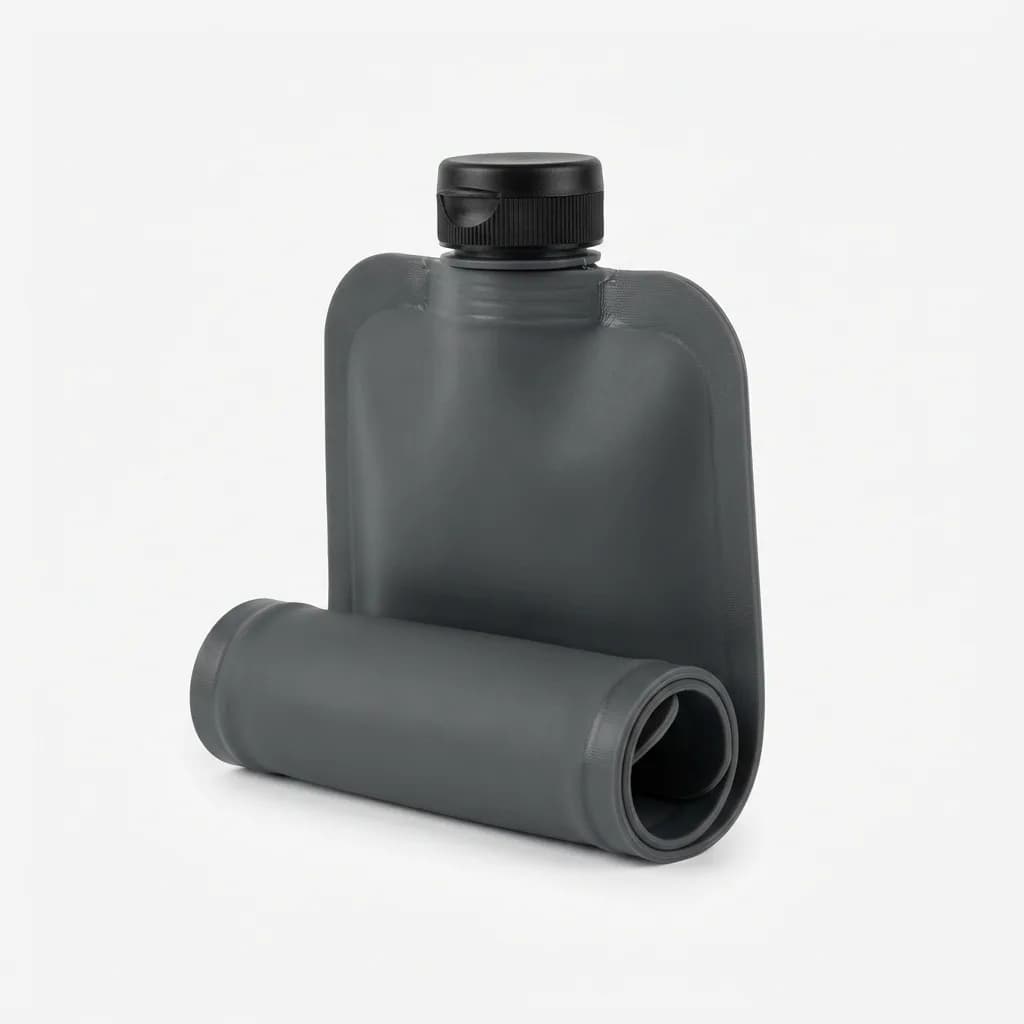
Matador FlatPak Toiletry Bottle
See current price
Collapsible silicone bottle that you can roll up as you use product, eliminating internal air space. Welded seams, twist-lock cap, and 3oz TSA-compliant capacity.
Fill level makes the difference
Never fill a bottle more than 75% full. Leave headspace for air expansion. This goes against instinct because you want to maximize product, but a 75% full bottle that arrives intact beats a 100% full bottle that explodes.
For checked baggage, 60-70% is even safer. Cargo holds experience more extreme temperature swings than the cabin. The extra headspace gives expanding air somewhere to go besides through the seal.
Squeeze out excess air before sealing if you are using soft silicone bottles. This reduces the amount of air that can expand under pressure. Do not do this with rigid plastic bottles - they need some internal air pressure to maintain their shape, and a vacuum-sealed rigid bottle can collapse or crack.
If you are bringing something thick like conditioner or lotion, fill even less. Viscous liquids do not compress, so they transfer pressure directly to the container walls and cap threads. Thin liquids like toner or micellar water have more give.
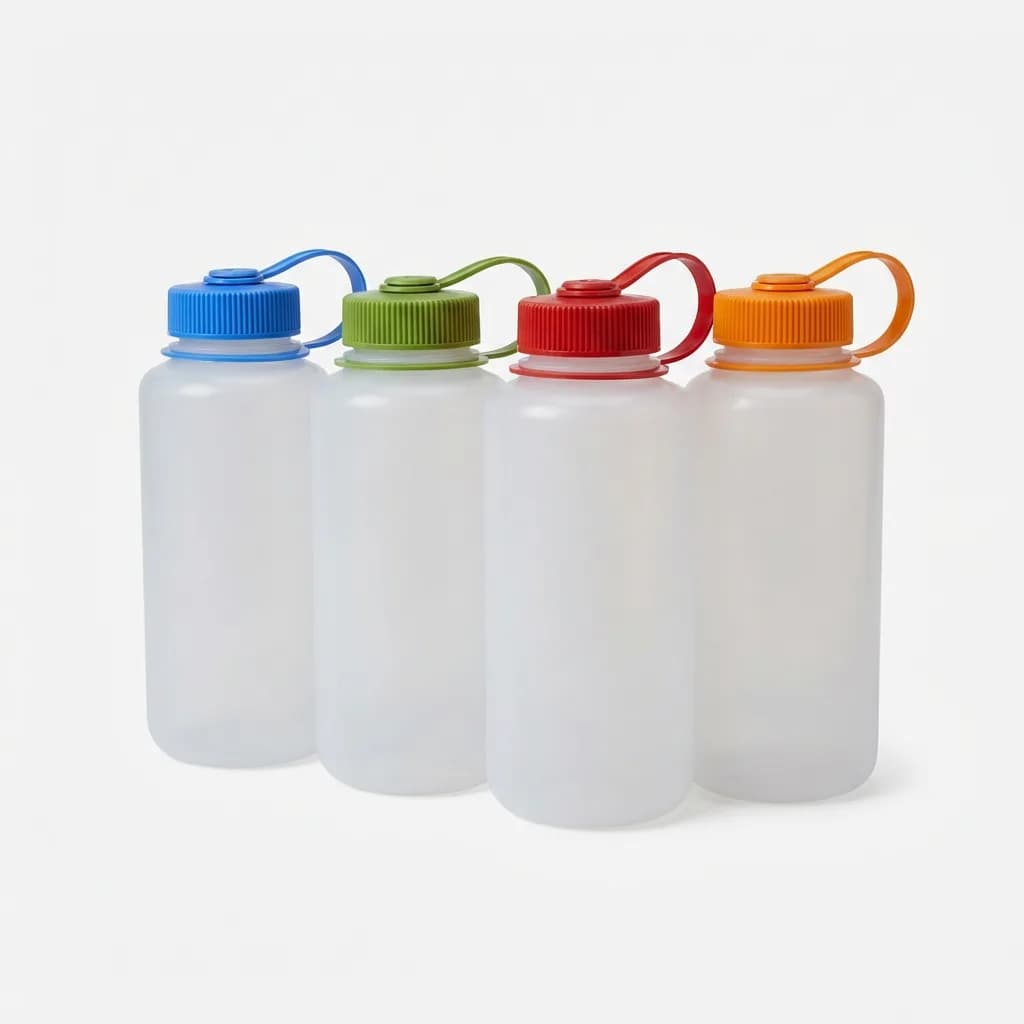
Nalgene Travel Kit 4-Pack
See current price
Rigid HDPE bottles with leakproof screw caps and loop tops. Same material as full-size Nalgene bottles, tested to withstand 10,000 open/close cycles without degrading the seal.
What bottle types work best
Silicone bottles with locking caps outperform everything else. The GoToob+ series uses a LoopLock mechanism that rotates to cover the dispensing opening, then snaps into a groove on the cap. It creates a physical barrier beyond just the screw threads. We have flown with these dozens of times without a single leak.
Rigid HDPE bottles like Nalgene travel bottles work well if you respect the fill level rules. The screw threads are deep and precise. The caps are thick enough to maintain pressure without flexing. They do not collapse under temperature changes like cheaper plastic bottles.
Avoid any bottle with a pump mechanism for air travel. Pumps depend on a one-way valve and a straw inside the bottle. Air pressure changes can force liquid past the valve or back up through the straw. We have seen pump bottles leak even when stored upright.
Glass roller bottles (for essential oils or perfume) are hit or miss. The roller ball itself rarely leaks, but the cap that secures it can loosen with vibration. If you must bring glass, wrap it in bubble wrap and store it in a hard-sided container inside your toiletry bag. Or better yet, decant into a small screw-top vial.
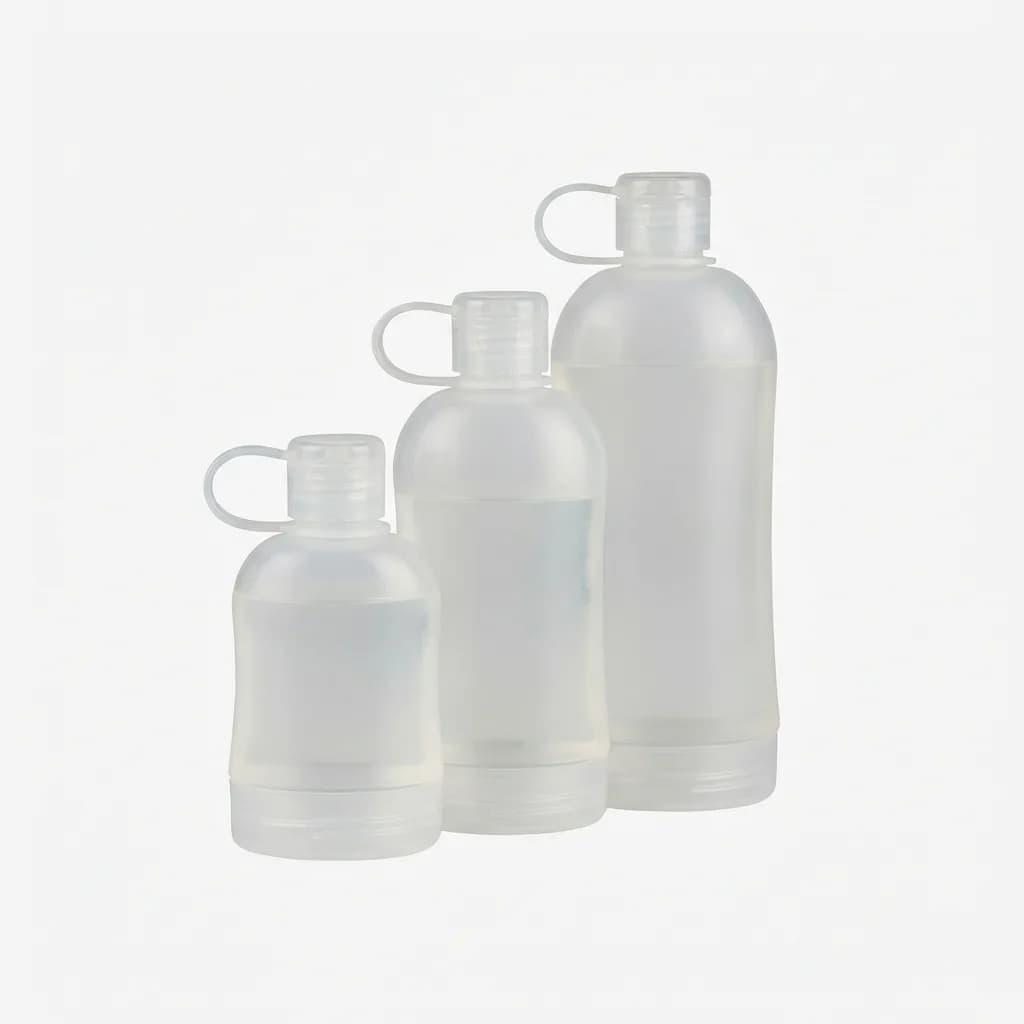
Sea to Summit TPU Bottle Set
See current price
Flexible TPU construction with flip-out loop and flip-top cap. Wider base for stability, translucent material for easy ID, and dishwasher-safe for travel-to-travel reuse.
How to pack bottles in your luggage
Orientation matters. Store bottles upright when possible, but if they tip over during transit (which they will), you want the cap at the top of the luggage compartment, not buried under weight. That means if your suitcase will be standing upright during travel, bottles should stand upright. If it will be flat, bottles should lay flat.
Pack soft items like clothing around the toiletry bag to cushion it. Avoid putting hard objects like shoes or tech directly against it. The goal is to prevent impact that could crack a bottle or force a cap loose.
Do not pack bottles against the hinged side of a suitcase. That side flexes most during handling and can compress bottles. The latch side or the center of the main compartment is more stable.
For carry-on, we put the TSA bag in the top of the personal item or backpack, not in the overhead roller bag. This keeps it accessible for security screening and prevents it from getting crushed when you jam the bag into an overhead bin.
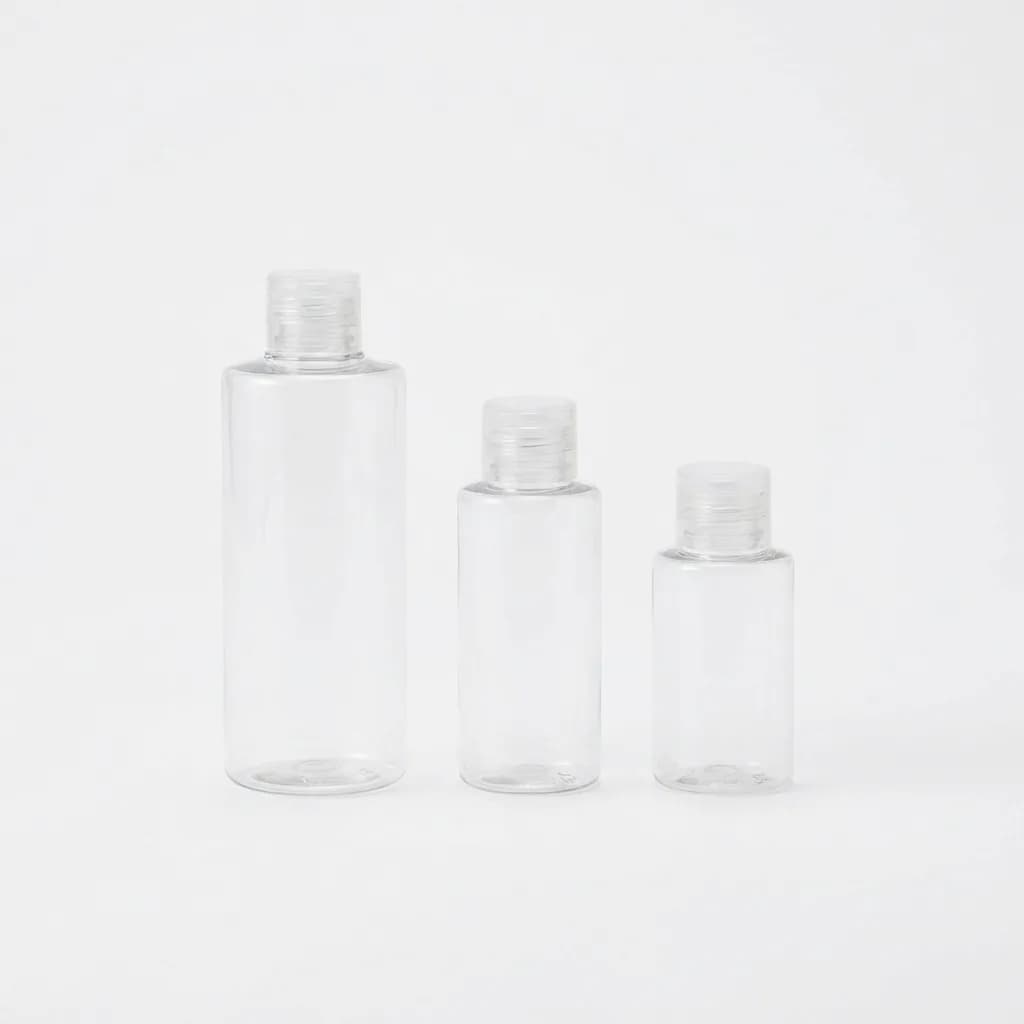
Muji PET Refillable Bottle Set
See current price
Minimalist Japanese design with precision screw caps and PET plastic construction. Clear body for easy content ID, compact size, and proven reliability for short trips.
Common mistakes that cause leaks
Cross-threading the cap is surprisingly common when you are packing in a hurry. Always start the threads carefully and make sure the cap seats straight before tightening. A cap that feels tight but is actually cross-threaded will leak immediately.
Overfilling past the neck of the bottle puts liquid directly at the threads. Even a perfect seal can fail when liquid is sitting in the thread grooves. Fill to the shoulder of the bottle, not to the rim.
Bringing products you do not actually need. Every bottle is a potential leak source. We pack only what we will use daily. If you only use something once a week at home, you do not need it for a week-long trip. Buy it at your destination if you must.
Using bottles that are too old. Silicone degrades with UV exposure and repeated temperature cycling. Plastic threads wear down with use. If a bottle has gone on 20+ trips, retire it. The few dollars for a new bottle is cheaper than replacing ruined gear.
Not testing bottles before a trip. Fill them, seal them, and store them upside-down overnight. If they leak in your bathroom, they will definitely leak at altitude. Better to find out before you pack.
The nuclear option for liquids
Solid alternatives exist for almost everything. Shampoo bars, conditioner bars, solid lotion sticks, toothpaste tablets, solid sunscreen, solid perfume. They weigh less, take up less space, do not count toward liquid limits, and cannot leak.
We switched to solids for everything except face serum and contact lens solution. The convenience of not worrying about leaks outweighs the slight learning curve of using bar products. If you travel more than a few times per year, it is worth trying.
For products that must be liquid, consider single-use packets or buying at your destination. A bottle of shampoo costs the same in Chicago as it does in Tokyo. Checking it back empty or giving it away is easier than hauling it both directions and risking a leak.
The best leak-proof system is the one that works for your specific packing style and travel frequency. If you fly weekly, invest in premium silicone bottles and a good toiletry kit. If you travel twice a year, double-bag everything and accept that some products are easier to replace than to pack. Either way, the physics of air pressure does not change, so plan accordingly.
The Weekly Dispatch
Enjoying this article?
Subscribe and get our best gear picks delivered every Sunday morning.
Related Stories
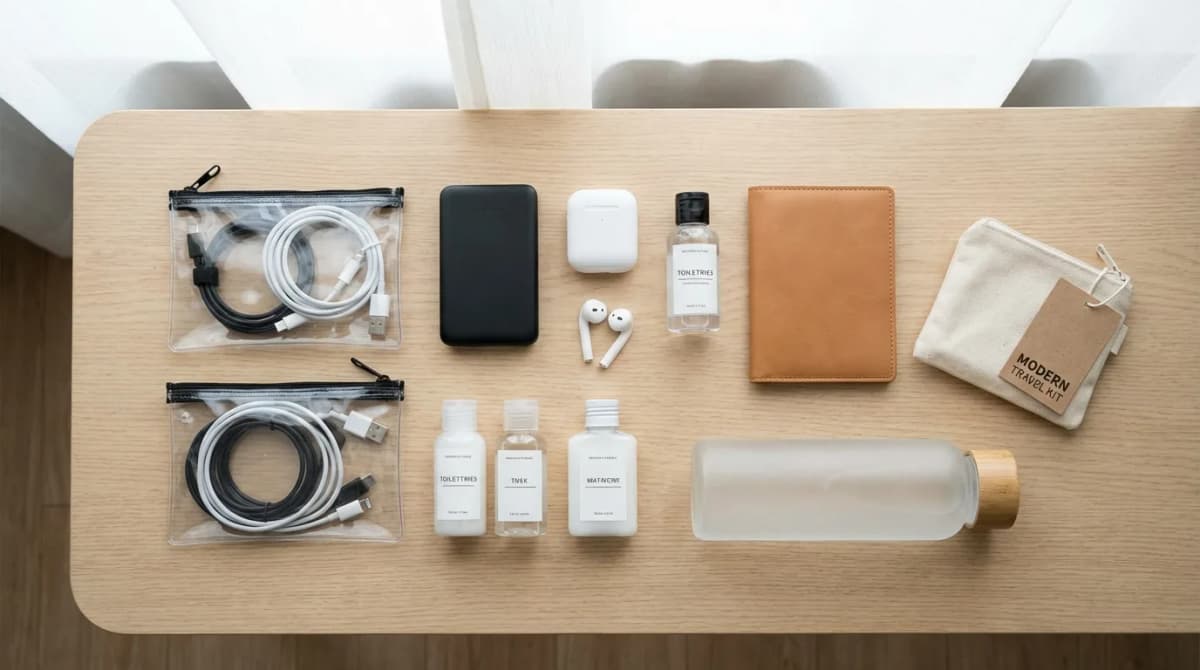
How to Create a No-Stress Airport Kit
Smart packing starts with dividing essentials into organized pouches. Here's how to build an airport kit that eliminates digging and decision fatigue.
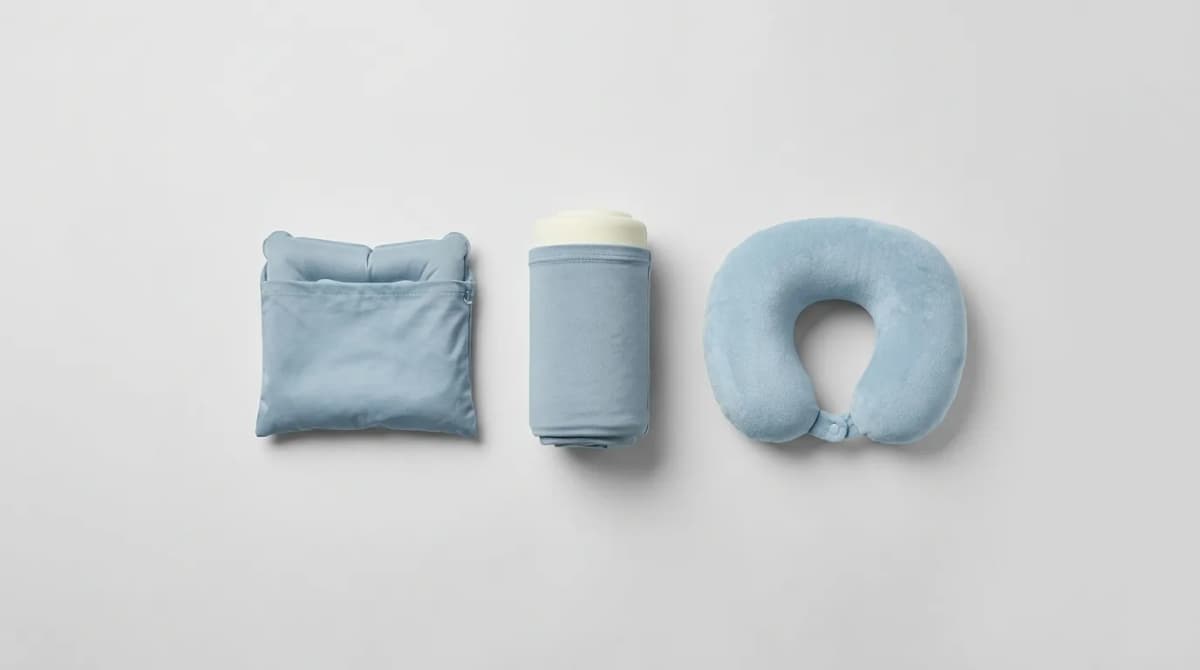
Best Travel Pillows That Pack Small
Compact travel pillows compared: inflatable vs memory foam, what actually supports your neck on flights, and which ones compress small enough to matter.
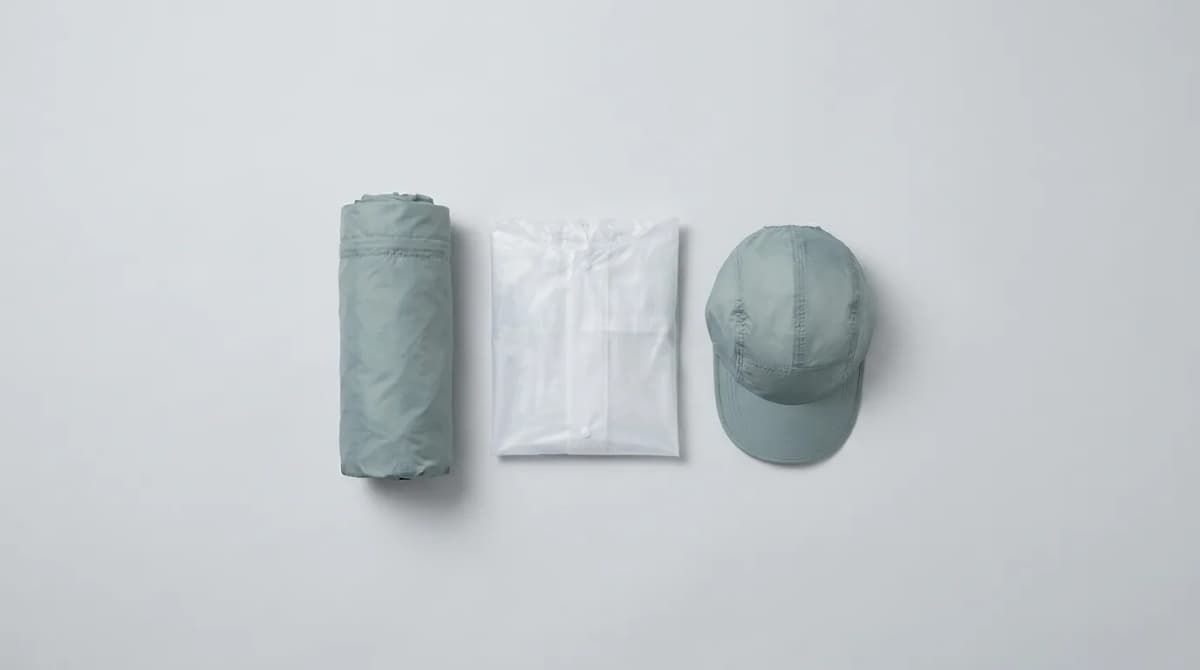
Travel Rain Gear Without the Umbrella Hassle
Umbrellas break, blow inside out, and hog your hand. These rain gear alternatives pack smaller, work better in wind, and leave your hands free for maps and coffee.