How to Keep Your Gear Dry in Heavy Rain
Waterproof shells fail when water finds seams and zippers. Pack liners, pouches, and smart layering keep electronics and essentials bone-dry through downpours.
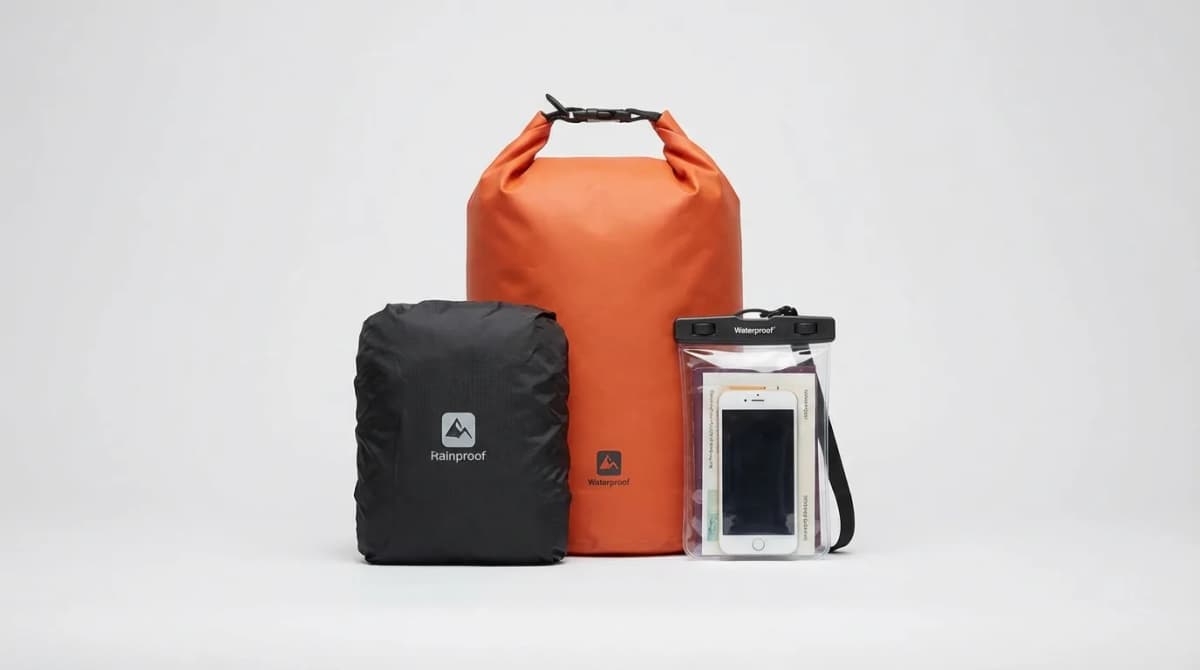
Your backpack's rain cover is already soaked through, water is pooling at the bottom, and your laptop is somewhere in the middle of that mess. This happens because most people treat their pack like a single waterproof container when it's actually full of entry points for water.
The solution isn't better rain covers. It's redundant layers of protection inside your pack, starting with what matters most. We tested this approach through week-long trips in Southeast Asian monsoons and Pacific Northwest storms. Here's what actually works.
Pack liners create a waterproof core
A pack liner turns your entire bag into a dry zone from the inside out. Unlike rain covers that let water seep through zippers and fabric, a liner creates a sealed barrier around everything that matters.
We use trash compactor bags for this. The Glad ForceFlex 18-gallon bag is thicker than standard trash bags (2.0 mil versus 0.9 mil) and costs about a dollar per bag. Drop it in your pack, load your gear, squeeze out the air, and twist the top. It survives being stuffed, compressed, and repeatedly opened without tearing.
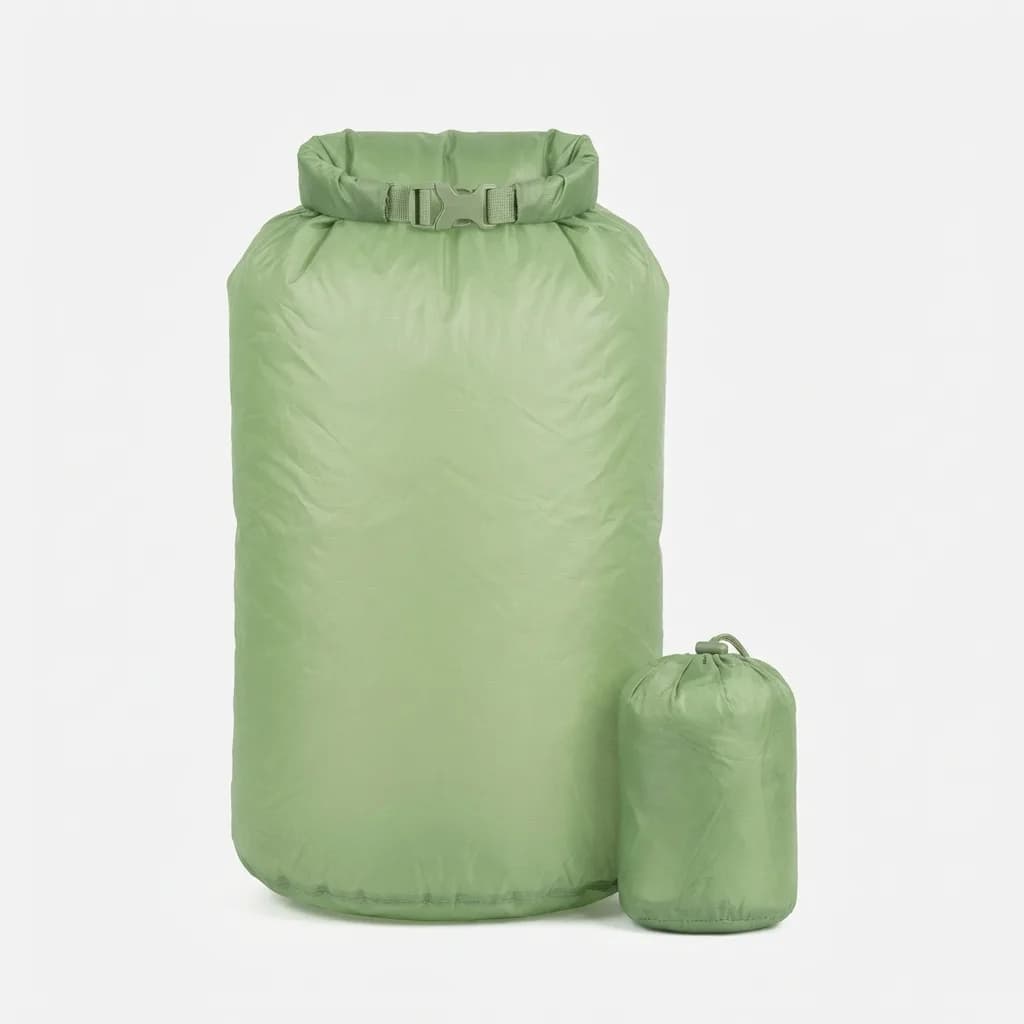
Sea to Summit Ultra-Sil Pack Liner
$25
20-liter silnylon liner weighs 1.2 oz and packs to palm size. Roll-top closure with hook keeps water out during submersion tests. More durable than trash bags for long-term use.
Purpose-built liners like the Sea to Summit Ultra-Sil use a roll-top seal that's easier to close properly than twisting a trash bag. The silnylon fabric slides against pack walls instead of bunching up. If you're using the same liner trip after trip, the durability justifies the cost.
The liner goes in first, before anything else. Open it fully to the top of your pack, load gear inside the liner, then seal it. Rain covers go over the outside as a secondary defense, but the liner does the real work.
Dry bags segment critical items
Pack liners protect bulk gear, but your phone, wallet, and documents need their own containment. We separate these into small dry bags so you can access them without opening the main liner.
The key difference is the seal mechanism. Cheaper dry bags use a simple roll-top that leaks if you don't execute three full rolls and clip it properly. Better ones use a fold-and-clip system that's harder to mess up when you're rushing.

Outdoor Research Ultralight Dry Sack Set
$35
5L, 10L, 15L set in 70D nylon with roll-top closures. Waterproof to IPX6 rating. Color-coded for quick identification. Each weighs under 2 oz.
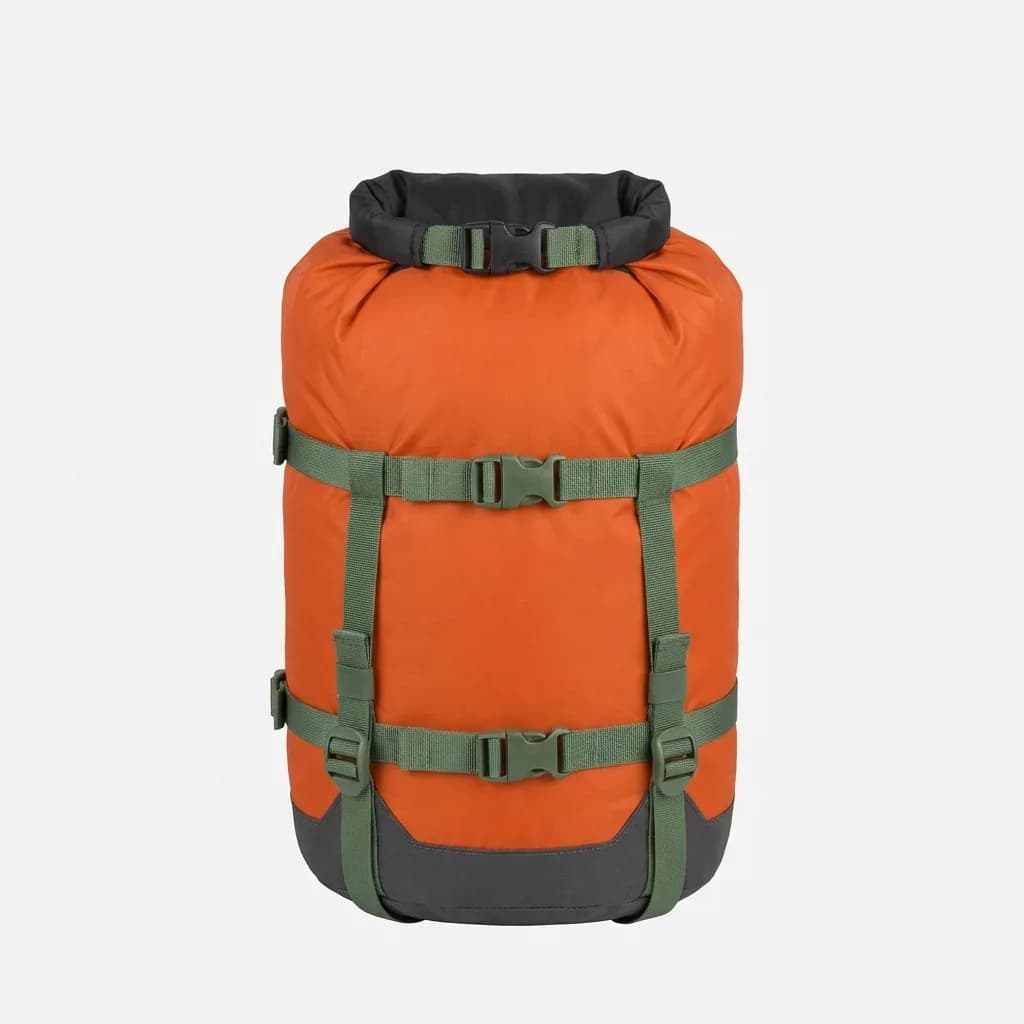
Sea to Summit eVent Compression Dry Bag
$50
14L bag with waterproof eVent fabric base that purges air while keeping water out. Compresses bulky clothing to half size without valve pumping. Roll-top seal, 4.2 oz.
Size your dry bags to specific items. A 5L bag fits a mirrorless camera with two lenses. A 10L handles a full change of clothes. A 3L pouch holds phone, battery pack, cables, and wallet. Using multiple small bags instead of one large one means you're not exposing everything when you need to grab your phone in the rain.
For clothing, compression dry bags with one-way purge valves squeeze out air so they pack tighter. Regular dry bags trap air and waste space. The Sea to Summit eVent bags use breathable waterproof fabric on the base that lets air escape when you compress it but won't let water in.
Waterproof pouches for constant-access items
Dry bags are for gear that stays packed. Your phone and wallet need protection while staying accessible. Waterproof pouches solve this but most cheap ones fail within months.
The problem is the seal. Ziplock-style bags use plastic teeth that wear down with repeated opening. The plastic gets brittle in cold weather and soft in heat. We've had these fail mid-trip, and there's no fixing them in the field.
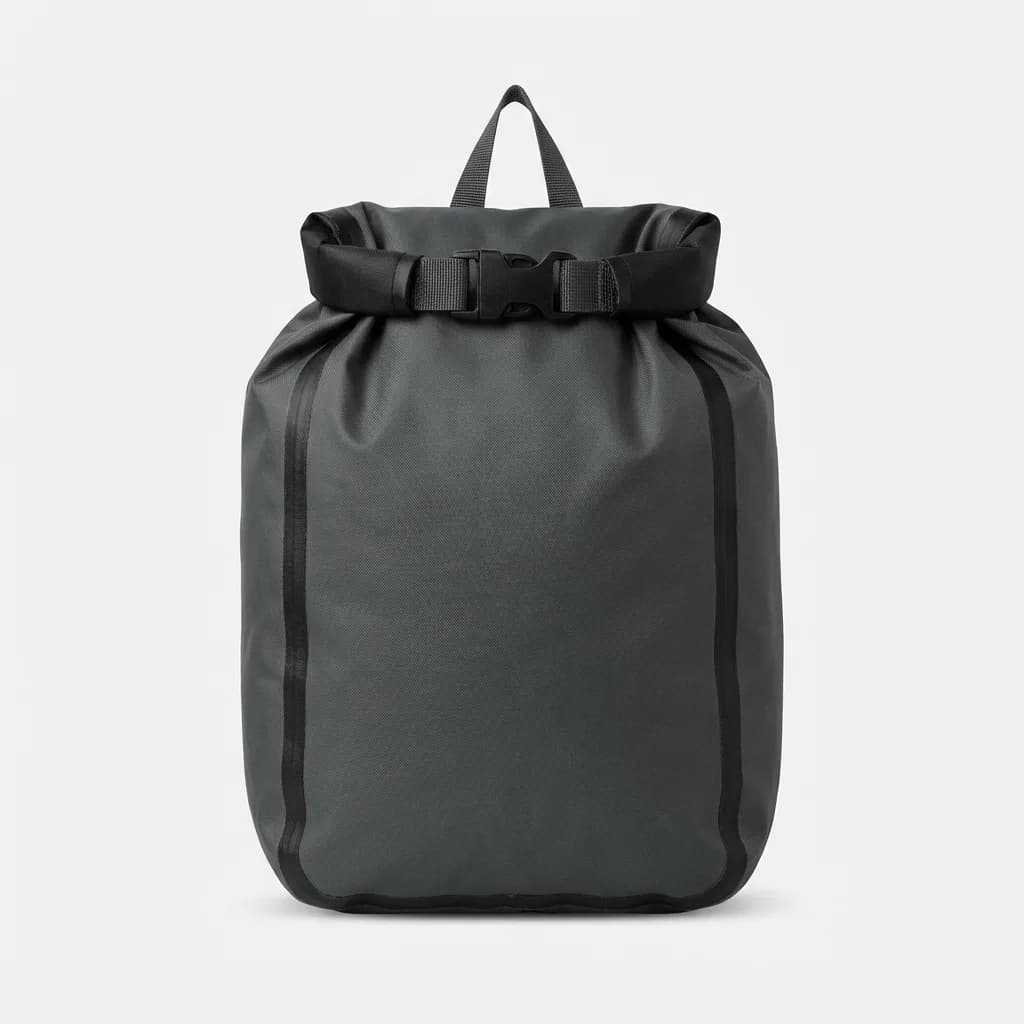
Matador FlatPack Waterproof Toiletry Bag
$30
1.5L capacity with welded seams and waterproof TPU-coated nylon. Roll-top closure with buckle. Hangs from loop. Packable to 4x6 inches, weighs 2.8 oz.
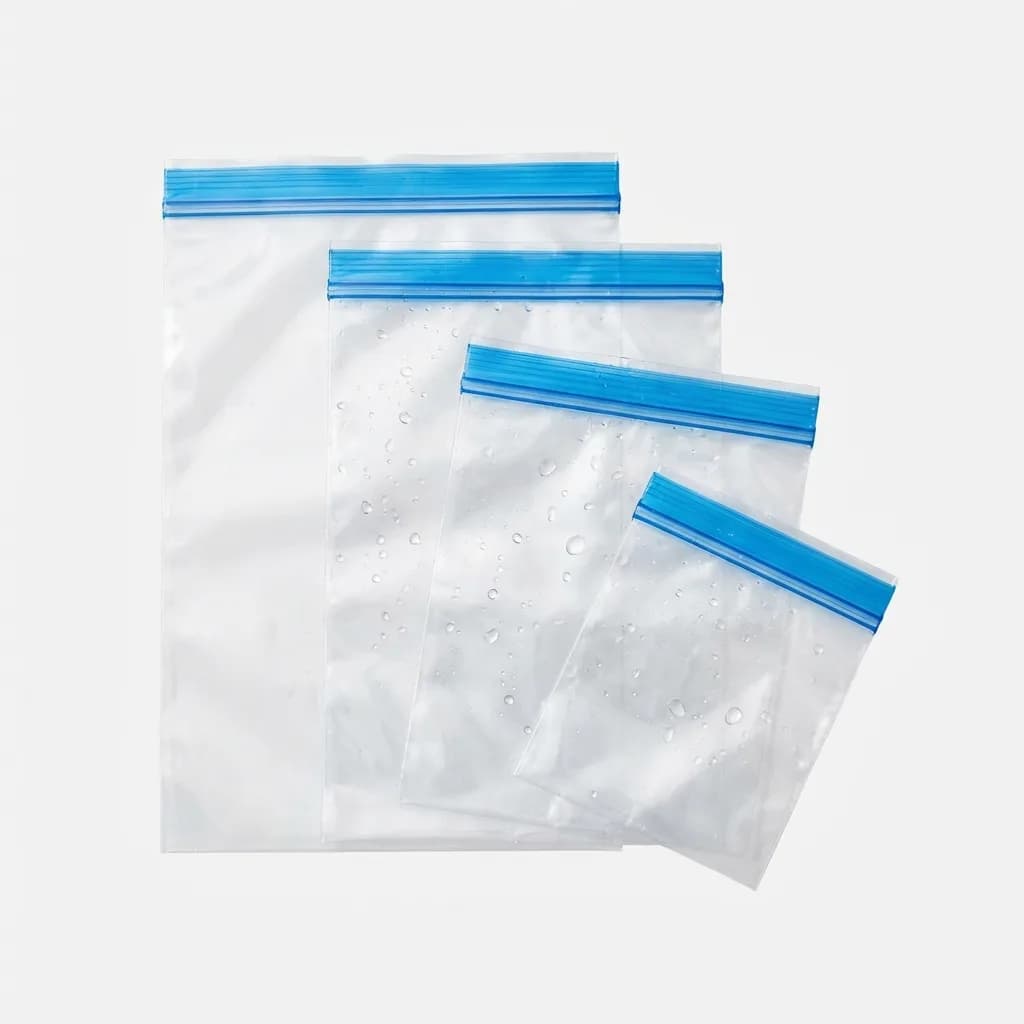
Loksak aLOKSAK Waterproof Bags
$15
4-pack multi-size bags (3.4x4.6 to 9x6 inches) with hermetic seal tested to 200 feet underwater. Touchscreen-compatible. TSA compliant. Reusable for years of trips.
Loksak bags use a double-track hermetic seal that's rated to 200 feet underwater. That's overkill for rain, but it means the seal won't degrade after 50 uses. They're touchscreen-compatible, so your phone stays functional inside the bag. We keep one in an outer pocket for phone use in rain, and another inside the pack for documents and cash.
For toiletries, the Matador FlatPack uses a roll-top with buckle instead of a zipper. The TPU-coated nylon is fully welded at the seams, no stitching to leak. It hangs from a loop so you can use it in hostel bathrooms without setting it on wet surfaces.
What about waterproof backpacks?
Truly waterproof packs exist, but they compromise ventilation, access, and weight. Roll-top drybag-style packs like the Ortlieb Atrack seal completely but you can't reach anything without opening the top. Packs with waterproof zippers add weight and the zippers still fail eventually.
The Arc'teryx Bora AR uses WaterTight zippers on the main compartment and includes an internal liner. It works, but costs $550 and weighs 5.3 pounds empty. Compare that to a $150 pack with a $25 liner and the protection is identical for $375 less and a pound lighter.
Most "waterproof" packs are really water-resistant. They'll handle light rain for an hour but fail in sustained downpours. The fabrics work, but water enters through zippers, seams, and the gap where the pack meets your back. Don't trust them for electronics.
Quick habits that prevent soaked gear
Protection layers only work if you use them correctly. We learned these the hard way through failed systems and wet sleeping bags.
Load your pack indoors or under shelter whenever possible. If you're packing in rain, work fast and keep the pack opening covered with your body or a jacket. Every extra second the liner is open is a chance for water to get in.
Keep the dry bag with your phone and wallet in an external pocket, not buried inside. You'll need it multiple times per day. Digging through your pack in the rain defeats the entire system.
Wipe down wet items before putting them in dry bags. Your rain jacket is soaked on the outside. If you stuff it directly into a dry bag, that water comes inside with it. Shake it off, wring out the cuffs, then bag it.

PackTowl Personal Towel
$15
Microfiber towel absorbs 4x its weight in water and dries in hours. Hand size (16x36 in) packs to 4x5 inches. Use to wipe gear dry before packing.
Carry a small microfiber towel in an outer pocket specifically for this. The PackTowl Personal is hand-towel sized and lives in our lid pocket. We use it to wipe rain off the pack exterior before opening it, dry our hands before handling electronics, and mop up water that makes it inside.
Test your system before the trip. Fill your bathtub, seal your phone in its waterproof pouch, submerge it for five minutes. If it leaks in the tub, it'll leak in the rain. Same for dry bags. This takes ten minutes and prevents disasters.
Layer your defense
Water finds ways in. The pack fabric wets through, rain runs down the shoulder straps, you open the main compartment to grab something. Single-layer protection fails because a single mistake ruins everything inside.
We run three layers: pack liner for bulk gear, dry bags for category-specific items (clothing, toiletries, electronics), and waterproof pouches for constant-access essentials. If water breaches the pack liner, the dry bags protect their contents. If you open a dry bag carelessly, only that category gets exposed.
This isn't paranoia. It's accepting that you'll make mistakes when you're tired, rushed, or caught in unexpected weather. The redundancy means those mistakes don't cost you a laptop or a passport.
The system adds maybe 10 ounces to your pack and costs under $100 total. That's lighter and cheaper than a waterproof pack, and more reliable because it doesn't depend on a single seal or zipper holding up for years. Set it up once and you'll never think about rain again.
The Weekly Dispatch
Enjoying this article?
Subscribe and get our best gear picks delivered every Sunday morning.
Related Stories
What IP Ratings Mean for Waterproof Gear
IP ratings tell you exactly how waterproof your gear is, but most people misread them. Here's what those numbers actually mean for real-world use.
Travel Coin Solutions for Europe That Actually Work
European coins pile up fast. These pouches, wallets, and daily carry strategies keep change organized without bulk during weeks of travel across the continent.
Travel Rain Gear Without the Umbrella Hassle
Umbrellas break, blow inside out, and hog your hand. These rain gear alternatives pack smaller, work better in wind, and leave your hands free for maps and coffee.