How to Choose Gear That Lasts Five Years
Learn which materials, construction methods, and warranty policies separate gear that lasts from gear that fails, with actionable buying strategies.
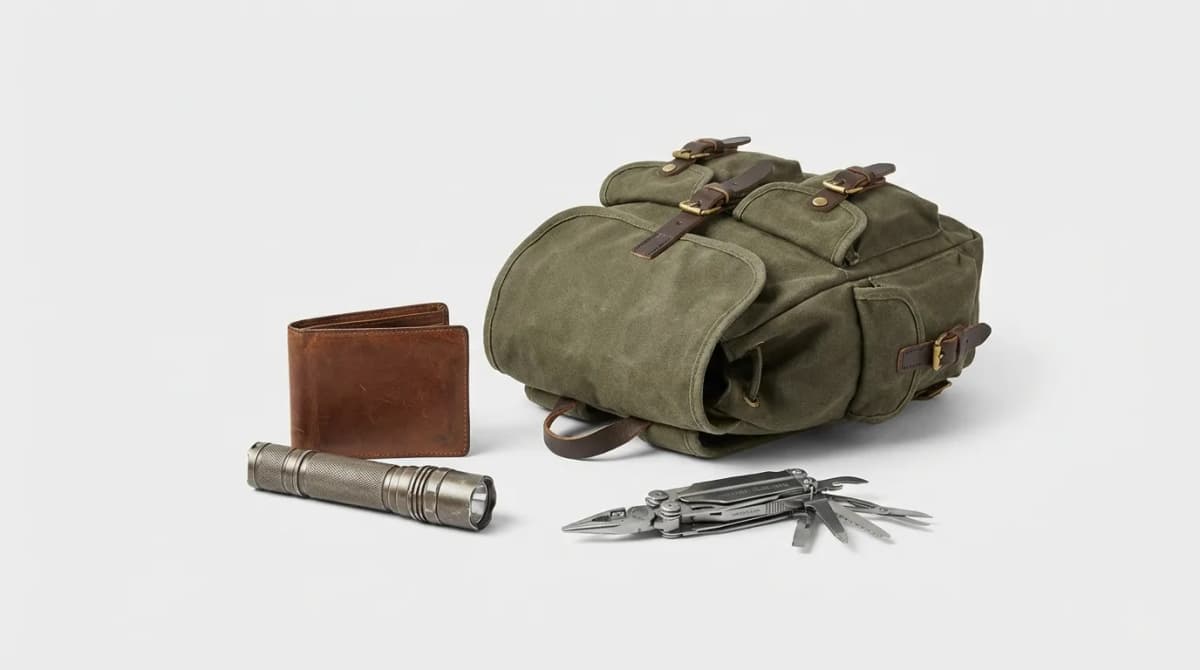
The average person replaces their wallet every 18 months. Their backpack every two years. Their everyday carry knife even sooner. Most of this turnover happens not because they wanted something new, but because what they bought couldn't handle daily use.
Five years is the real test. It's long enough to separate quality from marketing, long enough for hidden weaknesses to surface, and long enough that buying right the first time saves you real money. We've tested hundreds of products over multi-year periods, and the patterns are clear. Here's what actually matters when you're buying gear meant to last.
The materials that hold up (and the ones that don't)
Material choice determines lifespan more than any other single factor. Full-grain leather ages into character. Top-grain leather looks good initially but cracks within three years. Genuine leather is a marketing term for scraps that won't make it past year two.
For metals, the hierarchy is straightforward. Titanium doesn't scratch, corrode, or flex. Steel holds an edge but rusts if neglected. Aluminum dents easily but stays light. Brass develops patina but resists corrosion better than steel.
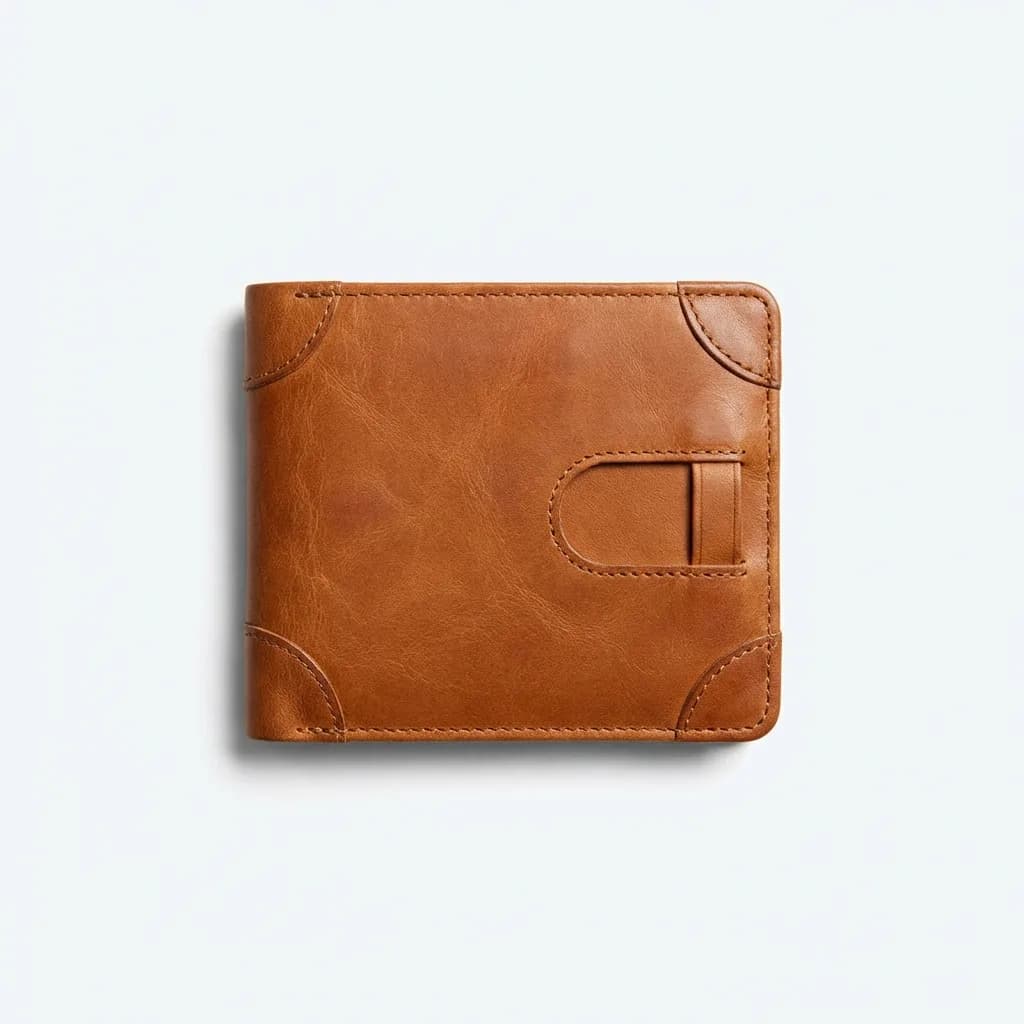
Bellroy Note Sleeve Wallet
$75
Full-grain leather construction with reinforced corners and pull-tab. Vegetable-tanned leather that develops rich patina over years of daily carry.
Fabric choices matter just as much. Ballistic nylon (1050D or higher) handles abrasion. Cordura resists tears and stays flexible in cold weather. Canvas looks better with age if it's waxed properly. Avoid anything described as "military-grade" without specific denier ratings - it's usually 600D polyester pretending to be tougher than it is.
The weakest point in any gear is rarely the primary material. It's the thread, the adhesive, the zipper tape. Check construction details. Bartacked stress points last. Single-stitch seams don't. Bonded threads handle UV exposure better than core-spun threads in outdoor gear.
Construction methods you can spot before buying
Turn a backpack inside out. Quality manufacturers don't hide their seam work because they're proud of it. Look for double or triple stitching at stress points. Check if the stitching color matches - it means they used the right thread for the fabric, not whatever was cheapest.
Zippers fail more often than any other component. YKK makes 90% of the world's reliable zippers, but not all YKK zippers are equal. YKK #3 is fine for pouches. YKK #5 belongs on backpack main compartments. YKK #8 or #10 is overkill unless you're hauling serious weight. Self-healing coils last longer than metal teeth for everyday use. Metal teeth look better but catch on fabric.
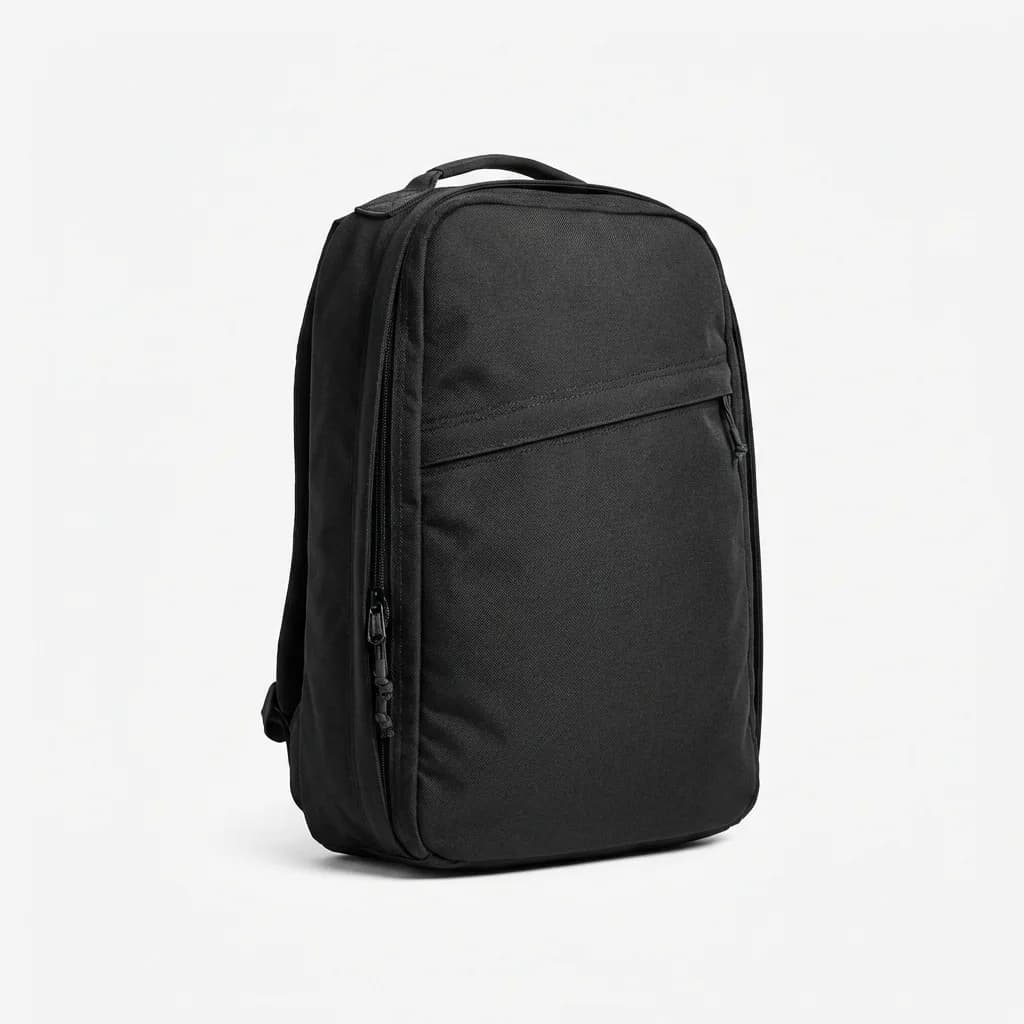
Goruck GR1 Rucksack
$395
1000D Cordura construction with YKK zippers and lifetime guarantee. Bartacked stress points, reinforced drag handle, and field-repairable design backed by decades of hard use.
Hardware tells you if the manufacturer understands load dynamics. Plastic buckles rated for 150 pounds will crack in freezing temperatures. Metal buckles add weight but last indefinitely. Duraflex and ITW Nexus are the names to look for - if a bag doesn't list the buckle manufacturer, they're probably using whatever cost least.
Welded construction beats sewn construction in anything that gets wet. Sewn seams leak eventually, no matter how well sealed. Welded bags like those from Ortlieb or Watershed will still be waterproof a decade from now.
Why warranty terms reveal manufacturer confidence
A lifetime warranty sounds impressive until you read the terms. Lifetime of the product? Lifetime of the company? Your lifetime? Most mean "until we decide it's been long enough." The best warranties are unconditional and transferable.
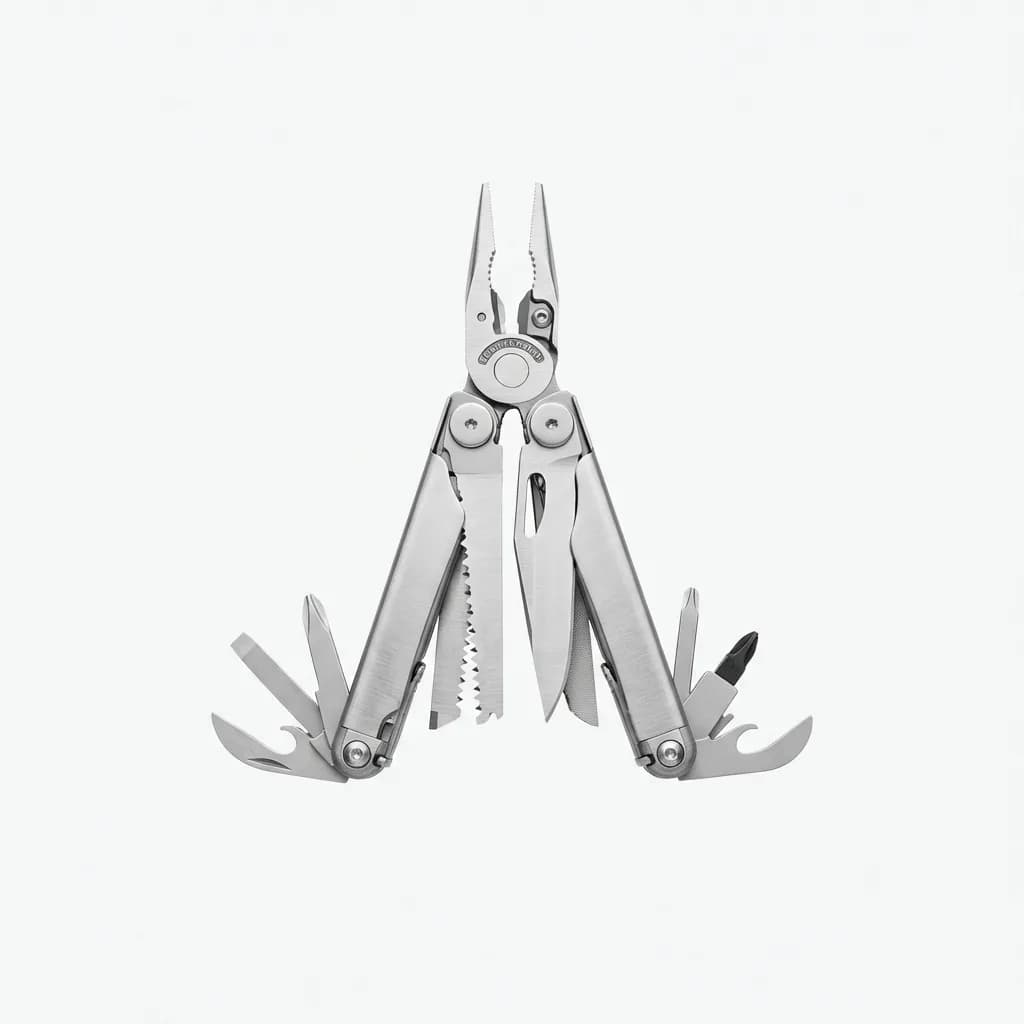
Leatherman Wave Plus Multi-Tool
$120
Stainless steel construction with 18 tools, replaceable wire cutters, and 25-year warranty. Field-serviceable design with replacement parts available directly from manufacturer.
Compare Darn Tough socks to any competitor. Darn Tough offers unconditional replacement - no receipt needed, no questions asked, no time limit. They can do this because their product actually lasts. Most sock companies offer 12-month warranties with asterisks about "normal wear" because they know their product won't make it longer.
Watch for exclusions. "Lifetime warranty excluding normal wear" means nothing. Everything experiences normal wear. "Lifetime warranty on materials and craftsmanship" is better - it means they'll replace manufacturing defects but won't cover abuse. "Unconditional" means they stand behind it completely.
Check if repair is an option before replacement. Patagonia repairs worn gear rather than automatically replacing it. This approach signals they built something repairable and expect it to last through multiple repair cycles. Brands that only offer replacement often can't repair their own products - a red flag.
What repairability means in practice
Can you buy replacement parts? Nite Ize sells replacement bands for their flashlights. Peak Design sells replacement clips and straps for their camera gear. These companies understand that one broken component shouldn't kill an otherwise functional product.
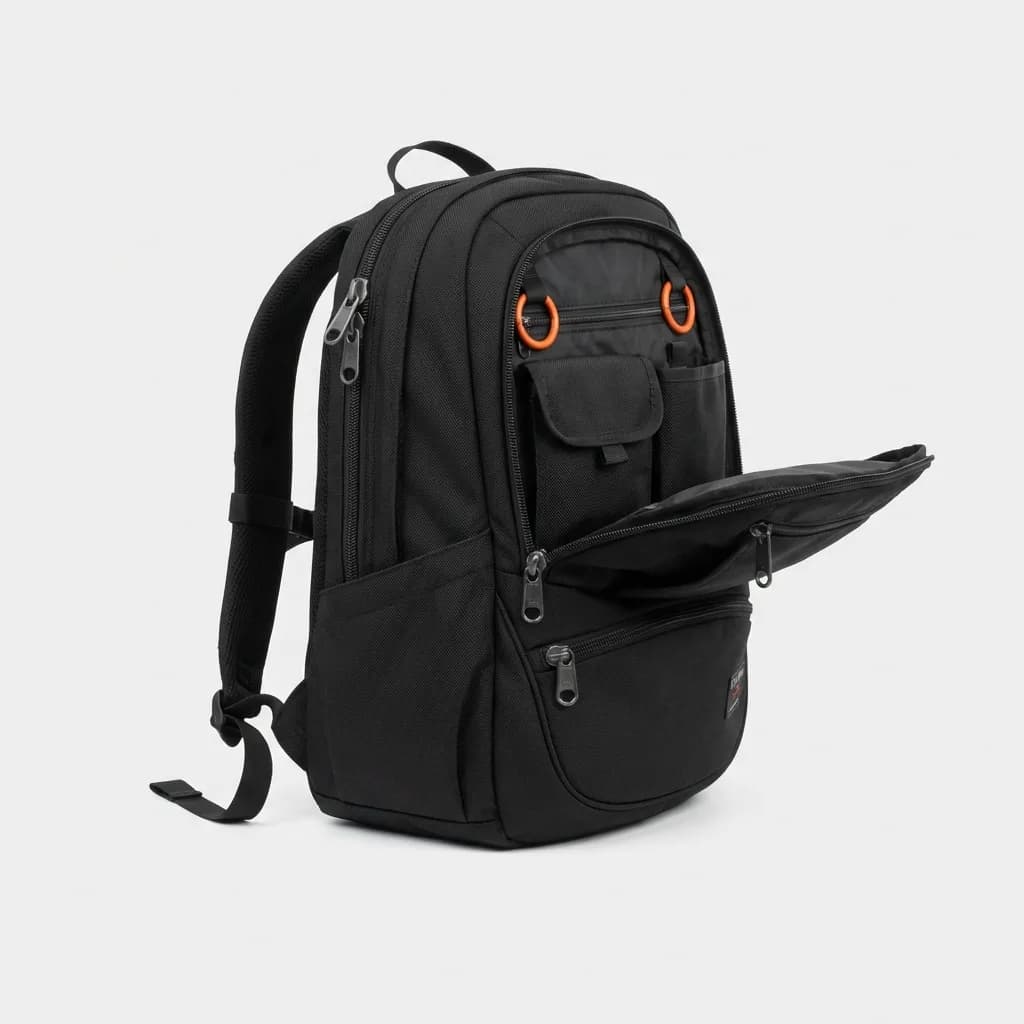
Tom Bihn Synik 30 Backpack
$280
Ballistic nylon with replaceable o-rings, accessible zipper sliders, and modular organization. All components available as spare parts, with repair guides published online.
Modular design extends lifespan. Backpacks with removable hip belts and sternum straps let you replace worn components without replacing the entire bag. Knives with replaceable pocket clips survive falls that would retire a fixed-clip design. Wallets with replaceable elastic or removable cash straps adapt as your carry changes.
The gold standard is field repairability. Can you fix it yourself with basic tools? REI publishes repair guides for their gear. Leatherman tools can be disassembled with a Torx driver. Filson bags use standard hardware available at any fabric store. Compare this to ultrasonically welded gear that can't be opened without destroying it.
Look at the used market. If five-year-old versions sell for 60-70% of retail, that's proof of longevity. If they're nowhere to be found or dirt cheap, buyers learned they don't last. Vintage Filson bags command high prices. Ten-year-old tactical backpacks usually don't.
How price correlates with lifespan (until it doesn't)
There's a price threshold where quality stops improving and you're paying for brand positioning. That threshold varies by category. For leather goods, it's around $150. For technical backpacks, around $250. For EDC knives, around $200. Beyond these points, you're mostly buying aesthetics or brand cache.
But below certain minimums, corners get cut that guarantee failure. A $20 backpack won't last six months of daily commuting. A $15 leather wallet isn't leather. A $30 multitool will break the first time you need it. These price floors exist because quality materials and construction cost real money.
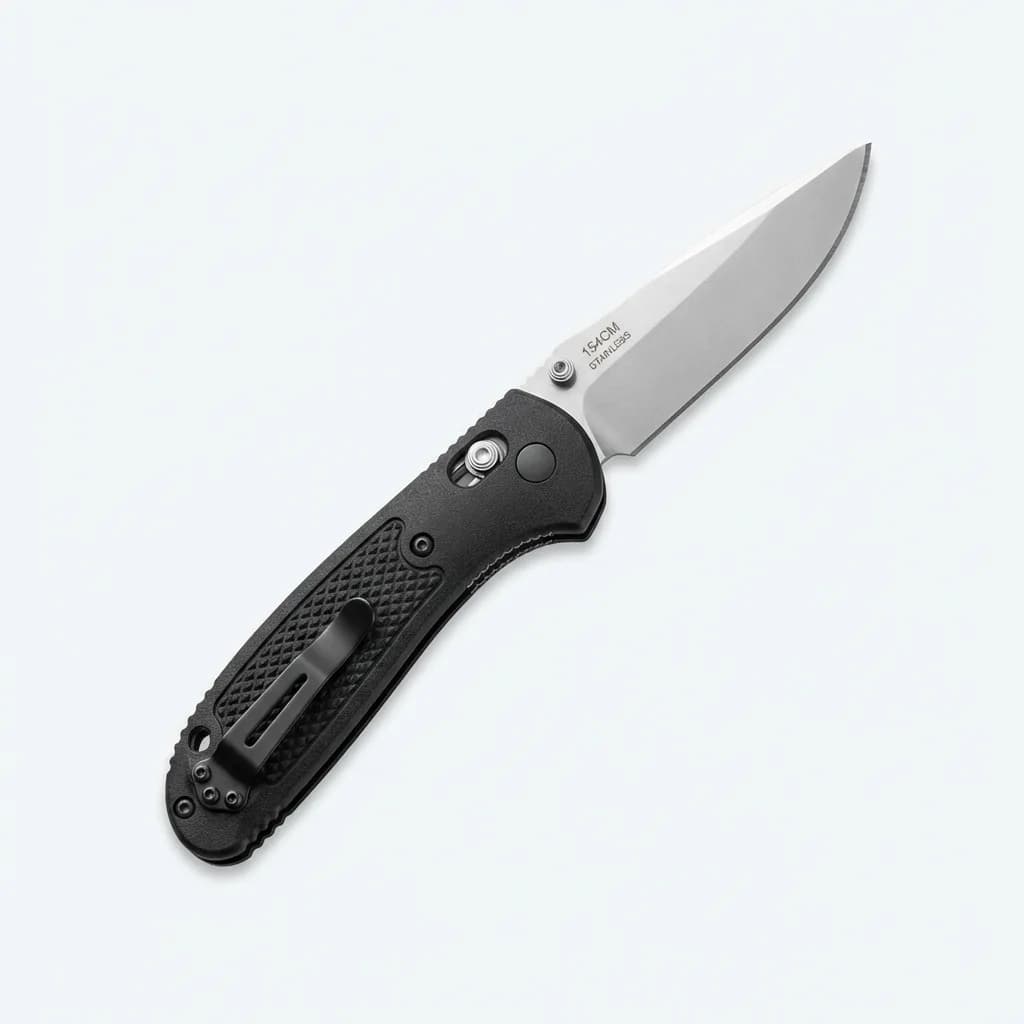
Benchmade Griptilian Knife
$155
154CM stainless steel blade with AXIS lock mechanism and G10 handles. User-serviceable pivot, replaceable pocket clip, and LifeSharp free sharpening service for life.
The best value sits in the middle. Brands like Mystery Ranch, Topo Designs, and Bellroy charge more than budget options but less than luxury alternatives. They're expensive enough to use quality materials and fair labor but not so expensive that you're funding flagship stores and celebrity endorsements.
Watch for price anchoring. Some brands establish "premium" pricing without premium construction to create perceived value. If the marketing emphasizes heritage or lifestyle over materials and construction methods, dig deeper. Real quality manufacturers talk about thread gauge, fabric weight, and construction techniques because they're proud of the details.
The break-in period reveals build quality
Quality gear performs poorly at first, then improves. Cheap gear feels great immediately, then degrades. This pattern is consistent across categories.
A new leather belt should be stiff. If it's immediately comfortable, the leather is thin or poorly tanned. A new backpack's straps should need adjustment as they settle into your frame. If they're perfectly comfortable day one, they're likely padded foam that will compress into hard spots within months.
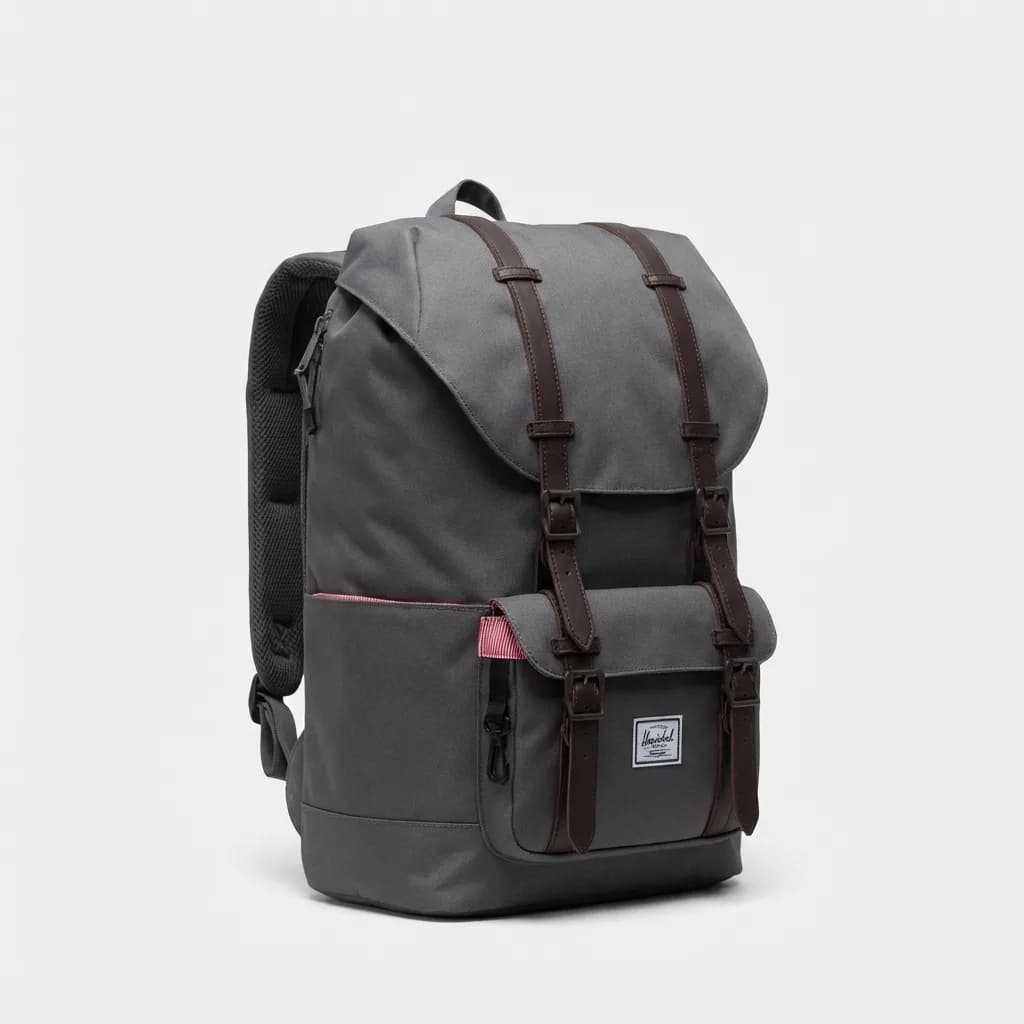
Herschel Supply Co. Little America Backpack
$115
Durable polyester construction with reinforced base, magnetic strap closures, and padded laptop sleeve. Striped fabric liner and signature keychain clip for personalizing your carry.
Raw denim needs months to break in properly. Pre-washed, pre-distressed jeans skip this phase but wear out faster because they've already been weakened. Same principle applies to boots, bags, and gloves. The break-in period isn't a flaw - it's proof that the material is substantial enough to have a break-in period.
Exception: technical gear shouldn't require break-in. If a waterproof jacket needs "breaking in" to be comfortable, it's poorly designed. If a multitool's pliers are stiff enough to cause blisters, the tolerances are wrong. Mechanical gear should work perfectly from day one.
Signs a product won't make it to year two
Glue anywhere visible. Quality construction uses stitching, rivets, or welding. Glue is a shortcut that fails when exposed to heat, cold, or moisture. Check wallet edges, backpack straps, and knife handle seams.
Plastic hardware on gear you'll use daily. Plastic ladder locks on backpack straps crack from UV exposure. Plastic d-rings on bag straps snap under load. Plastic zipper pulls break off. Metal costs more upfront but eliminates the most common failure points.
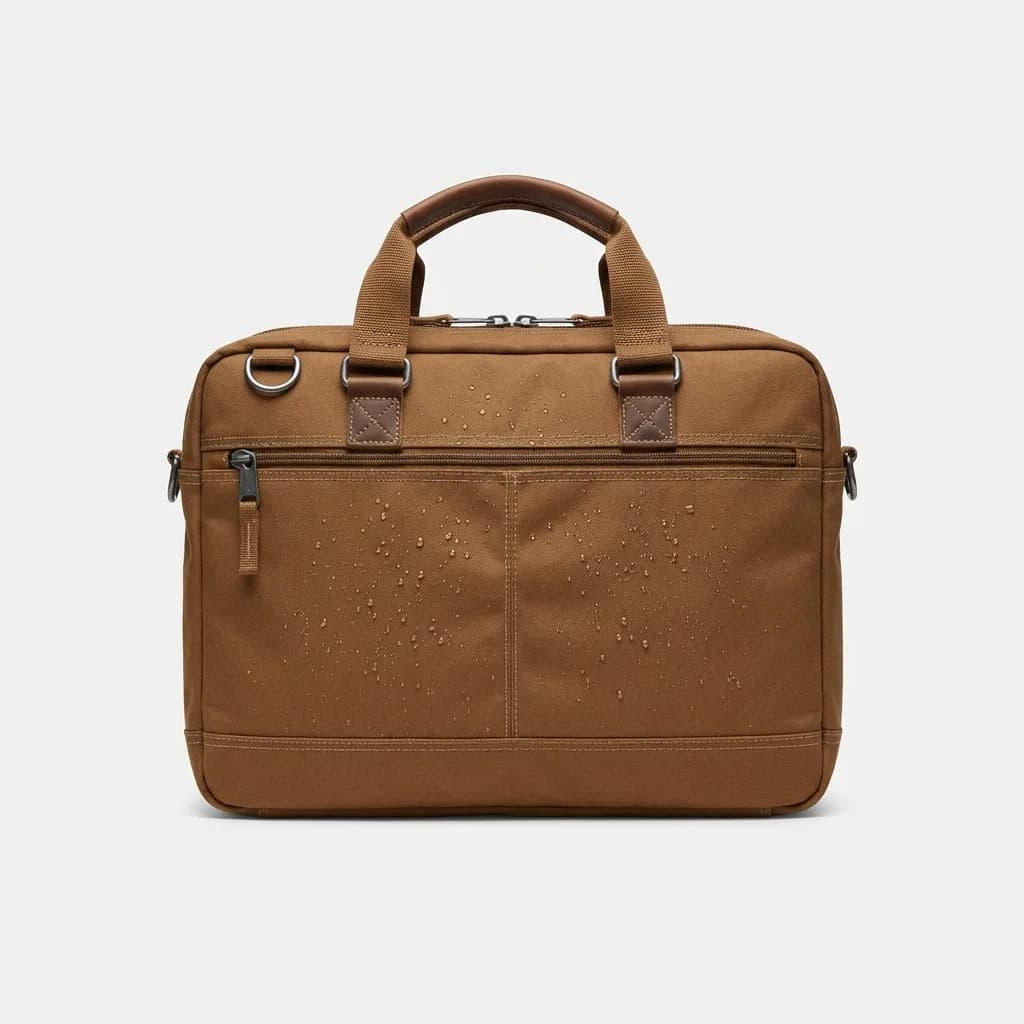
Carhartt Legacy Deluxe Work Bag
$85
Rain Defender durable water repellent, triple-needle stitching, and metal hardware throughout. Padded laptop compartment and reinforced grab handles backed by Carhartt's reputation for workwear that survives.
Inconsistent branding. If the logo appears in four different sizes and placements on the same product, manufacturing quality control is questionable. If the website product photos don't match what arrives, return it immediately. These details signal whether a company sweats the small stuff.
Marketing that emphasizes lifestyle over specifications. Brands confident in their product talk about denier ratings, stitch counts, and material sourcing. Brands selling an image fill their copy with adventure photography and vague claims about "premium quality." Trust specs over story.
When to repair versus replace
Repair makes sense when the failure is localized and the rest of the product shows minimal wear. A torn backpack strap on an otherwise solid bag - repair it. A wallet with a failed stitch but intact leather - repair it. Widespread wear, fading, or multiple failure points - that's end of life.
Cost comparison is straightforward. If repair costs more than 40% of replacement, replace. If it costs less than 40% but the product is already more than 75% through its expected lifespan, replace. The sweet spot for repair is early localized failure on an otherwise healthy product.
Some damage isn't worth repairing even if it's cheap. A waterproof bag with a punctured seam will never be truly waterproof again even after patching. A knife with a rolled edge from improper use will always have that weak point. Sometimes starting fresh with better understanding of care requirements is smarter than limping along with compromised gear.
Making the five-year test personal
Track what fails and when. Most people can't recall when they bought their current wallet, but if you note purchase dates, failure patterns emerge. You'll notice if you consistently burn through a specific item every 18 months - that's a signal to spend more next time or change your use pattern.
Buy once, cry once works when you're certain about your needs. If you're new to a category, buy mid-range first to learn what matters to you, then upgrade to the long-term option once you understand the trade-offs. A $400 backpack is a terrible investment if you don't know whether you prefer top-loading or panel-loading access.
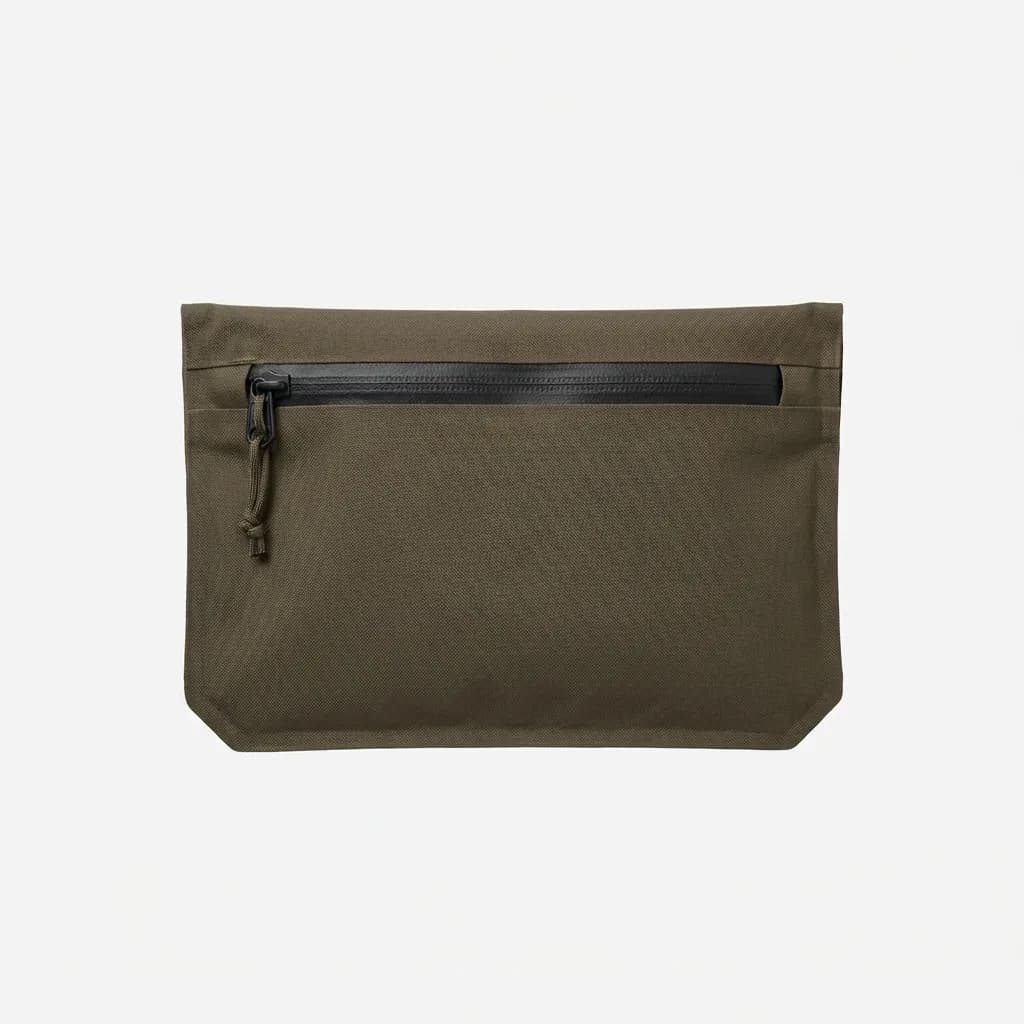
Magpul DAKA Pouch
$20
Reinforced polymer fabric with RF-welded construction and heavy-duty YKK zippers. Resistant to chemicals, water, and abrasion with multiple size options for organizing EDC essentials.
Expect to spend 2-3x more on gear meant to last five years compared to basic options. That's not a markup - that's the actual cost difference between materials and construction that last versus materials that don't. The payoff comes in year three when you're not replacing items that budget buyers are buying for the second time.
The gear that lasts five years isn't always the most expensive or the most popular. It's the gear where every material choice, every construction method, and every warranty term aligns with long-term use. Once you learn to spot these markers, buying durable gear becomes straightforward. You stop gambling and start investing.
The Weekly Dispatch
Enjoying this article?
Subscribe and get our best gear picks delivered every Sunday morning.
Related Stories
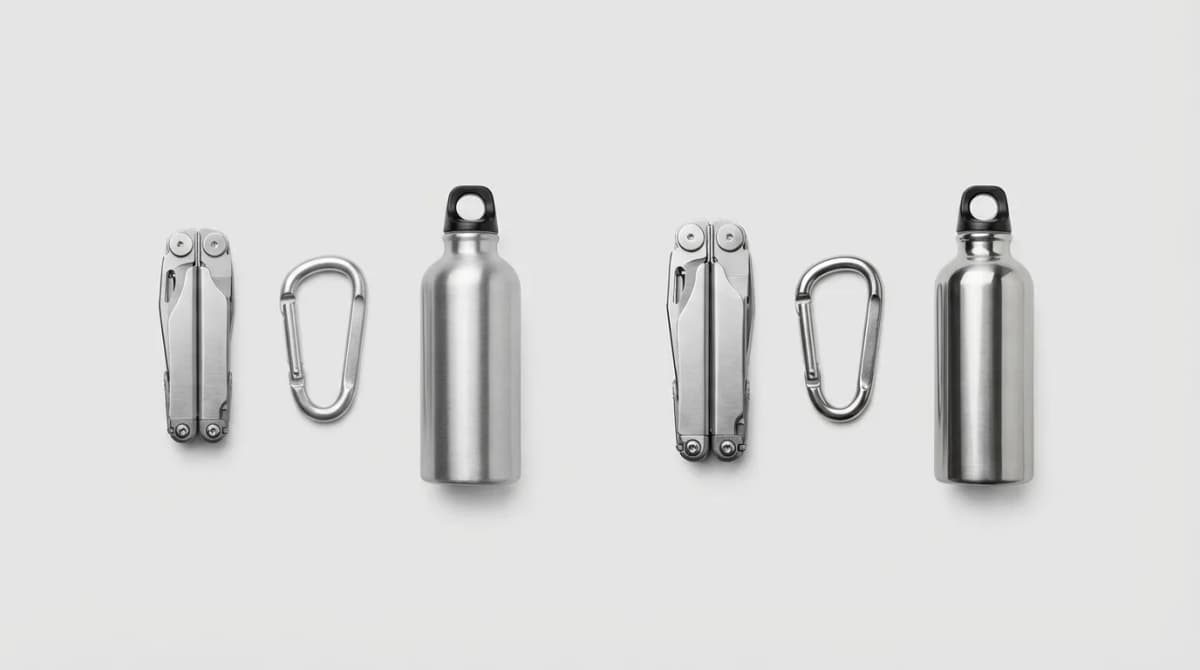
Aluminum vs Stainless Steel: Which Metal Wins for EDC Gear?
Aluminum weighs less but stainless steel handles wear better. We break down strength, corrosion, cost, and real-world performance to help you choose the right material.
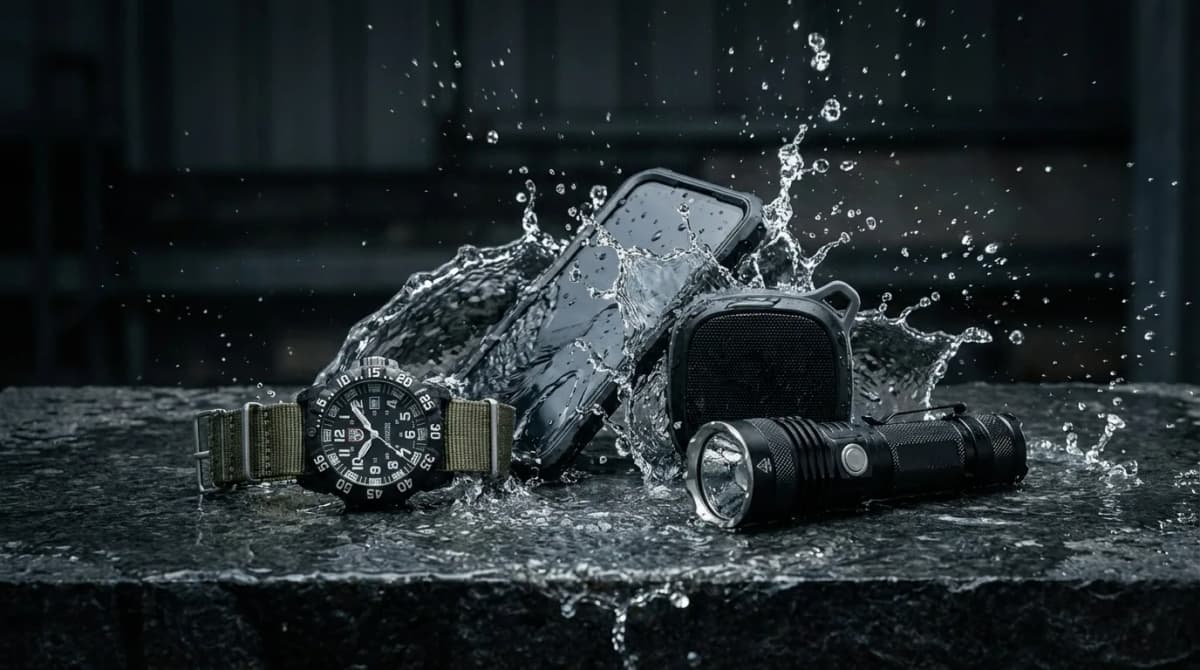
What IP Ratings Mean for Waterproof Gear
IP ratings tell you exactly how waterproof your gear is, but most people misread them. Here's what those numbers actually mean for real-world use.
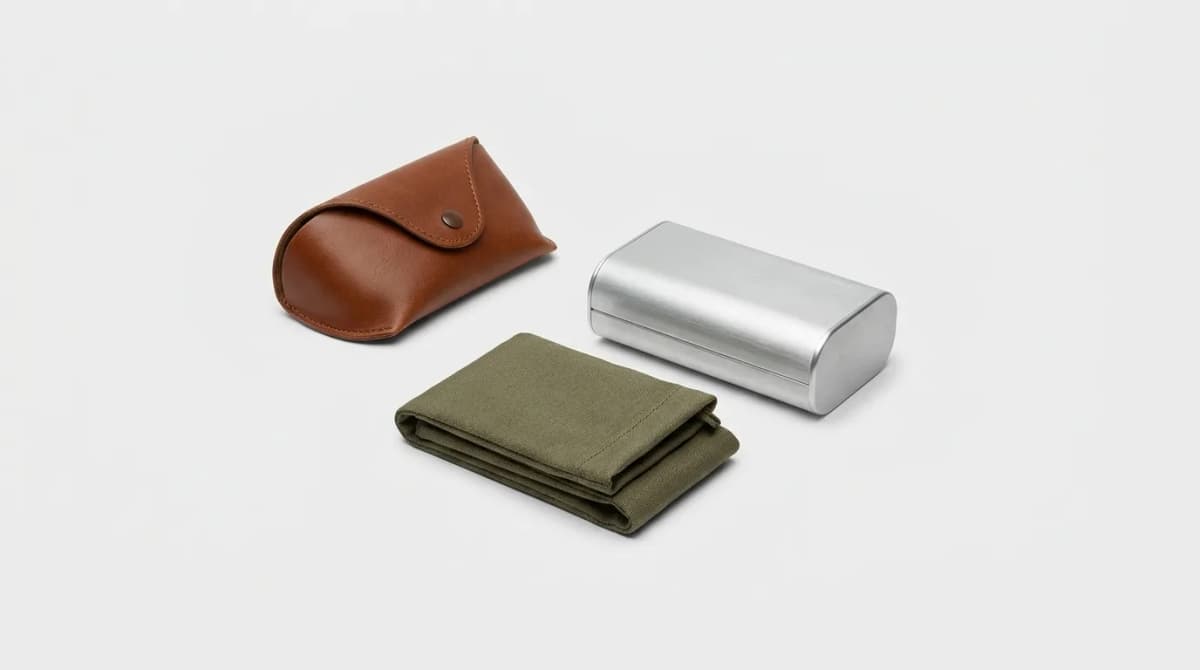
Best Pocket-Friendly Sunglasses Cases
Hard shells crack under pressure, soft pouches let lenses scratch. We tested compact cases that actually fit in your pocket and protect your sunglasses.