EDC Buying Guide: What Specs Actually Matter
Not all specs matter equally when choosing EDC gear. Learn which numbers actually affect daily performance and which are just marketing hype.
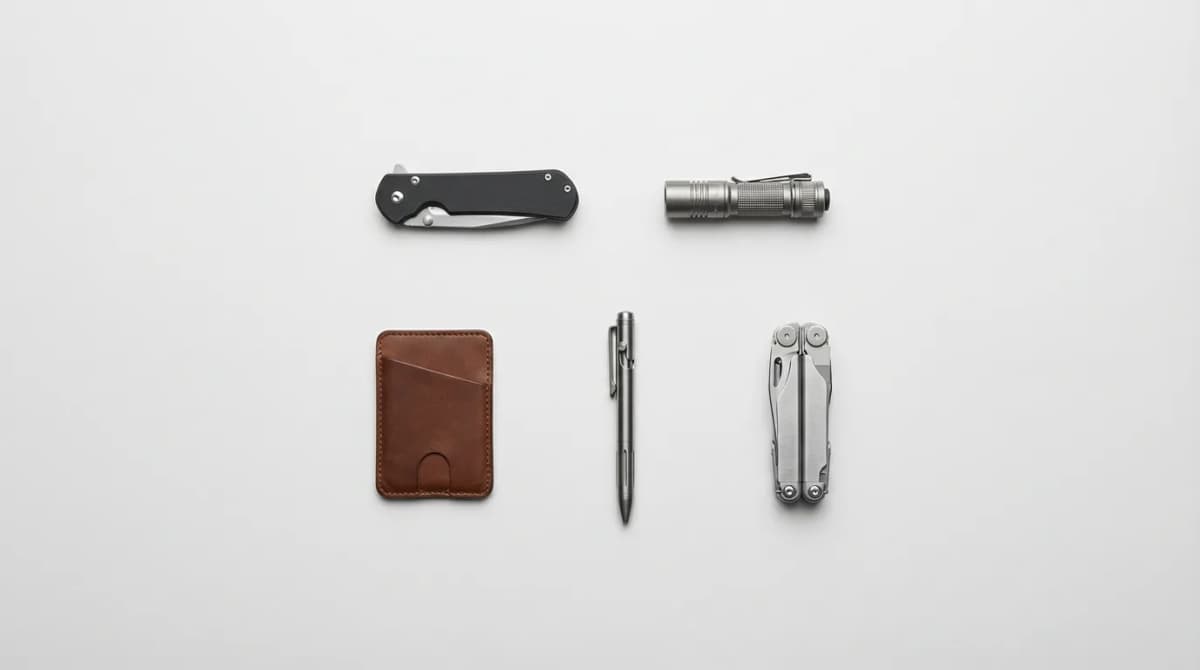
Spec sheets lie. Not intentionally, but by omission. A flashlight can claim 1,000 lumens and still be useless. A knife can boast premium steel and feel terrible in your hand. After years of testing EDC gear, we've learned that the numbers most manufacturers highlight are rarely the ones that determine whether you'll actually carry something every day.
Here's what actually matters, and what you can safely ignore.
Material specs that change how gear feels and lasts
Steel type gets obsessed over in knife circles, but the differences between S30V, S35VN, and 154CM are smaller than most people think. What matters more is heat treatment quality, which manufacturers rarely specify. A well-treated 154CM blade will outperform a poorly treated S30V blade every time.
For handles and frames, weight-to-strength ratio beats pure material prestige. Titanium sounds premium, but it's cold in winter and can feel slippery. G10 grips better, costs less, and survives drops just as well. Aluminum anodizes beautifully but shows wear faster than either option.
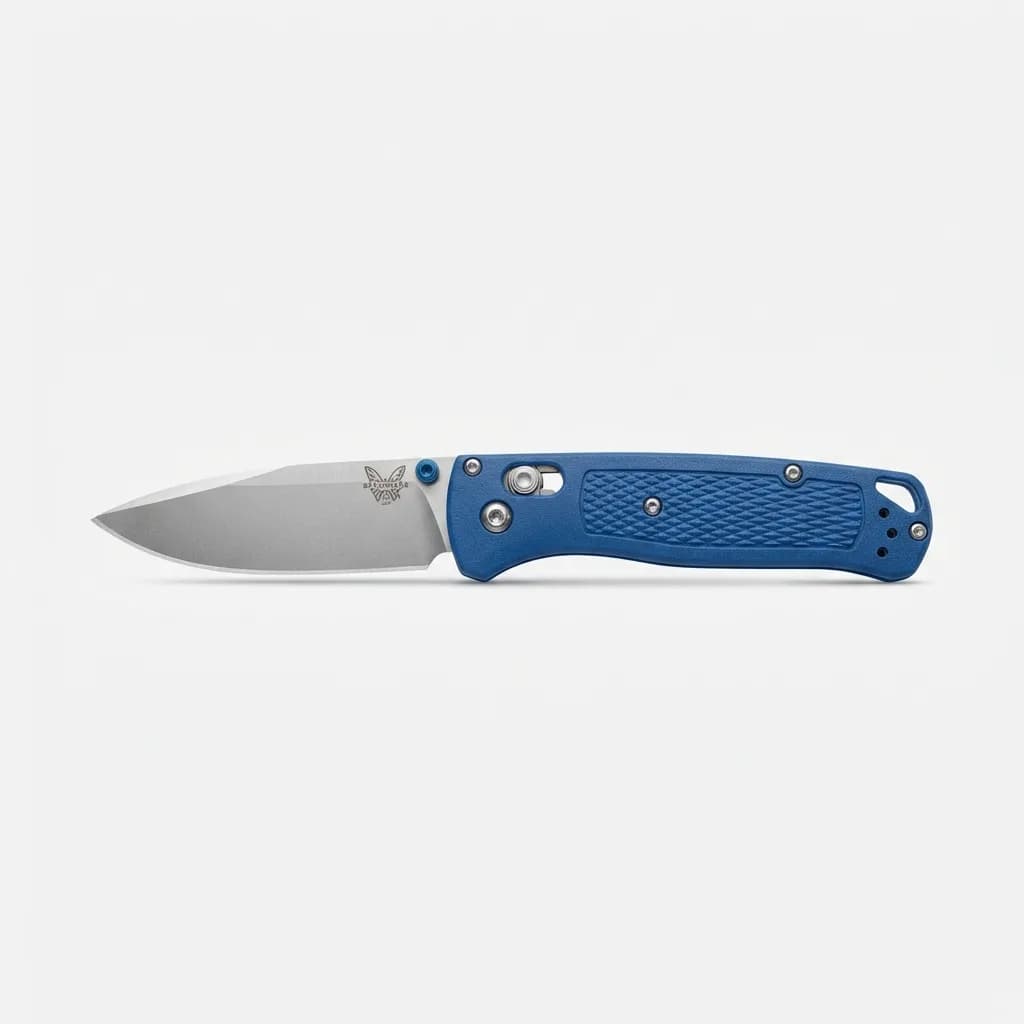
Benchmade Bugout 535
See current price
Lightweight folding knife with Grivory handle scales, S30V blade steel. At 1.85 oz, it disappears in your pocket while maintaining full-size functionality.
The practical test: Does it feel good in your hand after holding it for 30 seconds? Does it warm up or stay cold? Can you grip it when your hands are wet? These questions tell you more than the material name.
Wallet materials follow similar logic. Full-grain leather develops patina but needs break-in time. Top-grain leather stays stiff longer. Synthetic materials like X-Pac or Cordura outlast both but never develop character. Pick based on whether you want something that changes with age or stays consistent.
Why warranty terms reveal more than build quality claims
A lifetime warranty sounds impressive until you read the fine print. Many "lifetime" warranties exclude normal wear, sharpening, or user modifications. They're marketing, not confidence in the product.
Better indicator: what's actually covered and how easy is the claim process? Leatherman replaces tools with minimal questions. Fenix flashlights have straightforward RMA processes. These companies back their products because they know they'll last.
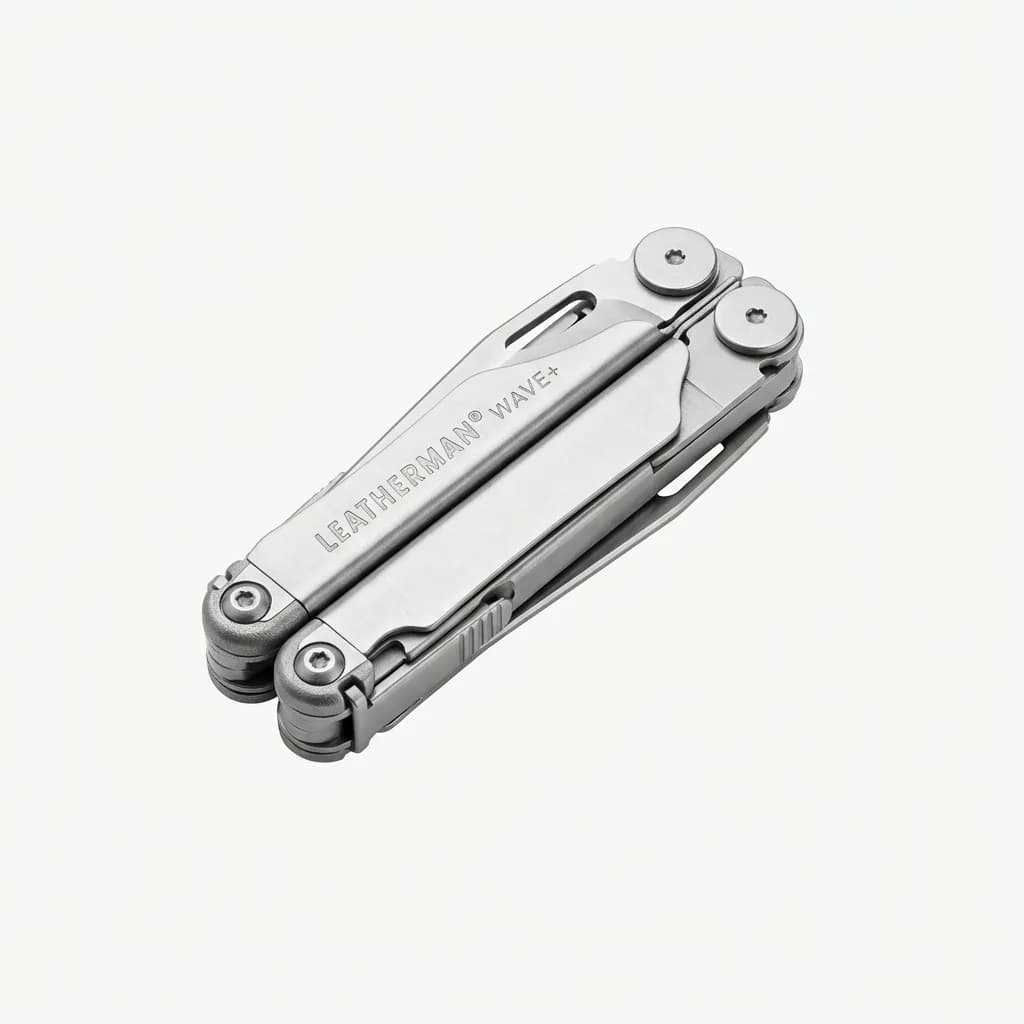
Leatherman Wave Plus
See current price
18-tool multi-tool with 25-year warranty. Spring-action pliers, replaceable wire cutters, and outside-accessible blades. The warranty covers defects and normal wear.
Flashlight warranties often split into categories: some cover the body for life but electronics for 2-5 years. That's honest. LEDs last decades, but drivers and switches can fail. A company that specifies separate coverage periods understands their product's actual weak points.
Watch for warranties that require registration within 30 days or proof of purchase from authorized dealers only. These exist to minimize claims, not protect customers.
Ergonomics nobody can measure for you
Knife jimping (those ridges on the blade spine) varies wildly in aggressiveness. Some is comfortable, some tears up your thumb after ten minutes of use. You cannot tell from photos or specs. Same with pocket clip tension, flipper tab angle, and lock bar pressure.
Flashlight head diameter determines whether it rolls off surfaces. Tail switch height affects whether you can tailstand it. Knurling pattern impacts grip but also pocket wear. These details appear nowhere in spec sheets but affect daily carry constantly.
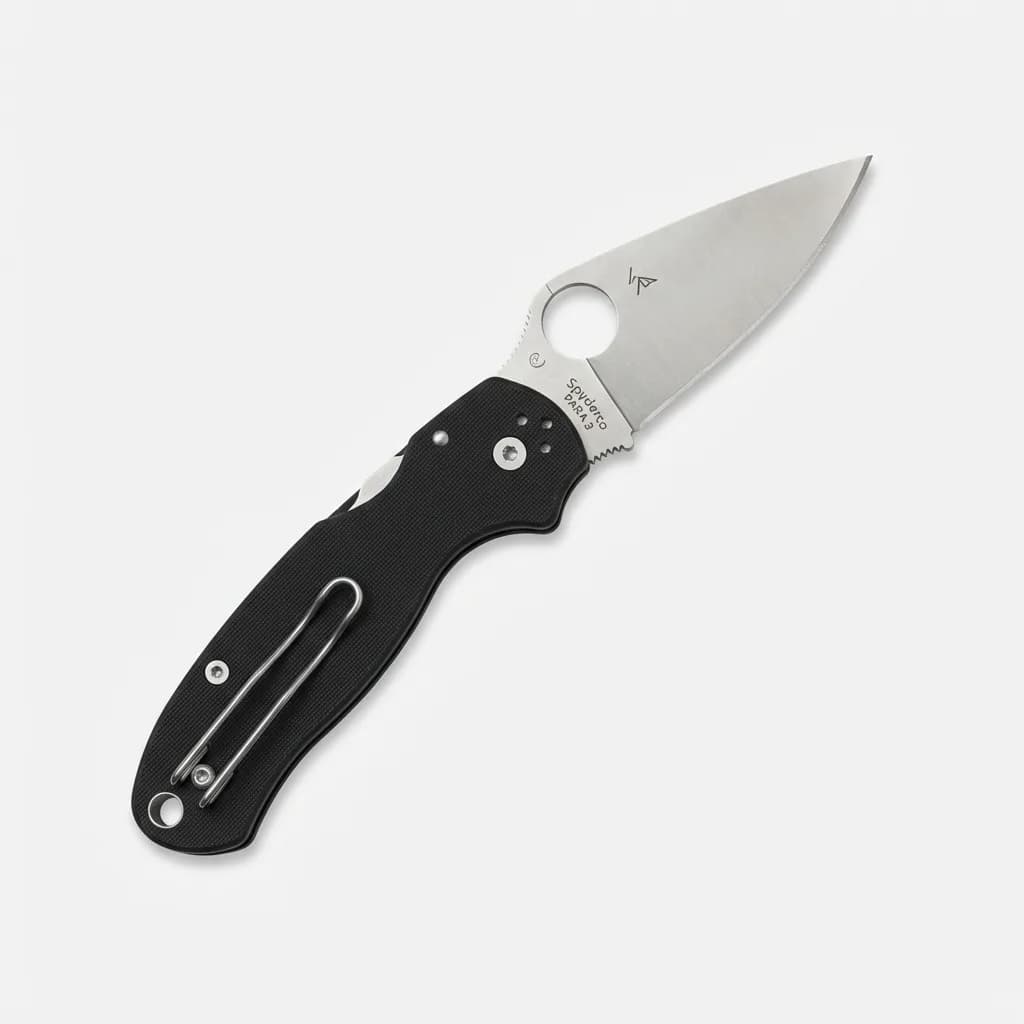
Spyderco Para 3
See current price
Compact folding knife with Compression Lock and textured G10 handles. 2.95-inch blade, reversible pocket clip. Ergonomics refined through years of user feedback.
Pen diameter and weight distribution matter more than material or refill compatibility. A pen that's 0.5mm too thick for your grip will never feel right. Weight forward or backward changes writing feel completely. You need to hold these things, not read about them.
The specs that do help: overall length, width, and weight give you baseline expectations. But they can't tell you if the curve of a handle fits your palm or if the clip will destroy your pocket lining after six months.
Lumen ratings and why most flashlights lie
Flashlight manufacturers love advertising peak lumens on turbo mode, which most lights can only sustain for 90-120 seconds before stepping down due to heat. That 3,000-lumen burst becomes 800 lumens sustained. The sustained output matters for actual use.
What you really need: lumens at medium mode (the setting you'll actually use daily), runtime at that level, and beam pattern type. A floody 300-lumen light is more useful for close tasks than a throwy 800-lumen spotlight.
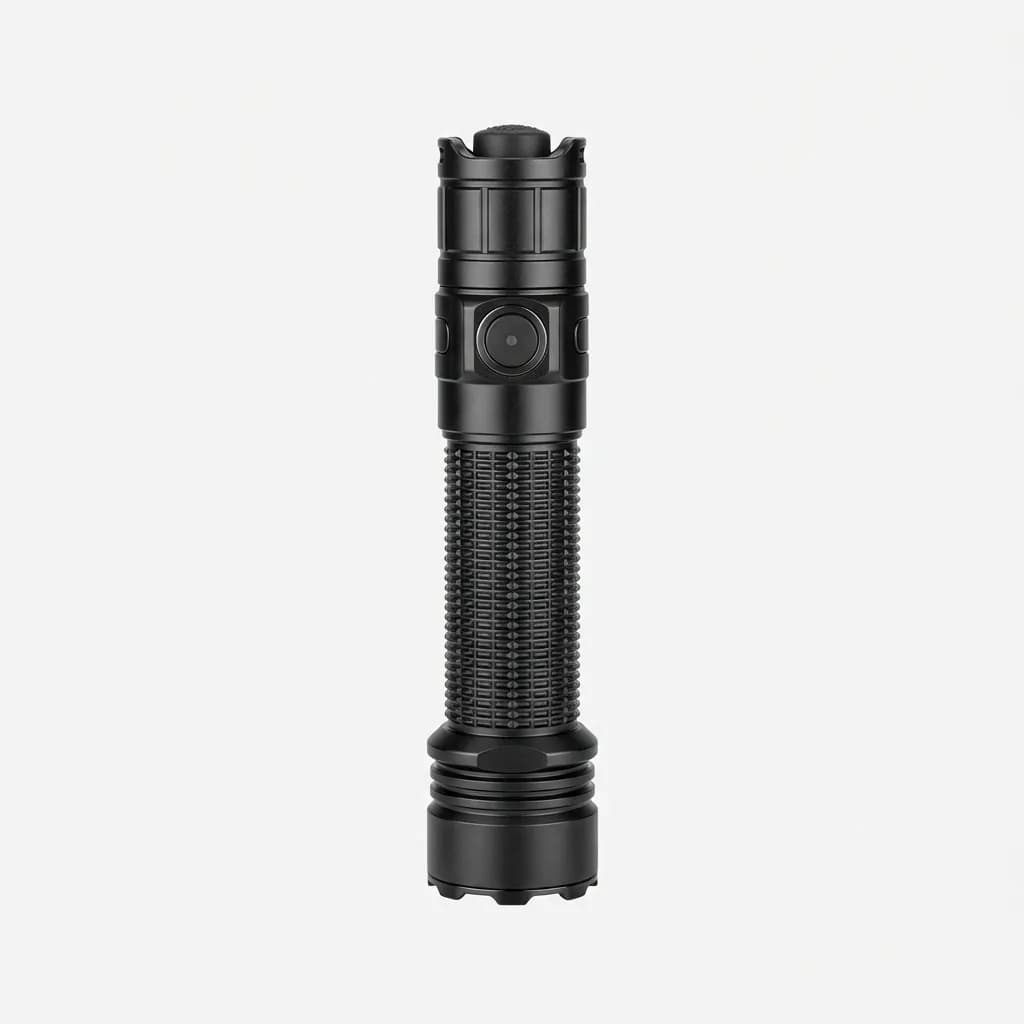
Olight Warrior Mini 2
See current price
Compact tactical flashlight with 1,750-lumen turbo mode and useful 300-lumen medium setting. Magnetic charging, dual switches, and 5-day runtime on low.
CRI (color rendering index) gets ignored in favor of lumens, but it determines whether colors look natural or washed out. Anything above 80 CRI is acceptable. High-CRI lights (90+) cost more but make tasks like checking oil levels or matching clothes significantly easier.
Battery type actually matters here. CR123A batteries are expensive and harder to find than 18650 rechargeable cells. AA compatibility means you can buy batteries anywhere, but those lights are usually lower output. Choose based on whether you'll remember to charge or prefer disposable backup options.
What "waterproof" ratings actually guarantee
IPX ratings have specific meanings. IPX4 means splash-resistant. IPX7 means submersible to 1 meter for 30 minutes. IPX8 varies by manufacturer testing. Most EDC gear is IPX4-IPX7, which is fine unless you're diving.
But gasket design and port covers matter more than the rating itself. USB charging ports are weak points. Magnetic charging solves this but adds cost. Sealed designs with no ports are most reliable but can't be charged easily.
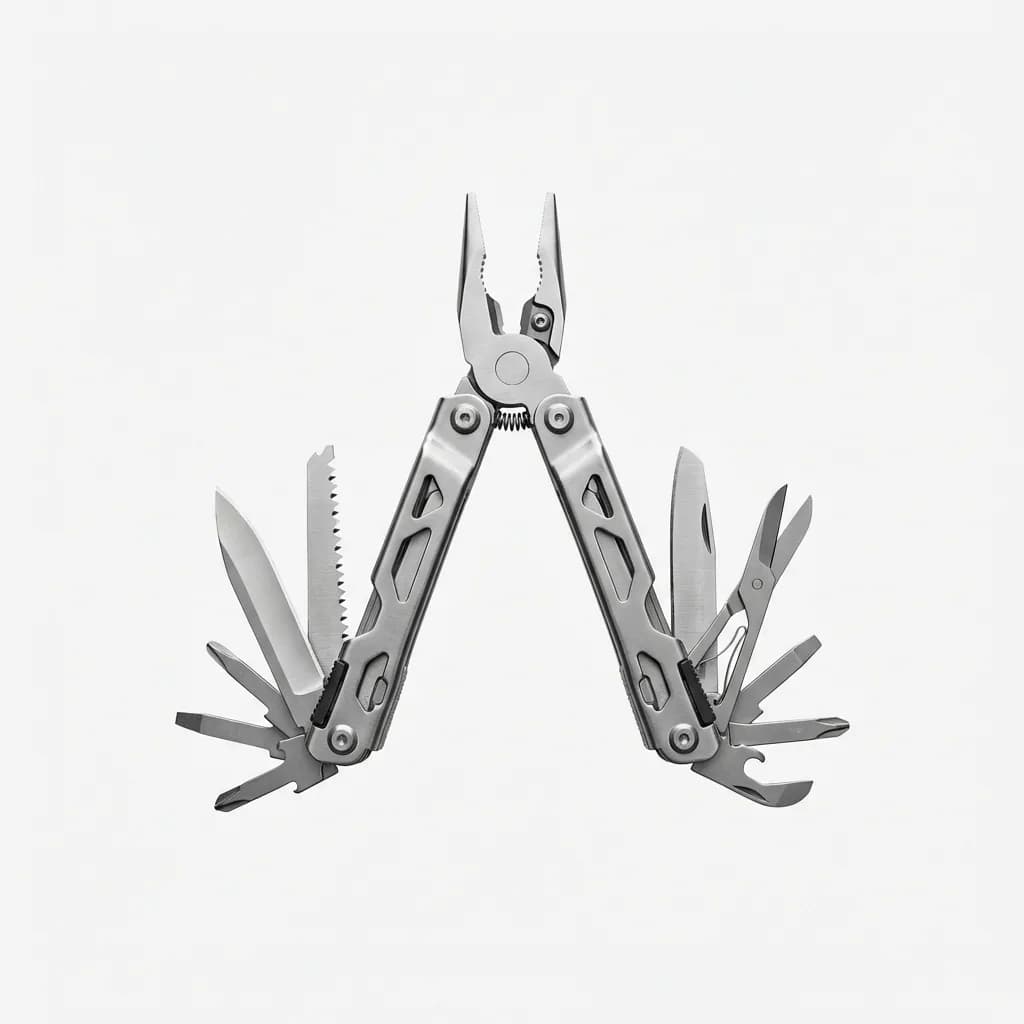
Gerber Suspension-NXT Multi-Tool
See current price
15-function multi-tool with spring-loaded pliers and outboard tools. Stainless steel construction resists corrosion. Budget-friendly option with solid build quality.
For knives and multi-tools, "stainless" doesn't mean rust-proof. It means rust-resistant. Carbon steel requires more maintenance but sharpens easier and holds an edge longer. Stainless is more forgiving for EDC but won't perform quite as well.
Coating types (DLC, Cerakote, black oxide) protect against corrosion and reduce glare, but they wear at pocket clip and pivot points. Uncoated stainless or stonewashed finishes hide wear better than matte black coatings that show every scratch.
Size and weight tradeoffs nobody tells you about
Every EDC item exists in a sweet spot between too small to use comfortably and too large to carry consistently. Manufacturers don't advertise when they've missed that spot.
Knives under 2.5 inches blade length feel limited for anything beyond opening packages. Over 3.5 inches and they print noticeably in most pockets. The 2.75-3.25 inch range works for most people most of the time.
Flashlights follow a similar pattern. Keychain lights are convenient but dim. Full-size tactical lights are bright but bulky. The 3-4 inch length range balances output and pocketability.
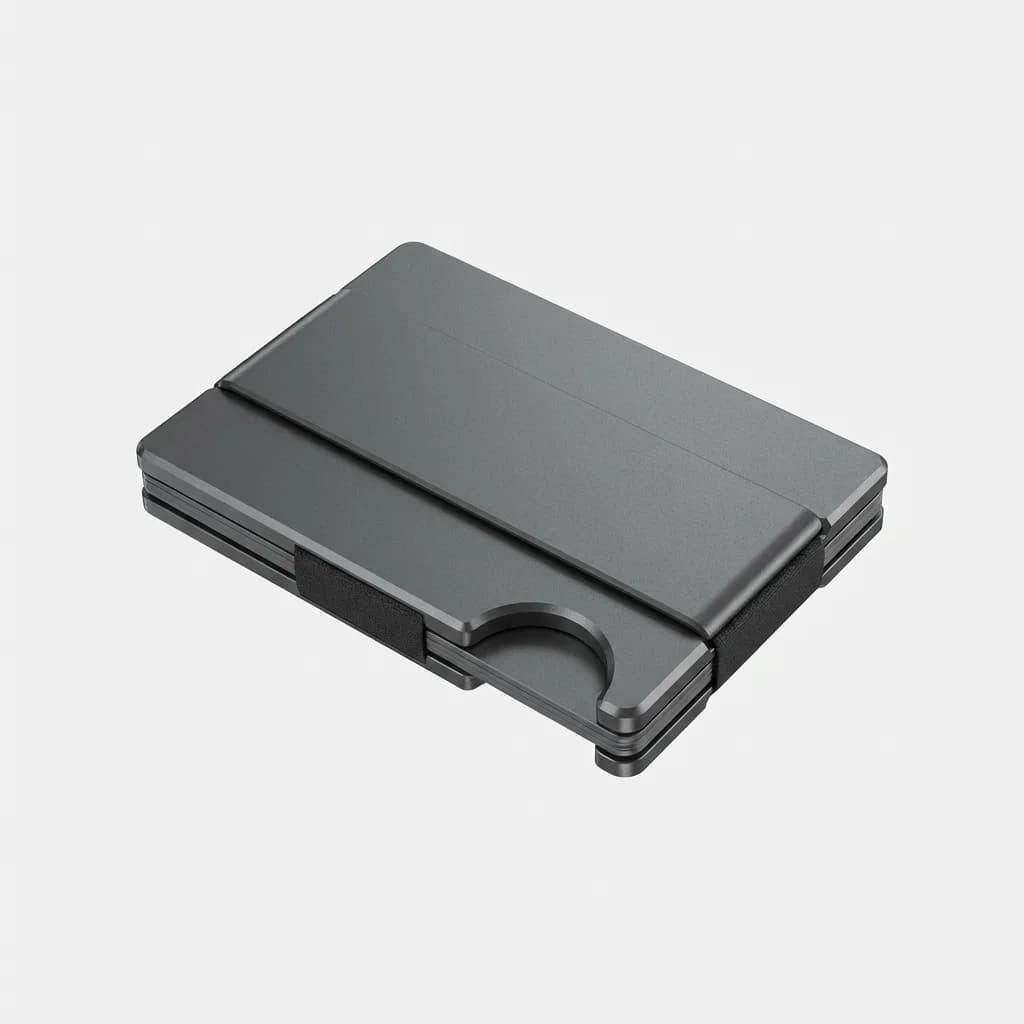
Ridge Wallet
See current price
Minimalist aluminum RFID-blocking wallet holds 1-12 cards. 3.37 x 2.12 x 0.24 inches. Lifetime warranty. Available in multiple materials and colors.
Wallets get this wrong frequently. Minimalist wallets that hold 4-6 cards sound good until you need to carry an ID, two credit cards, insurance card, and some cash. Traditional bifolds carry everything but add bulk you'll feel sitting down. Measure your actual card count before buying.
Weight matters less than weight distribution. A 4 oz knife with good pocket clip balance feels lighter than a 3 oz knife that sags. An 8 oz flashlight with deep carry clip disappears better than a 5 oz light with a shallow clip.
Testing standards that separate real gear from junk
Drop test heights vary. MIL-STD-810G (military standard) specifies testing but manufacturers can cherry-pick which tests they run. "Meets MIL-STD-810G" could mean one drop test passed, not comprehensive durability testing.
Better indicator: does the manufacturer specify the exact test? "Survives 1.5 meter drops onto concrete" is more trustworthy than "military-grade durability." Vague claims usually mean minimal testing.
For knives, lock strength testing isn't standardized. Cold Steel pioneered dramatic testing (driving cars over knives, hanging from blades), which proved their locks work but doesn't reflect actual EDC use. Better question: has the lock design been proven over years of real-world carry?
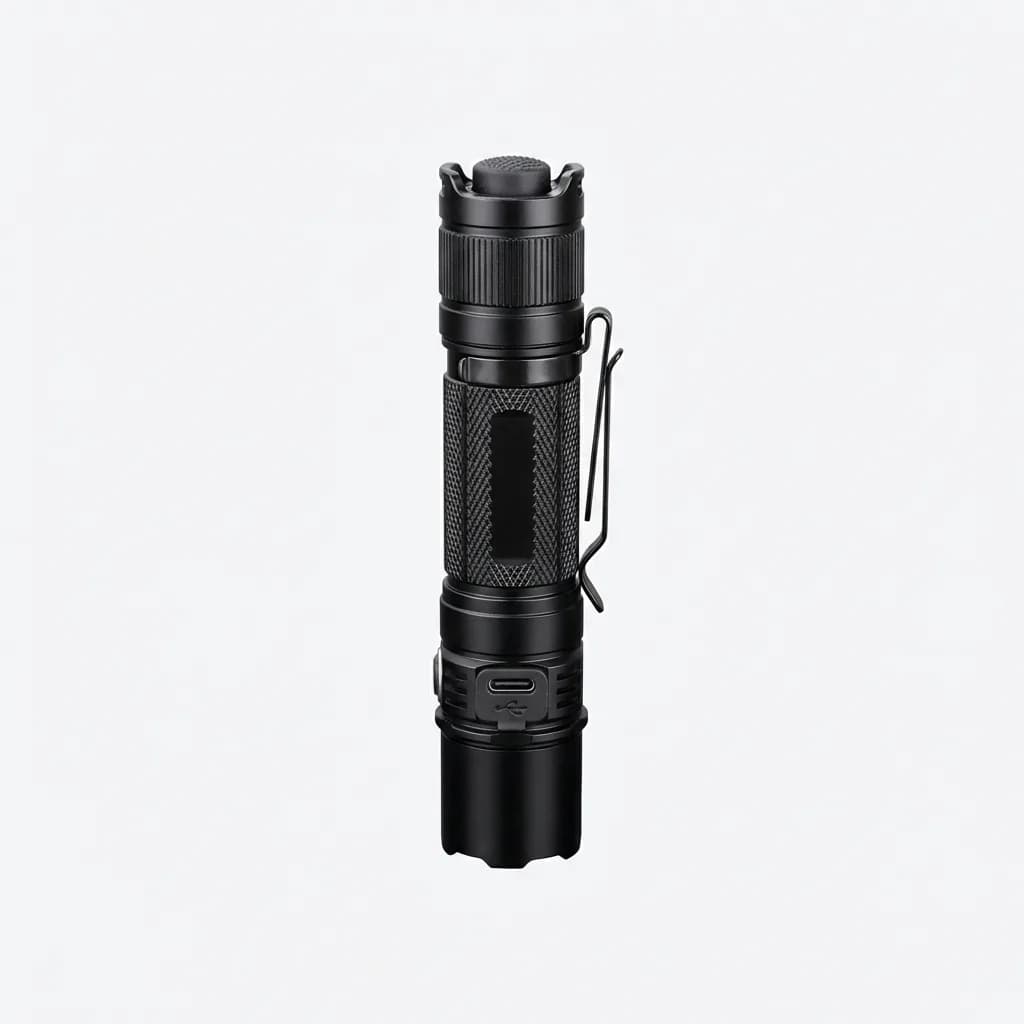
Fenix PD36R Flashlight
See current price
1,600-lumen rechargeable tactical flashlight with USB-C charging. IP68 waterproof rating, 5-year warranty, 1.5-meter impact resistance. Sustained output specs clearly listed.
Blade steel edge retention tests (CATRA) exist but few manufacturers publish results. When they do, pay attention. It's one of the few objective measures of knife performance. Otherwise you're trusting steel reputation and heat treatment quality you can't verify.
When premium materials are worth the cost
Titanium framelock knives cost 2-3x more than steel framelock versions of the same design. The weight savings is real but marginal (1-2 oz typically). You're paying mostly for aesthetics and the feel of the material. If that matters to you, it's worth it. If not, save your money.
High-CRI flashlights cost $20-40 more than standard versions. For most people, standard is fine. For anyone who works with colors (mechanics, electricians, photographers), the extra cost pays back immediately in reduced frustration.
Premium leather wallets ($80-200) last 10-20 years and develop character. Budget leather ($20-40) lasts 2-4 years and looks worn faster. The math favors premium if you'll keep it long enough. But synthetic options ($30-60) outlast both and maintain appearance longer, just without the patina some people value.
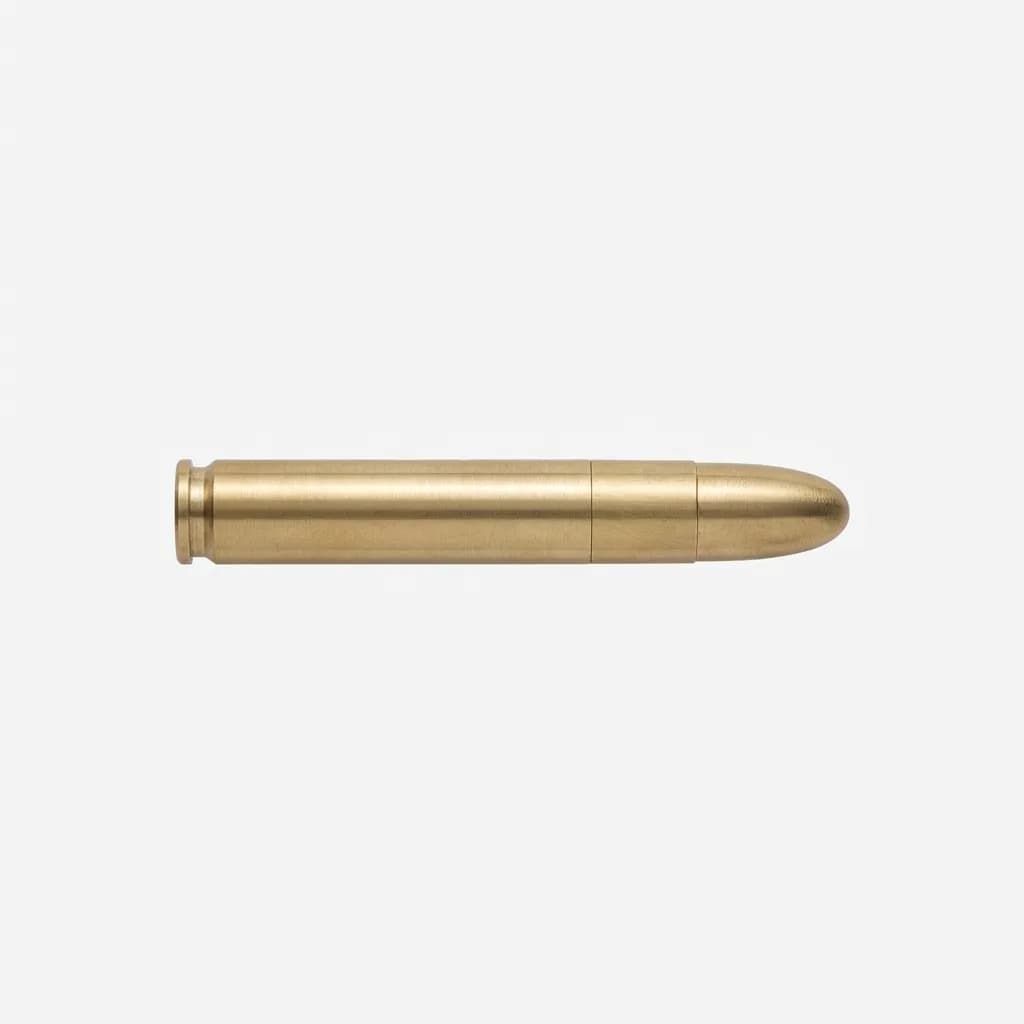
Fisher Space Pen Bullet
See current price
Compact brass pen, 3.75 inches closed, 5.3 inches posted. Pressurized cartridge writes in any position, underwater, and in extreme temperatures.
The pattern: pay more for things you'll interact with frequently (knife handles, pen grips, wallet leather) where material quality affects daily experience. Save money on things where base materials perform nearly identically to premium options (flashlight bodies, multi-tool handles).
What matters more than any spec
Track record beats marketing. A knife design that's been carried successfully for 10+ years probably works. A flashlight brand that handles warranty claims quickly probably builds reliable products. A wallet style that people re-purchase after wearing out the first one probably meets real needs.
User reviews reveal the specs that manufacturers bury. Battery life under realistic use. How clips wear. Whether coatings chip. Which parts fail first. Real people testing gear daily expose the gaps between specifications and performance.
The best spec is this: after carrying something for a week, do you notice its flaws or forget it's there? EDC gear should disappear until you need it. Any item that constantly reminds you of its presence through discomfort, weight, or inconvenience isn't well-designed, regardless of what materials it's made from or what tests it passed.
Buy less, research more, and prioritize ergonomics and warranty support over impressive-sounding numbers. The specs that matter most are the ones manufacturers can't easily quantify: how gear feels after a month of carry, whether the company stands behind failures, and if the design solves real problems instead of inventing new ones.
The Weekly Dispatch
Enjoying this article?
Subscribe and get our best gear picks delivered every Sunday morning.
Related Stories
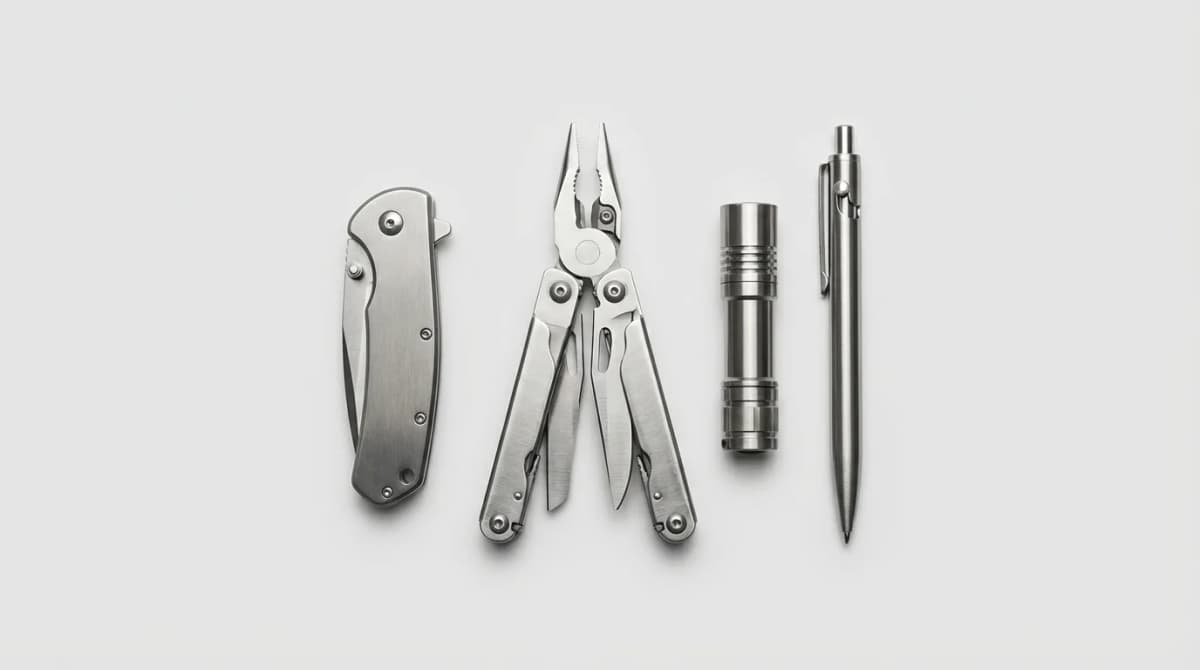
Stainless Steel EDC: Why It Still Wins
Titanium gets the hype, but stainless steel remains the workhorse material for EDC gear. Here's why corrosion resistance and real-world durability matter more than weight savings.
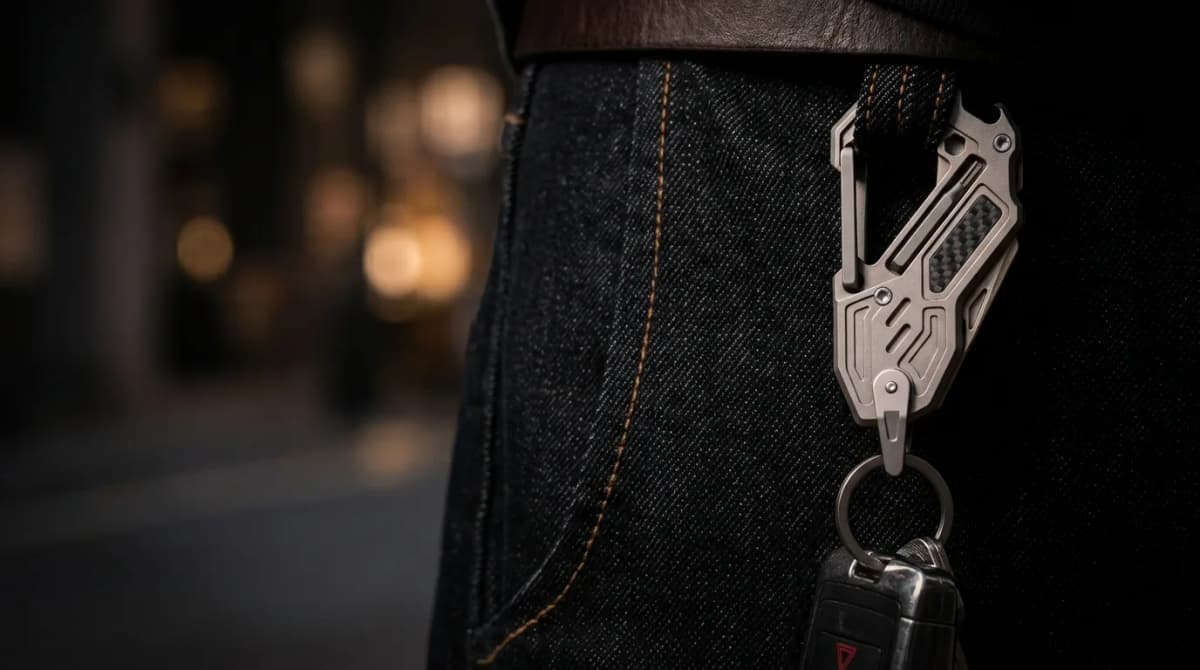
Edrin Titanium Carabiner Knife Review
The Edrin combines a carabiner clip with a D2 steel folding blade, bit driver, and tritium slots in a titanium package designed for everyday carry.
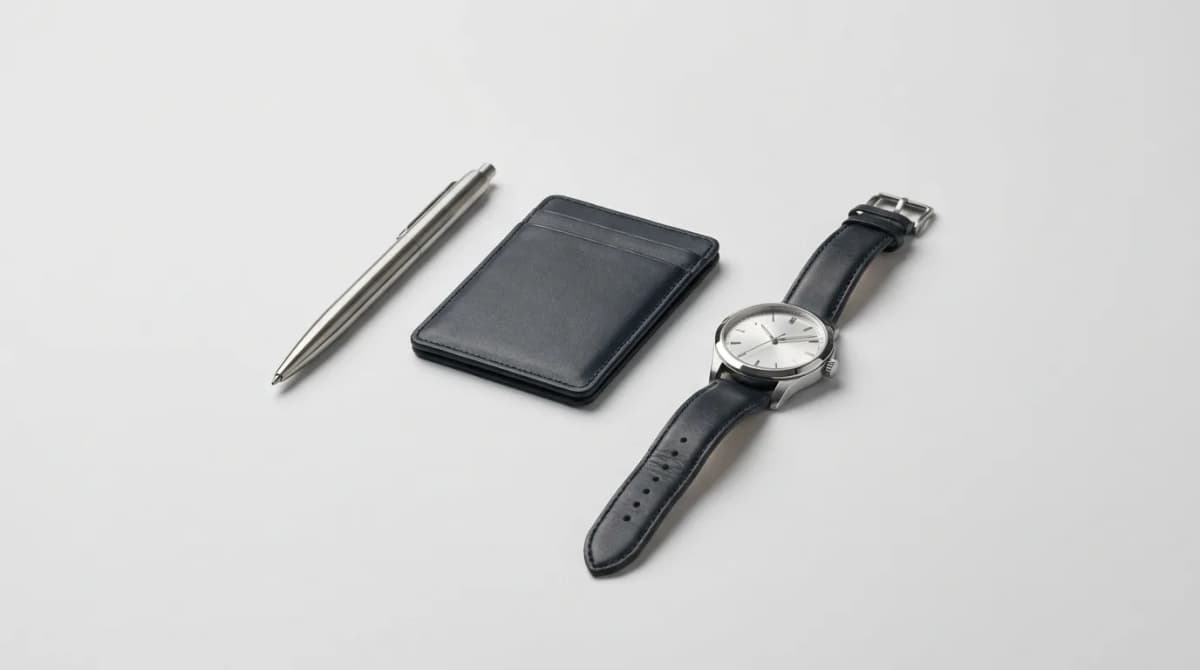
EDC for the Office and After Hours
Building an EDC that works from boardroom to bar requires smart choices, not duplicate gear. Here's how to carry less and do more.