Eco-Friendly EDC: Sustainable Materials That Last
Sustainable EDC gear combines recycled metals, plant-based materials, and buy-it-for-life durability. Here's what actually works for daily carry.
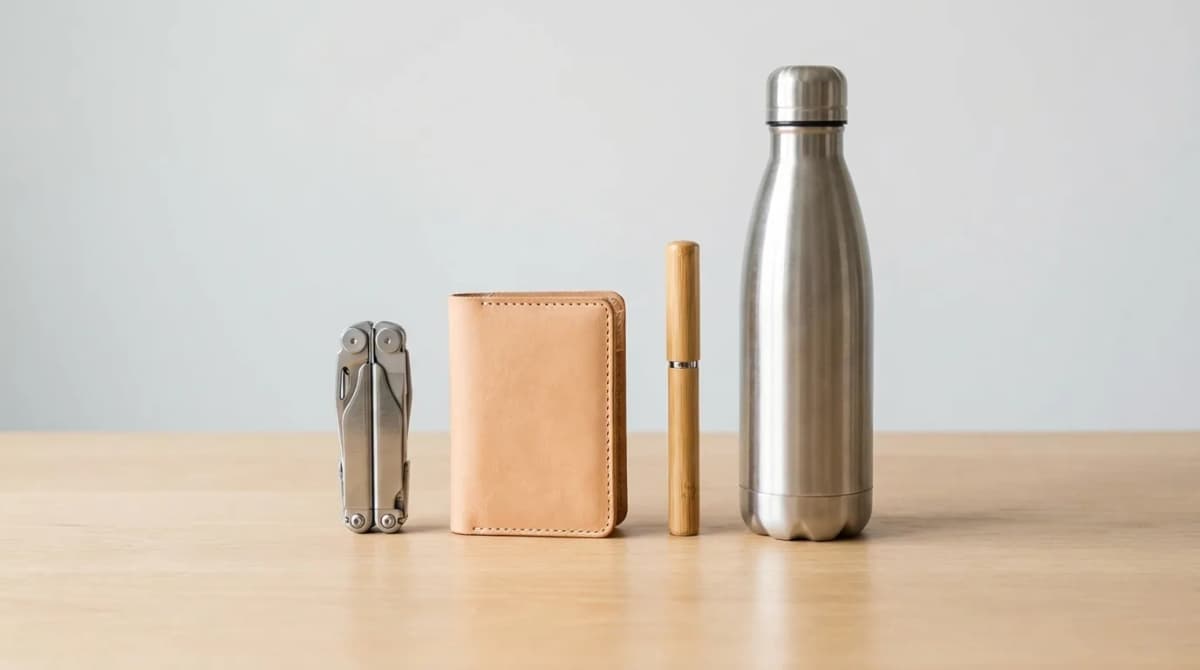
Most EDC gear sits in a landfill within three years. Cheap wallets crack, disposable pens run dry and get tossed, and keychain tools break at the hinge. The alternative is not about sacrificing performance for planet-friendly buzzwords. It's about choosing materials and construction methods that outlast the throwaway cycle.
We tested sustainable EDC options across wallets, multi-tools, pens, bags, and water bottles. The best performers share two traits: they use genuinely renewable or recycled materials, and they're built to last decades, not months. Here's what we found works for daily carry without the greenwashing.
Recycled Metals Beat Virgin Materials
Recycled aluminum and steel perform identically to virgin metals in EDC applications. They're formed from post-consumer or post-industrial scrap, melted down, and reformed. The process uses 95% less energy than mining and refining new aluminum, and the metal loses none of its strength or corrosion resistance.
Several brands now use certified recycled metals for knife handles, multi-tool frames, and carabiners. The Ridge Wallet sources aluminum from recycled aircraft parts and automotive scrap. Each wallet diverts roughly 60 grams of metal from the waste stream. It's a small number per unit, but scaled across thousands of wallets, the impact adds up.
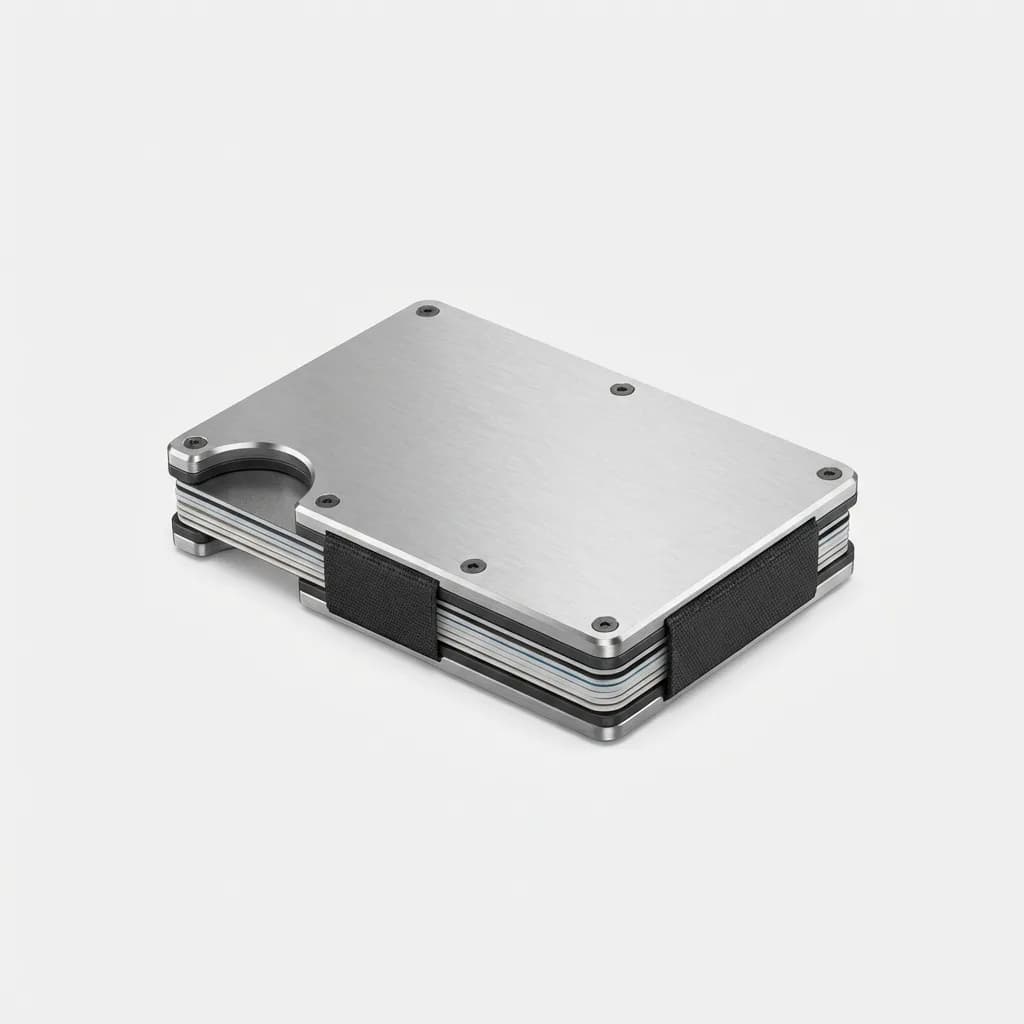
The Ridge Wallet - Aluminum
$75
RFID-blocking minimalist wallet made from recycled aerospace-grade aluminum. Holds 1-12 cards, built in the USA, lifetime warranty.
The same logic applies to stainless steel. Brands like Bigidesign and Tactile Turn use recycled 303 and 316 stainless for their bolt-action pens. The material machines cleanly, takes a brushed or bead-blasted finish, and develops a natural patina over years of pocket carry. You can't tell recycled steel from virgin stock by feel or durability.
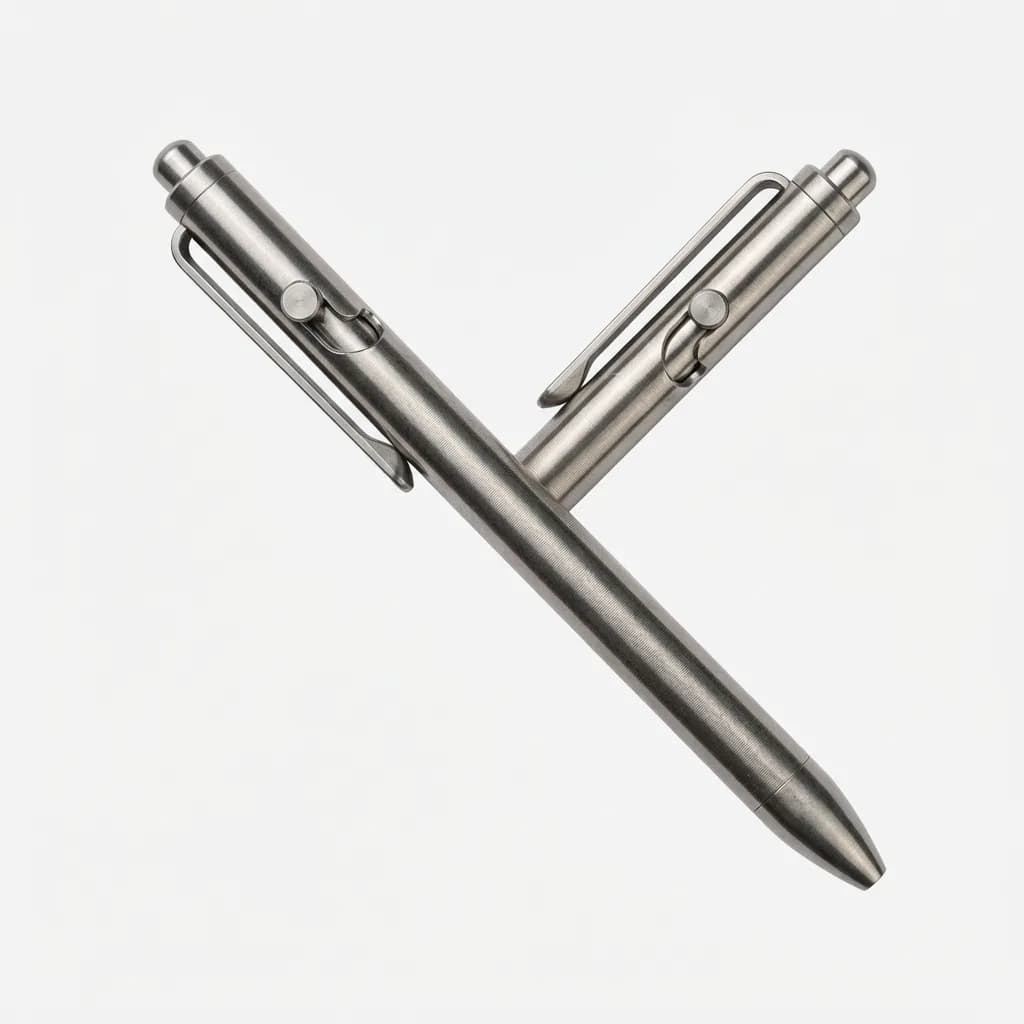
Tactile Turn Side Click Pen - Recycled Stainless
$89
Machined from recycled 303 stainless steel. Accepts over 60 refill types, made in Texas, designed for decades of daily use.
One caveat: avoid recycled zinc alloy. It's cheap and marketed as eco-friendly, but zinc alloy fatigues quickly under stress. Carabiner gates crack, tool joints loosen, and the material corrodes in humid climates. Stick with recycled steel or aluminum for anything load-bearing.
Plant-Based Materials Work (If You Pick the Right Ones)
Bamboo, cork, and plant-tanned leather show up in a lot of sustainable EDC marketing. Not all of them perform equally well.
Bamboo pens and notebook covers hold up better than expected. Bamboo grows to harvest size in three to five years versus decades for hardwoods. It's naturally antimicrobial and surprisingly hard. We carried a bamboo-bodied pen daily for six months. The finish darkened slightly from hand oils, but the material didn't crack or splinter. The tradeoff is weight. Bamboo pens feel lighter than metal, which some people prefer and others find cheap.
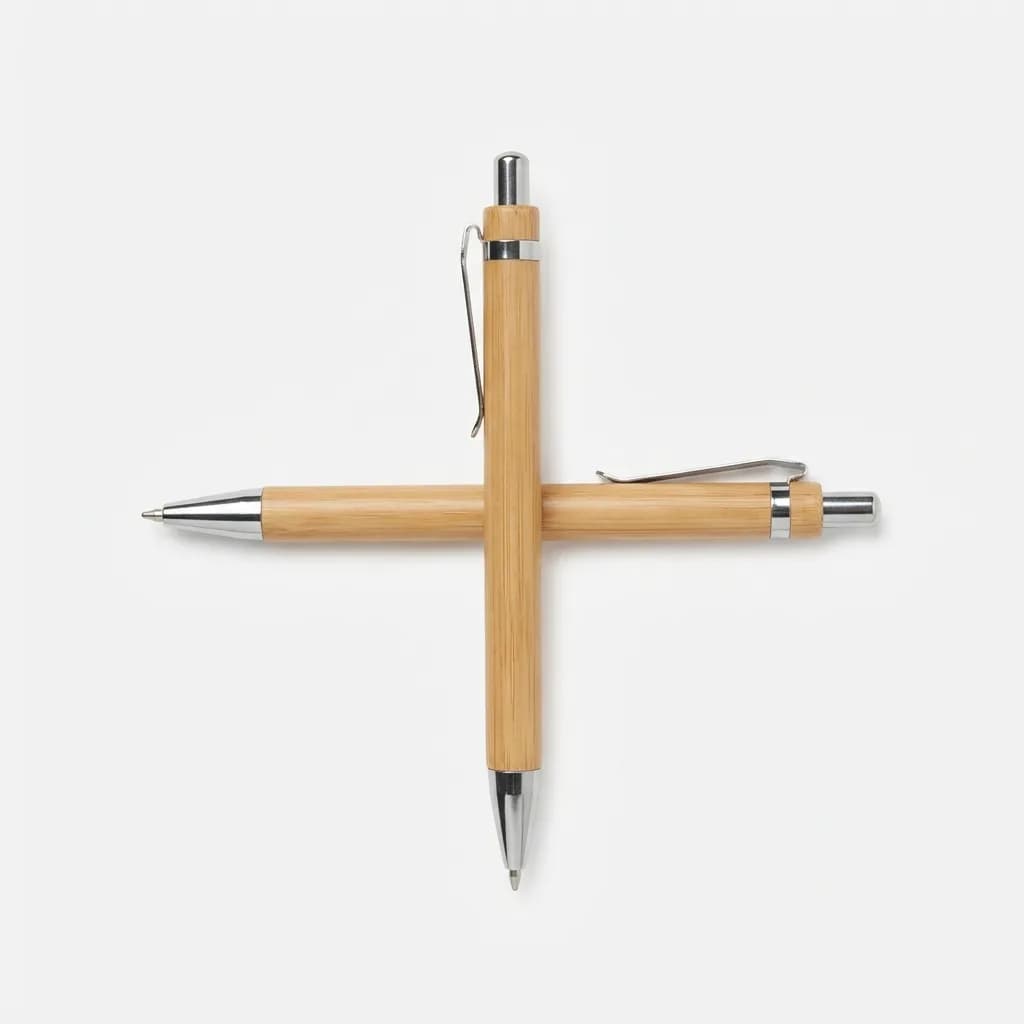
Daycraft Signature Bamboo Pen
$18
Retractable ballpoint pen with bamboo body, replaceable ink cartridge, and smooth natural finish. Lightweight and eco-certified.
Cork wallets are hit or miss. Portuguese cork fabric is durable, water-resistant, and vegan. It flexes without cracking and develops a soft hand over time. The problem is stitching. Most cork wallets use glued seams or decorative stitching that doesn't penetrate deeply into the material. Those seams separate under the stress of daily pocket carry. If you go cork, look for reinforced stitching or welded edges.
Plant-tanned leather is the gold standard for sustainable leather goods. It's tanned with organic tannins from tree bark instead of chromium salts. The process takes longer and costs more, but the leather biodegrades naturally and doesn't leach heavy metals into soil. Vegetable-tanned leather also patinas beautifully. A natural leather wallet starts pale tan and darkens to rich brown over months of handling.
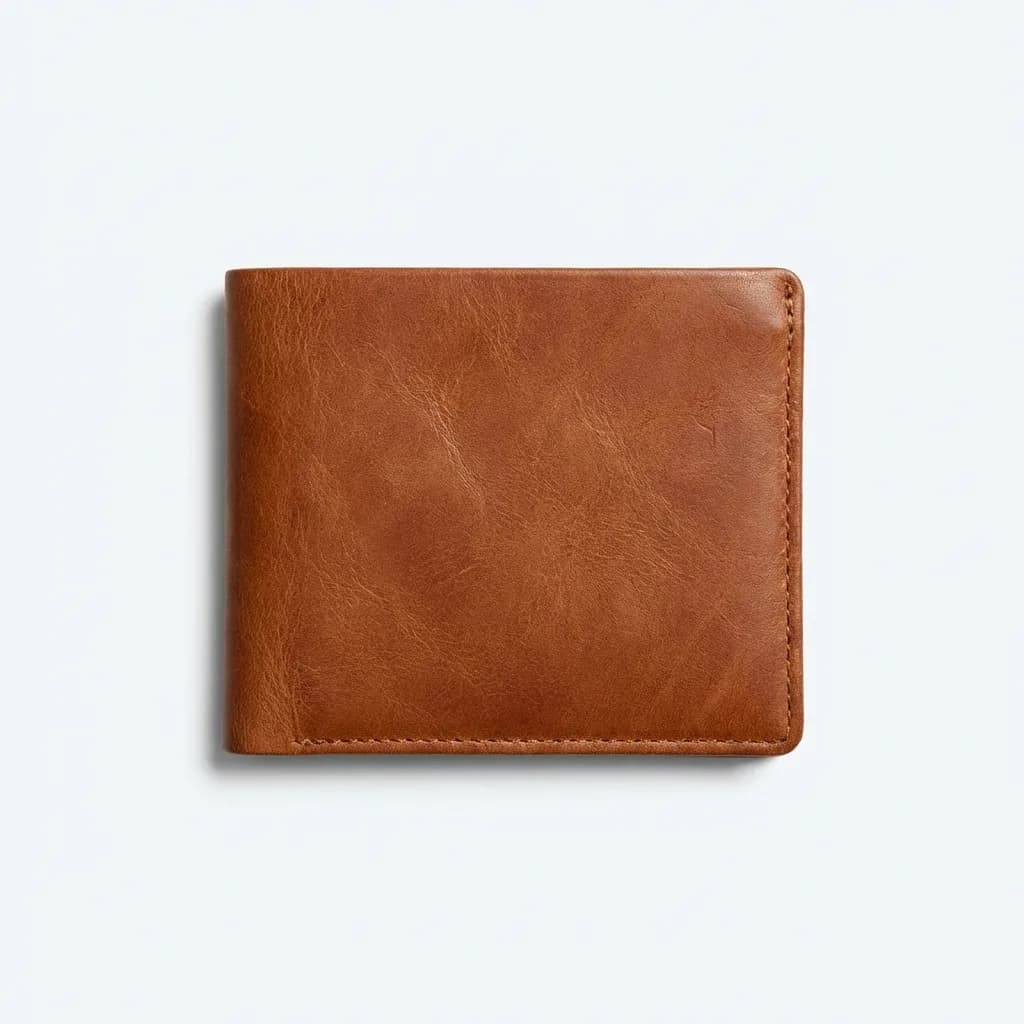
Bellroy Note Sleeve - Vegetable Tanned Leather
$89
Slim bifold wallet made from plant-tanned leather. Holds 4-11 cards plus cash, ages to a rich patina, 3-year warranty.
Skip "vegan leather" unless it specifies the base material. Most vegan leather is polyurethane or PVC, both petroleum-based plastics that don't biodegrade. They market as cruelty-free but they're not meaningfully more sustainable than chromium-tanned animal leather.
Durability Is the Most Sustainable Feature
The greenest gear is the gear you never replace. A $20 wallet that lasts two years generates more waste than a $100 wallet that lasts twenty. Buy-it-for-life durability beats recycled materials if the product fails early.
Look for three durability markers: serviceable parts, metal hardware, and brand repair programs.
Serviceable parts mean you can replace worn components instead of tossing the whole item. Victorinox multi-tools have replaceable springs and rivets. Leatherman tools can be disassembled, cleaned, and reassembled with basic tools. Pens that accept standard refills stay in service longer than proprietary cartridge systems.
Metal hardware lasts longer than plastic. YKK metal zippers outlive coil zippers by years. Steel D-rings and rivets on bags handle more abuse than plastic clips. G-hooks and carabiners made from forged steel won't snap under load like stamped or cast versions.
Repair programs matter. Brands that offer free sharpening, replacement parts, or flat-rate repair services keep their products out of landfills. Leatherman's 25-year warranty covers everything except abuse and loss. They'll replace broken tools, tighten loose joints, and sharpen blades for the cost of return shipping. Bellroy repairs wallets for a flat fee and offers discounted replacements if repair isn't viable.
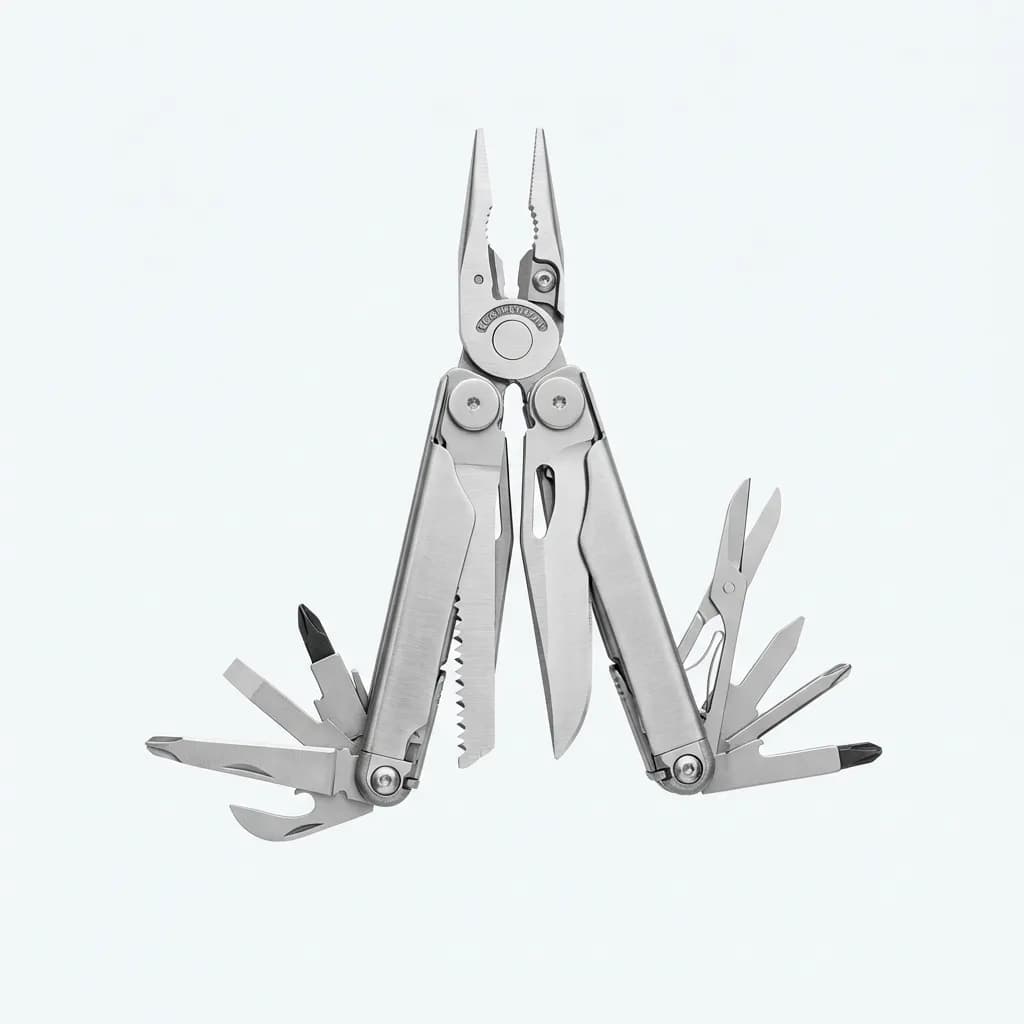
Leatherman Wave Plus Multi-Tool
$120
18 tools including pliers, wire cutters, saw, and scissors. Stainless steel construction, replaceable wire cutters, 25-year warranty.
What About Upcycled Gear?
Upcycled gear repurposes existing materials instead of recycling them into raw feedstock. Think wallets made from retired fire hose, bags sewn from decommissioned military parachutes, or keychains cut from bicycle inner tubes.
It sounds great in theory. In practice, upcycled materials often underperform purpose-built fabrics.
Fire hose wallets are stiff, bulky, and smell faintly of smoke for months. The material doesn't conform to your pocket or hand like leather or waxed canvas. Parachute nylon bags are lightweight and tear-resistant, but the fabric has no structure. They collapse when empty and don't hold shape under load.
The exception is sailcloth bags. Retired Dacron sails get turned into duffels, totes, and messenger bags. The material is UV-resistant, water-repellent, and naturally color-blocked from years of sun exposure. Each bag is unique because the sailcloth wears unevenly. Brands like Sea Bags and Rareform source material from racing yachts and coastal sailing schools. The bags aren't cheap, but they're genuinely durable and keep hundreds of square feet of fabric out of landfills.
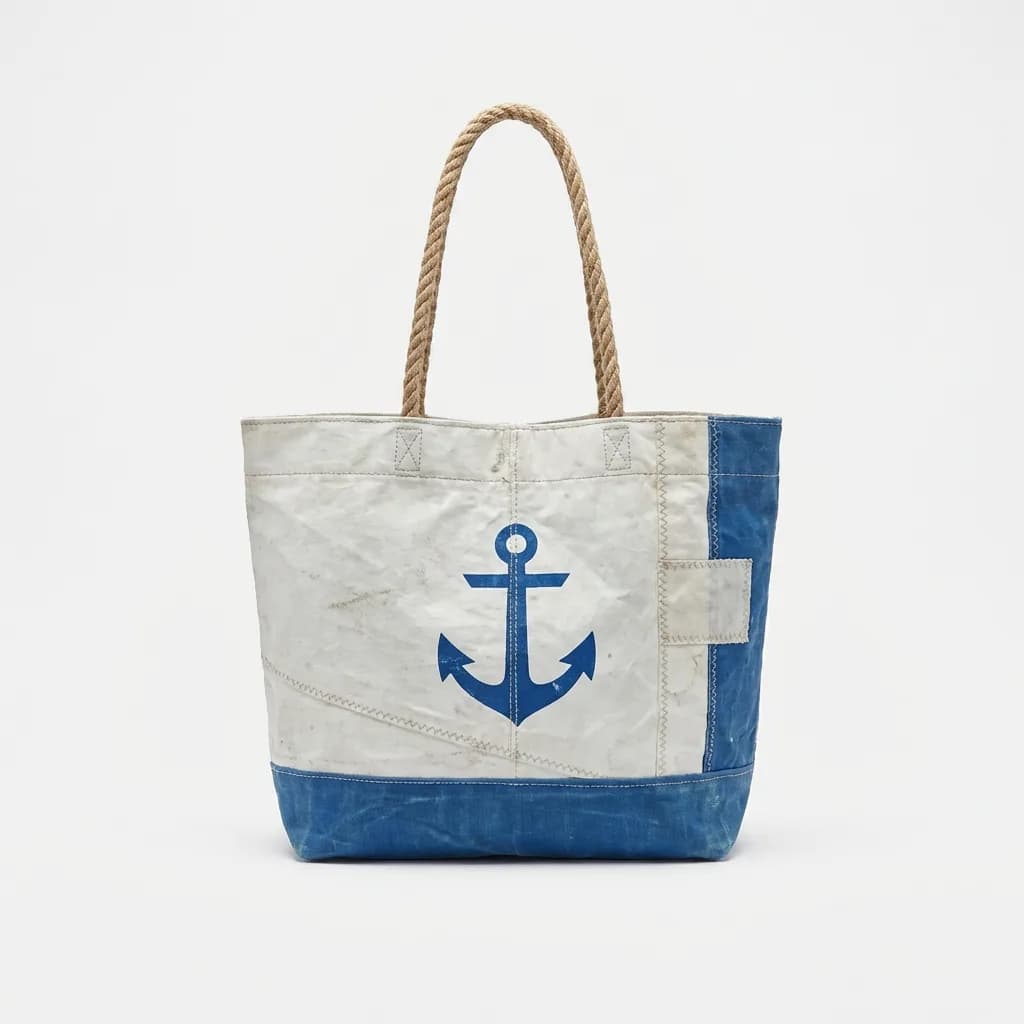
Sea Bags Recycled Sail Cloth Tote
$198
Handmade tote bag from reclaimed sailcloth. Water-resistant, reinforced handles, unique weathered patterns. Made in Maine from retired boat sails.
Inner tube keychains and wallets work if you don't mind the industrial aesthetic. Rubber is durable, waterproof, and grips well in hand. The downside is texture. Rubber keychains stick to pocket lining and attract lint. They're better suited for outdoor use or bag attachment than everyday pocket carry.
Eco-Conscious Brands Worth Considering
A few brands consistently deliver on sustainability without compromising function.
Patagonia uses recycled polyester, organic cotton, and Fair Trade Certified sewing for their bags and clothing. Their Worn Wear program buys back used gear, repairs it, and resells it at a discount. Anything too damaged to repair gets recycled into new products or raw fiber.
Klean Kanteen pioneered stainless steel water bottles and food containers. Their products use 90% post-consumer recycled steel, and the brand is certified B Corp and Climate Neutral. Bottles last indefinitely if you replace the occasional gasket or cap.
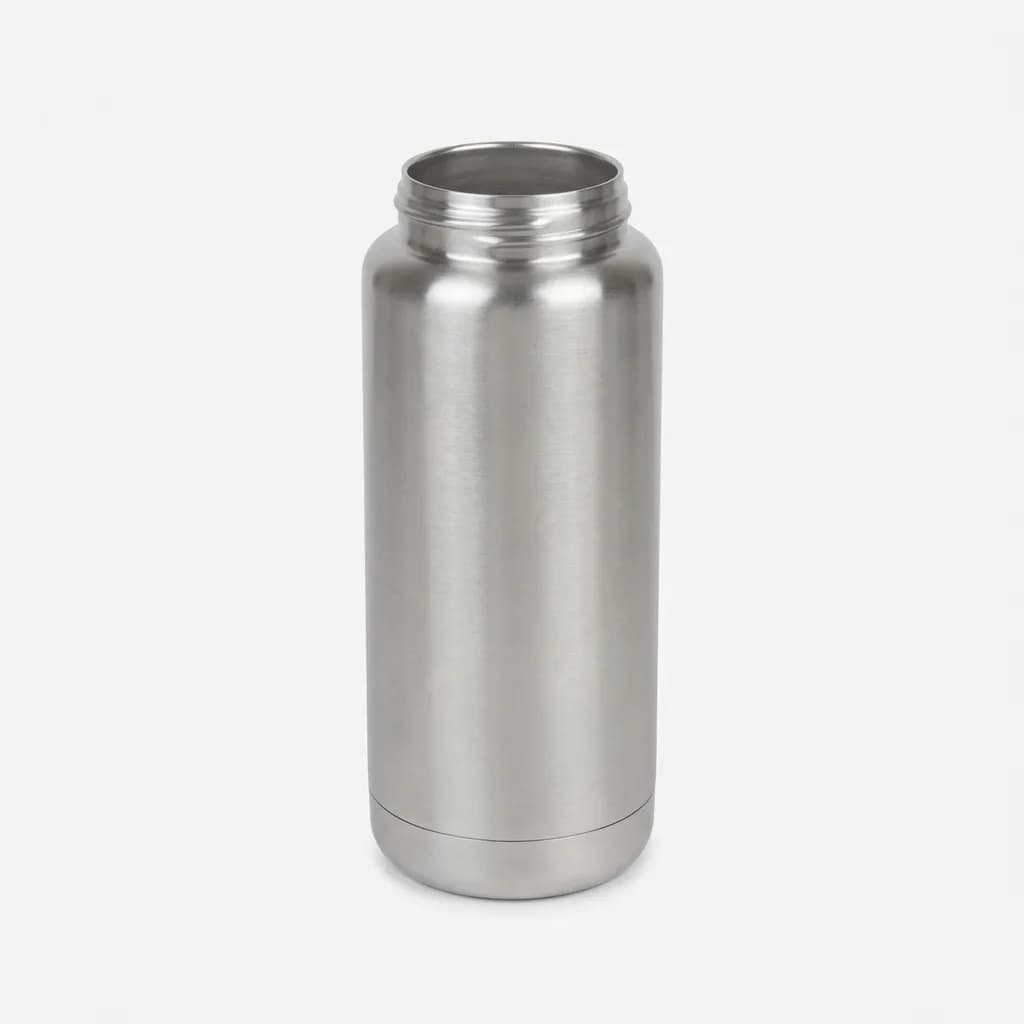
Klean Kanteen Insulated TKWide 20oz
$35
Double-wall vacuum insulated bottle made from 90% recycled stainless steel. Keeps drinks cold 47 hours, hot 19 hours. Chip-resistant finish.
Bellroy is carbon-neutral certified and sources leather from tanneries with environmental certifications. They publish detailed material sourcing reports and fund reforestation projects to offset emissions. Their wallets and bags last years and come with solid repair policies.
The Ridge Wallet manufactures in the USA from recycled aluminum and offers lifetime warranties. They've eliminated plastic packaging and ship in compostable mailers.
Common Mistakes to Avoid
Don't assume "biodegradable" means sustainable. Biodegradable plastics often require industrial composting facilities to break down. In a landfill, they degrade just as slowly as conventional plastic.
Don't pay extra for greenwashed marketing. "Earth-friendly" and "eco-conscious" are meaningless without specifics. Look for certifications: B Corp, Climate Neutral, Fair Trade, FSC, or Bluesign. Check if the brand publishes sourcing information or sustainability reports.
Don't overlook second-hand. Buying used EDC gear from eBay, Grailed, or gear-specific forums keeps functional items in circulation. A ten-year-old Leatherman tool works just as well as a new one and costs half the price.
What Actually Matters
Sustainable EDC comes down to three priorities: choose materials that reduce extraction and waste, buy gear built to last decades, and support brands that back their products with repair and warranty programs.
Recycled metals, plant-tanned leather, and FSC-certified wood perform as well as virgin materials. Serviceable parts and metal hardware extend product life. Repair programs keep gear out of landfills.
You don't need to replace your entire carry overnight. Start with one item. Swap a disposable pen for a refillable metal one. Replace a cheap wallet with a vegetable-tanned leather version. Choose a stainless water bottle over single-use plastic. Each swap compounds over time.
The goal is not perfection. It's choosing gear that works better, lasts longer, and generates less waste than what you'd buy otherwise.
The Weekly Dispatch
Enjoying this article?
Subscribe and get our best gear picks delivered every Sunday morning.
Related Stories
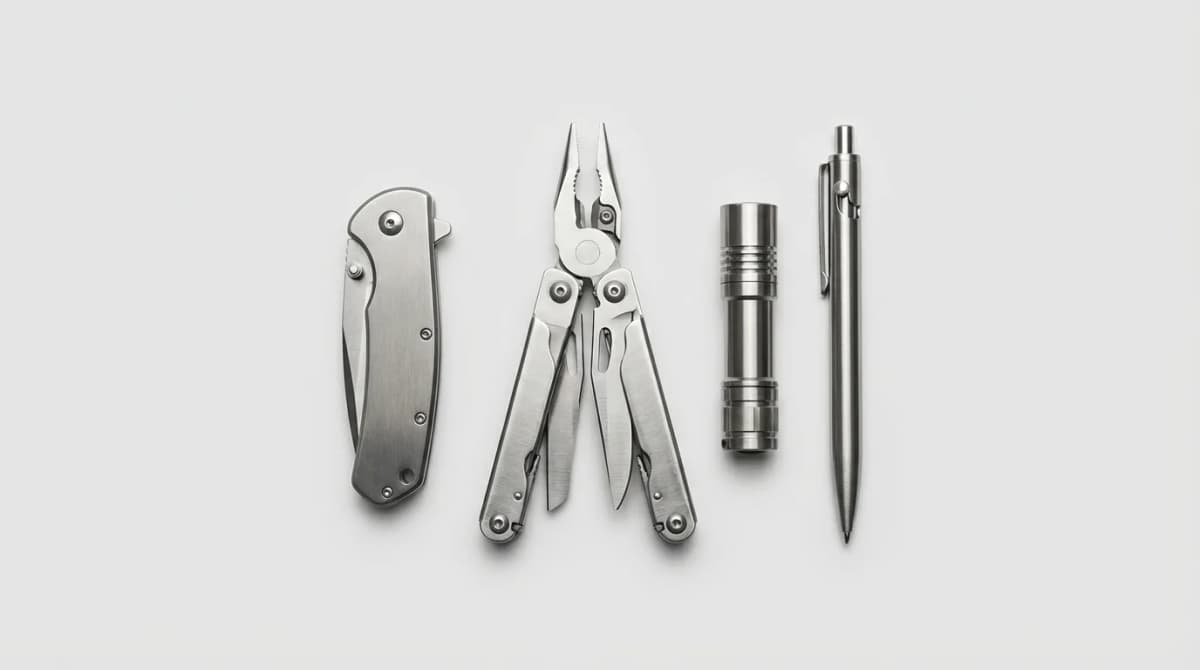
Stainless Steel EDC: Why It Still Wins
Titanium gets the hype, but stainless steel remains the workhorse material for EDC gear. Here's why corrosion resistance and real-world durability matter more than weight savings.
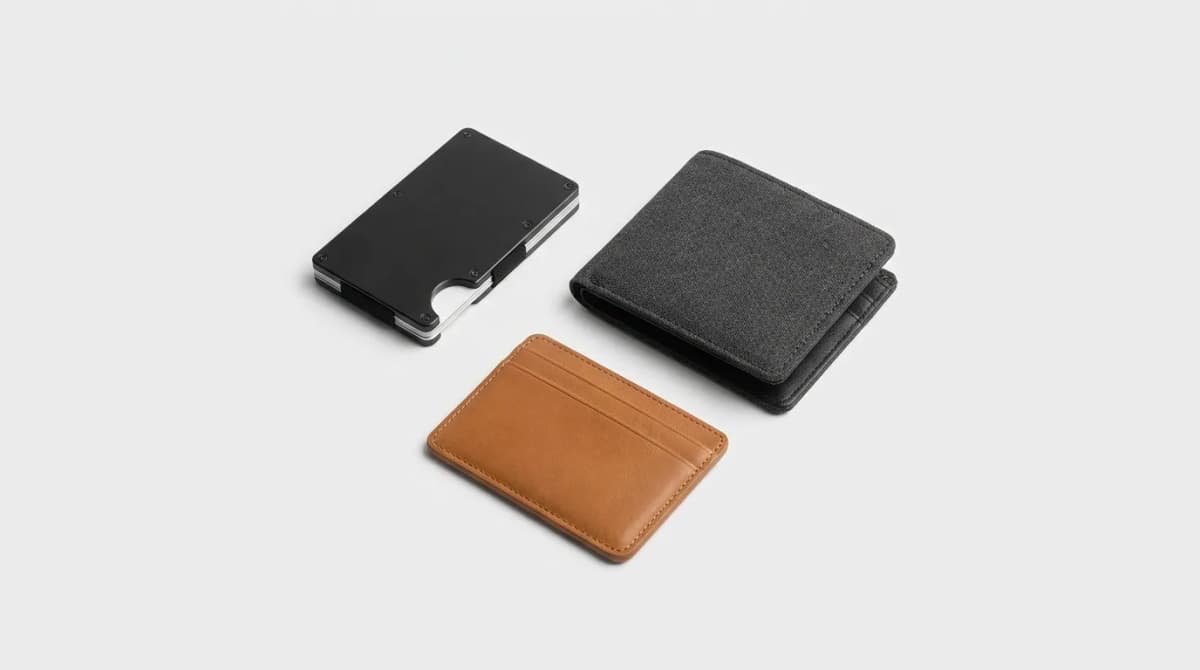
Best RFID Blocking Wallet That Actually Works
RFID blocking wallets promise security, but most are overbuilt gimmicks. We found the ones that balance real protection with everyday usability.
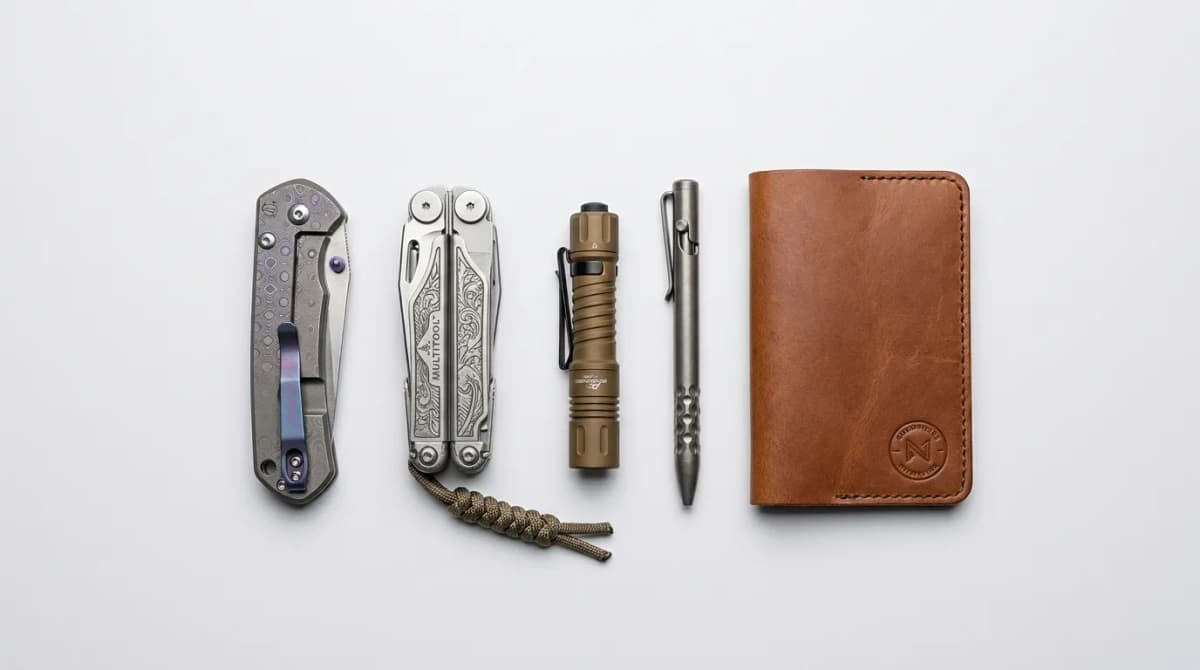
DIY EDC Mods: Personalize Your Everyday Carry Gear
Learn practical DIY modifications for your EDC gear: paracord wraps, anodizing, custom scales, and personalization techniques that improve function and style.