Best Ultralight Backpacking Gear Checklist 2026
Cut pack weight without cutting corners. Here's what actually matters when building an ultralight backpacking kit for multi-day trails.
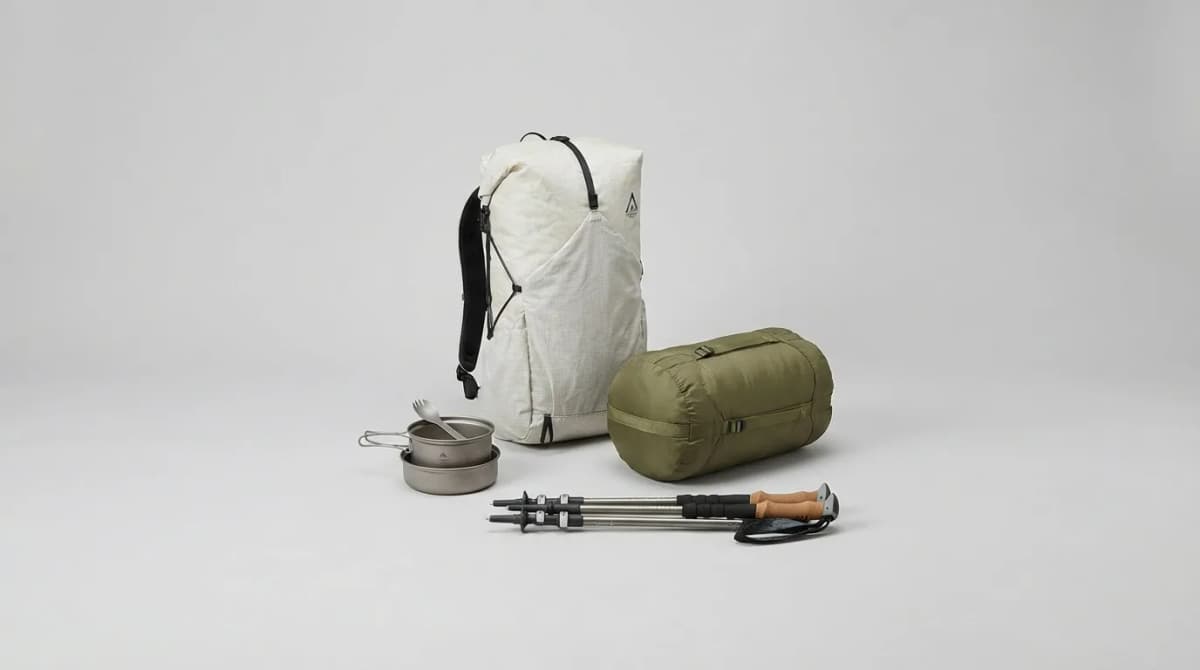
Every ounce counts when you're carrying your home on your back for days. But ultralight backpacking isn't about suffering with minimal gear or spending thousands on exotic materials. It's about making smart choices that add up to real weight savings without compromising safety or comfort.
The difference between a 35-pound pack and a 15-pound pack isn't just comfort. It's the difference between grinding through miles and actually enjoying the trail. After years of testing gear on long-distance hikes, we've learned which weight cuts matter and which ones leave you cold, hungry, or stranded.
The Big Three: Where Weight Reduction Actually Matters
Your shelter, sleep system, and backpack account for 60-70% of your base weight. Shaving ounces from these three categories delivers more impact than obsessing over titanium tent stakes or cutting your toothbrush in half.
Start with your shelter. A traditional three-season tent weighs 3-5 pounds. A quality ultralight tent or tarp system weighs under 2 pounds and provides the same weather protection. The trade-off isn't durability - it's interior space and convenience features like vestibules and freestanding designs.
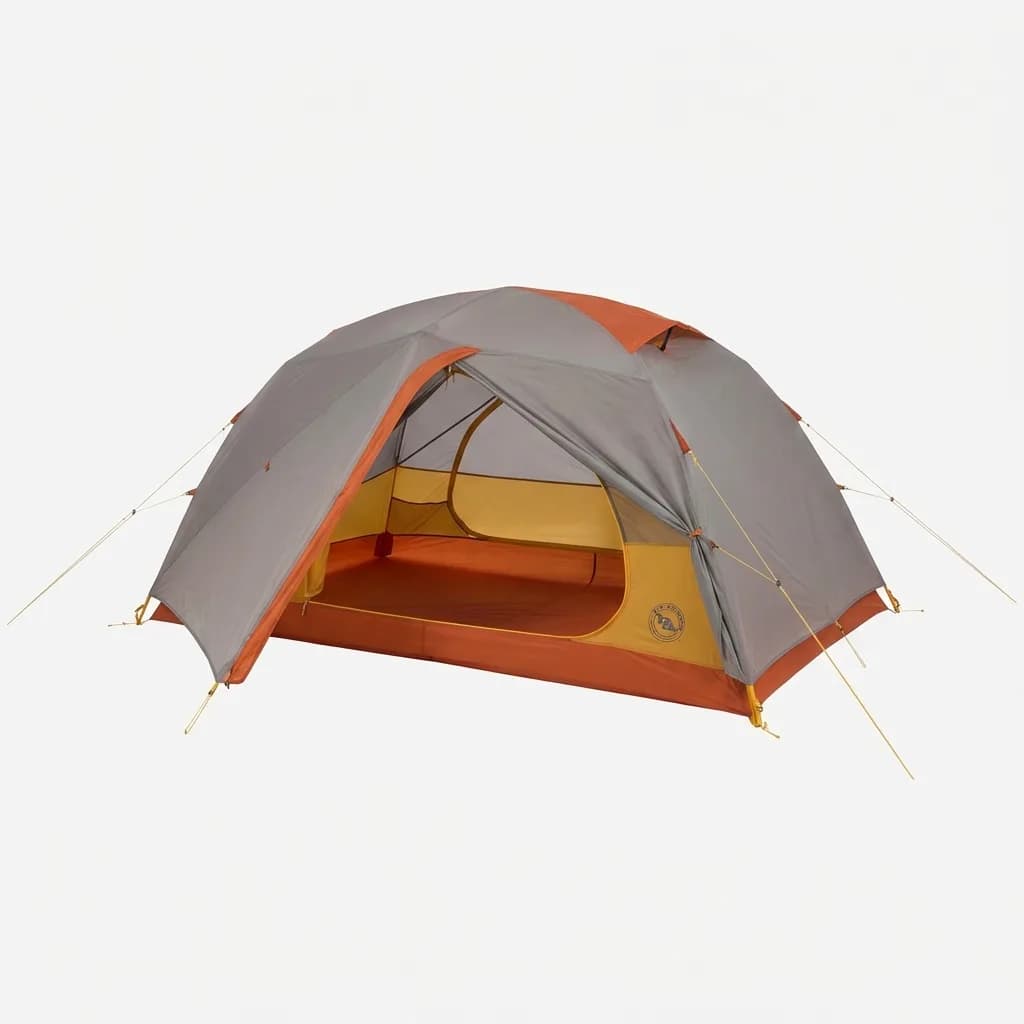
Big Agnes Copper Spur HV UL2
$500
2-pound freestanding tent with 29 square feet of interior space. Double-wall design handles condensation better than single-wall ultralights while maintaining sub-2-pound packed weight.
Your sleep system includes your sleeping bag or quilt, sleeping pad, and pillow. A 20-degree down sleeping bag weighs 2-3 pounds. A 20-degree down quilt weighs 16-20 ounces and packs smaller. Quilts eliminate the weight of a full zipper and the fabric underneath you that gets compressed anyway. They take some adjustment if you're a restless sleeper, but the weight savings justify the learning curve.
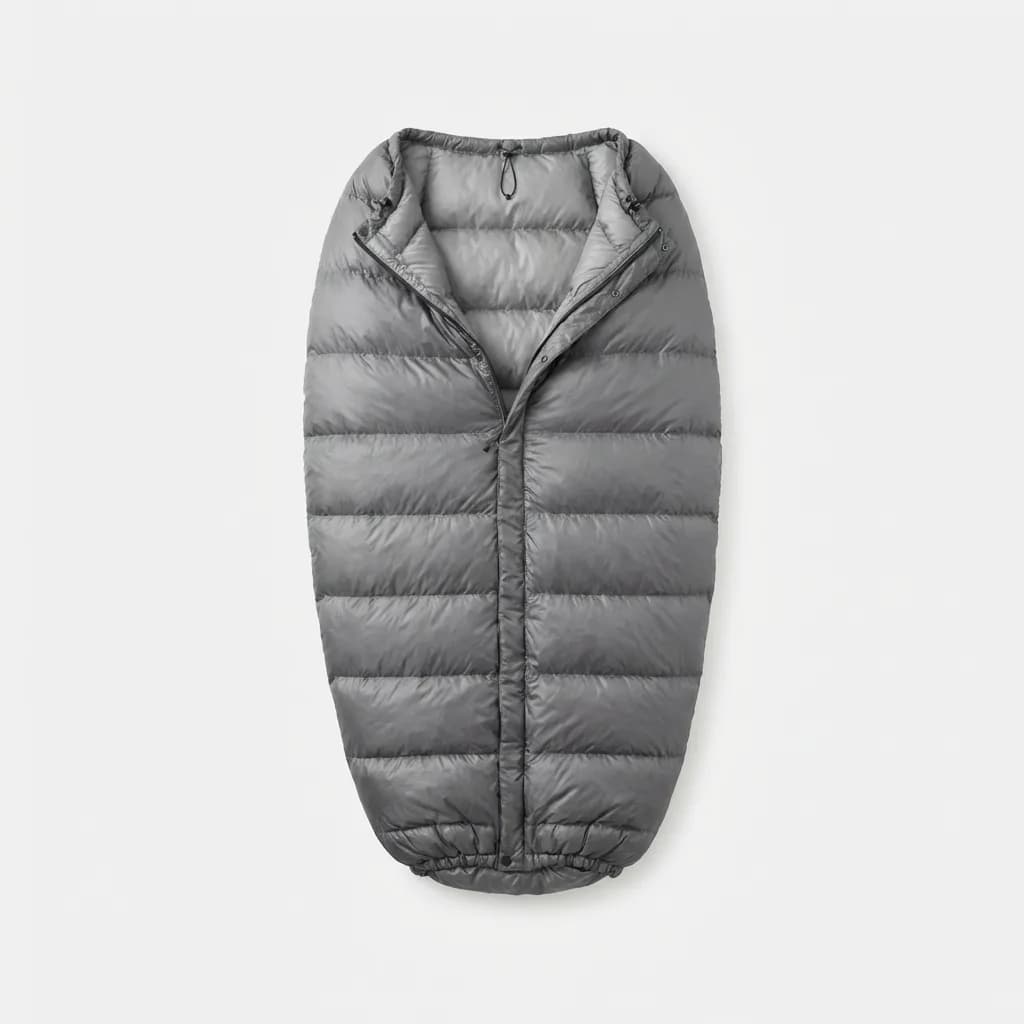
Enlightened Equipment Enigma 20
$345
18-ounce down quilt rated to 20 degrees. 850-fill down with adjustable neck and footbox closures. Saves over a pound compared to traditional mummy bags.
Backpack choice depends on your total pack weight. If you're carrying under 20 pounds including food and water, you can use a frameless pack in the 8-12 ounce range. Between 20-30 pounds, a lightweight framed pack around 2 pounds handles the load better. Above 30 pounds, ultralight philosophy breaks down and you need a traditional pack with a robust suspension system.
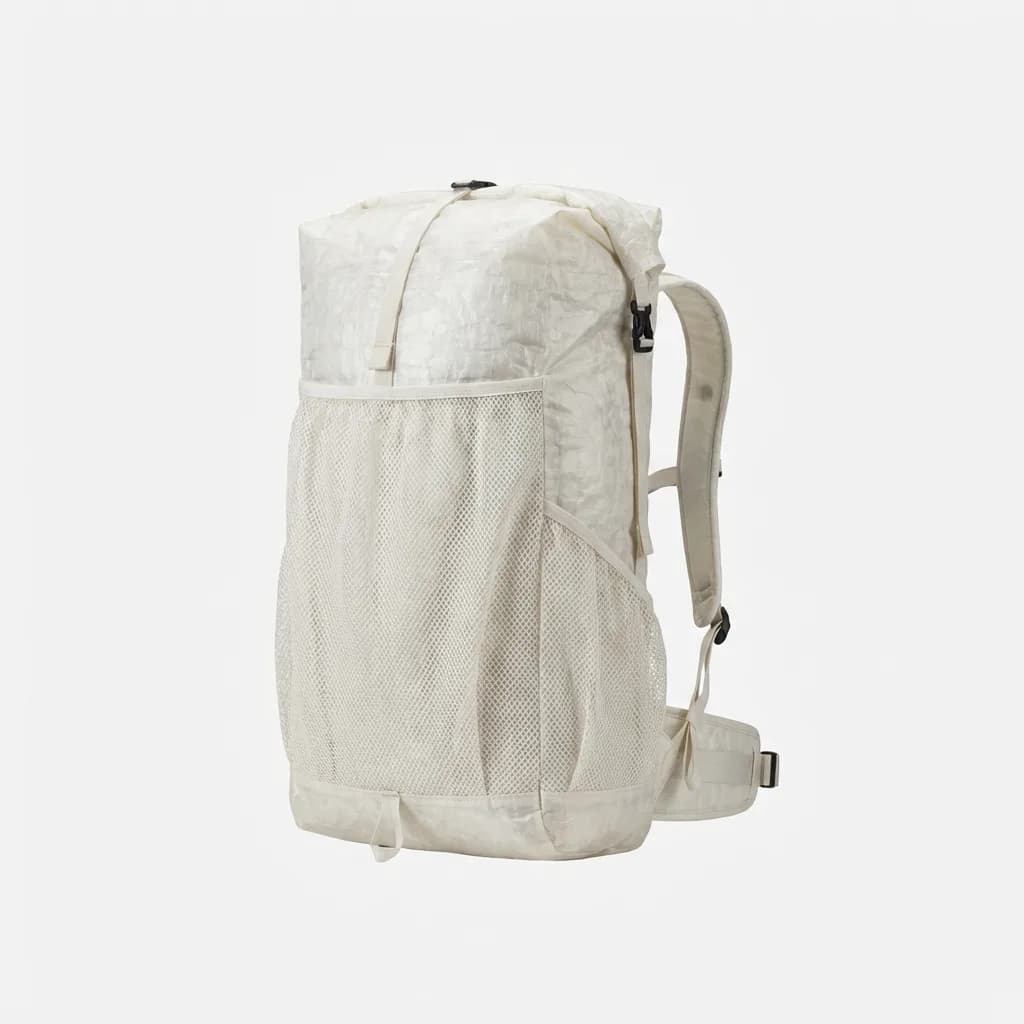
Hyperlite Mountain Gear Southwest 2400
$360
28-ounce frameless pack with 40-liter capacity. Waterproof Dyneema construction. Works best for base weights under 12 pounds with minimal frame and hipbelt.
What Should Your Cooking System Weigh?
A standard backpacking stove setup - canister stove, pot, fuel, utensils - weighs about 16 ounces. An ultralight setup weighs 4-6 ounces total. The secret is eliminating redundancy and choosing multi-use items.
Alcohol stoves weigh under an ounce and cost less than $20 to build yourself. They're slower than canister stoves and less efficient in cold weather, but for three-season hiking where you're mostly boiling water for dehydrated meals, they're adequate. A titanium pot with a lid doubles as a bowl. A long-handle spoon is your only utensil.
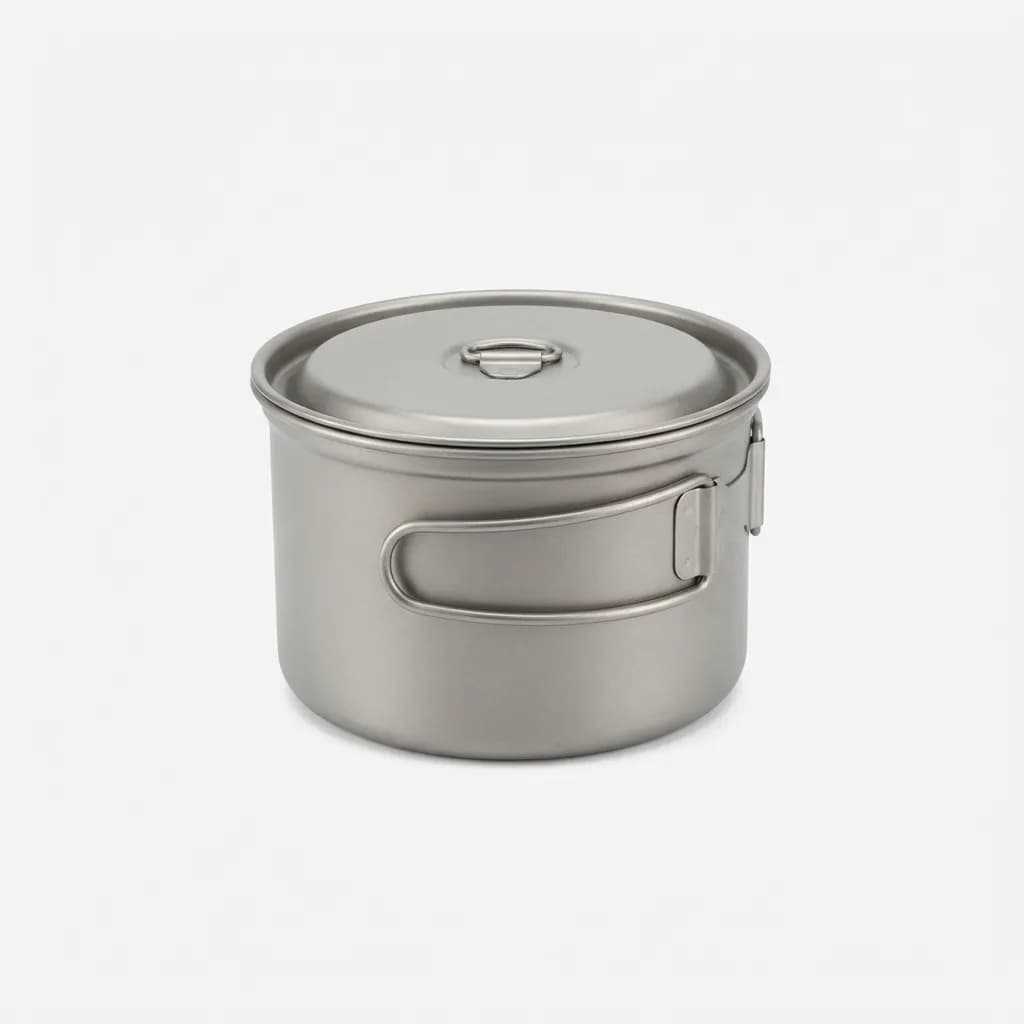
Toaks Titanium 750ml Pot
$35
3-ounce titanium pot with lid and folding handles. Fits a small fuel canister inside. Wide enough to eat directly from the pot.
Some hikers go stoveless and eat cold-soaked meals. A peanut butter jar filled with instant rice or couscous and cold water turns into an edible meal after a few hours of hiking. This isn't for everyone, but it eliminates 6-8 ounces of stove and fuel weight plus the time spent cooking.
The middle ground is a micro canister stove like the BRS-3000T. It weighs 0.9 ounces, costs $15, and boils water in 3-4 minutes. Not as bombproof as an MSR PocketRocket, but reliable enough for most trips where you're just heating water.
Clothing: Less Is Actually More
The biggest clothing mistake ultralight hikers make is carrying too many layers or redundant items. You need exactly three clothing systems: active hiking clothes, camp clothes for when you stop moving, and rain protection.
For active hiking, synthetic or merino base layers wick moisture better than cotton and dry faster than fleece. One long-sleeve shirt, one pair of hiking pants or shorts, one pair of underwear, one pair of socks. That's it. You'll smell terrible after a few days, but so does everyone else on the trail.
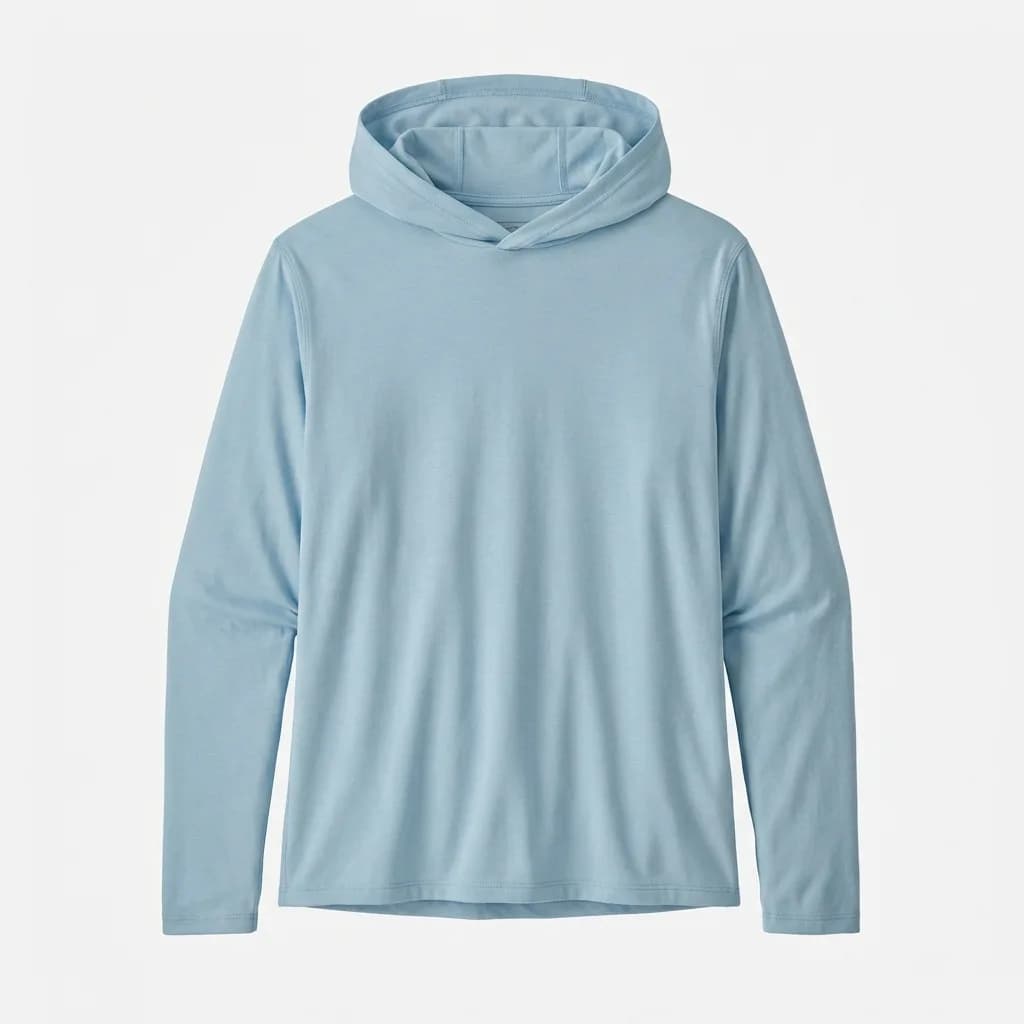
Patagonia Capilene Cool Daily Hoody
$59
4.8-ounce sun hoodie with UPF 50 protection. Polygiene odor control keeps it wearable for weeks. Built-in hood eliminates need for separate sun hat.
For camp, add an insulated jacket and a pair of long underwear bottoms if you're camping in cold weather. A down puffy jacket in the 6-10 ounce range provides enough warmth for sitting around camp without the bulk of a heavy fleece.
Rain protection is non-negotiable. A lightweight rain jacket weighs 6-10 ounces and packs into a stuff sack smaller than a water bottle. Rain pants are optional in warm weather but essential in cold or sustained rain. A $5 disposable rain poncho weighs 3 ounces and works fine for occasional showers in warm weather.
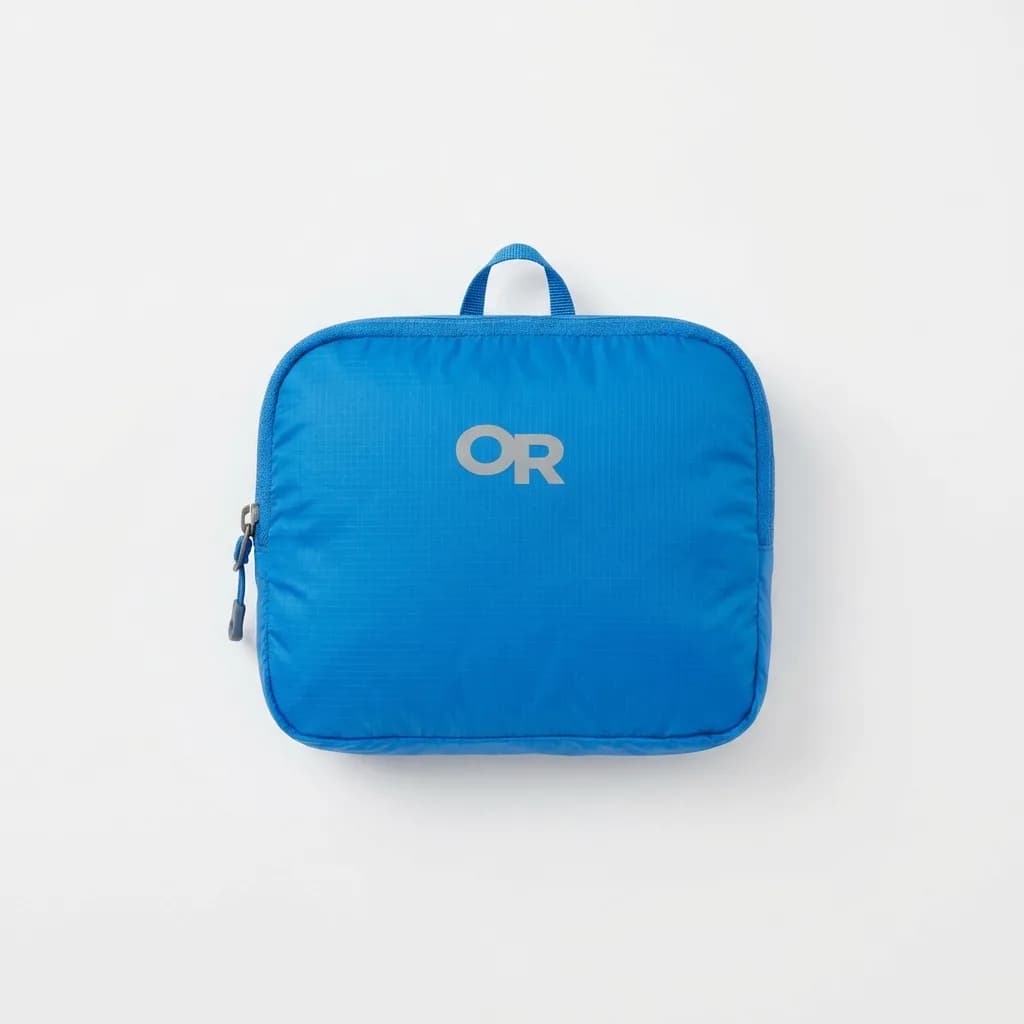
Outdoor Research Helium Rain Jacket
$125
6.4-ounce waterproof jacket with fully taped seams. Packs into its own pocket. Not as breathable as expensive alternatives but handles sustained rain.
Water and Food: The Variables That Add Up Fast
Water weighs 2.2 pounds per liter. Food weighs about 1.5 pounds per day. These consumables can double your pack weight, so planning water sources and choosing calorie-dense foods matters as much as gear selection.
Between reliable water sources, carry 1-2 liters maximum. A collapsible water bottle or bladder weighs 1-2 ounces compared to 5-6 ounces for a rigid Nalgene bottle. Smart Water bottles are ultralight hiker favorites - they're free after you drink the water, weigh 1.3 ounces, and thread directly onto most water filters.
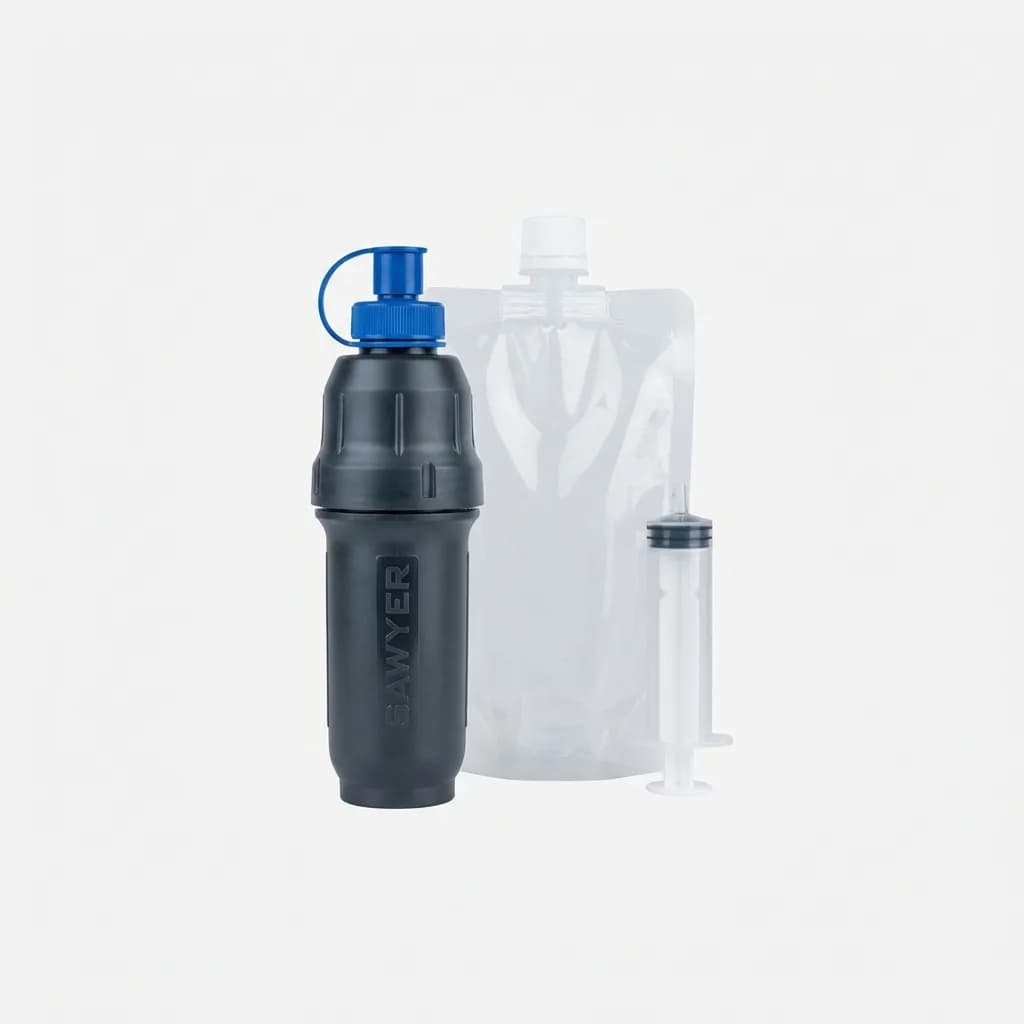
Sawyer Squeeze Water Filter
$37
3-ounce water filter that screws directly onto disposable water bottles. Filters 100,000 gallons before replacement. Faster flow rate than Sawyer Mini.
For food, prioritize calories per ounce. Nuts, nut butter, olive oil, and chocolate deliver 150-200 calories per ounce. Dehydrated meals provide 100-120 calories per ounce. Fresh fruit and vegetables are 10-30 calories per ounce - nice for the first day but inefficient to carry.
Pre-packaged backpacking meals are convenient but expensive at $8-12 per meal. Instant rice, pasta, or couscous from the grocery store costs a fraction as much and weighs the same. Add powdered cheese, dried vegetables, and spices for variety.
How Much Does a Full Ultralight Kit Weigh?
A realistic ultralight base weight (everything except food, water, and fuel) ranges from 8-12 pounds. That includes shelter, sleep system, backpack, clothing, cooking gear, first aid, navigation, and hygiene items.
Sub-8-pound base weights are achievable but require expensive gear choices or cutting items most hikers consider essential. Above 12 pounds, you're in the lightweight category rather than ultralight, which is still far better than a traditional 20-25 pound setup.
The trick is identifying which items to keep and which to cut. A first aid kit can weigh 4 ounces or 2 pounds depending on whether you pack for likely scenarios or every possible disaster. Ten feet of duct tape wrapped around a trekking pole weighs nothing and handles most field repairs. A full roll weighs 8 ounces.
Common Ultralight Mistakes to Avoid
Don't cut gear you'll actually use. Leaving your rain jacket at home to save 6 ounces makes sense until you're hypothermic in a thunderstorm. Same with your first aid kit, headlamp, or emergency shelter.
Don't obsess over replacing functional gear just to save ounces. If your current sleeping bag weighs 2.5 pounds and works fine, replacing it with a 1-pound quilt to save 24 ounces costs $300-400. Those dollars buy a lot of trail miles.
Do focus on eliminating redundant items. Carrying a camp chair, sit pad, and inflatable pillow means you're hauling multiple items that serve the same comfort function. Pick one.
Do learn skills that reduce gear dependence. Knowing how to pitch a tarp in different configurations means you can leave tent poles at home. Knowing how to navigate without GPS means you can carry paper maps instead of heavy battery packs.
Essential Items That Never Get Cut
Some gear is worth the weight regardless of your ultralight goals. A reliable headlamp with fresh batteries weighs 2-3 ounces and could save your life. A basic first aid kit weighs 4 ounces and handles blisters, cuts, and common injuries.
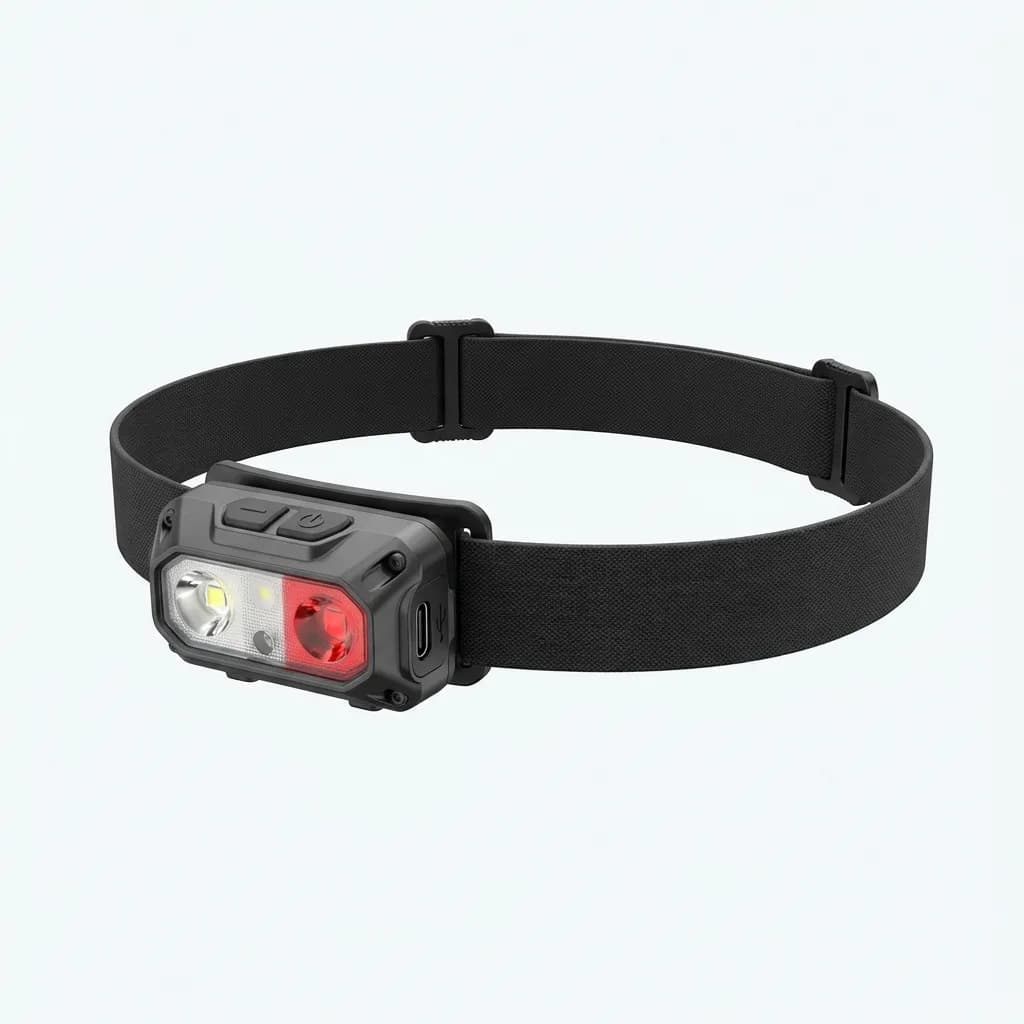
Nitecore NU25 Headlamp
$40
1.87-ounce rechargeable headlamp with 360 lumens. USB-C charging. White and red LEDs. Runs 8 hours on medium setting which handles most camp tasks.
Navigation tools include a map, compass, and GPS device or phone app with offline maps. Even if you're confident in your route knowledge, mechanical navigation backups weigh under 2 ounces and don't depend on batteries.
Sun protection means sunscreen, lip balm, and either a sun hat or hood integrated into your hiking shirt. Sunglasses are optional but recommended above treeline or on snow.
Trekking poles aren't essential for everyone, but they reduce knee strain, improve balance on rough terrain, and double as tent poles for many ultralight shelters. Carbon fiber poles weigh 8-10 ounces per pair compared to 16-20 ounces for aluminum.
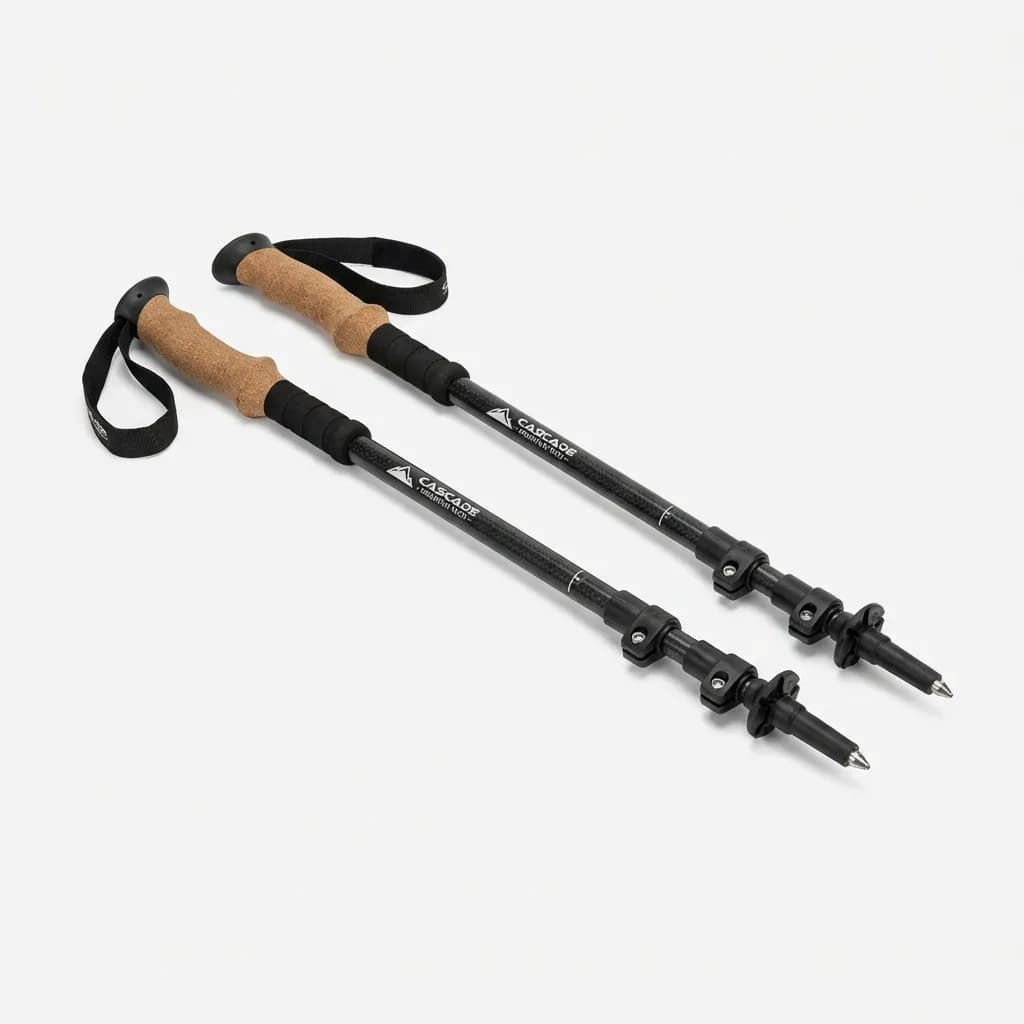
Cascade Mountain Tech Carbon Fiber Trekking Poles
$55
11-ounce pair with cork handles and tungsten carbide tips. Adjustable from 24-54 inches. Budget carbon fiber option that performs like poles costing twice as much.
Building Your Checklist for Different Conditions
Three-season hiking (spring through fall in moderate climates) requires the least gear. A 20-degree quilt or sleeping bag handles most nights. A lightweight rain jacket and insulated puffy cover weather changes. Total base weight stays under 10 pounds.
Shoulder season (early spring or late fall) adds cold weather challenges. Upgrade to a 10-degree sleeping bag or add a liner to your 20-degree bag. Bring insulated pants for camp. Carry extra fuel because cold weather reduces stove efficiency. Base weight creeps toward 12-14 pounds.
Winter camping is where ultralight philosophy bends toward safety. A four-season tent or reinforced shelter handles snow loads. A 0-degree or negative-degree sleeping bag, insulated sleeping pad with R-value above 5, and full winter clothing system push base weight to 15-18 pounds before you add the extra food and fuel needed for cold weather.
Desert hiking trades insulation for water capacity. Two liters minimum between sources, often 4-6 liters for long dry stretches. Sun protection becomes critical. The weight you save on a light sleeping bag gets added back in water carrying capacity.
What the Numbers Actually Mean
Ounces turn into pounds over miles. Carrying 10 extra pounds on a 100-mile hike means you've lifted that weight 1,000,000 times - once per step. That's roughly 500 tons of cumulative effort.
But ultralight isn't about suffering. It's about efficiency. Every item in your pack should serve a clear purpose. Multi-use items are better than single-purpose ones. Learning to be comfortable with less is a skill that develops over time.
Start with one category. Swap your 3-pound tent for a 2-pound one. Try a quilt instead of a sleeping bag. Replace your heavy pack with a lighter model once your base weight drops below 20 pounds. Each change teaches you something about what you actually need versus what you thought you needed.
The best ultralight setup is the one you'll actually use. If you hate sleeping in a tarp, don't force it. If you need hot coffee every morning, bring a stove setup that makes good coffee. The goal is enjoying the trail, not winning a weight competition.
The Weekly Dispatch
Enjoying this article?
Subscribe and get our best gear picks delivered every Sunday morning.
Related Stories
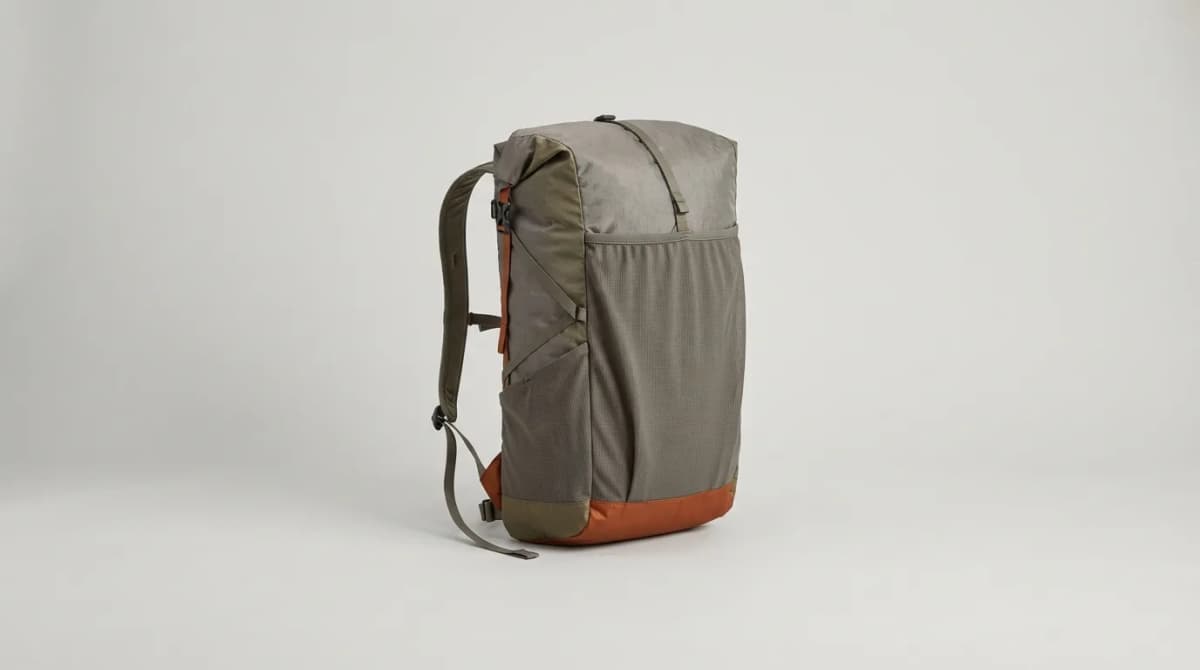
Best Ultralight Backpacking Pack Under 2 Pounds
Breaking the 2-pound barrier without sacrificing comfort or durability. We tested the lightest packs that still carry real loads on multi-day trips.
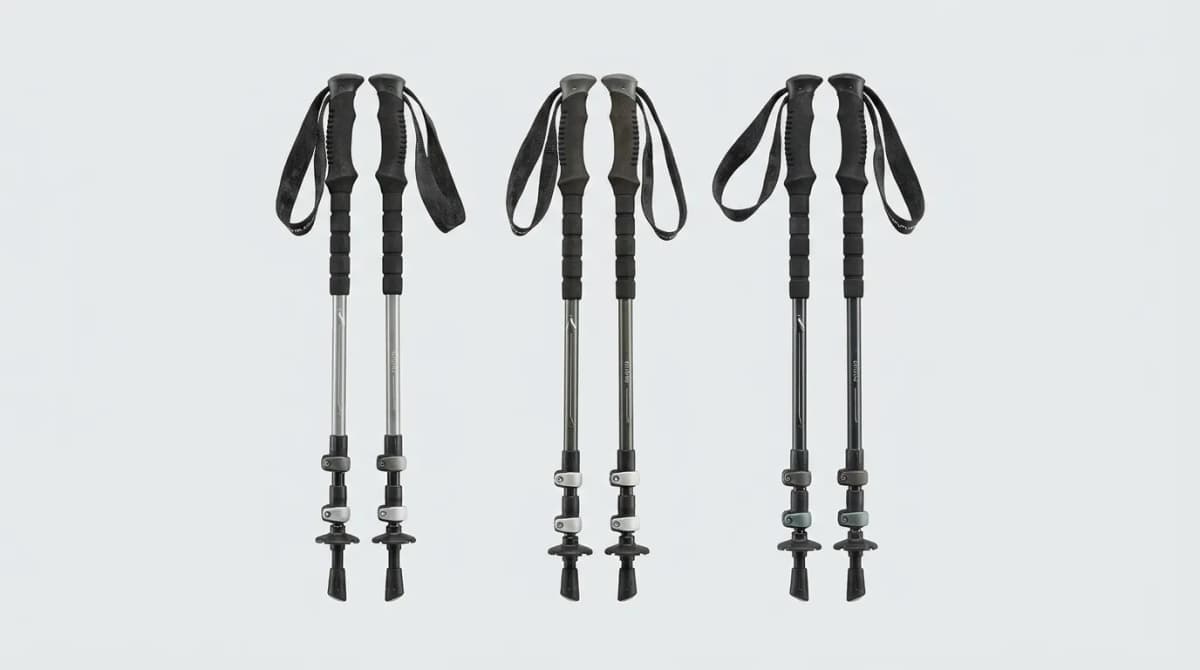
Best Trekking Poles for Bad Knees 2026
Discover which trekking poles reduce knee strain most effectively with shock absorption, proper length adjustment, and grip comfort for long-distance hiking.
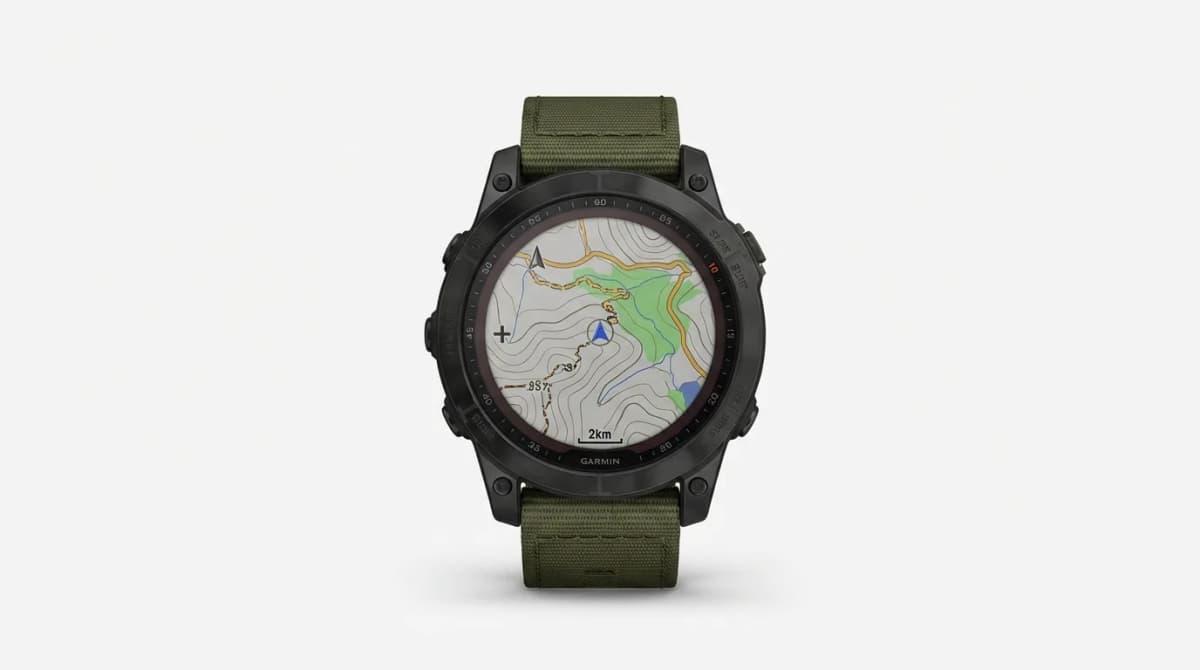
Best Outdoor GPS Watch for Hiking Under $400
Finding a capable GPS hiking watch under $400 means understanding what specs matter on the trail and which premium features you can skip.