Best Portable Camp Stove for Solo Backpacking
Choosing a camp stove for solo trips means balancing weight, fuel efficiency, and boil time. We tested the lightest and fastest options for one.
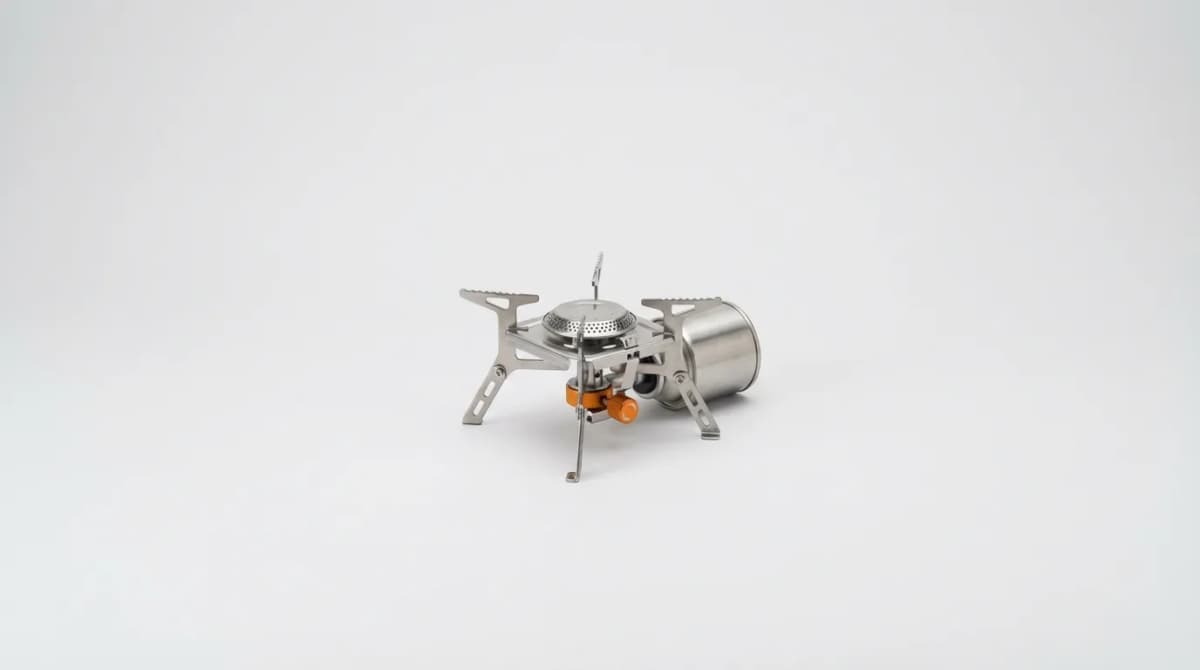
When you're hiking alone, every ounce matters. Your camp stove needs to boil water fast, pack down small, and not eat up half your base weight budget. We've spent hundreds of nights testing stoves on solo trips, and the differences between a good solo stove and a mediocre one become obvious after just a few days on trail.
The solo backpacking stove market has evolved dramatically. You're no longer choosing between heavy and reliable or light and sketchy. Modern canister stoves weigh under 3 ounces and boil a liter in under four minutes. Alcohol stoves weigh half an ounce. Integrated systems like the Jetboil Flash boil water in 100 seconds. The question isn't whether you can find a good lightweight stove - it's which tradeoffs you're willing to accept.
What Makes a Stove Good for Solo Use?
Solo backpackers have different priorities than group campers. You're not cooking elaborate meals for four people. You're boiling water for freeze-dried dinners, instant coffee, and oatmeal. That changes everything.
Weight is the obvious factor. A solo stove system (stove, fuel, pot) should stay under 12 ounces for weekend trips. Boil time matters more when you're cold and tired and just want hot food. Fuel efficiency determines how much fuel you carry, which affects pack weight. Stability matters because you're probably balancing your pot on uneven ground without a buddy to steady things.
Wind resistance often gets overlooked. A stove that works great in your backyard might struggle at exposed alpine campsites. We've watched canister stoves take 15 minutes to boil water in moderate wind, while integrated systems barely notice the breeze.
Pack size matters too. A stove that doesn't nest inside your pot wastes space. When you're fitting everything into a 40-liter pack, that space costs you.
MSR PocketRocket Deluxe: The Best All-Around Solo Stove
The PocketRocket Deluxe weighs 2.9 ounces and boils a liter in 3.5 minutes. It's not the absolute lightest or fastest, but it nails the balance better than anything else we've tested.
The burner head is wider than the original PocketRocket, which means better heat distribution and more efficient fuel use. The pot supports fold down and lock securely - no wobbling. It has a built-in piezo igniter that actually works reliably, even at altitude. Most integrated igniters fail after a few dozen uses, but MSR's design has lasted us over 200 lighting cycles without issues.
The adjustable flame goes from a bare simmer to full blast. That doesn't matter much for boiling water, but it's useful if you're actually cooking. The fuel canister attaches with a standard thread, and the whole thing packs down to roughly the size of a tennis ball.
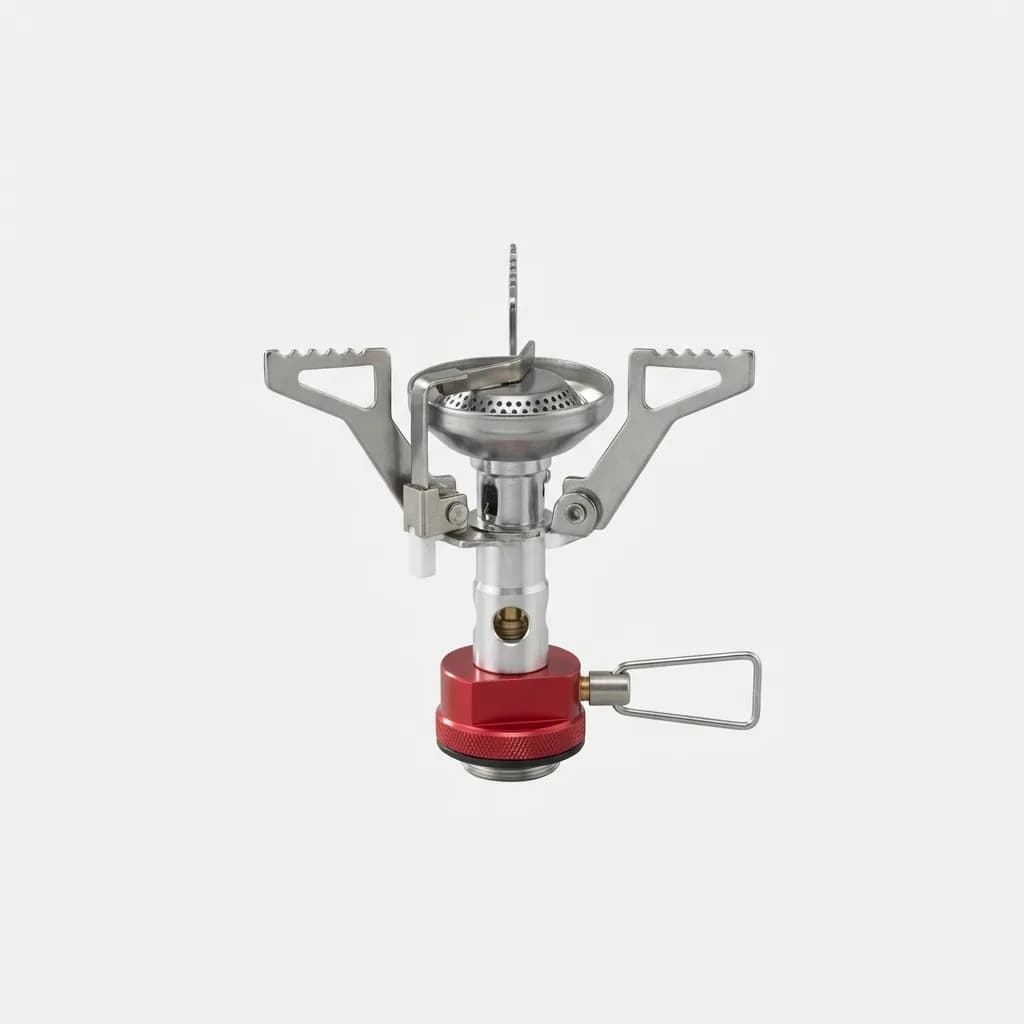
MSR PocketRocket Deluxe
$80
Ultralight canister stove with piezo igniter, 2.9 oz weight, 3.5 minute boil time. Wide burner head for efficient fuel use and pot stability.
We've used this stove on trips from the Sierra Nevada to the White Mountains. It works at 12,000 feet. It works in light rain under a tarp. It works when you're tired and fumbling with cold fingers. That reliability is worth the extra quarter ounce compared to lighter options.
Jetboil Flash: Fastest Boil Time for Cold Mornings
If speed matters more than weight, the Jetboil Flash changes the game. It boils half a liter in 100 seconds. A full liter takes about two minutes. That's twice as fast as most canister stoves.
The integrated design is the reason. The pot locks directly onto the burner unit, and the heat exchanger on the bottom of the pot captures almost all the heat. Traditional stoves waste energy heating the air around your pot. The Flash doesn't.
The weight penalty is real - 13.1 ounces with the pot. But the system includes the pot, lid, and insulating cozy. If you account for the pot you'd carry anyway, the actual weight difference shrinks to about 6 ounces compared to a separate stove and pot setup.
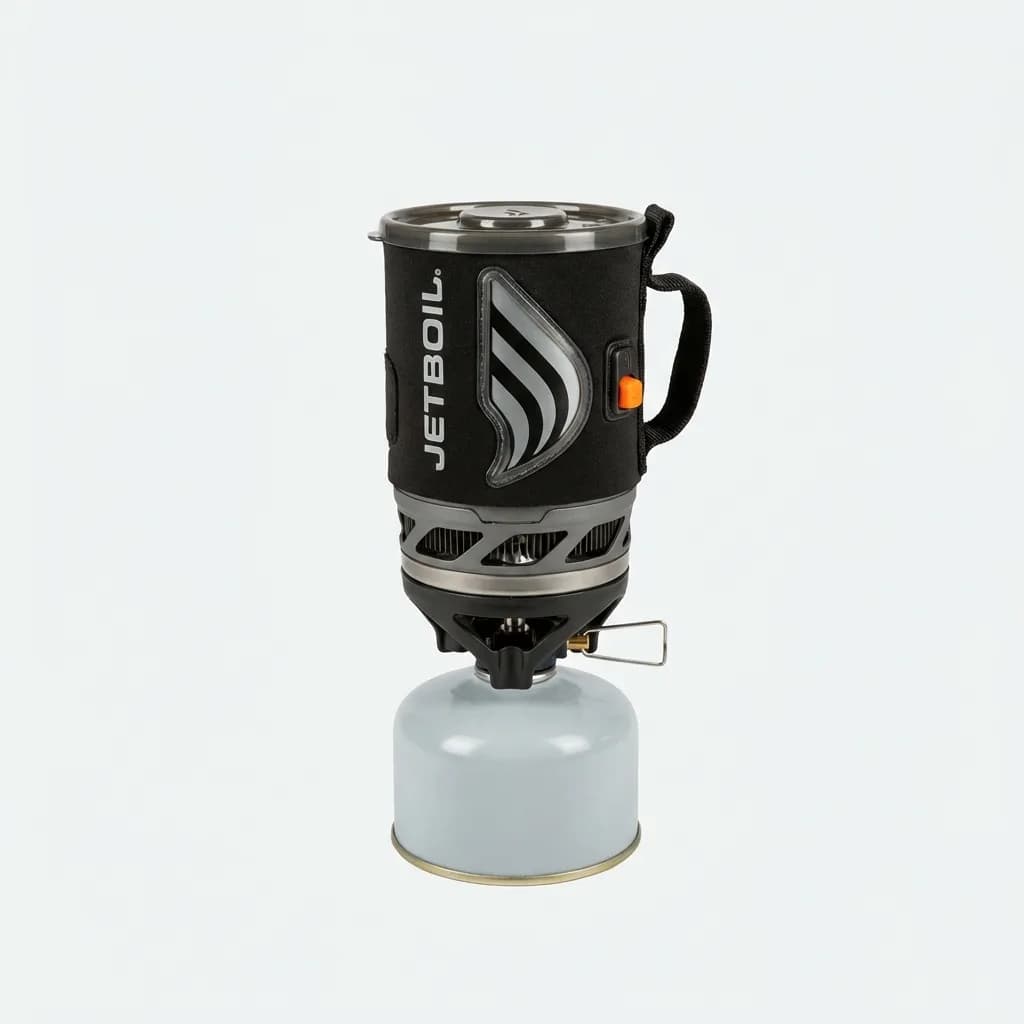
Jetboil Flash Cooking System
$110
Integrated canister stove system with 100-second boil time for 0.5L. Includes 1L FluxRing pot, insulated cozy, and push-button igniter. 13.1 oz total weight.
The Flash excels in cold weather and wind. The pot shields the flame, and the design is so efficient that fuel consumption stays low even when it's freezing. We've used this system in below-zero temps in the Rockies, and it performed flawlessly while friends with traditional stoves struggled to get water boiling.
The downsides: you're locked into Jetboil's pot system, and the tall narrow pot design makes it tippy on uneven ground. It's also not ideal for actually cooking - the pot is too deep and narrow for sauteing or simmering complex meals. But for boiling water fast, nothing beats it.
Soto WindMaster: Best Wind Resistance
The Soto WindMaster weighs 3 ounces and looks like most other canister stoves. The difference is the burner head design. Four arms arc up around the flame, creating a natural windscreen. In our side-by-side tests, the WindMaster boiled water in steady wind while other stoves barely maintained a flame.
The concave burner head design focuses heat on the pot bottom instead of letting it spread out. That improves fuel efficiency and shortens boil times. In real-world use, we measured 3-minute boil times for a liter of water at sea level, which matches or beats most competitors.
The pot supports are thin wire, which saves weight but feels slightly less stable than the PocketRocket's arms. We haven't had stability problems in actual use, but it's noticeable when you're setting up.
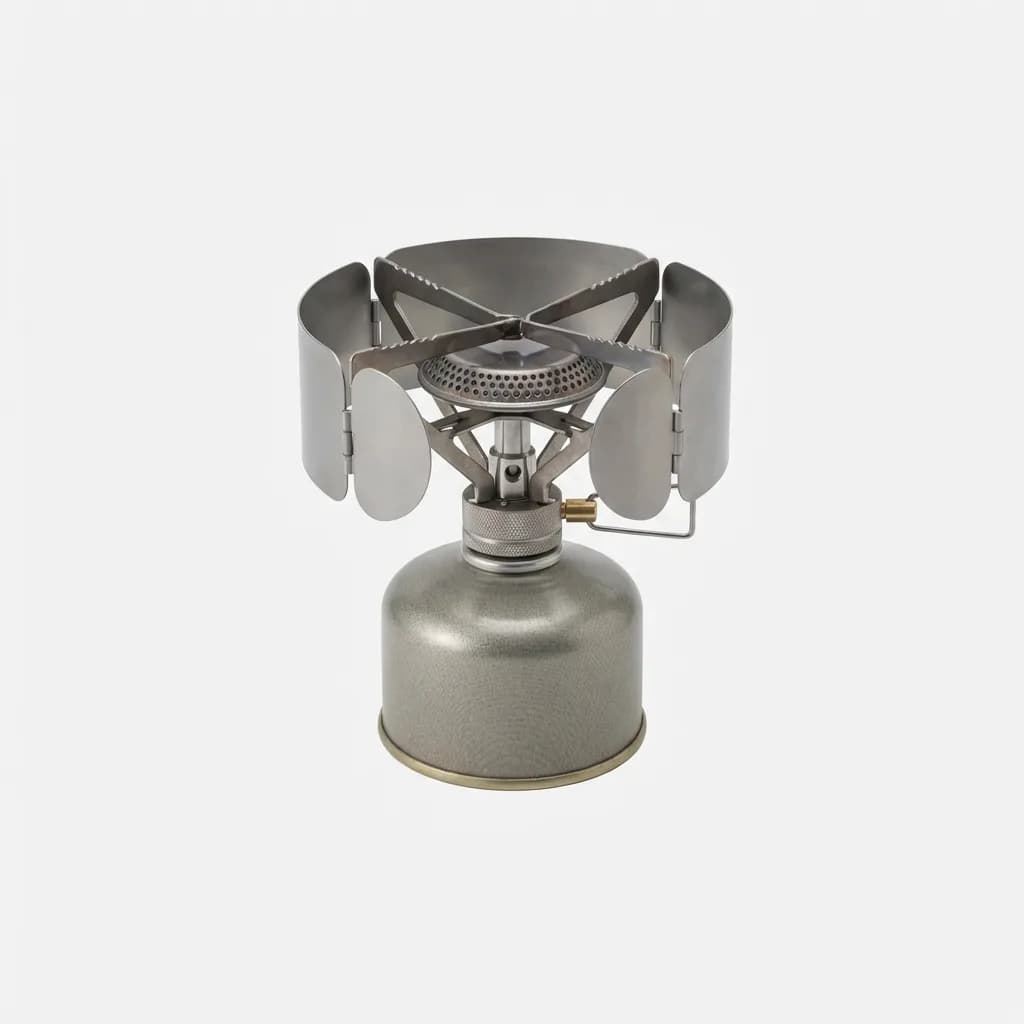
Soto WindMaster Stove
$65
3 oz canister stove with four-arm windscreen design. Exceptional wind resistance and fuel efficiency. Folds to 1.7 x 3.5 inches.
The WindMaster shines on exposed ridgelines and alpine zones where wind is constant. If you regularly camp above treeline, this stove will save you time and frustration. The fuel efficiency also means you can carry less fuel on longer trips.
BRS-3000T: Lightest Canister Stove
At 0.9 ounces, the BRS-3000T is absurdly light. It's a bare-bones canister stove with folding pot supports and nothing else. No igniter, no valve adjustment beyond basic on/off control. Just a burner that screws onto a fuel canister.
For ultralight purists chasing the lowest possible base weight, this stove is hard to beat. The weight savings compared to the PocketRocket (2 ounces) might seem trivial, but when you're optimizing every item in your pack, those ounces add up.
The tradeoffs are real. The pot supports are thin and slightly wobbly. The valve is touchy - it's hard to dial in a low simmer. Wind resistance is poor without a separate windscreen. Boil times are 4-5 minutes for a liter, which is decent but not impressive.
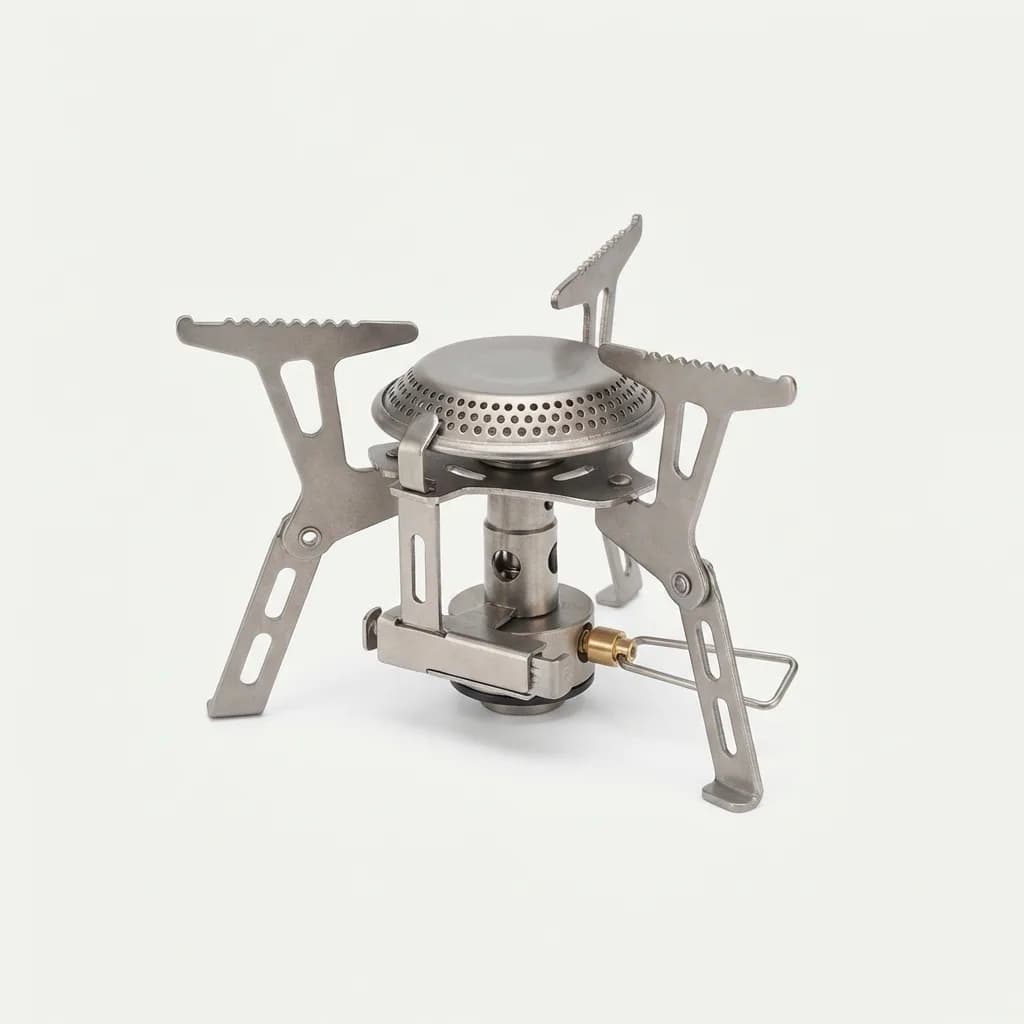
BRS-3000T Ultralight Camp Stove
$17
Titanium canister stove weighing just 0.9 oz. Folds to pocket size. Basic flame control, requires separate igniter. Budget ultralight option.
We've used this stove on thru-hikes where every gram counts. It works fine for its intended purpose - boiling water with minimal weight. Just carry a lighter or matches, and accept that you're sacrificing convenience for those 2 ounces of weight savings.
Trangia Spirit Burner: Best Alcohol Stove
Alcohol stoves are the minimalist choice. No moving parts, no fuel canisters to buy, no systems to fail. The Trangia Spirit Burner is a simple brass cup that holds denatured alcohol. Light it, put your pot on top, and wait.
The complete weight with a basic aluminum pot stand is under 2 ounces. Fuel is cheap and available at most hardware stores. The stove itself is nearly indestructible.
The downsides are significant. Boil times are slow - 8 to 10 minutes for a liter depending on conditions. You can't adjust the flame once it's lit. Wind kills performance. Cold weather reduces fuel efficiency. You need to measure and carry liquid fuel instead of just screwing in a canister.

Trangia Spirit Burner with Screwcap
$16
Brass alcohol stove weighing 0.4 oz. Burns denatured alcohol or methylated spirits. Simple, reliable design with no moving parts.
Alcohol stoves make sense for long thru-hikes where resupply is frequent and you can't reliably find fuel canisters in small towns. They're also popular with ultralight backpackers who prioritize simplicity and low cost over speed. For most weekend warriors, the slow boil times and finicky performance aren't worth the weight savings.
Solo Stove Lite: Best Wood-Burning Option
The Solo Stove Lite burns twigs, pine cones, and small sticks. No fuel to carry at all. The double-wall design creates a gasification effect that produces a hot, efficient fire from minimal fuel.
It weighs 9 ounces, which sounds heavy until you consider you're carrying zero fuel. For weekend trips, that's a wash. For longer trips, the math starts favoring the wood stove.
The real advantage is the lack of fuel logistics. No running out of gas halfway through dinner. No searching for fuel canisters in small resupply towns. No flying with restrictions on fuel.
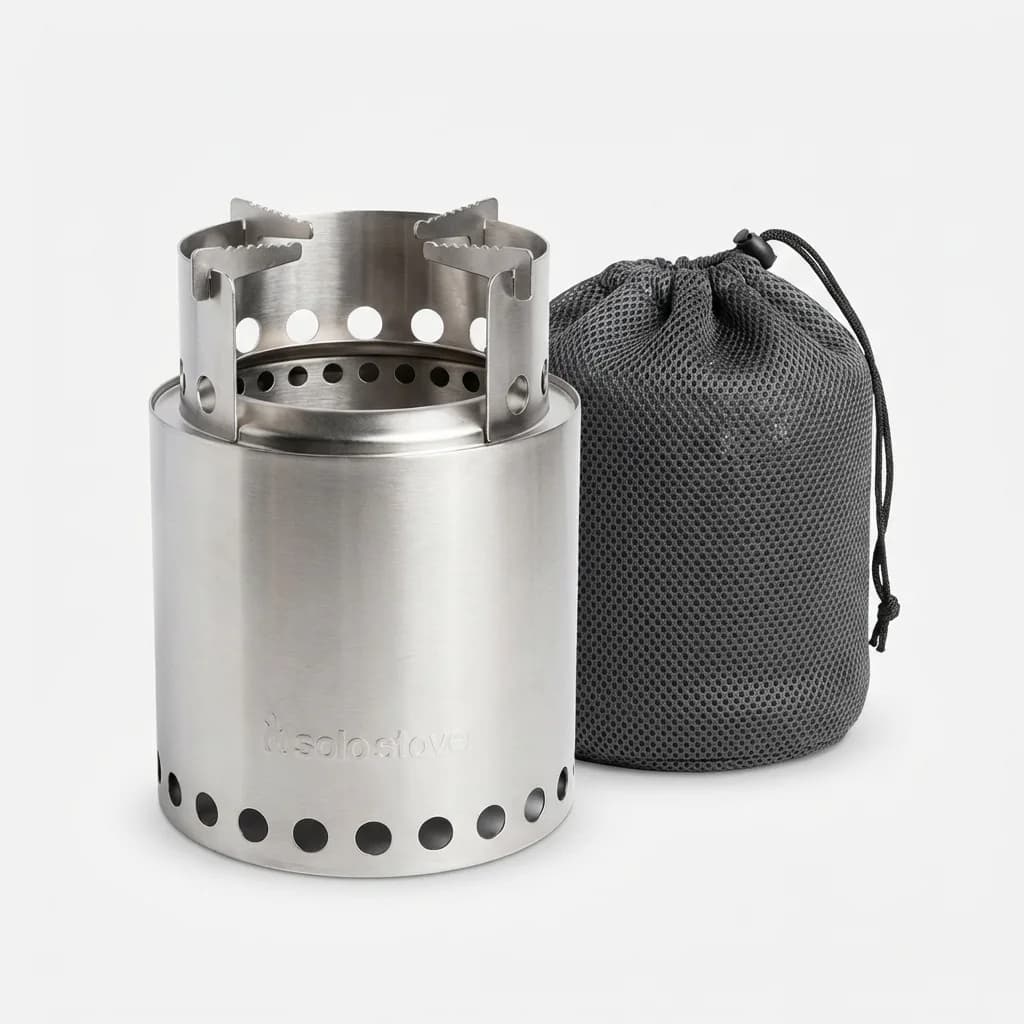
Solo Stove Lite Wood Burning Stove
$70
9 oz wood-burning stove with double-wall gasification design. Burns twigs and natural fuel. Includes pot stand and carrying stuff sack.
The downsides: you need to find dry fuel, which isn't always possible in wet conditions or above treeline. Boil times vary wildly depending on your fuel quality and fire management skills. It's sooty - your pot bottom will be black. And you can't use it in areas with fire restrictions.
We've used the Solo Stove Lite on trips through forested areas with abundant deadfall. It's genuinely fun to use, and there's something satisfying about cooking without carrying fuel. But it requires more active management than a canister stove, and it's not suitable for all conditions.
How Much Fuel Do You Actually Need?
Fuel calculations stress people out more than they should. For a canister stove, figure 1 ounce of fuel per day for basic boil-and-eat meals. That's two boils - one for dinner, one for breakfast. An 8-ounce fuel canister covers a week-long trip with margin for error.
Integrated systems like the Jetboil are more efficient. You can stretch an 8-ounce canister to 10 or 12 days if you're just boiling water. Traditional canister stoves are less efficient but still reasonable.
Alcohol stoves burn about 1 ounce of fuel per boil, so 2 ounces per day. For a weekend trip, you need 4-6 ounces of alcohol. The fuel itself weighs less than canister fuel, but the slower burn times mean you're using more total fuel.
The real lesson: test your stove and fuel consumption on a practice trip before committing to a long backcountry journey. Variables like altitude, temperature, and your pot choice all affect fuel use.
What About Cooking Actual Food?
Most solo backpackers don't cook - they rehydrate. Freeze-dried meals, instant rice, ramen, instant mashed potatoes. All you need is boiling water.
If you actually want to simmer, saute, or cook fresh food, most ultralight canister stoves struggle. The flame is too focused and powerful. You'll scorch rice and burn sauces.
The MSR PocketRocket Deluxe and WindMaster both have decent simmer control. The Jetboil Flash does not - it's basically a water-boiling machine. The BRS-3000T has minimal flame control.
For solo trips where you want cooking flexibility, consider a stove with good simmer capability and bring a small frying pan or wider pot. But be honest about whether you'll actually use that capability. Most of us default to boil-and-eat meals after a long day on trail, even when we packed the gear to cook.
Wrapping Up
The MSR PocketRocket Deluxe is our top pick for most solo backpackers. It's light enough, fast enough, reliable, and well-built. The piezo igniter and solid pot supports make it easy to use when you're tired.
Choose the Jetboil Flash if you prioritize speed and frequently camp in cold or windy conditions. The weight penalty is worth it for those 100-second boil times.
The Soto WindMaster is the best choice for exposed alpine trips where wind is constant. The weight is competitive, and the performance in wind is noticeably better than alternatives.
Go ultralight with the BRS-3000T if you're counting every gram and don't mind sacrificing convenience. It's a solid budget option that gets the job done.
Consider an alcohol stove like the Trangia for long thru-hikes with frequent resupply, or the Solo Stove Lite if you're backpacking in forested areas and want to eliminate fuel logistics entirely.
Test your chosen stove at home before your trip. Practice lighting it, adjusting the flame, and timing your boils. The middle of a cold night at 10,000 feet is not the time to discover your stove doesn't work the way you expected.
The Weekly Dispatch
Enjoying this article?
Subscribe and get our best gear picks delivered every Sunday morning.
Related Stories
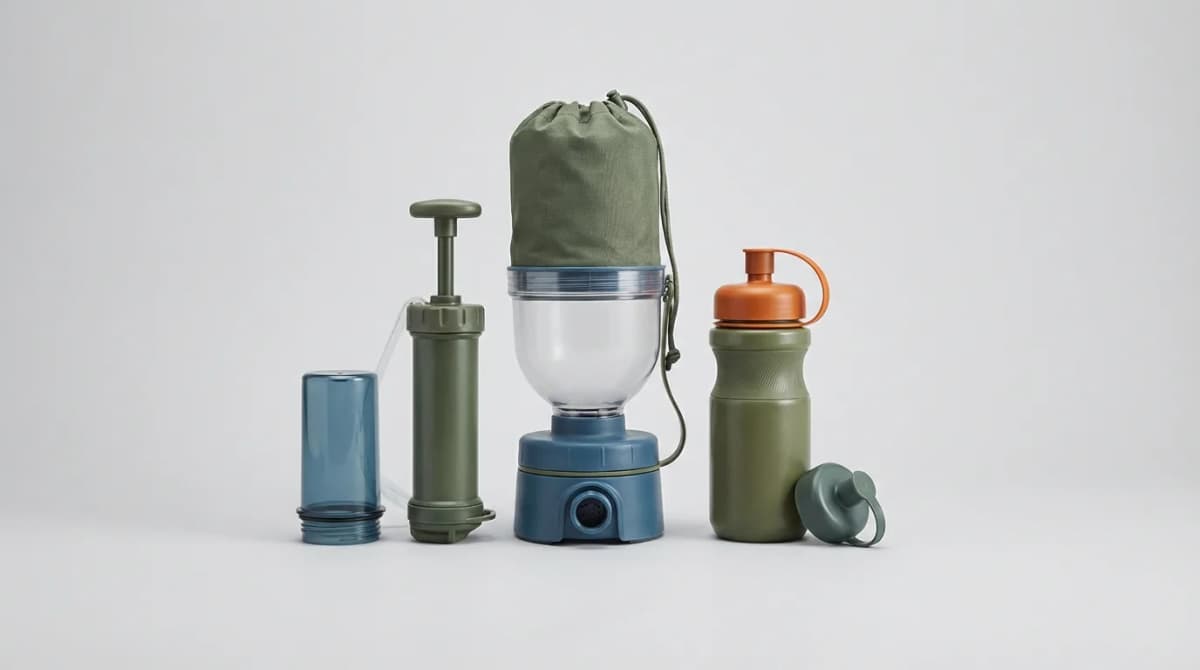
Best Portable Water Filter for Hiking 2026
The right water filter transforms backcountry trips. We tested leading portable filters for weight, flow rate, and reliability to find what actually works on the trail.
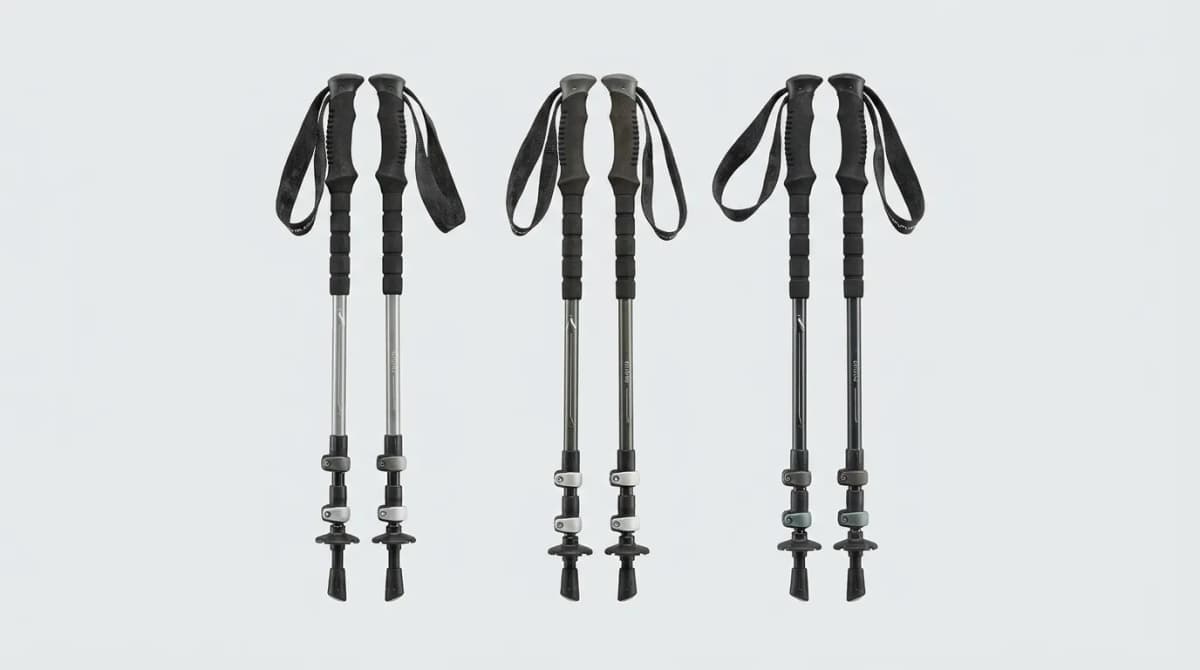
Best Trekking Poles for Bad Knees 2026
Discover which trekking poles reduce knee strain most effectively with shock absorption, proper length adjustment, and grip comfort for long-distance hiking.
Best Binoculars for Bird Watching Under $200
Budget binoculars can deliver sharp, bright views for birding. We tested mid-range optics under $200 to find which models offer the best clarity and durability.