Best Lens Filters for Travel Photography
Skip the UV filter debate. These are the lens filters that actually matter for travel photography - polarizers, ND filters, and when each one earns its place in your bag.
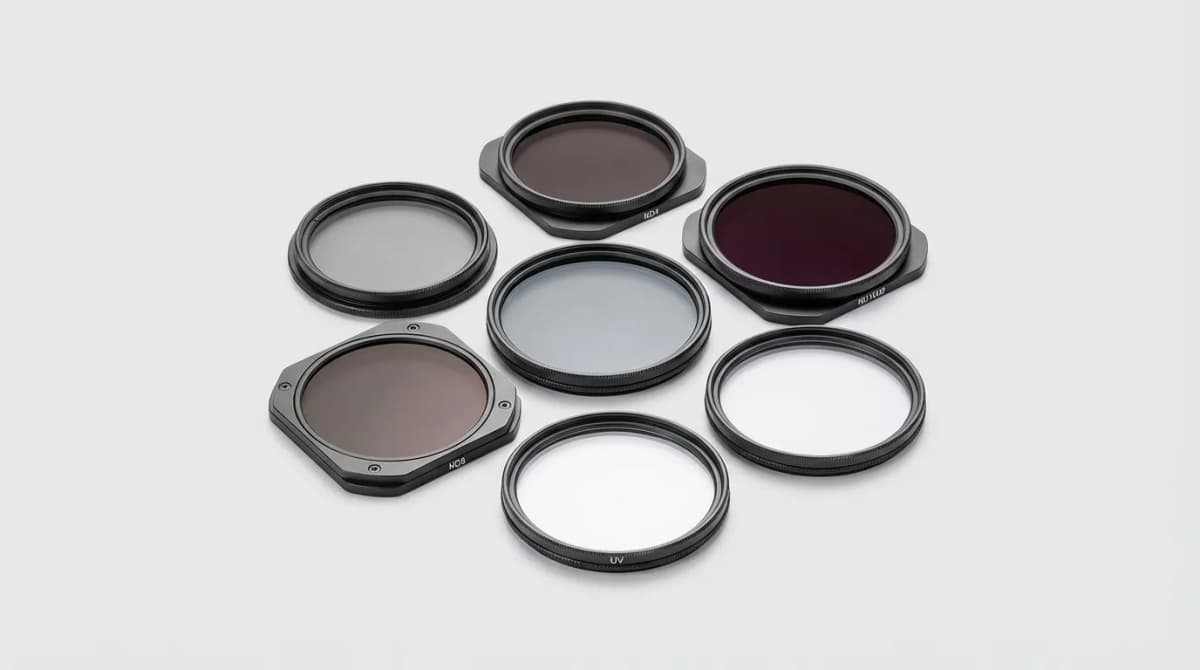
Most travel photographers carry too many filters or none at all. The truth is simpler: you need exactly two types of filters, and understanding when to use each one matters more than the glass itself.
A circular polarizer transforms reflections and sky tones in ways no amount of post-processing can replicate. An ND filter lets you stretch shutter speeds in broad daylight. Everything else is either redundant or handled better in software. The trick is knowing which situations demand which filter, and that comes down to the physics of light, not marketing claims.
We tested filters across alpine hikes, coastal shoots, and urban environments to find which ones deliver results worth the weight and hassle.
Why Polarizers Matter More Than Any Other Filter
A circular polarizer (CPL) does one thing software cannot: it eliminates polarized light at the moment of capture. Rotate the outer ring, and reflections on water vanish. Rotate further, and hazy skies deepen to rich blue. This happens because polarized light - scattered particles in the atmosphere, glare bouncing off non-metallic surfaces - vibrates in a specific plane, and the filter blocks it.
The effect is strongest at 90 degrees to the sun. Point your index finger at the sun and extend your thumb perpendicular - that's where the sky will respond most dramatically. Shooting toward or away from the sun does almost nothing. This is physics, not preference.
Quality matters here. Cheap polarizers introduce color casts (usually magenta or green) and eat 2-3 stops of light instead of the expected 1.5-2 stops. Multi-coated glass from Breakthrough Photography or B+W maintains color neutrality and sharpness even when stacked with other filters.
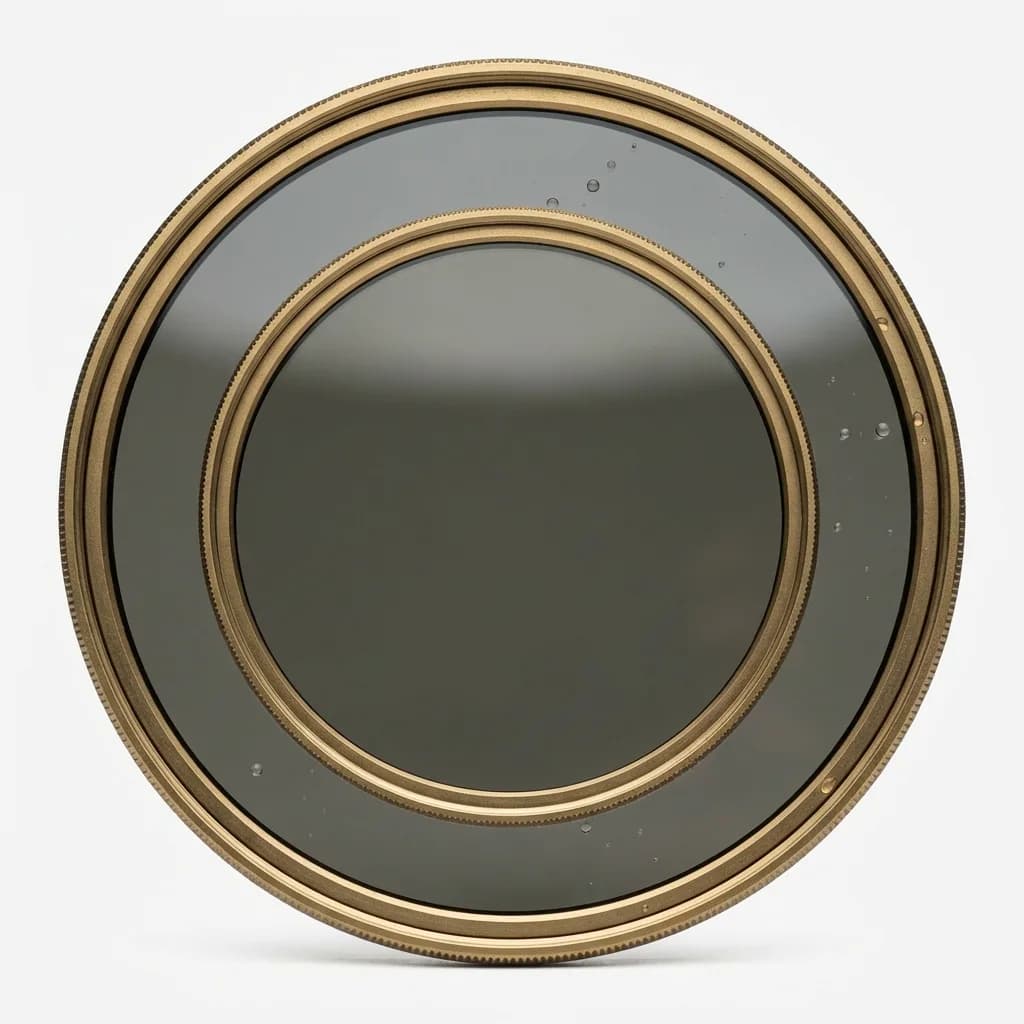
Breakthrough Photography X4 CPL
See current price
Multi-coated circular polarizer with 99.6% light transmission and brass filter ring. Weatherproof construction, minimal color shift. Available in 67mm to 82mm.
For travel, get a CPL sized to your largest lens diameter, then use step-up rings for smaller lenses. This saves weight and cost. A 77mm filter covers most full-frame zoom lenses, and step-up rings from 67mm or 72mm cost a few dollars.
Skip CPLs on ultra-wide lenses wider than 20mm. The polarization effect varies across the frame at those angles, creating uneven blue skies with darker patches. It looks unnatural and difficult to correct.
When ND Filters Earn Their Weight
Neutral density filters are sunglasses for your lens. They block light evenly across the spectrum, letting you slow shutter speeds or open apertures in bright conditions. A 6-stop ND turns a 1/500s exposure into 1/8s, long enough to blur waterfalls into silk or smooth out crowds in busy squares.
Variable NDs sound convenient - twist to adjust darkness from 2 to 10 stops - but most introduce an X-pattern (cross-hatching) at the extreme end and degrade sharpness. Fixed-density filters deliver cleaner results. We carry a 6-stop for general use and a 10-stop for extreme long exposures.
The math is simple. Each stop doubles exposure time. Three stops turns 1/125s into 1/15s. Six stops turns 1/250s into 1/4s. Ten stops turns 1/250s into 4 seconds. Match the filter to the effect you want: 3-6 stops for waterfalls and moving water, 10 stops for daytime long exposures that clear tourists or create surreal motion blur.

B+W 106 ND Filter 1.8 (6-Stop)
See current price
Fixed 6-stop ND with multi-resistant coating and brass mount. Neutral color cast, maintains corner sharpness. Trusted standard for landscape and travel photography.
For travel, a 6-stop covers most scenarios without forcing you into bulky 10-stop glass. If you shoot a lot of architectural long exposures or want ghostly seascapes at noon, add the 10-stop. Otherwise, skip it.
Avoid screw-on ND filters cheaper than $50. They shift color toward magenta or cyan, and correcting that shift in post-processing never looks quite right. The investment in quality glass pays back in images that don't require heroic color grading.
The Square Filter System Debate
Square filter systems - holders that clamp to your lens with slots for sliding in 100mm or 150mm glass or resin filters - excel at one thing: graduated ND filters for balancing bright skies against dark foregrounds. Screw-on graduated NDs exist, but you can't adjust the position of the gradient line, which makes them nearly useless for real-world compositions.
The downside is bulk and cost. A full system with holder, adapter ring, CPL, 3-stop soft grad ND, and 6-stop solid ND runs $400-$600 and fills a padded pouch. For travel photography, that weight rarely justifies the results, especially when modern cameras handle dynamic range well enough to blend exposures in post.
We tested systems from Lee, Cokin, and NiSi across mountain sunrises and coastal sunsets. The results were cleaner than bracketing and blending in some high-contrast scenes, but only when we had time to set up. For fast-moving travel photography, the screw-on CPL and ND won every time.
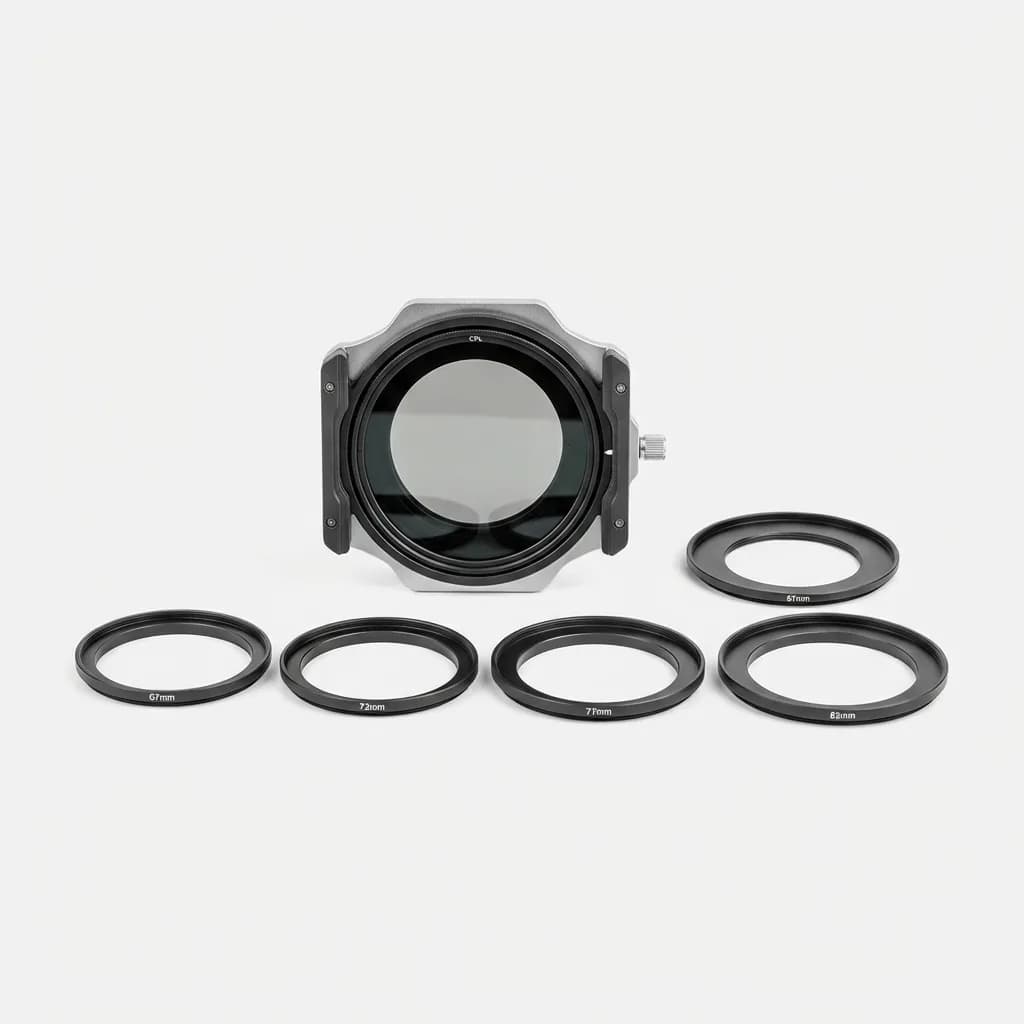
NiSi V6 100mm Filter Holder Kit
See current price
Aluminum filter holder with CPL and three filter slots. Includes 67-82mm adapter rings. Compact design for mirrorless systems, landscape-focused build quality.
If you shoot primarily landscape photography with tripod time built into your workflow, square systems make sense. For run-and-gun travel - markets, street scenes, spontaneous light - skip them. Carry a CPL and a single ND, both screw-on, and move faster.
What About UV and Protection Filters?
UV filters made sense in the film era when UV light fogged emulsion. Digital sensors don't respond to UV wavelengths. The "protection" argument - a $30 filter saves a $1,500 lens - sounds logical until you realize a filter adds another air-to-glass surface that degrades sharpness, invites flare, and can shatter on impact and scratch the lens element it's meant to protect.
We ran tests with and without UV filters on identical compositions in backlit conditions. The filter introduced ghost flares in three out of five shots. Sharpness dropped measurably in corner resolution tests, especially at wide apertures. The protection benefit is real if you're shooting sandstorms or sea spray, but for general travel, lens hoods provide better defense against bumps and drops.
Skip the UV filter. Use a lens hood. If you need actual protection in harsh environments, spend the money on a high-quality clear protective filter with multi-coating from B+W or Hoya. Anything cheaper does more optical harm than physical good.
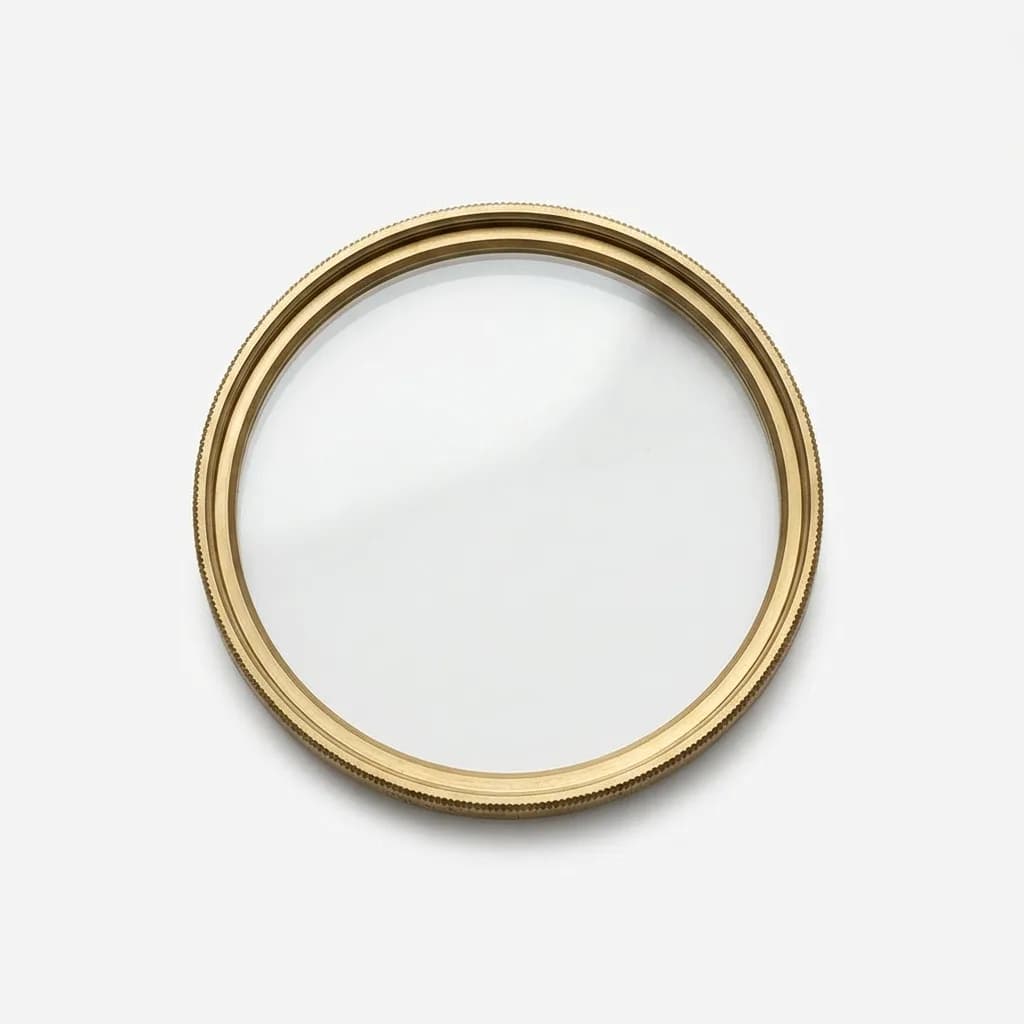
B+W Clear MRC 007M Protective Filter
See current price
Multi-resistant coating on optically clear glass. Brass mount, minimal impact on sharpness or color. For harsh conditions where protection outweighs optical purity.
How to Pack Filters for Travel
Filters get scratched, dropped, and lost when tossed loose in a camera bag. We use padded filter wallets with individual sleeves - cheap insurance for $100+ glass. Breakthrough Photography and Think Tank make compact cases that hold four to six filters in a package smaller than a deck of cards.
Screw filters on backward when not in use. The threads protect the glass, and it's immediately obvious the filter isn't mounted correctly. This prevents the mistake of shooting with a stacked ND and CPL when you only wanted the CPL (we've all done it).
Carry a microfiber cloth dedicated to filters. Fingerprints, dust, and water spots multiply when you're rotating a CPL or swapping filters in changing light. A clean filter takes two seconds to wipe. Cloning out dust spots in 200 images takes an afternoon.

Think Tank Pixel Sunscreen V3.0 Filter Wallet
See current price
Holds up to six filters up to 77mm in padded neoprene sleeves. Compact roll-up design, includes microfiber cleaning cloth. Protects glass from impacts and scratches.
Step-up rings let you use one filter across multiple lenses. Buy quality brass rings, not aluminum - they grip tighter and cross-thread less often. Keep them attached to smaller lenses so you're never hunting for the right ring when light is fading.
Filters That Don't Make the Cut
Variable ND filters promise convenience but deliver compromises. The X-pattern at maximum density ruins shots, and the "neutral" density often shifts warm or cool depending on rotation angle. For the same price as a good variable ND, you can own two fixed NDs and get better image quality.
Special effect filters - star filters, color grads, diffusion - had a moment in the 1980s. Modern photography moved past them. If you want a starburst effect, stop down to f/16. If you want color grading, do it in post where you have infinite control and can change your mind.
Close-up filters (diopters) let you focus closer without a macro lens, but image quality suffers. Rent or buy a real macro lens if close-up work matters. The optical compromises of a close-up filter are visible immediately in corner sharpness and chromatic aberration.
What We Pack
For most travel photography, two filters cover 95% of situations: a circular polarizer and a 6-stop ND, both sized to the largest lens in the kit. Add step-up rings, a filter wallet, and a microfiber cloth. Total weight: under 200 grams. Total cost: $200-$300 for quality glass that lasts decades.
The CPL handles reflections, deepens skies, and cuts haze. The 6-stop ND slows shutter speeds for motion blur. Everything else is either handled in-camera with settings or in post with software. Simplicity wins when you're covering ground, changing locations, and reacting to light.
Quality matters more than quantity. One excellent CPL outperforms three cheap filters combined. The glass between your subject and sensor determines sharpness, color accuracy, and flare resistance. Filters are the only accessory where budget compromises show up in every single frame.
Shoot with intention. Know when a filter improves the shot versus when it's just another thing between you and the image. Polarizers and NDs have clear use cases rooted in physics. Everything else is optional at best, detrimental at worst. Keep it simple, keep it light, and spend money on glass that matters.
The Weekly Dispatch
Enjoying this article?
Subscribe and get our best gear picks delivered every Sunday morning.
Related Stories
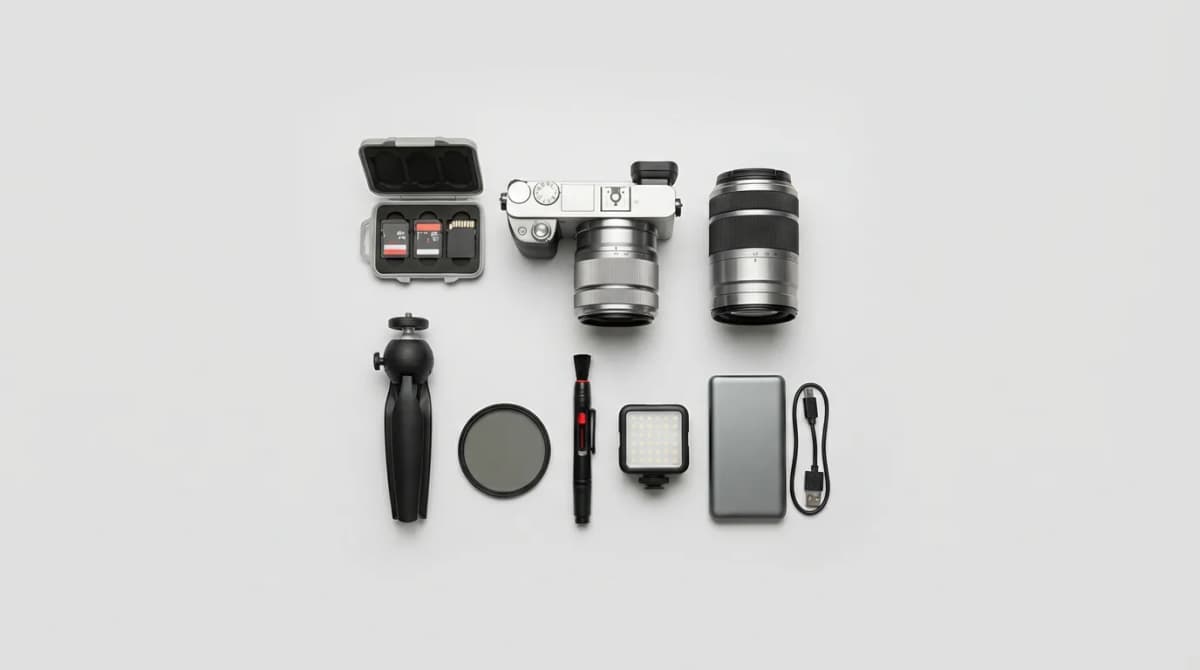
Best Travel Photography Kit Under $500
Build a complete travel photography kit for under $500. Real-world camera body, lens, and accessory recommendations that prioritize portability without sacrificing image quality.
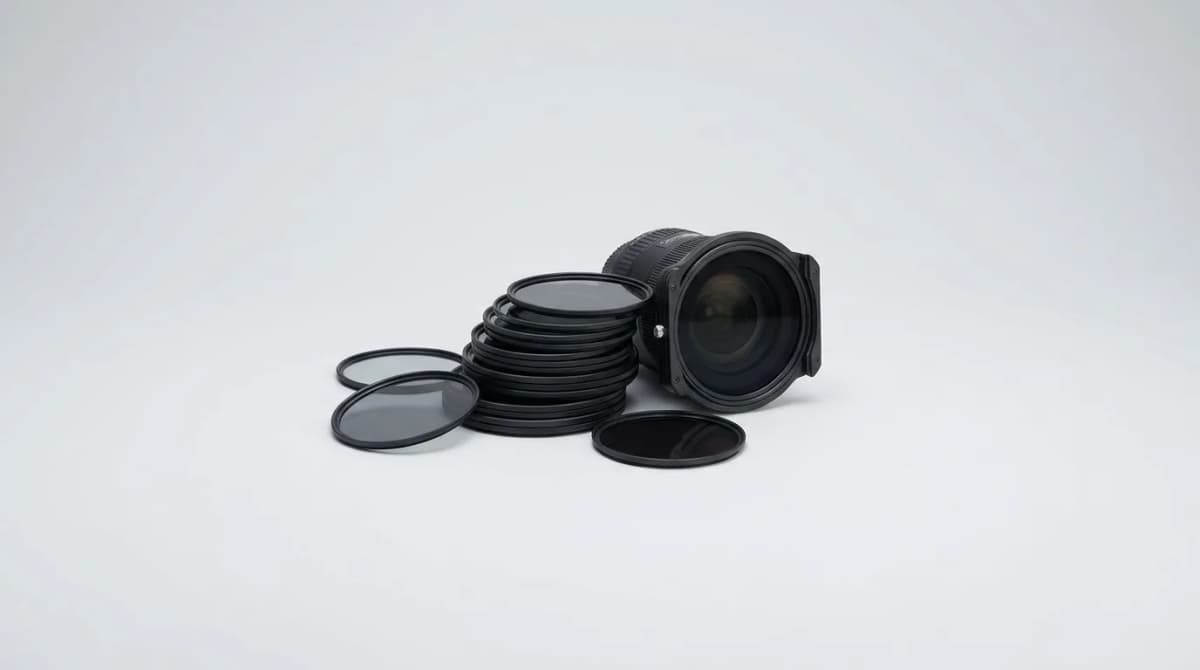
ND Filters Explained for Beginners
Learn how ND filters control light, what the stop numbers mean, and which filter strength you actually need for photography and video work.
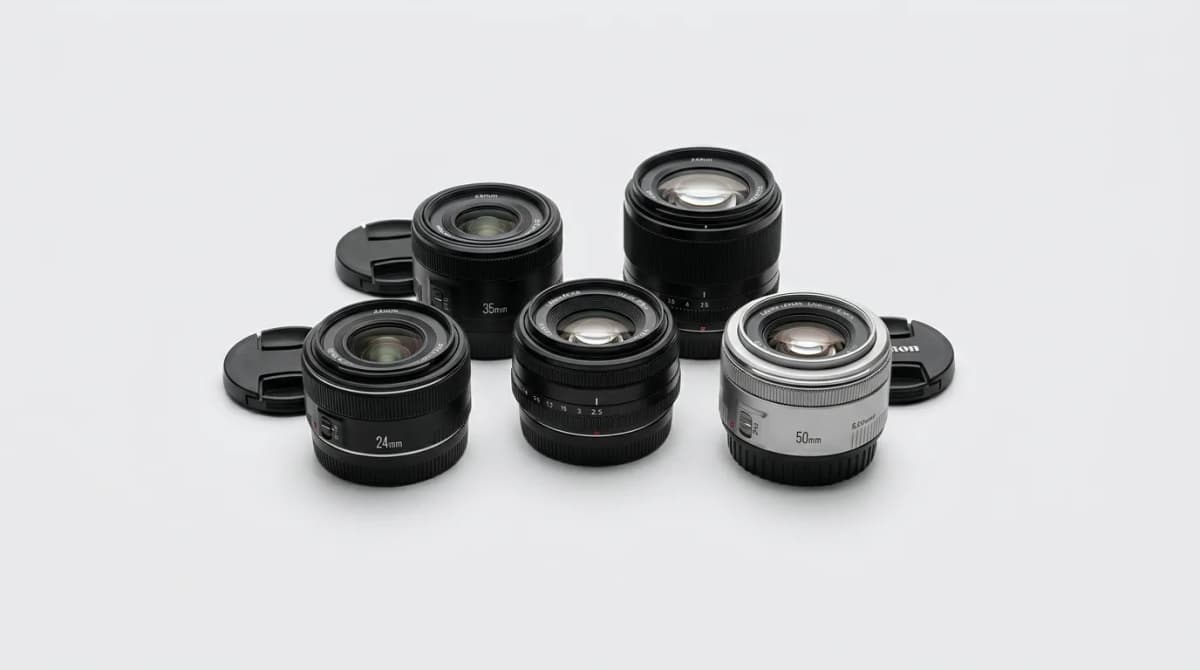
Small Prime Lenses for Travel: Why They Beat Zooms
Small prime lenses deliver sharper images and better low-light performance than zoom lenses while saving critical weight in your travel kit.