Best Laptop Backpacks for Work and Commute
From padded laptop sleeves to organizational pockets, we break down what separates a great work backpack from one that will wreck your shoulders and your laptop.
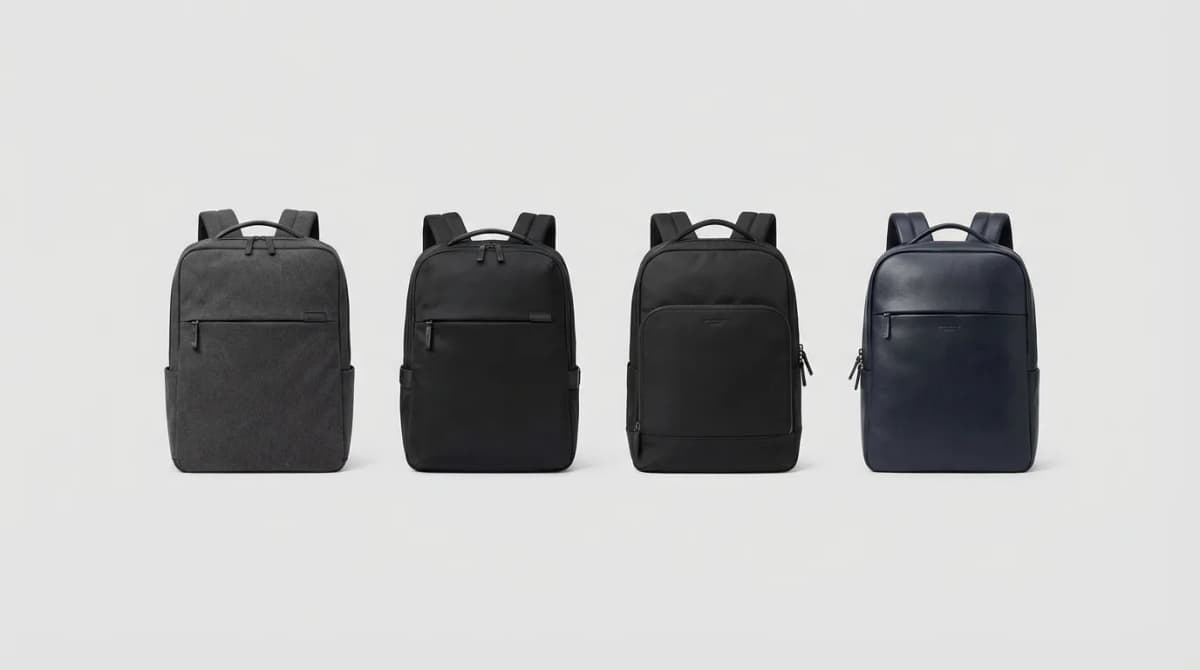
Your laptop costs more than most people spend on rent. The backpack protecting it probably cost you forty bucks on sale. That math doesn't add up.
A good laptop backpack does more than haul your gear from point A to point B. It distributes weight properly so your shoulders don't scream by noon. It keeps your laptop separated from the rest of your chaos. It survives getting tossed under airplane seats, dragged through train stations, and dropped on concrete while you fumble for your keys.
We've tested dozens of laptop backpacks across different price points and use cases. Some excel at organization but sacrifice comfort. Others prioritize minimalist aesthetics while leaving your charger tangled with your lunch. The best ones balance protection, ergonomics, and practical storage without looking like you're headed to a LAN party.
What Makes a Laptop Backpack Actually Protective
Most backpacks claim "padded laptop compartment" and call it a day. The padding matters, but placement matters more.
A dedicated laptop sleeve should sit against your back, closest to your body. This positioning keeps the weight centered and protects the laptop from external impacts. Sleeves that face outward expose your laptop to every bump and fall. We've seen too many cracked screens from backpacks that prioritized easy access over proper protection.
Padding thickness varies wildly. Cheap foam compresses after a few months and loses its protective qualities. High-density EVA foam or fleece-lined compartments maintain their structure longer. Look for at least 10mm of padding on all sides, not just the back panel.
Suspension matters as much as padding. The laptop compartment should be suspended away from the bottom of the bag. If your backpack hits the ground, that suspended design absorbs the shock before it reaches your laptop. Backpacks without this feature transfer impact directly to your device.
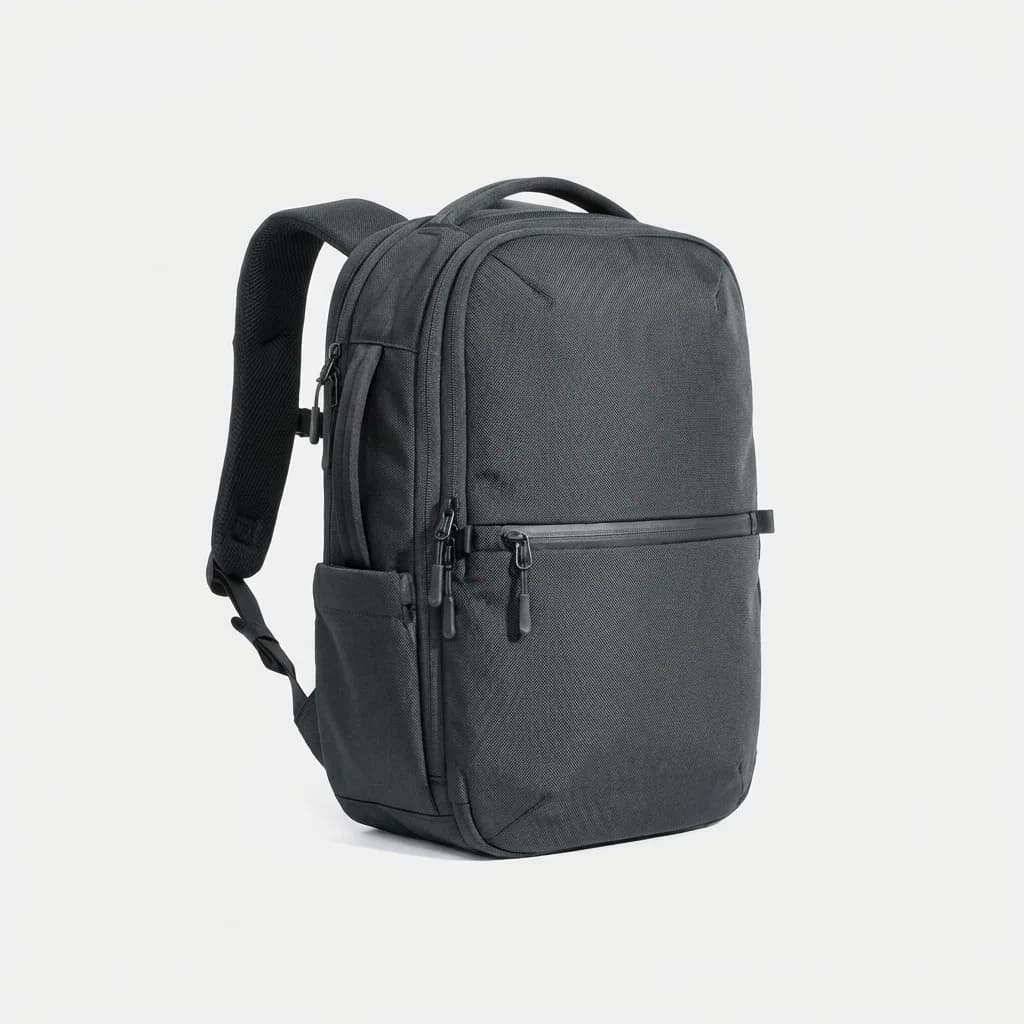
Aer Tech Pack 2
$230
Dedicated laptop and tablet compartments with full suspension system, quick-access top pocket, and water-resistant 1680D Cordura construction that actually protects your gear.
Size compatibility gets overlooked. A 13-inch laptop sleeve won't properly secure a 16-inch machine, and an oversized sleeve lets your laptop slide around during transit. Measure your laptop's actual dimensions, including thickness with the case on if you use one. Most backpacks specify compatible screen sizes, but thickness and bezels vary between manufacturers.
Comfort Features That Actually Matter on Long Commutes
Shoulder straps look identical until you've carried 20 pounds for three miles. Width, padding distribution, and curve design separate the comfortable from the unbearable.
Straps should be at least 2 inches wide at their narrowest point. Anything thinner concentrates weight into pressure points. Look for straps with graduated padding - thicker at the shoulder, tapering toward the sternum. This design distributes load across more surface area.
Mesh backing on straps prevents the sweaty-back situation that happens during summer commutes. Solid foam or fabric traps heat and moisture. Spacer mesh creates airflow channels that actually work. The difference becomes obvious after 15 minutes of walking.
Sternum straps and hip belts shift weight off your shoulders. Most people skip them on daily commuters, but they make a measurable difference when your bag weighs more than 15 pounds. A sternum strap pulls the shoulder straps together, preventing them from sliding off your shoulders. Hip belts transfer weight to your pelvis, taking load off your back entirely.
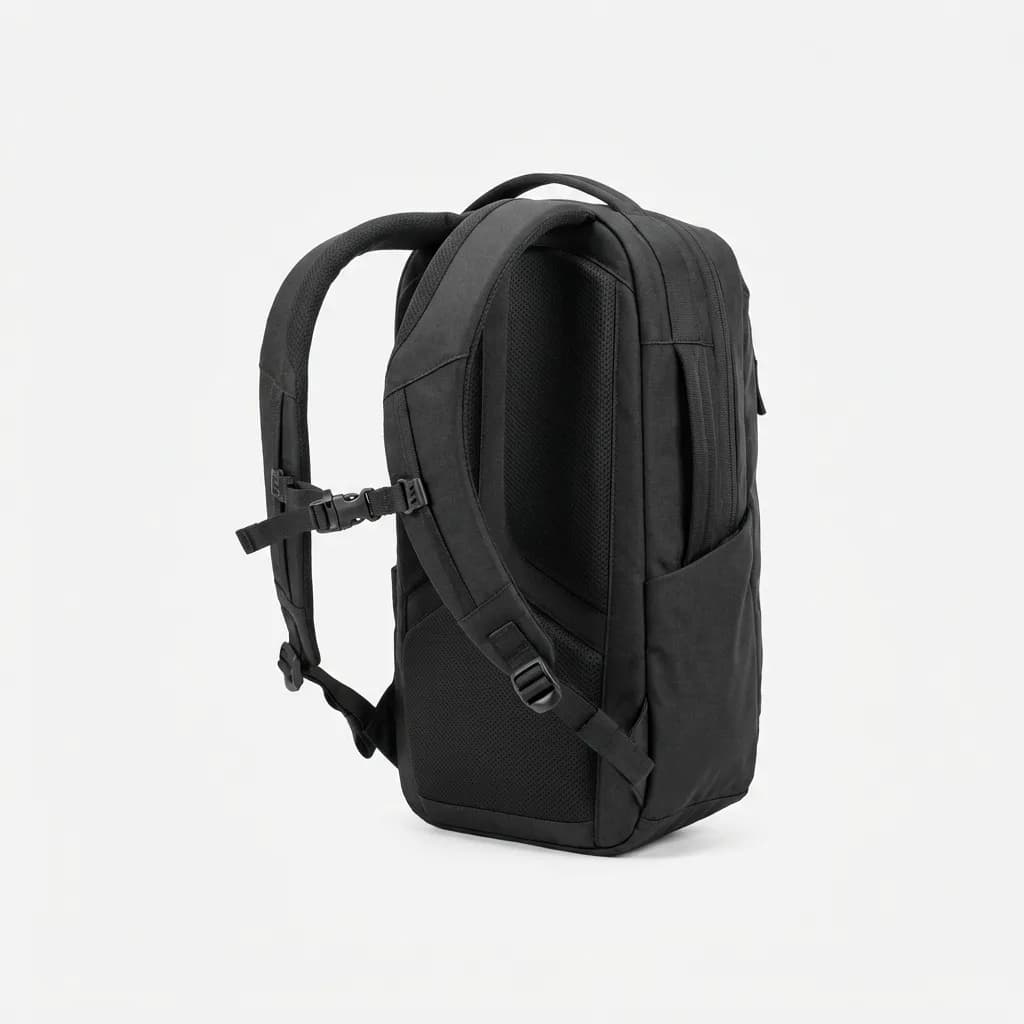
Evergoods Civic Panel Loader 24L
$255
Contoured shoulder straps with dense EVA foam, adjustable sternum strap, and ventilated back panel designed for all-day comfort during extended commutes up to 25 pounds.
Back panel design affects comfort more than most people realize. A completely flat back panel creates a large contact area but traps heat. Channeled designs with raised sections allow airflow while maintaining support. Some backpacks use tensioned mesh that suspends the bag slightly away from your back - effective for ventilation but reduces stability.
Weight distribution depends on how the bag is packed, not just how it's designed. Pack heavy items (laptop, books, water bottle) close to your back, near the top of the bag. Light items (jacket, lunch, papers) go toward the front and bottom. This positioning keeps your center of gravity stable and prevents the bag from pulling you backward.
Organization Systems: Useful vs Excessive
Twenty pockets sounds great until you can't remember which one holds your charging cable.
Effective organization creates designated zones, not just more compartments. A good work backpack should have three distinct areas: tech gear, daily essentials, and quick-access items. Mixing these categories leads to the fumbling-through-your-bag-at-security-checkpoint disaster.
Tech organization starts with the laptop sleeve, but cables and accessories need their own space. Elastic loops, zippered pouches, and slip pockets keep chargers separated from mice, adapters, and dongles. Without this organization, cables tangle into an impossible knot that you'll give up on and just buy new ones.
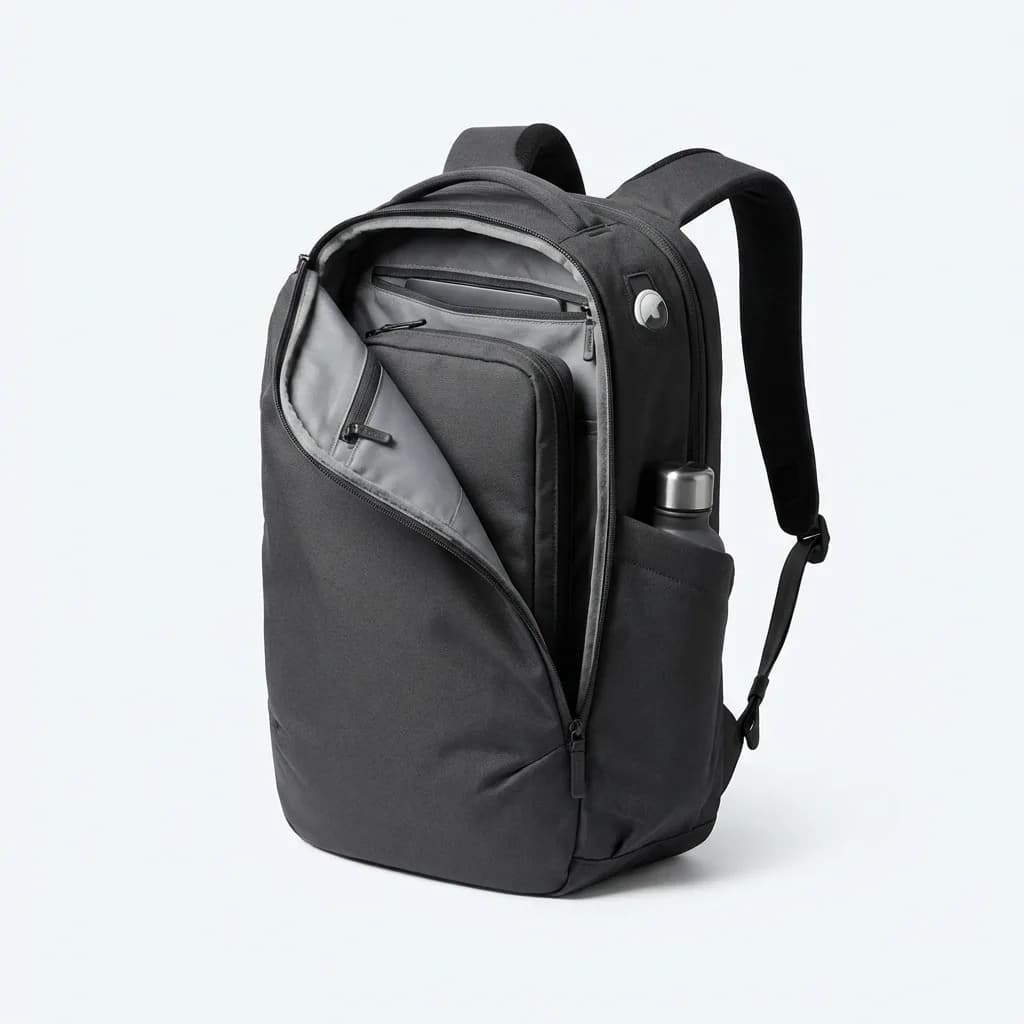
Bellroy Transit Backpack Plus
$219
Clever internal organization with dedicated tech pouch, magnetic water bottle pockets, hidden AirTag slot, and quick-access top compartment without overdoing the pocket count.
Daily essentials need predictable placement. A dedicated pocket for your wallet, keys, and phone prevents the morning panic search. Interior key clips keep keys from disappearing into the void. Sunglasses pockets with soft lining protect lenses from scratches.
Quick-access pockets should hold items you need without taking off the pack. Transit cards, snacks, earbuds, and hand sanitizer belong here. Top-loading or side-zip designs work better than front pockets that require unzipping the entire main compartment.
Water bottle pockets create a dilemma. External mesh pockets are easy to access but bulge awkwardly and catch on everything. Internal pockets protect bottles but sacrifice main compartment space. Side-zip access pockets split the difference, keeping bottles contained but reachable.
Too many pockets creates decision paralysis. If you're standing in the airport wondering which of seven compartments holds your passport, the organization system has failed. Limit pockets to those with specific, memorable purposes.
Are Expensive Laptop Backpacks Worth the Premium
A $200 backpack sounds absurd until you've replaced three $50 ones in two years.
Material quality determines longevity more than brand reputation. Ballistic nylon (1050D or higher) resists tears and abrasion better than standard polyester. YKK zippers survive thousands of open-close cycles. Waterproof coatings that actually repel water instead of absorbing it after three months.
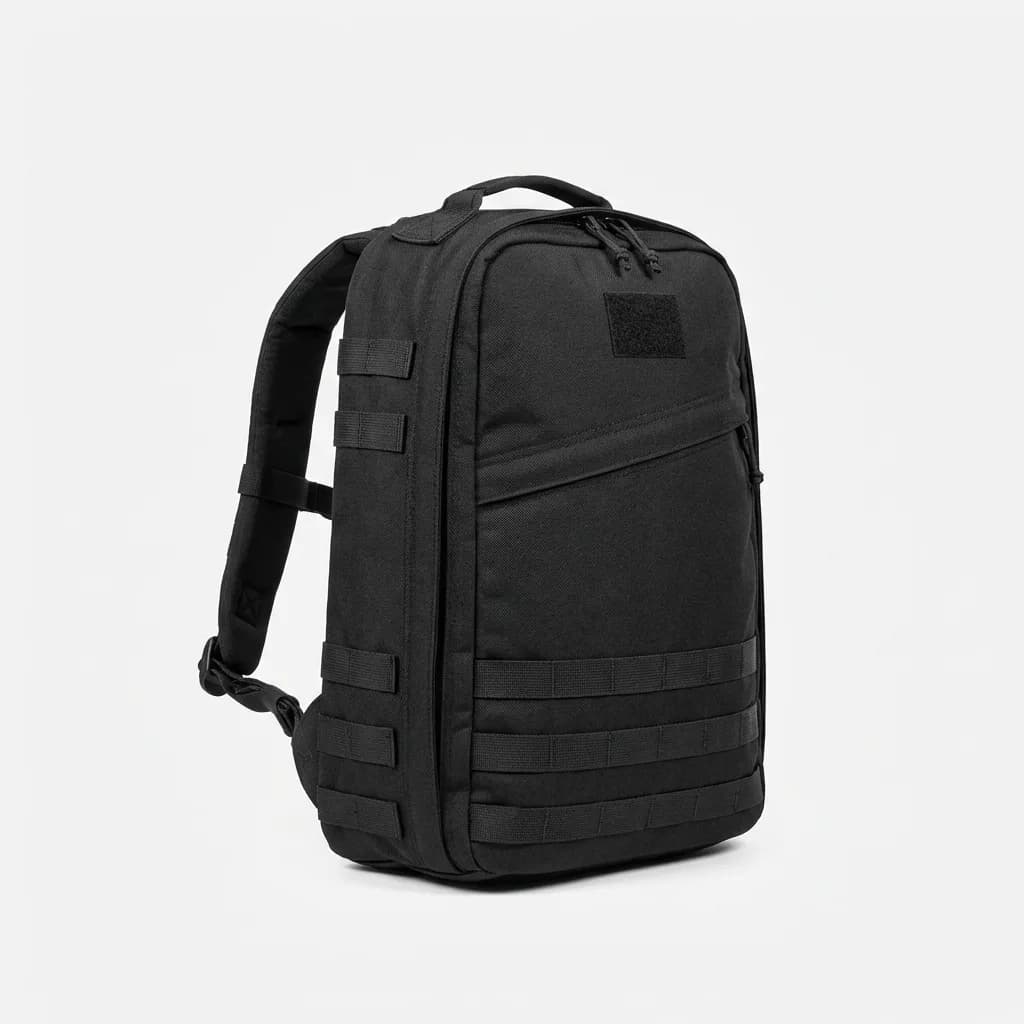
GORUCK GR1
$325
Bombproof 1000D Cordura construction with lifetime guarantee, internal frame sheet for structure, MOLLE webbing for customization, and legendary durability that outlasts cheaper alternatives.
Construction details reveal quality fast. Reinforced stress points at handle attachments and strap anchors prevent the common failure points. Bartack stitching at high-load areas adds strength without bulk. Sealed seams keep water out during unexpected downpours.
Warranty coverage indicates manufacturer confidence. Lifetime warranties suggest the company expects the bag to last. One-year warranties signal planned obsolescence. Read the fine print - some warranties exclude normal wear, zippers, and fabric, which defeats the purpose.
Premium backpacks hold resale value. A well-maintained $250 backpack sells for $150-180 used. A $50 backpack has zero resale value and usually breaks before you'd consider selling it. The effective cost per year favors quality.
Budget options exist that don't compromise core features. You're paying for materials and construction, not branding. A $120 backpack from a lesser-known manufacturer with 1000D fabric and good reviews beats a $150 branded bag made from 600D polyester.
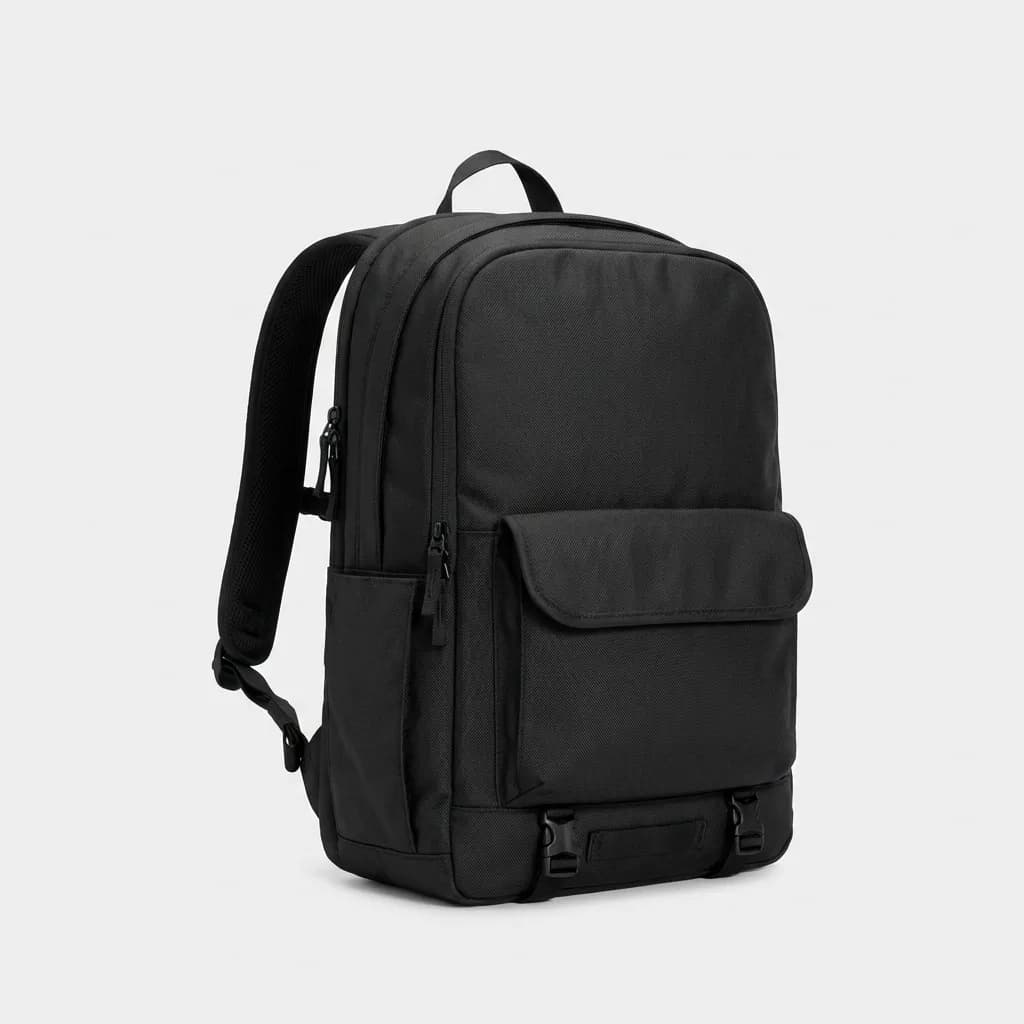
Timbuk2 Authority Laptop Backpack Deluxe
$129
Solid mid-range option with TPU-coated ballistic nylon, dedicated laptop and tablet sleeves, organized interior pockets, and Timbuk2's lifetime warranty at a reasonable price point.
Style Considerations for Professional Environments
Your backpack broadcasts your professionalism before you open your mouth in that meeting.
Sleek, minimal designs with clean lines read as professional. Excessive branding, bright colors, and tactical webbing scream student or gamer. Black, navy, and gray remain safe choices for conservative workplaces. Structured silhouettes that maintain their shape look more polished than bags that collapse when empty.
Hybrid briefcase-backpack designs offer versatility. Hideaway shoulder straps let you switch between backpack and briefcase modes depending on the situation. Carry handles on top allow briefcase-style transport for short distances or client meetings.
Material finish affects perceived formality. Leather or leather-trimmed bags elevate professionalism but require maintenance and add weight. Coated canvas offers durability with a refined appearance. Technical fabrics work for tech industry or creative fields but may look too casual for law or finance.
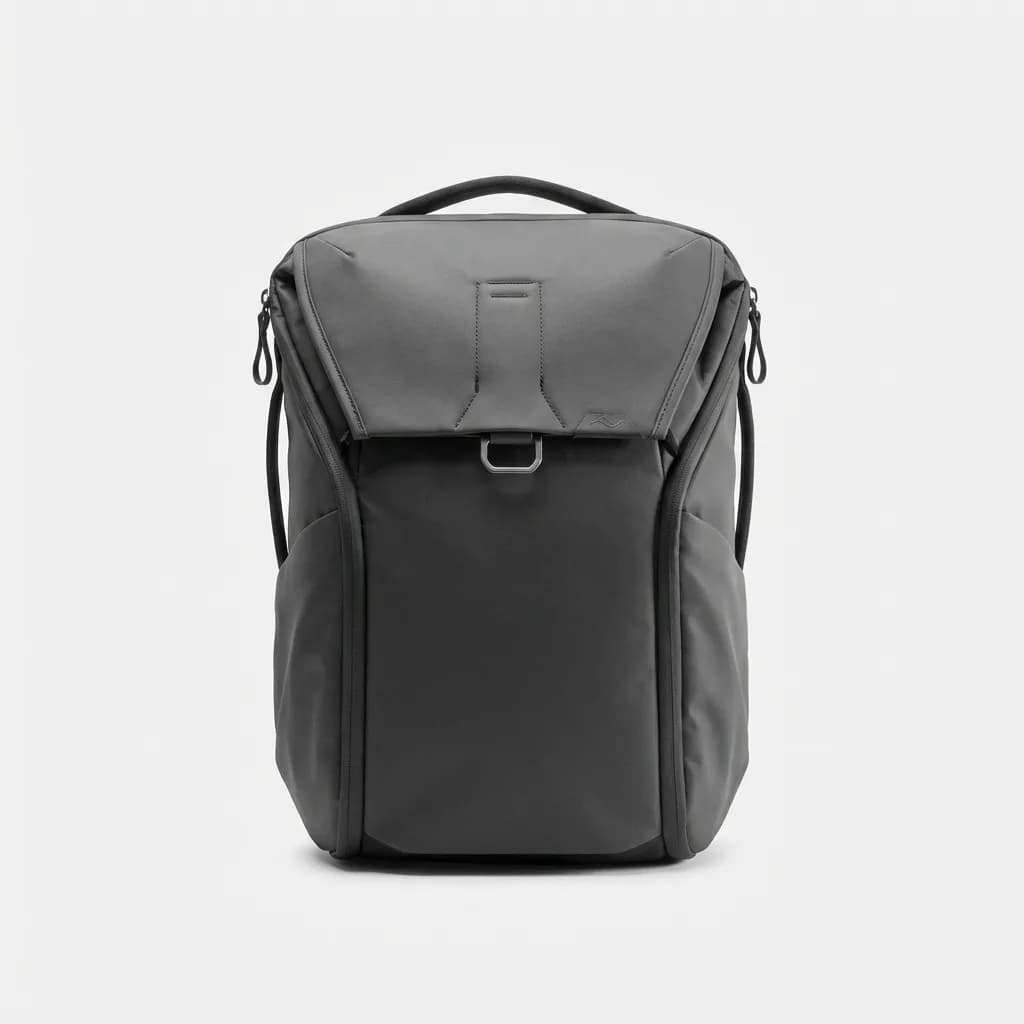
Peak Design Everyday Backpack 20L
$279
Photography-inspired design that works brilliantly for tech gear, with weatherproof shell, expandable capacity, magnetic latch system, and aesthetic that bridges professional and creative environments.
Size matters for professional contexts. Oversized backpacks look juvenile in business settings. A 20-25L capacity handles laptop, documents, and daily essentials without looking like you're moving apartments. Slim profiles fit under conference room chairs and airplane seats without the awkward shoving.
Some industries don't care about backpack aesthetics. Tech companies, startups, and creative agencies prioritize function over formal appearance. Know your workplace culture before investing in a leather-trimmed bag you'll never use.
Common Mistakes When Choosing a Commuter Backpack
Buying for capacity you'll never use ranks as mistake number one. A 35L backpack seems practical until you realize it weighs four pounds empty and encourages overpacking. Match capacity to actual daily needs, not hypothetical camping trips.
Ignoring weight distribution causes long-term shoulder and back problems. A backpack that feels fine in the store feels different after 45 minutes on the subway. Test bags with realistic weight - bring your laptop and a few books to the store. Walk around for ten minutes. Your shoulders will tell you if the strap design works.
Overlooking weather resistance leads to wet laptops and ruined documents. Water-resistant doesn't mean waterproof. Most backpacks handle light rain but fail in downpours. Look for welded seams, waterproof zippers, or included rain covers if you commute in wet climates.
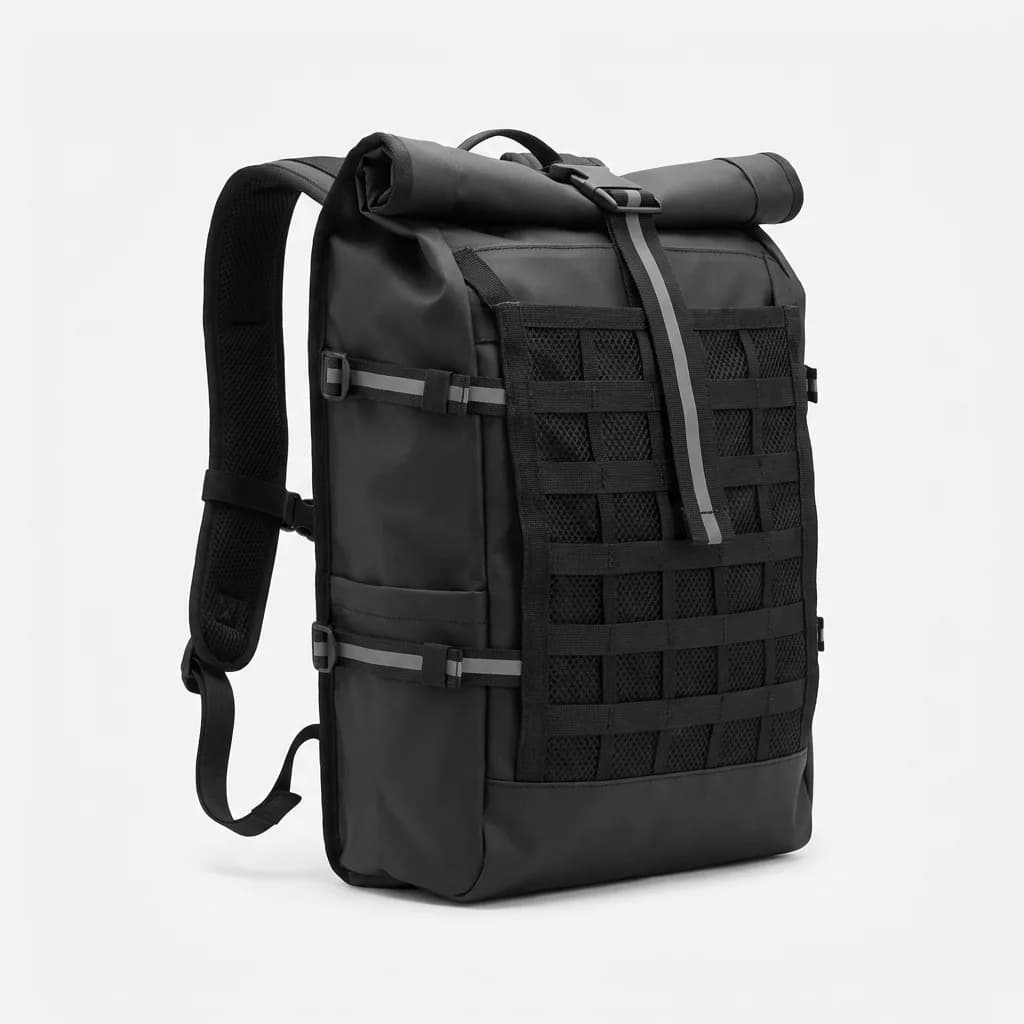
Chrome Industries Barrage Cargo Backpack
$165
Fully waterproof welded construction with roll-top closure, military-spec materials, reflective details for bike commuters, and bomber durability for all-weather daily use.
Prioritizing aesthetics over ergonomics creates buyer's remorse fast. That minimalist backpack with ultra-thin straps looks great on Instagram and terrible on your shoulders after a week. Function trumps form for daily carry.
Forgetting about cleaning and maintenance shortens bag life. Most backpacks can't go in washing machines. Spot-cleaning with mild soap keeps fabric fresh. Empty and air out your bag monthly to prevent the mysterious smell that develops in dark corners.
Security features get ignored until something gets stolen. Lockable zippers, hidden pockets, and RFID-blocking compartments add peace of mind during crowded commutes. A theft-proof backpack won't stop a determined thief but deters opportunists.
The Right Backpack Depends on Your Specific Commute
Bike commuters need different features than train riders. Reflective details, compression straps, and water resistance become critical when you're riding in traffic and weather. Ventilated back panels prevent the soaked-shirt situation that happens with non-breathable designs.
Public transit commuters prioritize slim profiles and anti-theft features. Bulky bags annoy everyone on crowded trains. Lockable zippers and slash-resistant materials protect against pickpockets. Quick-access pockets hold transit cards without opening the main compartment.
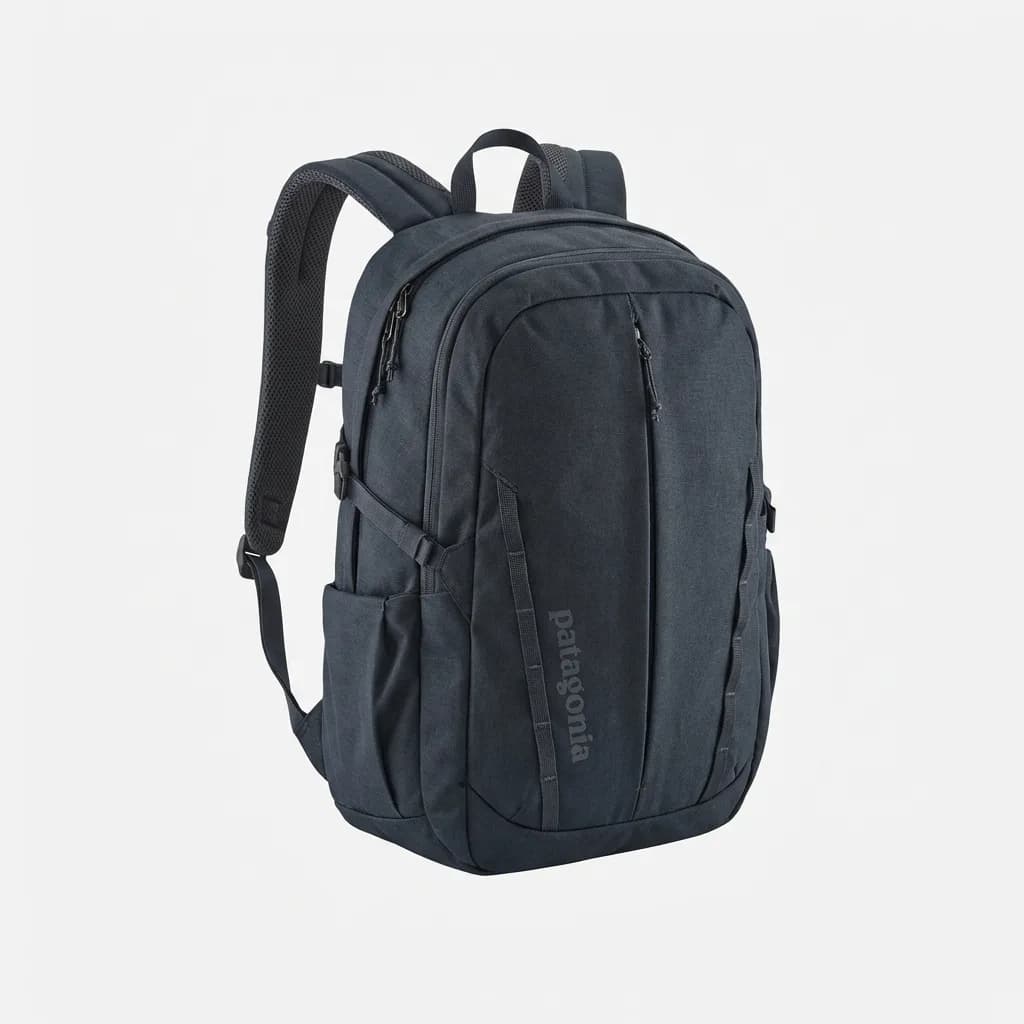
Patagonia Refugio Backpack 28L
$99
Versatile commuter pack with padded 15-inch laptop sleeve, breathable shoulder straps, external daisy chains for bike lights, and 100% recycled materials with Fair Trade certification.
Walking commuters need maximum comfort and weather protection. Padded straps, hip belts, and proper weight distribution matter more when you're covering distance on foot. Rain covers or waterproof construction protect gear during unexpected weather.
Car commuters can prioritize organization over comfort since carry time is minimal. Weight and ergonomics matter less when you're moving bag from car to desk. Focus on interior organization and professional appearance.
Mixed-mode commuters need the most versatile option. A bag that works for biking, trains, and walking requires compromises but shouldn't sacrifice core laptop protection and comfort. Modular designs with removable components adapt to different situations.
Your commute distance and frequency determine how much you should spend and what features you actually need. A ten-minute walk doesn't require the same specs as an hour-long multi-modal journey. Be honest about your use case before spending premium money on features you won't use.
The right laptop backpack protects your expensive gear, keeps you comfortable during daily commutes, and organizes your life enough to find your charger when you need it. Everything else is marketing.
The Weekly Dispatch
Enjoying this article?
Subscribe and get our best gear picks delivered every Sunday morning.
Related Stories
Best Teacher Backpack with Laptop Compartment
Teachers need backpacks that protect laptops, organize supplies, and survive daily use. We found options that balance durability, organization, and comfort.
Best Work Backpack with Hidden Pockets 2026
Hidden pockets do more than organize. These work backpacks keep valuables secure from pickpockets while looking professional enough for the office.
Best Waterproof Backpack for Motorcycle Commuting
Riding through rain with soaked gear is miserable. These waterproof backpacks keep your laptop, clothes, and essentials bone-dry during motorcycle commutes.