Best Foam Roller for Back Pain Relief 2026
The right foam roller targets trigger points without bruising muscle tissue. We tested density, surface patterns, and core stability across price points.
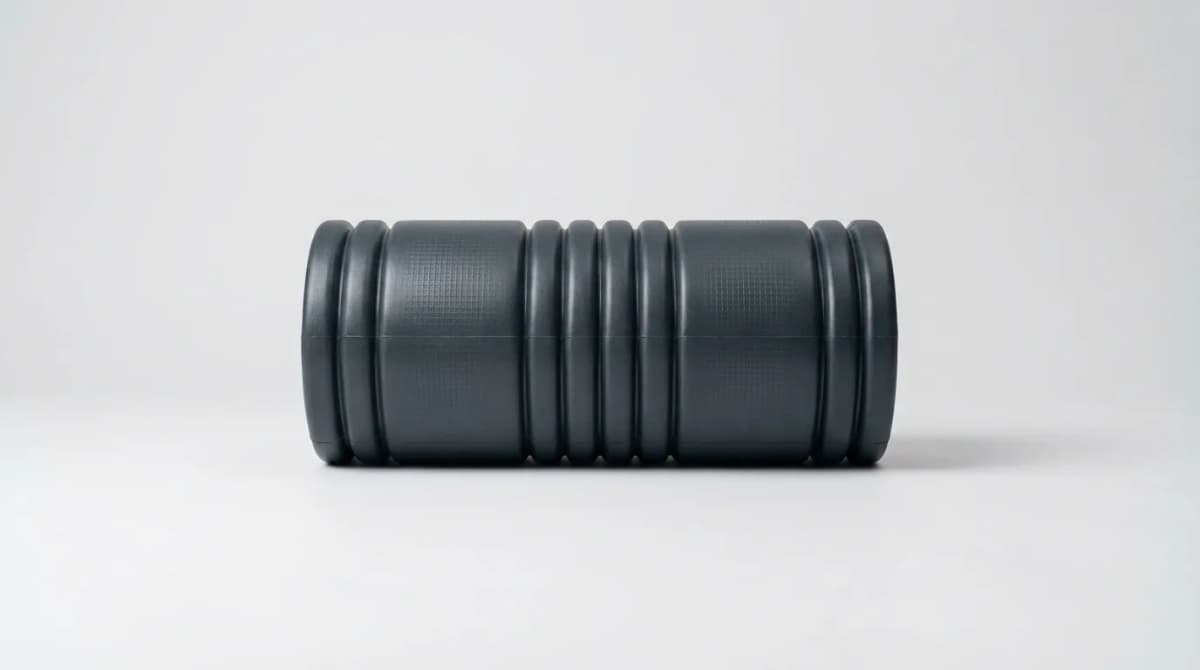
Lower back tightness hits differently after hours at a desk or a hard workout. The wrong foam roller either does nothing or leaves you bruised. The right one releases tension in the thoracic spine and lumbar region without requiring a pain tolerance you don't have.
Foam roller selection comes down to three factors: density firmness, surface texture design, and core construction. A hollow core provides targeted pressure without collapsing. Surface patterns determine whether you get broad muscle relaxation or pinpoint trigger point release. Density affects how deep the pressure goes and how quickly the roller breaks down with regular use.
We tested rollers across firmness levels, price points, and surface designs. Some excel at broad back relief. Others target specific problem areas like the trapezius or lower lumbar. Here's what actually works.
High-Density Rollers for Deep Tissue Work
Hard rollers aren't for everyone, but they deliver the deepest myofascial release. The TriggerPoint Grid uses a hollow core with EVA foam surface patterns. The grid design has three zones: flat sections for broad strokes, tubular sections that mimic fingertips, and raised sections for deeper work.
The 13-inch length covers the full width of your back in one pass. Density is firm enough that it won't compress under body weight, even for heavier users. The hollow core maintains structural integrity better than solid foam rollers that develop flat spots after months of use.
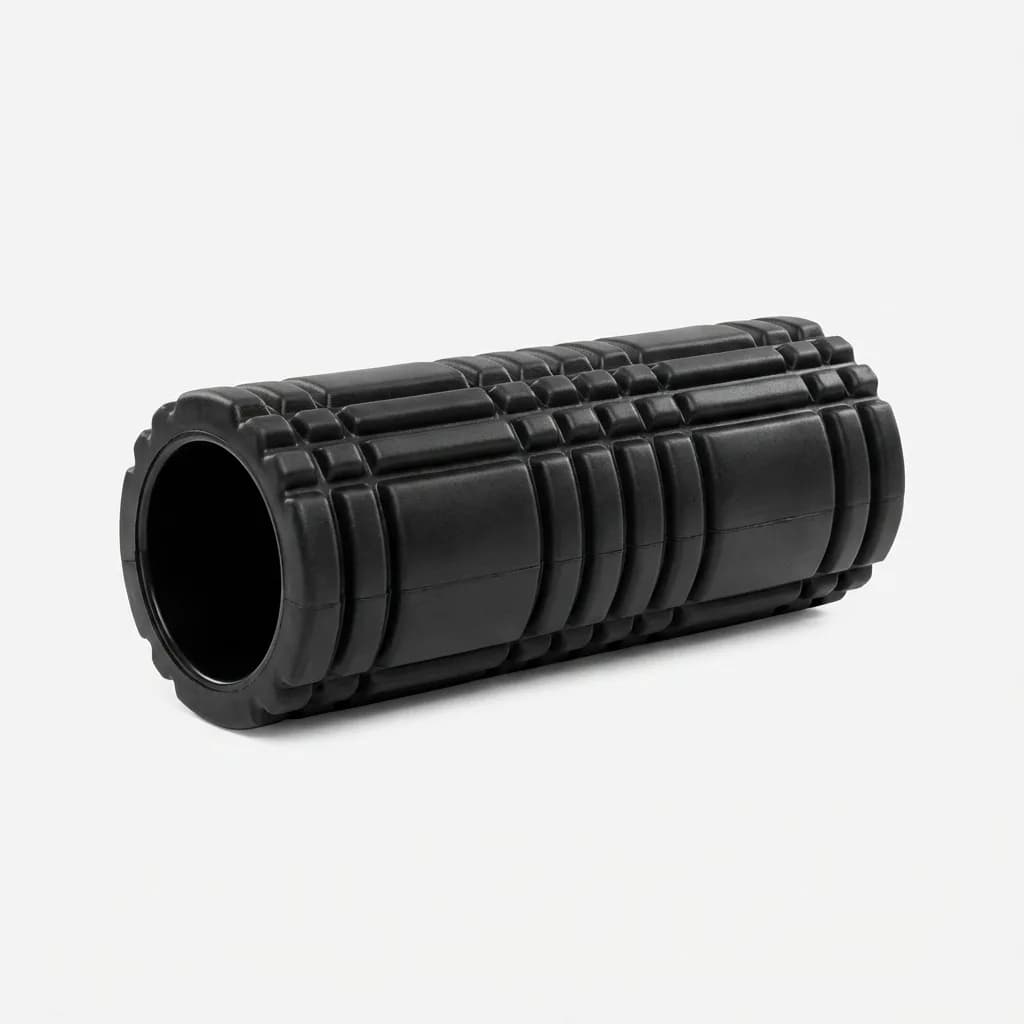
TriggerPoint Grid Foam Roller
$35
EVA foam surface with three-zone grid pattern for varying pressure depths. 13-inch hollow core design supports up to 500 pounds without deforming.
For users who find standard high-density rollers too intense, the LuxFit has a slightly softer EPP (expanded polypropylene) construction. It's still firm, but EPP has more give than EVA foam. The smooth surface works better for rolling the length of the spine without catching on clothing.
The 36-inch length lets you position the roller lengthwise along your spine for thoracic extension stretches. This is harder to do with shorter rollers that don't support your full back length.
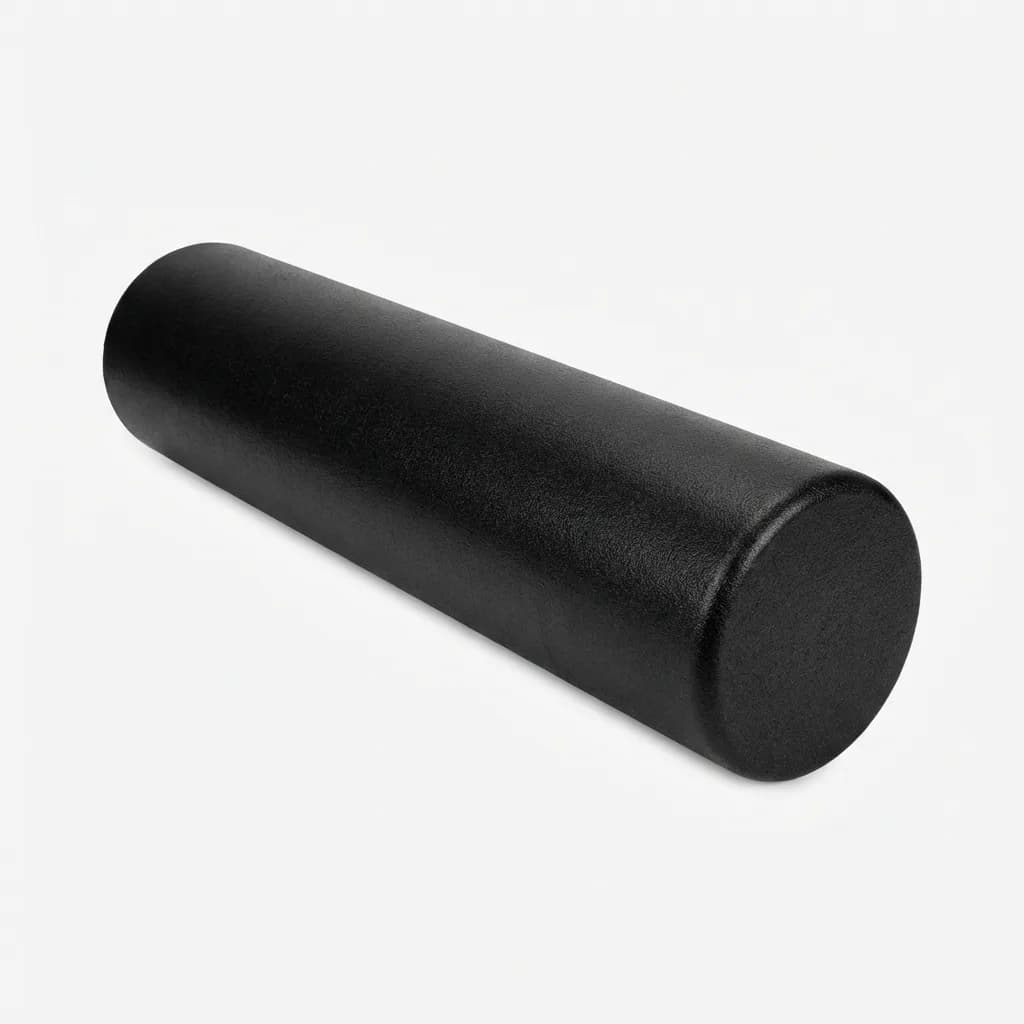
LuxFit Premium High-Density Foam Roller
$28
36-inch EPP foam roller with smooth surface for spine-length stretches. Firm compression without the hardness of EVA foam grid designs.
Textured Rollers for Targeted Trigger Point Release
Smooth rollers spread pressure across large muscle groups. Textured surfaces concentrate force on specific trigger points, similar to a deep tissue massage. The trade-off is comfort. Textured rollers hurt more initially but can release stubborn knots that smooth rollers miss.
The RumbleRoller has raised bumps that flex and grip muscle tissue as you roll. The bumps are firm enough to reach deeper layers but soft enough that they won't leave you bruised after a single session. Spacing between bumps is wider than other textured designs, which reduces overall intensity.
Available in multiple firmness levels. The standard density works for most users. The extra-firm version is genuinely aggressive and requires building up tolerance over several sessions.
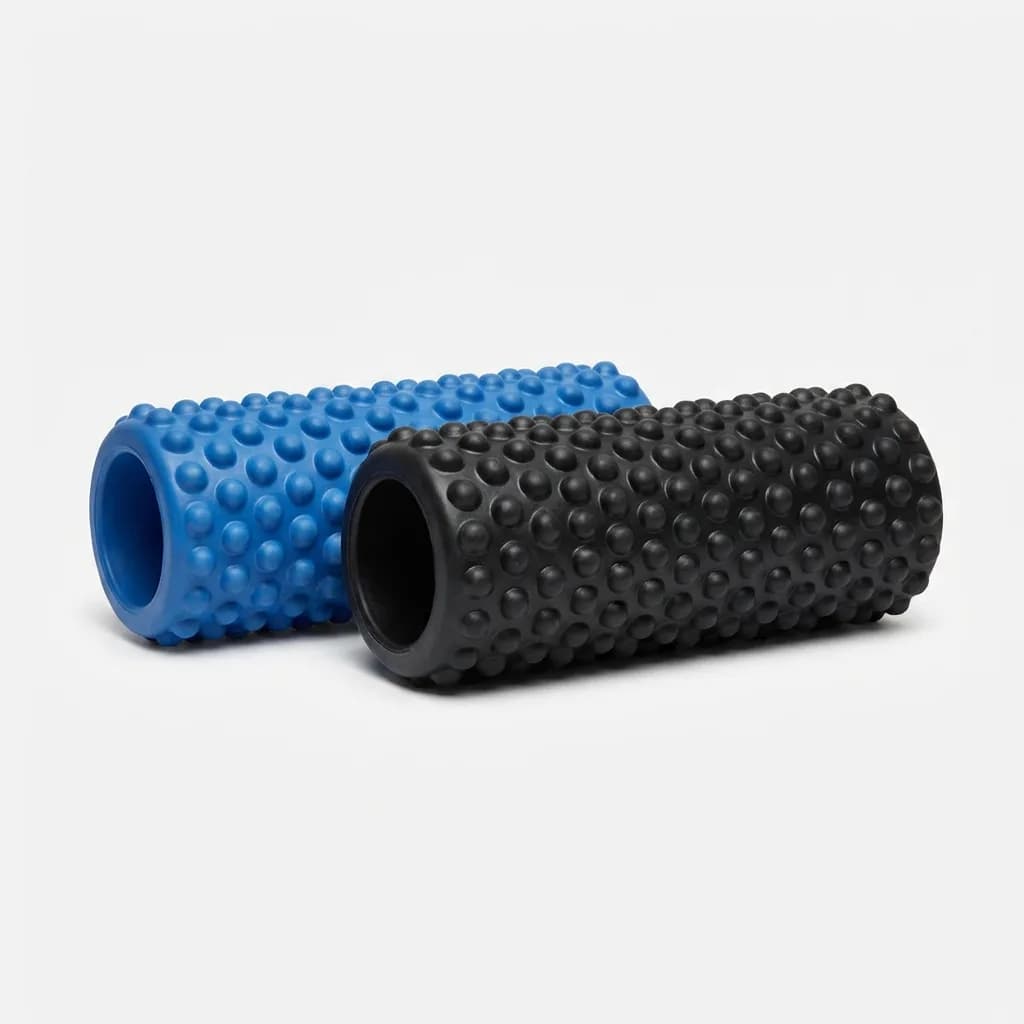
RumbleRoller Textured Muscle Foam Roller
$40
Raised flexible bumps grip and manipulate soft tissue. Available in standard and extra-firm density levels for progressive myofascial release.
The 321 Strong Foam Roller uses a spine-specific channel design with a recessed center groove. This lets you roll directly on paraspinal muscles without putting pressure on the vertebrae themselves. The grooved design reduces discomfort when rolling the length of the spine and allows more targeted pressure on the erector spinae muscles.
Surface texture is moderate, less aggressive than the RumbleRoller but more effective than smooth EVA foam. Good middle-ground option if you want texture benefits without the intensity.
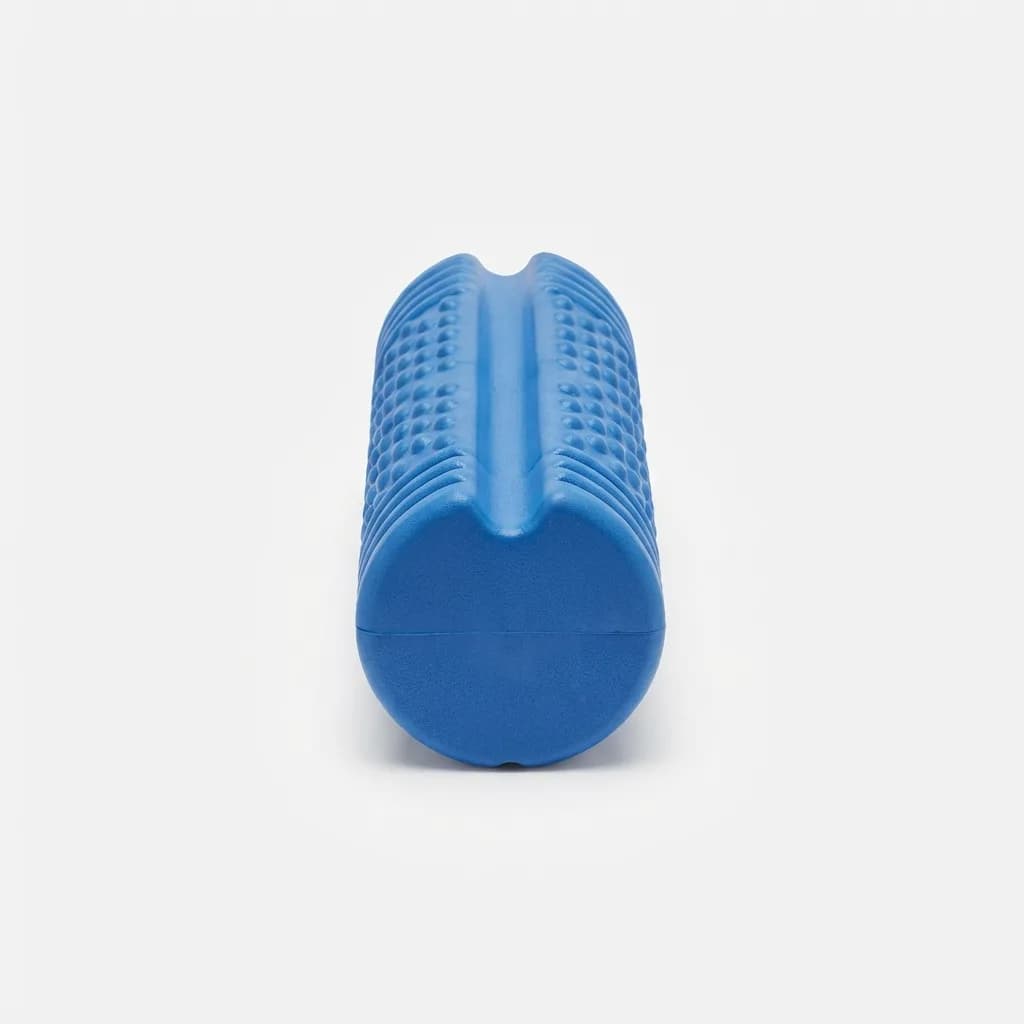
321 Strong Foam Roller with Spine Channel
$26
Center groove design keeps pressure off vertebrae while targeting paraspinal muscles. Moderate surface texture for myofascial release without excessive discomfort.
Medium-Density Options for Daily Use
High-density rollers work for dedicated recovery sessions, but they're too intense for everyday maintenance. Medium-density foam provides enough pressure for effective rolling without the discomfort that prevents consistent use.
The AmazonBasics roller uses molded EPP foam in a standard 36-inch length. Density is noticeably softer than TriggerPoint or LuxFit models. This makes it better for rolling upper back and shoulder areas where bone is closer to the surface and pain tolerance is lower.
The smooth surface won't catch on shirts, and the lighter density means you can use it daily without beating yourself up. Less effective for deep trigger point work, but better for general muscle tension and improving thoracic mobility.
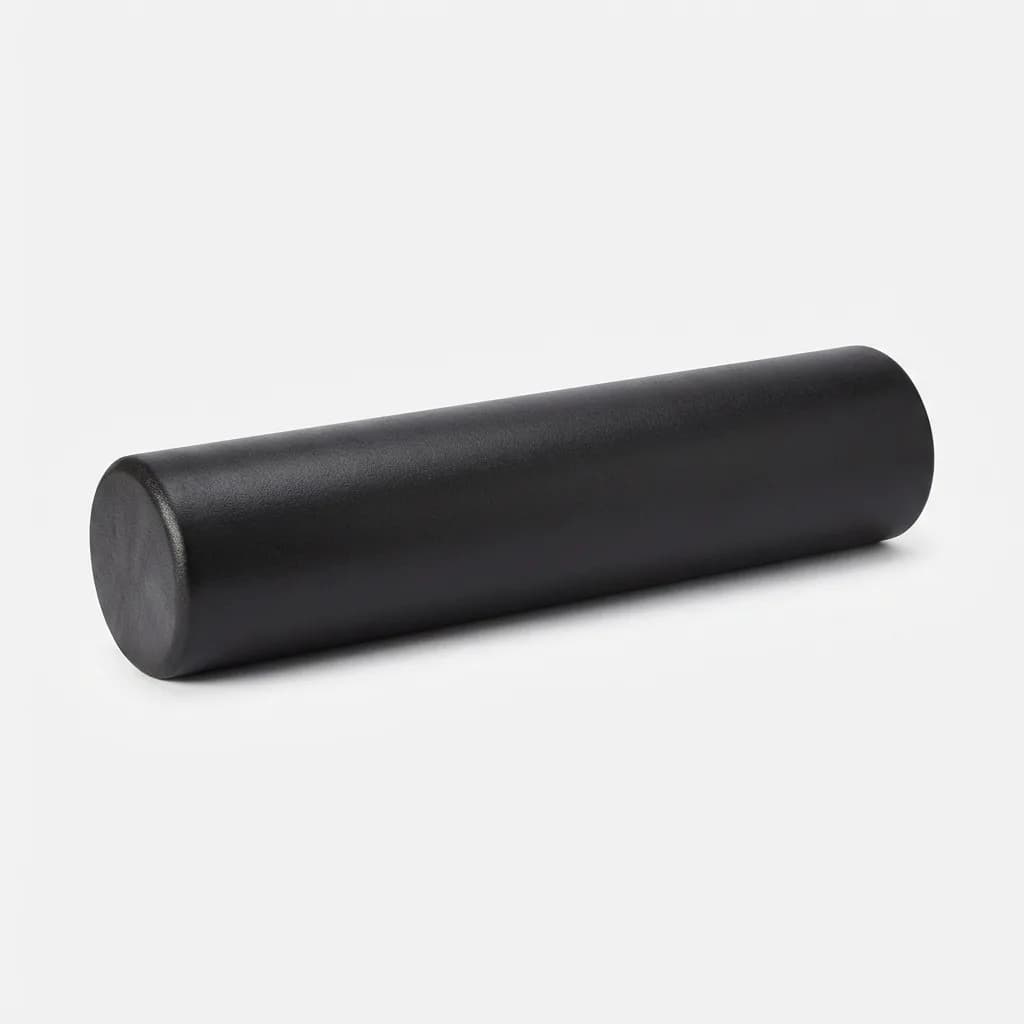
AmazonBasics High-Density Round Foam Roller
$18
36-inch EPP foam with medium-firm density for comfortable daily rolling. Smooth surface and lower compression intensity for upper back and shoulder work.
Should You Get a Vibrating Foam Roller?
Vibration adds a recovery modality but significantly increases cost. The Hyperice Vyper 3 combines high-density foam construction with three vibration intensity settings. Vibration frequency ranges from 30Hz to 70Hz, which can enhance blood flow and reduce muscle soreness perception during rolling.
The hollow core houses the battery and motor assembly. Weight increases to 3.5 pounds compared to 1-2 pounds for non-vibrating models. Battery life is about 2 hours of continuous use per charge.
Whether vibration is worth the extra $80-100 depends on how much you use a roller and whether you already do other recovery work. If you're foam rolling daily and have chronic back tension, the vibration can make sessions more effective. If you roll occasionally, the added cost doesn't justify marginal benefits.
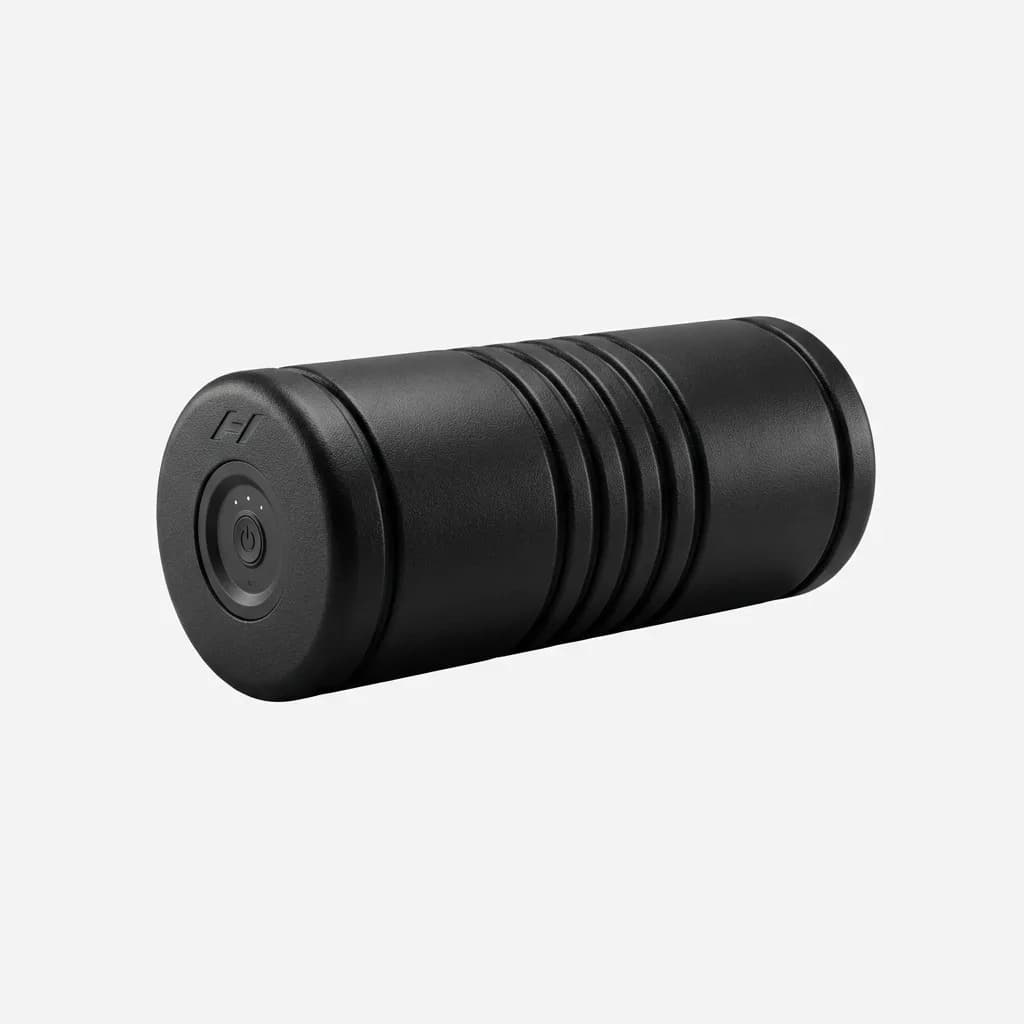
Hyperice Vyper 3 Vibrating Foam Roller
$150
Three-speed vibration (30Hz-70Hz) with high-density foam shell. Rechargeable battery provides 2 hours of use for enhanced muscle recovery and reduced soreness.
What About Softer Rollers for Beginners?
Low-density foam rollers exist, but they compress too easily to provide effective myofascial release for back pain. They work for gentle stretching and balance exercises but don't generate enough pressure to release tight fascia or address trigger points.
If standard high-density rollers are too painful, the better solution is starting with a medium-density model and using it for shorter sessions with controlled pressure. You can modulate intensity by shifting more or less body weight onto the roller rather than buying a softer roller that won't deliver results.
Body weight distribution matters more than roller firmness for managing discomfort. Position yourself on hands or forearms to reduce the amount of weight on the roller. As tolerance builds, you can relax more weight onto the roller for deeper pressure.
Diameter and Length: Does Size Matter?
Standard foam rollers are 6 inches in diameter. This provides enough surface contact for stability while allowing sufficient pressure concentration. Smaller diameter rollers (4 inches) create more intense pressure but are less stable and harder to balance on. Larger diameter rollers (8+ inches) reduce pressure intensity and are better suited for Pilates and core exercises than myofascial release.
Length determines coverage area and versatility. 12-13 inch rollers are portable and work well for targeted areas. 18-inch models are the standard middle ground. 36-inch rollers allow full spine-length positioning and work better for upper back extension stretches.
For back-specific work, a longer roller (24-36 inches) provides more positioning options. For targeted trigger point work or travel, shorter rollers (12-18 inches) are adequate and easier to store.
Common Mistakes That Make Rolling Less Effective
Rolling too fast reduces tissue manipulation time and limits myofascial release. Effective foam rolling requires slow movement, about one inch per second, with pauses on tender spots for 20-30 seconds.
Rolling directly on the spine puts pressure on vertebrae without addressing the paraspinal muscles where tension accumulates. Position the roller slightly off-center to target erector spinae, multifidus, and quadratus lumborum muscles instead.
Holding your breath during rolling increases muscle tension and reduces effectiveness. Controlled breathing, especially exhaling during tender spots, helps muscles relax and accept deeper pressure.
Using a roller that's too hard for your current pain tolerance leads to inconsistent use. It's better to use a medium-density roller regularly than to buy a high-density roller that sits unused because it's too uncomfortable.
How to Actually Use a Foam Roller for Back Pain
For lower back relief, lie on your back with the roller positioned horizontally under your lumbar region. Keep knees bent, feet flat on the floor. Use your legs to control movement, rolling slowly from the bottom of your ribcage to the top of your pelvis. Pause on tight spots.
For upper back and thoracic spine, position the roller horizontally under your shoulder blades. Support your head with your hands, elbows out. Push through your feet to roll from mid-back to the base of your neck. Focus on the area between shoulder blades where desk work creates the most tension.
For side-to-side rolling to target paraspinal muscles, position the roller lengthwise along your spine. Roll your body slightly to one side so the roller contacts muscles beside the spine rather than vertebrae themselves. The 321 Strong with the center groove makes this easier.
Frequency matters more than duration. Five minutes daily beats a 30-minute session once a week. Consistency builds tissue tolerance and provides better long-term pain relief than sporadic intensive sessions.
The Reality of Foam Rolling for Chronic Back Pain
Foam rolling addresses muscle tension and fascial restriction but doesn't fix structural issues, disc problems, or nerve compression. If back pain persists despite consistent rolling, or if you experience numbness, tingling, or pain that radiates down your legs, that's a different problem requiring medical evaluation.
Rolling works best as part of a broader approach that includes stretching, strengthening exercises, and movement throughout the day. It's a tool for managing muscle-based discomfort and improving tissue quality, not a cure-all for every type of back pain.
That said, for tension-related back pain from desk work, training, or poor posture habits, a foam roller delivers measurable relief without the ongoing cost of massage therapy. The key is matching roller density and surface texture to your pain tolerance and being consistent enough to see results.
Start with a medium-to-high density smooth roller if you're new to foam rolling. Add texture or increase firmness as your tolerance builds. Length depends on whether you want full spine positioning (36 inches) or targeted work (12-18 inches). And skip the vibrating models unless you're already foam rolling regularly and want to optimize an existing routine.
The Weekly Dispatch
Enjoying this article?
Subscribe and get our best gear picks delivered every Sunday morning.
Related Stories
Best Continuous Glucose Monitor for Non-Diabetics
Continuous glucose monitors aren't just for diabetes management anymore. We break down which CGMs work for metabolic optimization and what the data actually tells you.

Best Fitness Tracker Without Subscription 2026
Fitness trackers without monthly fees that actually work. We tested the best options that give you all your data without holding it hostage behind a paywall.
Best Home Gym Equipment for Small Spaces 2026
Space-efficient gym gear that delivers serious workouts without turning your apartment into a cluttered mess. From adjustable dumbbells to wall-mounted systems.