Best EDC Fidget Tools for Focus and Stress Relief
Sliders, spinners, and click mechanisms that improve focus without distracting your coworkers. We tested tactile EDC tools that actually work.
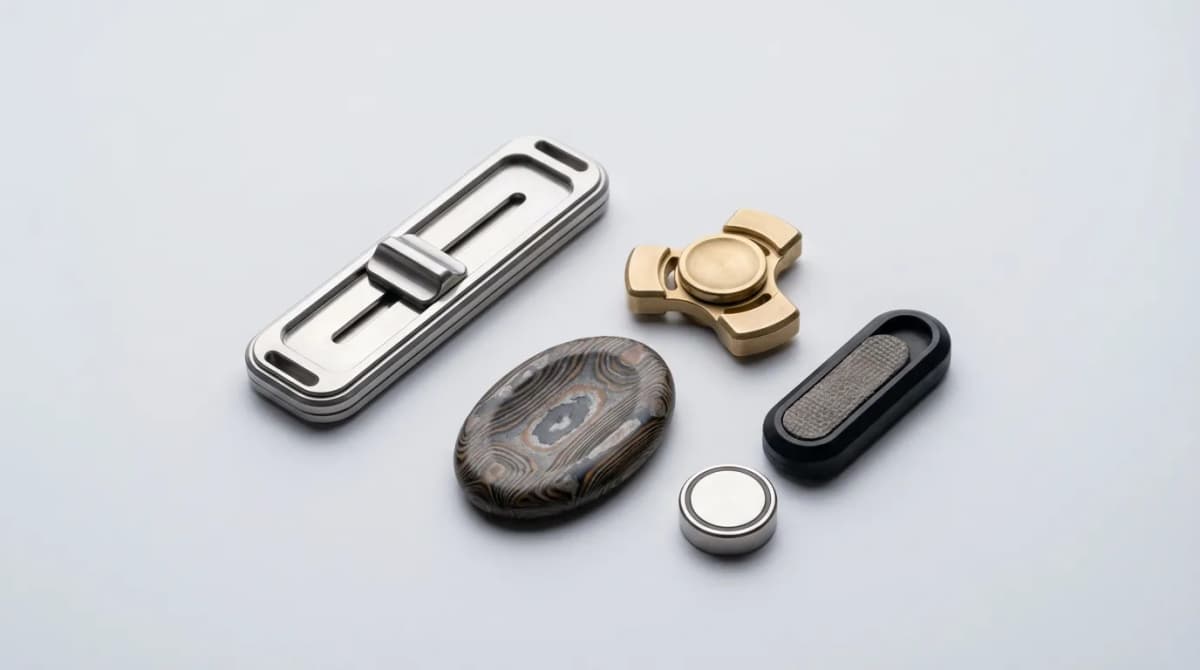
Fidget tools have moved beyond cheap plastic spinners. The current generation of EDC fidget gear uses precision machining, quality materials, and mechanical designs that satisfy your hands without annoying everyone around you. These are tools you can use during a video call, in a quiet office, or while reading without broadcasting your anxiety to the room.
The best fidget tools combine smooth mechanical action with compact carry. You want something that fits in a pocket, provides satisfying tactile feedback, and won't get you weird looks when you pull it out during a meeting. We tested sliders, spinners, clickers, and magnetic tools to find what actually helps with focus versus what just makes noise.
Why slider mechanisms work better than spinners
Sliders give you something to do with your thumb while your brain processes information. The back-and-forth motion is repetitive enough to be calming but doesn't require visual attention like a spinner does. You can operate a slider entirely by feel, which means you can use it while reading, listening, or watching something without breaking focus.
The key is the resistance. Cheap sliders feel mushy or sticky. Quality sliders have consistent tension through the full range of motion, with detents or resistance points that give your thumb something to work against. Magnetic sliders use opposing magnets to create smooth resistance without mechanical friction. Spring-loaded sliders snap back to center, giving you a satisfying return on every push.
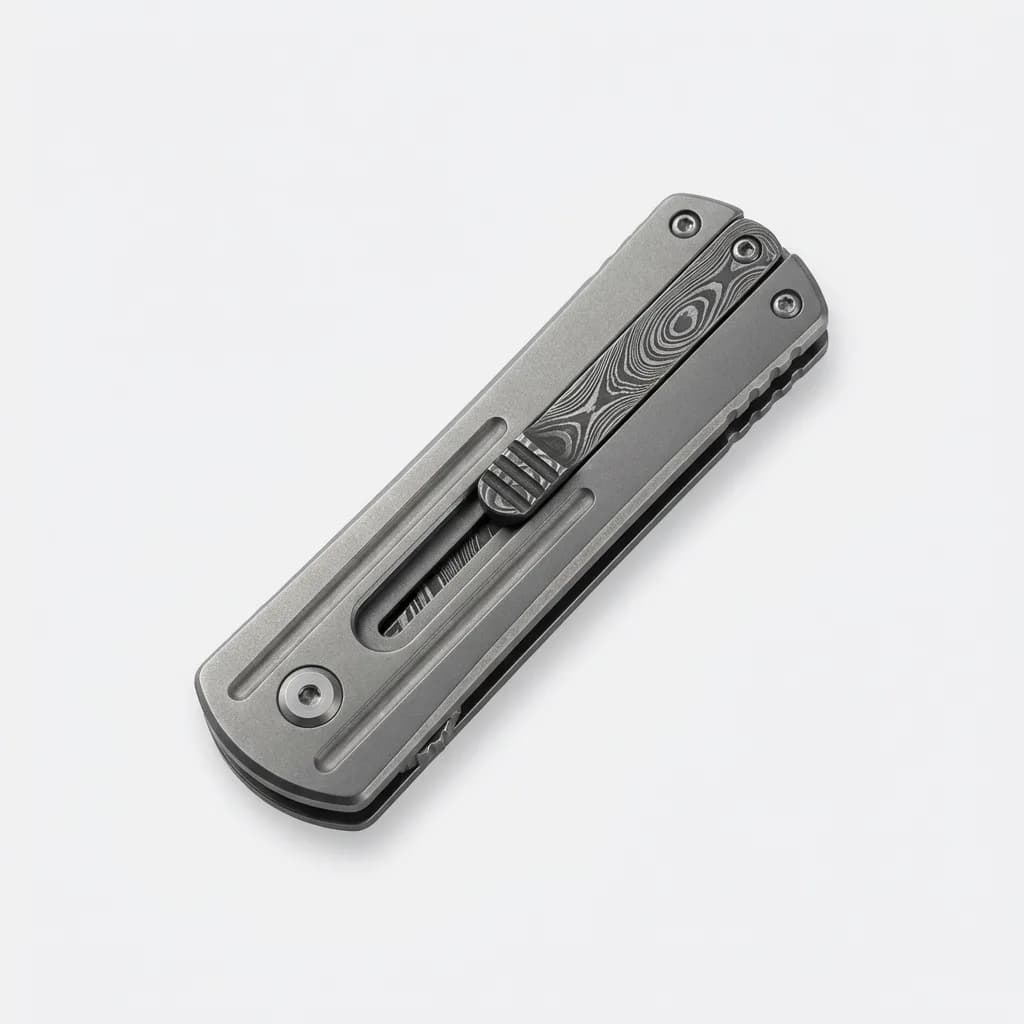
Rike Knife Thor Damasteel Slider
See current price
Titanium body with Damascus steel slider bar. Magnetic resistance system with smooth action and no wobble. Compact at 2.4 inches long.
Spinners had their moment, but they're too visually distracting. Every spin pulls your eyes toward the motion, breaking concentration. Sliders keep your hands busy while your eyes stay on your work. That makes them better for meetings, calls, or any situation where you need to look engaged while managing nervous energy.
Silent click mechanisms for office environments
Some people need audible feedback. The click of a pen or the snap of a mechanism provides a satisfying sensory response that helps manage stress. But most click-based fidget tools are too loud for shared spaces. The best EDC clickers use dampened mechanisms that give you tactile feedback without broadcasting every click across the conference room.
Button-based fidgets pack multiple switches into a compact housing. Each button has different resistance and travel, giving you variety without carrying multiple tools. The quiet ones use rubber dampening under each button to absorb the sound while preserving the feel of the click. You get the satisfaction without the noise.
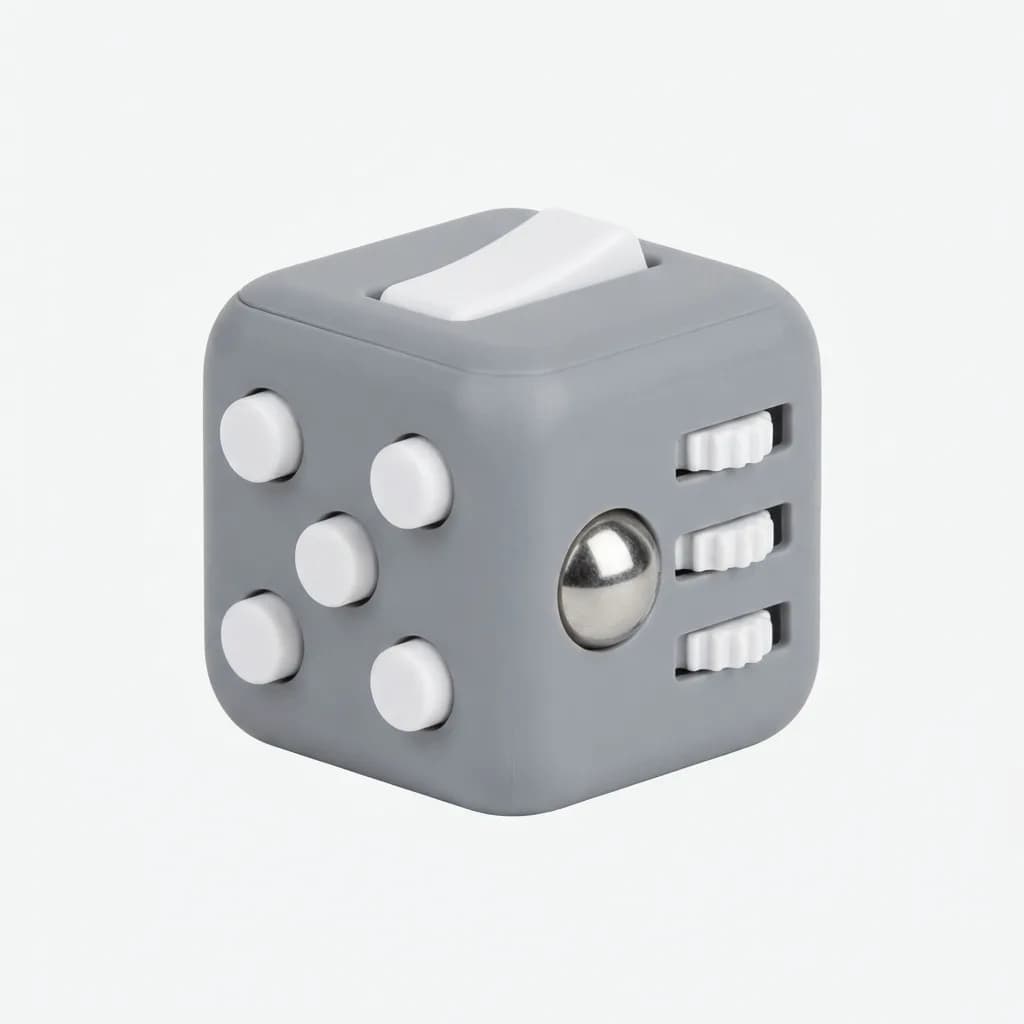
Fidget Cube by Antsy Labs
$14
Six sides with different mechanisms including silent buttons, switches, worry stone, and roller. Compact 1.3-inch cube fits in any pocket.
Ratcheting mechanisms provide another option. The pawl-and-gear design gives you distinct clicks with adjustable volume. High-end ratchet fidgets let you tension the mechanism, making it louder or quieter depending on your environment. Loose for home use, tight for the office. That flexibility matters if you carry the same tool everywhere.
What makes titanium worth the premium
Titanium fidget tools cost three to five times more than aluminum versions. The material difference is real. Titanium is denser, which gives small fidget tools enough heft to feel substantial without adding bulk. A titanium slider weighs about an ounce but feels solid in hand. Aluminum versions weigh half that but feel insubstantial, like you might crush them by accident.
The finish matters too. Titanium holds bead-blasted and stonewashed finishes better than aluminum. Those finishes hide wear and provide grip without texture that catches on pocket fabric. Aluminum shows scratches, dings, and wear spots quickly. Titanium patinas instead of wearing down, developing character without looking beat up.
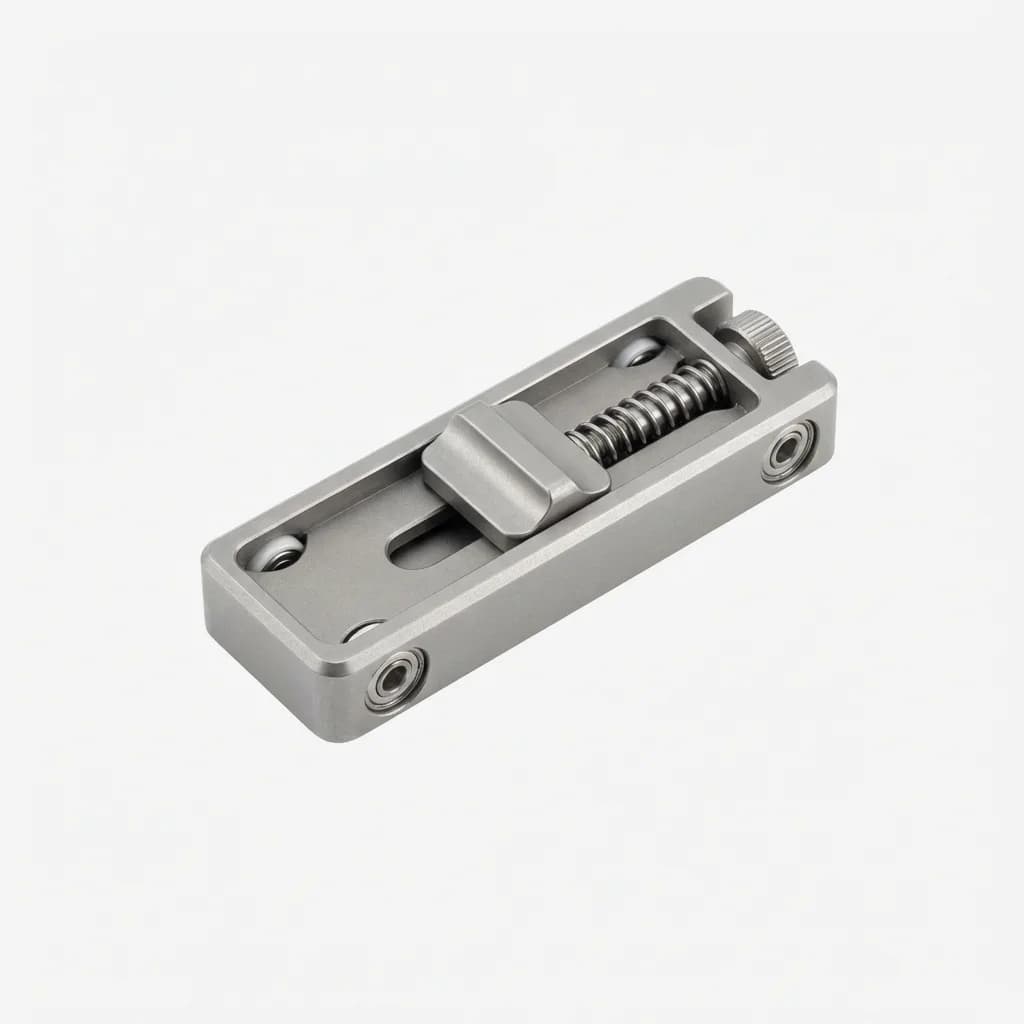
TEC Accessories Slider S1 Titanium
$89
Grade 5 titanium construction with ceramic bearings. Spring-return action with adjustable tension. Measures 2.25 x 0.75 inches and weighs 1.2 ounces.
Brass offers a middle ground. It's heavier than titanium, cheaper to machine, and develops a natural patina that many people prefer. Brass fidget tools feel substantial and warm up in your hand. The downside is maintenance. Brass tarnishes and needs occasional polishing if you want to maintain the original finish. Titanium requires nothing beyond occasional cleaning.
Magnetic fidget tools and why they're different
Magnetic fidgets use rare-earth magnets to create resistance and connection points. You can separate pieces, rearrange them, and snap them back together with satisfying clicks. The magnetic force provides variable resistance - weak when separated, strong when close - giving you a range of tactile experiences from one tool.
The best magnetic fidgets use multiple pieces that can be configured in different ways. Magnetic rings that nest together, balls that connect into chains, or tiles that can be arranged into patterns. The variety prevents boredom. When one manipulation gets stale, you switch to another configuration.
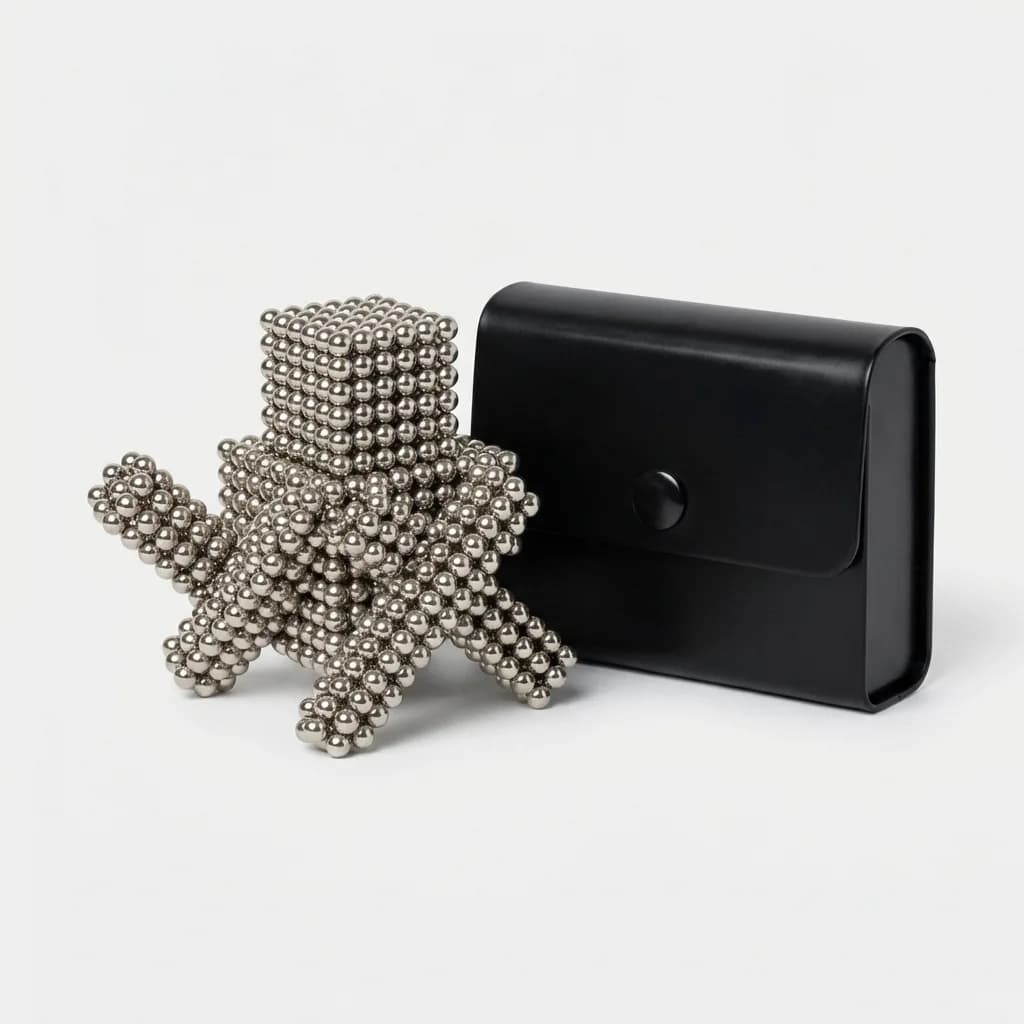
Speks Original Magnetic Balls Set
$30
512 small rare-earth magnetic spheres that connect, stack, and form shapes. Comes with carrying case. Each ball is 2.5mm diameter.
The warning with magnetic fidgets is durability. Drop a magnetic ball set and you'll spend ten minutes chasing individual spheres across the floor. Magnetic sliders are better for EDC because the magnets are embedded in a solid body. You get the magnetic resistance without the risk of losing pieces.
Worry stones and texture-based options
Not every fidget tool needs moving parts. Worry stones provide tactile stimulation through texture alone. A smooth stone with a thumb-sized depression gives your hands something to do without mechanisms to maintain or lose. The repetitive motion of rubbing your thumb across the stone's surface can be calming without being distracting.
Modern worry stones use materials like titanium, copper, or machined aluminum instead of natural stone. The advantage is consistency. Every piece has the same dimensions, weight, and texture. Natural stones vary, and you can't replace them if you lose one. Machined stones can be reordered to the exact specifications you're used to.
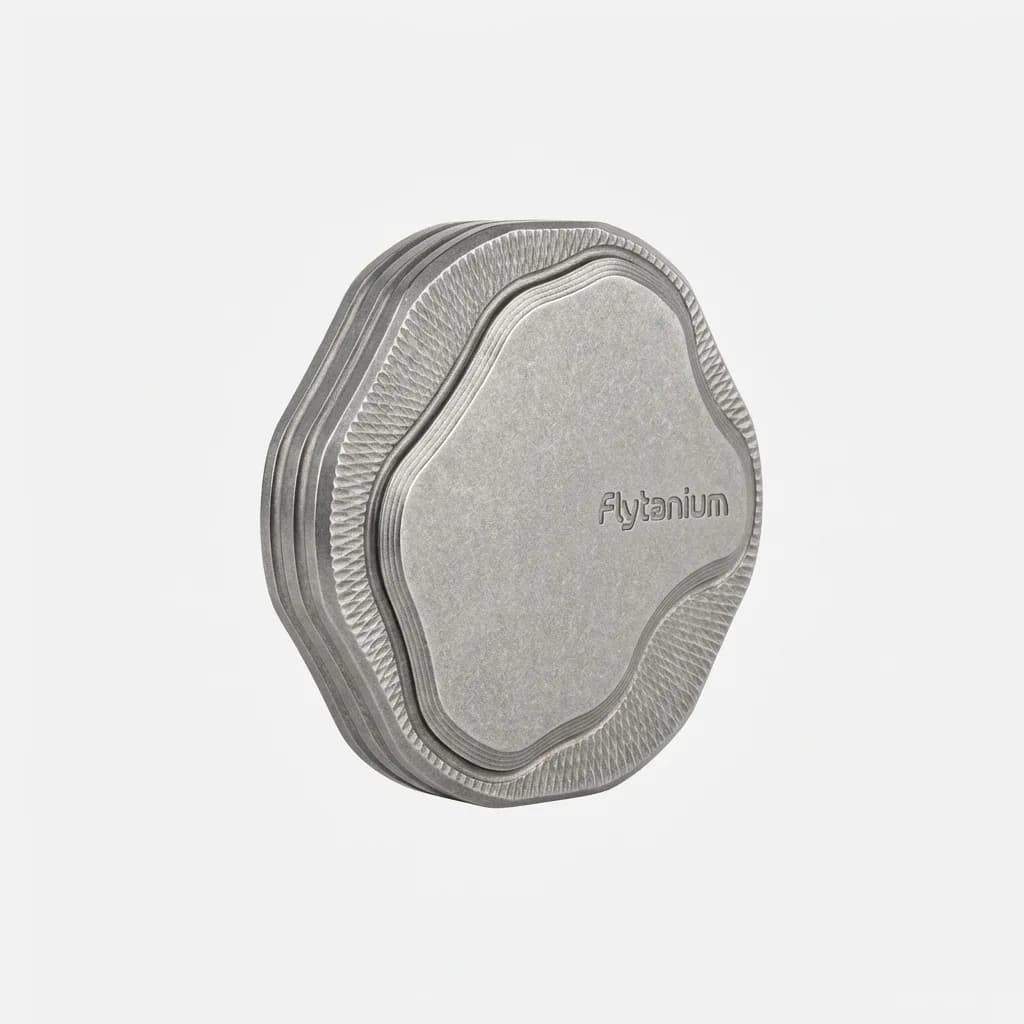
Flytanium Crossfade Worry Coin
$35
Titanium coin with contoured edges and textured surfaces. 1.5-inch diameter, 0.3 inches thick. Designed for thumb manipulation and pocket carry.
Textured grips and knurling patterns provide passive fidget satisfaction. Tools with aggressive knurling give your thumb something to feel without requiring motion. You can rub your thumb across the pattern while thinking, providing sensory input without distraction. This works well for people who need subtle stimulation rather than active manipulation.
Do fidget tools actually improve focus?
The research on fidget tools and focus is mixed. Some studies show improved attention in people with ADHD when given a physical task to occupy their hands. Other studies find no difference or even decreased performance. The variation comes down to individual differences and the type of task involved.
Fidget tools seem to work best for passive listening tasks - calls, meetings, lectures, or watching videos. Your brain can process auditory information while your hands stay busy. They work less well for reading or detailed visual work, where the hand motion can compete for attention with the text or images you're trying to focus on.
The key is matching the fidget tool to the situation. Quiet, one-handed tools work for meetings. Tools that don't require visual attention work for reading. Tools with satisfying mechanical feedback work for stress relief during breaks. No single fidget tool handles every scenario, which is why many people rotate between two or three different types.
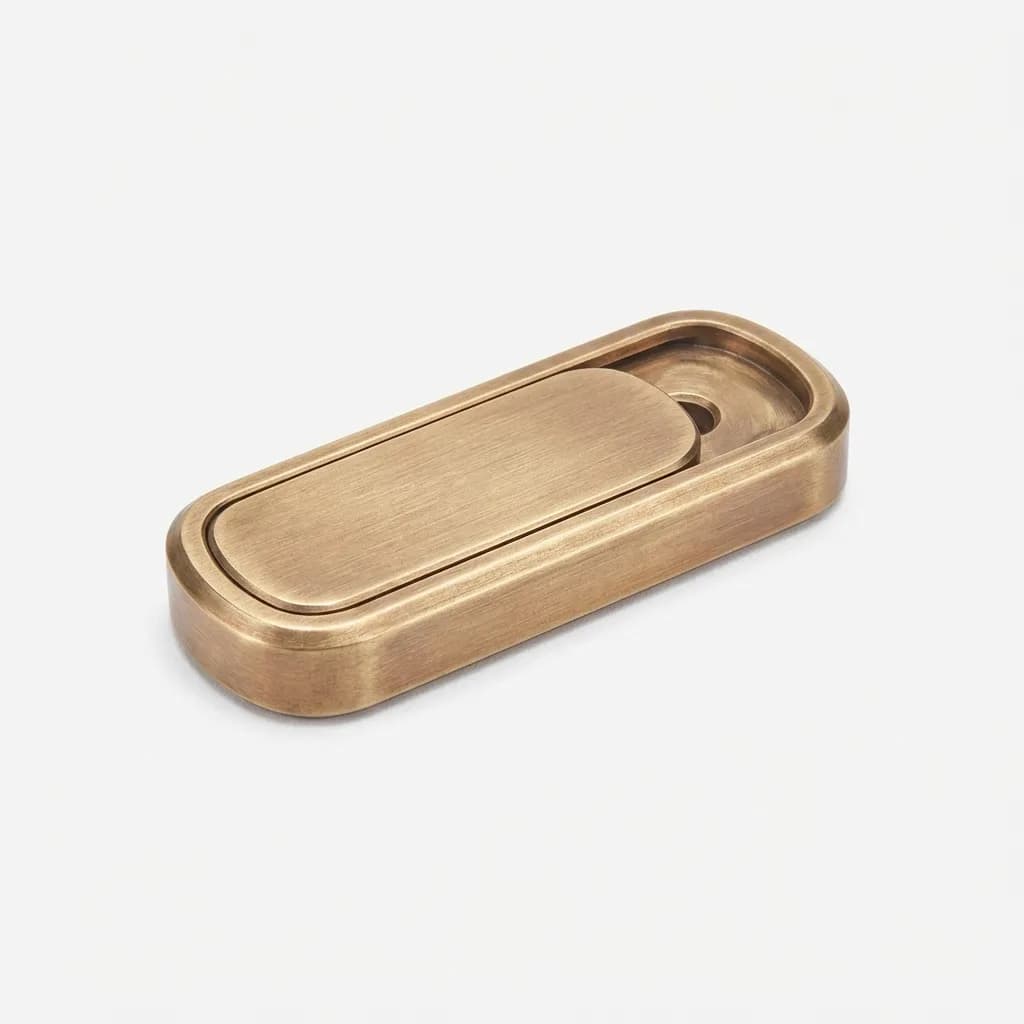
Grovemade Brass Fidget Slider
$68
Solid brass construction with weight-dampened slide mechanism. Measures 2 x 0.6 inches and weighs 2.1 ounces. Develops natural patina over time.
How to choose your first EDC fidget tool
Start with a slider if you're new to EDC fidget tools. Sliders are intuitive, quiet, and effective for most people. Get something in the 2 to 2.5-inch range so it fits comfortably in a pocket but has enough surface area to manipulate easily. Avoid miniature sliders under 1.5 inches - they're too small to use comfortably for extended periods.
Material choice depends on your budget and preferences. Aluminum sliders start around $20 and work fine for testing whether you'll actually use a fidget tool. Titanium versions cost $60 to $100 but feel more substantial and last longer. Brass splits the difference at $40 to $70 with unique patina characteristics.
If sliders don't work for you, try a button-based fidget cube next. They provide more variety in a single tool, letting you experiment with different mechanisms without buying multiple items. The challenge is finding a quiet version - read reviews specifically mentioning noise levels before buying.
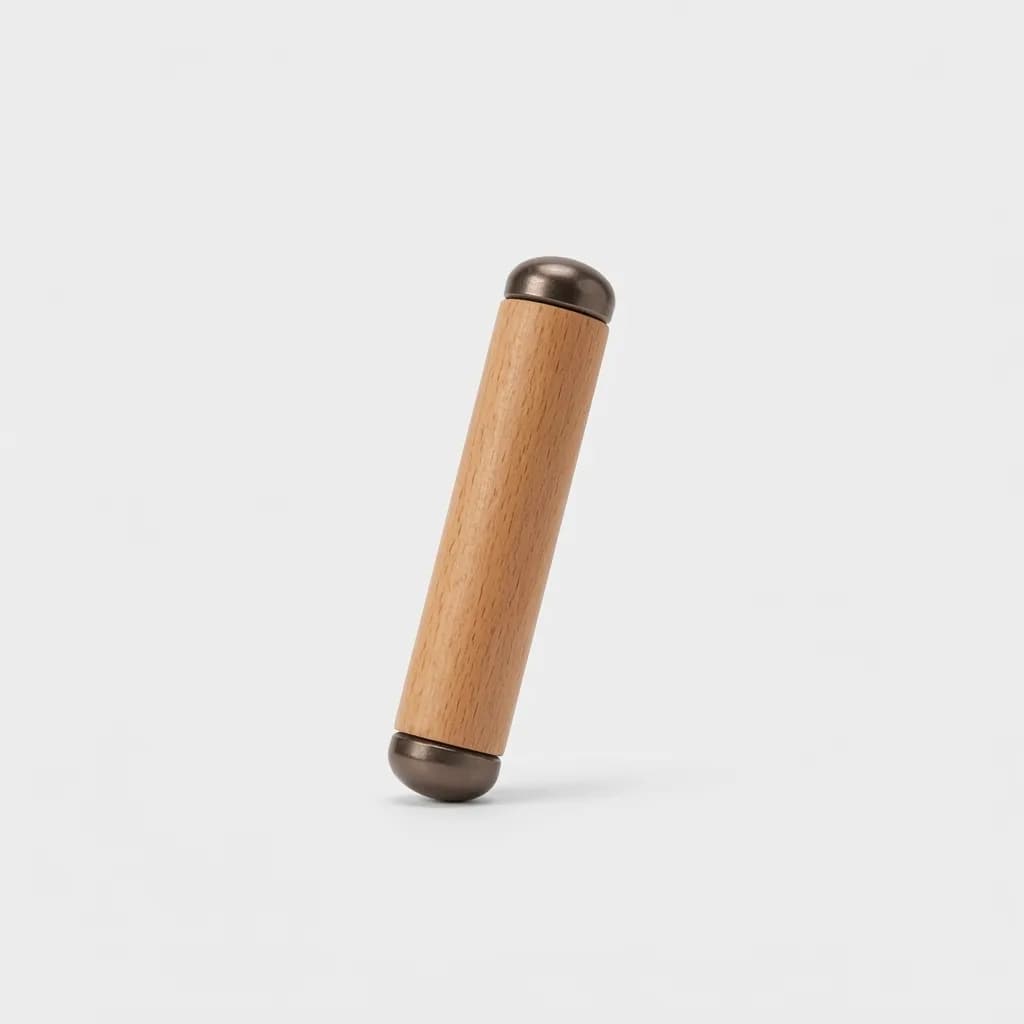
Mokuru Fidget Roller Stick
$12
Beechwood roller with weighted ends. Rocks back and forth on flat surfaces. 3.8 inches tall, requires desk space but silent operation.
Maintaining and carrying fidget tools
Most fidget tools are maintenance-free. Metal sliders occasionally need a drop of lubricant on the slide rails, but that's maybe twice a year with regular use. Avoid getting pocket lint in the mechanism by carrying your fidget tool in a dedicated pocket or small pouch. Lint builds up in slide channels and dampens the smooth action.
Magnetic fidgets need more attention. Magnetic surfaces attract metal dust and particles, which can scratch finishes and interfere with magnetic force. Wipe down magnetic fidget tools weekly if you carry them in pockets with keys or other metal items. A microfiber cloth removes most debris without scratching.
Carry your fidget tool consistently to build the habit. Pocket carry works for most people, but some prefer keeping a fidget tool on their desk for meetings and calls. The desk option works if you have a dedicated workspace and won't forget to grab it. Pocket carry ensures you always have it when stress or distraction hits.
Wrap-up
EDC fidget tools work when they match your specific needs. Sliders excel at quiet, focused manipulation. Click mechanisms provide satisfying feedback for people who need audible confirmation. Magnetic tools offer variety through reconfiguration. Worry stones and textured tools give your hands something to do without moving parts.
Quality materials make a difference in daily carry. Titanium, brass, and machined aluminum feel substantial and last for years. Cheap plastic fidgets break down quickly and don't provide the same tactile satisfaction. Spending $50 to $100 on a well-made fidget tool is worth it if you use it daily.
The right fidget tool reduces stress and improves focus without distracting the people around you. Start with a slider, experiment with different mechanisms, and find what keeps your hands busy while your brain stays engaged.
The Weekly Dispatch
Enjoying this article?
Subscribe and get our best gear picks delivered every Sunday morning.
Related Stories
Best RFID Blocking Wallet That Actually Works
RFID blocking wallets promise security, but most are overbuilt gimmicks. We found the ones that balance real protection with everyday usability.
DIY EDC Mods: Personalize Your Everyday Carry Gear
Learn practical DIY modifications for your EDC gear: paracord wraps, anodizing, custom scales, and personalization techniques that improve function and style.
EDC for the Office and After Hours
Building an EDC that works from boardroom to bar requires smart choices, not duplicate gear. Here's how to carry less and do more.