Best EDC Bags for Men Who Hate Bulky Bags
Slim EDC bags that hold essentials without adding bulk. We tested compact designs that actually fit your lifestyle and won't turn heads.
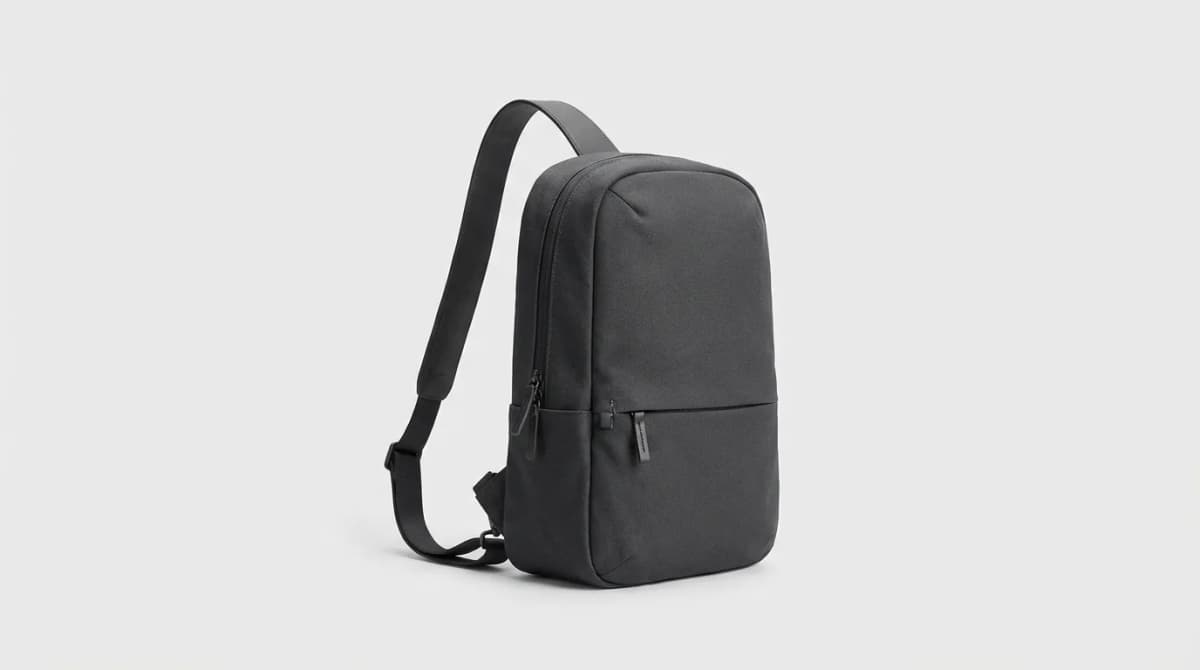
Most EDC bags try to be everything to everyone. They end up looking like tactical duffel bags or overstuffed backpacks that scream "I'm carrying too much stuff." If you're someone who wants to carry the essentials without looking like you're about to climb Everest, slim profile bags deserve your attention.
The key difference between a bulky bag and a streamlined one isn't just volume. It's about organization efficiency, material choice, and knowing when to say no to extra pockets. We spent three months testing bags under 15 liters that could handle a daily carry without adding visual or physical weight.
Why Slim EDC Bags Work Better for Urban Carry
Bulk isn't just about how much a bag holds. It's about how it sits against your body and how it moves through tight spaces. A 20-liter pack stuffed halfway looks worse and feels clunkier than a 12-liter bag filled to capacity.
Slim bags force you to edit your carry down to what matters. You can't bring "just in case" items when every cubic inch counts. This constraint actually improves your EDC because you learn what you truly need versus what you think you might need someday.
The profile matters in practical ways too. Narrow bags slip through crowded subway cars, fit under airplane seats without cramming, and don't catch on door frames. They sit flat against your back or side instead of pulling you backward with every step.
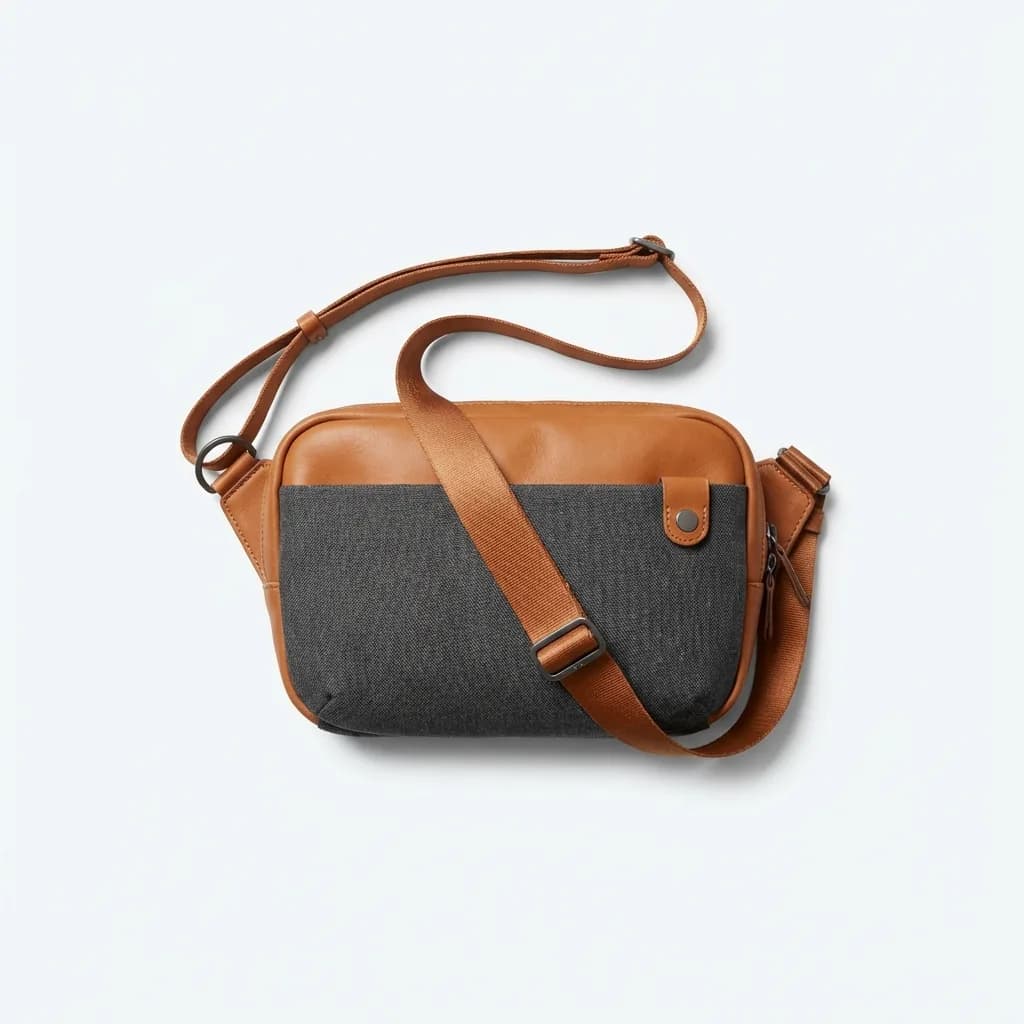
Bellroy Sling
$120
Premium leather and recycled materials with a 7-liter capacity. Magnetic quick-access pocket and adjustable strap. Weighs 280 grams.
Material choice drives the slim profile more than you'd expect. Thin but durable fabrics like X-Pac, Cordura ballistic nylon, or technical canvas maintain structure without adding padding bulk. Compare that to heavily padded tactical bags where the padding itself takes up space before you've packed anything.
The Perfect Size Range for Essential-Only Carry
We found the sweet spot sits between 8 and 15 liters for most people's daily needs. Anything under 8 liters becomes too restrictive unless you're only carrying a wallet, phone, and keys. Above 15 liters, bags start requiring more structure and padding to maintain shape, which adds bulk.
An 8-liter sling can handle a 13-inch laptop sleeve, a water bottle, keys, wallet, phone, and a light jacket. That covers 80% of daily scenarios for most people. A 12-liter bag adds room for gym clothes or a camera without crossing into backpacking territory.
Volume numbers lie though. A poorly designed 10-liter bag with wasted internal space performs worse than a well-organized 8-liter option. Look for bags with internal organization that creates dedicated spots for common items instead of one big cavern that requires smaller pouches.

Aer City Sling 2
$90
Ballistic nylon construction with 7.5-liter capacity. Padded laptop pocket fits up to 13 inches. Quick-access front pocket with YKK zippers throughout.
The expansion factor matters too. Some bags include compression straps or roll-top closures that let them shrink down when you're carrying less. This adaptability means the bag doesn't look half-empty on light days, which is when bulk becomes most obvious.
Slings vs. Crossbody Bags vs. Compact Backpacks
Slings sit at an angle across your torso with a single strap. They swing around to your front for access without taking the bag off. This makes them fastest for grabbing items on the move, but they distribute weight unevenly and can feel lopsided with heavier loads above 3 pounds.
Crossbody bags sit more vertically with a longer strap that crosses your body. They hang at your hip or slightly behind it. Weight distribution feels more balanced than slings, and they look more refined in professional settings. The tradeoff is slower access since you need to pull the bag forward and unzip it.
Compact backpacks with both straps distribute weight best and disappear against your back. They're ideal for heavier carries or longer periods of wear. The downside is you have to fully remove them for access, which gets annoying if you're constantly pulling out your water bottle or wallet.
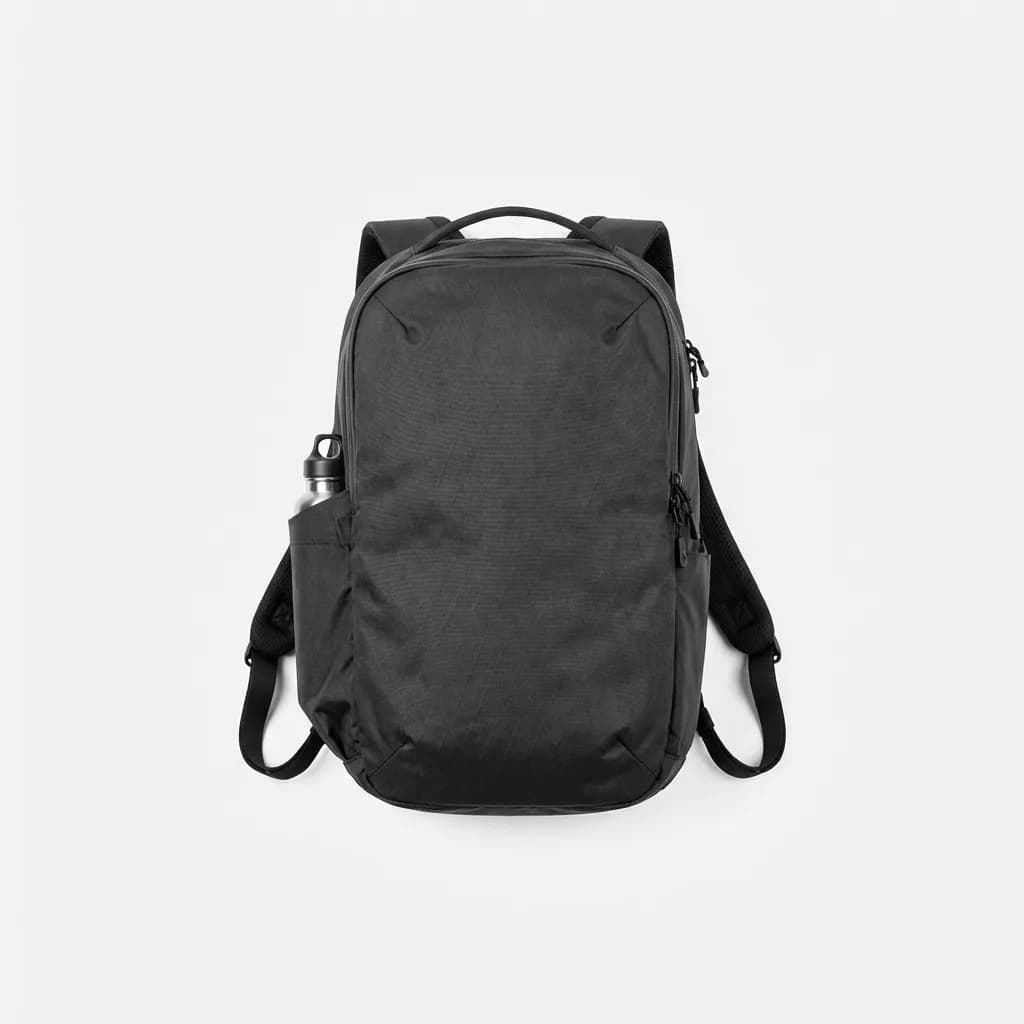
Boundary Supply Rennen Day Pack
$149
14-liter capacity with weatherproof X-Pac material. Laptop compartment fits 15 inches. Hidden passport pocket and water bottle side access. Weight: 680 grams.
We found crossbody bags hit the best middle ground for all-day carry. Slings excel for active days with frequent access needs. Compact backpacks make sense when you're carrying a laptop daily or commuting longer distances.
Materials That Stay Thin Without Sacrificing Durability
X-Pac stands out as the thinnest durable option. Originally developed for racing sails, it layers polyester fabric with Mylar film and a diamond ripstop backing. A bag made from X-Pac VX21 (the most common weight) adds almost no bulk but handles abrasion and weather better than materials twice as thick.
Cordura ballistic nylon in 500D weighting provides excellent tear resistance without the stiffness of heavier 1000D versions. It breaks in softer over time while maintaining structure. This material shows up in most quality slim bags because it delivers the durability-to-thickness ratio that makes minimalist designs possible.
Waxed canvas creates a different aesthetic but requires more thickness to achieve comparable durability. It works for casual or heritage-styled bags where a bit more visual weight fits the design language. The wax coating adds water resistance that improves with regular use and re-waxing.
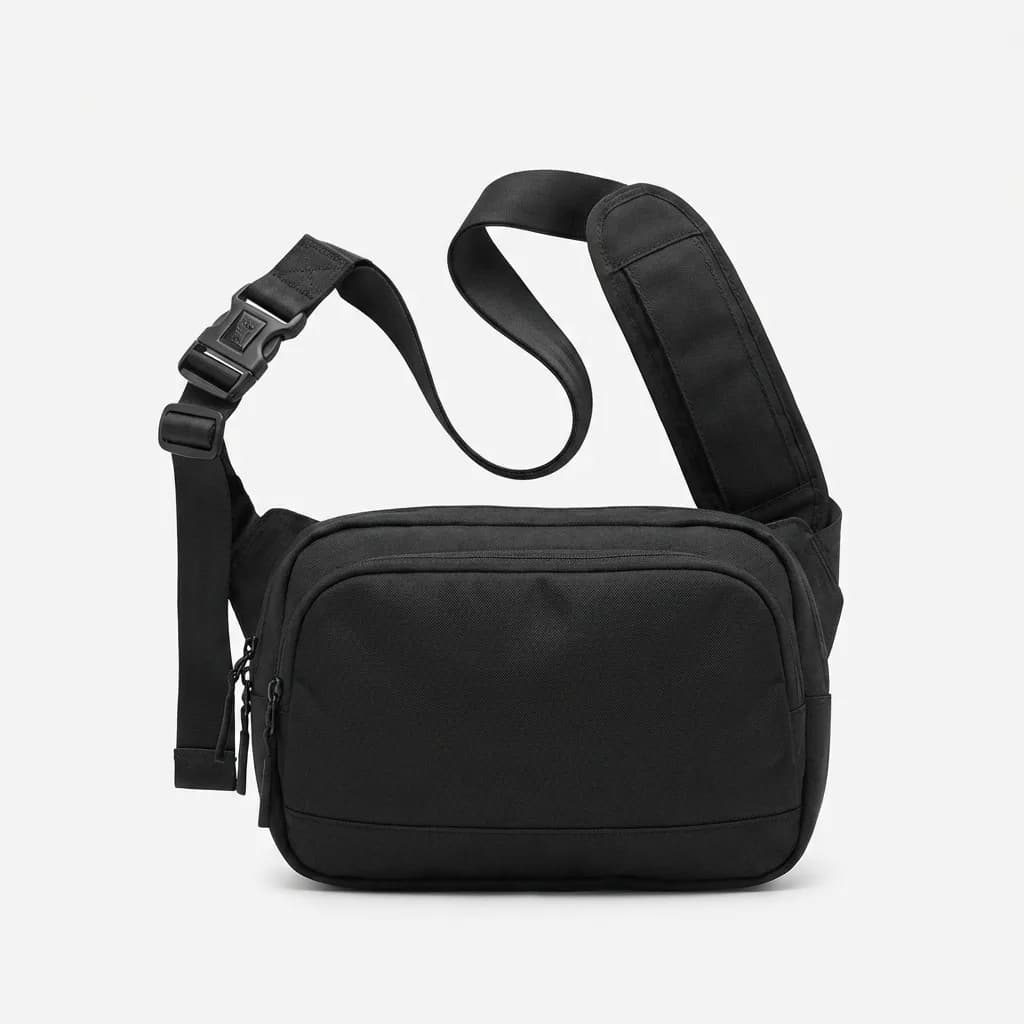
Chrome Industries Kadet Sling
$70
Military-grade nylon with seatbelt buckle closure. 9-liter capacity with padded electronics pocket. Lifetime warranty. Made in USA. Weight: 510 grams.
Recycled materials like ECONYL (regenerated nylon from fishing nets) now match virgin fabric performance while reducing environmental impact. Several brands including Bellroy and Patagonia build their slim bags primarily from recycled content without compromising on durability or adding bulk.
Organization Features That Actually Matter in Small Bags
Internal organization makes or breaks slim bags. Without it, everything settles to the bottom in a jumbled pile. With too much organization, you lose the flexibility that makes minimal bags work.
The essential features: one quick-access external pocket for frequently grabbed items like keys or a transit card, one padded sleeve for electronics, and one or two internal slip pockets for flat items like notebooks or chargers. That's it. More than that and you're building bulk through dividers and excess material.
Elastic loops and key clips sound helpful but usually go unused. We found them more annoying than functional because they require deliberate placement every time you pack. The exception is a single key clip near a quick-access pocket, which actually saves time digging for keys.
Magnetic closures beat zippers for top pockets on slings and crossbody bags. They open and close one-handed without looking, which matters when you're standing on a crowded train. YKK zippers remain the standard for main compartments since they seal more securely and last longer than cheaper alternatives.
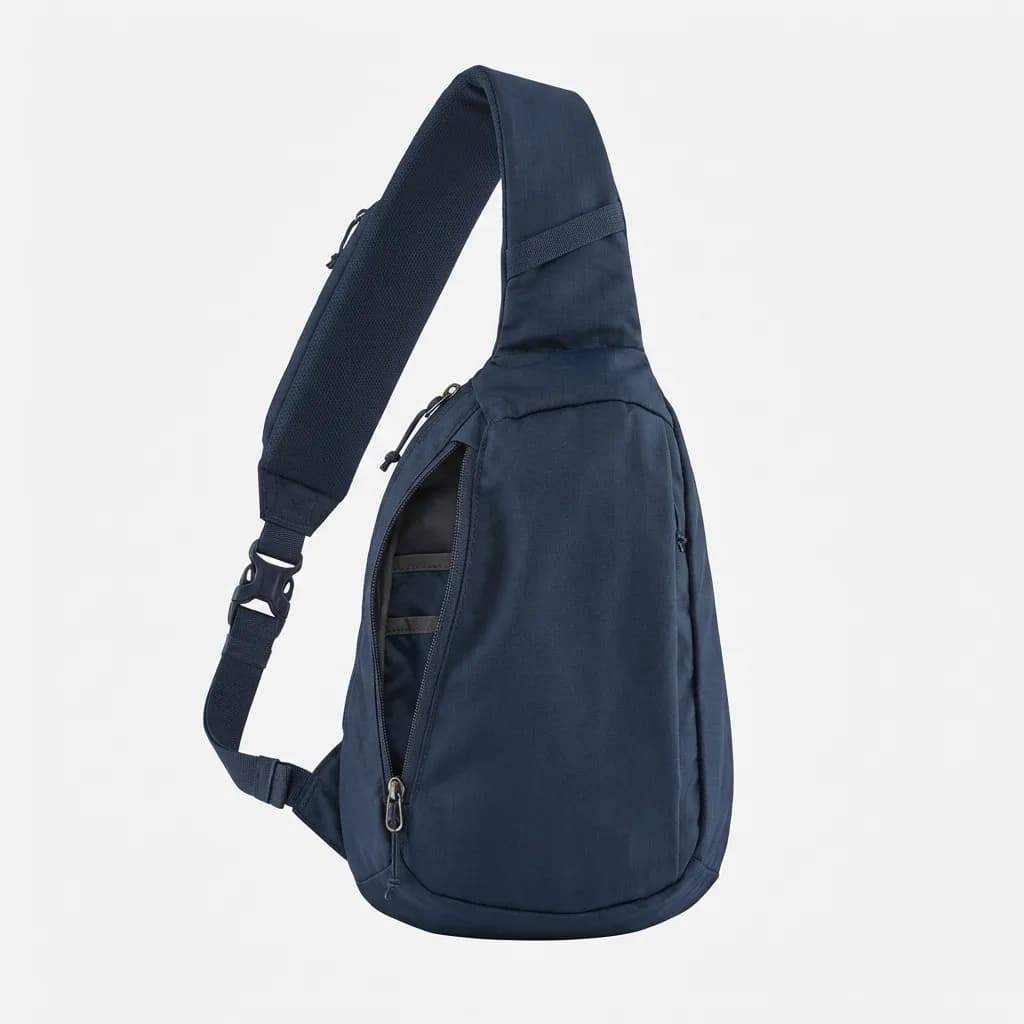
Patagonia Atom Sling 8L
$55
100% recycled ripstop polyester with DWR finish. Padded back panel and adjustable cross-body strap. External zippered pocket and internal organization. Weight: 270 grams.
Compression straps on the sides let you cinch the bag down when it's not full. This single feature prevents the saggy, half-empty look that makes small bags appear poorly designed. Look for straps that tuck away or sit flush when not in use so they don't add visual clutter.
When a Slim Bag Won't Work
Slim bags fail for specific scenarios. If you regularly carry camera gear, a laptop larger than 15 inches, or need to pack for overnight trips, you need more volume and structure than minimalist designs provide.
Heavy items like textbooks or large water bottles throw off the balance in slings and crossbody bags. The single strap configuration can't distribute that weight comfortably. A compact backpack handles this better but still struggles compared to larger packs designed for load carrying.
Weather protection in slim bags typically maxes out at light rain resistance from DWR coatings. Heavy rain requires either a completely waterproof bag (which adds weight and bulk through welded seams and waterproof zippers) or a separate rain cover. If you commute by bike in a wet climate, this becomes a real limitation.
Professional settings sometimes require more formal bag styles. A slim sling works in creative or casual offices but might look too sporty for traditional business environments. Leather crossbody bags bridge this gap better, though they usually cost more and require care to maintain appearance.
How to Actually Pack a Minimal EDC Bag
Start with the heaviest, flattest items against the back panel. This usually means your laptop, tablet, or notebook. Keeping weight close to your body improves comfort and reduces the bag's tendency to swing or pull.
Next layer should be soft, compressible items like a jacket or gym clothes. These fill space efficiently and create a cushion for hard objects. Roll clothes instead of folding them to maximize space and reduce wrinkles.
Small, frequently accessed items go in quick-access pockets. This means wallet, keys, phone, and earbuds stay separate from the main compartment. You should be able to grab these without opening the primary zipper.
Water bottles create a challenge in slim bags. Side pockets work but add width. Internal placement keeps the profile narrow but requires pulling the bottle out through the main opening. We prefer bags with stretchy internal side pockets that expand for a bottle but lay flat when empty.
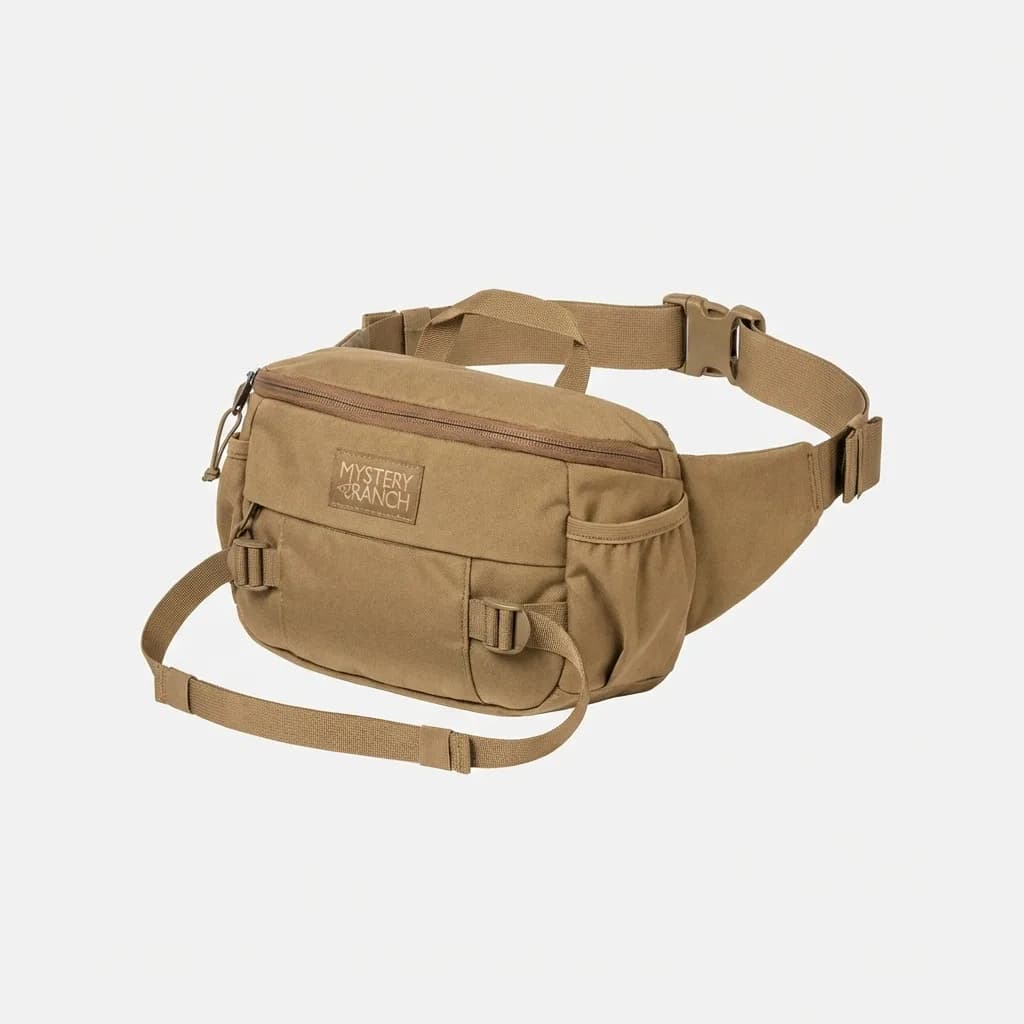
Mystery Ranch Hip Monkey
$65
8-liter capacity with zippered main compartment and water bottle slot. Adjustable webbing hip belt and removable waist strap. Weight: 340 grams.
Choosing Between Premium and Budget Options
Premium bags from brands like Bellroy, Aer, and Boundary Supply cost $90-150 but include lifetime warranties, premium materials like X-Pac or full-grain leather, and superior hardware. Zippers never snag, buckles don't break, and stitching holds up through years of daily use.
Budget options under $50 from brands like AmazonBasics or generic tactical companies use cheaper materials and hardware that show wear faster. Zippers fail within a year, straps fray at stress points, and coatings peel off after a few months. You'll likely replace them within two years.
The middle tier from brands like Chrome Industries, Patagonia, and Timbuk2 hits $60-90 with solid warranties and good materials. This range delivers the best value for most people. You get durability that lasts 5+ years without paying for premium leather or cutting-edge technical fabrics.
Material cost drives most of the price difference. X-Pac fabric costs about 5x more than standard nylon per yard. YKK Aquaguard zippers cost 3x more than basic coil zippers. Premium bags aren't just marked up for brand names; the components genuinely cost more to source and require better construction to work properly.
Finding the Right Bag for Your Specific Carry Style
Daily commuters need laptop protection and weather resistance above all else. Look for padded sleeves that fit your device size and materials with DWR coatings at minimum. Compact backpacks work best here since they distribute weight better for longer wear periods.
Weekend errand runners benefit most from slings with quick access. You're constantly in and out of the bag for your wallet, phone, or keys. Magnetic closures and external pockets become essential features. Capacity can stay on the smaller end since you're not carrying work gear.
Hybrid office-gym users need bags that can compress down when carrying less and expand for workout clothes. Look for roll-top designs or bags with compression straps. A separate shoe compartment or wet pocket helps isolate dirty gym gear from clean work items.
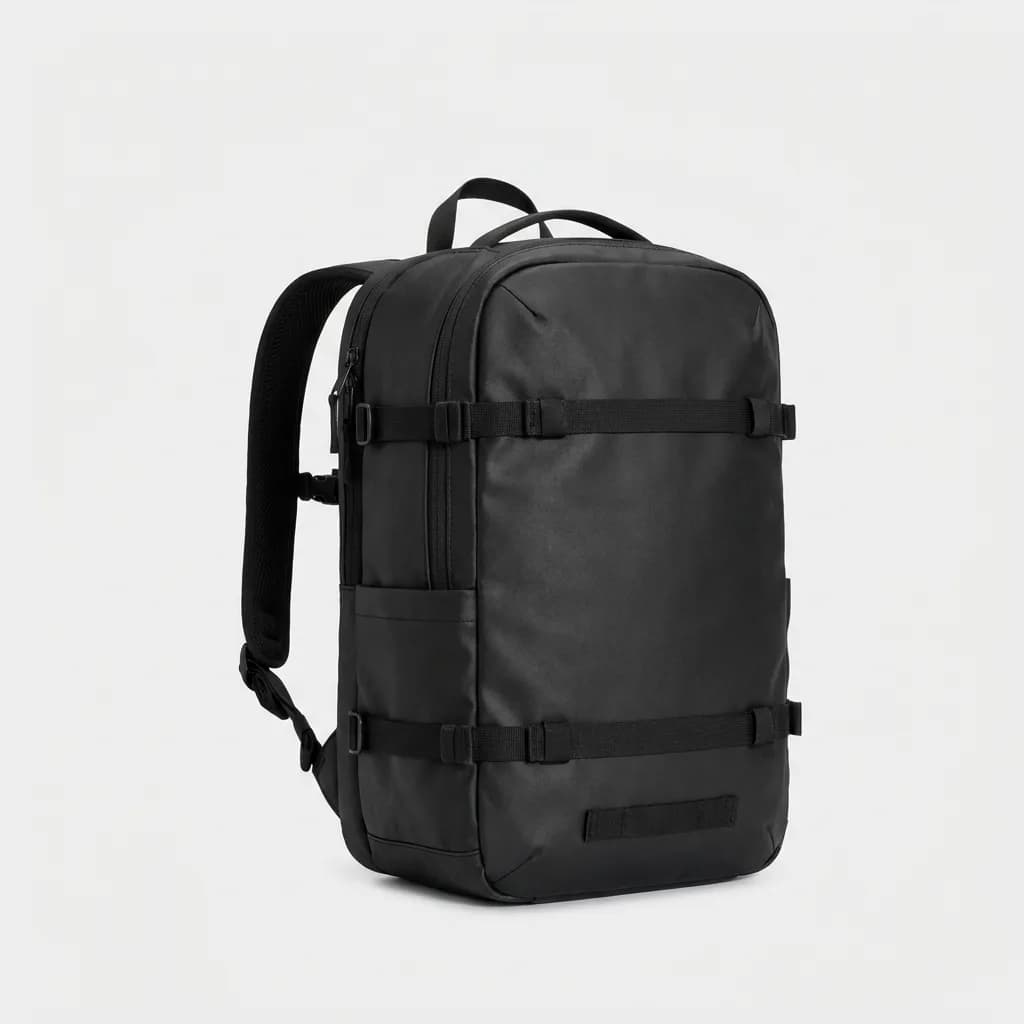
Timbuk2 Never Check Expandable Backpack
$129
15-liter capacity expands to 22 liters. Water-resistant TPU coating. Laptop compartment fits 15 inches. Compression straps and sternum strap. Weight: 860 grams.
Travel-focused users want maximum organization in minimum space. Internal compression, multiple small pockets, and the ability to carry the bag multiple ways (crossbody, backpack, hand carry) add versatility. Look for bags with luggage pass-through straps that slide onto rolling suitcase handles.
Breaking In and Maintaining Your Slim Bag
New bags often feel stiff, especially those made from ballistic nylon or waxed canvas. Give them 2-3 weeks of daily use before judging comfort. The materials soften and conform to your carry patterns, and straps adjust to your preferred positioning through repeated wear.
Cleaning depends on material. Technical fabrics like nylon and X-Pac wipe clean with a damp cloth and mild soap. Don't machine wash unless the manufacturer explicitly allows it. The agitation can delaminate bonded fabrics and damage waterproof coatings.
Waxed canvas needs re-waxing every 6-12 months depending on use. Buy proper wax bars made for canvas, warm the fabric slightly with a hair dryer, rub the wax in circular motions, then heat again to set it. This 15-minute process restores water resistance and refreshes the appearance.
Leather bags require the most maintenance. Condition every 2-3 months with leather conditioner to prevent drying and cracking. Avoid getting leather fully soaked. If it does get wet, let it air dry slowly away from direct heat, then condition once dry.
Check stitching and stress points every few months. Catching a loose thread early means a quick fix with a needle rather than a blown seam that requires professional repair. Most quality bags handle 5+ years of daily abuse if you address small issues before they become major failures.
What Actually Makes a Bag Feel Slim
Visual profile matters as much as actual dimensions. A bag with clean lines, minimal external straps, and a monochrome color scheme reads as slimmer than one with busy designs, dangling attachments, and high-contrast accents.
Strap width affects perceived bulk too. Wide, padded straps scream "serious gear" while narrow (but still comfortable) straps keep things understated. The sweet spot sits around 1.5 inches wide with thin padding that doesn't add visual weight.
Hardware finish contributes to the slim aesthetic. Black or gunmetal buckles and zippers blend into dark bags, while shiny silver hardware draws attention and adds visual complexity. Matte finishes trump glossy ones for maintaining a streamlined look.
The bag's ability to collapse when empty or lightly loaded separates truly slim designs from bags that just happen to be small. Structure is good for protecting contents but bad for adaptability. The best slim bags find the balance through strategic reinforcement in key areas while leaving other sections flexible.
Wear it high on your back or side rather than letting it hang low. Positioning the bag higher keeps it out of the way, improves weight distribution, and creates a more intentional look. Adjust straps shorter than you think you need, then fine-tune from there.
The Weekly Dispatch
Enjoying this article?
Subscribe and get our best gear picks delivered every Sunday morning.
Related Stories
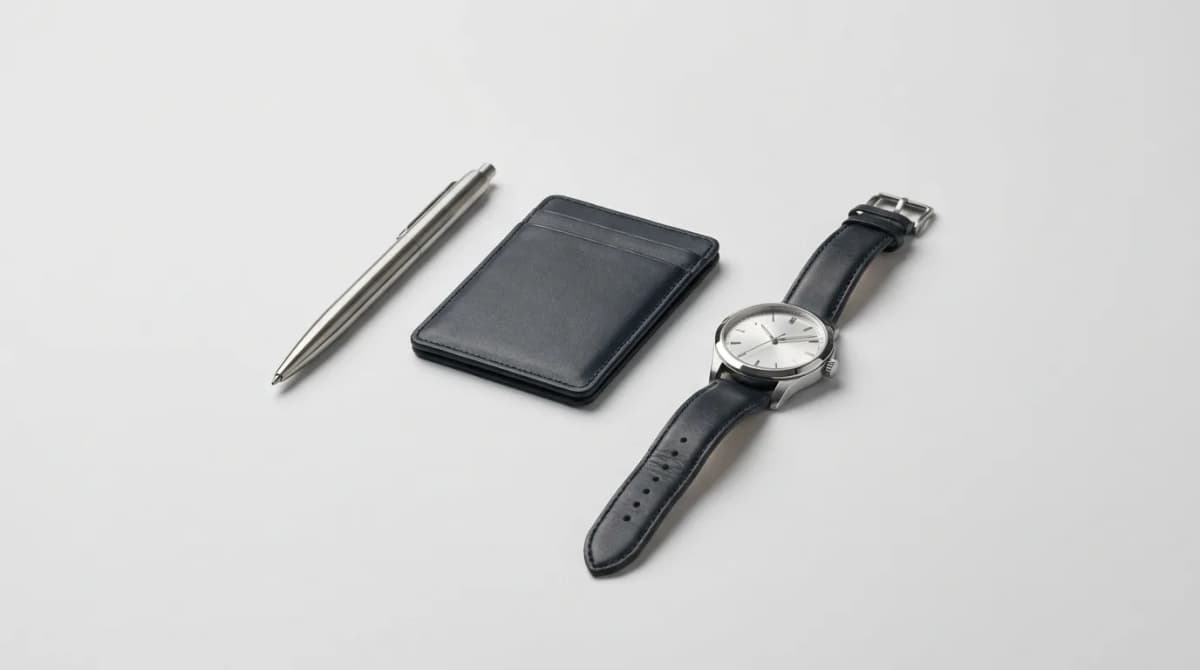
EDC for the Office and After Hours
Building an EDC that works from boardroom to bar requires smart choices, not duplicate gear. Here's how to carry less and do more.
Best Pocket Tools for Apartment Maintenance
You don't need a full toolbox for apartment fixes. These pocket-sized tools handle loose screws, furniture assembly, and quick repairs without taking up drawer space.
Best EDC Items for Night Walks in the City
Walking city streets after dark requires specific gear. Here's what actually matters for visibility, awareness, and confidence during urban night walks.